

Free Sønderborg Travel Guide & Mobile App
Plan your Sønderborg trip with Evendo. Get free guides to top attractions, restaurants, hotels, and bars. Web access or download the mobile app.


Sønderborg, Denmark, pairs a waterfront castle, island landscapes and the history of 1864 with museums, cafés and walks beside the Flensburg Fjord.
A Waterfront Town on Als
Sønderborg occupies a commanding position on the island of Als and the southern shore of Als Sund, where the waterway opens towards the Flensburg Fjord. Its centre combines a compact harbour, broad waterfront promenades, older streets and a distinctly maritime atmosphere. Ferries, pleasure craft and working boats pass through the sound, while cafés and restaurants face the water and the red-brick Sønderborg Castle rises at the edge of the historic town.Read more about Sønderborg
Castles, War and National Memory
Contemporary Alsian Life
When is the best time to visit Sønderborg?
Best: June–August · 21–24°C| Month | High (°C) | Rainfall (mm) |
|---|---|---|
| January | 3 | 33 |
| February | 3 | 26 |
| March | 5 | 29 |
| April | 10 | 33 |
| May | 16 | 35 |
| June (best) | 21 | 42 |
| July (best) | 24 | 47 |
| August (best) | 24 | 46 |
| September | 18 | 39 |
| October | 14 | 33 |
| November | 9 | 32 |
| December | 7 | 37 |
Getting to and around Sønderborg
How to get there
Transportation
Best attractions in Sønderborg
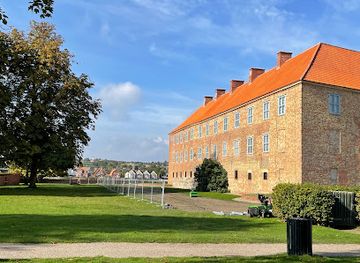
Sønderborg’s principal attractions unfold around the water. Sønderborg Castle, standing beside Als Sund, contains museum displays that explain the town’s ducal, borderland and wartime history, while its courtyards and waterfront setting make the building part of the townscape as well as a historical institution. The harbour promenade leads towards the modern cultural complex of Alsion, whose architecture and position on the sound contrast with the older centre. Across the water and just beyond the town, Dybbøl Banke and Dybbøl Mill introduce visitors to the decisive events of 1864 through open landscape, fortification remains and historical interpretation. Back in Sønderborg, the waterfront, bridges and pedestrian streets offer an unhurried way to observe local life, while the nearby Deutsches Museum Nordschleswig in Sønderborg presents German cultural history in the border region. Beaches, parks and coastal paths around Als add an outdoor dimension to the town’s heritage attractions.
-
Castle
Sønderborg Castle
Centuries of royal drama, borderland wars and Southern Jutland stories unfold inside this waterfront fortress‑turned‑museum on the Alssund.
2 min walk · 0.2 km from city centre
-
History museum
Historiecenter Dybbøl Banke
Step onto the ridge where Denmark’s fate was decided in 1864, with immersive battle films, reconstructed trenches and a living soldiers’ camp on historic Dybbøl Banke.
6 min drive · 2.0 km from city centre
-
Tourist attraction
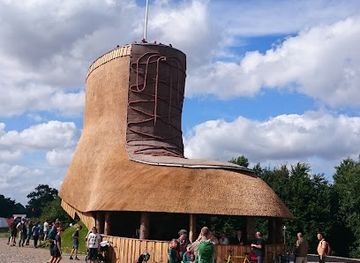
Støvlen
A 12‑metre‑high boot‑shaped picnic house and lookout tower born from a giant scout camp, blending quirky design, open countryside views and cosy shelter.
9 min drive · 2.8 km from city centre
-
Cultural center
Sønderborghus
Cosy cultural house in central Sønderborg, blending live music, creative workshops and a welcoming café into one relaxed, community-focused venue.
8 min walk · 0.6 km from city centre


Best landmarks in Sønderborg
Sønderborg Castle is the town’s defining historic landmark, its solid walls and later Renaissance and royal adaptations reflecting centuries of political importance beside Als Sund. Sønderborg Harbour and the Alssund Bridge are more modern symbols of the town’s relationship with water and movement, connecting the historic centre with the island landscape beyond. The nearby Dybbøl Mill, although outside central Sønderborg, is an important regional landmark associated with the 1864 battle and the formation of Danish national memory. Alsion provides a contrasting contemporary landmark, combining cultural and educational functions in a modern building on the waterfront. In the older town, churches, civic buildings and traditional streets contribute to the visual character of a former ducal and border settlement. Together these sites show how Sønderborg’s identity has been shaped by medieval power, nineteenth-century conflict, twentieth-century reunification and present-day cultural life.
-
Tourist attraction
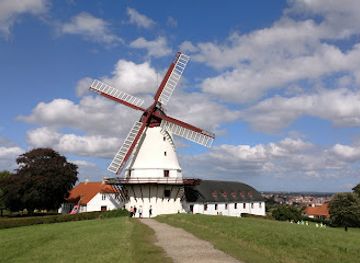
Dybbøl Mill
Denmark's most iconic symbol of resilience, rebuilt twice from wartime destruction and standing as a monument to national identity.
5 min drive · 1.8 km from city centre
-
Historical landmark
The castle mill
A modest historic mill tucked into Sønderborg’s old streets, linking castle, harbour and everyday town life in one quiet, photogenic corner.
3 min walk · 0.2 km from city centre
-
Historical landmark
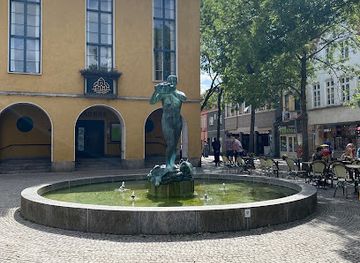
Memory stone
A modest monument on Sønderborg’s town-hall square, the Memory Stone offers a quiet pause for reflection amid the everyday bustle of this historic border town.
3 min walk · 0.2 km from city centre
-
Nature preserve
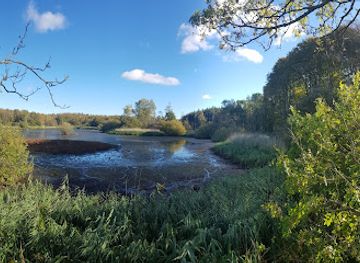
Panorama
Sønderborg's manicured waterfront promenade offering fjord views and maritime charm.
10 min drive · 3.2 km from city centre

Explore Sønderborg on the map
Plan your Sønderborg trip on one map. See where the top attractions, landmarks, restaurants, bars and hotels are, find what's near where you're staying, and book hotels and experiences in a few clicks.
Best hotels in Sønderborg
Best restaurants in Sønderborg
Sønderborg’s dining reflects the food traditions of Southern Jutland, with menus shaped by Danish produce, maritime surroundings and the region’s long connection with Schleswig. Look for locally sourced fish, pork, seasonal vegetables, rye bread, pastries and dairy products, as well as regional specialities such as solæg, a pickled egg traditionally associated with South Jutland. Modern restaurants around the centre and harbour often reinterpret familiar Danish ingredients, while cafés provide cakes, open sandwiches and coffee during the daytime. Local food markets and seasonal events can offer a more direct encounter with producers and regional cooking, although their timing varies. The town’s culinary character is generally relaxed rather than theatrical: waterfront restaurants emphasise the setting, while smaller neighbourhood eateries and bakeries provide a more everyday taste of Alsian life. German influences may also appear in breads, cakes and border-region food habits.
-
Eclectic
Torve-Hallen
Eclectic waterfront restaurant in Sønderborg pairing Italian-inspired comfort food, creative interiors and harbour views from morning coffee to late-night dinners.
5 min walk · 0.4 km from city centre
-
Cafe
Marcello's
All‑day café, steakhouse and cocktail bar on Sønderborg’s central square, blending generous plates, easygoing drinks and relaxed people‑watching on Rådhustorvet.
3 min walk · 0.2 km from city centre
-
Family-friendly
Restaurant Colosseum
Harbourfront Danish comfort food in a cosy, family-friendly setting with views over Sønderborg’s waterfront and a welcoming slice of Southern Jutland hygge.
2 min walk · 0.2 km from city centre
-
Restaurant
Jensens Bøfhus
Family-friendly Danish steakhouse serving grilled beef and comfort food in central Sønderborg.
7 min walk · 0.6 km from city centre


Best bars in Sønderborg
Sønderborg’s evenings are centred on the harbour, town-centre pubs, cafés and restaurants rather than a large concentration of nightclubs. The waterfront is the natural setting for a relaxed drink, particularly when boats and the lights across Als Sund give the town a maritime nocturnal character. Traditional Danish pubs offer an informal social atmosphere, while contemporary bars and hotel lounges provide quieter places for beer, wine or cocktails. Alsion and other cultural venues contribute concerts, performances and occasional public events, giving the evening scene a cultural dimension beyond drinking. Summer brings more outdoor activity around the harbour, whereas the colder months tend to favour intimate indoor venues. Visitors should expect a modest regional-town nightlife, with earlier and quieter evenings than in Copenhagen or Aarhus and a social culture that values conversation over elaborate clubbing.
-
Bar
SKAAL Sønderborg
Craft beer and Nordic hospitality meet urban style in Sønderborg's beloved central square.
3 min walk · 0.2 km from city centre
-
Bar
Heidi's Bier Bar Sønderborg
Authentic après-ski energy, draft beers, and table dancing in central Sønderborg.
3 min walk · 0.2 km from city centre
-
Bar
Penny Lane Sønderborg
Lively late-night bar in central Sønderborg, blending pub cosiness, upbeat music and easygoing cocktails for sociable nights out on Store Rådhusgade.
2 min walk · 0.2 km from city centre
-
Bar
Restaurant Viking - Pool and billiards Sønderborg
Old-school Sønderborg bar where pool tables, cold beer and hearty buffets create a relaxed, lived-in hangout for easygoing evenings with friends.
10 min walk · 0.8 km from city centre


Best nightclubs in Sønderborg
Sønderborg’s evenings are centred on the harbour, town-centre pubs, cafés and restaurants rather than a large concentration of nightclubs. The waterfront is the natural setting for a relaxed drink, particularly when boats and the lights across Als Sund give the town a maritime nocturnal character. Traditional Danish pubs offer an informal social atmosphere, while contemporary bars and hotel lounges provide quieter places for beer, wine or cocktails. Alsion and other cultural venues contribute concerts, performances and occasional public events, giving the evening scene a cultural dimension beyond drinking. Summer brings more outdoor activity around the harbour, whereas the colder months tend to favour intimate indoor venues. Visitors should expect a modest regional-town nightlife, with earlier and quieter evenings than in Copenhagen or Aarhus and a social culture that values conversation over elaborate clubbing.
-
Disco club
Kaizen ApS
Compact disco-style nightclub in central Sønderborg, pulsing with late-night beats, colourful lights and a straightforward bar for an unpretentious night out.
1 min walk · 0.1 km from city centre

Best shops in Sønderborg
Shopping in Sønderborg is concentrated around the pedestrian streets and central retail area, where everyday Danish shops stand alongside cafés, independent businesses and practical services. The harbour and older centre provide the most atmospheric setting for browsing, while larger retail facilities and supermarkets serve local residents beyond the historic core. Visitors can look for Danish design, woollen goods, ceramics, glass, books and regional food products, although the town is better suited to considered local purchases than to extensive luxury shopping. Bakeries and specialist food retailers offer opportunities to take home rye bread, sweets and other South Jutland flavours, subject to travel requirements. Markets and seasonal events may bring crafts and island produce into public spaces, but their programme changes. Sønderborg’s retail character is regional and unhurried, reflecting its role as the principal shopping centre for Als rather than a major international fashion destination.
-
Shopping mall
Borgen
Sønderborg's complete shopping experience: 40 stores, dining, cinema, and culture under one roof.
5 min walk · 0.4 km from city centre
-
Furniture store
JYSK
Scandinavian home furnishings at accessible prices, with free trailer rental and wheelchair access.
6 min drive · 2.0 km from city centre
-
Second hand store
Red Cross Op Shop
Volunteer‑run Red Cross thrift shop in Sønderborg, where low‑priced fashion, furniture and homeware meet sustainable shopping and support for humanitarian work.
6 min drive · 2.0 km from city centre
-
Sporting goods store
Outdoor In City Centre
Expert outdoor and fishing gear in Sønderborg's pedestrian heart.
8 min walk · 0.6 km from city centre


Get your free copy of our complete guide to Sønderborg, delivered straight to you.
Everything on this page, from attractions and restaurants to essentials and local phrases, in one PDF you can read offline, print or share.
Already have an account? Sign in
Your Sønderborg guide is ready.
We'll send it to · Not you? Sign out

Getting your guide ready…
We are putting together a fresh copy of the Sønderborg guide. This can take up to a minute.
This can take a few moments. If your browser asks, choose Allow so the download can start. You'll find the guide in your Downloads folder.
Nothing happened? Download it again
Sorry, the guide is taking longer than usual. Please try again in a minute, or get it by email instead.
Sønderborg essentials
Currency and Payment
Safety
Emergency Situations
Do's and Don'ts
Local Tips
From Eve
Local phrases worth knowing
You don't need to get them perfect. A few words go a long way, and locals appreciate the effort.
Basics
| English | Local | Say it |
|---|---|---|
| Hello | Hej | [hey] |
| Goodbye | Farvel | [far-vel] |
| Yes | Ja | [ya] |
| No | Nej | [nay] |
| Please/You're welcome | Vær så venlig | [ver sa ven-lee] |
| Thank you | Tak | [tahk] |
| Excuse me/Sorry | Undskyld | [oon-skeel] |
| How are you? | Hvordan har du det? | [vor-dan har doo deh] |
| Fine. And you? | Fint. Og du? | [feent. oh doo] |
| Do you speak English? | Taler du engelsk? | [tah-ler doo eng-elsk] |
| I don't understand | Jeg forstår ikke | [yeh for-stor ee-keh] |
Eating & Drinking
| English | Local | Say it |
|---|---|---|
| I'd like to see the menu, please | Jeg vil gerne se menuen, tak | [yeh vil gehr-neh seh men-oo-en, tahk] |
| I don't eat meat | Jeg spiser ikke kød | [yeh spee-ser ee-keh koo-eh] |
| Cheers! | Skål! | [skawl] |
| I would like to pay, please | Jeg vil gerne betale, tak | [yeh vil gehr-neh beh-tah-leh, tahk] |
Emergencies
| English | Local | Say it |
|---|---|---|
| Help! | Hjælp! | [hyelp] |
| Go away! | Gå væk! | [goh vek] |
| Call the Police! | Ring til politiet! | [reen teel po-lee-tee-et] |
| Call a doctor! | Ring til en læge! | [reen teel en leh-eh] |
| I'm lost | Jeg er faret vild | [yeh er fah-ret veel] |
| I'm ill | Jeg er syg | [yeh er soog] |
Shopping
| English | Local | Say it |
|---|---|---|
| I'd like to buy... | Jeg vil gerne købe... | [yeh vil gehr-neh koo-beh] |
| I'm just looking | Jeg kigger bare | [yeh kee-ger bah-reh] |
| How much is it? | Hvor meget koster det? | [vor meh-yet koh-ster deh] |
| That's too expensive | Det er for dyrt | [deh er for deert] |
| Can you lower the price? | Kan du sænke prisen? | [kan doo sen-keh pree-sen] |
Time & Numbers
| English | Local | Say it |
|---|---|---|
| What time is it? | Hvad er klokken? | [vad er kloh-ken] |
| It's one o'clock | Klokken er et | [kloh-ken er et] |
| Half past (10) | Halv ti | [halv tee] |
| Morning | Morgen | [mohr-gen] |
| Afternoon | Eftermiddag | [ef-ter-mee-dag] |
| Evening | Aften | [af-ten] |
| Yesterday | I går | [ee gawr] |
| Today | I dag | [ee day] |
| Tomorrow | I morgen | [ee mohr-gen] |
| 1 | Et | [et] |
| 2 | To | [toh] |
| 3 | Tre | [treh] |
| 4 | Fire | [feh-reh] |
| 5 | Fem | [fem] |
| 6 | Seks | [seks] |
| 7 | Syv | [soov] |
| 8 | Otte | [ot-teh] |
| 9 | Ni | [nee] |
| 10 | Ti | [tee] |
Transport & Directions
| English | Local | Say it |
|---|---|---|
| Where's a/the...? | Hvor er en/den...? | [vor er en/den] |
| What's the address? | Hvad er adressen? | [vad er a-dre-ssen] |
| Can you show me (on the map)? | Kan du vise mig (på kortet)? | [kan doo vee-seh meeh (poh kor-teh)] |
| When's the next (bus)? | Hvornår er næste (bus)? | [vor-nar er nes-te (boos)] |
| A ticket (to ....) | En billet (til ....) | [en bee-leht (teel)] |
History of Sønderborg
Medieval Beginnings beside Als Sund
Sønderborg developed around Sønderborg Castle, probably founded in the twelfth century to control the passage between Als and the mainland and to strengthen the Danish crown’s position in the region. The settlement grew as a harbour and market town, benefiting from maritime traffic through Als Sund and its position near the shifting political frontier of Schleswig. The castle was expanded over time and became the dominant structure in the town, while trade, fishing and small-scale craft supported the urban community. The surrounding island of Als remained predominantly agricultural, creating a close relationship between the town’s commercial life and its rural hinterland. The surviving castle complex provides the clearest physical reminder of Sønderborg’s medieval origins and its strategic importance.
The Duchies and the Reformation
During the late medieval and early modern periods, Sønderborg was connected with the duchies of Schleswig and Holstein and with the complex succession arrangements of the Danish monarchy. After the Reformation, religious life changed across the region as Lutheranism became established, while Sønderborg Castle was repeatedly altered from a fortified residence into a more comfortable ducal and royal home. The castle was associated with members of the House of Oldenburg, including the branch known as the House of Sønderborg. The town’s position on the linguistic and political border produced enduring Danish and German influences, visible in regional traditions, family histories and the wider culture of Southern Jutland.
The War of 1864
The Second Schleswig War transformed Sønderborg and its surroundings in 1864, when Denmark fought Prussia and Austria over the duchies of Schleswig and Holstein. The decisive fighting took place at nearby Dybbøl, where Danish fortifications were attacked and captured on 18 April 1864. Sønderborg was affected by bombardment and by its proximity to the front, while the defeat led Denmark to surrender the duchies. Schleswig was subsequently administered by Prussia and Austria before becoming part of the German Empire. The events left a powerful mark on Danish national memory, and the landscape around Dybbøl, including Dybbøl Mill and the reconstructed historical centre, remains central to understanding the conflict.
Borderland under German Rule
After 1864, Sønderborg became part of Prussia and later the German Empire, entering a period in which language, education and political allegiance were contested across Northern Schleswig. German administration shaped public institutions and infrastructure, while many local inhabitants retained Danish cultural and national attachments. The First World War brought further losses and uncertainty, but the post-war settlement created an opportunity to resolve the territorial question through plebiscites. In 1920, voters in Northern Schleswig chose Denmark, and the region, including Sønderborg, was transferred to Danish sovereignty. The change restored a national border that remains significant while leaving a complex bilingual and cross-border identity in the area.
Reunification and Modern Sønderborg
The 1920 reunification became a defining part of Sønderborg’s modern civic identity, commemorated throughout Southern Jutland in monuments, anniversaries and public memory. During the twentieth century, the town developed beyond its historic harbour and castle, gaining educational, industrial and cultural institutions while remaining closely connected to Als and the German border region. Contemporary Sønderborg combines regional administration, business and university-linked activity with tourism based on heritage and coastal scenery. The opening of cultural and educational facilities at Alsion reflects this broader development, while the restored historic waterfront and the Museum at Sønderborg Castle maintain visible links with the town’s medieval, ducal and borderland past.
Travel experiences inspired by this city


Swipe for more travel diaries
Sønderborg in Photos
Browse through our photo collection highlighting the charm and character of the destination.
Cities near Sønderborg
The closest cities to Sønderborg, if you have time for more than one stop.
-
-
-

-

-


Swipe for more cities
Explore more

Explore more of Denmark
Discover Denmark: A perfect blend of history, modern design, and the cozy concept of hygge. Explore vibrant cities, serene landscapes, and world-class cuisine.
Explore Denmark