Rømø Church, Romo Travel Guide
Medieval church where votive ships hang from ancient beams, honoring Rømø's seafaring legacy.
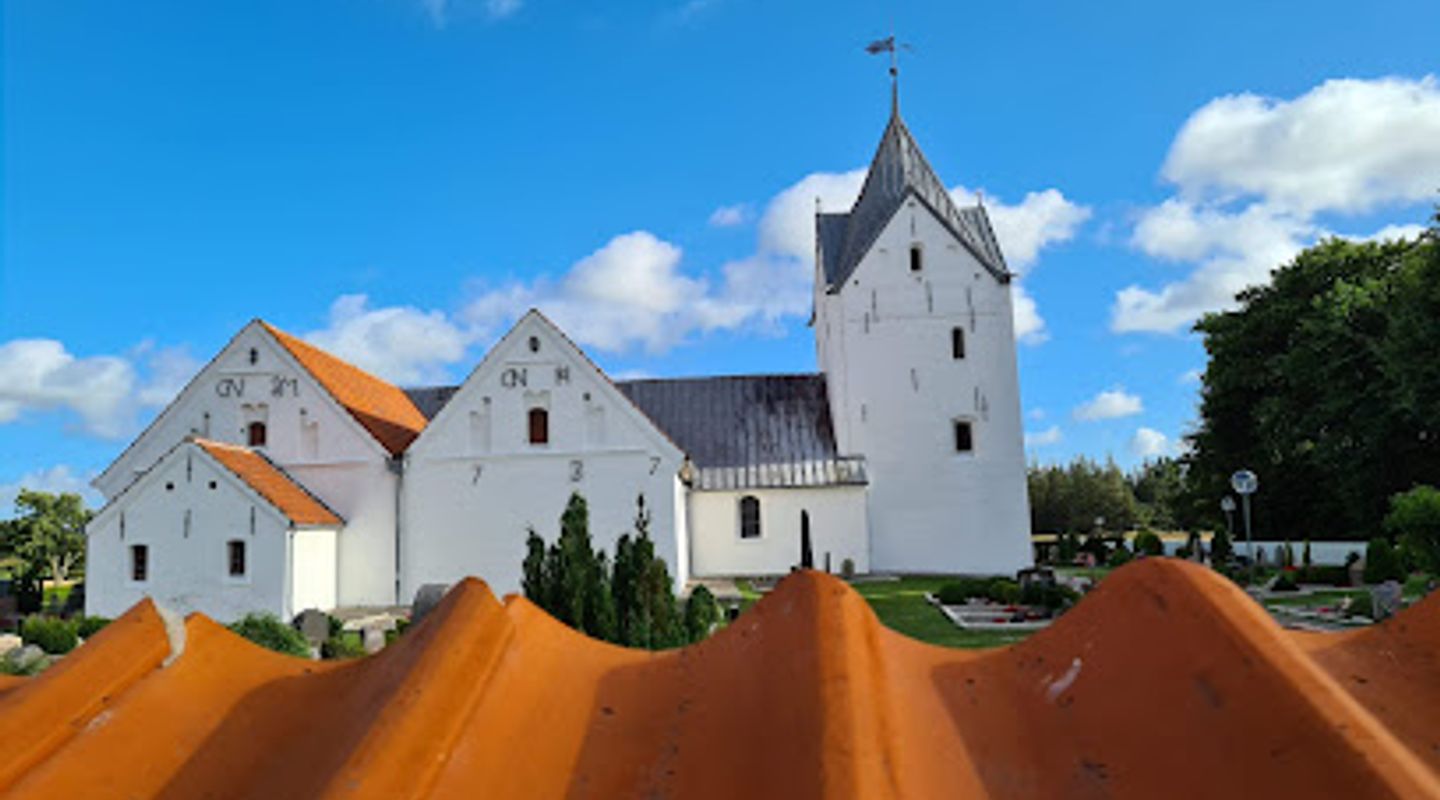
Sankt Clemens Kirke, built around 1200 on the Danish island of Rømø, is a striking medieval and baroque church dedicated to Saint Clement, patron saint of sailors. The interior features numerous votive ship models donated by seafarers, wooden pews with inscribed names documenting congregation history, and a remarkable churchyard containing graves of ship commanders and World War II pilots. The church stands as a testament to Rømø's rich maritime heritage, particularly its whaling industry prosperity during the 17th and 18th centuries.
A brief summary to Rømø Church
- Havnebyvej 152, Rømø, 6792, DK
- Click to display
- Click to display
- Duration: 0.75 to 1.5 hours
- Free
-
 Outdoor
- Mobile reception: 4 out of 5
- Monday 8 am-4 pm
- Tuesday 8 am-4 pm
- Wednesday 8 am-4 pm
- Thursday 8 am-4 pm
- Friday 8 am-4 pm
- Saturday 8 am-4 pm
- Sunday 8 am-4 pm

Know before you go
Hi, I'm Eve. Here are a few practical things to know before exploring Rømø Church.
- Arrive early in the day to fully appreciate the votive ship models suspended from the ceiling, as natural light streaming through the windows illuminates the intricate details of these maritime offerings.
- Spend time in the churchyard reading the inscriptions on headstones; they provide fascinating insights into Rømø's maritime history, family lineages, and the human cost of seafaring life.
- Note the inscribed names on the wooden pews, which document centuries of congregation membership and connect you directly to the island's historical families.
- Visit during calm weather to fully appreciate the church's exterior stone walls and the Gothic tower, which serve as landmarks visible across the flat island landscape.
- Allow at least 45 minutes to explore both the interior and churchyard; the site rewards careful observation and contemplation of its maritime heritage.
Do you manage this location?
Take control to get all the benefits, like improved information, better appearance, and stronger visibility across AI-powered discovery. Learn more about listing your business on Evendo
Activate your presenceOther nearby places you may find interesting
The closest places of the same kind, if this one is not quite what you had in mind.

Explore Rømø Church on the Map
A handpicked selection of must-see spots near Rømø Church, mapped for you.
Getting There
-
By Car from Skærbæk
Drive west from Skærbæk in Danish Jutland on the E20 highway toward the coast. Continue onto the nine-kilometer concrete causeway that connects the mainland to Rømø island. The causeway is all-weather accessible and takes approximately 15–20 minutes to cross. Follow signs to Rømø village and Havnebyvej; the church is located at Havnebyvej 152. Parking is available near the church. This is the primary access route and operates year-round.
-
By Bus from Tønder
Regional bus services operate between Tønder and Rømø, with journey times of approximately 45–60 minutes depending on the service and stops. Buses terminate in Rømø village; from there, the church is within walking distance or a short taxi ride. Service frequency varies seasonally, with reduced schedules in winter months. Check local transport operators for current timetables.
-
By Bicycle from Mainland
Cyclists can cross the causeway from Skærbæk to Rømø, a journey of approximately 9 kilometers taking 30–45 minutes depending on wind conditions and fitness level. The causeway has dedicated cycling paths. Once on the island, cycling is an excellent way to explore Rømø's landscape and reach the church. Be prepared for strong coastal winds, particularly in autumn and winter.
-
By Taxi or Ride-Share
Taxis operate from Tønder and other nearby towns, with journey times of 30–50 minutes to Rømø Church depending on origin point. Ride-share services may be available during peak tourist seasons. This option is convenient for travelers without personal vehicles, though costs will be moderate to high depending on distance and time of day.
For the on-the-go comforts that matter to you
-
 Restrooms
-
 Information Boards
Discover more about Rømø Church
A Church Built on Maritime Tradition
Sankt Clemens Kirke was constructed around 1200 on the island of Rømø, a remote outpost in the Wadden Sea that would become renowned for its seafaring prowess. The church was dedicated to Saint Clement, the patron saint of sailors—a fitting choice for an island whose economy and identity were inextricably tied to the sea. The oldest portions of the structure date to the medieval period, while the distinctive Gothic tower was likely added in the latter half of the 15th century. Substantial expansions occurred during the 17th and 18th centuries when Rømø experienced unprecedented prosperity through the whaling industry, transforming the island from a marginal settlement into a thriving maritime hub.The Whaling Era and Its Legacy in Stone
During the golden age of whaling, Rømø became a center of North Sea commerce. Local families owned and crewed vessels that hunted whales off the coast of Greenland, while those unable to secure positions on Rømø boats signed aboard whalers operating from Hamburg and Amsterdam. This prosperity is visibly embedded in the church's architecture and interior. The structure underwent significant renovations and expansions during this period, reflecting the island's newfound wealth and the community's gratitude for safe returns from dangerous voyages. The church became not merely a place of worship but a repository of maritime memory and thanksgiving.Votive Ships and Seafaring Devotion
The most distinctive feature of Sankt Clemens Kirke's interior is the collection of votive ship models suspended from the wooden ceiling beams. These miniature vessels, crafted with remarkable detail, were donated by sailors and ship captains as offerings of gratitude for safe passage or in memory of lost companions. Each model represents a personal connection between a mariner and the divine, a tangible expression of faith forged in the face of North Sea storms. The practice reflects a centuries-old tradition among seafaring communities, where such offerings served as both spiritual devotion and public testimony to survival and loss. Walking beneath these suspended ships creates an almost ethereal atmosphere, as if the spirits of countless voyages hover overhead.Pews as Historical Record
The wooden pews throughout the church bear inscribed names documenting congregation membership across generations. During the 18th and 19th centuries, the right to have one's name inscribed on a church pew was sold, with proceeds supporting church maintenance and operations. These inscriptions create a living genealogy of Rømø's families, many of whom were directly involved in maritime trade. The practice transformed the pews into a form of permanent record, allowing visitors today to trace the names of prominent ship commanders, merchants, and their families across centuries. This intimate connection between personal identity and sacred space makes the interior uniquely personal and historically resonant.The Churchyard: Monument to Maritime Achievement
The extensive churchyard surrounding Sankt Clemens Kirke functions as an open-air archive of Rømø's maritime history. Graves dating back to the 17th century contain detailed inscriptions documenting the achievements and fates of ship commanders and their families. The churchyard also contains graves of British and German pilots from World War II, adding a 20th-century layer to the island's complex history. The headstones and monuments serve as physical reminders of the dangers inherent in seafaring life, with many graves marking individuals lost at sea or in wartime service. The churchyard's landscape thus becomes a narrative of courage, loss, and endurance.Architectural Character and Restoration
The church displays a harmonious blend of medieval and baroque architectural elements. Substantial stone walls provide structural integrity against North Sea winds, while wooden ceiling beams—some original to the medieval structure—support the weight of centuries and the votive ships suspended within. The building has been carefully maintained and restored over the decades, preserving its historical character while ensuring structural stability. The Gothic tower, added centuries after the original construction, provides a vertical accent to the island's relatively flat landscape and serves as a navigational landmark for vessels approaching Rømø from the sea.












Your all‑in‑one travel companion app
Explore expert travel guides, compare and book tours, experiences, hotels, and more—all from the palm of your hand. Download now for seamless trip planning wherever your wanderlust takes you.


Explore More of Romo
Looking beyond Rømø Church? Discover Romo for broader travel guides, local hot-spots, and regional highlights.
Explore Romo