Gamle Redningsstation, Romo Travel Guide
Compact red-brick lifeboat station turned firehouse, telling Rømø’s quietly dramatic story of storms, shipwrecks and island resilience along the Wadden Sea.
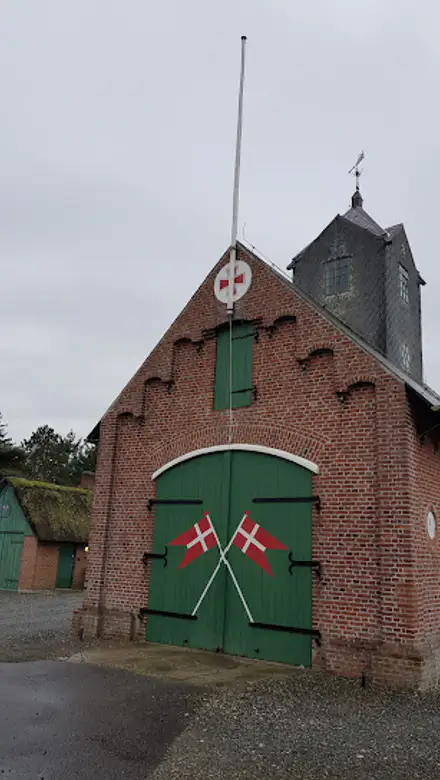
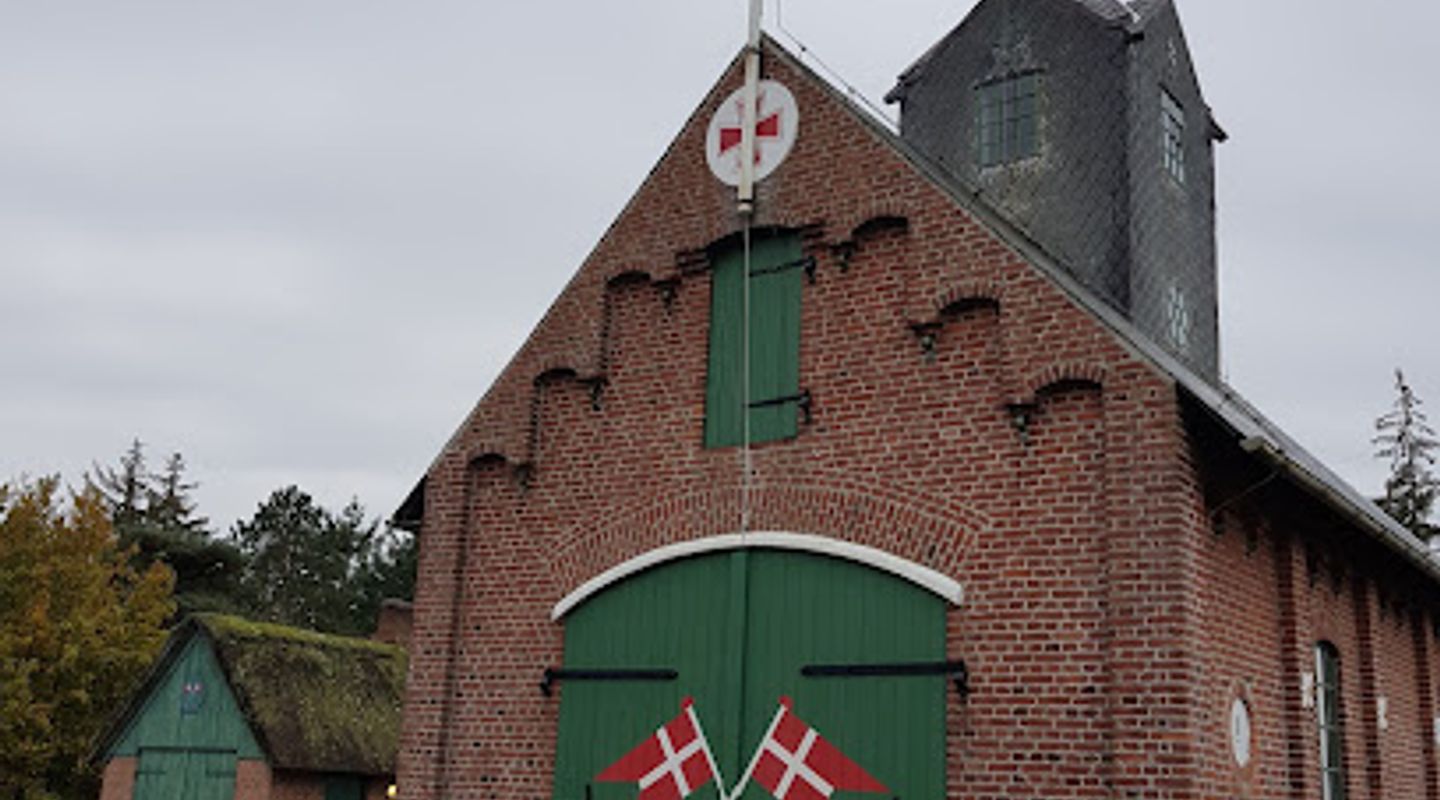
The Old Lifeboat Station on Rømø (Gamle Redningsstation) is a compact, deep-red brick landmark along Havnebyvej, once central to sea rescues off Denmark’s wild Wadden Sea coast. Built in 1887 in a neo‑Romanesque style with painted Dannebrog crosses on its broad gable doors and a distinctive roof turret, it later became the island’s volunteer fire station. Today it stands as a striking reminder of Rømø’s maritime heritage and the constant battle with storms, sandbanks and shipwrecks.
A brief summary to Gamle Redningsstation
- Havnebyvej, Rømø, 6792, DK
- Duration: 0.5 to 1 hours
- Free
-
 Outdoor
- Mobile reception: 4 out of 5

Know before you go
Hi, I'm Eve. Here are a few practical things to know before exploring Gamle Redningsstation.
- Allow a quiet moment to walk all the way around the building; the rhythm of the brick arches and the twin gable doors with painted Dannebrog crosses are easiest to appreciate from multiple angles.
- Pair a stop at the Old Lifeboat Station with a visit to Rømø’s beaches or harbour to better imagine how crews once hauled rescue boats across the island towards the rough North Sea.
- Bring a windproof layer; even on mild days the exposed stretch of Havnebyvej can feel breezy due to the island’s flat, open landscape.
Do you manage this location?
Take control to get all the benefits, like improved information, better appearance, and stronger visibility across AI-powered discovery. Learn more about listing your business on Evendo
Activate your presenceOther nearby places you may find interesting
The closest places of the same kind, if this one is not quite what you had in mind.
Explore Gamle Redningsstation on the Map
A handpicked selection of must-see spots near Gamle Redningsstation, mapped for you.
Getting There
-
Car
From the Rømø causeway, follow the main island road toward Havneby; the Old Lifeboat Station sits directly along this route and is easy to spot by its red brick and small tower. The drive from the mainland end of the causeway takes around 10–15 minutes depending on traffic. Parking is limited to roadside pull-offs and nearby spaces, so avoid blocking driveways or farm access, especially in summer when traffic increases.
-
Bicycle
Cycling from Rømø’s causeway area to the Old Lifeboat Station typically takes 20–30 minutes along relatively flat roads with sections of dedicated or shared cycling space. Winds across the low island can be strong, which may lengthen travel time, and reflective gear is advisable outside daylight hours. Bicycle rental is available in several parts of Rømø, with daily prices commonly ranging from about 80 to 150 DKK depending on bike type and season.
-
Bus
Regional buses that cross the Rømø causeway and continue toward Havneby usually run several times a day, with travel times of roughly 20–30 minutes from the mainland side to stops within walking distance of the Old Lifeboat Station. Services are less frequent in the late evening and outside the main holiday season, so checking current timetables in advance is important. A one-way adult ticket on this short regional route generally costs in the range of 20–40 DKK.
For the on-the-go comforts that matter to you
-
 Trash Bins
-
 Information Boards
Discover more about Gamle Redningsstation
Brick Sentinel on the Road to the Sea
The Old Lifeboat Station stands right beside Havnebyvej, the main road that cuts across Rømø between the causeway and the harbour. Compact yet imposing, it immediately catches the eye with its deep red brickwork and strong, almost fortress-like form. The building dates from 1887, a time when seafaring was still the island’s lifeblood and shipwrecks on the shifting sandbanks of the Wadden Sea were a constant danger.From the outside you see a solid, rectangular structure with gables facing east and west, echoing traditional North Sea coastal buildings. Its position slightly inland, rather than on the shore, reflects a careful balance between being close enough to the action at sea and safe from storm surges that can sweep across the low-lying island.Neo-Romanesque Details and Painted Crosses
Look closer and the building’s neo‑Romanesque character emerges. The long sides are divided into five rhythmical sections by vertical brick strips, each connected near the roofline by shallow round-arched recesses. These repeating arches soften the otherwise utilitarian volume, giving it a quiet architectural dignity that sets it apart from simple sheds or barns.Both gables are pierced by broad double doors, once wide enough for a heavy lifeboat carriage to roll in and out at speed. On the doors, crossed white-and-red Dannebrog flags are painted, a bold patriotic motif signalling both national service and maritime identity. Above, a small square tower rises from the saddle roof, designed as an elongated roof rider with tiny gabled dormers. Its outline was inspired by local church towers and gave rescuers a higher vantage point to scan the western horizon for ships in distress.Life-Saving Missions in Rough Seas
In the late 19th and early 20th centuries, this station was part of a wider chain of coastal rescue posts guarding Denmark’s treacherous west coast. Crews here had to be ready at any hour to drag the heavy lifeboat across the island towards the surf on the western shore. From there, they rowed or later motored out through breaking waves to reach grounded vessels caught on the offshore bars.The work demanded strength, seamanship and a deep familiarity with local currents and shifting sandbanks. In severe storms, when visibility dropped and winds hurled sand across the dunes, the ability to react quickly could mean the difference between survival and tragedy for sailors. The tower above you was more than decoration; it was an early warning post, allowing watchmen to spot signals from ships or distress flares over the sea.From Sea Rescues to Fighting Island Fires
By the mid-20th century, improvements in navigation, radio communication and modern rescue services gradually reduced the need for small, local lifeboat stations. On Rømø, the building took on a new role. In 1968 it was handed over to the island’s volunteer fire brigade, created after a series of damaging fires in the 1950s and 1960s heightened awareness of how vulnerable farms and thatched houses could be.Inside, lifeboat gear gave way to fire engines and pumps, yet the basic idea remained the same: a rapid-response hub protecting an exposed island community. The red brick shell that once housed oars, cork lifejackets and rocket lines now sheltered hoses, ladders and tanks of water ready to tackle blazes fueled by wind and dry heather.Maritime Memory on a Busy Island Road
Today, the Old Lifeboat Station stands as a quiet piece of maritime heritage amid the steady traffic heading to beaches, holiday homes and the ferry harbour. Its sturdy walls and tower tell a layered story of Rømø’s relationship with the elements – the shift from sea-borne livelihoods and rescue missions to modern tourism and local safety services.Seen from the roadside, it offers a compact but evocative snapshot of how architecture, landscape and community needs intersect on this low Wadden Sea island. For travelers pausing here, the building is a gateway into imagining stormy nights, signal lights on the horizon and islanders mobilising to help strangers caught in the surf, long before modern rescue helicopters and digital navigation took over.












Your all‑in‑one travel companion app
Explore expert travel guides, compare and book tours, experiences, hotels, and more—all from the palm of your hand. Download now for seamless trip planning wherever your wanderlust takes you.


Explore More of Romo
Looking beyond Gamle Redningsstation? Discover Romo for broader travel guides, local hot-spots, and regional highlights.
Explore Romo