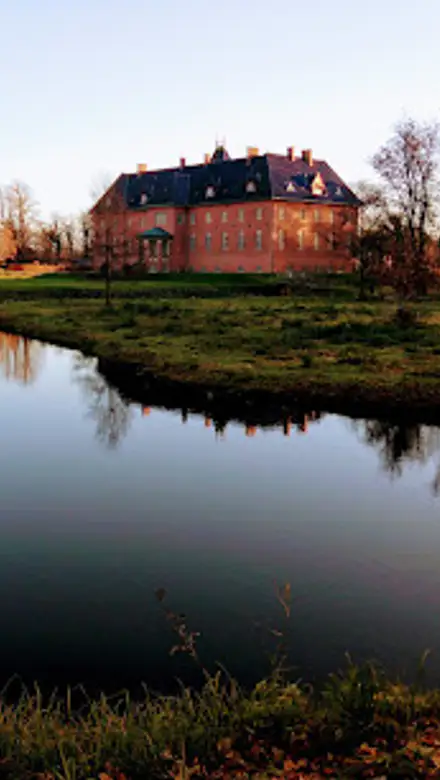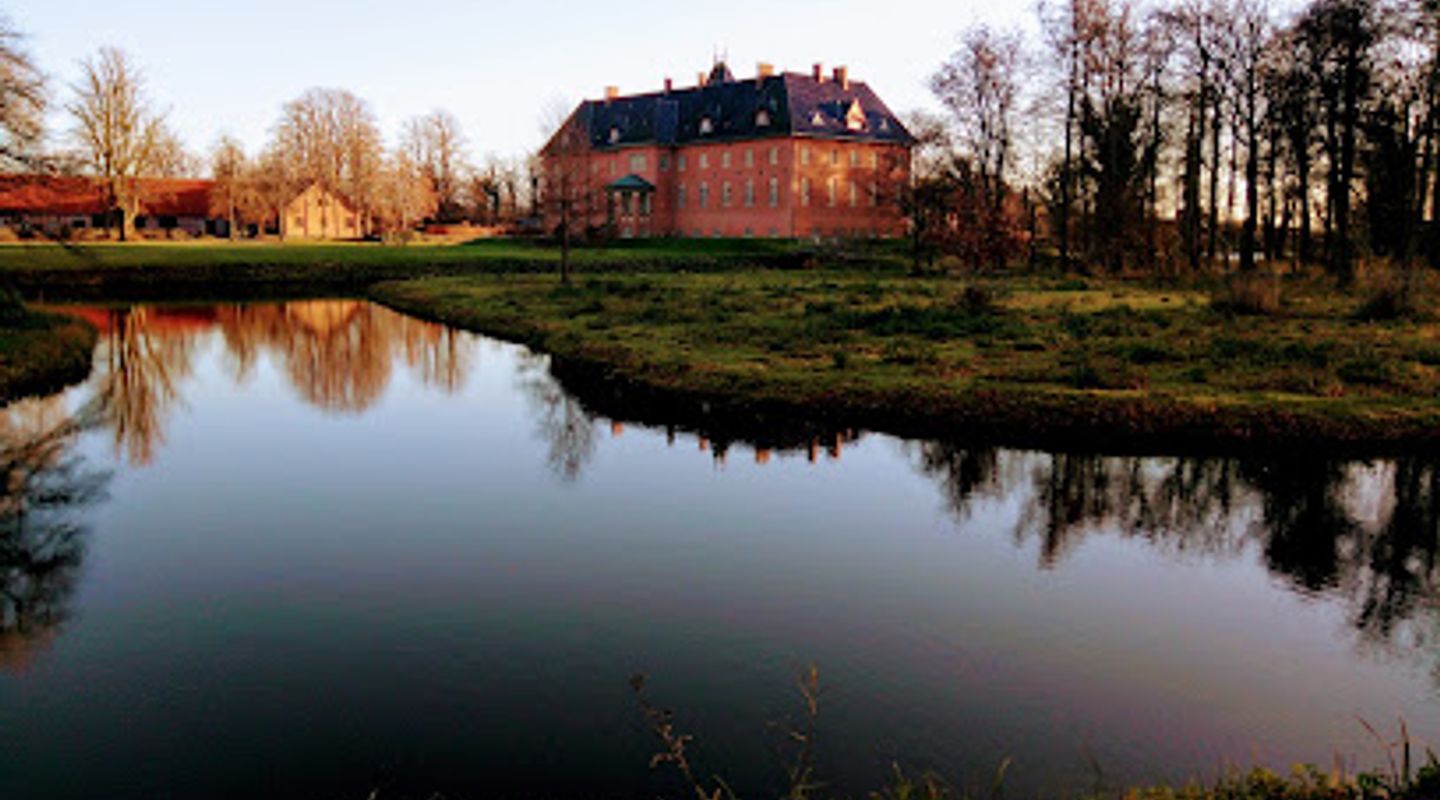
Holstenshuus, The South Funen Archipelago Travel Guide
An elegant 18th-century rococo garden where history and horticulture meet in serene Danish countryside.
A serene rococo garden established in 1753 and set within the grounds of a historic castle in Faaborg, Denmark. This private garden open to the public features meticulously landscaped grounds designed by G.D. Tschierske, offering visitors a peaceful retreat with walking paths, manicured lawns, and seasonal plantings. The estate combines horticultural beauty with cultural heritage, making it a tranquil destination for garden enthusiasts and history lovers exploring Funen's countryside.
A brief summary to Holstenshuus
- Slotsalleen 3 Parkering have / garden : Slotsalleen 3 Godskontor og værksted :, Slotsalleen 6, Faaborg, 5600, DK
- Click to display
- Click to display
- Duration: 1.5 to 3 hours
- Free
-
 Outdoor
- Mobile reception: 4 out of 5
- Monday 8 am-8 pm
- Tuesday 8 am-8 pm
- Wednesday 8 am-8 pm
- Thursday 8 am-8 pm
- Friday 8 am-8 pm
- Saturday 8 am-8 pm
- Sunday 8 am-8 pm

Know before you go
Hi, I'm Eve. Here are a few practical things to know before exploring Holstenshuus.
- Visit during spring or early summer when flowering plants are at their peak and the gardens display their full horticultural splendor.
- Allow at least 1.5 to 2 hours to properly explore the pathways and appreciate the garden's design without rushing.
- Wear comfortable walking shoes suitable for garden paths, which may be uneven or muddy depending on recent weather.
- Bring a camera or smartphone to capture the changing perspectives and seasonal plantings throughout the estate.
- Check opening hours before visiting, as the gardens operate on a seasonal schedule and may have limited hours during winter months.
Do you manage this location?
Take control to get all the benefits, like improved information, better appearance, and stronger visibility across AI-powered discovery. Learn more about listing your business on Evendo
Activate your presenceOther nearby places you may find interesting
The closest places of the same kind, if this one is not quite what you had in mind.

Explore Holstenshuus on the Map
A handpicked selection of must-see spots near Holstenshuus, mapped for you.
Getting There
-
Car
From central Faaborg, drive approximately 1.5 kilometers to Slotsalleen 3. The journey takes roughly 5–8 minutes depending on traffic. Parking is available on-site at the castle grounds. No toll roads are required. The route is straightforward and well-signposted from the town center.
-
Bicycle
Cycling from Faaborg town center to Holstenshuus takes approximately 10–15 minutes, covering roughly 1.5 kilometers on flat terrain. The route follows local roads suitable for recreational cycling. Bike racks are typically available at the entrance. This is a popular option for visitors exploring Funen's countryside by bicycle.
-
Walking
Walking from Faaborg town center to the castle park takes approximately 20–25 minutes, covering roughly 1.5 kilometers on paved roads and pathways. The walk is relatively flat and suitable for most fitness levels. Follow signage toward Slotsalleen from the town center. This option is practical for those staying in central Faaborg.
-
Local Bus
Regional bus services connect Faaborg to surrounding areas. Journey times and frequency vary by route and season. Check local transport schedules before traveling, as service may be limited outside peak tourist season. The nearest bus stop is within walking distance of the castle park entrance.
For the on-the-go comforts that matter to you
-
 Restrooms
-
 Seating Areas
-
 Information Boards
Discover more about Holstenshuus
A Garden Rooted in Rococo Elegance
Holstenshuus Castle Park represents one of Denmark's finest examples of 18th-century garden design. Laid out in 1753 by renowned landscape architect G.D. Tschierske, the gardens embody the rococo aesthetic that defined European aristocratic estates during this period. The design reflects the era's fascination with harmony between nature and human artistry, featuring carefully composed vistas, symmetrical plantings, and ornamental pathways that invite leisurely exploration.The rococo style evident throughout the park emphasizes lightness, elegance, and decorative refinement. Rather than imposing rigid formality, the gardens create a sense of natural beauty enhanced by thoughtful design—a philosophy that continues to define the visitor experience today.Historic Castle Grounds and Architectural Context
The castle itself dates to 1579, establishing Holstenshuus as a significant landmark in Danish cultural heritage. Though primarily known for its gardens, the estate's architecture and setting reflect centuries of Danish aristocratic life. The castle and its surrounding grounds have been carefully maintained, preserving the character and historical significance of this important property.The relationship between the castle structure and the surrounding parkland creates a cohesive whole, where architecture and landscape complement one another. Visitors moving through the gardens experience the interplay between built heritage and natural beauty that defines the estate's enduring appeal.Walking Through Cultivated Landscapes
The park invites exploration along winding pathways that reveal different garden rooms and perspectives. Mature trees provide shade and structure, while seasonal plantings offer changing displays throughout the year. The grounds accommodate leisurely strolls suitable for various fitness levels, making the estate accessible to a broad range of visitors.The open-to-public status of this private garden represents a generous sharing of cultural and horticultural heritage. Visitors can experience the tranquility of a working estate garden, observing how such properties maintain their historical character while welcoming contemporary guests.Seasonal Rhythms and Natural Beauty
Like all gardens, Holstenshuus transforms with the seasons. Spring brings flowering bulbs and fresh growth, summer offers lush greenery and full canopies, autumn displays warm foliage, and winter reveals the underlying structure of trees and pathways. Each season presents distinct photographic opportunities and sensory experiences, from the fragrance of blooms to the crunch of fallen leaves underfoot.The horticultural focus of the estate means that plantings are chosen and arranged with aesthetic intention. Visitors with gardening interests will find inspiration in the plant selections and design principles evident throughout the grounds.Cultural Heritage and Local Significance
Holstenshuus holds importance within Faaborg's broader cultural landscape. The town itself is known for its artistic heritage and museums, and the castle park contributes to this reputation as a destination for those seeking cultural and aesthetic experiences. The estate represents a tangible connection to Denmark's aristocratic past and the evolution of landscape design across centuries.












Your all‑in‑one travel companion app
Explore expert travel guides, compare and book tours, experiences, hotels, and more—all from the palm of your hand. Download now for seamless trip planning wherever your wanderlust takes you.


Explore More of The South Funen Archipelago
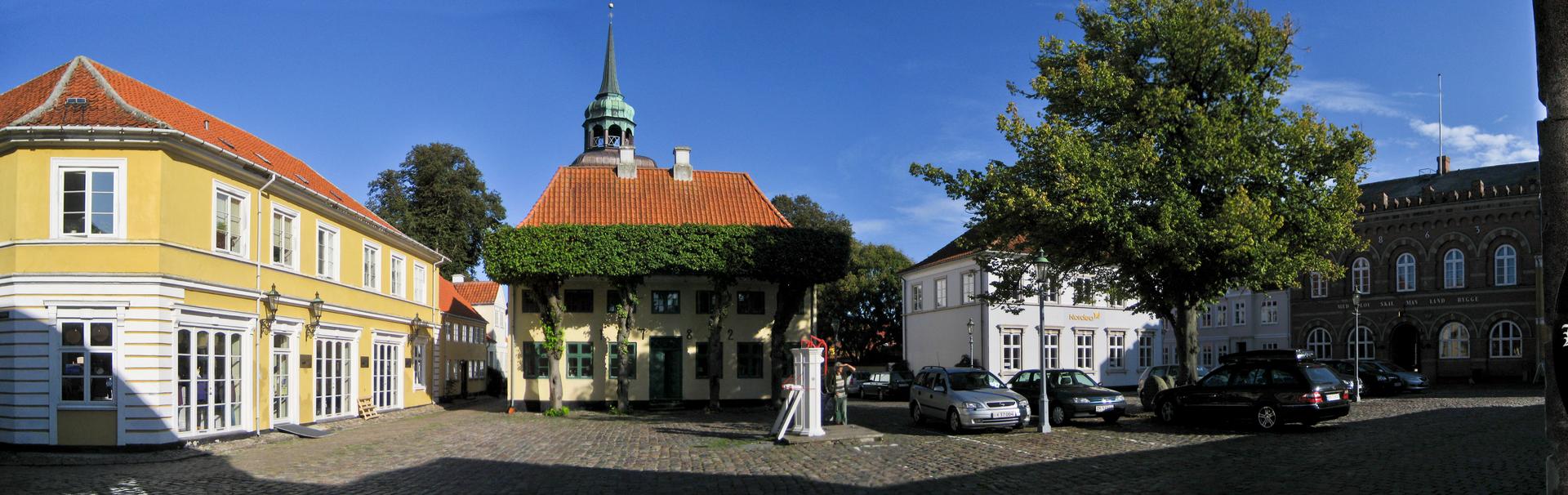
Looking beyond Holstenshuus? Discover The South Funen Archipelago for broader travel guides, local hot-spots, and regional highlights.
Explore The South Funen Archipelago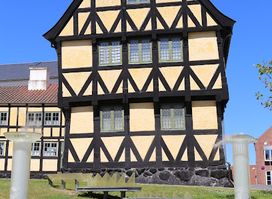
Step inside Northern Europe’s best‑preserved poorhouse in Svendborg and explore 100 years of Danish welfare history told through original rooms, objects and human destinies.
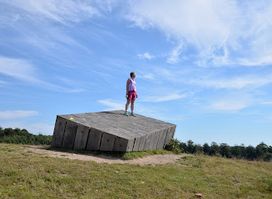
Undulating forested hills, glacial valleys and far‑reaching views over South Funen make Svanninge Bjerge a quietly dramatic corner of the so‑called Funen Alps.