Daugbjerg gamle vandmølle, Viborg Travel Guide
A 17th-century water mill and miniature village preserving Denmark's rural heritage in the scenic Mølleådalen valley.
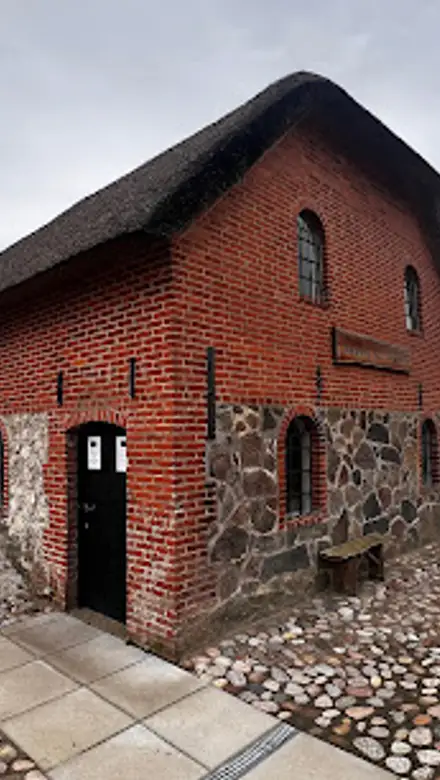
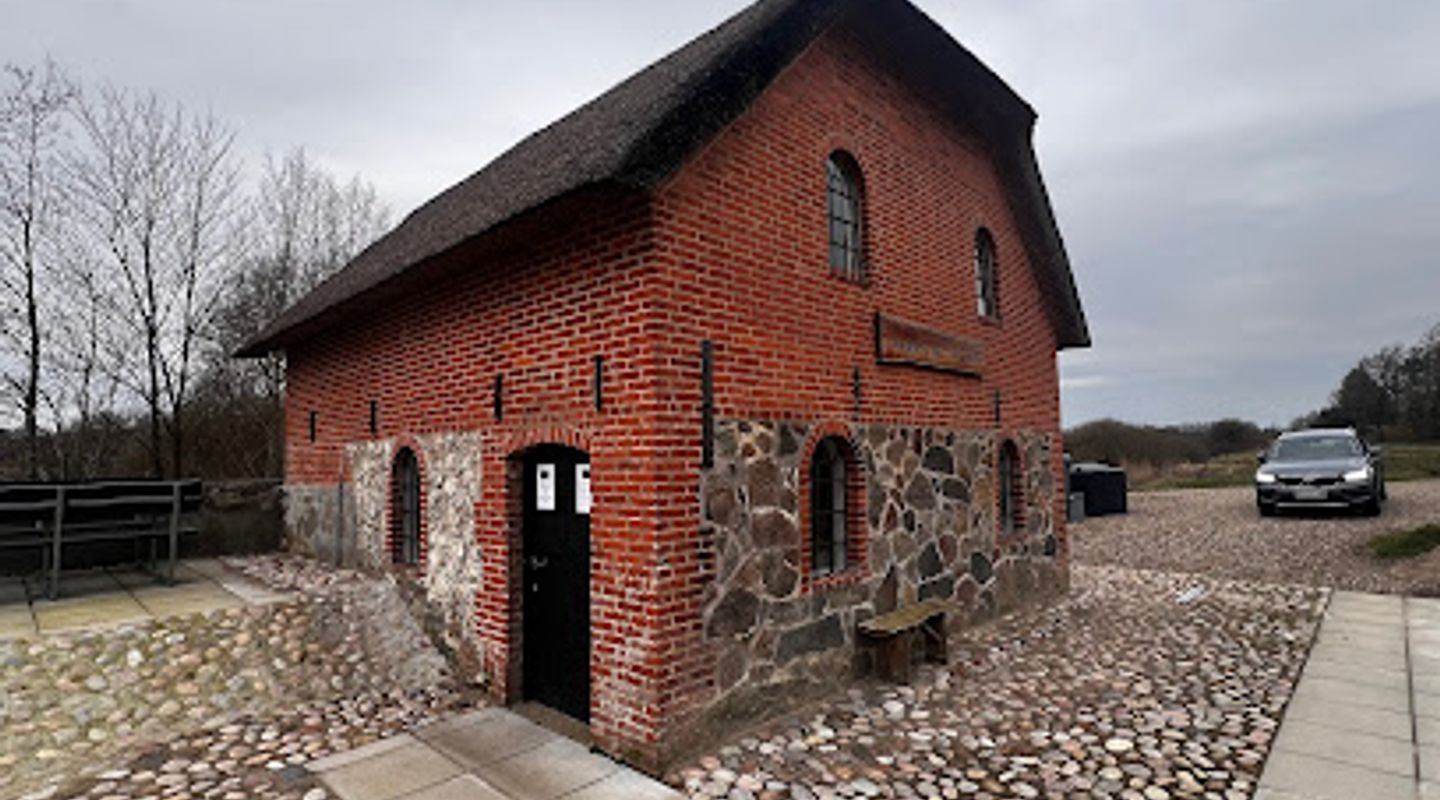
A beautifully preserved 17th-century water mill in the Mølleådalen valley near Viborg, Denmark. First documented in 1611, this functioning mill showcases traditional milling technology and offers visitors a tangible connection to Denmark's rural industrial heritage. The site features the original mill machinery, a charming café, a small agricultural museum, and a remarkable 1:10-scale miniature village with 150 handcrafted buildings representing 20 traditional farms.
A brief summary to Daugbjerg gamle vandmølle
- Dybdalsvej 15, Viborg, 8800, DK
- Duration: 1.5 to 3.5 hours
- Budget
-
 Mixed
Mixed
- Mobile reception: 4 out of 5

Know before you go
Hi, I'm Eve. Here are a few practical things to know before exploring Daugbjerg gamle vandmølle.
- Visit on weekdays to experience the mill machinery in operation and enjoy a quieter atmosphere away from weekend crowds.
- Allow time to explore the 1:10-scale miniature village in detail; the craftsmanship and historical accuracy reward close observation.
- Combine your visit with nearby Daugbjerg limestone quarries and caves, located just a short distance away, for a fuller exploration of the region's geology and history.
- The FlinteCafeen offers a pleasant place to rest; consider timing your visit to enjoy refreshments in the historic stone building.
- Wear comfortable walking shoes if you plan to explore the surrounding Mølleådalen valley, which offers scenic forest trails.
Do you manage this location?
Take control to get all the benefits, like improved information, better appearance, and stronger visibility across AI-powered discovery. Learn more about listing your business on Evendo
Activate your presenceOther nearby places you may find interesting
The closest places of the same kind, if this one is not quite what you had in mind.
Explore Daugbjerg gamle vandmølle on the Map
A handpicked selection of must-see spots near Daugbjerg gamle vandmølle, mapped for you.
Getting There
-
Walking from Viborg City Centre
From Viborg's central square, head south past the cathedral and continue through the historic district. The route follows scenic paths through the town and into the surrounding countryside. After approximately 2 kilometers, you will reach the Mølleådalen valley where the mill is situated. The walk takes about 25–30 minutes and offers pleasant views of the landscape. The terrain is generally flat to gently rolling, suitable for most fitness levels.
-
Public Transport from Viborg Station
From Viborg Station, take bus number 1 towards Skovbakken. The journey takes approximately 10 minutes. Alight at the Vinkelvej stop, from which it is a short 5-minute walk to the mill. Single bus tickets cost DKK 20. Buses run regularly throughout the day, with reduced frequency on Sundays and public holidays.
-
Taxi from Viborg City Centre
Taxis from Viborg city center take approximately 10 minutes to reach the mill. Typical fares range from DKK 100–120 depending on the exact pickup location and time of day. Taxis are readily available from the station and city center.
-
Driving and Parking
Drive south from Viborg city center towards Bruunshåb. The mill is well signposted from the main roads. Free on-site parking is available, though spaces are limited during peak hours on weekends and holidays. The drive from Viborg city center takes approximately 10–12 minutes. The site is easily accessible by standard passenger vehicles.
For the on-the-go comforts that matter to you
-
 Food Options
-
 Drink Options
-
 Seating Areas
-
 Information Boards
-
 Restrooms
Discover more about Daugbjerg gamle vandmølle
A Mill Spanning Four Centuries
Daugbjerg gamle vandmølle stands as one of Denmark's most authentic examples of rural industrial heritage, with documented records tracing its origins back to 1611. Nestled in the scenic Mølleådalen valley near Viborg, this water-powered mill has operated continuously through centuries of agricultural and technological change. The mill ceased electricity production in 1927 and was formally decommissioned in 1950, but its story did not end there. In 1991, local enthusiasts Ib and Hans Vestergaard acquired the property and undertook a comprehensive restoration of the mill dam and machinery, breathing new life into this historic structure.The Machinery and Milling Craft
Stepping into the mill transports visitors into the world of traditional grain milling. The original machinery remains largely intact, powered by the natural flow of water through the mill race—a system that required no external energy source beyond the stream itself. The mill's mechanical systems demonstrate the ingenuity of pre-industrial engineering, with water wheels, gears, and grinding stones working in concert to transform grain into flour. Visitors can observe how the mill functioned and, during certain times, witness the machinery in operation, offering a visceral understanding of how rural communities sustained themselves through milling services.The Miniature Village: A Craftsman's Vision
Adjacent to the mill stands one of Denmark's most remarkable folk art creations: a meticulously detailed miniature village built to a 1:10 scale. This extraordinary project comprises 150 individual buildings distributed among 20 traditional farms, each structure handcrafted with extraordinary attention to historical accuracy and architectural detail. The miniature landscape recreates the layout and character of a typical Danish rural settlement, complete with farmhouses, barns, workshops, and outbuildings. This labor-intensive creation offers a unique perspective on how traditional Danish agricultural communities were organized and structured, making it a fascinating complement to the full-scale mill nearby.Visitor Facilities and Experiences
The site has been thoughtfully developed to welcome visitors while preserving its historical character. The FlinteCafeen, housed in one of the original flint-stone buildings, serves refreshments and light meals in an authentic period setting. A small agricultural museum provides context about rural life and farming practices in the region, with free admission. The on-site shop offers traditional crafts and locally produced goods. The surrounding landscape, with its lush valley setting and proximity to nearby attractions such as the Daugbjerg limestone quarries, makes the mill an ideal stopping point for those exploring the Viborg region's natural and cultural heritage.Seasonal Character and Natural Setting
The mill's location in the Mølleådalen valley means it experiences the full cycle of Danish seasons. Spring brings flowing water and green hillsides; summer offers pleasant conditions for exploring the grounds and valley walks; autumn displays the region's woodland colors; and winter transforms the landscape into a quieter, more introspective setting. The mill dam and surrounding forest create a peaceful atmosphere that contrasts sharply with modern life, making it a restorative destination for those seeking connection with Denmark's rural past.More to explore near Daugbjerg gamle vandmølle













Your all‑in‑one travel companion app
Explore expert travel guides, compare and book tours, experiences, hotels, and more—all from the palm of your hand. Download now for seamless trip planning wherever your wanderlust takes you.


Explore More of Viborg
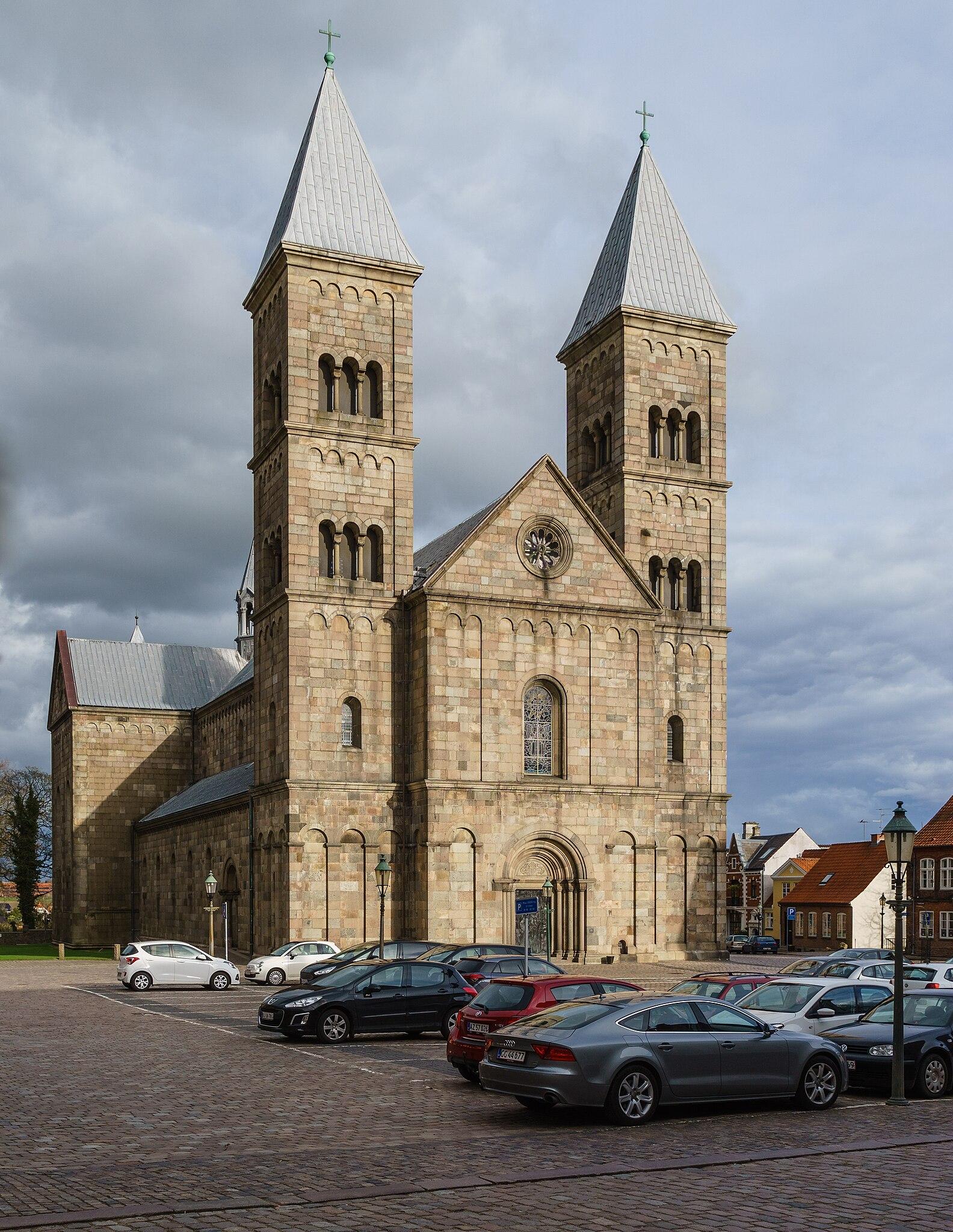
Looking beyond Daugbjerg gamle vandmølle? Discover Viborg for broader travel guides, local hot-spots, and regional highlights.
Explore Viborg