

Bølling Lake Travel Guide
Free Guide: A restored glacial lake offering scenic walks, excellent fishing, and peaceful nature immersion in central Jutland.


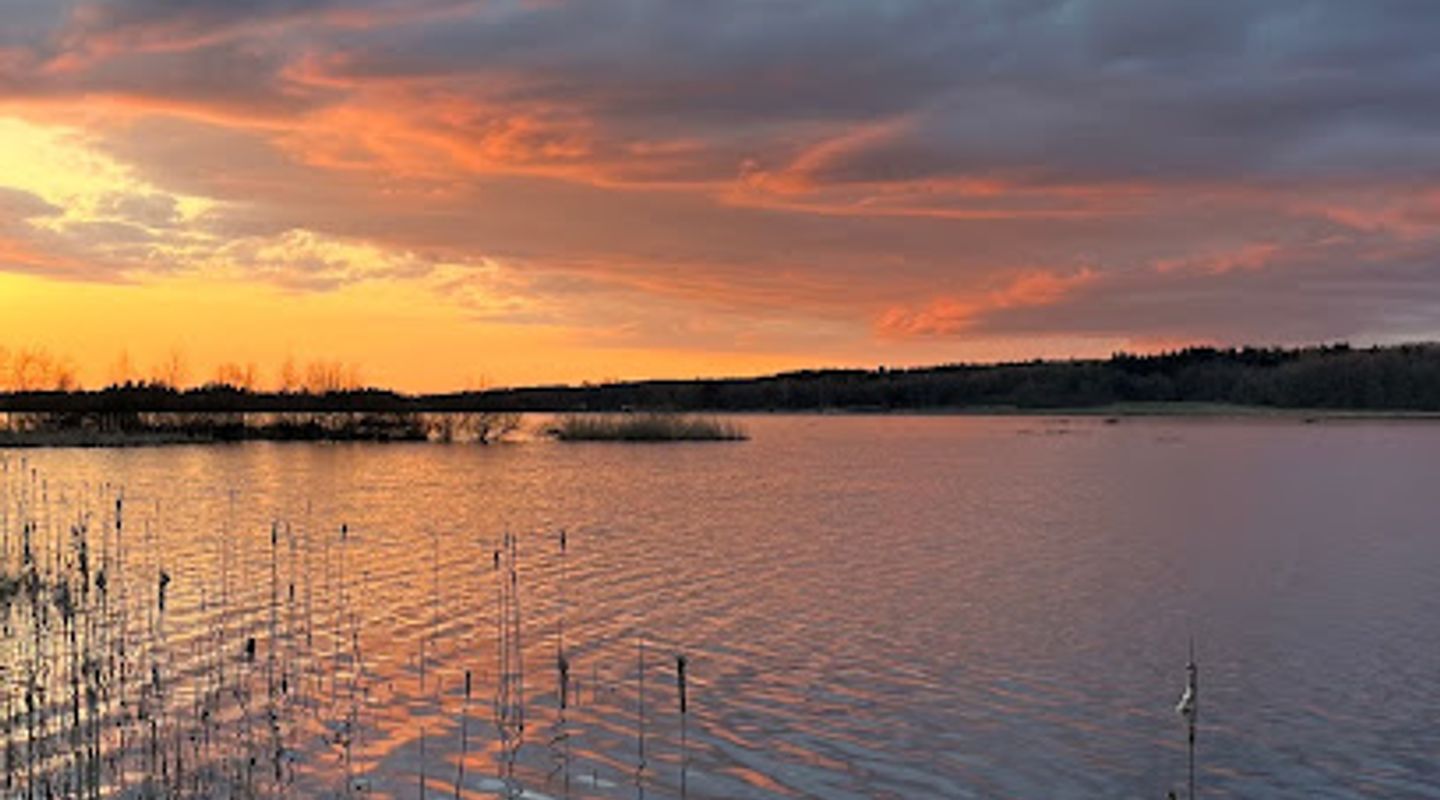
A brief summary of Bølling Lake
A restored glacial lake offering scenic walks, excellent fishing, and peaceful nature immersion in central Jutland.
Bølling Lake is a sprawling 360-hectare shallow lake in central Jutland, Denmark, located between Engesvang and Kragelund near Silkeborg. Recreated in 2004–2005, this modern natural haven offers a 12-kilometre scenic walking loop, excellent pike fishing, swimming, and historical discovery points scattered along its shores. The lake's clear waters and peaceful woodland setting make it an ideal destination for nature lovers, families, and outdoor enthusiasts seeking relaxation and active recreation.
On-site amenities
 Parking areas
 Information boards
- Address
- Bølling Lake
Getting there
Car from Silkeborg
Bicycle from Silkeborg
Regional Bus from Silkeborg
Guided Tour or Taxi from Silkeborg
Discover more about Bølling Lake
A Modern Lake Born from Restoration
Bølling Lake represents a remarkable environmental reclamation project in central Jutland. Originally drained in the 1870s for agricultural purposes, the lake was painstakingly recreated between 2004 and 2005, transforming the landscape back into a thriving aquatic ecosystem. Today, this 360-hectare body of shallow water stands as a testament to successful habitat restoration, with depths averaging 1.3 metres and a maximum depth of just 3 metres. The lake's relatively young age belies its ecological richness—despite being less than two decades old, it has rapidly become a vital natural resource for the region.
Glacial Heritage and Natural Setting
Bølling Lake occupies a landscape shaped by ancient ice ages. The surrounding terrain, formed during the Pleistocene glacier period roughly 10,000 years ago, creates a distinctive topography of gentle hills and forested valleys. The lake sits nestled between the parishes of Engesvang, Funder, and Kragelund, positioned slightly west of Silkeborg in the heart of Denmark's Lake District. This geological setting provides a naturally scenic backdrop, with the shallow waters reflecting the surrounding woodland and creating an atmosphere of serene natural beauty that draws visitors throughout the year.
A Paradise for Anglers and Water Enthusiasts
The lake has earned particular renown among fly fishermen and pike anglers. The shallow, reed-fringed waters create ideal conditions for wading and surface lure fishing, with pike populations thriving in the nutrient-rich environment. From May to October, anglers experience peak conditions using poppers and other surface lures, while the hard bottom composition in most areas provides excellent footing for waders. The northwestern section of the lake permits free fishing from the shore and non-motorised boats, while the Silkeborg Fisheries Association maintains a rowing boat available for members. Swimming is equally encouraged, with the clear waters offering refreshing immersion during warmer months.
Exploration and Recreation Around the Shoreline
The iconic 12-kilometre walking loop encircling the lake provides the primary recreational experience for most visitors. This well-marked circuit accommodates various fitness levels, passing through diverse landscapes of open water, reed beds, and forested sections. Along the route, historical discovery points offer interpretive information about the lake's restoration, local ecology, and cultural heritage. The walking path is generally accessible to families and casual walkers, though comfortable athletic footwear is recommended for the full circuit. Cycling represents another popular approach, with scenic paths connecting to the broader regional network around Silkeborg.
Wildlife and Ecological Significance
Despite its recent creation, Bølling Lake has become a significant habitat for birds and aquatic wildlife. The shallow waters, extensive reed margins, and surrounding forest create ideal conditions for waterfowl, wading birds, and fish populations. The lake's ecological recovery demonstrates how carefully managed restoration can rapidly restore biodiversity to degraded landscapes. Visitors frequently encounter diverse bird species, particularly during migration seasons, making the lake valuable for birdwatchers and nature photographers seeking to document the region's avian life.
Practical Access and Visitor Facilities
The lake benefits from good parking facilities and clear signposting, particularly from the Silkeborg direction. While public transport options remain limited in this rural area, the location is readily accessible by private vehicle or bicycle from surrounding towns. The relatively modest infrastructure reflects the lake's character as a natural recreation area rather than a developed tourist resort, encouraging visitors to come prepared with their own supplies while maintaining the peaceful, undeveloped atmosphere that defines its appeal.
Evendo Review Centre
 Google
Guest reviews
Best time to go
Quietest: Jan, Feb & Dec · before 6am or at 9pm
Busy times are Evendo estimates for a typical year, to help you plan. Actual crowds vary with events, school holidays and the weather.
Explore Bølling Lake on the map
A handpicked selection of must-see spots near Bølling Lake, mapped for you.
Get your free copy of our complete guide to Bølling Lake, delivered straight to you.
Everything on this page, from opening hours and how to get there to Eve’s tips and the best time to go, in one PDF you can read offline, print or share.
Already have an account? Sign in
Your Bølling Lake guide is ready.
We'll send it to · Not you? Sign out

Getting your guide ready…
We are putting together a fresh copy of the Bølling Lake guide. This can take up to a minute.
This can take a few moments. If your browser asks, choose Allow so the download can start. You'll find the guide in your Downloads folder.
Nothing happened? Download it again
Sorry, the guide is taking longer than usual. Please try again in a minute, or get it by email instead.
Other nearby places you may find interesting
The closest places of the same kind, if this one is not quite what you had in mind.
-
-
-
-
-


Swipe for more places
More to explore near Bølling Lake

 Best experiences near Bølling Lake
 Best hotels near Bølling Lake
 Best landmarks near Bølling Lake
 Best attractions near Bølling Lake
 Best shops near Bølling Lake
 Best restaurants near Bølling Lake
 Best bars near Bølling Lake
Do you manage this location?
Take control to get all the benefits, like improved information, better appearance, and stronger visibility across AI-powered discovery.
Explore more
Explore more of Samsø
Samsø: Explore Denmark's eco-friendly island, rich in natural beauty, culinary delights, and cultural heritage.
Explore Samsø
Explore more of Denmark
Discover Denmark: A perfect blend of history, modern design, and the cozy concept of hygge. Explore vibrant cities, serene landscapes, and world-class cuisine.
Explore Denmark
