Copenhagen Opera House Travel Guide
Free Guide: A shimmering neo‑futurist landmark on Copenhagen’s harbour, blending bold architecture, opulent interiors and world‑class opera with unforgettable waterfront views.


A brief summary of Copenhagen Opera House
A shimmering neo‑futurist landmark on Copenhagen’s harbour, blending bold architecture, opulent interiors and world‑class opera with unforgettable waterfront views.
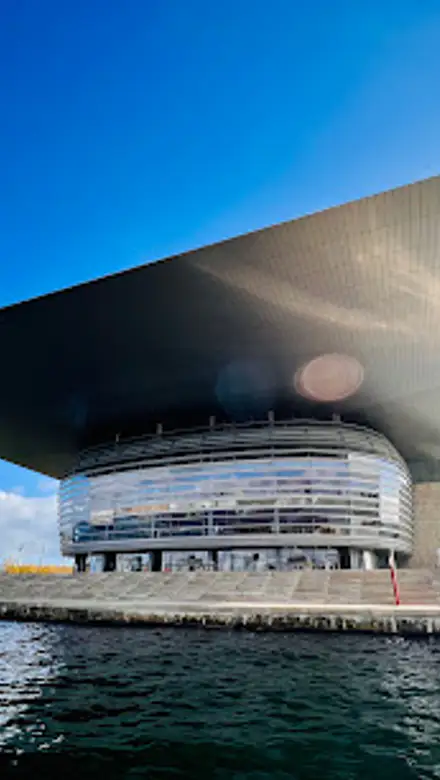
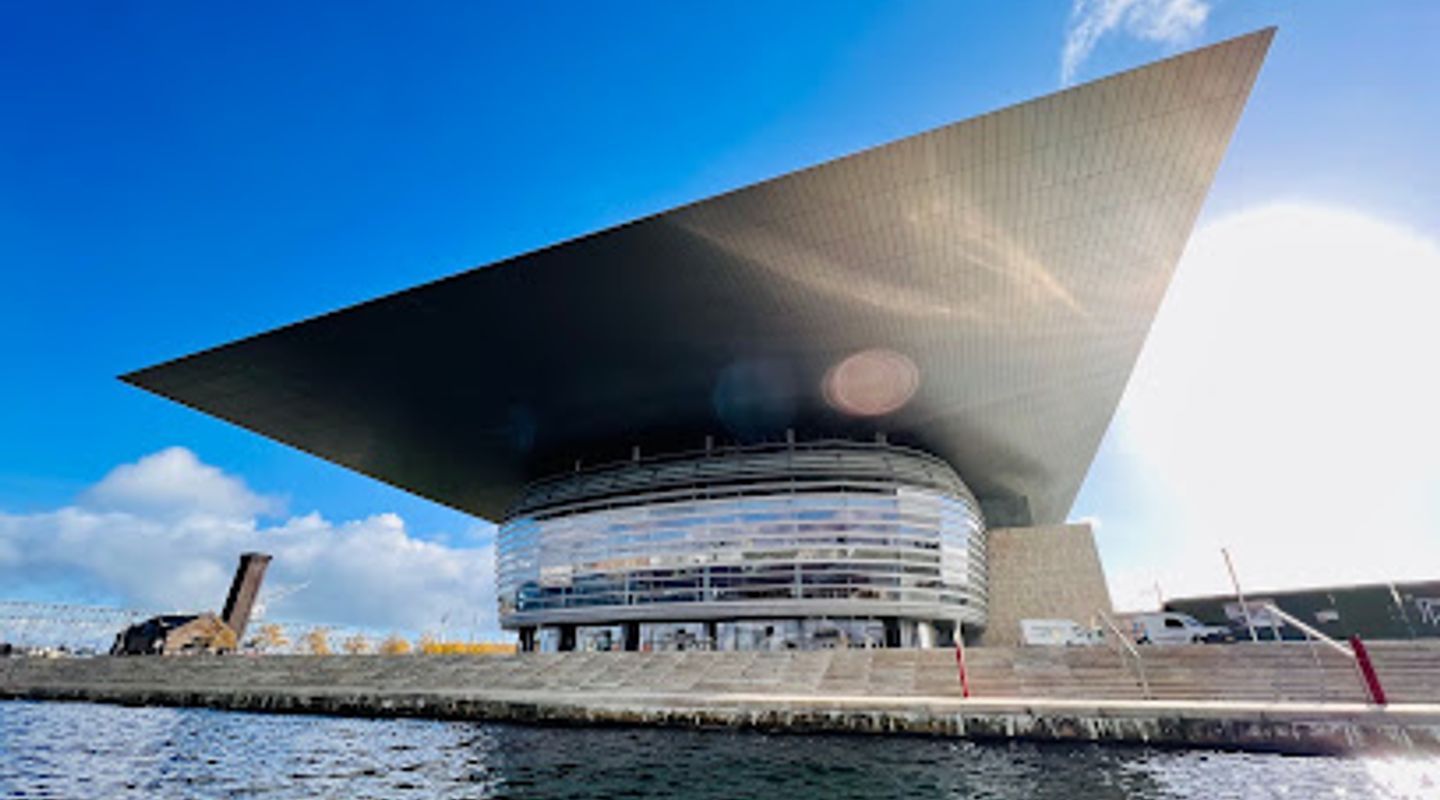
Rising like a sleek ship on Copenhagen’s waterfront, the Copenhagen Opera House is the modern home of the Royal Danish Opera and one of Denmark’s most striking contemporary buildings. Completed in 2004 as a monumental private donation to the Danish people, it combines bold neo‑futurist architecture with warm, opulent interiors of oak, marble, bronze and gold leaf. Inside, a 1,400‑seat main auditorium, multiple rehearsal stages and an intimate experimental theatre host opera, ballet and concerts, while terraces and foyers frame superb harbour and city views.
On-site amenities
 Restrooms
 Drink options
 Food options
 Seating areas
 Sheltered areas
 Trash bins
 Information boards
- Address
- Ekvipagemestervej 10, 1438 København K
- Phone
- Website
Getting there
Harbour bus
City bus
Taxi or rideshare
Walking and cycling
Discover more about Copenhagen Opera House
A modern icon on Copenhagen’s harbour
Completed in the early 2000s on the island of Holmen, the Copenhagen Opera House commands a prime position directly across the water from Amalienborg Palace and the axis of Frederiksgade. The building was gifted to the Danish state by the A.P. Møller and Chastine McKinney Møller Foundation, conceived from the outset as a national stage worthy of the country’s royal theatre tradition. From afar its vast cantilevered roof appears to hover over the glass façade like the brim of a hat or the deck of an ocean liner, a deliberate gesture that anchors the building to the harbour it overlooks.The structure totals around 41,000 square metres spread over 14 storeys, five of them below ground. Its pale limestone cladding and sheer glass walls give it a cool, sculptural presence by day, while at night the foyers glow like a lantern over the water. Approached from the surrounding Opera Park and quays, the house feels at once monumental and inviting, with broad steps, terraces and balconies that encourage you to linger and take in the skyline.
Neo‑futurist lines and lavish interiors
Architecturally, the opera house is often described as neo‑futurist: sharp horizontal lines, daring overhangs and extensive glazing balanced by carefully chosen natural materials. Step inside and the hard exterior gives way to an unexpectedly warm interior palette. Oak bridges arc through the lobby spaces, marble floors gleam underfoot, and spherical chandeliers float overhead. Bronze details and expanses of Sicilian Perlatino marble add weight and texture, while ceilings ornamented with gold leaf catch and scatter the light.At the heart of the building lies the main auditorium, a classic horseshoe-shaped room sheathed in golden oak that evokes the wooden hull of an inverted ship. The hall seats about 1,400 spectators, with sightlines and acoustics shaped for unamplified opera and symphonic music. Behind the scenes, five additional stages are dedicated to rehearsals and technical preparation, allowing elaborate productions to rotate efficiently. An experimental black‑box space, known as Takkelloftet, hosts smaller-scale works and contemporary performances.
Opera, ballet and behind‑the‑scenes insight
The Copenhagen Opera House serves as the primary home of the Royal Danish Opera and also stages performances by the Royal Danish Ballet and visiting ensembles. The calendar ranges from grand opera and classic ballet to modern dance and orchestral concerts, with many productions featuring international casts alongside Danish artists. For a more in‑depth look, guided tours in multiple languages provide access to foyers, stages and some backstage areas, explaining how productions move from rehearsal to opening night.Even when no performance is scheduled, the building rewards exploration. The lofty foyer doubles as a viewing gallery over the harbour, with floor‑to‑ceiling windows framing the royal palace, church spires and busy boat traffic. On upper levels, a restaurant and bars transform the pre‑show hours into an extended evening out, pairing Nordic cuisine with some of the city’s finest panoramas. In good weather, the outdoor terraces become informal gathering spots for photography, quiet contemplation or simply watching the light change across the water.
Harbour panoramas and the new Opera Park
The landscape around the opera house has evolved into an attraction in its own right. The recently created Opera Park wraps the building in landscaped islands, winding paths and sheltered nooks that soften the former naval setting. From here you get sweeping views not only of the theatre but also of Copenhagen’s inner harbour, from the historic warehouses of Christianshavn to the modern drama of the Royal Danish Playhouse across the water.Green lawns, ornamental plantings and small bodies of water create a striking contrast to the precise geometry of the opera house itself. Sculptures, benches and carefully framed sightlines turn even a short stroll into a mini architectural tour. Cafés in and around the park make it easy to combine a visit to a performance or guided tour with a relaxed meal or drink. As evening approaches, the interplay of illuminated façades, reflections on the harbour and the silhouettes of passing boats underscores why this corner of Copenhagen has become one of its most photogenic urban stages.
Practical details for planning a visit
The opera house is primarily a ticketed performance venue, with prices varying by production, seating category and date, but guided tours and some events are comparatively affordable. Box office and telephone lines keep limited daytime opening hours on weekdays, while on performance days on‑site ticket counters usually open a couple of hours before curtain. The building is designed with accessibility in mind, including step‑free routes, lifts and reserved seating for wheelchair users.Most visitors find that one to two hours is enough for a guided tour and a short look around the foyers, but an evening performance can easily turn a visit into a full night out when combined with dinner or drinks on site. The harbourfront location can be breezy, especially outside summer, so an extra layer is useful if you plan to spend time on the outdoor terraces or exploring the park. Photography is generally welcomed in public areas, but restrictions apply during performances, so it is worth checking current guidelines when you arrive.
Evendo Review Centre
 Google
Guest reviews
Best time to go
Quietest: Jan, Feb & Mar · before 8am
Busy times are Evendo estimates for a typical year, to help you plan. Actual crowds vary with events, school holidays and the weather.
Explore Copenhagen Opera House on the map
A handpicked selection of must-see spots near Copenhagen Opera House, mapped for you.
Get your free copy of our complete guide to Copenhagen Opera House, delivered straight to you.
Everything on this page, from opening hours and how to get there to Eve’s tips and the best time to go, in one PDF you can read offline, print or share.
Already have an account? Sign in
Your Copenhagen Opera House guide is ready.
We'll send it to · Not you? Sign out

Getting your guide ready…
We are putting together a fresh copy of the Copenhagen Opera House guide. This can take up to a minute.
This can take a few moments. If your browser asks, choose Allow so the download can start. You'll find the guide in your Downloads folder.
Nothing happened? Download it again
Sorry, the guide is taking longer than usual. Please try again in a minute, or get it by email instead.
Unlock the best of Copenhagen Opera House
Skip-the-line tickets, guided tours with entry, and walking tours of the area, booked in a few clicks.
 Tour with entry
Copenhagen Walking Tour with Audioguide on Your Smartphone
from $10.61 Tour with entry
Christianshavn Walking Tour Copenhagen Bohemian Life and History
from $42.47 Tour with entry
Copenhagen Highlights: Small Group Walking Tour - Max 10 people
from $44.59 Tour with entry
Bike Tour Copenhagen. Guide & Concierge Service, Small Grp
from $46.29



Other nearby places you may find interesting
The closest places of the same kind, if this one is not quite what you had in mind.
-
Springvandet i Amaliehaven af Arnaldo Pomodoro A dramatic bronze fountain at the heart of Amaliehaven, where modern sculpture, royal views and harbor breezes meet in a tranquil geometric garden.
-
Ripley's Believe It or Not! Scandinavia's only museum of genuine oddities, curiosities, and human extremes.
-
Statue of Andersen A larger-than-life Hans Christian Andersen sits in bronze on Copenhagen’s City Hall Square, book in hand, gazing toward Tivoli Gardens in the city’s vibrant heart.
-
Naturpark Åmosen Zealand’s last wilderness: a vast lowland of bogs, lakes and forests where rare wildlife, ancient rituals and Viking power echo across the mists of Åmosen.
-
Little Tilde by Thomas Dambo - Troll #16 A recycled-wood troll with a heart for birds, Little Tilde watches over Vallensbæk Mose and invites you into a gentle treasure hunt through Copenhagen’s wild marshland.
Swipe for more places
More to explore near Copenhagen Opera House

 Best experiences near Copenhagen Opera House
 Best hotels near Copenhagen Opera House
 Best landmarks near Copenhagen Opera House
 Best attractions near Copenhagen Opera House
 Best shops near Copenhagen Opera House
 Best restaurants near Copenhagen Opera House
 Best bars near Copenhagen Opera House
Do you manage this location?
Take control to get all the benefits, like improved information, better appearance, and stronger visibility across AI-powered discovery.
Explore more
Explore more of Zealand
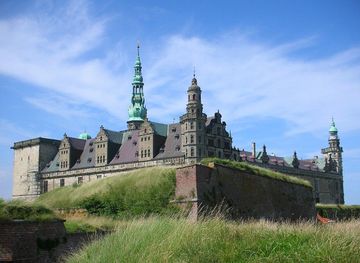
Discover the charm of Zealand, Denmark's largest island, blending vibrant city life in Copenhagen with serene coastal beauty and rich cultural heritage.
Explore Zealand
Explore more of Denmark
Discover Denmark: A perfect blend of history, modern design, and the cozy concept of hygge. Explore vibrant cities, serene landscapes, and world-class cuisine.
Explore Denmark