
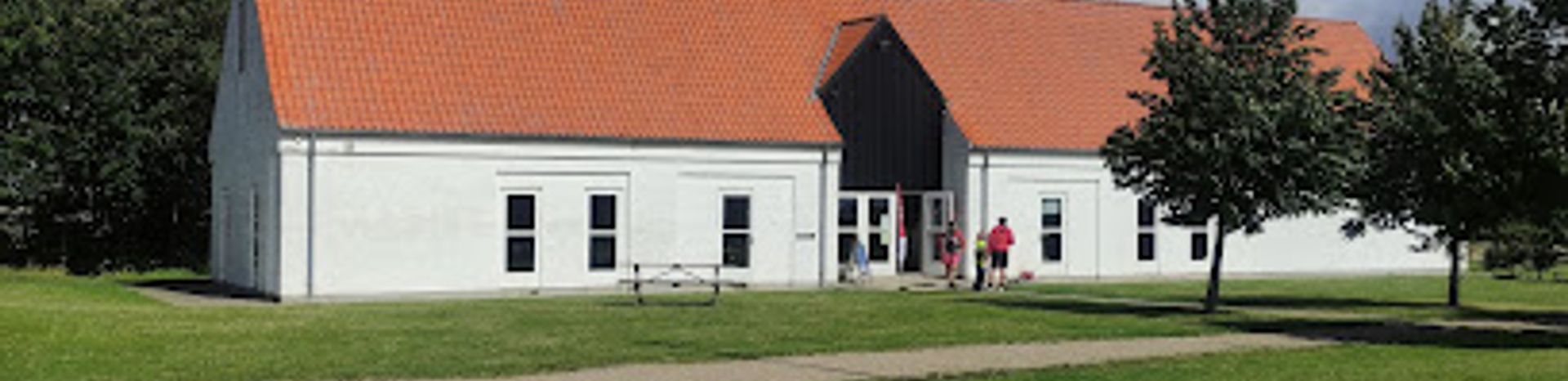
Naturpark Åmosen
Zealand’s last wilderness: a vast lowland of bogs, lakes and forests where rare wildlife, ancient rituals and Viking power echo across the mists of Åmosen.
Spreading across the low, misty basin of western Zealand, Naturpark Åmosen is one of Denmark’s most evocative wild landscapes. Nicknamed “Zealand’s last wilderness”, this 8,000–8,500-hectare nature park links bogs, lakes, meandering streams and old forests from Store Åmose to Skarresø and Tissø before reaching the Great Belt. Rich in birdlife, ancient peatlands and remarkable Stone Age and Viking finds, it’s a rewarding destination for walkers, cyclists, nature lovers and anyone curious about deep Danish history.
A brief summary to Naturpark Åmosen
- Bakkendrupvej 28, Store Fuglede, 4480, DK
- Visit website
- Duration: 2 to 8 hours
- Free
-
 Outdoor
- Mobile reception: 3 out of 5
- Monday 12 am-12 am
- Tuesday 12 am-12 am
- Wednesday 12 am-12 am
- Thursday 12 am-12 am
- Friday 12 am-12 am
- Saturday 12 am-12 am
- Sunday 12 am-12 am
Local tips
- Bring waterproof footwear or sturdy boots; many paths cross low, wet ground, and conditions can be muddy outside high summer.
- Pack binoculars and a field guide if you enjoy birdwatching, especially around Tissø, Skarresø and the open bog areas.
- Insect repellent is useful from late spring to early autumn, when mosquitoes and midges can be active near wetlands.
- Check local maps or the nature park’s visitor information before setting out; some trails cross private land with specific access rules.
- If you plan to use shelters or primitive campsites, arrive early in the day and have a backup plan in case popular spots are occupied.

For the on-the-go comforts that matter to you
- Restrooms
- Seating Areas
- Picnic Areas
- Trash Bins
- Information Boards
- Visitor Center
Getting There
-
Regional train and bus from Holbæk
From Holbæk, take a regional train towards Kalundborg and get off at Jyderup; the ride typically takes 20–25 minutes and costs about 40–70 DKK one way. From Jyderup, continue by local bus towards Store Fuglede or Gørlev, allowing 20–30 minutes depending on the specific stop and timetable. Services usually run hourly on weekdays and less frequently in the evening and on weekends, so checking the latest schedule before departure is essential.
-
Car from Copenhagen via west Zealand
Driving from central Copenhagen to Naturpark Åmosen generally takes 1.5–2 hours, following the main motorway across Zealand before continuing on regional roads through west Zealand’s countryside. There is no entrance fee to the park itself, and parking at trailheads and visitor spots is typically free but limited, especially on sunny weekends and holidays. Expect higher traffic leaving the city on Friday afternoons and during peak summer periods.
-
Cycling approach from nearby towns
From nearby towns such as Jyderup, Gørlev or Hvalsø, experienced cyclists can reach different sections of Naturpark Åmosen in about 30–60 minutes, using a mix of minor roads and signed cycle routes like parts of the Istidsruten. Surfaces vary from asphalt to gravel, and some stretches can be exposed to wind. There is no cost beyond any bike rental you may arrange locally, and this option is best from late spring to early autumn when daylight is long and paths are drier.
Naturpark Åmosen location weather suitability
-
 Clear Skies
-
 Mild Temperatures
-
 Cold Weather
-
 Any Weather
-
 Rain / Wet Weather
-
 Hot Weather
Discover more about Naturpark Åmosen
A lowland wilderness at Denmark’s green heart
Naturpark Åmosen unfolds as a broad, shallow valley of wetlands and woods running more than 45 km across west Zealand. Here, long river valleys, deep old forests, shimmering lakes and vast bogs form one continuous mosaic of habitats. Much of the park lies within protected Natura 2000 zones, which helps safeguard its quiet, open character and the sense of space that earns it the nickname “Zealand’s last wilderness”. This landscape was once a large post‑glacial lake. Over thousands of years, it slowly filled with vegetation and silt to become the peat bogs and meadows you see today. Walking the narrow paths along streams like Halleby Å or skirting the reedy fringes of Store Åmose, you can still read the traces of ice and meltwater in the soft contours of the land.Birds, deer and life in the bog
The park’s patchwork of open water, reedbeds, meadows and woods supports an impressive variety of wildlife. Sea eagles patrol the skies over lakes such as Tissø and Skarresø, kingfishers flash low along streams, and cranes, geese and ducks use the area as a vital resting and breeding ground. In the forests and clearings, red deer and roe deer are often seen at dawn and dusk, especially in the quieter corners away from roads. The bogs themselves are living archives. Peat preserves plant remains and ancient timber, and the low, wet soils are home to specialised mosses, sedges and insect life. In late summer, many of the drier patches glow with heather and wild grasses, while dragonflies hover over black, peat‑stained pools. Even short walks offer a strong sense of being immersed in a functioning, semi‑wild ecosystem.From Stone Age rituals to Viking power
Åmosen is not only rich in nature; it is one of Denmark’s most important archaeological landscapes. Around the original lake, Stone Age communities built settlements and ritual sites, leaving behind tools, weapons, sacrificial deposits and even traces of wooden cult houses. The waterlogged soils preserved many of these remains, giving researchers unique insight into early life after the Ice Age. Later, in the Viking Age, nearby Tissø became a centre of power and worship. The famous Tissø neck ring, a massive gold torc weighing almost 2 kg, was found in this area and hints at the wealth and religious importance of the site. Walking along the western shore of Tissø or visiting the historic farmstead at Fugledegård, which serves as the park’s communication hub, you step into a landscape layered with sacred places, farms and long‑vanished halls.Trails, viewpoints and quiet adventures
Naturpark Åmosen is designed for gentle exploration rather than adrenaline. Waymarked walking and cycling routes thread through forests, along dykes and former railway lines, and past lakes and meadows. Sections of the long‑distance Istidsruten (Ice Age Route) cross the park, linking viewpoints, bird hides and small cultural sites such as churches and manor landscapes on the valley slopes. Shelters, simple campsites and hammocking spots are dotted around, allowing you to stay overnight and experience the play of light and mist at sunrise or the clear, dark skies after nightfall. Families often opt for short loops near picnic areas and open spaces, while more experienced walkers and cyclists can string together longer day trips across several sections of the valley.A shared landscape shaped by many hands
Unlike a remote national park, most of Naturpark Åmosen lies on private land, managed in cooperation between landowners, three municipalities and the park organisation. Grazing animals keep meadows open, forestry adapts to protect biodiversity, and new lowland projects help restore wetlands and reduce carbon and nutrient emissions. This collaborative approach gives the park a lived‑in, working‑landscape feel: you may pass farmhouses, small villages and fields on your way between wilder stretches of bog and woodland. Information panels and occasional events at Fugledegård and other hubs explain ongoing restoration work, the importance of peatlands for climate and biodiversity, and the ambitions for the park’s next decades.Planning your time in Åmosen
A visit can be as short as a lakeside stroll or as involved as a multi‑day trek. Many travellers choose a half‑day to walk one marked trail, watch birds from a hide and take in a viewpoint over the valley. With more time, you can combine cycling stages with stops at historical churches, manors and small village museums at the edges of the park. Weather and seasons shape the experience: in spring and autumn, migrating birds and shifting water levels create a dynamic, sometimes dramatic scene, while summer offers easier trails, lush vegetation and long evenings. Winter can be starkly beautiful but muddy underfoot, with bare trees revealing wider vistas across the damp, open lowlands.Iconic landmarks you can’t miss

Træ-cirklerne ved Birkendegård
10.5 km
Subtle traces in the fields east of Kalundborg reveal a vast Neolithic ring monument, Denmark’s “Stonehenge”, encircling the hill of Overdrevsbakken.
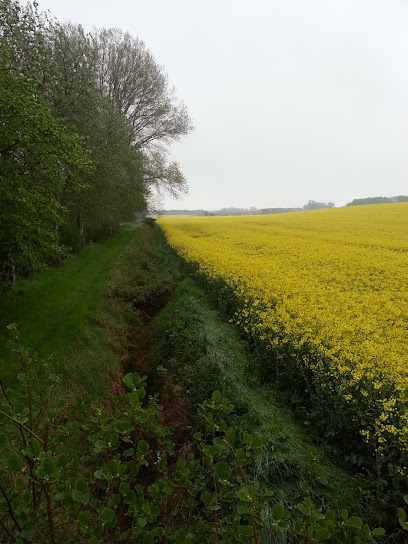
Stendysse ved Blæsinge
13.5 km
A modest Neolithic stone tomb in the fields near Blæsinge, offering a quiet roadside glimpse into western Zealand’s Stone Age landscape and rituals.

Lerchenborg Gods
14.2 km
An impeccably symmetrical Baroque–Rococo manor near Kalundborg, where preserved architecture, parkland and quiet countryside evoke centuries of Danish noble life.
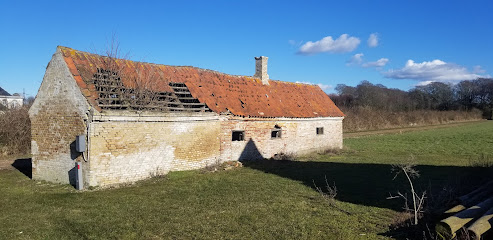
Kalundborg St.
15.4 km
Experience the heart of Helsingborg at Sundstorget, a vibrant square blending history and modernity near the Northern Harbour.
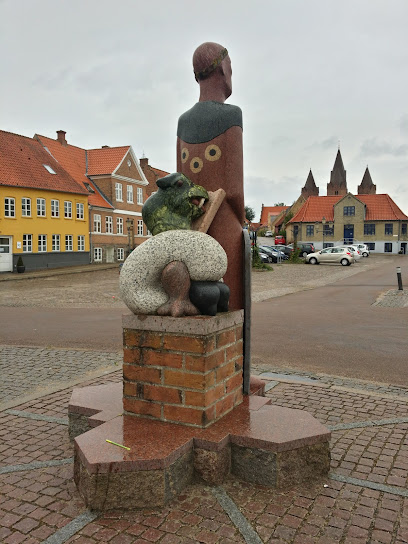
Mindesmærke for Jørgen Manniche
15.6 km
A solemn memorial to an innocent young life lost in the final moments of WWII liberation.
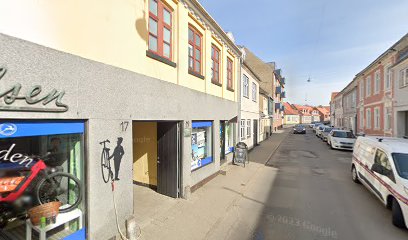
Kalundborg Slot
15.7 km
An invisible castle at the centre of Kalundborg, where streets, stories and subtle traces reveal the outline of a vanished medieval stronghold.
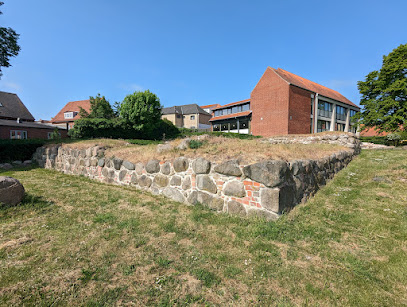
Breddysse Stones
15.8 km
A modest Neolithic dolmen in the fields near Slagelse, where ancient burial stones, open skies, and quiet farmland meet in a quietly powerful landscape.

The eltest city hall
15.9 km
A modest medieval town hall in Kalundborg’s Højbyen, where centuries of local power, trade and everyday life still echo in cobbled streets and weathered walls.
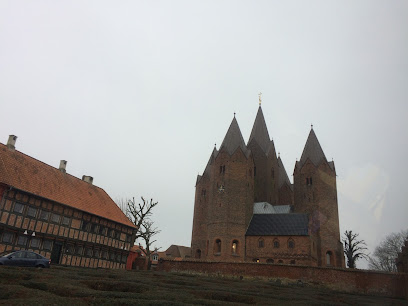
Our Lady Church
15.9 km
A medieval masterpiece with five towers symbolizing the Heavenly Jerusalem—architecturally unique and spiritually profound.
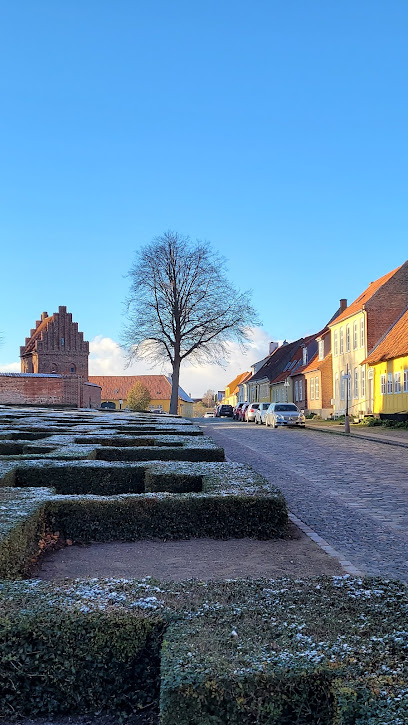
Danhostel Kalundborg
16.2 km
Experience the vibrant heart of Helsingborg at Sundstorget, where culture, dining, and shopping converge in a picturesque square.
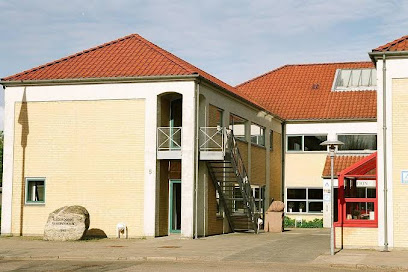
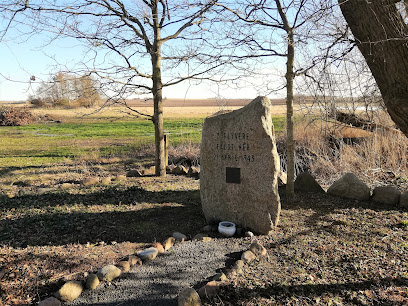
RAF Memorial Stone
16.3 km
Small rural monument, big wartime story: a quiet Danish field where seven RAF airmen are remembered with a single steadfast stone.
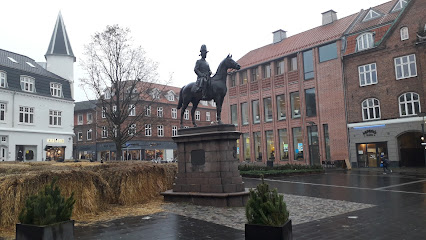
Rytterstatue af Christian IX
20.0 km
Bronze king on horseback surveys Slagelse from Schweizerpladsen—a citizen-honored tribute to Christian IX's enduring reign, sculpted with poised majesty.
Vandtrappen
20.0 km
A small yet compelling ceramic water sculpture in Slagelse’s Rosengården, where stepped cascades and quiet sound turn an everyday square into a contemplative urban pause.

Gammeltorv
20.2 km
Copenhagen's 12th-century heart: Renaissance fountain, Neoclassical facades, and Strøget buzz in one timeless square.
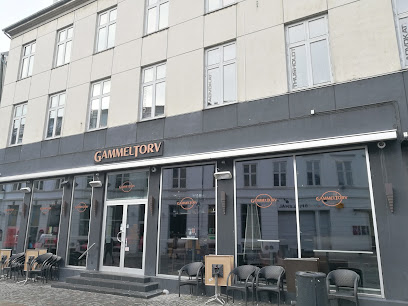
Befrielsessten i Kallerup
20.7 km
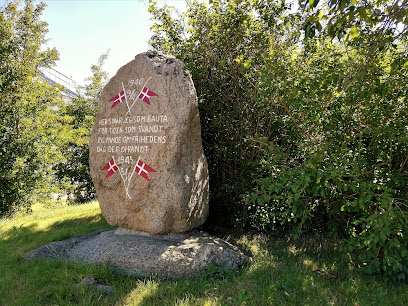
A solemn Danish liberation memorial honoring the end of Nazi occupation in May 1945.
Unmissable attractions to see

A/S Svallerup Forsamlingshus
5.0 km
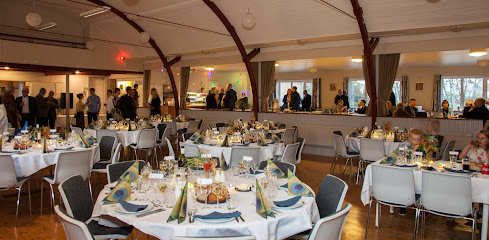
Denmark's village heart: where community gathers, traditions thrive, and neighbors become family.
Landbomuseet På Birkendegaard
11.2 km
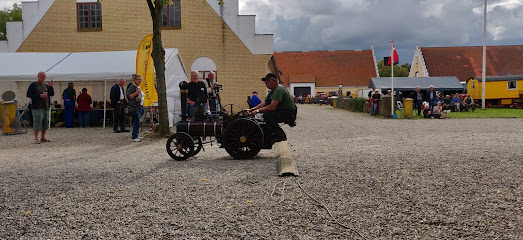
Stemningsfuldt landbrugsmuseum i en gammel tyrestald, hvor redskaber, værksteder og hverdagsgenstande fortæller levende om livet på landet omkring 1900.
Birkendegård
11.4 km
Intimate rural museum preserving Danish agricultural heritage within a restored historic barn.
Maderne Røsnæs
11.5 km
Low-lying coastal meadows on Røsnæs where ice-age geology, bird‑rich wetlands and quiet grazing land create a gentle, contemplative pause on the Røsnæs Round trail.
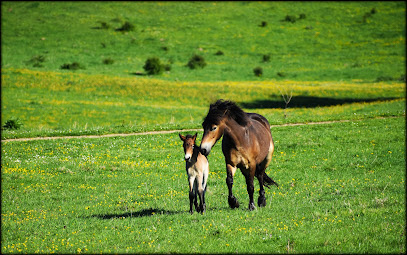
Befrielsessten i Årby
12.0 km
Quietly honoring Danish statesman Ove Rode, this hilltop memorial offers reflective space and panoramic views in the heart of historic Kalundborg.
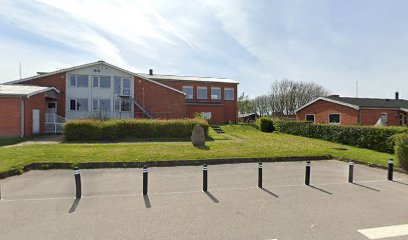
Cirkusland
14.6 km
A colourful circus village in Slagelse where live shows, gentle rides and playful tents turn Circus Arena’s home base into a relaxed, all-day playground for families.

Stillinge Strand
15.0 km
A gently shelving sandy beach near Slagelse, where shallow waters, fine sand and wide sunsets create a relaxed slice of Danish west-coast seaside life.

Gisseløre gamle fyr
15.2 km
Step back in time at Dragør Havn, a charming Danish harbour boasting rich maritime heritage, picturesque streets, fresh seafood, and bustling local life.
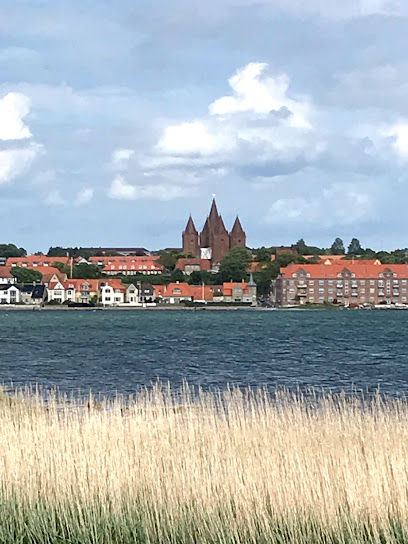
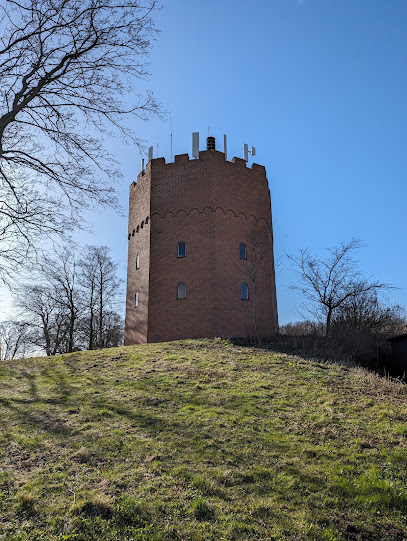
Vandtårnet på Møllebakken
15.5 km
Historic red water tower crowning Kalundborg’s former mill hill, offering green parkland and sweeping views over the medieval town and Kalundborg Fjord.
Solskinspladsen, Kordilgade
15.5 km
A small sunlit square on Kalundborg’s main street, Solskinspladsen swaps a vanished town house for cobbles, daylight and an easy pause between shops and hillside.
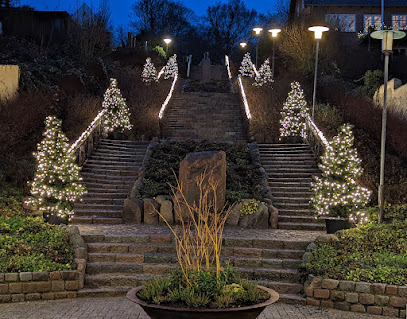
Mindesmærke for Ove Rode
15.6 km
A life‑size bronze bust of statesman Ove Rode crowns Kalundborg’s Møllebakketrappen, blending political memory, pocket‑park calm and sweeping views over town and harbour.
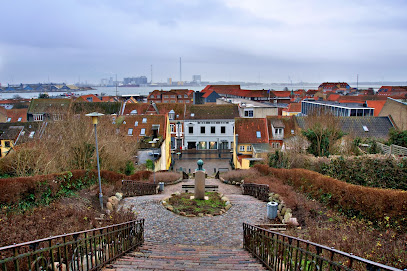
Befrielsessten i Kalundborg
15.6 km
Experience Denmark’s maritime heritage at Dragør Havn, where colorful historic cottages and a lively fishing harbor offer authentic coastal charm near Copenhagen.
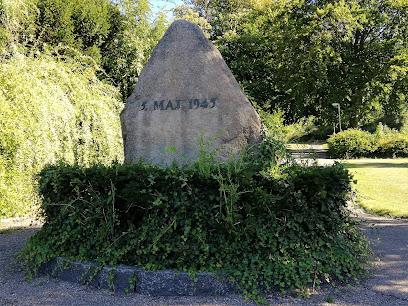
Postgaarden Kalundborg Event og Musikhus
15.7 km
Historic post house turned modern event hub, Postgaarden is Kalundborg’s go-to address for comedy, concerts and celebrations on lively Kordilgade.
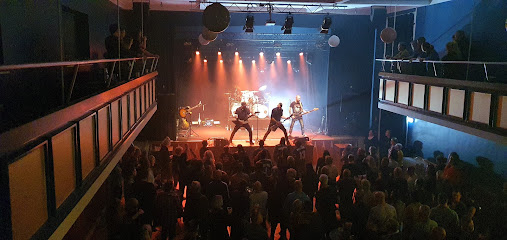
Gryden
15.7 km
A small green amphitheatre tucked into Møllebakken’s slopes, where Kalundborg’s everyday park life meets open-air concerts and quiet hillside views.
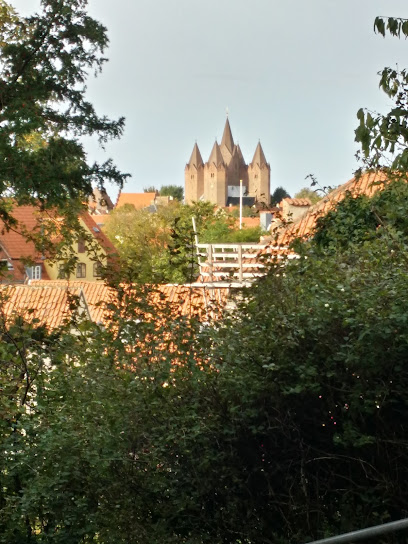
Kalundborg Local Library
15.8 km
Preserve and explore Kalundborg's rich medieval heritage through centuries of local documents and historical collections.
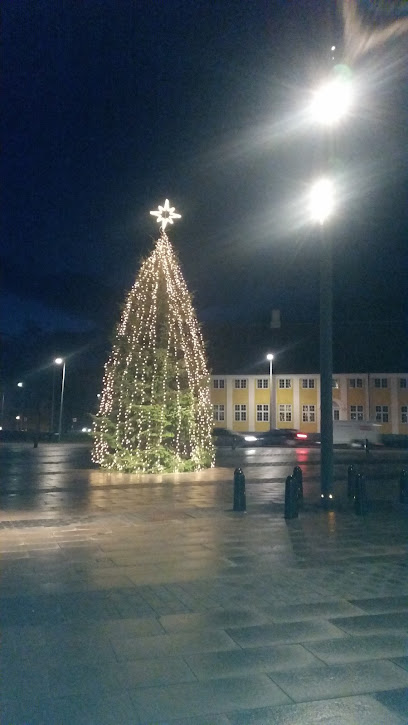
Essential places to dine

Svebølle Restaurant Parma & Pizzaria
8.8 km
Casual neighbourhood pizzeria and grill in Svebølle’s small shopping centre, serving hearty pizzas, burgers and kebab with long hours and plenty of takeaway.

Restauranter I Slagelse
10.2 km
Casual roadside dining near the Great Belt coast, pairing hearty Danish comfort food with big skies, sea air and an easygoing, family-friendly atmosphere.
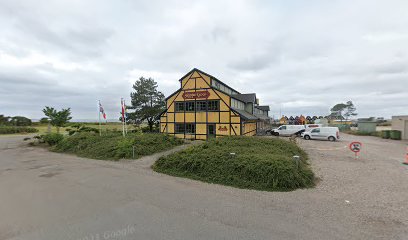
Bregninge Grillen
12.3 km
Straightforward Danish roadside grill in Svebølle, serving hearty burgers, hot dogs and classic grill plates to hungry travelers and locals on Kalundborgvej.
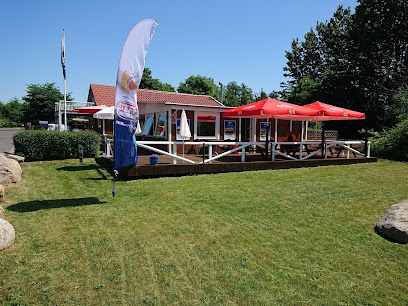
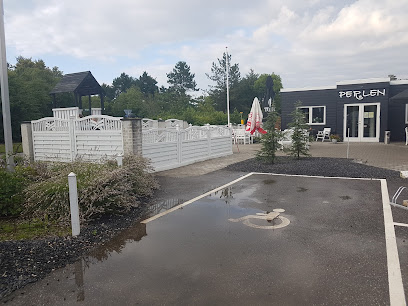
Perlen
14.1 km
Relaxed seaside grill in Eskebjerg serving hearty Danish comfort food and holiday-friendly meals just a short hop from dunes, cottages and coastline.
Torino Pizzaria & Grillhouse
14.7 km
Easygoing neighborhood pizzeria and grillhouse on Holbækvej in Kalundborg, serving generous pizzas, pasta and Danish-style grill favorites for dine‑in or takeaway.

Bedstes Hus
14.7 km
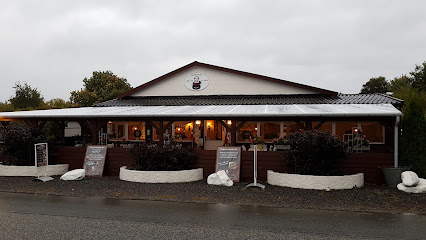
Homely Danish comfort food in a cosy “grandma’s house” setting near Stillinge Strand, with hearty buffets, seasonal celebrations and a relaxed coastal countryside feel.
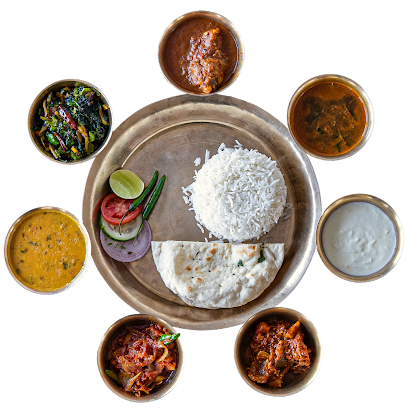
Taj Mahal Foodtruck - Indisk Pakistansk Køkken
14.9 km
Halal-friendly Pakistani and North Indian comfort food served from a modest roadside truck on the edge of Slagelse, with slow-cooked curries and rotating weekly specials.
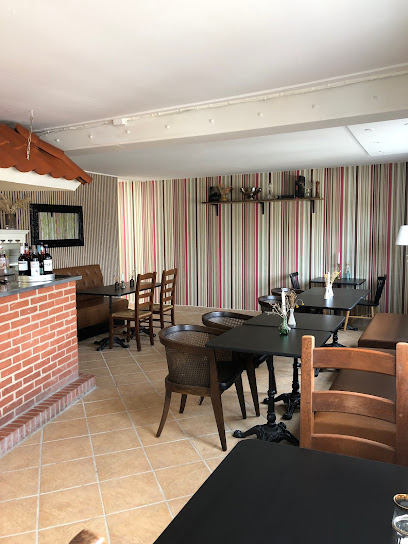
Strandens Brasserie
15.0 km
Relaxed Italian-inspired comfort food by the Danish seaside, just a short stroll from Stillinge Strand’s sands and West Zealand’s big coastal skies.
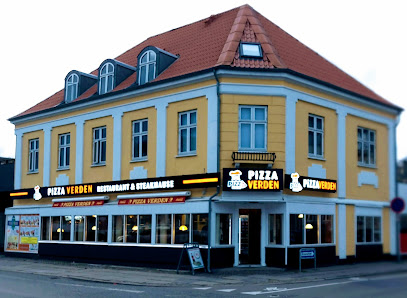
Pizza Verden Ristorante & Burger House
15.1 km
Casual Italian pizzas and grilled fare in the heart of Kalundborg—quick, affordable, and reliably varied.
Sushi Kalundborg Dan’C
15.2 km
All-you-can-eat sushi without limits in central Kalundborg
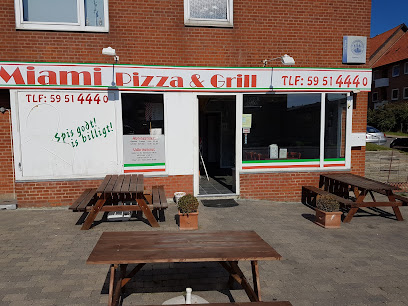
Miami Pizza & Grillbar- Kalundborg
15.2 km
Homemade pizza, burgers, and shawarma served fresh daily in casual Kalundborg.
Pizza Express
15.3 km
Affordable fast-food comfort in Kalundborg's town center, serving pizza, kebabs, and casual Mediterranean fare.

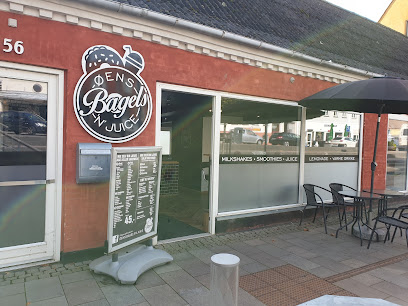
Øens bagel
15.3 km
Fresh, made-to-order bagels, sandwiches and juices in the heart of Kalundborg’s main shopping street, perfect for a quick lunch stop or easy takeaway.
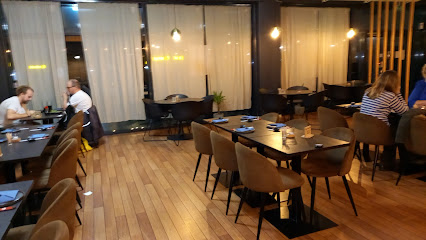
Restaurant Sheng Hua
15.3 km
Authentic Chinese dining in spacious, elegantly decorated surroundings perfect for intimate meals or group celebrations.
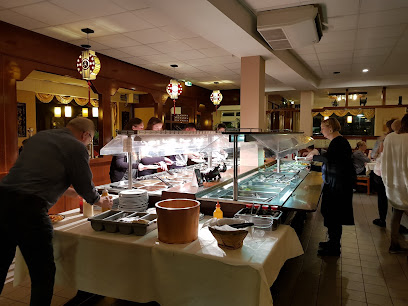
Great Sushi
15.3 km
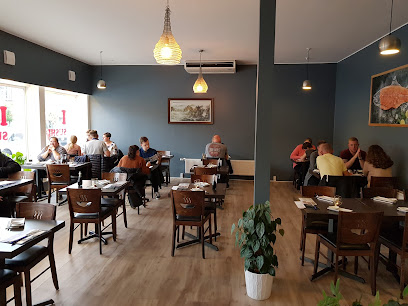
Casual all‑you‑can‑eat sushi and colourful takeaway boxes bring a taste of Japan to Kalundborg’s main street, in a simple, modern setting on Kordilgade.
Markets, malls and hidden boutiques

Figalo Mode
14.2 km
A cosy Kalundborg boutique for everyday Scandinavian style, where curated racks, friendly service and relaxed browsing bring local Danish fashion within easy reach.

Lidl
15.0 km
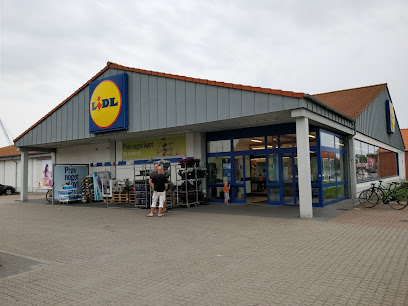
No‑frills supermarket in central Kalundborg, ideal for stocking up on affordable groceries, fresh produce and picnic supplies while exploring western Sjælland.
Butik 126 Kalundborg
15.0 km
A modest neighborhood clothing shop in central Kalundborg, best for a quick, practical browse while exploring the town’s small streets and harborfront.
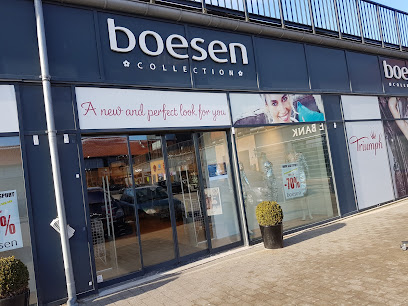
Boesen
15.2 km
Contemporary Scandinavian womenswear, lingerie and accessories in a calm, boutique setting on Kalundborg’s central square at Nytorv.
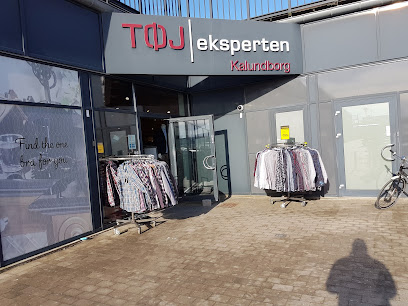
Tøjeksperten
15.2 km
Men's clothing with a year-long exchange guarantee in Kalundborg's central shopping district.
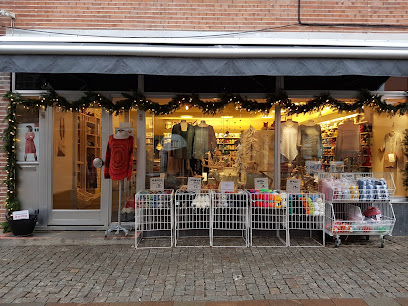
Centrum Garn
15.4 km
A cosy, colourful yarn shop on Kalundborg’s main street, packed with fibres, tools and patterns for knitters and crocheters seeking a creative Danish souvenir.
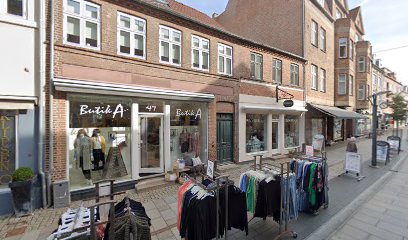
Gliimt
15.5 km
Small, stylish and family-focused, Gliimt brings Scandinavian children’s fashion to Kalundborg’s main street in a bright, welcoming boutique made for easy browsing.
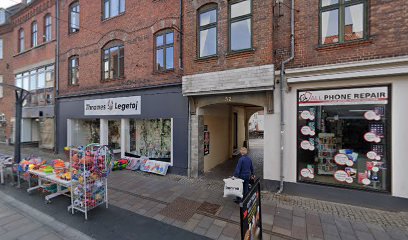
Thranes Legetøi
15.5 km
Kalundborg's independent toy specialist offering curated quality games, puzzles, and playthings beyond the ordinary.
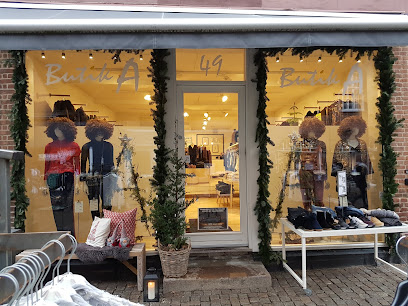
Boutique A
15.5 km
A cosy clothing boutique on Kalundborg’s main shopping street, offering curated everyday style, friendly service, and a relaxed break from big-brand retail.
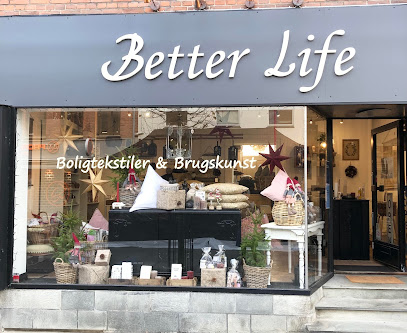
Better Life
15.5 km
A warm, Scandinavian-style lifestyle boutique in the heart of Kalundborg, filled with soft textiles, home comforts, fashion and gift-ready little luxuries.
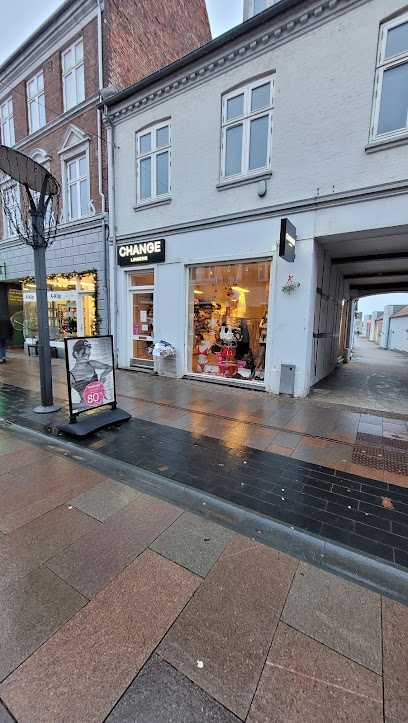
CHANGE Lingerie Outlet
15.5 km
A calm, central Kalundborg boutique for professional bra fittings, Scandinavian lingerie and loungewear at outlet prices on lively Kordilgade.
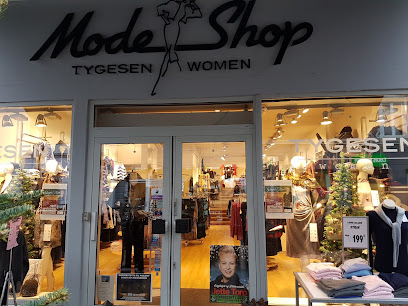
Tygesen Women
15.5 km
Kalundborg's premier women's fashion boutique offering curated designer collections and personalized styling.
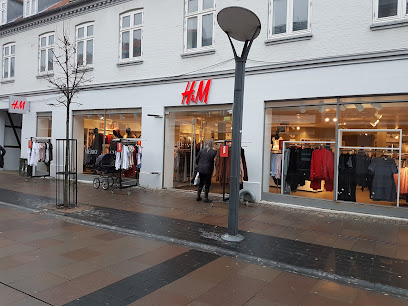
H&M
15.5 km
Central Kalundborg’s go-to high-street fashion stop, offering affordable wardrobe essentials for all ages along bustling Kordilgade.
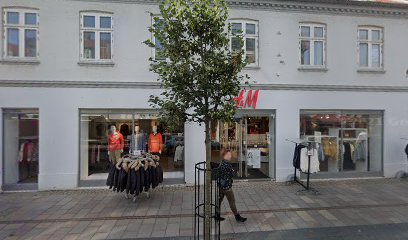
790 Hennes & Mauritz
15.5 km
A compact, no-fuss H&M on Kalundborg’s main pedestrian street, offering affordable fashion for women, men, kids and babies in the heart of this coastal town.
Din Tøjmand Kalundborg
15.5 km
Contemporary menswear boutique on Kalundborg's main shopping street, blending quality clothing with personalized service.

Essential bars & hidden hideouts

Delfinen Bodega
14.0 km
Unpolished village pub in rural Eskebjerg, where cold beers, card games, and casual conversation capture the essence of classic Danish bodega culture.
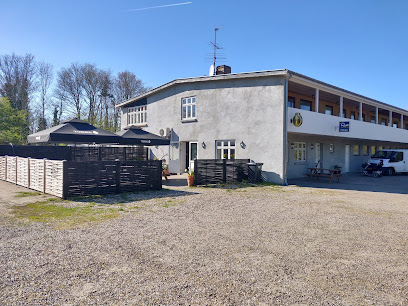
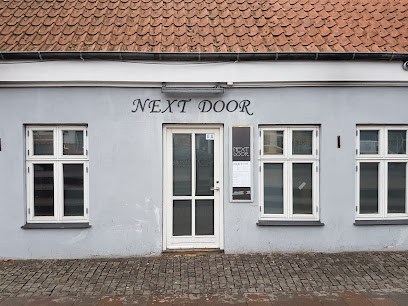
Next Door Pool Bar
15.3 km
Casual pool and sports bar on Kalundborg’s Kordilgade, mixing easygoing drinks, live games on screen and friendly competition around the pool tables.
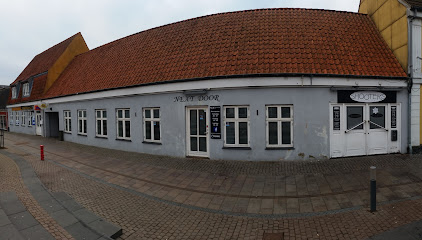
Shooters
15.3 km
Kalundborg’s lively bar and disco club serving up music, drinks, and authentic small-town Danish nightlife on weekends.
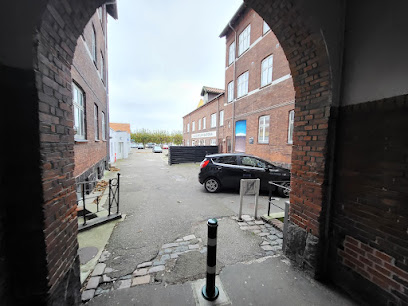
Slotskældergården
15.4 km
Unpretentious Danish bar on Kalundborg’s main street, offering cold beer, warm light and a glimpse of everyday local life along Kordilgade.
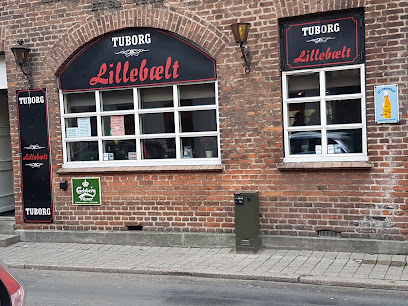
Cafe Lillebælt
15.6 km
Cozy Kalundborg café-bar blending everyday Danish hygge, simple comfort food and drinks, and a neighborhood atmosphere a short stroll from the harbor.
King's Pub
15.6 km
Traditional small-town pub on Kalundborg’s main street, serving straightforward drinks, local character and unpretentious evening atmosphere.
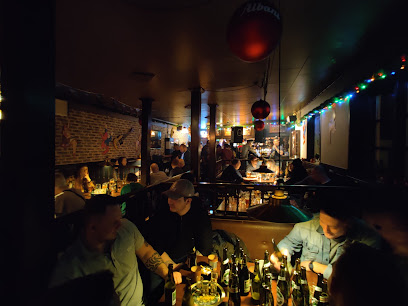
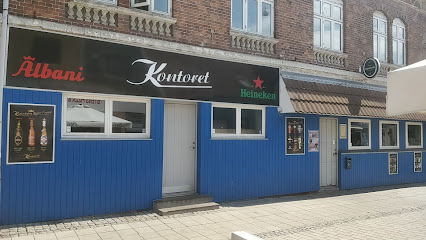
Kontoret
15.6 km
Kalundborg's inclusive waterfront bar where locals and visitors gather for drinks, food, and genuine social connection.
Kalundborg Jazzclub
15.8 km
Intimate volunteer-run blues and jazz club in central Kalundborg, keeping a 1960s live music legacy alive with close-up concerts and warm community spirit.
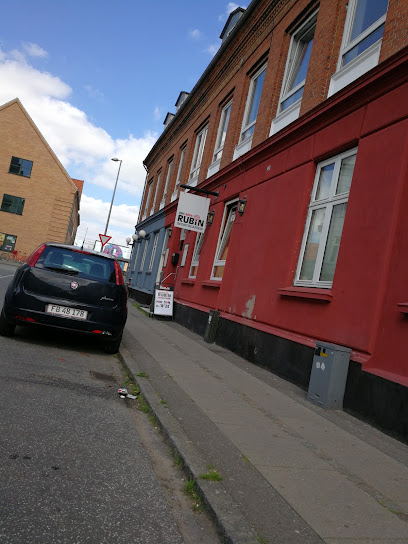
The Red Rubin
19.6 km
Cozy, no‑nonsense neighborhood bar in central Slagelse, serving straightforward drinks and a relaxed local vibe from daytime until the early hours.
Cafe 23
19.7 km
Low‑key, old‑school brown bar in central Slagelse, serving inexpensive drinks and a slice of everyday Danish nightlife in a worn but welcoming setting.
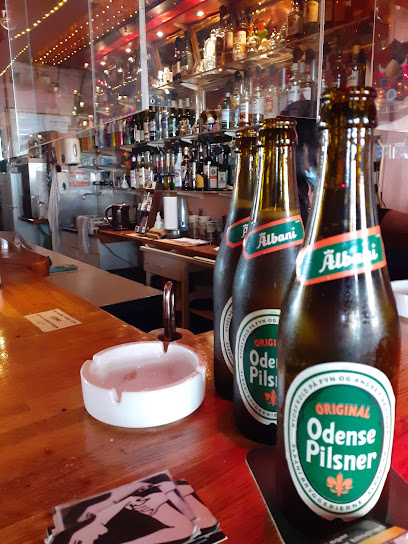
Teater Cafe'en
19.9 km
Cosy neighbourhood bar in central Slagelse, blending café calm by day with a sociable, theatre-tinged bar atmosphere late into the weekend nights.
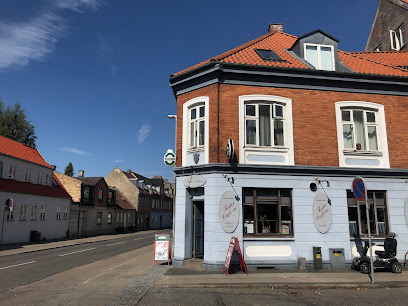
Cafe Viking.
19.9 km
Unpretentious local bar in central Slagelse, serving inexpensive drinks and everyday Danish pub atmosphere from midday into the late evening.
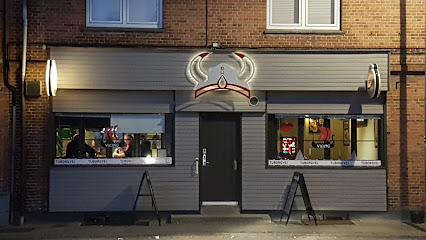
Rosen Bodega
20.1 km
Unpretentious neighborhood bodega in central Slagelse, pouring inexpensive drinks and local character in a relaxed, lived-in bar setting.
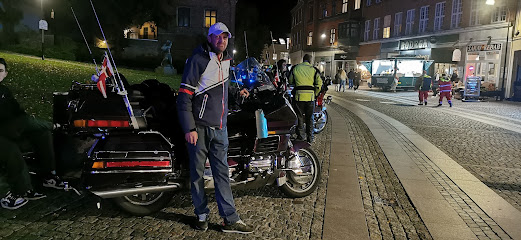
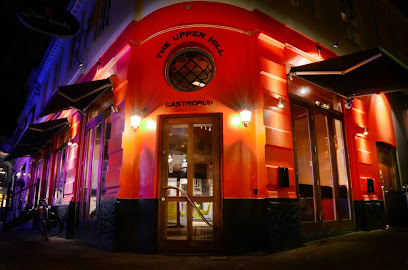
The Upper Hill
20.1 km
Cozy Irish-style pub in central Slagelse, serving generous pub dishes, broad beer and gin selections, live sports and music, plus outdoor tables on Fisketorvet.
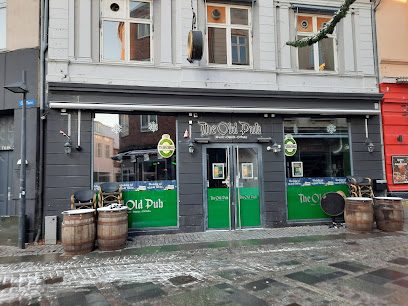
The Old Pub
20.2 km
Lively Irish-style pub on Slagelse’s Fisketorvet, mixing late-night live music, casual drinks and dance-floor energy from Thursday to Saturday.
Nightclubs & after hour spots

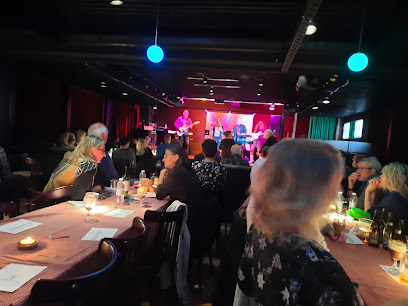
Juviklubben
15.5 km
Intimate Kalundborg live music hub and youth club, where generations meet for close-up concerts, casual bar nights and a laid-back, community-driven vibe.
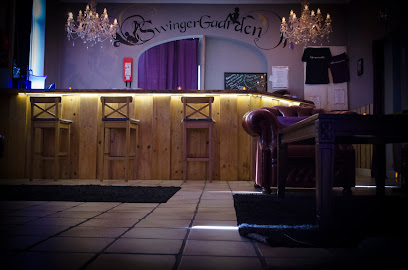
Swingergaarden
21.2 km
Discreet countryside swingers club near Slagelse, offering themed adult nights, intimate play spaces and a rules-based, consent-focused environment for open-minded guests.
Club El Diablo
34.2 km
Adults-only entertainment venue offering a discreet, welcoming atmosphere for private social experiences.
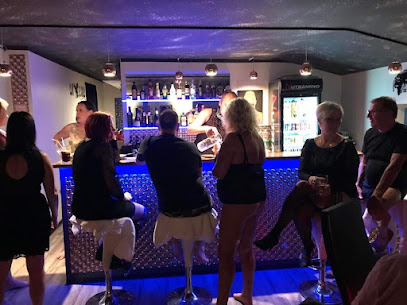
KJ's bodel
41.2 km
Laid‑back local nightspot on Nyborg’s main square, mixing simple drinks, sociable bar chatter and a compact dance floor in an unpretentious setting.
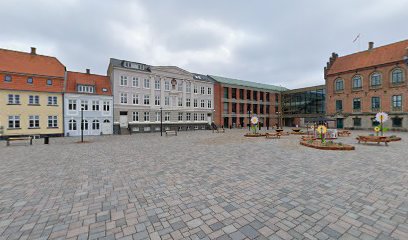
Muzirkus
42.4 km
Nyborg's independent music sanctuary where local bands rehearse, collaborate, and perform since 1974.
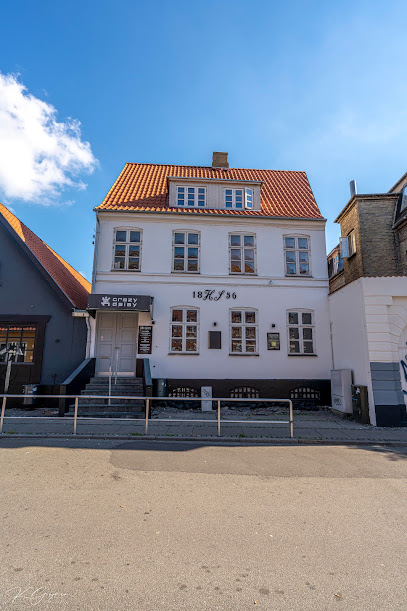
Crazy Daisy Næstved
50.0 km
High‑energy weekend nightclub in central Næstved, packing loud beats, flashing lights and a late‑night local crowd into a compact, classic Danish town‑club setting.
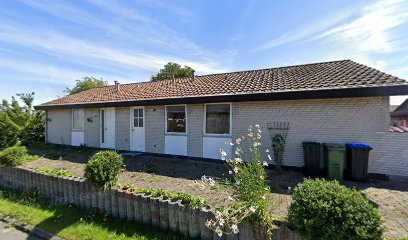
Falkecenter Samsø ApS
50.0 km
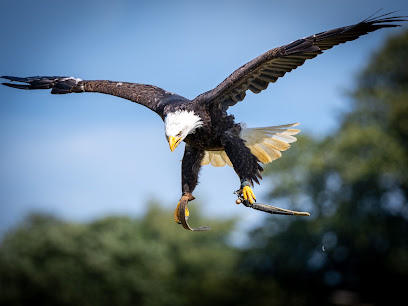
Witness awe-inspiring live falconry shows and get up close with eagles, owls, and hawks at Samsø’s premier raptor center, blending living heritage with wilderness spectacle.
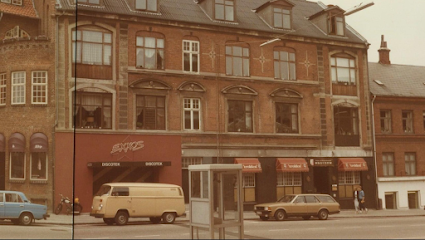
Avenue Næstved
50.0 km
Lively nightspot and flexible event hall in central Næstved, mixing dancefloor energy, festive dinners, stand-up comedy and themed parties under one roof.
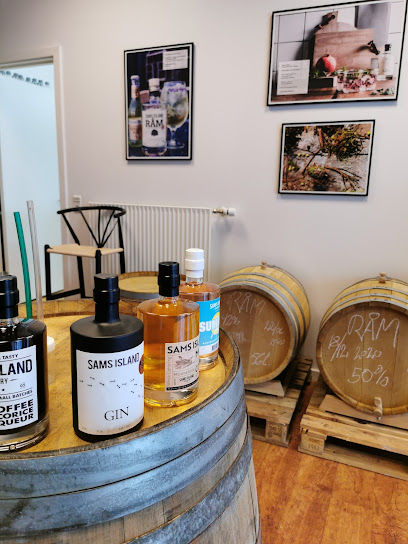
Samsø Island Distillery
50.3 km
Experience authentic Danish craftsmanship at Samsø Island Distillery, where local botanicals and sustainable practices fuse to create distinctive gin and aquavit on scenic Samsø.
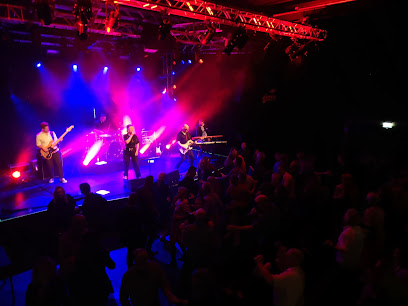
Danseriet
52.0 km
Frivilligdrevet danseklub i Roskilde med stort dansegulv, livebands og hyggelig stemning for danseglade gæster på tværs af aldre og niveauer.
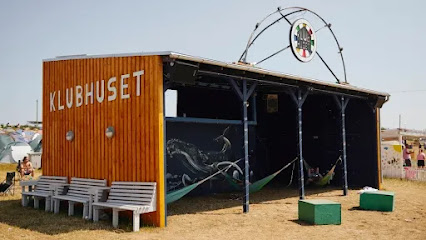
Klubhuset
52.1 km
Low-key local clubhouse turned disco-style nightspot, where a simple bar, small dance floor and regulars’ vibe create relaxed, unpretentious nights in Roskilde.
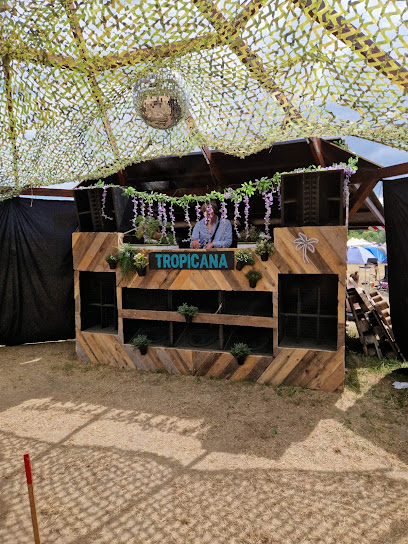
Tropicana DC
52.1 km
Compact Latin-flavoured nightclub on Roskilde’s industrial edge, delivering loud beats, simple drinks and a late-night dancefloor focused purely on partying.
Rytmisk Musikforening Steps Ahead
52.5 km
Dynamic live music venue in Roskilde, specializing in jazz and contemporary genres, with an intimate setting and vibrant community engagement throughout the year.
Garbos Roskilde
52.8 km
Cozy neighborhood nightclub in central Roskilde, blending casual bar vibes with a compact dance floor and late-night weekend energy on Hersegade.

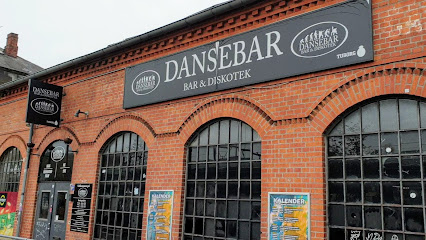
Dansebar Roskilde
52.9 km
Roskilde's premier multi-floor nightclub with dual dance spaces, three bars, and DJ-driven energy until dawn.
For the vibe & atmosphere seeker
- Scenic
- Tranquil
- Relaxing
- Adventurous
- Unique
For the design and aesthetic lover
- Rustic Designs
For the architecture buff
- Parks & Gardens
- Viewpoints
- Heritage Neighborhoods
For the view chaser and sunset hunter
- Iconic Views
- Panoramas
- Sunrise Spots
- Sunset Spots
For the social media creator & influencer
- Photo Spots
- Instagrammable
- Reel-Friendly
- Architectural Shots
For the eco-conscious traveler
- Protected Area
- Nature Reserve
- Public-Transport Accessible
- Leave-No-Trace Critical
- Locally Managed
- Wildlife Habitat
- Low Impact
For the kind of experience you’re after
- Nature Escape
- Photowalk
- Adventure Photo Shoot
- Roadtrip Stop
- Day Trip
- Weekend Getaway
- Cultural Heritage
- Myth & Legends
- Mindfulness
- Meditation Spot
For how adventurous you want the journey to be
- Easy Access
- Requires Hike
- Seasonal Only
Location Audience
- Family Friendly
- Senior Friendly
- Child Friendly
- Teen Friendly
- Solo Friendly
- Couple Friendly
- Solo Female Friendly
- Vegetarian Friendly
- Vegan Friendly


