

Denmark's westernmost point, Zealand Travel Guide
Wind-sculpted dunes, a steadfast lighthouse and endless North Sea horizons meet at Denmark’s westernmost point, where nature, history and energy converge at the edge of Jutland.
Denmark’s westernmost point, at Blåvandshuk on Jutland’s North Sea coast, is a windswept headland of dunes, sandy beaches and heathland backed by the white Blåvand Lighthouse. Here the North Sea, Wadden Sea and vast skies meet in a raw, scenic landscape shaped by storms, shifting sands and powerful currents. It is a place for long walks, birdwatching, sea views and contemplating the edge of the country amid traces of wartime bunkers and cutting‑edge offshore wind farms.
A brief summary to Denmark's westernmost point
- DK
- Duration: 1 to 3 hours
- Free
-
 Outdoor
- Mobile reception: 4 out of 5

Know before you go
Hi, I'm Eve. Here are a few practical things to know before exploring Denmark's westernmost point.
- Bring a windproof layer and hat even in summer; the exposed headland can feel several degrees cooler than inland due to strong coastal winds.
- Plan extra time to walk the beach around sunrise or late afternoon, when low light and long shadows make the dunes and lighthouse especially photogenic.
- If you enjoy birds, pack binoculars and check seasonal migration periods to make the most of the Wadden Sea flyway passing near Blåvandshuk.
- Footing in the dunes and on wet sand can be uneven; wear sturdy shoes and be cautious near the water’s edge in strong surf or stormy conditions.
Do you manage this location?
Take control to get all the benefits, like improved information, better appearance, and stronger visibility across AI-powered discovery. Learn more about listing your business on Evendo
Activate your presenceOther nearby places you may find interesting
The closest places of the same kind, if this one is not quite what you had in mind.


Explore Denmark's westernmost point on the Map
A handpicked selection of must-see spots near Denmark's westernmost point, mapped for you.
Getting There
-
Car from Esbjerg
From Esbjerg city centre, driving to Blåvandshuk via the main regional roads typically takes about 40–50 minutes, depending on traffic and weather. The route follows well-maintained paved roads across flat countryside and through holiday areas near Blåvand. Parking near the lighthouse area is generally free, but in peak summer school holiday periods spaces can fill quickly. There are no tolls on this stretch, and fuel for the return trip will usually cost in the range of 80–150 DKK for a standard car, depending on consumption and current prices.
-
Regional bus and walk from Esbjerg
Public buses run between Esbjerg and the seaside town of Blåvand, with journeys typically taking around 1 hour 15 minutes to 1 hour 45 minutes including intermediate stops and potential changes. A standard adult ticket on regional buses usually costs roughly 40–80 DKK one way, depending on the exact zones and type of ticket purchased. From the bus stop in Blåvand, reaching the westernmost point requires a walk of around 45–60 minutes along local roads or the beach, over mostly flat but sometimes sandy terrain that may be challenging for wheelchairs or prams.
-
Cycling from Varde area
For experienced cyclists, reaching Blåvandshuk from the Varde area by bike along signposted local and national cycle routes typically takes 1.5–2.5 hours each way, depending on fitness and wind conditions. The landscape is mostly flat, but strong headwinds and occasional showers are common along the North Sea coast, so suitable clothing and a well-maintained bike are essential. There is no direct cost beyond bicycle rental if needed, which in this region often ranges from about 100–200 DKK per day, and basic roadside facilities between towns can be limited outside holiday seasons.
For the on-the-go comforts that matter to you
-
 Restrooms
-
 Drink Options
-
 Drinking Water
-
 Food Options
-
 Seating Areas
-
 Sheltered Areas
-
 Trash Bins
-
 Information Boards
-
 Visitor Center
Discover more about Denmark's westernmost point
Standing at the Edge of Denmark
Denmark’s westernmost point lies at Blåvandshuk, a sandy headland jutting into the North Sea on the southwest coast of Jutland. Here the flat land of West Jutland gives way to a low, shifting landscape of dunes and wide beaches that feels very much like the country’s frontier. Out beyond the surf lies Horns Rev, a long sandbank that has challenged mariners for generations and helped shape the need for a powerful lighthouse.This is a place defined as much by empty space as by landmarks. The wind is almost a constant companion, pushing waves towards shore and driving fine sand along the beach. On clear days, the horizon seems to stretch forever, reinforcing the sense that you are standing at the last sliver of land before the open Atlantic.Blåvand Lighthouse and the Maritime Story
The most striking structure is Blåvand Lighthouse, a tall, white concrete tower that has watched over these waters since 1900. Built to replace an earlier light, it was designed to warn ships of the treacherous Horns Reef, whose submerged sandbanks reach far out to sea. The lighthouse is Denmark’s westernmost building, and its lantern has long been a vital point of reference for sailors navigating this busy stretch of coast.From the area around the lighthouse, you can trace the maritime story in every direction: breakers rolling in from the North Sea, the outline of offshore wind turbines on the horizon, and the steady rhythm of seabirds following the coastline. The light station buildings nearby hint at a time when keepers lived on site, tending the lamp in all weather.Dunes, Heathland and Coastal Wildlife
Away from the tower, Blåvandshuk reveals itself as a mosaic of marshland, moor, dunes and long ribbons of sand. The headland connects towards the Skallingen peninsula, part of a wider Wadden Sea environment of tidal flats, islands and shallow bays that is of major importance for migratory birds. Large flocks of waders, geese and seabirds pass through or overwinter here, making the area a rewarding stop for anyone with binoculars.The vegetation is tough and low, adapted to salty winds and sandy soil. Marram grass holds the dunes in place, while heather and scrubby bushes color the heath in muted purples and greens. In summer the air can be filled with the calls of larks and the distant boom of surf; in winter the landscape feels stark and stripped back, with a beauty that relies on light and weather more than lush greenery.Traces of Conflict in the Sand
The apparently timeless natural setting is layered with reminders of more recent history. Along this stretch of coast, German forces built bunkers and fortifications during the Second World War as part of the Atlantic Wall. Some remain partly buried in the dunes, their concrete softened by sand and lichen but still clearly visible as reminders of a turbulent era.Further south on Skallingen, Denmark’s last minefield lingered for decades after the war, a stark illustration of how long conflict can echo in a landscape. Today, demining and protection work have turned the focus from defence to conservation, but the story of militarisation remains an important chapter in understanding Blåvandshuk.Wind, Energy and the Modern Coast
Looking out to sea, you will often see rows of turbines from the Horns Rev offshore wind farms rising above the waves. These were among the pioneering large-scale offshore projects, harnessing the strong, steady winds of the North Sea to generate renewable power. Exhibitions in the wider Blåvand area explain how these installations fit into Denmark’s broader energy ambitions and how they coexist with marine life and shipping.The juxtaposition of an early‑20th‑century lighthouse and 21st‑century turbines captures the evolving relationship between this coast and the sea. Navigation, safety and energy are all woven into the story, giving Blåvandshuk a significance that goes beyond its role as a simple geographic extreme.Experiencing the Western Horizon
For visitors, the appeal lies in both the drama and the quiet. Long walks along the 50‑kilometre stretch of broad, pale beach reveal shifting moods as light and weather change. Some come to watch powerful winter storms, others to enjoy mild summer evenings when the low sun turns dunes golden. The open views and constant sound of waves invite unhurried reflection.Whether you are interested in coastal nature, maritime heritage or simply the feeling of standing at the country’s edge, Denmark’s westernmost point offers space, sky and sea in generous measure. It rewards slow exploration, a good windproof jacket and a willingness to let the elements set the pace of your visit.More to explore near Denmark's westernmost point













Your all‑in‑one travel companion app
Explore expert travel guides, compare and book tours, experiences, hotels, and more—all from the palm of your hand. Download now for seamless trip planning wherever your wanderlust takes you.


Explore More of Zealand
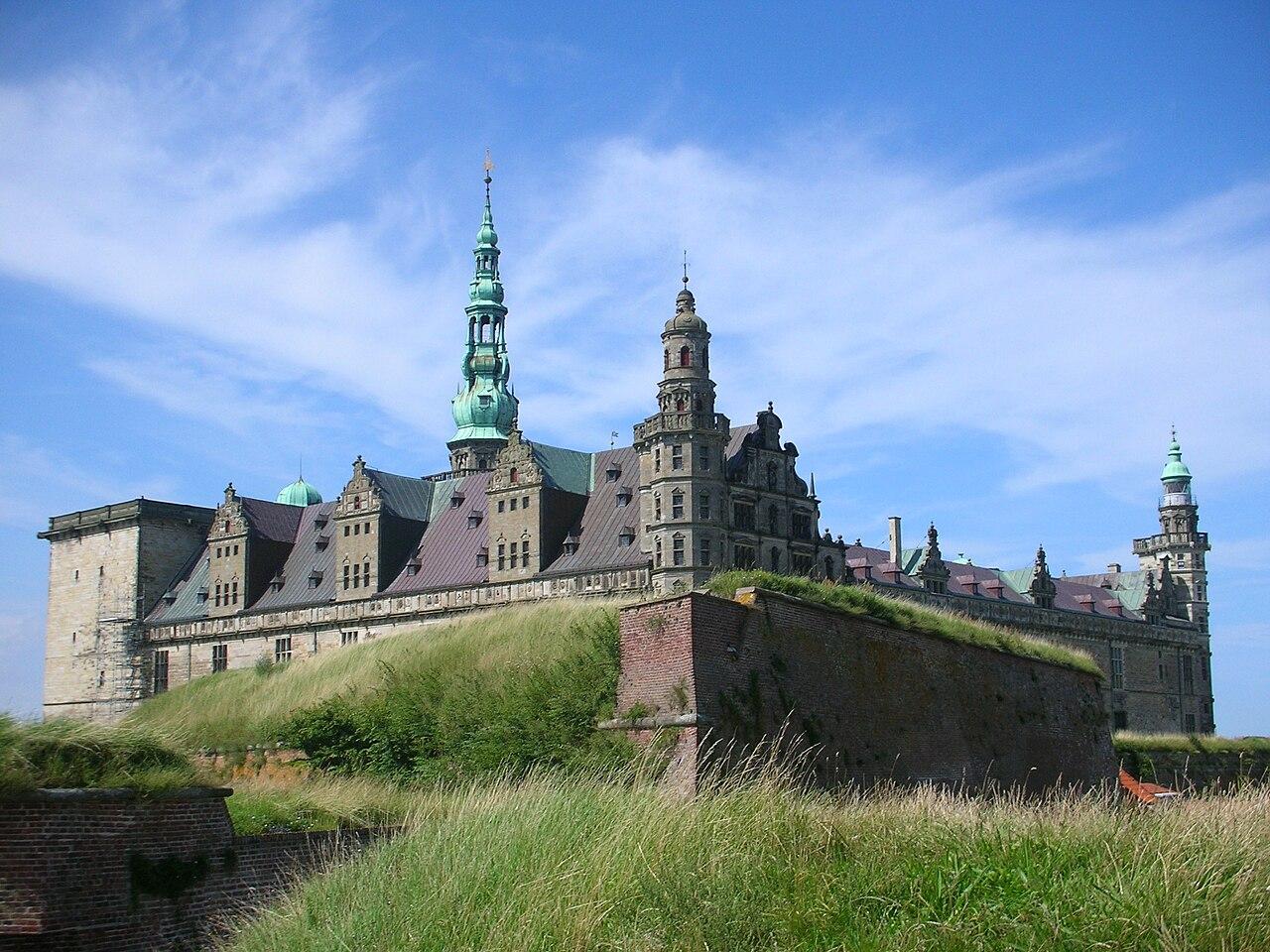
Looking beyond Denmark's westernmost point? Discover Zealand for broader travel guides, local hot-spots, and regional highlights.
Explore Zealand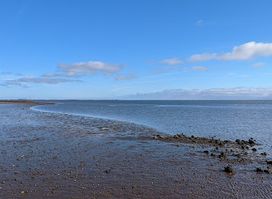
A gently shelving Wadden Sea beach north of Esbjerg, where a long wooden promenade, shallow waters and wide skies create a relaxed slice of everyday coastal life.

A bunker-turned–“invisible museum” buried in the dunes, Tirpitz blends cutting-edge design, wartime history and North Sea stories in one striking coastal complex.
