
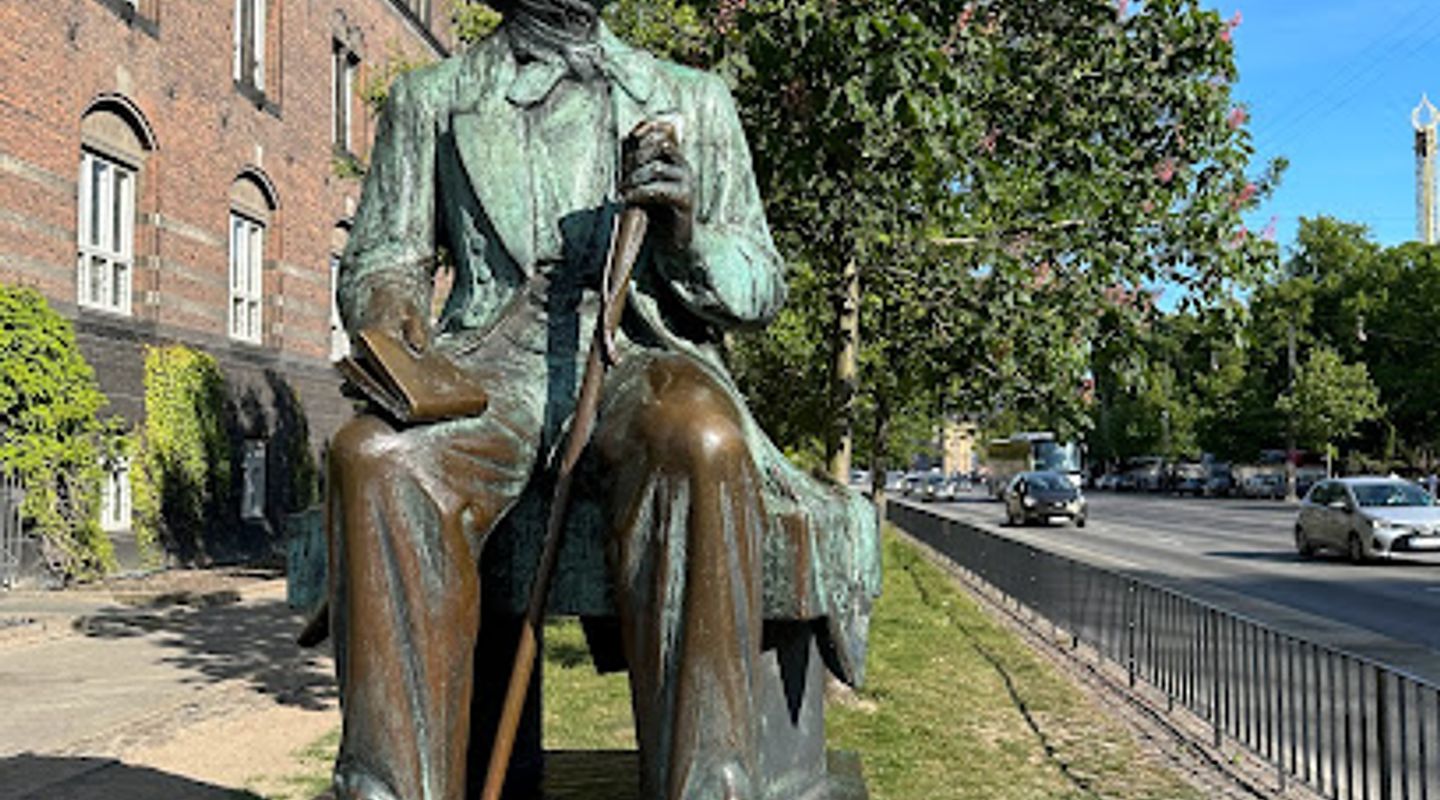
Statue of Andersen, Zealand Travel Guide
Life-sized and approachable, Hans Christian Andersen’s bronze likeness sits on City Hall Square, quietly linking Copenhagen’s civic heart with its world of fairy tales.
Seated in bronze on Copenhagen’s bustling City Hall Square, the Hans Christian Andersen Statue pays tribute to Denmark’s beloved fairy-tale author. Created by sculptor Henry Luckow-Nielsen in 1965, Andersen sits with book and cane, gazing toward Tivoli Gardens across H.C. Andersens Boulevard. Surrounded by the grand city hall, fountains and busy pedestrian routes, it’s an easy, photogenic stop that links literature, urban life and classic Copenhagen sightseeing.
A brief summary to Statue of Andersen
- Rådhuspladsen, København V, København V, 1553, DK
- Click to display
- Duration: 0.25 to 1 hours
- Free
-
 Outdoor
- Mobile reception: 5 out of 5

Know before you go
Hi, I'm Eve. Here are a few practical things to know before exploring Statue of Andersen.
- Visit early in the morning or later in the evening if you prefer photos of the statue without many people around; the square is one of Copenhagen’s busiest meeting points.
- Walk all the way around the statue to appreciate details in the bronze, from Andersen’s book and cane to the textures on his coat and hat.
- Combine a stop at the statue with a look at the Dragon Fountain, the City Hall façade and the nearby world clock to get a fuller sense of Rådhuspladsen.
- If you are travelling with children, bring along a printed Andersen fairy tale to read aloud while seated near the statue for a simple themed moment.
- In colder months, dress warmly; the square is exposed and breezy, and you may want to linger a while to take in both the statue and the surrounding architecture.
Do you manage this location?
Take control to get all the benefits, like improved information, better appearance, and stronger visibility across AI-powered discovery. Learn more about listing your business on Evendo
Activate your presenceOther nearby places you may find interesting
The closest places of the same kind, if this one is not quite what you had in mind.
Explore Statue of Andersen on the Map
A handpicked selection of must-see spots near Statue of Andersen, mapped for you.
Unlock the Best of Statue of Andersen
Buy tickets
-
No tickets available
Book tours with entry


Book tours without entry
-
No tours available
Getting There
-
Metro
Take the M3 Cityringen metro line to Rådhuspladsen Station, which sits directly beneath City Hall Square. Trains run every few minutes throughout most of the day and evening, and the ride from central hubs such as Nørreport is typically 2–4 minutes. A single zone ticket within central Copenhagen usually costs in the range of 20–30 DKK. From the station concourse, use lifts or escalators to reach the square level; the statue is a short walk across the open plaza.
-
Bus
Several city bus routes stop at Rådhuspladsen on the northern edge of the square, linking it with areas such as the central station, Nørrebro and Østerbro in about 5–15 minutes depending on traffic. Standard city bus tickets are generally 20–30 DKK for short journeys and can be bought via ticket machines or travel apps. Buses typically run every 5–15 minutes during the day, less frequently late at night. From the bus stops, it is a level walk of a few minutes across the square to the statue.
-
Walk
From Copenhagen Central Station area, reaching the City Hall Square on foot takes around 5–10 minutes at a relaxed pace along broad pavements. The route is flat and suitable for most visitors, including those with strollers, though it can be busy and requires crossing wide city streets at signalised junctions. Once you enter the open square, the statue stands near the city hall, easy to spot without needing detailed directions.
-
Bicycle
For those using a bicycle, the statue is close to several main cycle routes that converge around H.C. Andersens Boulevard and Vesterbrogade. Travel times from neighbourhoods such as Nørrebro or Østerbro are typically 10–20 minutes depending on distance and traffic lights. Public bike-share schemes usually charge either a small unlock fee and per-minute cost or a fixed day pass, often totaling 20–60 DKK for casual short rides. Bicycle parking racks are available around the edges of the square, but you should walk your bike once on the main plaza as it can be crowded.
For the on-the-go comforts that matter to you
-
 Restrooms
-
 Drink Options
-
 Drinking Water
-
 Food Options
-
 Seating Areas
-
 Trash Bins
-
 Information Boards
Discover more about Statue of Andersen
A storyteller watching over the city
Hans Christian Andersen’s bronze figure sits slightly apart from the crowds of City Hall Square, yet very much at its heart. Here the author of The Little Mermaid, The Ugly Duckling and dozens of other fairy tales appears life-sized and approachable, hat on his head, book resting in his hand as if he has just paused mid-story. The statue was created in 1965 by Danish sculptor Henry Luckow-Nielsen, who chose a relaxed seated pose rather than a grand heroic stance, underlining Andersen’s role as a teller of intimate, imaginative tales rather than a distant monument.The work forms part of a wider landscape of Andersen tributes across Copenhagen, but this is the one most closely woven into the city’s everyday rhythm. Trams, buses and bicycles glide past while he remains fixed on his bench, quietly presiding over the square. You can walk right up to him, circle around the figure and study the modelled folds of his coat and the slight tilt of his head that gives him a thoughtful, almost conversational air.A symbolic gaze toward Tivoli Gardens
The statue’s placement is far from accidental. Andersen faces H.C. Andersens Boulevard and looks across toward Tivoli Gardens, the historic amusement park that has long been part of Copenhagen’s cultural imagination. The line of sight suggests a link between his fantastical stories and the lights, music and whirling rides of Tivoli just across the traffic. It is easy to imagine him drawing inspiration from the park’s theatrical atmosphere, its lanterns and lakeside pavilions.Set against the backdrop of the red-brick city hall, the contrast is striking: on one side civic architecture, on the other a garden of entertainment, with Andersen himself literally and symbolically between them. The statue thus acts as a quiet mediator between the serious business of the city and its more playful side, just as his stories blend moral questions with whimsy and wonder.Rådhuspladsen’s lively backdrop
Rådhuspladsen, the City Hall Square, is one of Copenhagen’s main urban stages. The broad open space gathers together the city hall, the Dragon Fountain, the start of the Strøget pedestrian street and a constant hum of movement. Standing by the statue, you are surrounded by the city’s sounds: bus doors sliding open, the soft whirr of cyclists, snatches of conversation in several languages and the distant music that sometimes drifts over from Tivoli.From this vantage point, the square’s mix of old and new becomes obvious. Historic façades line one side, while electronic billboards and modern glass appear on others. The statue anchors a small corner of continuity in a space that has been redesigned and repaved over the decades, reminding you that stories outlast changing urban fashions.Details, patina and interaction
Look closely at the bronze and you notice the patina that has developed over time. Certain areas have been polished brighter by countless hands climbing up for photographs or simply reaching out to touch the author’s coat or knee. The material carries the marks of this contact, turning the statue into an object not just to be viewed but to be gently interacted with.From the folds of his clothing to the texture of his book, the modelling rewards slow observation. The statue is large enough to stand out in the busy square yet still scaled to human proportions, making it feel more like a person you could sit beside than a distant figure on a high plinth. That balance of monument and companionable presence is one of its quiet strengths.Part of a wider Andersen landscape
This is not the only Andersen statue in Copenhagen, but it is the one most readily encountered by visitors exploring the central city. Together with the author’s connections to nearby theatres, streets bearing his name and other sculptures elsewhere, it forms part of an informal literary trail. Standing here, you are only a short walk from places where Andersen lived, worked and found inspiration.The City Hall Square location also means the statue is easily combined with visits to the city hall interior, the world clock, or a stroll down Strøget. In that sense, it works both as a standalone homage to a national writer and as a welcoming waypoint within a wider day of sightseeing in Copenhagen’s historic core.A quiet pause amid constant movement
Despite the traffic and the steady flow of people, there is a certain stillness around the statue itself. It offers a brief pause in which to recall a favourite childhood tale or to think about how stories travel across languages and generations. Whether you spend a few minutes or linger longer, this corner of Rådhuspladsen invites a small moment of reflection in the middle of a busy Scandinavian capital.












Your all‑in‑one travel companion app
Explore expert travel guides, compare and book tours, experiences, hotels, and more—all from the palm of your hand. Download now for seamless trip planning wherever your wanderlust takes you.


Explore More of Zealand
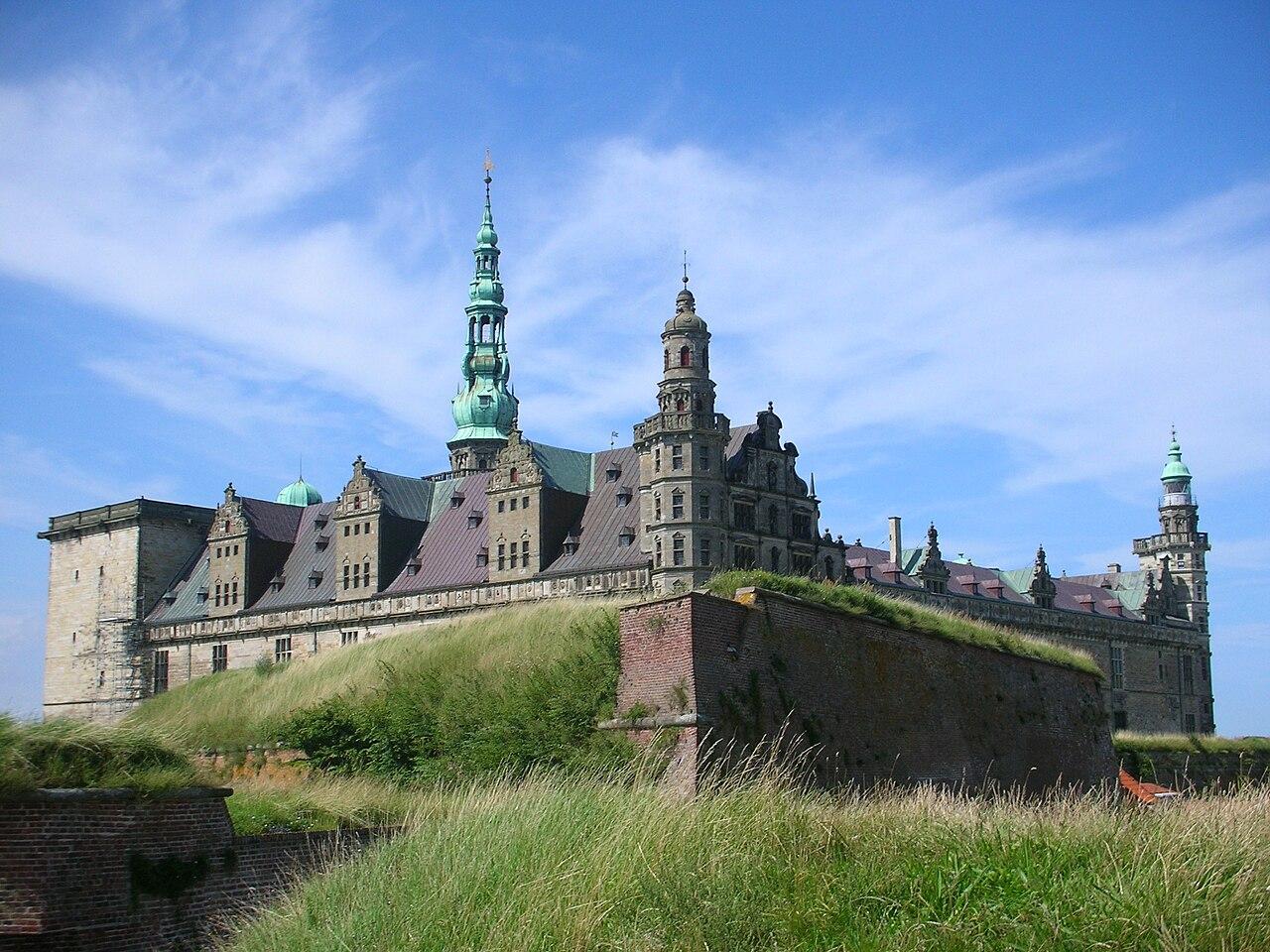
Looking beyond Statue of Andersen? Discover Zealand for broader travel guides, local hot-spots, and regional highlights.
Explore Zealand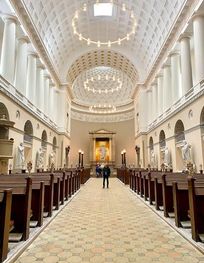
Denmark's neoclassical cathedral, crowned with Thorvaldsen's masterpiece sculptures and centuries of royal ceremony.
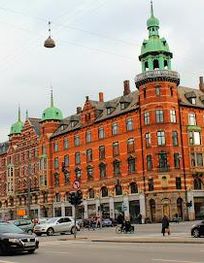
A broad, bustling boulevard where Hans Christian Andersen’s legacy meets City Hall Square, Tivoli’s lights, and the everyday pulse of central Copenhagen.
