
Nyhavn, Zealand Travel Guide
Copenhagen's enchanting 17th-century harbor where maritime history, literary legacy, and vibrant café culture converge.
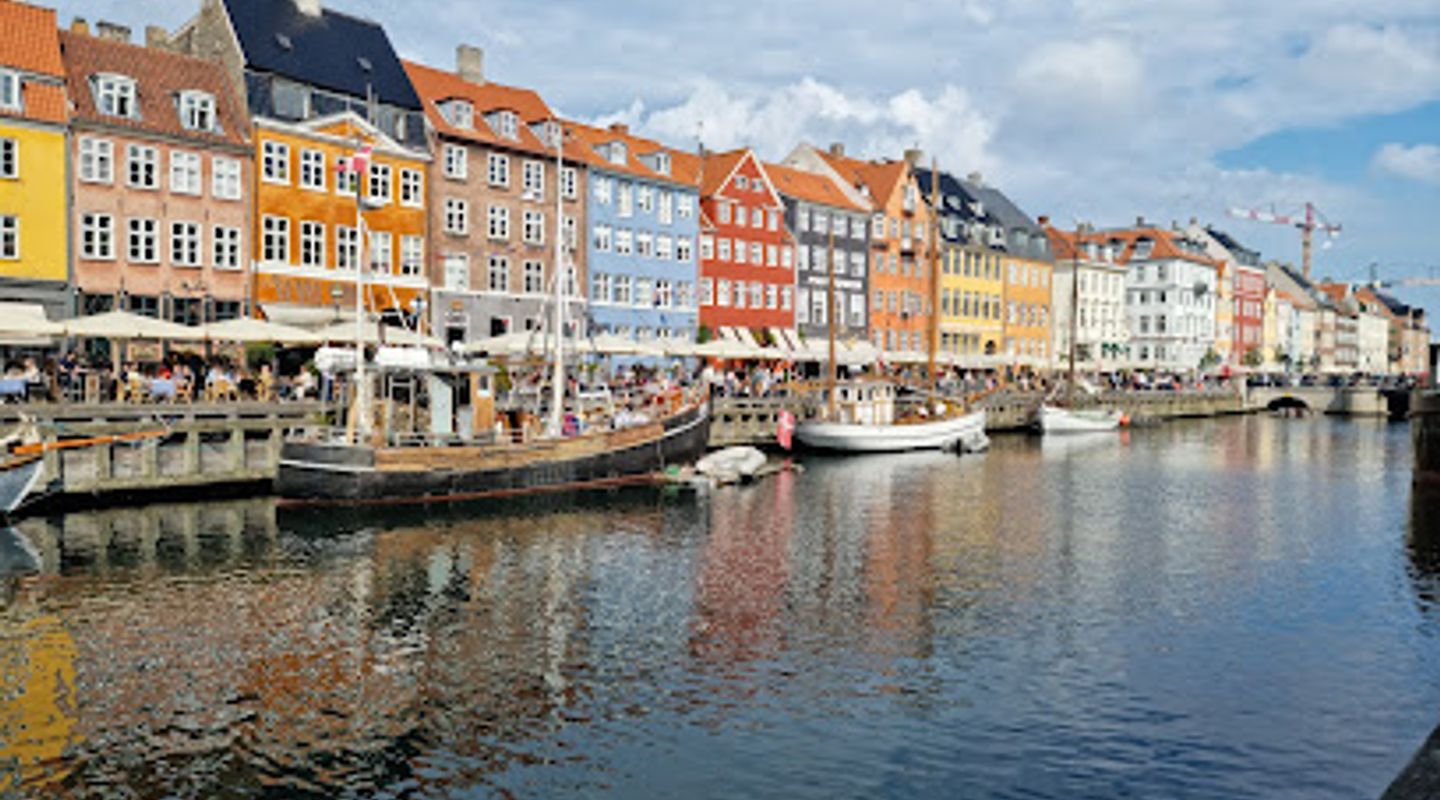
Copenhagen's iconic 17th-century waterfront district, Nyhavn captivates visitors with its brightly colored historic townhouses lining a picturesque canal. Once a bustling port frequented by sailors and immortalized by Hans Christian Andersen, this atmospheric harbor now pulses with outdoor cafés, restaurants, and live music. Whether you're sipping coffee by the water, exploring wooden sailing ships, or embarking on a canal tour, Nyhavn embodies the perfect blend of Copenhagen's maritime heritage and contemporary charm.
A brief summary to Nyhavn
- K, Nyhavn, Copenhagen, Indre By, 1051, DK
- Click to display
- Duration: 1.5 to 3 hours
- Mid ranged
-
 Outdoor
- Mobile reception: 5 out of 5

Know before you go
Hi, I'm Eve. Here are a few practical things to know before exploring Nyhavn.
- Visit during late spring through early autumn for the best outdoor café experience, when the weather is warmest and live jazz performances are most frequent. Winter offers a magical Christmas market atmosphere but with colder temperatures and larger crowds.
- Take a canal tour departing from Nyhavn's quay to experience Copenhagen's waterfront from the water, passing iconic sites like the Opera House, Christiansborg Palace, and The Little Mermaid statue.
- Arrive early in the morning or visit during off-peak hours to photograph the colorful buildings without crowds. The district becomes extremely congested during midday and afternoon, especially in summer.
- Explore the Hans Christian Andersen memorial plaques at Nos. 20, 67, and 18 to trace the fairytale author's life, or visit the Andersen-themed souvenir shop housed in No. 18.
- The Copenhagen Card provides discounted or free access to canal tours, museums, and public transportation, making it a worthwhile investment if you plan multiple activities in the city.
Do you manage this location?
Take control to get all the benefits, like improved information, better appearance, and stronger visibility across AI-powered discovery. Learn more about listing your business on Evendo
Activate your presenceOther nearby places you may find interesting
The closest places of the same kind, if this one is not quite what you had in mind.
Explore Nyhavn on the Map
A handpicked selection of must-see spots near Nyhavn, mapped for you.
Unlock the Best of Nyhavn
Buy tickets
-
No tickets available
Book tours with entry

Book tours without entry

Getting There
-
Metro
Take the Copenhagen Metro to Kongens Nytorv Station, served by all four lines (M1, M2, M3, M4). The station is located at the far end of Kongens Nytorv square, approximately a 4-minute walk from the entrance to Nyhavn. Journey times from central Copenhagen typically range from 5 to 15 minutes depending on your starting point. Single tickets cost approximately 24–36 DKK (3–5 EUR) depending on zones traveled.
-
Harbour Bus
Use the Copenhagen Harbour Buses, which operate four routes (901, 902, 903, 904) with a dedicated stop at the mouth of Nyhavn next to the Royal Playhouse. These scenic buses travel along Copenhagen's waterfront and offer an alternative to the metro. Journey times vary by route and starting point, typically 10–25 minutes. Single tickets cost approximately 24–36 DKK (3–5 EUR).
-
Walking
Nyhavn is centrally located in Copenhagen's Indre By (Inner City) neighborhood and is accessible on foot from most central areas. From Tivoli Gardens, the walk takes approximately 15–20 minutes via pedestrian streets. From Strøget (the main shopping street), it's a 10–15 minute walk. The final approach involves cobblestone streets and is fully accessible for pedestrians and cyclists.
-
Water Taxi
Water taxis operate from various points along Copenhagen's canals and harbor. A water taxi journey to Nyhavn from nearby areas like Christianshavn takes approximately 5–10 minutes. Fares typically range from 50–150 DKK (7–20 EUR) depending on distance and operator. This option offers a scenic and memorable arrival.
For the on-the-go comforts that matter to you
-
 Restrooms
-
 Drink Options
-
 Drinking Water
-
 Food Options
-
 Seating Areas
-
 Picnic Areas
-
 Trash Bins
-
 Information Boards
Discover more about Nyhavn
A Storied Gateway Between Sea and City
Nyhavn—meaning "New Haven"—was established by King Christian V between 1670 and 1675 as a strategic waterway connecting Copenhagen's harbor to Kongens Nytorv, the city's central square. The canal was dug by Danish soldiers and Swedish prisoners of war, transforming a marshy area into a vital commercial gateway. For centuries, this bustling port welcomed merchant ships from across the world, their crews unloading cargo and fishermen displaying their daily catch along the quays. The district quickly earned a reputation as a rough-and-tumble maritime hub, notorious for its taverns, alehouses, and the colorful characters who inhabited them.The Architecture of Time
The northern quay is lined with a striking row of brightly painted townhouses, predominantly built in the 17th and early 18th centuries. These pastel-hued gabled buildings—painted in shades of yellow, red, green, and orange—create one of Copenhagen's most photographed vistas. The oldest surviving structure, Nyhavn No. 9, dates to 1681 and remains remarkably unaltered, offering a tangible link to the district's earliest days. The southern side features more lavish mansions, including the elegant Charlottenborg Palace at the corner of Kongens Nytorv. Each building tells a story of Copenhagen's evolution, from functional warehouses to today's vibrant cafés and restaurants that preserve the facades while breathing new life into the interiors.Hans Christian Andersen's Literary Haven
Nyhavn holds profound significance in Danish cultural history as the home of the world-renowned fairytale author Hans Christian Andersen. The storyteller lived in three different addresses along the canal: No. 20 (1834–1838), where he penned his earliest tales including The Tinderbox, Little Claus and Big Claus, and The Princess and the Pea; No. 67 (1845–1864), where a memorial plaque now marks his residence; and No. 18, where he spent his final years. Andersen's presence transformed Nyhavn into a literary landmark, attracting intellectuals and artists who gathered in the harbor's cafés and taverns. His legacy remains woven into the district's identity, drawing literary pilgrims and curious visitors who walk the same cobblestones that inspired his imagination.From Seedy Port to Vibrant Promenade
By the mid-20th century, Nyhavn had fallen into decline, its maritime purpose diminished and its reputation tarnished. The transformation began in earnest during the 1960s when the Nyhavn Society was founded with the explicit goal of revitalizing the area. In 1977, the harbor was officially inaugurated as a veteran ship and museum harbor, celebrating its nautical heritage. The pivotal moment came in 1980 when the quay was pedestrianized, removing the parking area that had dominated the space and reclaiming it for public life. This decision proved transformative, allowing the district to reclaim its role as a gathering place for both locals and visitors.The Living Harbor Today
Today, Nyhavn pulses with energy, especially during warmer months when outdoor cafés spill onto the cobblestones and the air fills with the sounds of jazz and laughter. The canal harbors a collection of historic wooden sailing ships that serve as floating museums and reminders of Copenhagen's maritime past. Restaurants and bars line both quays, offering everything from traditional Danish smørrebrød (open-faced sandwiches) to contemporary Nordic cuisine. In summer, the atmosphere is distinctly bohemian, with street musicians, pavement cafés, and the gentle lap of water against the quay. Winter brings its own magic: the annual Christmas market transforms the district into a festive wonderland, with decorated stalls, twinkling lights, and the warming aroma of gløgg (mulled wine) drifting through the air.A Canvas for Culture and Cinema
Nyhavn's photogenic qualities have made it a favorite filming location for international cinema since the 1950s. The district gained recent prominence in the 2015 drama film The Danish Girl, where its colorful facades provided the backdrop for pivotal scenes. Beyond cinema, Nyhavn serves as a cultural hub where canal tours depart regularly, offering visitors a unique perspective of Copenhagen's waterfront and iconic landmarks including Christiansborg Palace, Børsen, and the Opera House. The nearby Royal Danish Playhouse and Opera House further cement the area's status as a center of artistic and cultural life.












Your all‑in‑one travel companion app
Explore expert travel guides, compare and book tours, experiences, hotels, and more—all from the palm of your hand. Download now for seamless trip planning wherever your wanderlust takes you.


Explore More of Zealand
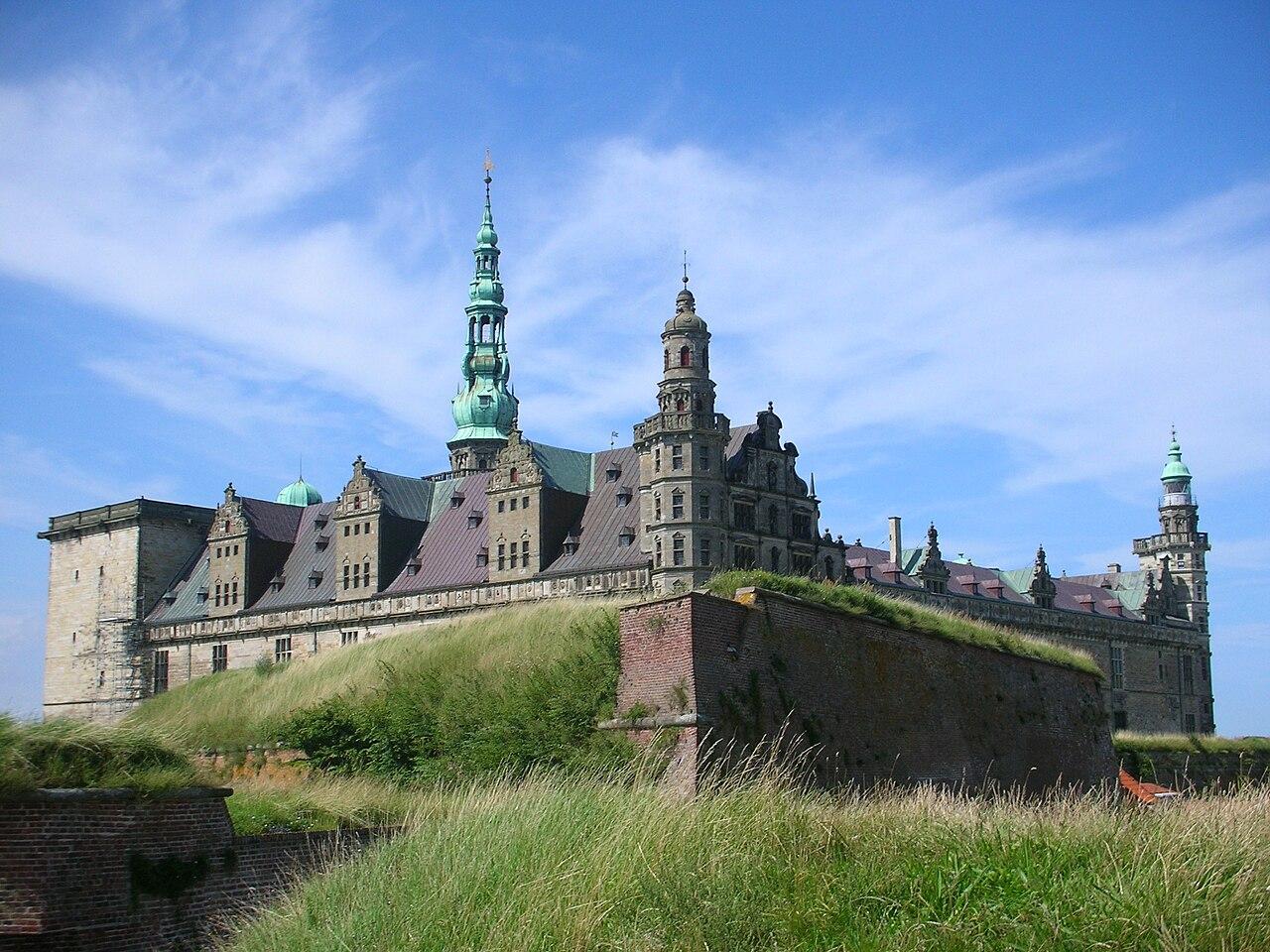
Looking beyond Nyhavn? Discover Zealand for broader travel guides, local hot-spots, and regional highlights.
Explore Zealand
Copenhagen's historic 750-meter waterfront where 19th-century maritime heritage meets vibrant contemporary urban life.
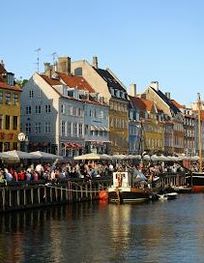
A modest 1912 bridge with million‑kroner views, Nyhavnsbroen connects both banks of colourful Nyhavn and offers one of Copenhagen’s most iconic waterfront panoramas.
