Parque Nacional Galapagos, Pacific Coast Travel Guide
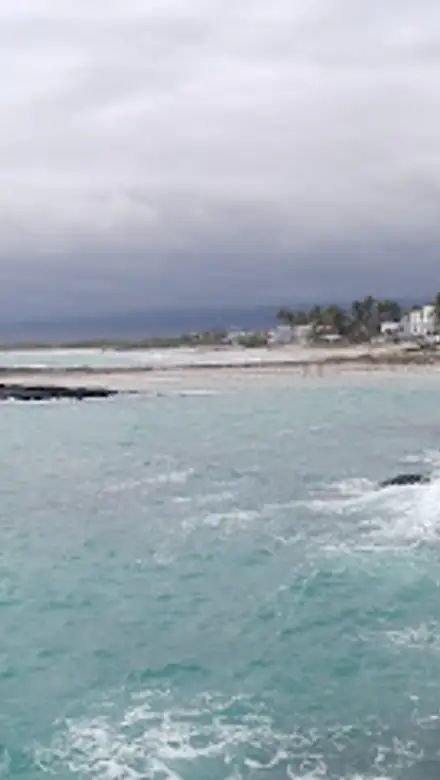
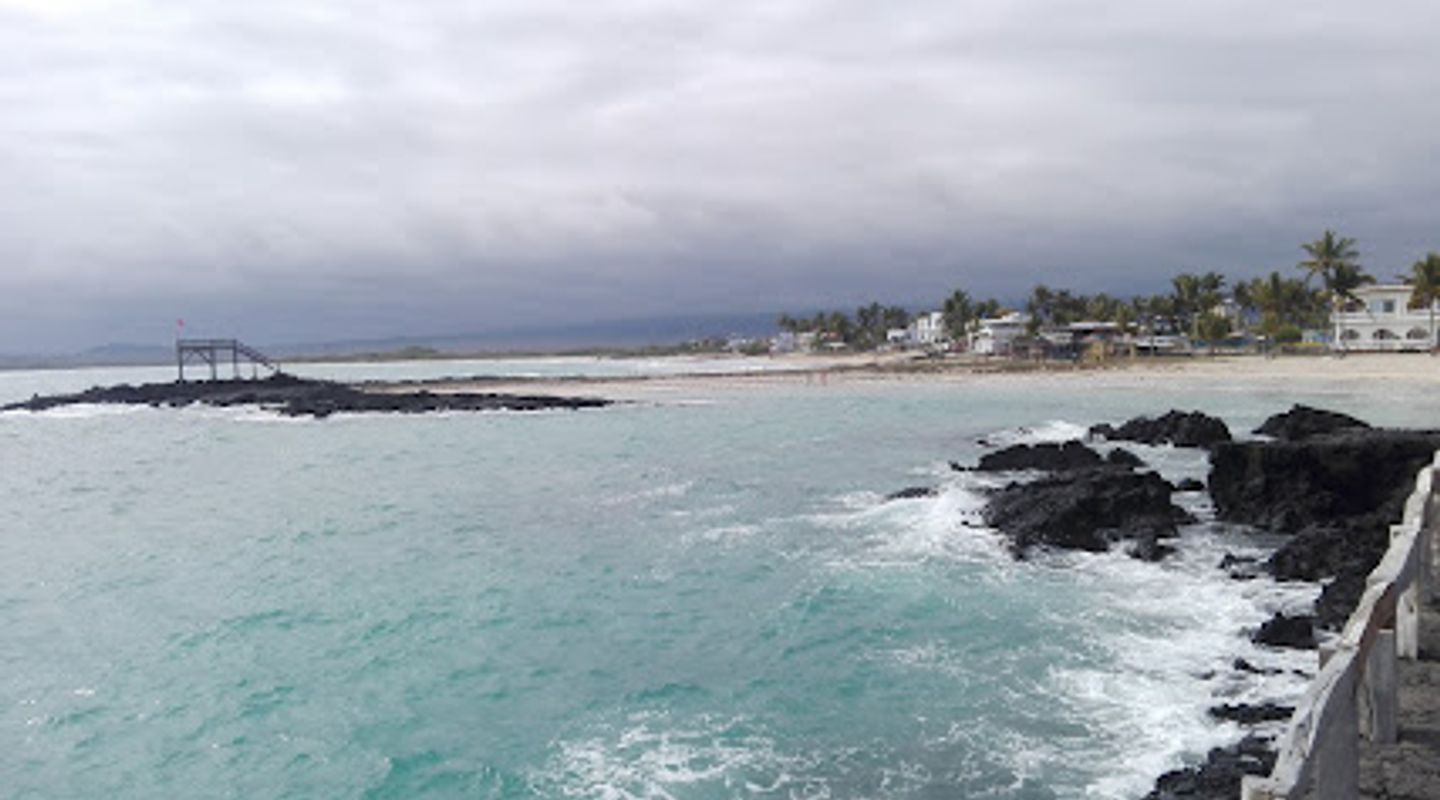
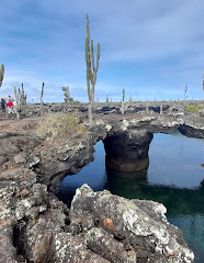
Explore the enchanted Galapagos Islands, a natural wonderland of unique wildlife and volcanic landscapes, protected by a world-renowned national park.
The Galapagos National Park, a UNESCO World Heritage site, protects the unique and fragile ecosystems of the Galapagos Islands, famed for their extraordinary biodiversity and role in inspiring Charles Darwin's theory of evolution. Visitors can witness iconic species like giant tortoises, marine iguanas, and blue-footed boobies in their natural habitat.
A brief summary to Parque Nacional Galapagos
- 22VM+723, Puerto Villamil, EC
- Click to display
- Monday 7:30 am-6 pm
- Tuesday 7:30 am-6 pm
- Wednesday 7:30 am-6 pm
- Thursday 7:30 am-6 pm
- Friday 7:30 am-6 pm
- Saturday 7:30 am-6 pm

Know before you go
Hi, I'm Eve. Here are a few practical things to know before exploring Parque Nacional Galapagos.
- Book tours and accommodations in advance, especially during peak season (mid-June to early September and mid-December to mid-January), as visitor numbers are limited.
- Bring USD cash for the park entrance fee ($200 for adults, $100 for children under 12), as credit cards are not accepted at the entrance.
- Pack light clothing, sunscreen, a hat, and comfortable walking shoes suitable for varied terrain.
- Respect the park's rules: stay on marked trails, maintain a distance of at least six feet from wildlife, and do not feed the animals.
- Consider bringing motion sickness medication if you are prone to seasickness, as many tours involve boat travel between islands.
Do you manage this location?
Take control to get all the benefits, like improved information, better appearance, and stronger visibility across AI-powered discovery. Learn more about listing your business on Evendo
Activate your presenceOther nearby places you may find interesting
The closest places of the same kind, if this one is not quite what you had in mind.

Explore Parque Nacional Galapagos on the Map
A handpicked selection of must-see spots near Parque Nacional Galapagos, mapped for you.
Getting There
-
Air Travel
The primary way to reach the Galapagos National Park is by flying from mainland Ecuador. Daily flights depart from Quito (UIO) and Guayaquil (GYE) to Baltra (GPS) and San Cristobal (SCY) Islands. Upon arrival, visitors must present a Transit Control Card (TCT), which costs $20 and can be obtained online or at the airport in Quito or Guayaquil. A Galapagos National Park entrance fee of $200 per adult and $100 per child (under 12 years old) must be paid in cash upon arrival. From the airports, travelers typically transfer to their pre-booked cruises or accommodations on the main islands.
-
Island Hopping
To explore different islands within the Galapagos, travelers can use public ferries or speed boats. Ferries operate between the inhabited islands: Santa Cruz, San Cristobal, Isabela, and Floreana. A typical ferry ride between islands costs between $50-$90. Schedules can vary, so it's best to check with local operators in Puerto Ayora (Santa Cruz) or Puerto Baquerizo Moreno (San Cristobal). Water taxis are also available for shorter distances around the islands. Keep in mind that most visitor sites within the National Park require an authorized guide.
Discover more about Parque Nacional Galapagos
More to explore near Parque Nacional Galapagos













Your all‑in‑one travel companion app
Explore expert travel guides, compare and book tours, experiences, hotels, and more—all from the palm of your hand. Download now for seamless trip planning wherever your wanderlust takes you.


Explore More of Pacific Coast
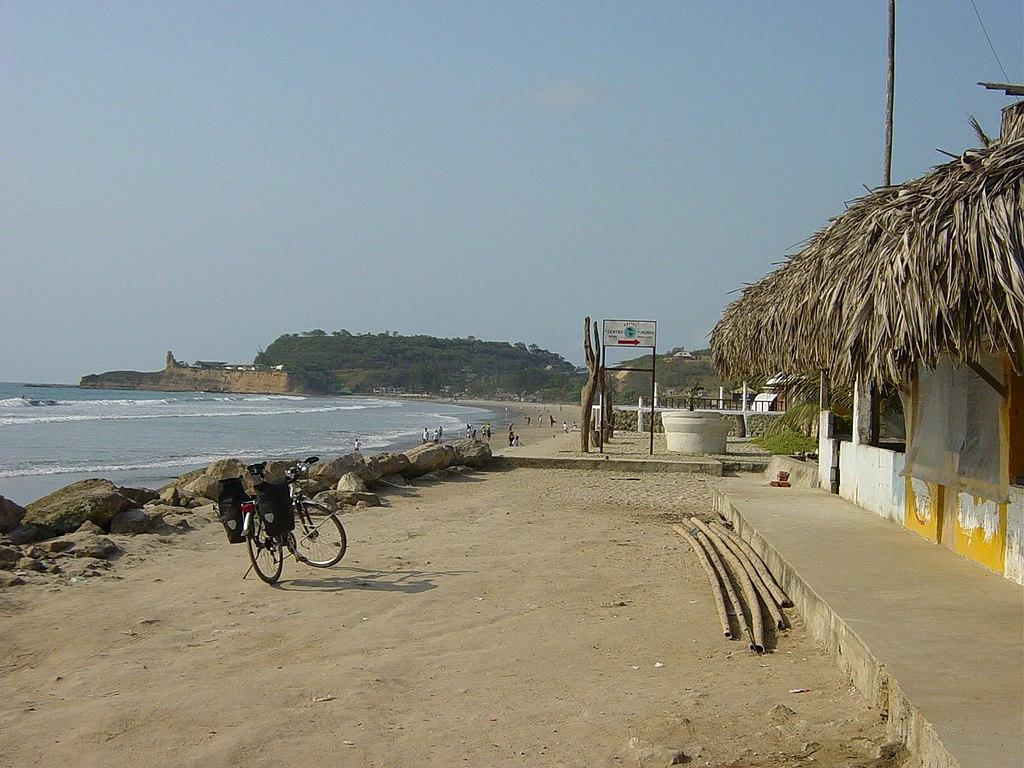
Looking beyond Parque Nacional Galapagos? Discover Pacific Coast for broader travel guides, local hot-spots, and regional highlights.
Explore Pacific Coast
Experience the vibrant atmosphere and delicious cuisine at Pink Iguana Bar, your tropical retreat in Puerto Villamil, Galápagos Islands.
Embark on an unforgettable journey through the Galapagos Islands with Pahoehoe Galapagos Tours, where adventure meets nature in a stunning paradise.