

Free Pacific Coast Travel Guide & Mobile App
Explore Pacific Coast with free travel guides. Discover regional history, expert tips, proposed trips, and audio guides on web or mobile app.


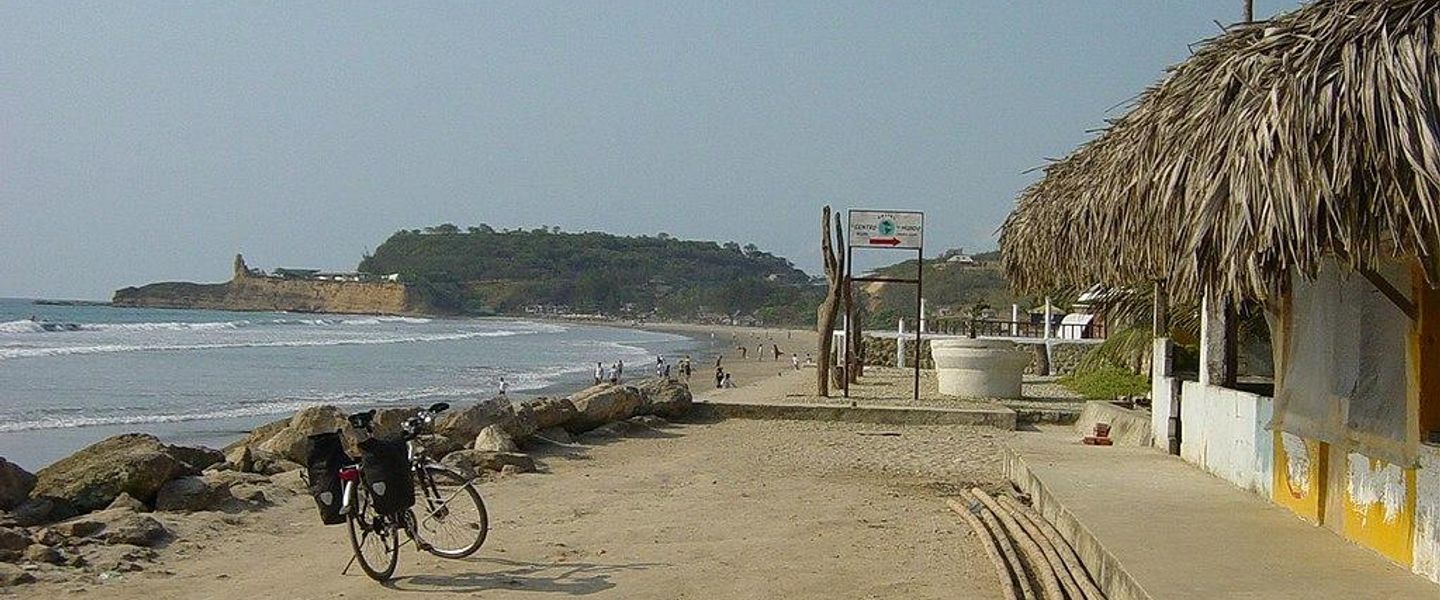


Explore Ecuador’s Pacific Coast for surf towns, seafood, mangroves, wildlife, historic Guayaquil and the dry beaches of Manabí and Santa Elena.
Read more about Pacific Coast
When is the best time to visit Pacific Coast?
Best: June–August · 30°C| Month | High (°C) | Rainfall (mm) |
|---|---|---|
| January | 31 | 50 |
| February | 32 | 60 |
| March | 32 | 70 |
| April | 31 | 60 |
| May | 31 | 50 |
| June (best) | 30 | 40 |
| July (best) | 30 | 40 |
| August (best) | 30 | 40 |
| September | 30 | 40 |
| October | 31 | 50 |
| November | 31 | 60 |
| December | 31 | 70 |
Getting to and around Pacific Coast
How to get there
Transportation
Top city travel guides in Pacific Coast
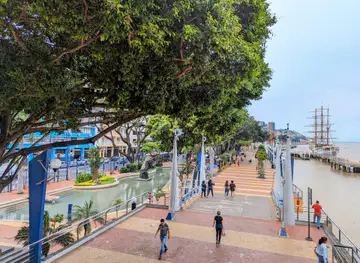
The cities of Pacific Coast, and the easiest places to base yourself.
-

-
-

-

-

-


Swipe for more cities
Destinations in Pacific Coast
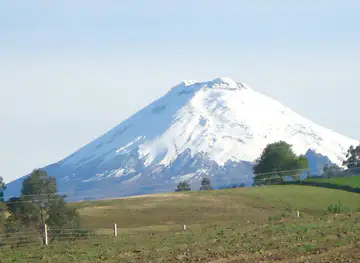
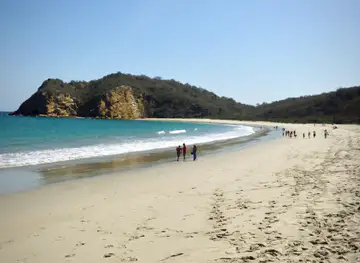
Resorts, valleys and scenic spots worth a trip of their own.
-
-

-

-

-
-


Swipe for more destinations
Best attractions in Pacific Coast
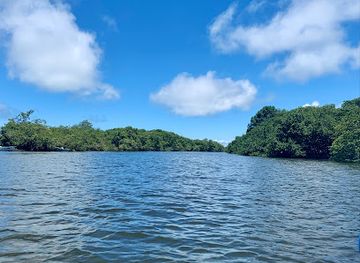
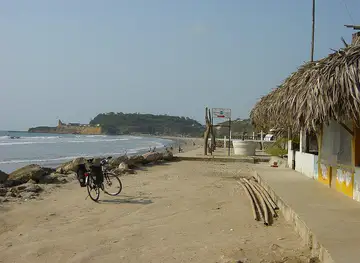
The Pacific Coast’s attractions range from protected landscapes to busy urban waterfronts. Machalilla National Park in Manabí combines dry forest, beaches, archaeological heritage and marine excursions, with Los Frailes and Isla de la Plata among its best-known experiences. Puerto López is a practical base for exploring the park, while nearby communities offer guiding and boat services. Farther north, Mompiche and other Esmeraldas beaches appeal to surfers and visitors seeking tropical forest close to the shore. The Santa Elena Peninsula is oriented towards swimming, surfing, seaside recreation and coastal villages, with Montañita particularly associated with board sports. Around Guayaquil, visitors can explore riverfront spaces, museums and historic neighbourhoods before entering the wetlands of Manglares Churute or the waterways of Isla Santay. Birdwatching, mangrove tours, fishing trips, hiking and seasonal marine wildlife excursions add variety, while Manta and other ports provide insight into contemporary fishing and maritime commerce. Conditions, park access and boat departures can change with weather, tides and conservation requirements, so local guidance matters.
-
Nature preserve
Isla Portete
Explore Isla Portete, a nature preserve in Muisne, Ecuador, known for its stunning beaches, rich biodiversity, and tranquil atmosphere perfect for eco-tourism.
-
Tourist attraction
Turismo en Ecuador
Explore the captivating beauty and rich culture of Ecuador, a top travel destination in South America known for its diverse landscapes and friendly locals.

Best landmarks in Pacific Coast
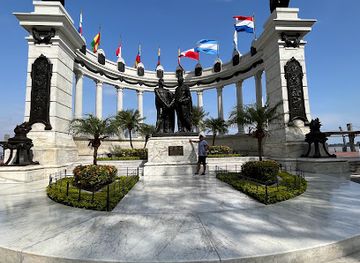
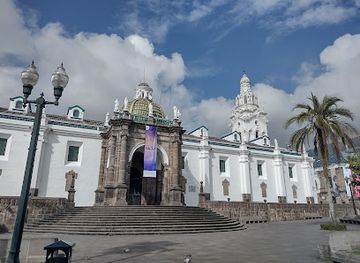
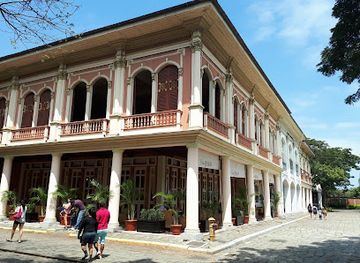
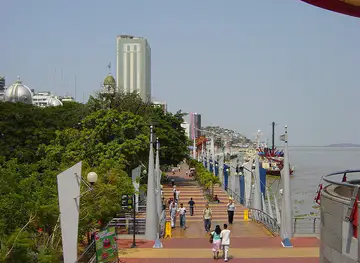
The most recognisable landmarks of Ecuador’s Pacific Coast reflect its rivers, ports, beaches and layered history. In Guayaquil, the Cerro Santa Ana stairway and colourful Las Peñas quarter rise above the historic port area, while the Malecón 2000 provides a prominent modern riverfront beside the Guayas. The city’s Metropolitan Cathedral and other historic civic buildings help mark its importance as Ecuador’s principal commercial port. In Manabí, the long Pacific shoreline at Los Frailes is a defining natural landmark, and the offshore profile of Isla de la Plata gives Puerto López a strong maritime identity. The Santa Elena Peninsula is marked by the rocky coastal setting around La Chocolatera and the broad resort shoreline of Salinas. Around the Gulf of Guayaquil, the Guayas River, mangrove channels and low wetlands create a landscape distinct from the open beaches farther north. Archaeological remains at Agua Blanca provide a tangible connection with Manteño settlement, while the Chone estuary around Bahía de Caráquez and San Vicente demonstrates how rivers and tidal waters have shaped coastal communities.
-
Tourist attraction
Malecon 2000
Experience Guayaquil's heart at Malecón 2000: a revitalized waterfront with history, culture, gardens, and stunning river views.
-
 Monument
Middle of the World City
Experience the thrill of standing on the Equator at Ciudad Mitad del Mundo, a vibrant cultural and historical landmark just north of Quito, Ecuador.
-
Historical landmark
Independence Square
Discover the historical significance and vibrant atmosphere of Independence Square, a cultural gem in the heart of Quito, Ecuador.
-
Tourist attraction
Guayaquil Historical Park
Explore Guayaquil Historical Park, where history, culture, and nature converge in a beautifully designed space perfect for every tourist.
Explore Pacific Coast on the map
Plan your trip on one map. See where the top cities, national parks and sights are, and book hotels and experiences in a few clicks.
Best hotels in Pacific Coast
Best restaurants in Pacific Coast
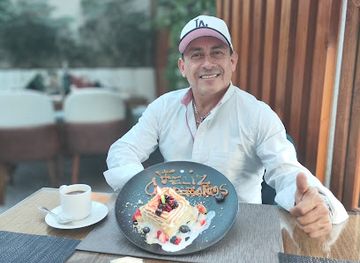
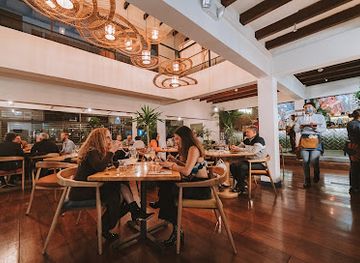
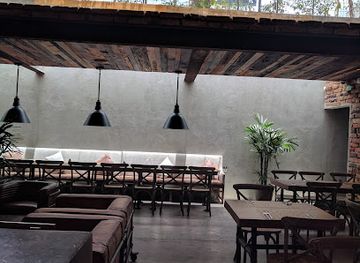
Coastal cooking in Ecuador is built around seafood, plantains, rice, peanuts and locally grown produce, although recipes vary noticeably from Esmeraldas to Santa Elena. Ceviche is prepared in several styles, while encocado combines fish or shellfish with coconut and seasonings, particularly reflecting the culinary traditions of the northern coast. Manabí is associated with dishes such as viche, corviche and bolón de verde, and tigrillo is widely found in coastal breakfast cooking. Guayaquil offers the broadest range of restaurants, from market stalls and traditional eateries to contemporary dining rooms, while smaller towns are strong places to find grilled fish, prawns, crab and rice dishes. Busy seafood markets and family-run restaurants often provide the most direct taste of everyday coastal food, though visitors should choose kitchens with good hygiene and regular custom. Local fruits, cacao, coffee and artisanal sweets also appear in markets and cafés. In resort areas, menus may include international food alongside regional specialities rather than replacing them.
-
Restaurant
Fogo de Chão Ecuador
Experience authentic Brazilian cuisine at Fogo de Chão Ecuador in Quito - where every meal is a celebration of flavor.
-
Restaurant
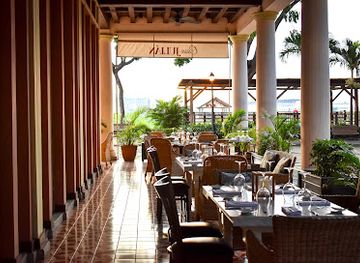
Casa Julián
Experience exquisite Ecuadorian cuisine at Casa Julián in Parque Histórico Guayaquil—where creativity meets tradition.
-
Ecuadorian
Somos Ecuador Restaurante
Savor authentic Ecuadorian cuisine with a modern twist at Quito's premier dining destination.
-
Fine Dining
Zazu
Discover the art of fine dining at Zazu in Quito - where Ecuadorian flavors meet culinary creativity.
Best bars in Pacific Coast
Evening life differs greatly across the Pacific Coast. Guayaquil has the widest choice of cocktail bars, restaurants, live music, cultural venues and late-night entertainment, particularly in its established commercial and waterfront areas, though visitors should take local advice about transport after dark. Manta combines dining, beachside bars and music venues with the atmosphere of a working port, while Salinas and nearby resort communities become livelier during holiday periods. Montañita is the coast’s best-known nightlife centre, with bars, small clubs, live music and a strong connection to the surfing scene; nearby Olón is generally more subdued. In Esmeraldas and smaller coastal towns, evenings tend to centre on restaurants, local bars, music and community life rather than a large club circuit. Opening patterns and venue status change frequently, so avoid relying on old listings and arrange a safe return journey in advance.
-
Irish pub
Finn McCool's Irish Pub
Discover the lively atmosphere and authentic Irish cuisine at Finn McCool's Irish Pub, a cherished spot for locals and tourists in Quito.
-
Brewpub
Santa Cruz Brewery
Experience the best local craft beers at Santa Cruz Brewery in Puerto Ayora, a vibrant brewpub with a warm atmosphere and delicious food pairings.
-
Disco club
Bungalow 6
Discover Quito's nightlife at Bungalow 6, the ultimate disco club and cocktail bar offering an energetic atmosphere and delicious drinks.
-
Bar
El Colonial
Experience the vibrant nightlife and delightful Ecuadorian cuisine at El Colonial, the heart of Guayaquil's social scene.

Best nightclubs in Pacific Coast
Evening life differs greatly across the Pacific Coast. Guayaquil has the widest choice of cocktail bars, restaurants, live music, cultural venues and late-night entertainment, particularly in its established commercial and waterfront areas, though visitors should take local advice about transport after dark. Manta combines dining, beachside bars and music venues with the atmosphere of a working port, while Salinas and nearby resort communities become livelier during holiday periods. Montañita is the coast’s best-known nightlife centre, with bars, small clubs, live music and a strong connection to the surfing scene; nearby Olón is generally more subdued. In Esmeraldas and smaller coastal towns, evenings tend to centre on restaurants, local bars, music and community life rather than a large club circuit. Opening patterns and venue status change frequently, so avoid relying on old listings and arrange a safe return journey in advance.
-
Disco club
Lavoe Salsa Danceclub
Discover the infectious rhythm and vibrant culture at Lavoe Salsa Danceclub in Quito, where dance and music unite for an unforgettable night.
-
Disco club
Discoteca Nidia Fuzzion Party
Immerse yourself in the lively atmosphere of Discoteca Nidia Fuzzion Party, Cuenca's premier destination for unforgettable nights filled with music and dance.
-
Disco club
Pecado Morlaco
Dive into Cuenca's nightlife at Pecado Morlaco, a disco club known for its energetic atmosphere, great DJs, and unforgettable dance experiences.
-
Night club
Lost Beach Club
Discover the electrifying nightlife at Lost Beach Club, Montañita's premier destination for unforgettable beach parties and stunning ocean views.



Best shops in Pacific Coast
Shopping on the Pacific Coast ranges from large urban retail districts in Guayaquil and Manta to open markets, small high streets and beachside stalls. Guayaquil offers the broadest selection of Ecuadorian crafts, clothing, books, food products and contemporary retail, while Manta is associated with coastal commerce and locally made goods. In Manabí, visitors may find straw hats, woven items, ceramics and other crafts, but quality and provenance vary, so buying directly from established artisans or cooperatives is preferable. Food markets are useful for tropical fruit, cacao, coffee, spices, plantains and packaged regional products, subject to customs rules when taking items abroad. Santa Elena Peninsula towns combine practical shopping with souvenirs, beachwear and craft stalls, especially in busy visitor areas. Esmeraldas has strong local food and craft traditions, including products influenced by Afro-Ecuadorian coastal culture. Bargaining may be acceptable in some informal markets but is not expected in supermarkets, established shops or fixed-price businesses; carry cash for smaller vendors while keeping valuables secure.
-
Shopping mall
Quicentro
Discover the vibrant shopping experience at Quicentro in Quito, offering a blend of local culture, diverse dining, and entertainment options.
-
Shopping mall
Mall del Sol
Explore the vibrant Mall del Sol in Guayaquil, Ecuador, featuring over 250 shops, diverse dining options, and exciting entertainment for all ages.
-
Shopping mall
Condado Shopping
Experience the vibrant shopping and dining scene at Condado Shopping, Quito's premier shopping mall with trendy stores and delicious eateries.
-
Shopping mall
El Jardín Mall
Discover El Jardín Mall in Quito, a premier shopping destination blending luxury brands, diverse dining, and exciting entertainment options for an unforgettable experience.

Get your free copy of our complete guide to Pacific Coast, delivered straight to you.
Everything on this page, from attractions and restaurants to essentials and local phrases, in one PDF you can read offline, print or share.
Already have an account? Sign in
Your Pacific Coast guide is ready.
We'll send it to · Not you? Sign out

Getting your guide ready…
We are putting together a fresh copy of the Pacific Coast guide. This can take up to a minute.
This can take a few moments. If your browser asks, choose Allow so the download can start. You'll find the guide in your Downloads folder.
Nothing happened? Download it again
Sorry, the guide is taking longer than usual. Please try again in a minute, or get it by email instead.
Pacific Coast essentials
Currency and Payment
Safety
Emergency Situations
Do's and Don'ts
Local Tips
From Eve
Local phrases worth knowing
You don't need to get them perfect. A few words go a long way, and locals appreciate the effort.
Basics
| English | Local | Say it |
|---|---|---|
| Hello | Hola | [OH-lah] |
| Goodbye | Adiós | [ah-DYOS] |
| Yes | Sí | [SEE] |
| No | No | [NO] |
| Please/You're welcome | Por favor | [por fah-VOR] |
| Thank you | Gracias | [GRAH-syahs] |
| Excuse me/Sorry | Perdón | [pair-DON] |
| How are you? | ¿Cómo estás? | [KOH-moh eh-STAS] |
| Fine. And you? | Bien. ¿Y tú? | [BYEN. EE TOO] |
| Do you speak English? | ¿Hablas inglés? | [AH-blas een-GLES] |
| I don't understand | No entiendo | [NO en-TYEN-doh] |
Eating & Drinking
| English | Local | Say it |
|---|---|---|
| I'd like to see the menu, please | Me gustaría ver el menú, por favor | [meh goos-TAH-ree-ah BEHR el meh-NOO por fah-VOR] |
| I don't eat meat | No como carne | [NO KOH-mo CAR-neh] |
| Cheers! | ¡Salud! | [sah-LOOD] |
| I would like to pay, please | Me gustaría pagar, por favor | [meh goos-TAH-ree-ah pah-GAR por fah-VOR] |
Emergencies
| English | Local | Say it |
|---|---|---|
| Help! | ¡Ayuda! | [ah-YOO-dah] |
| Go away! | ¡Lárgate! | [LAR-gah-teh] |
| Call the Police! | ¡Llama a la policía! | [YAH-mah ah lah poh-lee-SEE-ah] |
| Call a doctor! | ¡Llama a un médico! | [YAH-mah ah oon MEH-dee-koh] |
| I'm lost | Estoy perdido | [es-TOY pair-DEE-doh] |
| I'm ill | Estoy enfermo | [es-TOY en-FER-mo] |
Shopping
| English | Local | Say it |
|---|---|---|
| I'd like to buy... | Me gustaría comprar... | [meh goos-TAH-ree-ah kom-PRAR] |
| I'm just looking | Solo estoy mirando | [SO-lo es-TOY mee-RAN-doh] |
| How much is it? | ¿Cuánto cuesta? | [KWAN-to KWE-stah] |
| That's too expensive | Es demasiado caro | [es de-ma-SYA-do CAH-ro] |
| Can you lower the price? | ¿Puedes bajar el precio? | [PWE-des bah-HAR el PREH-syo] |
Time & Numbers
| English | Local | Say it |
|---|---|---|
| What time is it? | ¿Qué hora es? | [KEH OH-rah es] |
| It's one o'clock | Es la una | [es lah OO-nah] |
| Half past (10) | Diez y media | [DYEZ ee MEH-dee-ah] |
| Morning | Mañana | [mah-NYAH-nah] |
| Afternoon | Tarde | [TAR-deh] |
| Evening | Noche | [NOH-cheh] |
| Yesterday | Ayer | [ah-YER] |
| Today | Hoy | [OY] |
| Tomorrow | Mañana | [mah-NYAH-nah] |
| 1 | Uno | [OO-no] |
| 2 | Dos | [DOS] |
| 3 | Tres | [TRES] |
| 4 | Cuatro | [KWAT-ro] |
| 5 | Cinco | [SEEN-koh] |
| 6 | Seis | [SAYS] |
| 7 | Siete | [SYEH-teh] |
| 8 | Ocho | [OH-choh] |
| 9 | Nueve | [NWEH-beh] |
| 10 | Diez | [DYEZ] |
Transport & Directions
| English | Local | Say it |
|---|---|---|
| Where's a/the...? | ¿Dónde está...? | [DON-deh es-TAH] |
| What's the address? | ¿Cuál es la dirección? | [KWAL es lah dee-rek-SYON] |
| Can you show me (on the map)? | ¿Puedes mostrarme (en el mapa)? | [PWE-des mos-TRAR-me en el MAH-pah] |
| When's the next (bus)? | ¿Cuándo es el próximo (autobús)? | [KWAN-do es el PROK-see-mo (ow-to-BOOS)] |
| A ticket (to ....) | Un boleto (a ...) | [oon bo-LEH-toh ah ...] |
History of Pacific Coast
Valdivia and Early Coastal Societies
The Pacific lowlands were home to complex societies long before the Inca and Spanish arrivals. The Valdivia culture, active on Ecuador’s coast from roughly 3500 BCE, is noted for early settled communities, pottery and maritime adaptation. Later coastal cultures, including Machalilla, Chorrera, Guangala and Manteño groups, developed farming, fishing, craft production and regional exchange. Archaeological evidence across Manabí, Santa Elena and Guayas shows that the coast was connected by sea and land routes, rather than being a collection of isolated villages. Museums and archaeological sites provide only a partial view of these societies, but their legacy remains central to Ecuador’s national heritage.
Manteño Trade and Maritime Networks
Before Spanish conquest, Manteño communities dominated much of the central coast, especially around present-day Manabí. They built substantial settlements, cultivated the land and participated in long-distance maritime trade. Accounts and archaeological findings indicate the importance of large balsa rafts capable of carrying goods along the Pacific coastline. Trade connected coastal communities with areas to the north and south, while distinctive stone seats and other ceremonial objects are associated with Manteño culture. The archaeological site and community museum at Agua Blanca, within Machalilla National Park, help visitors understand this period through remains of a settlement once linked to the wider Manteño world.
Spanish Conquest and Colonial Ports
Spanish campaigns on the coast followed the conquest of the Inca state in the sixteenth century. Guayaquil became an important port and shipbuilding centre, although its location beside rivers and estuaries also made it vulnerable to fires, disease and attacks by pirates. Colonial administration, Catholic institutions and forced labour systems reshaped coastal society, while Indigenous, African and European populations contributed to the region’s changing culture. Esmeraldas developed a particularly important history of African settlement and autonomy after shipwrecked Africans established communities in the area during the colonial period. The coast’s river routes and ports continued to connect the interior with the wider Pacific world.
Independence and the Port of Guayaquil
Guayaquil declared independence from Spanish rule on 9 October 1820, an event commemorated throughout Ecuador. The city and its port then played an important role in the campaigns that ended Spanish control in the wider former Audiencia of Quito. Independence did not remove social inequality, and coastal economies continued to rely on agriculture, commerce, shipping and labour systems inherited from the colonial period. Guayaquil’s position on the Guayas River helped it grow as the principal commercial gateway for Ecuador, connecting inland production with international maritime trade.
Cacao, Commerce and Coastal Transformation
During the nineteenth and early twentieth centuries, cacao became a major export from the Guayaquil region and the river plains of the Ecuadorian coast. Wealth generated by the cacao trade influenced the city’s architecture, banking, shipping and social institutions, while plantations depended on difficult labour conditions and exposed the economy to disease and international price changes. Later, bananas, coffee, shrimp and other agricultural and marine products diversified the coastal economy. The export history remains visible in Guayaquil’s commercial heritage and in the agricultural landscapes extending around the Gulf and the lower Guayas basin.
Fishing, Industry and Modern Coastal Cities
Twentieth-century development brought roads, ports, industrial fishing, petroleum refining, tourism and expanding urban populations to the coast. Manta became a major centre for tuna fishing and processing, while Guayaquil consolidated its role as Ecuador’s principal port and commercial city. Salinas and other parts of the Santa Elena Peninsula developed as seaside resorts, and surfing helped place towns such as Montañita on international travel routes. These changes also created environmental pressures, including mangrove loss, coastal development and strain on fisheries, making conservation areas such as Machalilla National Park, Manglares Churute and Isla Santay increasingly important.
Afro-Ecuadorian and Montubio Cultural Legacies
Coastal identity has been shaped by communities whose histories extend beyond the better-known narratives of ports and export agriculture. Afro-Ecuadorian culture is especially influential in Esmeraldas, where music, dance, cuisine and social traditions reflect African ancestry and long local histories. Across the agricultural lowlands, Montubio communities have contributed distinctive rural traditions, horsemanship, music, dress and foodways. Neither identity is confined to folklore for visitors: both are part of living regional societies affected by migration, economic change and urbanisation. Respectful cultural tourism is best approached through community organisations, local museums and established events rather than staged assumptions about coastal life.
Pacific Coast in Photos
Browse through our photo collection highlighting the charm and character of the destination.
Neighbouring regions of Pacific Coast
The closest regions to Pacific Coast, if you have time for more than one.
-
-
-
-

-


Swipe for more regions

