

Pasaje Tobar Travel Guide
Free Guide: Explore Pasaje Tobar in Quito's Old Town: A historic passage with stunning architecture, local shops, and a vibrant atmosphere.


A brief summary of Pasaje Tobar
Explore Pasaje Tobar in Quito's Old Town: A historic passage with stunning architecture, local shops, and a vibrant atmosphere.
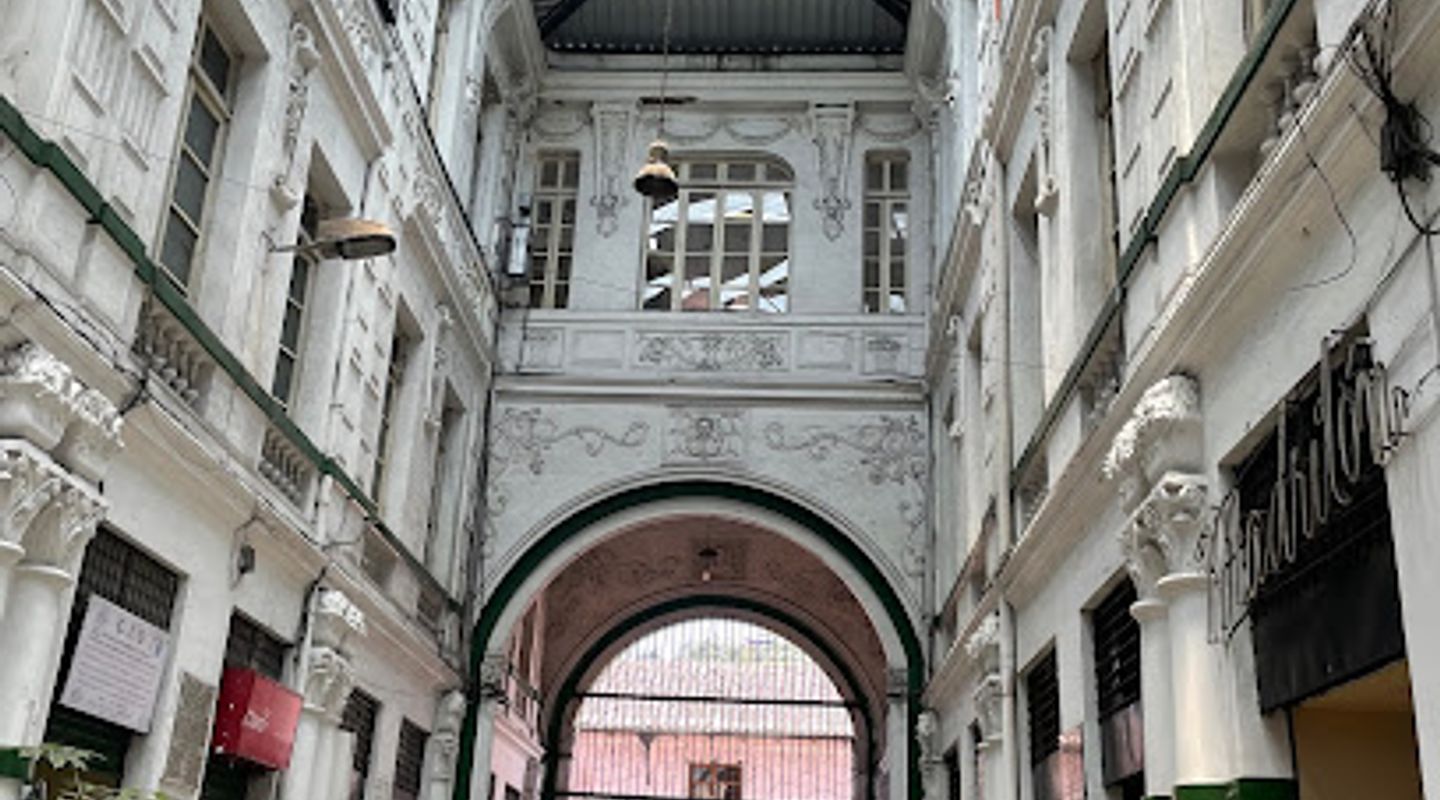
Pasaje Tobar is a historic commercial passage in Quito's Old Town, showcasing neoclassical architecture from the 1920s. It offers a unique glimpse into the city's past with its shops, cafes, and stunning iron and glass roof.
- Address
- QFHQ+433, Quito 170401
Getting there
Walking
Public Transport
Taxi
Discover more about Pasaje Tobar
Overview
Pasaje Tobar, located in the heart of Quito's historic center, is a captivating landmark that transports visitors back to the city's bustling commercial era of the early 20th century. Constructed in 1925 by architect Luis Felipe Donoso Barba, the passage stands as an example of historicist (neoclassical) architecture, reminiscent of the European commercial arcades of the Belle Époque.The passage connects Calle Guayaquil and Calle Sucre, a few blocks from the Plaza Grande, and its location on Calle Guayaquil is no coincidence, as this street has been known as the "street of commerce" since colonial times. The building's design incorporates a striking triple-height pedestrian thoroughfare illuminated by a skylight. The roof, made of iron and glass, was imported from Europe, echoing the style of Parisian Exposition Universelle palaces.Throughout its history, Pasaje Tobar has been a hub of commercial activity, offering a variety of shops and offices. Although a renovation in 1990 modernized the space, Pasaje Tobar remains a significant architectural and cultural landmark, providing a glimpse into Quito's rich heritage. Today, visitors can explore the passage's shops, cafes, and art galleries, experiencing the vibrant atmosphere that blends history, art, and daily life.
Evendo Review Centre
 Google
Guest reviews
Explore Pasaje Tobar on the map
A handpicked selection of must-see spots near Pasaje Tobar, mapped for you.
Get your free copy of our complete guide to Pasaje Tobar, delivered straight to you.
Everything on this page, from opening hours and how to get there to Eve’s tips and the best time to go, in one PDF you can read offline, print or share.
Already have an account? Sign in
Your Pasaje Tobar guide is ready.
We'll send it to · Not you? Sign out

Getting your guide ready…
We are putting together a fresh copy of the Pasaje Tobar guide. This can take up to a minute.
This can take a few moments. If your browser asks, choose Allow so the download can start. You'll find the guide in your Downloads folder.
Nothing happened? Download it again
Sorry, the guide is taking longer than usual. Please try again in a minute, or get it by email instead.
Other nearby places you may find interesting
The closest places of the same kind, if this one is not quite what you had in mind.
-
-
-
-
-


Swipe for more places
More to explore near Pasaje Tobar

 Best experiences near Pasaje Tobar
 Best hotels near Pasaje Tobar
 Best landmarks near Pasaje Tobar
 Best attractions near Pasaje Tobar
 Best shops near Pasaje Tobar
 Best restaurants near Pasaje Tobar
 Best bars near Pasaje Tobar
Do you manage this location?
Take control to get all the benefits, like improved information, better appearance, and stronger visibility across AI-powered discovery.
Explore more

Explore more of Southeast Oriente
Experience the untamed beauty and rich cultural heritage of Ecuador's Southeast Oriente, a biodiverse paradise in the heart of the Amazon Basin.
Explore Southeast Oriente
Explore more of Ecuador
Explore Ecuador: From the Amazon rainforest and Andean highlands to the Pacific coast and Galápagos Islands, discover diverse landscapes and vibrant cultures.
Explore Ecuador
