

Free Southeast Oriente Travel Guide & Mobile App
Explore Southeast Oriente with free travel guides. Discover regional history, expert tips, proposed trips, and audio guides on web or mobile app.


Explore Southeast Oriente in Ecuador for rainforest trails, Indigenous culture, river adventures and cloud-forest wildlife between Puyo, Macas and Zamora.
Read more about Southeast Oriente
When is the best time to visit Southeast Oriente?
Best: November–January · 27–28°C| Month | High (°C) | Rainfall (mm) |
|---|---|---|
| January (best) | 27 | 150 |
| February | 27 | 170 |
| March | 28 | 190 |
| April | 28 | 210 |
| May | 28 | 230 |
| June | 28 | 250 |
| July | 29 | 230 |
| August | 28 | 210 |
| September | 28 | 190 |
| October | 28 | 170 |
| November (best) | 28 | 150 |
| December (best) | 27 | 130 |
Getting to and around Southeast Oriente
How to get there
Transportation
Top city travel guides in Southeast Oriente
The cities of Southeast Oriente, and the easiest places to base yourself.
-

-
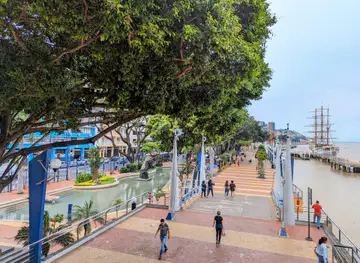
-

-

-

-


Swipe for more cities
Destinations in Southeast Oriente
Resorts, valleys and scenic spots worth a trip of their own.
-
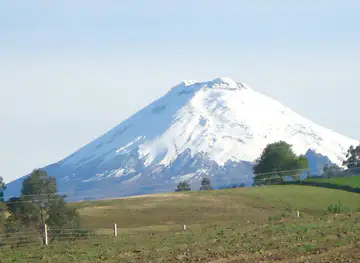
-

-

-


Swipe for more destinations
Best attractions in Southeast Oriente
Southeast Oriente’s attractions are shaped by ecological transition and community life rather than by a dense concentration of conventional monuments. Around Puyo, visitors can explore rainforest interpretation centres, ethnobotanical gardens, river reserves and community-run projects that introduce Kichwa knowledge and Amazonian plants. Macas provides access to the Upano Valley, forested eastern foothills and excursions into Morona Santiago, where guided activities may include hiking, caving and river travel. In the south, Zamora is a practical base for the Bombuscaro sector of Podocarpus National Park, noted for steep forest, waterfalls and exceptional birdlife. The region also offers rafting, canyoning, birdwatching, wildlife observation and short or demanding jungle walks, depending on the site and season. Indigenous tourism can be particularly meaningful when it is locally managed and clearly explains what participation involves. Remote attractions are rarely suited to rushed independent visits: road conditions, river crossings, weather and community schedules all affect access. The strongest experiences combine a knowledgeable guide with realistic expectations about humidity, mud, insects and the possibility of seeing more plants and birds than large mammals.
-
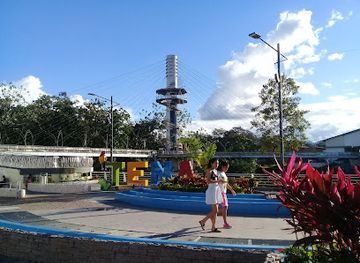
City park
Malecón Escénico de Tena
Explore the Malecón Escénico de Tena, where lush landscapes meet vibrant culture in the heart of eastern Ecuador's rainforest.
-
Tourist attraction
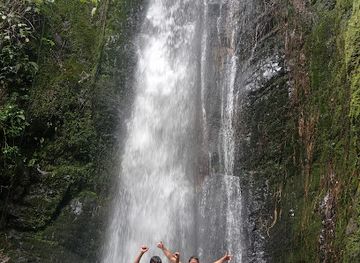
Cascada Hola Vida
Discover the breathtaking beauty of Cascada Hola Vida in Puyo, Ecuador, a natural wonder surrounded by the lush Amazon rainforest.
-
Tourist attraction
Cascada EL PALTO
Experience the breathtaking beauty of Cascada El Palto, a hidden gem in Vilcabamba, Ecuador, where nature and tranquility meet in perfect harmony.

Best landmarks in Southeast Oriente
The most recognisable landmarks of Southeast Oriente are often natural or civic rather than monumental. Puyo’s position at the edge of the forest makes the surrounding river valleys and rainforest approaches a defining feature of the northern sector. Macas is associated with the broad Upano Valley and the forested eastern Andes rising beyond the town, a landscape that expresses the region’s transition from mountain corridor to Amazon basin. Around Zamora, the Zamora River and heavily forested ridges create a distinctive setting, while the Bombuscaro access area of Podocarpus National Park is significant for the meeting of Andean and Amazonian environments. The Upano valley’s archaeological and cultural landscapes also carry importance for understanding long-term Indigenous occupation, even where there is no single monumental structure to visit. In the towns, churches, civic squares and market areas reflect the history of frontier settlement and later state integration, but their significance is best understood alongside the Indigenous territories and living communities that surround them. Guides can explain which places have cultural or spiritual restrictions.
-
Tourist attraction
Malecon 2000
Discover Guayaquil's vibrant heart at Malecón 2000: a revitalized waterfront blending history, culture, and modern attractions along the Guayas River.
-
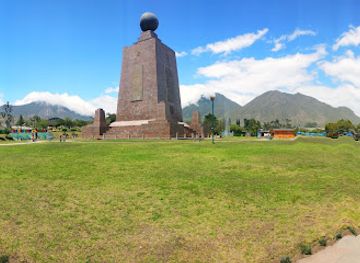
Monument
Middle of the World City
Experience the thrill of straddling the world's hemispheres at this iconic equatorial monument and cultural center near Quito, Ecuador.
-
Tourist attraction
Virgin of the Panecillo
Experience the breathtaking views and cultural significance of the Virgin of the Panecillo, a must-see monument in Quito, Ecuador.
-
Historical landmark
Independence Square
Discover Quito's heart at Independence Square: a historic landmark surrounded by colonial architecture, vibrant culture, and Ecuadorian history.



Explore Southeast Oriente on the map
Plan your trip on one map. See where the top cities, national parks and sights are, and book hotels and experiences in a few clicks.
Best hotels in Southeast Oriente
Best restaurants in Southeast Oriente
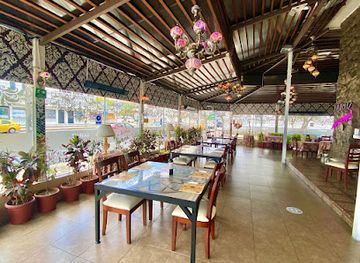
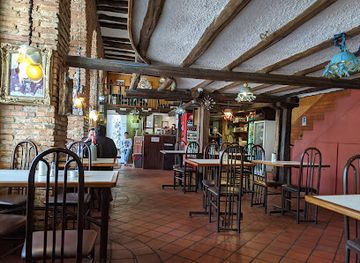
Dining in Southeast Oriente combines Ecuadorian staples with Amazonian ingredients and varies considerably between the main towns and rural communities. Puyo, Macas and Zamora have restaurants serving llapingachos, soups, grilled meats, trout or other freshwater fish, plantains, rice and yuca alongside more locally identified preparations. Amazonian produce may include chontacuro, the edible palm-weevil larva, though it is not served everywhere and visitors should ask respectfully about ingredients. Guayusa tea, tropical fruits and drinks made with local produce are common points of regional interest, while community meals may feature fish, yuca and plantain prepared over fire or in simple kitchens. Markets are useful for fruit, juices and snacks, but hygiene standards and refrigeration can vary outside established premises. International visitors with allergies should explain them in Spanish and confirm whether sauces, broths or fried foods contain unfamiliar ingredients. Food traditions also differ between Kichwa, Shuar, Achuar and settler communities, so no single menu represents the entire southeastern Amazon.
-
Arab restaurant
Fairuz
Experience authentic Middle Eastern cuisine at Fairuz in Quito, where delicious shawarma meets warm hospitality.
-
Ecuadorian
Raymipampa Restaurant
Experience authentic Ecuadorian flavors at Raymipampa Restaurant in Cuenca, where tradition meets taste in a charming setting.
-
Restaurant
Casa Julián
Experience exquisite Ecuadorian cuisine at Casa Julián in Parque Histórico Guayaquil, where every meal is a celebration of local flavors.
-
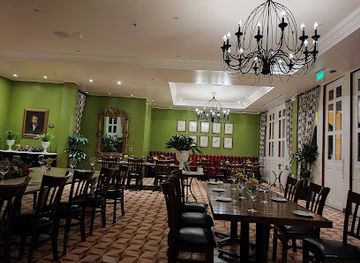
Fine Dining
Zazu
Experience exquisite Ecuadorian cuisine at Zazu in Quito – where tradition meets innovation in fine dining.
Best bars in Southeast Oriente
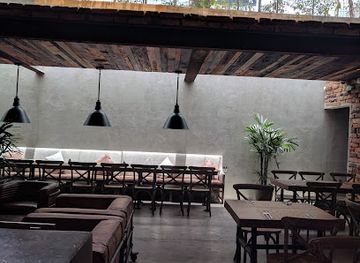
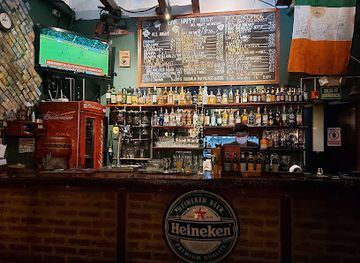
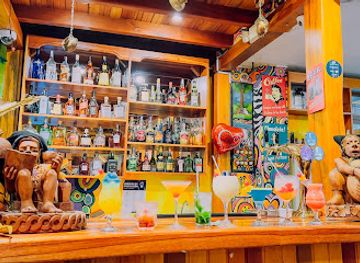
Evening life in Southeast Oriente is concentrated in Puyo, Macas and Zamora, where town-centre bars, cafés, karaoke venues and restaurants provide more choice than rural districts. Local nightlife often follows Ecuadorian patterns of music, socialising and late meals, with occasional live performances and dancing rather than a large, internationally oriented club circuit. In smaller towns, traditional bars and family-run restaurants are generally more important than nightclubs, while rainforest lodges and community stays usually offer quiet evenings shaped by conversation, guided night walks or the sounds of the forest. Craft beer, spirits and soft drinks may be available in urban venues, but visitors should drink moderately, arrange reliable transport and avoid walking unfamiliar roads outside town after dark. Opening arrangements and venue status can change, especially in smaller communities, so accommodation staff are often the best source of current local information.
-
Irish pub
Finn McCool's Irish Pub
Finn McCool's Irish Pub: A taste of Ireland in the heart of Quito, where great food, drinks, and live music come together for an unforgettable experience.
-
Restaurant
Leprechaun Pub Restaurante Cafetería
Discover the delightful Leprechaun Pub Restaurante Cafetería in Baños, a perfect blend of culinary delights and vibrant atmosphere.
-
Grill
Jaguar House
Experience the vibrant flavors of Ecuador at Jaguar House in Baños, where grilled specialties and stunning views create an unforgettable dining experience.
-
 Bar
BarOriente 2, Shawarma and drink.
Discover the delicious flavors of Oriente 2 in Quito, where mouthwatering shawarma meets vibrant nightlife in a cozy bar atmosphere.
Best nightclubs in Southeast Oriente
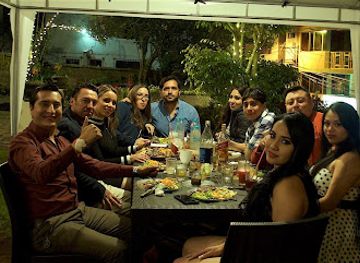
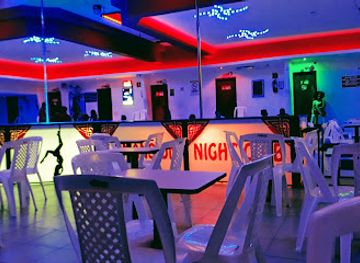
Evening life in Southeast Oriente is concentrated in Puyo, Macas and Zamora, where town-centre bars, cafés, karaoke venues and restaurants provide more choice than rural districts. Local nightlife often follows Ecuadorian patterns of music, socialising and late meals, with occasional live performances and dancing rather than a large, internationally oriented club circuit. In smaller towns, traditional bars and family-run restaurants are generally more important than nightclubs, while rainforest lodges and community stays usually offer quiet evenings shaped by conversation, guided night walks or the sounds of the forest. Craft beer, spirits and soft drinks may be available in urban venues, but visitors should drink moderately, arrange reliable transport and avoid walking unfamiliar roads outside town after dark. Opening arrangements and venue status can change, especially in smaller communities, so accommodation staff are often the best source of current local information.
-
Disco club
Discoteca Nidia Fuzzion Party
Discover the electric vibe of Discoteca Nidia Fuzzion Party in Cuenca, Ecuador—where music, dance, and fun come together!
-
Disco club
Leprechaun Bar
Discover the vibrant nightlife of Baños de Agua Santa at Leprechaun Bar, where energetic music and a lively crowd create unforgettable memories.
-
Night club
Club Insomnio
Dive into Quito's nightlife at Club Insomnio, an electrifying night club offering top DJs, vibrant atmosphere, and unforgettable experiences.
-
Night club
La Mansión Night Club Guayaquil
Discover the ultimate nightlife experience at La Mansión Night Club in Guayaquil, where vibrant music and energetic ambiance await.



Best shops in Southeast Oriente
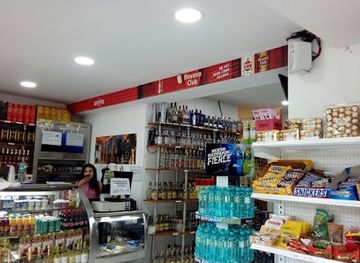
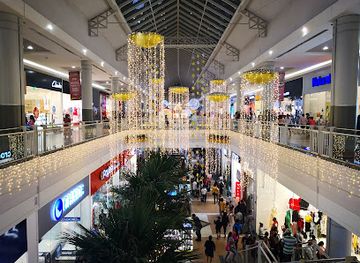
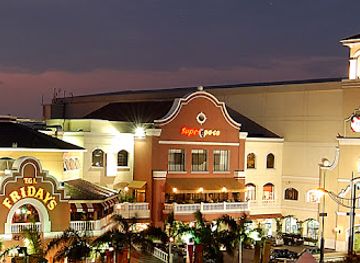
Shopping in Southeast Oriente is centred on the markets and independent shops of Puyo, Macas and Zamora rather than on large retail complexes. Visitors can look for Ecuadorian chocolate, coffee, guayusa, tropical preserves, fruit products, woven goods, pottery, small artworks and practical outdoor clothing. Community and Indigenous artisans may offer baskets, beadwork, carvings or textiles, but provenance matters: ask who made an item, what materials were used and whether sales support the community directly. Avoid souvenirs made from feathers, animal parts, protected plants or undocumented archaeological material. Town markets are useful for fresh fruit, yuca, plantains and inexpensive snacks, although products and market days vary. Zamora’s position near southern cloud forest and Puyo’s Amazonian gateway role give their shops somewhat different regional emphases, while Macas often serves as a commercial centre for Morona Santiago. Bargaining should be moderate and respectful, particularly with individual artisans rather than established retailers.
-
Shopping mall
Quicentro
Experience the best of shopping, dining, and entertainment at Quicentro, Quito's premier shopping destination, perfect for tourists seeking local culture.
-
Shopping mall
Mall del Sol
Discover Mall del Sol, Guayaquil's largest shopping mall, featuring a variety of shops, delicious dining, and family-friendly entertainment.
-
Shopping mall
San Marino Shopping
Experience the ultimate shopping and dining destination at San Marino Shopping Mall in Guayaquil, where a vibrant atmosphere awaits you.
-
Shopping mall
Condado Shopping
Discover the ultimate shopping experience in Quito at Condado Shopping - a vibrant mall with diverse shops, dining, and entertainment.

Get your free copy of our complete guide to Southeast Oriente, delivered straight to you.
Everything on this page, from attractions and restaurants to essentials and local phrases, in one PDF you can read offline, print or share.
Already have an account? Sign in
Your Southeast Oriente guide is ready.
We'll send it to · Not you? Sign out

Getting your guide ready…
We are putting together a fresh copy of the Southeast Oriente guide. This can take up to a minute.
This can take a few moments. If your browser asks, choose Allow so the download can start. You'll find the guide in your Downloads folder.
Nothing happened? Download it again
Sorry, the guide is taking longer than usual. Please try again in a minute, or get it by email instead.
Southeast Oriente essentials
Currency and Payment
Safety
Emergency Situations
Do's and Don'ts
Local Tips
From Eve
Local phrases worth knowing
You don't need to get them perfect. A few words go a long way, and locals appreciate the effort.
Basics
| English | Local | Say it |
|---|---|---|
| Hello | Hola | [oh-lah] |
| Goodbye | Adiós | [ah-dee-ohs] |
| Yes | Sí | [see] |
| No | No | [noh] |
| Please/You're welcome | Por favor / De nada | [por fah-vor / deh nah-dah] |
| Thank you | Gracias | [grah-syahs] |
| Excuse me/Sorry | Disculpe / Lo siento | [dees-kool-peh / loh syen-toh] |
| How are you? | ¿Cómo estás? | [koh-moh es-tahs] |
| Fine. And you? | Bien. ¿Y tú? | [byen. ee too] |
| Do you speak English? | ¿Hablas inglés? | [ah-blahs in-glehs] |
| I don't understand | No entiendo | [noh en-tyen-doh] |
Eating & Drinking
| English | Local | Say it |
|---|---|---|
| I'd like to see the menu, please | Me gustaría ver el menú, por favor | [meh goos-tah-ree-ah ver el meh-noo, por fah-vor] |
| I don't eat meat | No como carne | [noh koh-moh kar-neh] |
| Cheers! | ¡Salud! | [sah-lood] |
| I would like to pay, please | Me gustaría pagar, por favor | [meh goos-tah-ree-ah pah-gar, por fah-vor] |
Emergencies
| English | Local | Say it |
|---|---|---|
| Help! | ¡Ayuda! | [ah-yoo-dah] |
| Go away! | ¡Vete! | [veh-teh] |
| Call the Police! | ¡Llama a la policía! | [yah-mah ah lah poh-lee-see-ah] |
| Call a doctor! | ¡Llama a un doctor! | [yah-mah ah oon dok-tor] |
| I'm lost | Estoy perdido | [es-toy per-dee-doh] |
| I'm ill | Estoy enfermo | [es-toy en-fer-moh] |
Shopping
| English | Local | Say it |
|---|---|---|
| I'd like to buy... | Me gustaría comprar... | [meh goos-tah-ree-ah kom-prar] |
| I'm just looking | Solo estoy mirando | [soh-loh es-toy mee-ran-doh] |
| How much is it? | ¿Cuánto cuesta? | [kwan-toh kwes-tah] |
| That's too expensive | Eso es demasiado caro | [eh-soh es deh-mah-see-ah-doh kah-roh] |
| Can you lower the price? | ¿Puedes bajar el precio? | [pweh-des bah-har el preh-syo] |
Time & Numbers
| English | Local | Say it |
|---|---|---|
| What time is it? | ¿Qué hora es? | [keh oh-rah es] |
| It's one o'clock | Es la una | [es lah oo-nah] |
| Half past (10) | Y diez y media | [ee dyehs ee meh-dee-ah] |
| Morning | Mañana | [mahn-yah-nah] |
| Afternoon | Tarde | [tahr-deh] |
| Evening | Noche | [noh-cheh] |
| Yesterday | Ayer | [ah-yehr] |
| Today | Hoy | [oy] |
| Tomorrow | Mañana | [mahn-yah-nah] |
| 1 | 1 | [uno] |
| 2 | 2 | [dos] |
| 3 | 3 | [tres] |
| 4 | 4 | [cuatro] |
| 5 | 5 | [cinco] |
| 6 | 6 | [seis] |
| 7 | 7 | [siete] |
| 8 | 8 | [ocho] |
| 9 | 9 | [nueve] |
| 10 | 10 | [diez] |
Transport & Directions
| English | Local | Say it |
|---|---|---|
| Where's a/the...? | ¿Dónde hay un/una...? | [dohn-deh ai oon/oo-nah] |
| What's the address? | ¿Cuál es la dirección? | [kwal es lah dee-rek-syon] |
| Can you show me (on the map)? | ¿Puedes mostrarme (en el mapa)? | [pweh-des mos-trar-meh en el mah-pah] |
| When's the next (bus)? | ¿Cuándo es el próximo (bus)? | [kwan-doh es el prok-see-moh] |
| A ticket (to ....) | Un boleto (a ....) | [oon boh-leh-toh ah] |
History of Southeast Oriente
Ancient Amazonian and Andean-Amazonian Cultures
The forests and river valleys of southeastern Ecuador have supported human communities for centuries, with settlement shaped by waterways, seasonal resources and extensive knowledge of tropical plants. Archaeological evidence across the wider eastern Andes indicates long-standing exchange between highland and lowland societies. The region’s past cannot be reduced to a single civilisation: Kichwa, Shuar, Achuar and other peoples have maintained distinct languages, territories and political traditions. Many modern community landscapes therefore represent both contemporary life and the continuation of older relationships with rivers, forest and cultivated clearings.
Spanish Incursions and Missionary Frontier
Spanish colonial expansion into the eastern Andes was limited by difficult terrain, tropical disease, long distances and Indigenous resistance. Missionaries and colonial administrators attempted to establish routes and settlements linking the highlands with the Amazonian lowlands, but control remained uneven. Many expeditions followed river corridors or crossed the eastern cordillera from centres such as Loja and Cuenca. The lasting result was not a fully integrated colonial frontier but a contested borderland in which Indigenous communities retained considerable autonomy and outside settlement remained intermittent.
The Jesuit Missions and the Upper Amazon
During the colonial period, Jesuit missions became important instruments of religious and political expansion in parts of the Ecuadorian Amazon, especially farther north and east. Their influence was disrupted when the Jesuits were expelled from Spanish territories in the eighteenth century. In the southeastern Oriente, mission activity interacted with rather than replaced Indigenous authority, and many areas remained difficult for colonial institutions to administer. This history helps explain why the region’s Indigenous cultures and territorial identities remain central to its contemporary public life.
Republican Settlement and the Road to the Oriente
After Ecuador became a republic, eastern provinces remained sparsely connected to the main highland urban network. Macas, Puyo and Zamora developed as frontier settlements linked by trails, rivers and later motor roads. Government attempts to strengthen administration and encourage colonisation brought new populations from the Andes, as well as schools, churches and commercial agriculture. These changes created new towns and economic links, but also intensified pressure on Indigenous territories and forest resources, issues that continue to shape debates about land, infrastructure and development.
Rubber, Timber and Extractive Economies
The wider Amazon rubber boom of the late nineteenth and early twentieth centuries affected eastern Ecuador through trade, labour demands and the growth of river-based commercial networks, although its impact varied greatly between localities. Later, timber extraction, cattle ranching, small-scale mining and agricultural expansion became more important in different parts of the southeastern Oriente. These activities brought roads and markets but also forest loss, pollution and conflict over land rights. Contemporary conservation projects and community tourism often emerge within this complex economic history rather than outside it.
Indigenous Organisation and Modern Regional Identity
From the late twentieth century, Indigenous organisations in Pastaza, Morona Santiago and Zamora-Chinchipe became increasingly influential in defending territorial rights, cultural education and participation in decisions about mining, oil, roads and protected areas. Shuar, Achuar and Kichwa communities have used legal, political and community-based strategies to assert that forests are lived territories rather than empty resources. The modern Southeast Oriente is consequently shaped by both national development plans and strong local movements seeking control over culture, land and environmental futures.
Southeast Oriente in Photos
Browse through our photo collection highlighting the charm and character of the destination.
Neighbouring regions of Southeast Oriente
The closest regions to Southeast Oriente, if you have time for more than one.
-

-
-

-

-


Swipe for more regions
Explore more

Explore more of Ecuador
Explore Ecuador: From the Amazon rainforest and Andean highlands to the Pacific coast and Galápagos Islands, discover diverse landscapes and vibrant cultures.
Explore Ecuador