
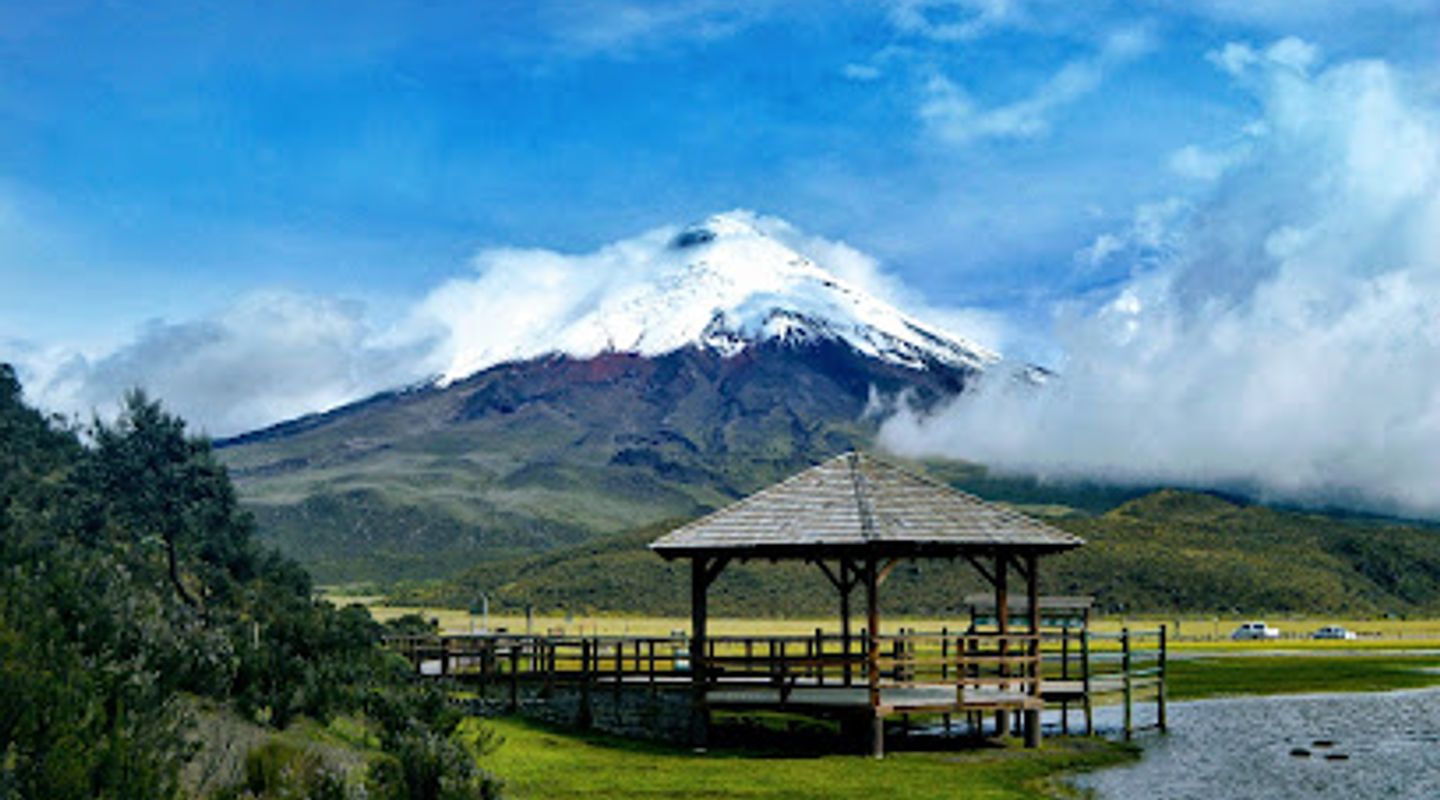
Cotopaxi, Southern Sierra Travel Guide
Discover Cotopaxi, Ecuador's iconic and active volcano: a challenging climb and stunning natural beauty in the Andes.
Cotopaxi, a towering, active volcano in the Ecuadorian Andes, is renowned for its perfectly symmetrical cone and glacial peak. A challenging climb, it's also a stunning sight from the surrounding national park, offering hiking, wildlife spotting, and breathtaking views.
A brief summary to Cotopaxi
- EC

Know before you go
Hi, I'm Eve. Here are a few practical things to know before exploring Cotopaxi.
- Acclimatize to the altitude in Quito or another high-altitude location for a few days before attempting any strenuous hikes.
- Visit during the dry season (May to August or November to February) for the most stable weather conditions.
- Bring warm clothing, including gloves and a hat, as well as rain gear and sturdy walking boots.
- Register with a ranger at the park entrance; there is no entry fee.
- Bring your own snacks and plenty of water, or have a meal at the volcano refuge hut.
Do you manage this location?
Take control to get all the benefits, like improved information, better appearance, and stronger visibility across AI-powered discovery. Learn more about listing your business on Evendo
Activate your presenceOther nearby places you may find interesting
The closest places of the same kind, if this one is not quite what you had in mind.


Explore Cotopaxi on the Map
A handpicked selection of must-see spots near Cotopaxi, mapped for you.
Unlock the Best of Cotopaxi
Buy tickets
-
No tickets available
Book tours with entry


Getting There
-
Public Transport
From Quito, head to the Quitumbe bus terminal. Take a bus to Latacunga (approx. $3-5, 1.5-2 hours). Inform the driver you're going to Cotopaxi National Park and to drop you off at the park entrance. From the main road, hire a pickup truck or taxi to the park entrance (approx. $10-$30, 15 km). Keep in mind that there is no public transportation within the park.
-
Car
From Quito, take the Pan-American Highway (E35) south. The drive to the park entrance is approximately 1.5-2 hours. Look for signs for Parque Nacional Cotopaxi near Machachi. Follow the local roads for approximately 20 km to reach the park entrance. Be aware that the final stretch can be rough and may require a 4x4 vehicle, especially during rainy season. There is no entrance fee, but visitors must register at the entrance.
Discover more about Cotopaxi













Your all‑in‑one travel companion app
Explore expert travel guides, compare and book tours, experiences, hotels, and more—all from the palm of your hand. Download now for seamless trip planning wherever your wanderlust takes you.


Explore More of Southern Sierra
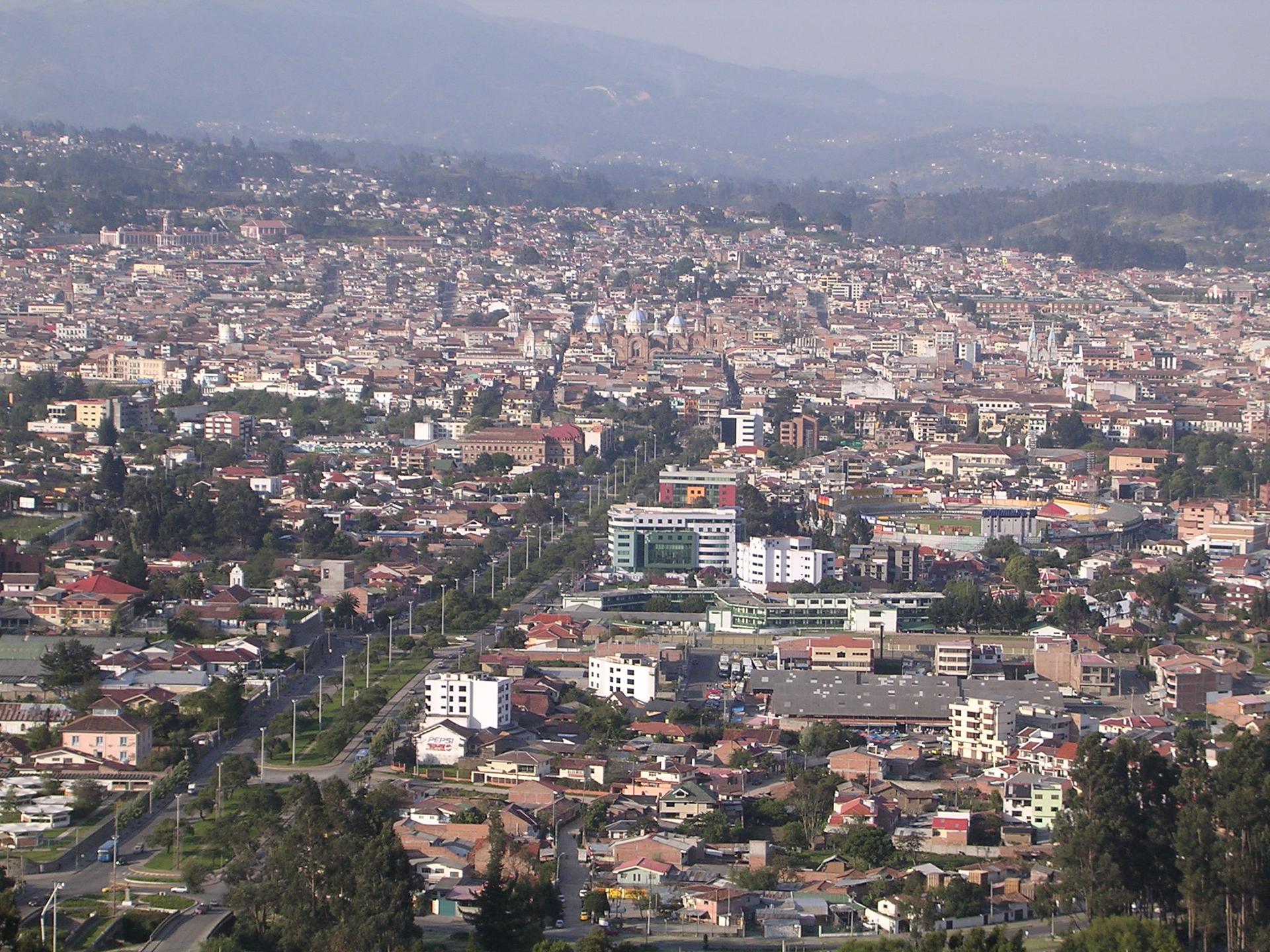
Looking beyond Cotopaxi? Discover Southern Sierra for broader travel guides, local hot-spots, and regional highlights.
Explore Southern Sierra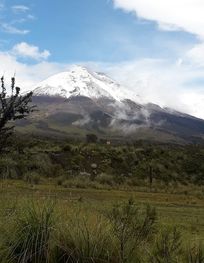
Discover the rich heritage and stunning landscapes surrounding Cotopaxi at the Visitors Center, your gateway to Ecuador's breathtaking national park.
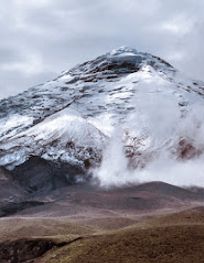
Experience the breathtaking landscapes and rich biodiversity of Parque Nacional Cotopaxi, a must-visit national park in Ecuador.
