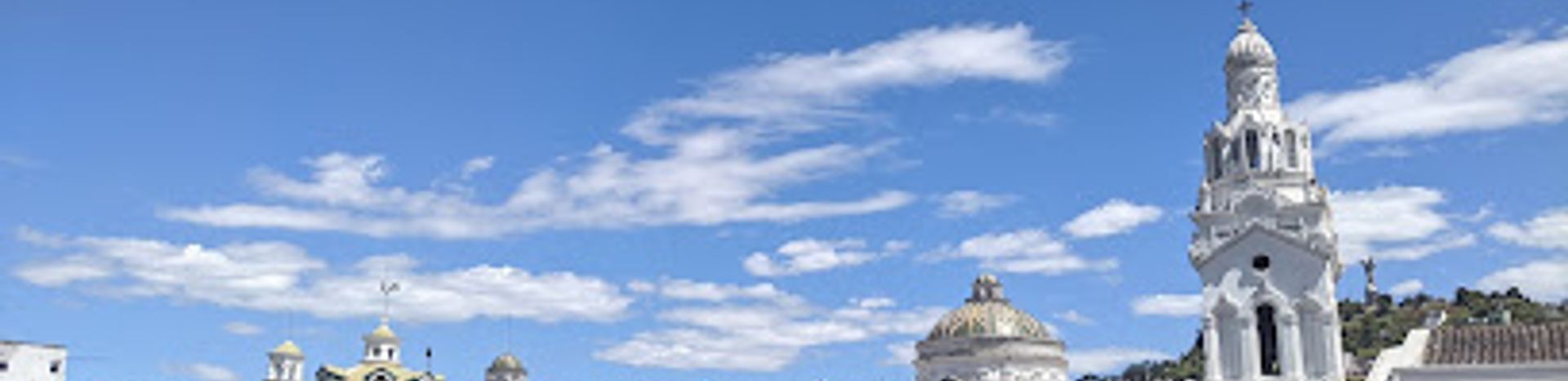
Catedral Metropolitana de Quito: A Historical and Architectural Gem
Discover Quito's soul in its Metropolitan Cathedral: a blend of art, history, and faith in the heart of the Old Town.
The Catedral Metropolitana de Quito, gracing the southwestern side of Plaza de la Independencia, is a historical and architectural landmark. Its construction, spanning from 1535 to 1799, showcases a blend of Baroque, Gothic, Mudéjar, Neoclassical, and Romanesque styles, reflecting Quito's rich heritage.
A brief summary to Catedral Metropolitana de Quito
- QFHP+RX7, Eugenio Espejo, Quito, Centro Histórico, 170401, EC
- +5932-257-0371
Local tips
- Visit during off-peak hours to avoid crowds and fully appreciate the cathedral's serene atmosphere.
- Take the guided tour in Spanish to learn about the cathedral's history and art; English tours may be available upon request.
- Pay the extra fee to climb to the rooftop for stunning panoramic views of Quito's Old Town and the surrounding mountains.
- Dress respectfully when visiting the cathedral; avoid wearing shorts, tank tops, or revealing clothing.
- Explore the Plaza de la Independencia and surrounding historical sites to enhance your visit to the cathedral.

Getting There
-
Walking
From Plaza de la Independencia, the Catedral Metropolitana de Quito is easily accessible on foot as it is located on the southwestern side of the plaza. Simply walk across the plaza towards the southwest corner, and you will arrive at the cathedral's entrance.
-
Public Transport
The Trolebús is a convenient public transportation option. Several Trolebús stations are near Plaza de la Independencia. Get off at a nearby station and walk a short distance to the cathedral. A single ride on the Trolebús costs $0.25.
-
Taxi
Taxis are readily available throughout Quito. Ask the driver to take you to the Catedral Metropolitana on Plaza de la Independencia. Ensure the driver uses the taximeter, or negotiate the fare beforehand. A short taxi ride in the city center typically costs between $2 to $5.
-
Metro
The 'San Francisco' station on the Quito Metro is a short walk from the Catedral Metropolitana. From the station, it's approximately a five-minute walk to the cathedral. The metro fare is about $0.35 USD per ride.
Discover more about Catedral Metropolitana de Quito
Iconic landmarks you can’t miss

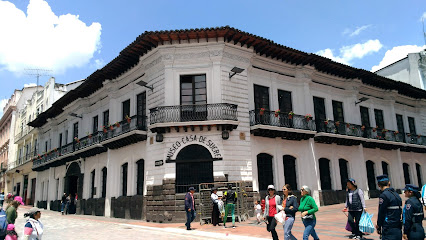
Museo Casa de Sucre
0.2 km
Explore the Museo Casa de Sucre in Quito, where history comes alive through the life of a national hero and the struggles for independence in South America.
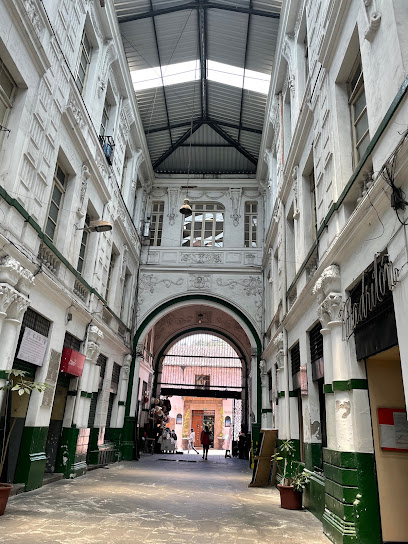
Pasaje Tobar
0.2 km
Explore the historical charm of Pasaje Tobar, a stunning passageway in Quito, where colonial architecture meets vibrant local culture.
La bodega de Cantúña
0.3 km
Experience authentic Ecuadorian cuisine in Quito's historic center at La Bodega de Cantuña, a culinary treasure trove for food lovers and culture seekers.
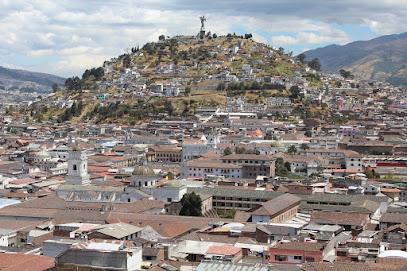
Casa Gangotena
0.3 km
Discover the elegance and history of Casa Gangotena, a luxurious oasis in the heart of Quito, Ecuador, offering a unique blend of comfort and culture.

Quito
0.4 km
Explore the rich history and stunning natural landscapes of Quito, a UNESCO World Heritage Site and the heart of Ecuador's vibrant culture.
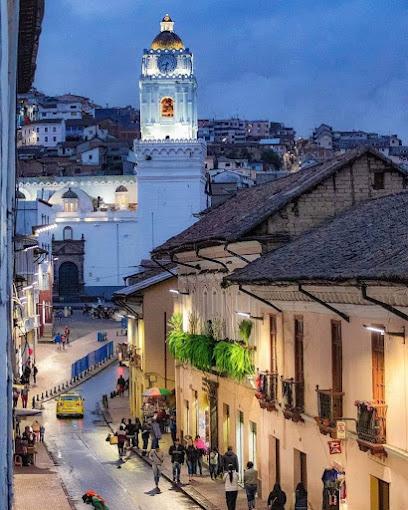
Arco de La Reina
0.4 km
Discover the Arco de La Reina, a captivating historical landmark in Quito that showcases Ecuador's rich cultural heritage and stunning architecture.
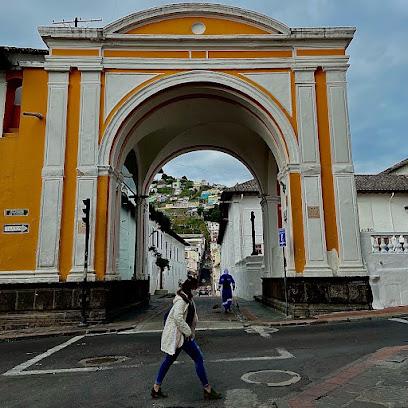
Monumento Mariscal Sucre
0.4 km
A historic monument in Quito's Plaza de Santo Domingo honoring Mariscal Sucre, a hero of Ecuadorian independence.
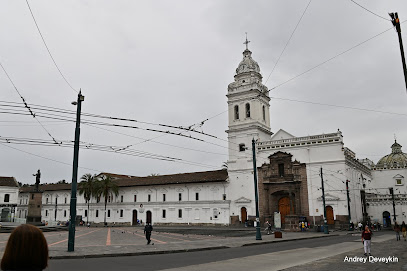
Museum of the City
0.4 km
Discover Quito's vibrant history and culture at the Museum of the City, a captivating journey through time in Ecuador's capital.
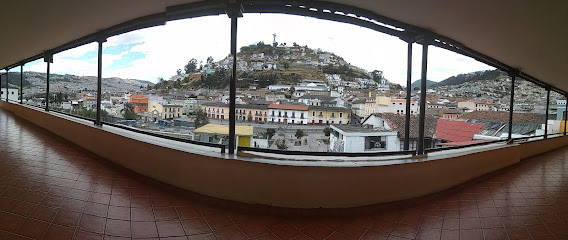
Iglesia de Santo Domingo
0.4 km
Explore the breathtaking Iglesia de Santo Domingo in Quito, a stunning example of colonial architecture filled with rich history and artistic treasures.
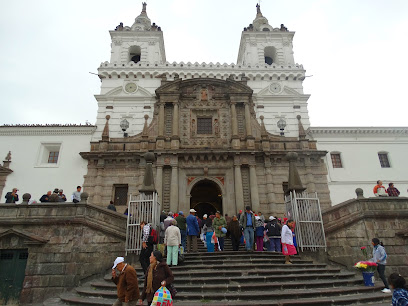
Arco De Santo Domingo
0.4 km
Discover Quito's colonial history at the Arco de Santo Domingo, a 17th-century archway connecting the city center to the historic La Loma Grande neighborhood.
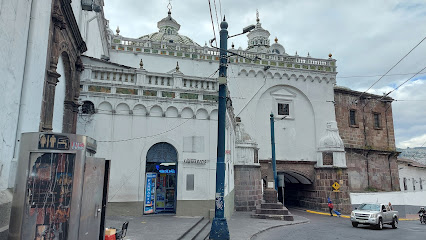
Calle La Ronda
0.4 km
Experience Quito's vibrant culture on Calle La Ronda: a historic street with artisan shops, lively nightlife, and traditional Ecuadorian charm.
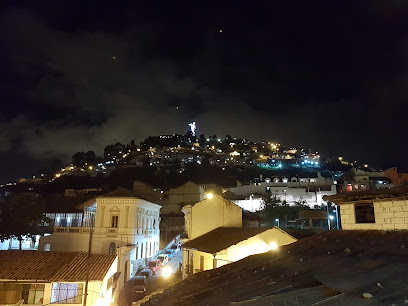
La Guaragua
0.7 km
Discover La Guaragua in Quito's historic center: a vibrant street showcasing colonial architecture, colorful art, and a rich cultural heritage.
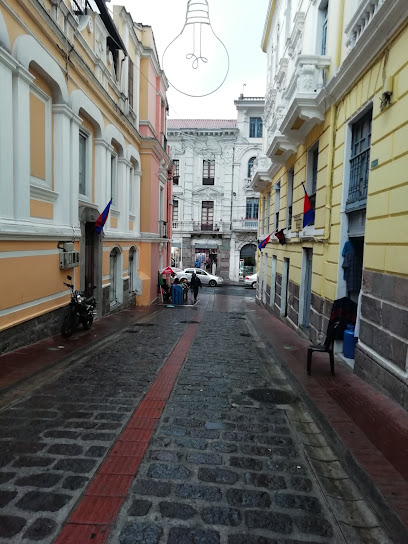
Yaku Water Museum
0.8 km
Explore the Yaku Water Museum in Quito - where the beauty of water and culture come together to create an unforgettable experience.
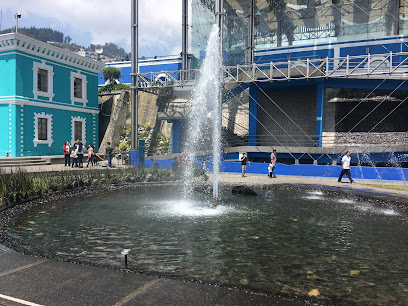
Basílica del Voto Nacional
0.8 km
Experience the stunning Basílica del Voto Nacional in Quito, a testament to gothic architecture and Ecuadorian culture with breathtaking views and rich history.
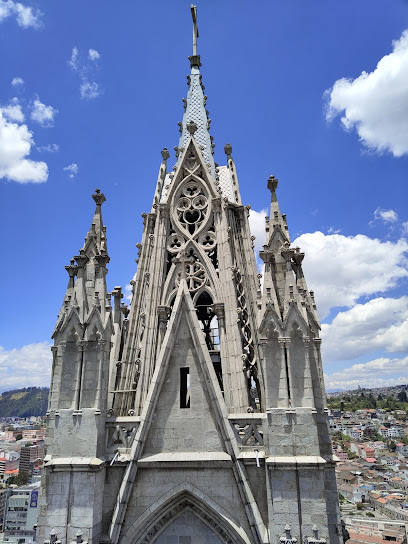
Travel Agency Secret Garden Ecuador
0.9 km
Explore Ecuador like never before with Secret Garden Ecuador, your premier travel agency for unforgettable adventures and personalized itineraries.
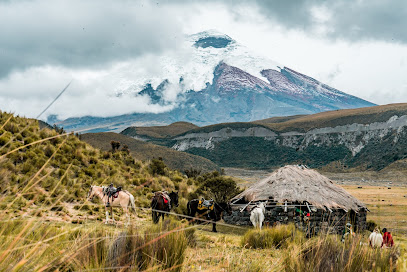
Unmissable attractions to see

Church of the Tabernacle
0.0 km
Discover the exquisite beauty and serene atmosphere of the Church of the Tabernacle, a must-see spiritual and cultural landmark in Quito's historic center.
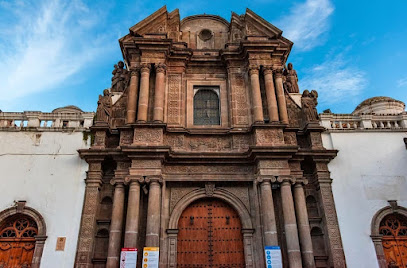
Tumba de Gabriel Garcia Moreno
0.0 km
Discover the Tumba de Gabriel Garcia Moreno, a historic site in Quito honoring the legacy of Ecuador's influential leader and a tribute to its rich cultural heritage.
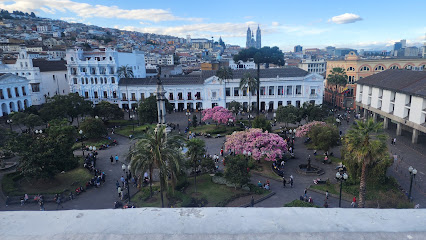
Centro Cultural Metropolitano
0.0 km
Discover the vibrant culture and artistic heritage of Quito at the Centro Cultural Metropolitano, a must-visit cultural hub for every traveler.
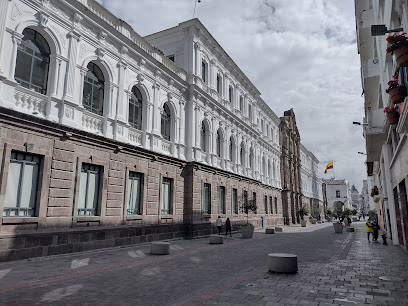
Alberto Mena Caamaño Museum
0.0 km
Explore the Alberto Mena Caamaño Museum in Quito for an enriching experience of Ecuador's art, culture, and history.
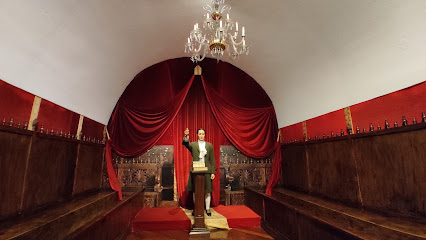
Independence Square
0.1 km
Discover Independence Square: A Historical Landmark in the Heart of Quito, Ecuador, Surrounded by Stunning Architecture and Vibrant Culture.
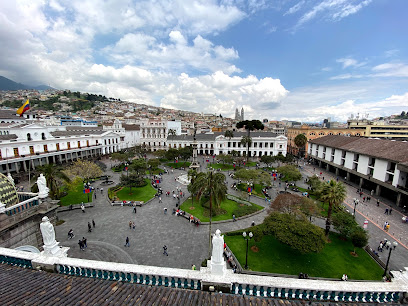
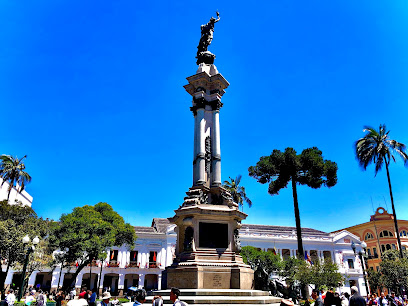
Monumento a la Independencia
0.1 km
Explore the Monumento a la Independencia in Quito, a significant symbol of Ecuador's history and a beautiful backdrop for your travel memories.
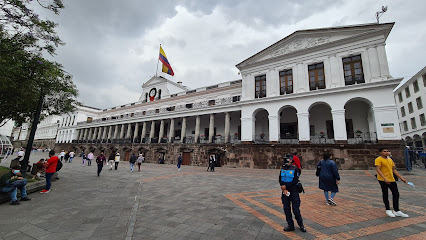
Carondelet Palace
0.1 km
Discover the majestic Carondelet Palace in Quito, Ecuador, a historic site where politics and culture converge amidst stunning architecture.
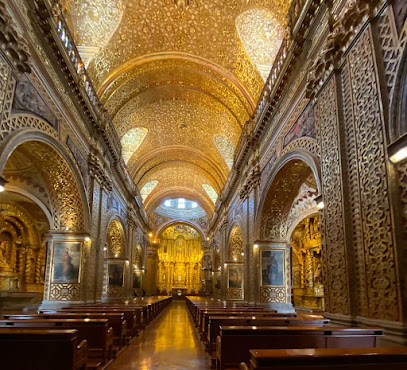
Church of the Society of Jesus
0.1 km
Discover the architectural splendor and spiritual heritage of the Church of the Society of Jesus in the heart of Quito's historic district.
Quito Historic Center
0.2 km
Discover the captivating charm of Quito's Historic Center, a UNESCO World Heritage site filled with colonial architecture, vibrant culture, and rich history.
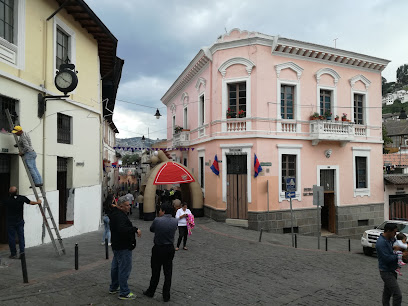
Palacio Arzobispal
0.2 km
Explore the majestic Palacio Arzobispal in Quito, a historical gem showcasing stunning architecture and lush gardens in Ecuador's vibrant capital.
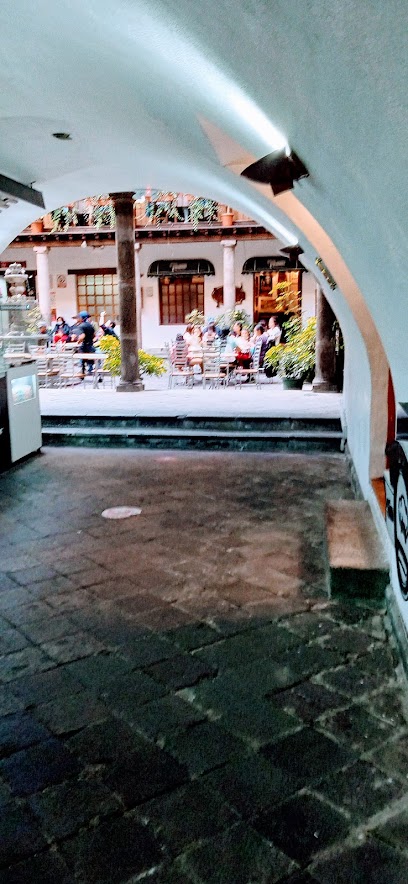
Museo de la Moneda
0.2 km
Explore the rich history of Ecuadorian currency and finance at the Museo de la Moneda in Quito's Historic Center.
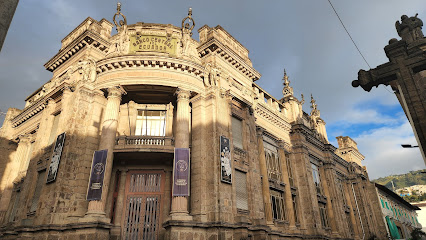
Museo Antiguo Banco Central Del Ecuador
0.2 km
Discover the rich cultural heritage of Ecuador at Museo Antiguo Banco Central Del Ecuador in Quito, showcasing pre-Columbian art and historical artifacts.
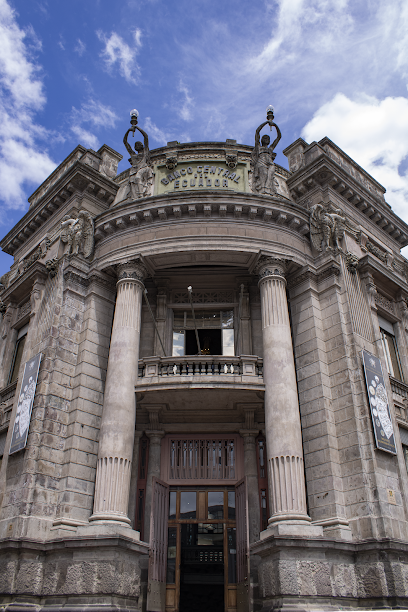
Republica Del Cacao
0.2 km
Discover Ecuador's chocolate heritage at Republica Del Cacao, where artisanal delights meet cultural richness in the heart of Quito.
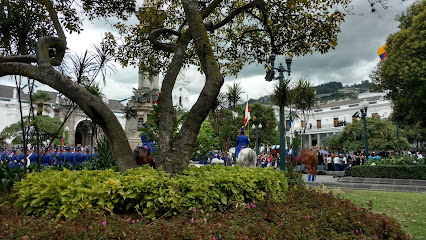
Plaza de las Conceptas
0.2 km
Discover the vibrant culture and stunning architecture at Plaza de las Conceptas, the iconic town square in historic Quito, Ecuador.
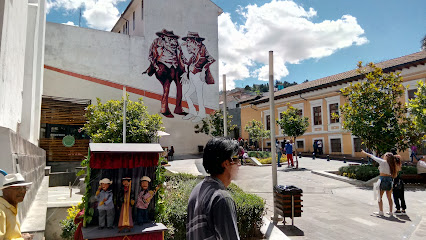
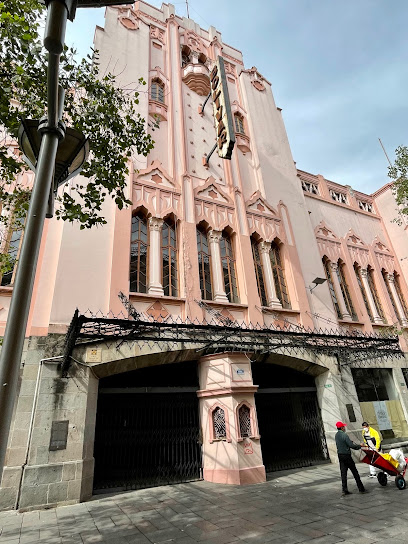
Teatro Bolivar
0.2 km
Experience the captivating world of performing arts at Teatro Bolivar, Quito's historic theater showcasing Ecuador's rich cultural heritage.
Essential places to dine

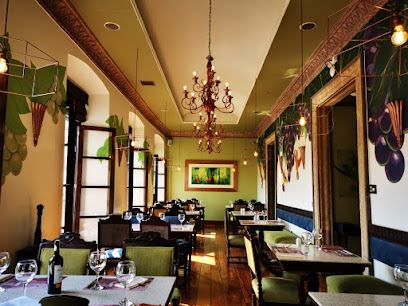
La Vid Restaurante
0.1 km
Experience the essence of Ecuadorian gastronomy at La Vid Restaurante in Quito's historic center.
Hasta La Vuelta Señor
0.1 km
Experience authentic Ecuadorian cuisine at Hasta La Vuelta Señor in Quito's historic center - a culinary journey through traditional flavors.
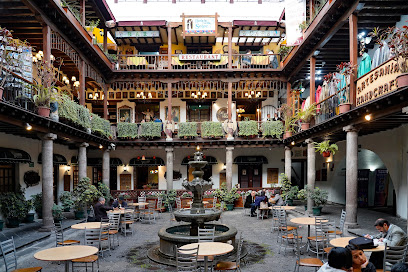
San Ignacio
0.2 km
Discover authentic Ecuadorian flavors at San Ignacio, a delightful breakfast restaurant nestled in Quito's historic center.
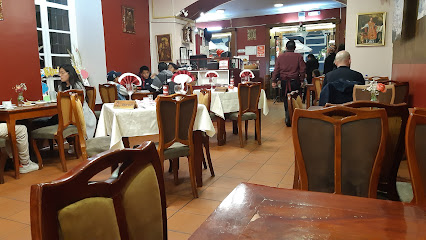
Vista Hermosa (Centro Histórico)
0.2 km
Experience authentic Ecuadorian cuisine with stunning views at Vista Hermosa in Quito's historic center.
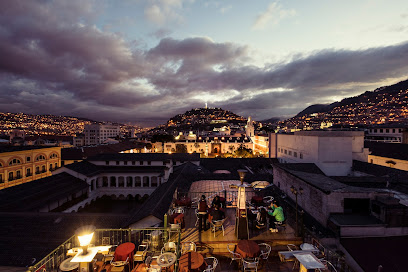
La Capilla Restaurant
0.2 km
Discover authentic Ecuadorian cuisine at La Capilla Restaurant in Quito's historic center - where every dish tells a story.
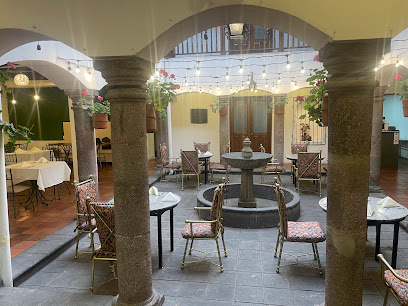
Nuestro Legado
0.2 km
Experience authentic Ecuadorian cuisine at Nuestro Legado in Quito's historic center; where tradition meets taste in every delightful dish.
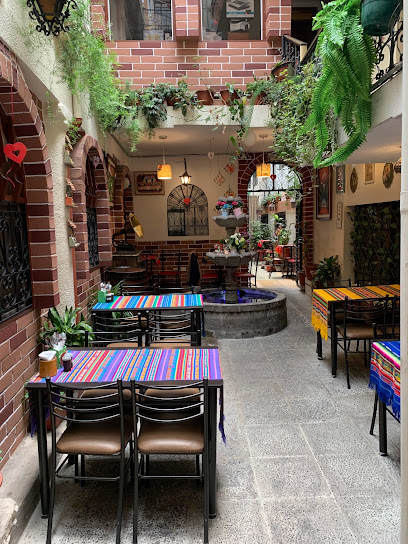
Restaurante Casa Gangotena
0.3 km
Experience exquisite Ecuadorian cuisine at Casa Gangotena in Quito, where culinary artistry meets stunning ambiance.
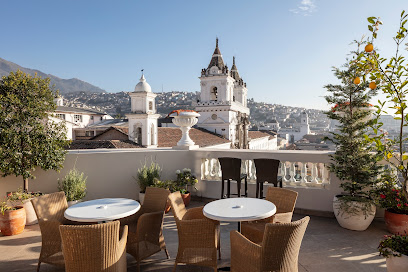
La Caponata
0.4 km
Experience authentic Sicilian cuisine at La Caponata in Quito's historic center – where tradition meets flavor.
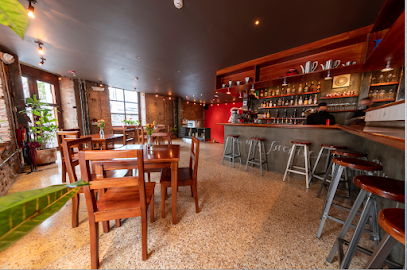
Claroscuro Gastro Bar
0.4 km
Experience Ecuadorian flavors reimagined at Claroscuro Gastro Bar in Quito's historic center, where culinary artistry meets local tradition.
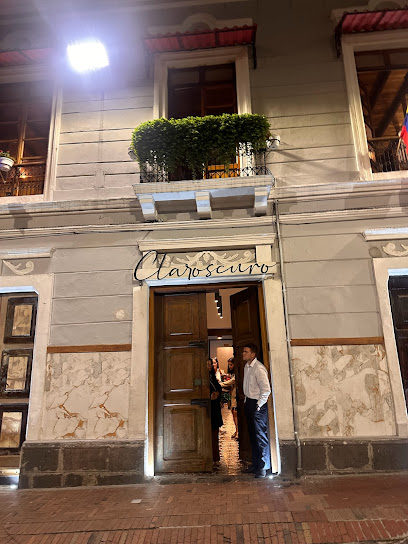
La Negra Mala
0.5 km
Discover authentic Ecuadorian flavors at La Negra Mala in Quito's historic center - a culinary gem for every traveler.
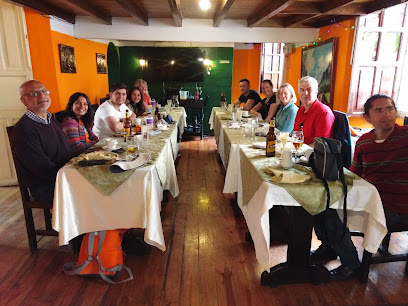
Govinda Gopal Restaurante Vegetariano
0.5 km
Discover the rich flavors of vegetarian cuisine at Govinda Gopal Restaurante Vegetariano in Quito's historic center.
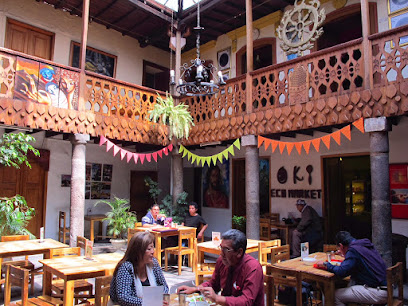
Las Corvinas de Don Jimmy
0.7 km
Discover authentic Ecuadorian seafood at Las Corvinas de Don Jimmy in Quito, where every dish tells a story of tradition and flavor.

El Ventanal Restaurant
0.8 km
Discover authentic Ecuadorian flavors at El Ventanal Restaurant in Quito - where exquisite cuisine meets breathtaking views.
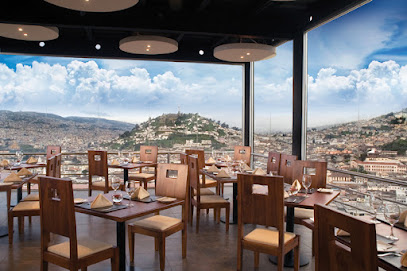
Vista Hermosa (ITCHIMBIA)
1.1 km
Discover delightful cuisine and stunning views at Vista Hermosa in Quito - an unforgettable culinary escape.
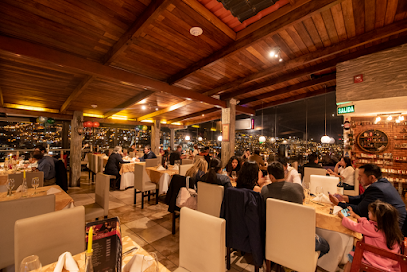
Pim's
1.1 km
Discover the essence of Ecuadorian cuisine at Pim's in Quito - where tradition meets taste in an unforgettable dining experience.
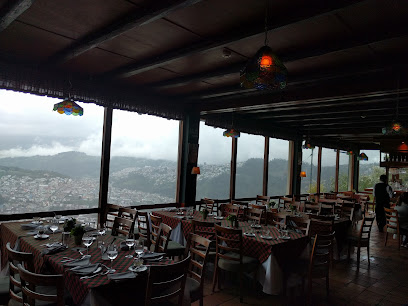
Markets, malls and hidden boutiques

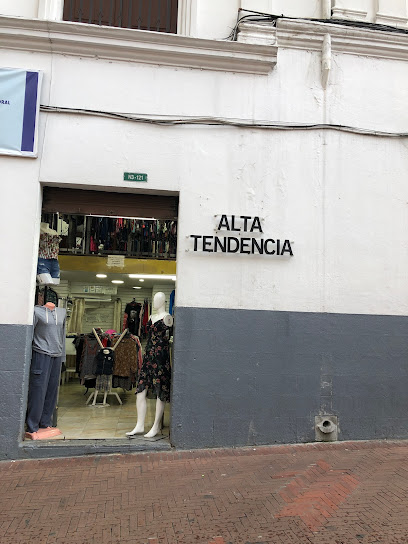
Alta Tendencia Boutique
0.1 km
Explore the heart of Quito's fashion scene at Alta Tendencia Boutique, where local craftsmanship meets contemporary style in a chic setting.
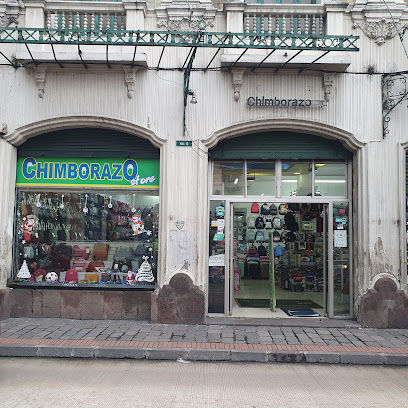
Chimborazo Store
0.2 km
Discover unique Ecuadorian craftsmanship at Chimborazo Store, your go-to bag shop in Quito, offering a blend of tradition and modern style.
Urban Store
0.2 km
Explore the delightful Urban Store in Quito, a toy wonderland filled with imaginative games and timeless treasures for all ages.
MAAZ STORE
0.2 km
Discover unique women's fashion inspired by Ecuadorian culture at MAAZ STORE in the heart of Quito's historic center.

Cira Boutique
0.3 km
Discover stylish clothing and accessories at Cira Boutique in Quito, where local fashion meets modern trends in a chic shopping experience.
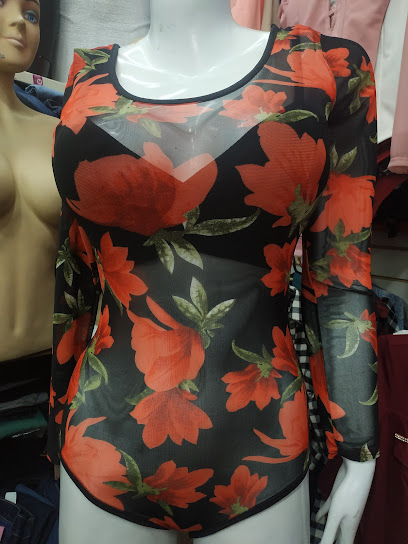
Fancy Shop
0.3 km
Discover the elegance of Quito at Fancy Shop, where modern style meets local craftsmanship in women's fashion.
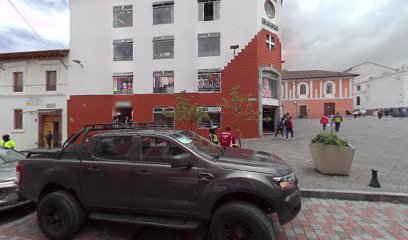
Ecuador Shops
0.3 km
Explore Ecuador Shops in Quito for authentic souvenirs and artisan treasures that reflect the beauty and culture of Ecuador.
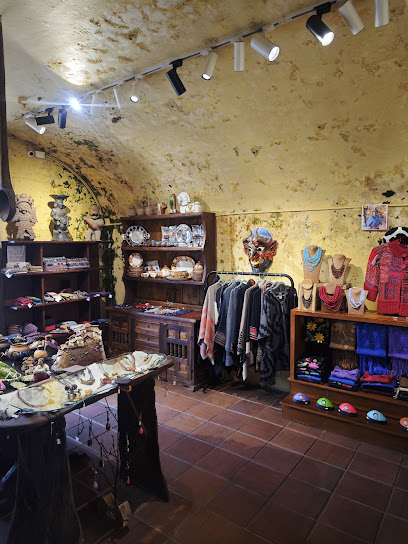
Sombreros López
0.3 km
Explore the vibrant artistry of Ecuador with exquisite handcrafted hats at Sombreros López in the heart of Quito's historic center.
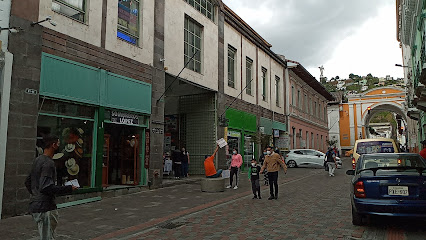
Lokuras D' Boutique
0.4 km
Explore the vibrant essence of Ecuadorian fashion at Lokuras D' Boutique in Quito's historic center, offering unique styles for every traveler.

Tienda De Recuerdos Local 27
0.5 km
Explore authentic Ecuadorian crafts at Tienda De Recuerdos Local 27, your go-to souvenir store in the heart of Quito's historic district.
Novedades Brithney
0.6 km
Discover Novedades Brithney in Quito: Your go-to destination for unique gifts and stylish shoes that showcase Ecuadorian craftsmanship.
The Shopping A Sueños Dorados
0.7 km
Discover unique Ecuadorian fashion at The Shopping A Sueños Dorados in Quito, where tradition meets modern style.
Souvenirs Ecuador
0.8 km
Explore Souvenirs Ecuador: Your Gateway to Authentic Handcrafted Treasures from Quito.
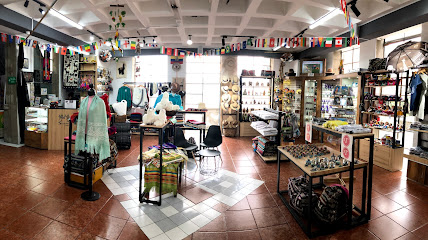
Quitus Craft Market
2.4 km
Uncover the vibrant spirit of Quito at Quitus Craft Market, where local artisans, delicious cuisine, and rich culture come together.
La Mariscal Artisan Market
2.4 km
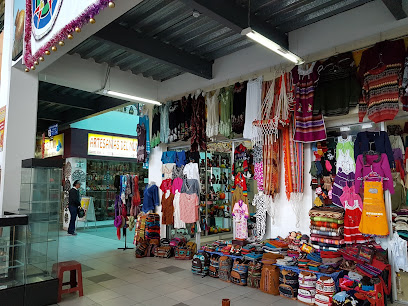
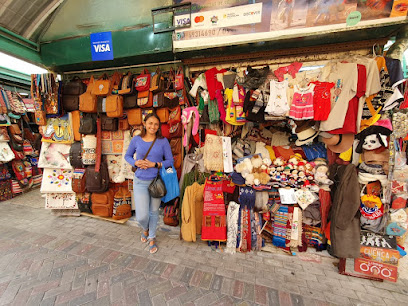
Explore La Mariscal Artisan Market - a vibrant shopping haven for unique Ecuadorian crafts, textiles, and delicious street food in the heart of Quito.
Essential bars & hidden hideouts

Sinners Microcerveceria - Centro Historico
0.3 km
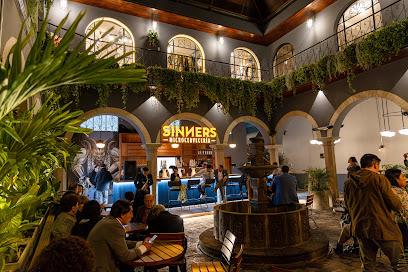
Discover the vibrant craft beer scene at Sinners Microcerveceria in Quito's historic center, blending great brews with local flavors.
Andes Brew Pub - Plaza del Teatro
0.5 km
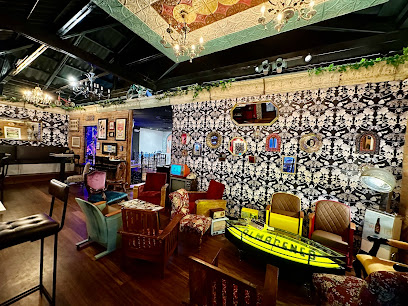
Experience the vibrant flavors and local brews at Andes Brew Pub, the ultimate brewpub destination in the heart of Quito.
Whiskey A Go Go
0.5 km
Experience the vibrant nightlife of Quito at Whiskey A Go Go, where delicious food and great drinks meet lively entertainment.
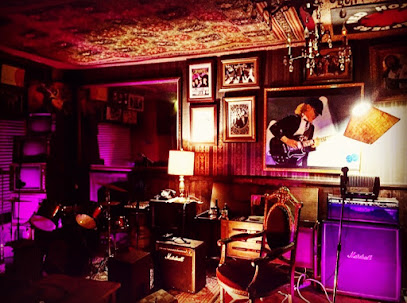
EDISON BAQUERO
0.5 km
Experience the lively atmosphere and diverse drink selection at Edison Baquero, a vibrant bar in the heart of Quito's historic district.
Imbabura
0.6 km
Discover Imbabura, a cozy bar in Quito's Centro Histórico, where local flavors meet a warm atmosphere for a perfect evening out.
Bandido Brewing
0.6 km
Bandido Brewing: A must-visit brewpub in Quito offering exquisite craft beers and a lively atmosphere for tourists and locals alike.
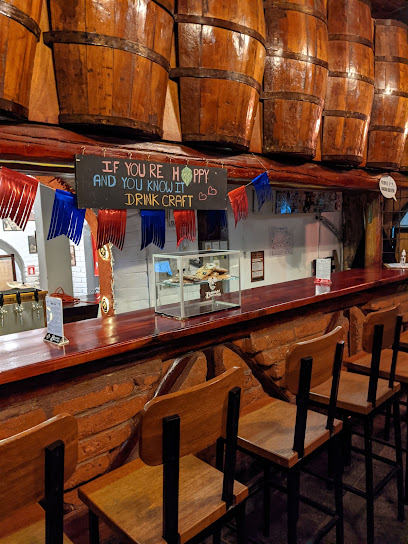
MOR-Ō Resto-Pub
0.6 km
Discover the flavors of Quito at MOR-Ō Resto-Pub, a cozy gastropub offering gourmet burgers and craft beers just steps from the Basilica.
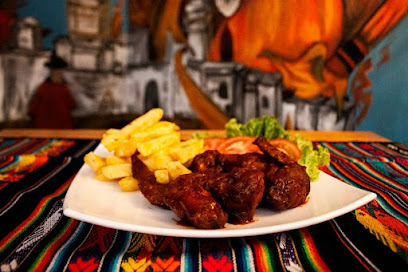
Community Hostel
0.6 km
Discover the essence of Ecuadorian culture at Community Hostel, where comfort meets adventure in the heart of Quito.
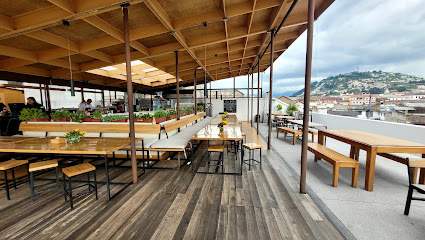
RIDER'S BAR KARAOKE
0.7 km
Experience unforgettable nights of music, laughter, and local brews at Rider's Bar Karaoke in Quito, Ecuador's vibrant nightlife hub.
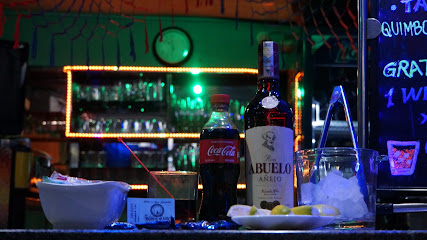
LICORERIA EL AMANECER
0.7 km
Discover Quito's vibrant nightlife at Licoreria El Amanecer, a lively bar offering an array of local drinks and authentic cultural experiences.

Vibes Oasis Pub
0.8 km
Discover the vibrant flavors of Quito at Vibes Oasis Pub, where every bite is a celebration and every moment is memorable.
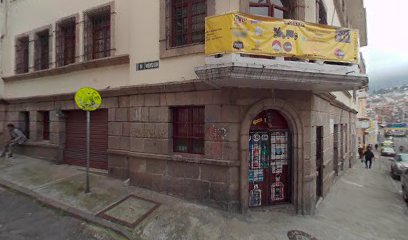
Xenial
0.8 km
Discover the essence of Ecuadorian cuisine at Xenial, a grill restaurant in Quito offering delicious dishes in a warm and inviting atmosphere.
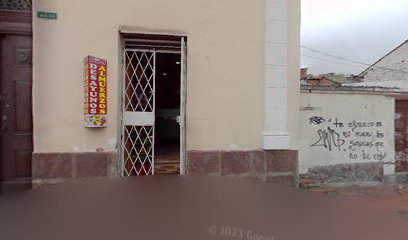
Zona Seven
0.9 km
Experience the culinary delight at Zona Seven, a grill restaurant in Quito, where tradition meets flavor in every bite.
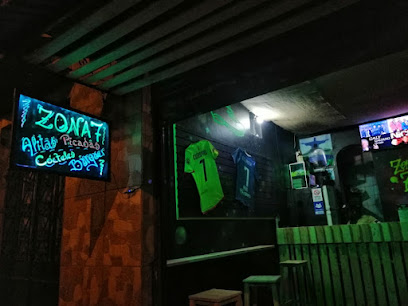
La Oficina Brew Pub
0.9 km
Discover La Oficina Brew Pub in Quito: Where Craft Beer Meets Delicious Pizza in a Vibrant Atmosphere with Live Music.
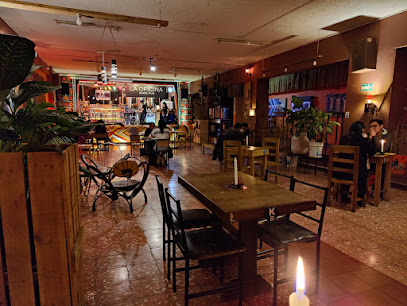
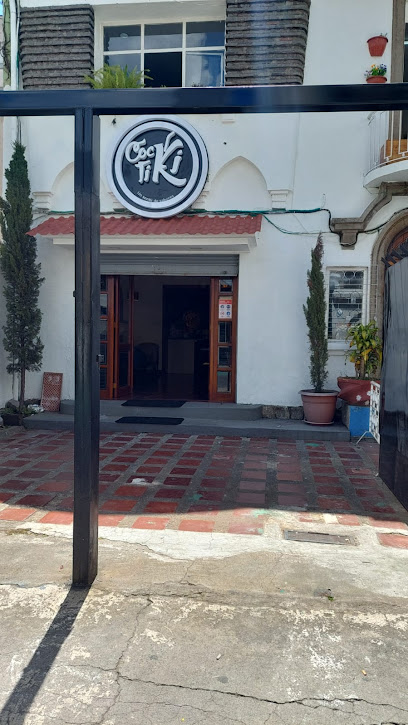
Coctiki Quito
2.8 km
Experience the vibrant nightlife of Quito at Coctiki, where exotic cocktails and a tropical ambiance await you.