

Free Western Lowlands Travel Guide & Mobile App
Explore Western Lowlands with free travel guides. Discover regional history, expert tips, proposed trips, and audio guides on web or mobile app.


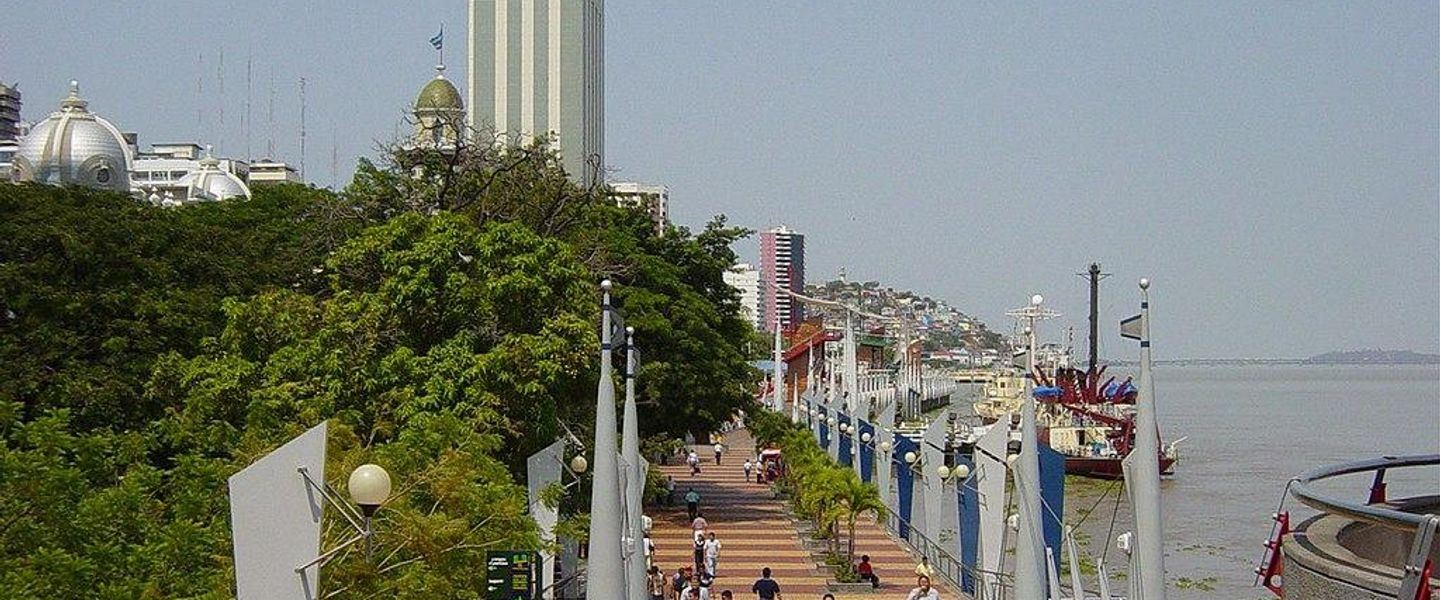


Explore Ecuador’s Western Lowlands for Pacific beaches, coastal food, mangroves, dry forests, lively Guayaquil and historic fishing towns.
Read more about Western Lowlands
When is the best time to visit Western Lowlands?
Best: June–August · 29°C| Month | High (°C) | Rainfall (mm) |
|---|---|---|
| January | 30 | 250 |
| February | 30 | 300 |
| March | 30 | 350 |
| April | 30 | 300 |
| May | 29 | 200 |
| June (best) | 29 | 150 |
| July (best) | 29 | 150 |
| August (best) | 29 | 150 |
| September | 29 | 200 |
| October | 29 | 250 |
| November | 30 | 300 |
| December | 30 | 250 |
Getting to and around Western Lowlands
How to get there
Transportation
Top city travel guides in Western Lowlands
The cities of Western Lowlands, and the easiest places to base yourself.
-

-
-

-

-

-


Swipe for more cities
Destinations in Western Lowlands
Resorts, valleys and scenic spots worth a trip of their own.
-
-

-

-

-
-


Swipe for more destinations
Best attractions in Western Lowlands
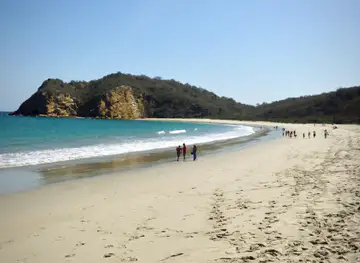
The western lowlands offer a broad mixture of urban culture, beaches, wildlife and working landscapes. Guayaquil provides the region’s strongest concentration of museums, galleries, riverfront promenades and historic neighbourhoods, with Isla Santay and the Parque Histórico area adding wetlands and reconstructed heritage close to the metropolitan centre. Along the central coast, Machalilla National Park combines dry forest, beaches and offshore marine habitat; Los Frailes and Isla de la Plata are its best-known visitor destinations, while Puerto López is a base for boat trips and seasonal whale watching. Manabí’s towns and beaches range from surfing centres to traditional fishing ports, with Montecristi particularly associated with craft and coastal history. Santa Elena offers beaches, archaeological heritage and resort facilities around Salinas, while the wetter north contains mangrove estuaries and Pacific communities shaped by fishing, farming and Afro-Ecuadorian culture. In the south, the lowlands around Machala reveal the scale of Ecuador’s banana economy and provide access to Gulf of Guayaquil landscapes. Rural travel is as much about rivers, plantations, markets and roadside food as formal attractions, and distances mean that each coastal section is best explored from a nearby base.
-
 Hotel
HotelHacienda Pinsaqui
Experience the rich heritage and stunning landscapes of Hacienda Pinsaqui, a perfect blend of history, culture, and modern comfort in Otavalo.
-
Tourist attraction
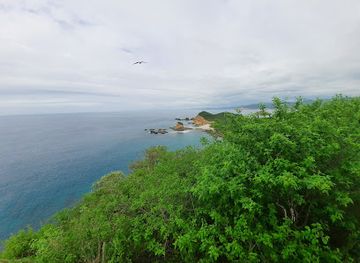
Playa Tortuguita
Experience the untouched beauty of Playa Tortuguita, a serene beach in Machalilla, Ecuador, perfect for nature lovers and relaxation seekers.
-
Tourist attraction
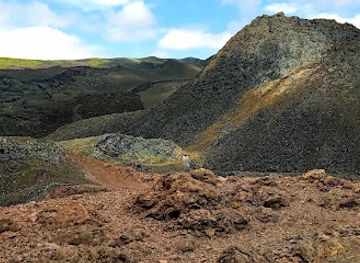
Volcán Ecuador
Experience the breathtaking beauty and geological wonders of Volcán Ecuador on Isabela Island, a top destination for nature lovers in the Galápagos.
Best landmarks in Western Lowlands
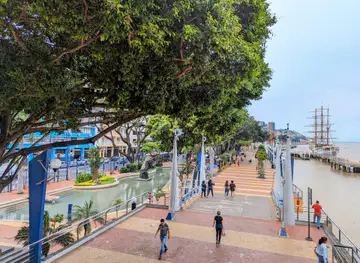
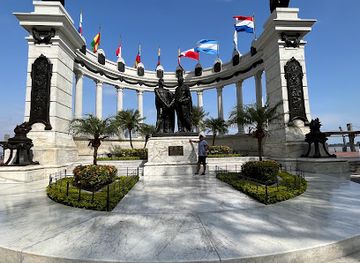
Guayaquil’s Malecón 2000 is the city’s defining riverfront landmark, linking gardens, civic monuments, cultural institutions and views across the Guayas River. Nearby Las Peñas, with its brightly painted wooden houses and stairway rising towards Cerro Santa Ana, preserves one of the city’s most recognisable historic settings, although it should be visited thoughtfully and preferably in daylight. The Rotonda monument on the riverfront commemorates the 1822 meeting of José de San Martín and Simón Bolívar, a pivotal moment in South American independence. In Manabí, Montecristi’s enduring importance comes from its connection with Eloy Alfaro and the Liberal Revolution, as well as its long craft tradition. The dry forest, cliffs and beaches of Machalilla National Park form a natural counterpoint to Guayaquil’s built landmarks, with Los Frailes standing out as a particularly recognisable coastal landscape. Further south, Salinas’s long peninsula and seafront skyline mark the transition to the arid Santa Elena coast, while the broad estuaries and mangroves around the Gulf of Guayaquil express the region’s continuing relationship with tides, rivers and maritime trade.
-
Tourist attraction
Malecon 2000
Discover Guayaquil's vibrant heart at Malecón 2000: a blend of history, culture, and modern attractions along the scenic Guayas River.
-
Monument
Middle of the World City
Experience the unique thrill of standing on the equator at the Middle of the World City, a vibrant monument and cultural attraction near Quito, Ecuador.
-
Tourist attraction
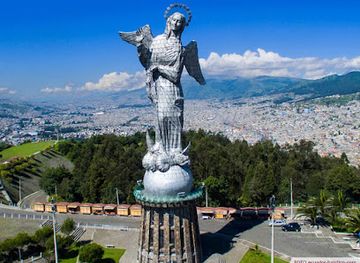
Virgin of the Panecillo
Admire Quito from the iconic Virgin of the Panecillo, a towering monument offering panoramic views and a glimpse into the city's rich history.
-
Historical landmark
Independence Square
Discover Quito's heart at Independence Square: a historic landmark surrounded by colonial architecture, vibrant culture, and significant Ecuadorian history.


Explore Western Lowlands on the map
Plan your trip on one map. See where the top cities, national parks and sights are, and book hotels and experiences in a few clicks.
Best hotels in Western Lowlands
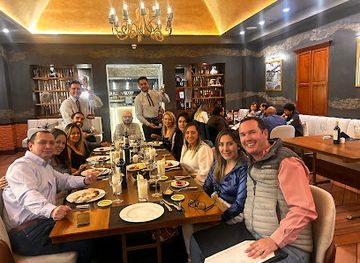
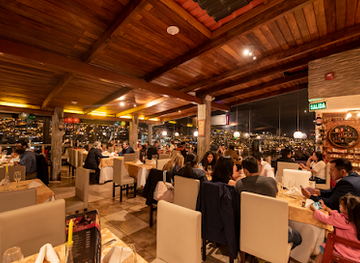
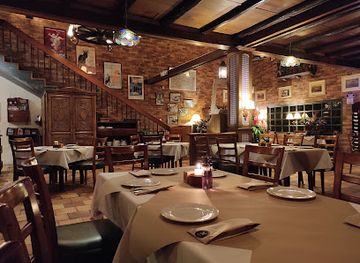
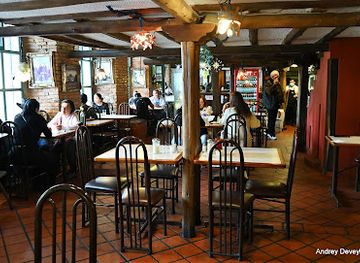
Best restaurants in Western Lowlands
Coastal Ecuadorian cooking is built around seafood, plantain, rice, lime, peanuts and local herbs. Encebollado, a tuna and yuca soup topped with pickled red onion, is a classic breakfast or late-night dish in Guayaquil and other coastal cities, while ceviches vary according to local seafood and preparation. Bolón de verde combines mashed green plantain with savoury fillings, and viche is a peanut-based soup associated particularly with Manabí. Fresh prawns, crab, grilled fish and conch appear widely, although availability follows local seasons and fishing conditions. Guayaquil has the broadest dining range, from market stalls and traditional comedor kitchens to contemporary restaurants, while seaside settlements favour informal seafood houses and family-run cafés. In Manabí, look for plantain, peanut and fish combinations; in the northern lowlands, Afro-Ecuadorian traditions contribute distinctive coconut, seafood and plantain-based flavours. Markets are useful for fruit, tropical juices and prepared breakfasts, but visitors should choose busy stalls with high turnover and take care with raw seafood if refrigeration appears uncertain.
-
Restaurant
Fogo de Chão Ecuador
Experience the authentic taste of Brazil with an exceptional dining experience at Fogo de Chão Ecuador in Quito.
-
Restaurant
Vista Hermosa (ITCHIMBIA)
Discover breathtaking views and exquisite Ecuadorian cuisine at Vista Hermosa in Quito—an unforgettable dining experience awaits.
-
Ecuadorian
Pim's
Discover the flavors of Ecuador at Pim's in Quito – where tradition meets innovation in every delicious dish.
-
Ecuadorian
Raymipampa Restaurant
Experience the rich flavors of authentic Ecuadorian cuisine at Raymipampa Restaurant in Cuenca, where tradition meets delightful dining.
Best bars in Western Lowlands
Evening life differs sharply across the region. Guayaquil has the largest selection of cocktail bars, music venues, restaurants and late-night entertainment, particularly in established commercial and waterfront areas, although visitors should arrange transport rather than walk unfamiliar streets late at night. Montañita is the best-known resort for concentrated nightlife, with surf bars, small clubs, live music and seasonal parties attracting both Ecuadorian and international visitors. Salinas and other beach towns offer seafront bars, casual restaurants and busier holiday periods, while Manta combines a more substantial urban dining scene with bars and music venues. In Puerto López, Bahía de Caráquez and smaller coastal communities, evenings are usually quieter and centre on restaurants, cafés, local bars and occasional live music rather than large clubs. Many towns have a strong social culture around football, conversation and food, so nightlife does not need to revolve around drinking. Opening patterns and security conditions change, especially during festivals and holidays; ask accommodation staff about current areas and transport options.
-
Brewpub
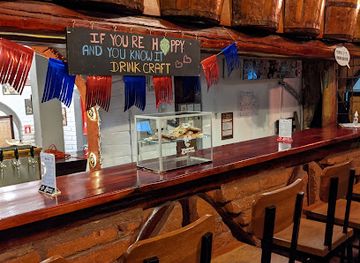
Bandido Brewing
Discover the vibrant atmosphere and handcrafted beers at Bandido Brewing, Quito's premier brewpub blending local culture and craft brewing.
-
Irish pub
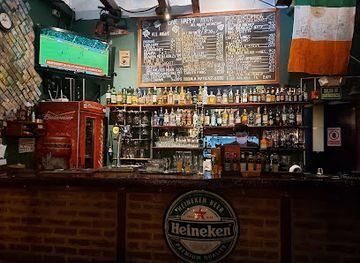
Finn McCool's Irish Pub
Experience the authentic Irish pub atmosphere at Finn McCool's in Quito, offering delicious food, a vast drink selection, and lively entertainment.
-
Bar
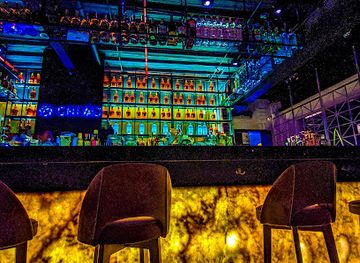
Love Me Rooftop
Discover breathtaking views and exquisite cocktails at Love Me Rooftop, the premier bar destination in Quito for an unforgettable night.
-
Bar
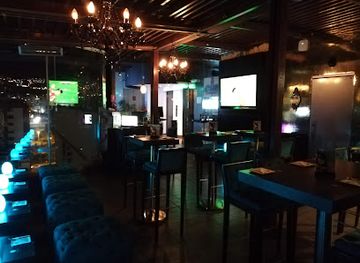
Vértigo Rooftop
Discover the breathtaking views and vibrant atmosphere of Vértigo Rooftop, Quito's premier bar for unforgettable evenings.
Best nightclubs in Western Lowlands
Evening life differs sharply across the region. Guayaquil has the largest selection of cocktail bars, music venues, restaurants and late-night entertainment, particularly in established commercial and waterfront areas, although visitors should arrange transport rather than walk unfamiliar streets late at night. Montañita is the best-known resort for concentrated nightlife, with surf bars, small clubs, live music and seasonal parties attracting both Ecuadorian and international visitors. Salinas and other beach towns offer seafront bars, casual restaurants and busier holiday periods, while Manta combines a more substantial urban dining scene with bars and music venues. In Puerto López, Bahía de Caráquez and smaller coastal communities, evenings are usually quieter and centre on restaurants, cafés, local bars and occasional live music rather than large clubs. Many towns have a strong social culture around football, conversation and food, so nightlife does not need to revolve around drinking. Opening patterns and security conditions change, especially during festivals and holidays; ask accommodation staff about current areas and transport options.
-
Disco club
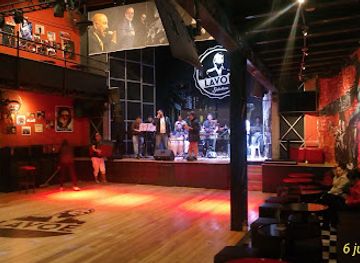
Lavoe Salsa Danceclub
Experience the vibrant nightlife of Quito at Lavoe Salsa Danceclub, where lively rhythms and salsa dancing create unforgettable memories.
-
Disco club
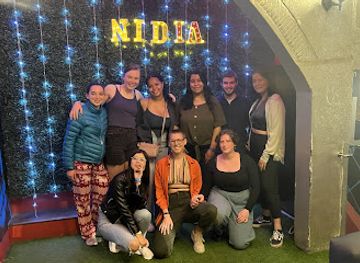
Discoteca Nidia Fuzzion Party
Discover the pulse of Cuenca's nightlife at Discoteca Nidia Fuzzion Party, a vibrant disco club offering a night full of music and fun.
-
Disco club
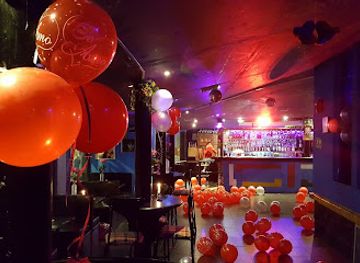
Bungalow 6
Discover Quito's nightlife at Bungalow 6, where electrifying music and crafted cocktails create an unforgettable disco experience.
-
Disco club
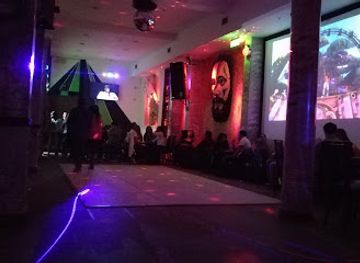
Pecado Morlaco
Experience the vibrant nightlife of Cuenca at Pecado Morlaco, a lively disco club known for its energetic atmosphere and unforgettable music.
Best shops in Western Lowlands
Shopping ranges from major urban retail in Guayaquil to craft workshops, market towns and food stalls along the coast. Guayaquil has the widest selection of department stores, shopping centres, bookshops, supermarkets and independent retailers, while central districts and markets are better for everyday produce and inexpensive local foods. Montecristi is strongly associated with toquilla-straw craftsmanship, including the hats commonly marketed internationally as Panama hats, although quality and finishing vary and buyers should compare workmanship rather than rely on labels alone. Coastal towns sell woven goods, jewellery, beach clothing, ceramics and small artworks, with the most interesting choices often found in workshops and established artisan markets. Manta and other Manabí centres combine practical shopping with regional crafts, while Santa Elena’s resort areas have plentiful souvenir retail aimed at beach visitors. Guayaquil’s markets are useful for tropical fruit, spices, cacao products and packaged coastal ingredients, provided food can be transported safely. Bargaining is not universal: it may be acceptable in informal craft stalls, but fixed prices are normal in supermarkets, formal shops and many established galleries.
-
Shopping mall
Quicentro
Experience shopping like never before at Quicentro, Quito's premier shopping mall, featuring top brands and delightful dining options.
-
Shopping mall
Mall del Sol
Experience the ultimate shopping and entertainment destination at Mall del Sol in Guayaquil, with hundreds of stores and dining options to explore.
-
Shopping mall
Condado Shopping
Discover the vibrant Condado Shopping mall in Quito, Ecuador, where luxury shopping meets delightful dining and entertainment experiences.
-
Shopping mall
El Jardín Mall
Experience the vibrant shopping and dining scene at El Jardín Mall in Quito, a perfect blend of local culture and global brands.
Get your free copy of our complete guide to Western Lowlands, delivered straight to you.
Everything on this page, from attractions and restaurants to essentials and local phrases, in one PDF you can read offline, print or share.
Already have an account? Sign in
Your Western Lowlands guide is ready.
We'll send it to · Not you? Sign out

Getting your guide ready…
We are putting together a fresh copy of the Western Lowlands guide. This can take up to a minute.
This can take a few moments. If your browser asks, choose Allow so the download can start. You'll find the guide in your Downloads folder.
Nothing happened? Download it again
Sorry, the guide is taking longer than usual. Please try again in a minute, or get it by email instead.
Western Lowlands essentials
Currency and Payment
Safety
Emergency Situations
Do's and Don'ts
Local Tips
From Eve
Local phrases worth knowing
You don't need to get them perfect. A few words go a long way, and locals appreciate the effort.
Basics
| English | Local | Say it |
|---|---|---|
| Hello | Hi | [hai] |
| Goodbye | Bye | [bai] |
| Yes | Yeah | [yeh] |
| No | Nope | [nohp] |
| Please/You're welcome | Sure | [shur] |
| Thank you | Thanks | [thangs] |
| Excuse me/Sorry | Excuse me | [ex-kyoos mee] |
| How are you? | How's it going? | [hows it goin] |
| Fine. And you? | Good. You? | [gud. yoo?] |
| Do you speak English? | Do you speak English? | [do you speek ing-lish?] |
| I don't understand | I don’t get it | [ai dont get it] |
Eating & Drinking
| English | Local | Say it |
|---|---|---|
| I'd like to see the menu, please | Can I see the menu? | [kan ai see the men-yoo?] |
| I don't eat meat | I'm vegetarian | [aim ve-ji-tair-ee-an] |
| Cheers! | Cheers! | [cheers] |
| I would like to pay, please | Can I get the check? | [kan ai get the chek?] |
Emergencies
| English | Local | Say it |
|---|---|---|
| Help! | Help! | [help] |
| Go away! | Leave me alone! | [leev mee a-lone] |
| Call the Police! | Call 911! | [kol nine-one-one] |
| Call a doctor! | Get a doctor! | [get a dok-tor] |
| I'm lost | I'm lost | [aim lost] |
| I'm ill | I'm not feeling well | [aim not feel-ing wel] |
Shopping
| English | Local | Say it |
|---|---|---|
| I'd like to buy... | I want to buy... | [ai want to bai...] |
| I'm just looking | Just browsing | [just browse-ing] |
| How much is it? | How much? | [how much?] |
| That's too expensive | That's pricey | [thats pry-see] |
| Can you lower the price? | Can you give me a discount? | [kan you giv mee a dis-kount?] |
Time & Numbers
| English | Local | Say it |
|---|---|---|
| What time is it? | What time? | [what time?] |
| It's one o'clock | It's one | [its wun] |
| Half past (10) | Ten-thirty | [ten-thur-tee] |
| Morning | Morning | [mor-ning] |
| Afternoon | Afternoon | [af-ter-noon] |
| Evening | Evening | [eev-ning] |
| Yesterday | Yesterday | [yes-ter-day] |
| Today | Today | [to-day] |
| Tomorrow | Tomorrow | [to-mor-row] |
| 1 | One | [wun] |
| 2 | Two | [too] |
| 3 | Three | [three] |
| 4 | Four | [for] |
| 5 | Five | [fiv] |
| 6 | Six | [siks] |
| 7 | Seven | [sev-en] |
| 8 | Eight | [ait] |
| 9 | Nine | [nain] |
| 10 | Ten | [ten] |
Transport & Directions
| English | Local | Say it |
|---|---|---|
| Where's a/the...? | Where's the...? | [wheres the...?] |
| What's the address? | What's the address? | [whats the ad-dress?] |
| Can you show me (on the map)? | Can you show me on the map? | [kan you sho mee on the map?] |
| When's the next (bus)? | When's the next bus? | [wens the nekst bus?] |
| A ticket (to ....) | A ticket to... | [a tiket to...] |
History of Western Lowlands
Valdivia and the Early Pacific Settlements
The western lowlands contain some of the earliest known settled coastal communities in the Americas. The Valdivia culture, which flourished on Ecuador’s southern-central coast from roughly 3500 BCE, is associated with villages, farming, fishing and distinctive ceramics, including figurines. Later coastal societies developed increasingly complex networks based on estuary resources, agriculture and maritime exchange. Archaeological remains across the Santa Elena Peninsula and neighbouring coastal districts demonstrate that the region was not an isolated margin but a long-established centre of settlement and seaborne contact.
Manteño, Jama-Coaque and Coastal Exchange
Before the Inca expansion, several important societies occupied the Ecuadorian coast. The Manteño civilisation was particularly influential in Manabí, where settlements and ceremonial sites were linked to agriculture, shell-working and long-distance maritime trade. Jama-Coaque culture developed further north, leaving elaborate ceramic and metalwork traditions. Coastal traders exchanged goods such as spondylus shell, valued throughout the Andes, as well as textiles, salt and other products. Their legacy remains visible in regional museums and archaeological collections rather than in a single surviving city.
Spanish Conquest and the Founding of Guayaquil
Spanish conquest disrupted established coastal societies during the sixteenth century. Guayaquil was founded and refounded during this period before becoming a strategically important settlement on the Guayas River. Its river access connected the interior of the Audiencia of Quito with the Pacific, while shipbuilding, trade and agricultural production encouraged its growth. Colonial control also brought forced labour, new religious institutions and profound demographic change. The city’s later importance rested on the same geography that had made the river and estuary valuable to earlier communities.
Port, Shipbuilding and Independence
Guayaquil developed into one of the principal ports of the Spanish South American Pacific, although trade was regulated and repeatedly threatened by disease, fire, privateering and political conflict. Shipbuilding on the Guayas and commerce in agricultural goods strengthened its regional role. On 9 October 1820, Guayaquil declared independence from Spanish rule, an event that helped open the way for the liberation campaigns led by José de San Martín and Simón Bolívar. The city’s civic history and riverfront identity still reflect this transition from colonial port to republican capital of commerce.
Cacao, Liberal Reform and the Coastal Elite
During the nineteenth century, cacao transformed the economy of the Guayas basin and neighbouring coastal districts. Exports through Guayaquil connected Ecuador to global markets and generated great fortunes, while plantations depended on an unequal labour system and vulnerable transport networks. The Liberal Revolution of 1895, associated with Eloy Alfaro of Manabí, challenged the power of conservative and clerical institutions and promoted secular reform, communications and national integration. The period shaped the political importance of both Guayaquil’s commercial elite and Manabí’s reformist traditions.
Bananas, Migration and Modern Coastal Ecuador
In the twentieth century, banana cultivation expanded across the warm lowlands, particularly in Guayas, Los Ríos and El Oro, and became a major export industry after disease and market changes weakened earlier cacao dominance. Agricultural estates, ports and road networks altered the rural landscape and encouraged migration towards Guayaquil and other coastal towns. The modern region combines export agriculture with fishing, tourism, aquaculture, manufacturing and services. Its rapid urban growth has also brought challenges involving flooding, informal settlement, mangrove protection and pressure on water and coastal ecosystems.
Western Lowlands in Photos
Browse through our photo collection highlighting the charm and character of the destination.
Neighbouring regions of Western Lowlands
The closest regions to Western Lowlands, if you have time for more than one.
-
-
-
-

-


Swipe for more regions
Explore more

Explore more of Ecuador
Explore Ecuador: From the Amazon rainforest and Andean highlands to the Pacific coast and Galápagos Islands, discover diverse landscapes and vibrant cultures.
Explore Ecuador