
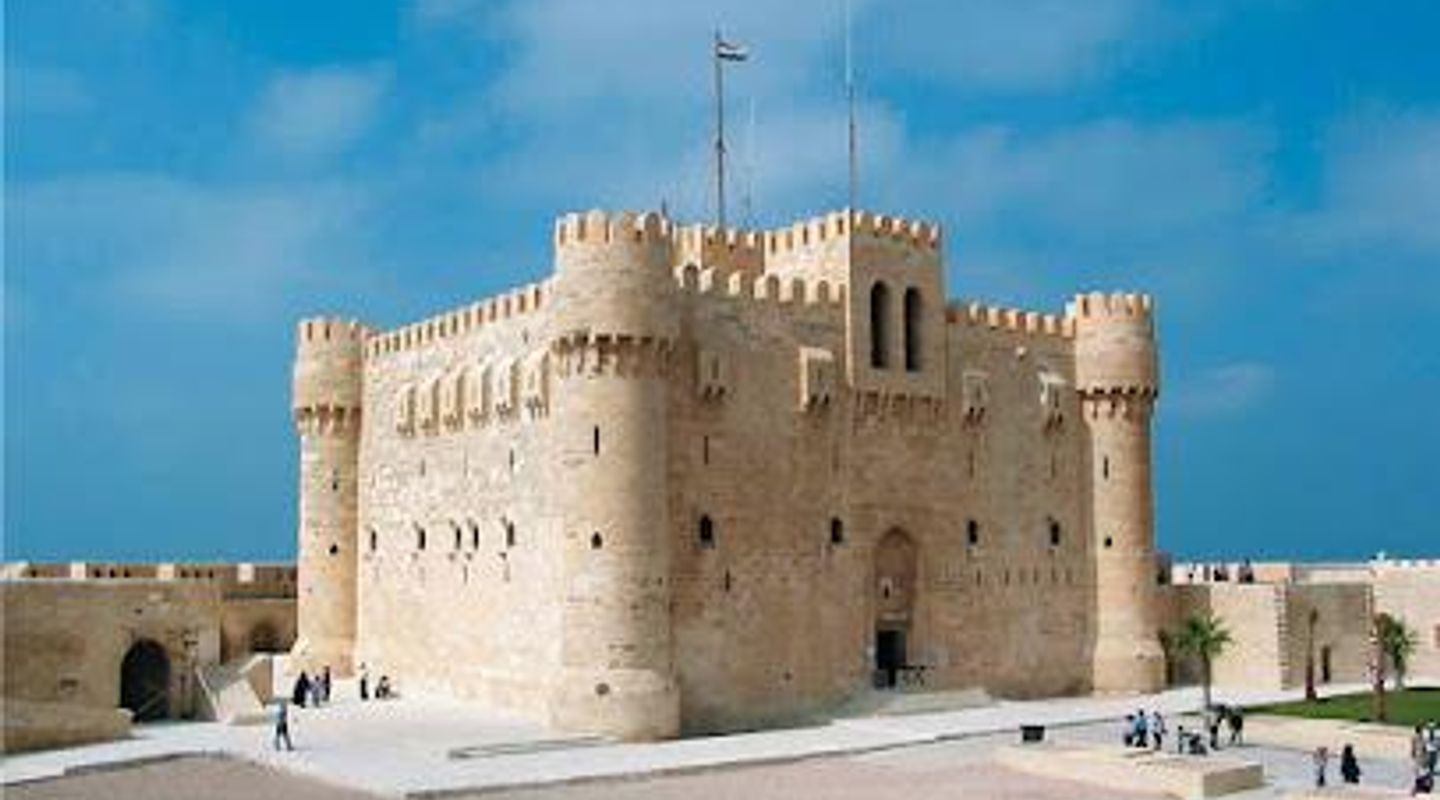
Qaitbay Fort, Alexandria Travel Guide
Explore Qaitbay Fort in Rosetta: A historic fortress guarding the Nile, famed for the discovery of the Rosetta Stone.
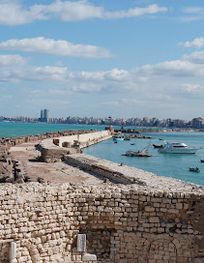
Qaitbay Fort, also known as Fort Julien, is a 15th-century fortress in Rosetta (Rashid), Egypt, built by Sultan Qaitbay to protect the city from Ottoman invasions. The fort is located on the west bank of the Nile River, near the Mediterranean Sea, and is known for its role in the discovery of the Rosetta Stone.
A brief summary to Qaitbay Fort
- شارع البحر الاعظم, Rosetta, Borg Rashid, Beheira Governorate, 22746, EG
- Click to display
- Click to display
- Monday 8 am-5 pm
- Tuesday 8 am-5 pm
- Wednesday 8 am-5 pm
- Thursday 8 am-5 pm
- Sunday 8 am-5 pm

Know before you go
Hi, I'm Eve. Here are a few practical things to know before exploring Qaitbay Fort.
- Visit early in the morning to avoid crowds and enjoy cooler temperatures.
- Bring your camera to capture the fort's architecture and the panoramic sea views.
- Check the opening hours before your visit, as they may vary.
- Explore the nearby local markets for authentic souvenirs and snacks.
Do you manage this location?
Take control to get all the benefits, like improved information, better appearance, and stronger visibility across AI-powered discovery. Learn more about listing your business on Evendo
Activate your presenceOther nearby places you may find interesting
The closest places of the same kind, if this one is not quite what you had in mind.
Explore Qaitbay Fort on the Map
A handpicked selection of must-see spots near Qaitbay Fort, mapped for you.
Unlock the Best of Qaitbay Fort
Buy tickets
-
No tickets available
Book tours with entry


Getting There
-
Taxi
From anywhere in Rosetta, a taxi is a convenient way to reach Qaitbay Fort. Taxis are readily available throughout the city. A short taxi ride to the fort will typically cost between 5-10 EGP, depending on the distance and traffic.
-
Walking
If you are already in the Borg Rashid area or near the Nile waterfront, Qaitbay Fort is easily accessible by foot. From the waterfront, it's a pleasant 10-minute walk along the coast to the fort. Follow شارع البحر الاعظم (Al Bahr Al Azam Street) north-west.
Discover more about Qaitbay Fort













Your all‑in‑one travel companion app
Explore expert travel guides, compare and book tours, experiences, hotels, and more—all from the palm of your hand. Download now for seamless trip planning wherever your wanderlust takes you.


Explore More of Alexandria
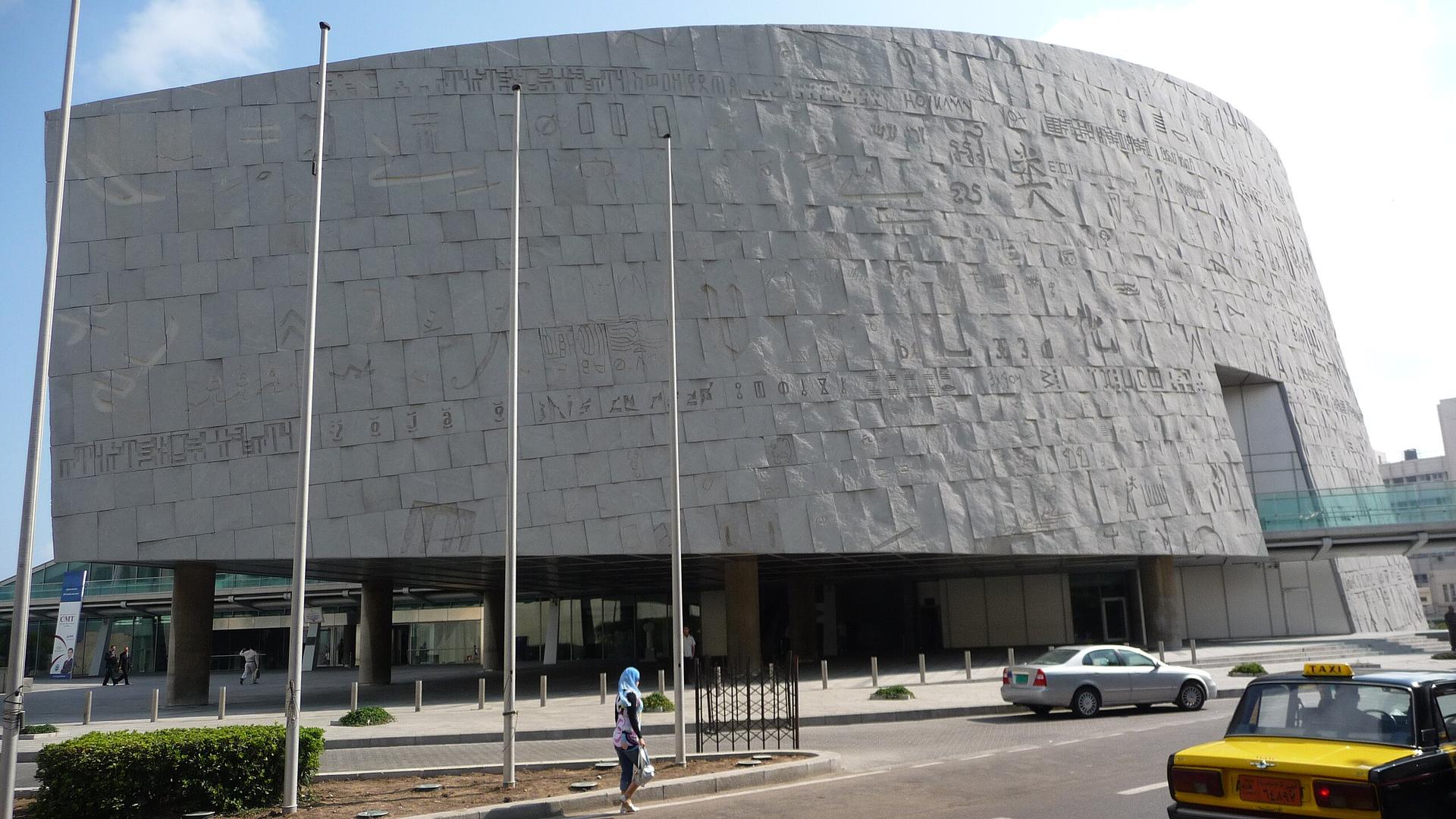
Looking beyond Qaitbay Fort? Discover Alexandria for broader travel guides, local hot-spots, and regional highlights.
Explore Alexandria
Explore the life and legacy of Constantine P. Cavafy at his former Alexandria residence, a journey into the world of a celebrated poet.
Explore the historical site of one of the Seven Wonders of the Ancient World, the legendary Lighthouse of Alexandria, now an underwater archaeological site.
