

Heliopolis (Cairo) Travel Guide - Free
Explore Heliopolis in Cairo with Evendo's free guide. Find the best shops, historic streets, restaurants, and gems on web or mobile.


Heliopolis, Cairo, blends belle époque villas, Baron Empain Palace, Korba cafés, leafy avenues and easy access to the airport and historic city sights.
A Planned City in the Desert
Heliopolis occupies Cairo’s north-eastern edge, between the older central districts and Cairo International Airport. Founded at the beginning of the twentieth century by the Heliopolis Oasis Company, it was conceived as a spacious new city rather than an extension of the crowded historic core. Its broad avenues, villas, apartment blocks, arcades and formal squares still reveal that planned character, although decades of growth have drawn Heliopolis firmly into the Cairo metropolis.Read more about Heliopolis
Architecture and Local Character
Everyday Heliopolis
Best attractions in Heliopolis
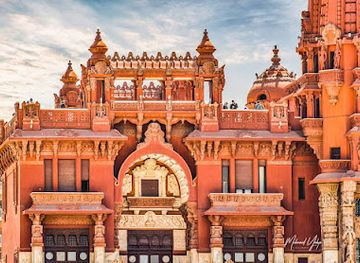
Heliopolis’s principal attractions are architectural and urban rather than concentrated in a single museum quarter. The Baron Empain Palace is the district’s most recognisable sight, an ornate early twentieth-century building whose unusual silhouette reflects the ambitions of the original development. Nearby, the Basilica of Our Lady of Heliopolis is an important Christian church and a notable part of the neighbourhood’s visual identity. Korba rewards a slower walk through its arcaded façades, cafés, shops and side streets, while Heliopolis Square and the avenues around it reveal the scale of the planned city. Merryland Park offers a greener setting within the built-up district. Visitors interested in urban history can also trace former tram routes, landscaped medians and surviving villas, although Heliopolis is best experienced as a living residential neighbourhood rather than a collection of isolated monuments.
-
Park
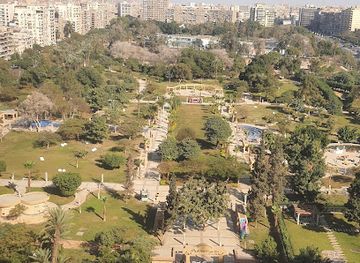
Merryland Park
Explore Merryland Park, a tranquil escape in Heliopolis, Cairo, featuring lush landscapes, serene lakes, and family-friendly activities for all ages.
15 min walk · 1.2 km from neighbourhood centre
-
Tourist attraction
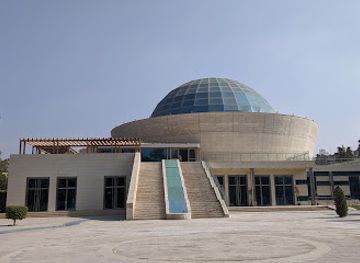
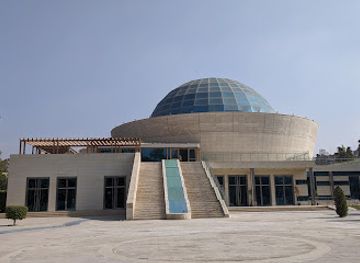
The Child Museum
Discover the magic of learning at The Child Museum in Heliopolis, a unique destination where children engage with interactive exhibits and creative experiences.
5 min drive · 1.6 km from neighbourhood centre
-
Tourist attraction
Gamal Abdel Nasser Museum
Discover the impactful legacy of Gamal Abdel Nasser at this historical museum in Heliopolis, Cairo, showcasing artifacts and stories of Egypt's influential leader.
5 min drive · 1.6 km from neighbourhood centre
-
Tourist attraction
Chill out Almaza
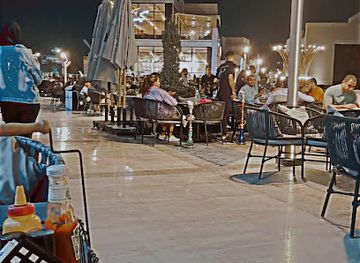
Discover Chill Out Almaza in Heliopolis, a peaceful retreat offering local cuisine and a refreshing ambiance in the heart of Cairo.
6 min drive · 2.0 km from neighbourhood centre
Best landmarks in Heliopolis
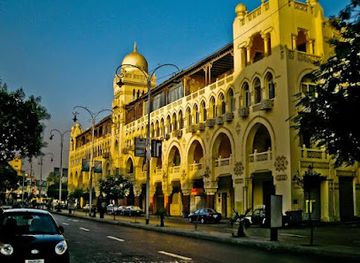
The Baron Empain Palace is Heliopolis’s defining landmark, both for its elaborate exterior and for its connection to the neighbourhood’s founding development. The Basilica of Our Lady of Heliopolis, also known as the Basilica of Our Lady of Heliopolis or the Basilica of Heliopolis, provides a contrasting religious and architectural focus nearby. Korba’s early apartment buildings, arcades and villas are less monumental but collectively important, preserving the visual language of the planned settlement. Broad avenues and formal intersections are themselves historic features, shaped by the former tram network and the original suburban layout. Heliopolis Palace, now used as a presidential facility, is a significant local building but is not an ordinary visitor attraction; access and photography around official premises should be treated with caution. Together these places show how the neighbourhood developed as a designed city with residential, commercial and institutional functions.
-
Historical landmark
Baron Empain Palace
Explore Cairo's architectural gem: The Baron Empain Palace, a unique blend of Hindu and Art Deco styles in historic Heliopolis.
6 min walk · 0.5 km from neighbourhood centre
-
Historical landmark
El Korba Square
Discover El Korba Square in Cairo: A blend of stunning architecture, vibrant culture, and historical significance in the heart of Heliopolis.
4 min walk · 0.3 km from neighbourhood centre
-
Tourist attraction
Salah Eldin Square
Explore Salah Eldin Square in Cairo's Heliopolis: A vibrant hub where history, culture, and modern Egyptian life converge.
8 min walk · 0.6 km from neighbourhood centre
-
Children's museum
The Child Museum
Explore Egypt's past and present through interactive exhibits and outdoor adventures at Cairo's Child Museum in Heliopolis.
5 min drive · 1.6 km from neighbourhood centre
Explore Heliopolis on the map
A handpicked selection of must-see spots in Heliopolis, mapped for you.
Best hotels in Heliopolis
Best restaurants in Heliopolis
Heliopolis has one of Cairo’s more established mixed dining scenes, particularly around Korba, Baghdad Street and the commercial roads connecting them. Egyptian restaurants and cafés sit alongside bakeries, international casual dining, coffee shops and venues serving Middle Eastern specialities, reflecting the neighbourhood’s long-standing role as a substantial residential district. The most characteristic experience is often an unhurried café stop after an architectural walk, while larger avenues offer a broader range of contemporary restaurants. Local meals may include grilled dishes, koshary, falafel, foul and Egyptian pastries, though menus vary considerably by establishment. Independent businesses are interspersed with familiar chains, and the area’s dining culture is more dispersed than that of a central pedestrian quarter. Visitors should distinguish Heliopolis venues from restaurants clustered near Cairo airport, which are close by but may lie outside the neighbourhood.
-
Italian
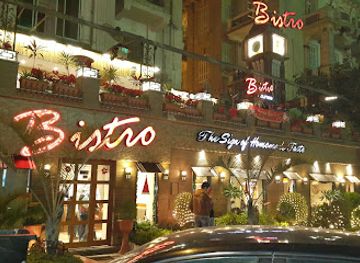
Bistro Heliopolis
Experience authentic Italian flavors at Bistro Heliopolis - where every dish tells a story of culinary excellence.
12 min walk · 1.0 km from neighbourhood centre
-
French
Paul Bakery & Restaurant
Discover authentic French flavors at Paul Bakery & Restaurant in Heliopolis - where exquisite pastries meet elegant dining.
4 min walk · 0.3 km from neighbourhood centre
-
Restaurant
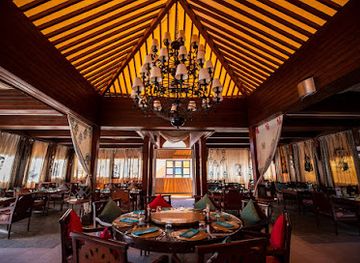
Al Khal Egyptian Restaurant
Experience authentic Egyptian cuisine at Al Khal Restaurant in Heliopolis - where traditional flavors meet modern dining.
8 min drive · 2.8 km from neighbourhood centre
-
Restaurant
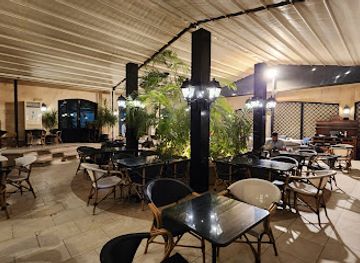
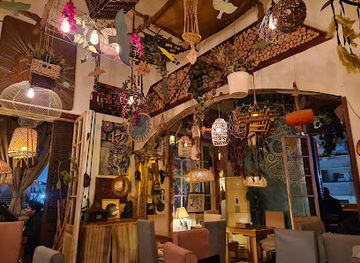
Tree Trunk
Discover the culinary delights at Tree Trunk Bistro in Heliopolis—where exceptional flavors meet warm hospitality in an enchanting setting.
2 min walk · 0.1 km from neighbourhood centre
Best bars in Heliopolis
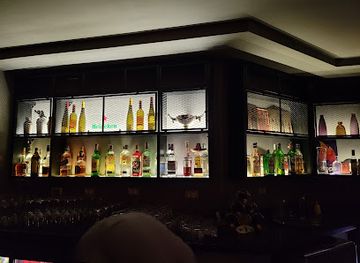
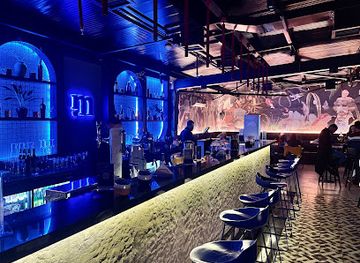
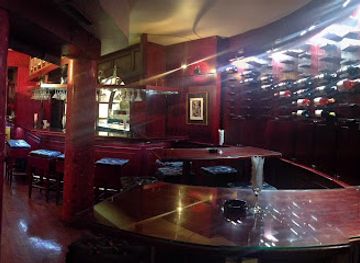
Heliopolis is not primarily a clubbing district, and its evenings are more commonly shaped by cafés, restaurants, dessert shops and informal gatherings than by a dense concentration of nightclubs. Korba and parts of Baghdad Street remain the most convenient areas for evening socialising, with a mixture of cafés and dining venues that can stay active after sunset. Hotel bars and airport-oriented venues nearby provide a more conventional late-evening setting, although they are not always within the neighbourhood itself. Nightlife is therefore relatively local and conversational rather than built around a single entertainment strip. Traffic remains heavy on main roads, while residential streets become quieter, so visitors moving between venues should use established transport and remain mindful of noise around apartment buildings.
-
Bar
Wire Bar
Experience the vibrant nightlife at Wire Bar in Heliopolis, Cairo, with a diverse drink selection and a lively atmosphere perfect for any occasion.
3 min walk · 0.2 km from neighbourhood centre
-
Bar
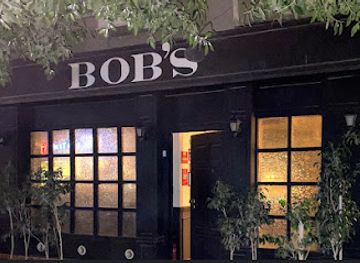
BOB’S Bar
Discover the vibrant nightlife at BOB'S Bar in El Nozha, Cairo, where lively atmosphere meets an extensive drink selection.
8 min drive · 2.6 km from neighbourhood centre
-
Bar
Minglings
Experience the vibrant nightlife of Cairo at Minglings, where gourmet cuisine meets an energetic bar atmosphere in Heliopolis.
4 min walk · 0.3 km from neighbourhood centre
-
Pub
Ellio's
Discover the lively ambiance of Ellio's Pub in El-Nozha, Cairo, where great drinks and vibrant nightlife await you.
5 min drive · 1.5 km from neighbourhood centre
Best nightclubs in Heliopolis
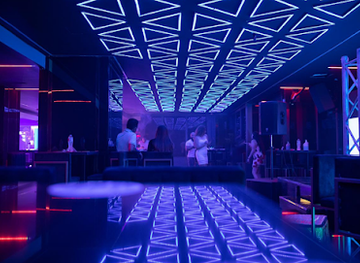
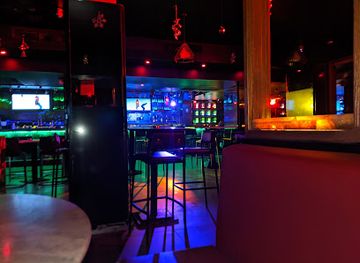
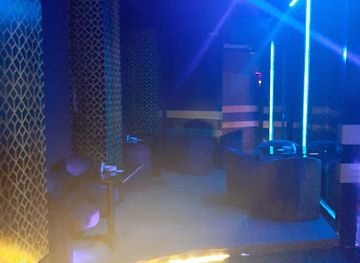
Heliopolis is not primarily a clubbing district, and its evenings are more commonly shaped by cafés, restaurants, dessert shops and informal gatherings than by a dense concentration of nightclubs. Korba and parts of Baghdad Street remain the most convenient areas for evening socialising, with a mixture of cafés and dining venues that can stay active after sunset. Hotel bars and airport-oriented venues nearby provide a more conventional late-evening setting, although they are not always within the neighbourhood itself. Nightlife is therefore relatively local and conversational rather than built around a single entertainment strip. Traffic remains heavy on main roads, while residential streets become quieter, so visitors moving between venues should use established transport and remain mindful of noise around apartment buildings.
-
Night club
Spade Lounge
Experience the vibrant nightlife of Cairo at Spade Lounge, where music, dance, and delicious food create the ultimate entertainment destination.
8 min drive · 2.5 km from neighbourhood centre
-
Night club
24K Bar & Restaurant
Discover the vibrant nightlife and exquisite dining at 24K Bar & Restaurant in Heliopolis, Cairo, where every night is a celebration.
6 min walk · 0.5 km from neighbourhood centre
-
Night club
Le Roi Disco & Night Club
Le Roi Disco & Night Club: Discover Cairo's vibrant nightlife with electrifying music and an unforgettable dance experience.
4 min walk · 0.3 km from neighbourhood centre
-
Lounge
King Arena PS Lounge
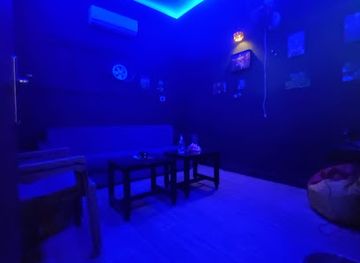
Experience gaming and nightlife at King Arena PS Lounge, the ultimate destination for fun and socializing in Cairo's vibrant entertainment scene.
8 min drive · 2.8 km from neighbourhood centre
Best shops in Heliopolis
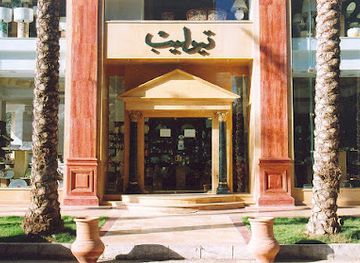
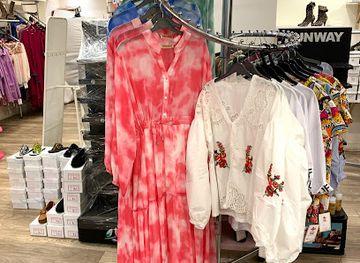
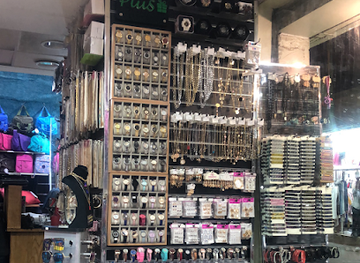
Shopping in Heliopolis is woven into ordinary neighbourhood life rather than concentrated in a single historic bazaar. Korba and Baghdad Street contain cafés, clothing shops, bakeries, pharmacies, beauty businesses, gift shops and other independent retailers, while the larger avenues have denser commercial strips and modern shopping facilities. Visitors may find Egyptian sweets, breads, locally made garments, household goods and small gifts, but the district is better suited to browsing everyday retail than to searching for a specialist craft market. The façades and arcades around Korba add architectural interest to a practical shopping walk, although some historic premises have been altered for contemporary businesses. For a more traditional market experience, visitors need to travel to other parts of Cairo; Heliopolis’s character lies in its mixed commercial streets and long-established local services.
-
Gift shop
Tulipe - Heliopolis
Explore Tulipe - Heliopolis for unique gifts and stylish home furnishings in the heart of Cairo.
7 min drive · 2.4 km from neighbourhood centre
-
Women's clothing store
TAJ Concept Store
Discover the latest trends in women's fashion at TAJ Concept Store, a stylish boutique in Heliopolis that offers unique clothing and personalized service.
12 min walk · 0.9 km from neighbourhood centre
-
Gift shop
Plus Gift Shop
Discover unique souvenirs and fashion accessories that capture the essence of Egypt at Plus Gift Shop in Heliopolis, Cairo.
9 min walk · 0.7 km from neighbourhood centre
-
 Gift shop
Hollywood
Explore the Hollywood Gift Shop in Cairo for unique souvenirs and handcrafted treasures that capture the essence of Egyptian culture.
9 min drive · 3.1 km from neighbourhood centre
Heliopolis essentials
Getting There
Getting Around
Safety
Emergency Situations
Do's and Don'ts
Local Tips

From Eve
Local phrases worth knowing
You don't need to get them perfect. A few words go a long way, and locals appreciate the effort.
Basics
| English | Local | Say it |
|---|---|---|
| Hello | مرحبا | [marhaba] |
| Goodbye | وداعا | [wada'an] |
| Yes | نعم | [naam] |
| No | لا | [la] |
| Please/You're welcome | من فضلك | [min fadlak] |
| Thank you | شكرا | [shukran] |
| Excuse me/Sorry | عذرا | [aathara] |
| How are you? | كيف حالك؟ | [kayfa halak?] |
| Fine. And you? | بخير. وأنت؟ | [bi-khayr. wa-ant?] |
| Do you speak English? | هل تتكلم الإنجليزية؟ | [hal tatakallam al-ingliziya?] |
| I don't understand | لا أفهم | [la afham] |
Eating & Drinking
| English | Local | Say it |
|---|---|---|
| I'd like to see the menu, please | أريد أن أرى القائمة، من فضلك | [uriidu an ara al-qa'imah, min fadlik] |
| I don't eat meat | أنا لا آكل اللحم | [ana la aakul al-lahm] |
| Cheers! | صحتك! | [sahhtak!] |
| I would like to pay, please | أريد أن أدفع، من فضلك | [uriidu an adfa', min fadlik] |
Emergencies
| English | Local | Say it |
|---|---|---|
| Help! | النجدة! | [al-najdah!] |
| Go away! | انصرف! | [ansurf!] |
| Call the Police! | اتصل بالشرطة! | [itassal bialshurta!] |
| Call a doctor! | اتصل بالطبيب! | [itassal bialtabib!] |
| I'm lost | لقد ضللت | [laqad dalalt] |
| I'm ill | أنا مريض | [ana mareed] |
Shopping
| English | Local | Say it |
|---|---|---|
| I'd like to buy... | أود أن أشتري... | [awadu an ashtari...] |
| I'm just looking | أنا فقط أتطلع | [ana faqat atatallaa] |
| How much is it? | كم سعره؟ | [kam sa'ruh?] |
| That's too expensive | هذا غالي جدا | [hatha ghali jiddan] |
| Can you lower the price? | هل يمكنك خفض السعر؟ | [hal yumkinuka khafd al-sa'ru?] |
Time & Numbers
| English | Local | Say it |
|---|---|---|
| What time is it? | كم الساعة؟ | [kam al-saa'ah?] |
| It's one o'clock | الساعة الواحدة | [al-saa'ah al-wahidah] |
| Half past (10) | الساعة العاشرة والنصف | [al-saa'ah al-ashirah w al-nisf] |
| Morning | صباح | [sabah] |
| Afternoon | مساء | [masa'] |
| Evening | مساء | [masa'] |
| Yesterday | الأمس | [al-ams] |
| Today | اليوم | [al-yawm] |
| Tomorrow | غدا | [ghadan] |
| 1 | واحد | [wahid] |
| 2 | اثنان | [ithnaan] |
| 3 | ثلاثة | [thalatha] |
| 4 | أربعة | [arba'a] |
| 5 | خمسة | [khamsa] |
| 6 | ستة | [sitta] |
| 7 | سبعة | [sab'a] |
| 8 | ثمانية | [thamania] |
| 9 | تسعة | [tasia] |
| 10 | عشرة | [ashara] |
Transport & Directions
| English | Local | Say it |
|---|---|---|
| Where's a/the...? | أين... | [ayn...] |
| What's the address? | ما هو العنوان؟ | [ma hu al-unwan?] |
| Can you show me (on the map)? | هل يمكنك أن تريني (على الخريطة)؟ | [hal yumkinuka an tureeni (ala al-kharitah)?] |
| When's the next (bus)? | متى القادم (الحافلة)؟ | [mata al-qadim (al-hafilah)?] |
| A ticket (to ....) | تذكرة (إلى...) | [tadhkirah (ila...)] |
History of Heliopolis
The Heliopolis Oasis Company
Heliopolis was developed from 1905 by the Heliopolis Oasis Company, associated with Belgian industrialist Baron Édouard Empain and other investors. The project transformed desert land north-east of Cairo into a planned settlement linked to the capital by transport infrastructure. Its spacious avenues, landscaped areas and carefully arranged residential and commercial zones were intended to offer a healthier suburban setting while attracting residents, businesses and institutions. The name referred to ancient Heliopolis, the historic religious centre of Iunu, although the modern neighbourhood was built elsewhere from that ancient site and should not be confused with the archaeological area at Cairo’s northern edge.
A New Architectural Language
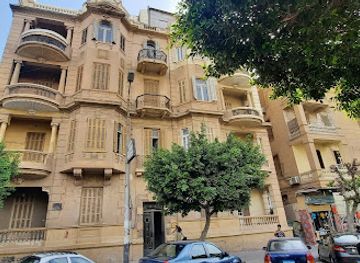
The early development of Heliopolis produced an architectural mixture that remains central to its identity. Apartment buildings and villas drew on European planning ideas while incorporating balconies, arcades, domes, stucco ornament and forms adapted to Egypt’s climate. The Baron Empain Palace, completed in the early twentieth century, became the project’s most theatrical emblem, while the Basilica of Our Lady of Heliopolis reflected the district’s international and Christian institutional presence. Korba emerged as a key commercial and social area, with shops, offices and cafés arranged along streets shaped by the original plan.
Transport and Metropolitan Growth
Electric tramways were fundamental to Heliopolis’s creation, connecting the new settlement with Cairo and helping its broad streets function as part of a larger urban system. The neighbourhood expanded through the twentieth century as Cairo’s population and administrative footprint grew, absorbing the once-separated development into the capital. Transport corridors, schools, religious institutions, shops and public spaces reinforced Heliopolis as a substantial residential district rather than a speculative suburb. The former tram-oriented layout is still legible in the avenues and intersections, even as modern road traffic has altered the experience of moving through them.
Preservation and Contemporary Change
Later decades brought denser construction, heavier traffic and pressure on Heliopolis’s early villas and apartment façades. Some buildings have been adapted for offices, clinics and commercial uses, while others have disappeared amid redevelopment. At the same time, public interest in the district’s architectural heritage has grown, particularly around the Baron Empain Palace and the surviving streets of Korba. Today Heliopolis combines a strong residential identity with commercial activity, religious institutions, parks and airport-related development. Its significance lies in the visible survival of a planned early modern city within rapidly expanding Cairo.
Heliopolis in Photos
Browse through our photo collection highlighting the charm and character of the destination.
Neighbourhoods near Heliopolis
The closest neighbourhoods to Heliopolis, if you have time for more than one stop.
-

-

-

-
-


Swipe for more neighbourhoods
Explore more

Explore more of Cairo
Cairo reveals pharaonic wonders, medieval mosques, Coptic heritage, Nile landscapes and lively markets through centuries of Egyptian history, and daily life.
Explore Cairo