

Maadi (Cairo) Travel Guide - Free
Explore Maadi in Cairo with Evendo's free guide. Find the best shops, historic streets, restaurants, and gems on web or mobile.


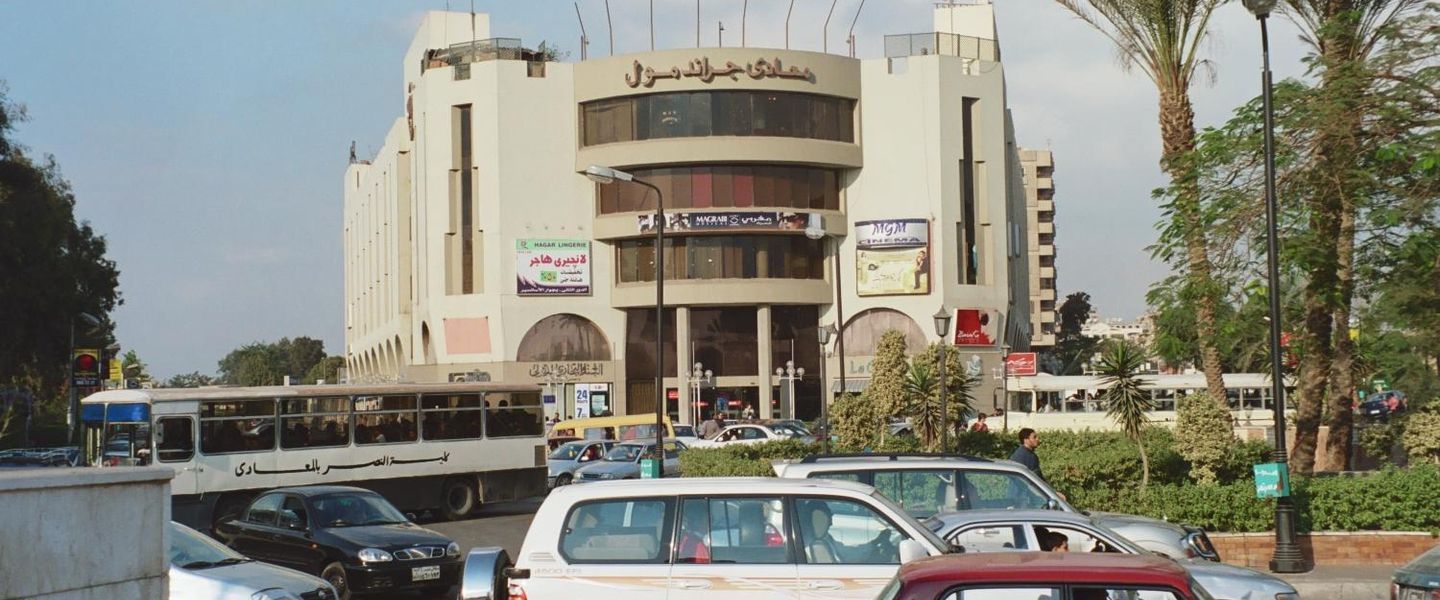


Maadi, Cairo’s leafy Nile-side district, pairs historic villas and prehistoric heritage with cafés, Road 9 dining, gardens and easy metro access.
A Residential District by the Nile
Maadi occupies a broad stretch of Cairo’s eastern riverbank south of the central districts, with the Nile to the west and the desert edge rising beyond its southern and eastern streets. It feels markedly different from the dense historic core: shaded roads, mature gardens, detached villas and quieter residential lanes give much of Old Maadi a suburban character, while Degla and New Maadi add apartment buildings, offices, cafés and busy commercial streets. The district is large and varied rather than uniform, so a visit is best understood as a sequence of different local areas rather than a single compact quarter.Read more about Maadi
Villas, Gardens and Everyday Cairo
History Beneath the Modern District
Best attractions in Maadi
Maadi’s attractions lie in the contrast between its planned residential landscape and its position beside the Nile. Old Maadi rewards a slow walk through garden-lined roads where mature trees, villas, balconies and boundary walls reveal the suburb’s early twentieth-century character, while Road 9 provides a busier local scene of cafés, restaurants and everyday commerce. The Maadi Corniche brings open river views and a glimpse of Cairo’s southern waterfront, although traffic means it should be approached as a working urban edge rather than a continuous leisure promenade. The district’s prehistoric significance is represented by the archaeological discoveries associated with the Maadi culture, whose remains belong to the area’s long-settled past rather than to a large modern museum complex. At the southern and eastern edge, Wadi Degla Protectorate is nearby rather than central to the neighbourhood, offering a desert landscape and valley environment that contrasts sharply with Maadi’s planted streets.
-
Tourist attraction
قلعة صلاح الدين الأيوبي
Discover the rich history and stunning architecture of the Citadel of Salah al-Din, a must-visit historical landmark in Cairo, Egypt.
16 min drive · 5.5 km from neighbourhood centre
-
Garden
Maadi Island
Discover the tranquility of Maadi Island, a lush retreat in Cairo with gardens, sports facilities, and family-friendly attractions.
6 min drive · 2.1 km from neighbourhood centre
-
Tourist attraction
Manasterly Bridge
Experience the enchanting charm of Manasterly Bridge, a cultural gem in Old Cairo offering stunning views and rich history amidst the vibrant life of the Nile.
13 min drive · 4.3 km from neighbourhood centre
-
Tourist attraction
El Maady
Explore the serene suburb of El Maadi, where lush greenery meets vibrant culture, offering a unique glimpse into Cairo's tranquil lifestyle.
7 min drive · 2.5 km from neighbourhood centre


Best landmarks in Maadi
Maadi’s most characteristic landmarks are districts of buildings and streets rather than a single monumental attraction. The Maadi railway station and the Line 1 corridor recall the transport infrastructure that helped establish the suburb, while Old Maadi’s detached villas, garden walls and mature trees preserve fragments of its planned residential design. Road 9 is a social and commercial landmark, recognised locally as an organising spine rather than a formal historic boulevard. The Maadi Corniche marks the neighbourhood’s relationship with the Nile and provides an identifiable waterfront edge, though its road traffic remains part of the setting. Religious institutions, schools and community buildings reflect the area’s long international and local connections, but many are active or private premises rather than sightseeing sites. The archaeological association with the Maadi culture gives the district a deeper historical importance beneath its modern suburban appearance.
-
Tourist attraction
قلعة صلاح الدين الأيوبي
Explore the Citadel of Saladin in Cairo: A historic fortress with stunning views, mosques, and museums showcasing Egypt's rich heritage.
16 min drive · 5.5 km from neighbourhood centre
-
Garden
Maadi Island
Discover Maadi Island: Cairo's hidden gem offering lush gardens, recreational activities, and tranquil Nile views for a perfect escape.
6 min drive · 2.1 km from neighbourhood centre
-
Cafe
Cilantro Street 9
A popular Maadi cafe serving gourmet coffee, fresh food, and delicious desserts in a modern and inviting atmosphere. Open daily from 6 AM to midnight.
7 min drive · 2.3 km from neighbourhood centre
-
National reserve
Wadi Degla Reserve
Escape to nature in Cairo's Wadi Degla Reserve: Hike scenic trails, discover ancient fossils, and enjoy tranquility away from the city.
32 min drive · 12 km from neighbourhood centre


Explore Maadi on the map
A handpicked selection of must-see spots in Maadi, mapped for you.
Best hotels in Maadi
Best restaurants in Maadi
Maadi’s dining scene is concentrated most visibly around Road 9 and the streets of Degla, with further cafés and restaurants scattered through Old Maadi and New Maadi. The choice reflects the district’s mixed residential and international character: Egyptian staples, grills, falafel and koshary sit alongside bakeries, coffee shops, vegetarian food, Asian dishes and contemporary casual dining. Road 9 is useful for browsing several options in one outing, while Degla tends to feel more café-oriented and neighbourhood-based. Independent eateries, takeaway counters and delivery kitchens are as important to the local food culture as formal restaurants, and menus can change frequently. The Corniche adds river-facing places in a more traffic-heavy setting, while traditional Egyptian breakfasts and freshly prepared snacks offer a direct connection with Cairo’s everyday culinary rhythms. Visitors should distinguish Maadi’s broadly international dining offer from the historic food markets of central Cairo, which lie elsewhere.
-
Modern European
Ovio Maadi Restaurant
Discover exquisite modern European dining at Ovio Maadi Restaurant - where flavors meet elegance in the heart of Cairo.
8 min drive · 2.7 km from neighbourhood centre
-
American
Lucille's Restaurant
Discover Lucille's Restaurant in Maadi, Cairo: where American comfort food meets family-friendly charm in a vibrant dining atmosphere.
9 min drive · 2.9 km from neighbourhood centre
-
Latin American
Tabla LUNA
Experience authentic Latin American cuisine at Tabla LUNA in Maadi, where vibrant flavors meet exceptional service in a warm atmosphere.
9 min drive · 2.9 km from neighbourhood centre
-
Italian
Estro - an Italian Rooftop
Discover exquisite Italian flavors and breathtaking views at Estro - An Italian Rooftop in Cairo.
8 min drive · 2.8 km from neighbourhood centre


Best bars in Maadi
Maadi is not Cairo’s principal nightclub district, and its evenings are generally shaped by cafés, restaurants, low-key bars and informal gatherings rather than large dance venues. Road 9 and Degla provide the most visible concentration of after-dark activity, with spaces where residents, international workers and visitors meet over coffee, meals or drinks. Some venues offer music or a more bar-like atmosphere, but the scale is usually neighbourhood-oriented and can vary over time. Old Maadi becomes comparatively quiet away from the commercial roads, with villa-lined streets better suited to an evening walk than to nightlife. The area’s international community has helped sustain a varied social scene, yet visitors should not expect the dense club circuit associated with other parts of Cairo; taxis or car services are practical when moving between dispersed venues.
-
Bar
Frank and Co
Discover Frank and Co in Maadi, Cairo's vibrant bar scene, offering a unique blend of drinks, ambiance, and local culture for an unforgettable night out.
8 min drive · 2.8 km from neighbourhood centre
-
Bar
Zulu
Discover Zulu in Cairo: A South African bar and grill offering delicious cuisine and vibrant nightlife in the heart of Maadi.
7 min drive · 2.2 km from neighbourhood centre
-
Bar
Red Onion
Experience the vibrant nightlife of Cairo at Red Onion, a bar offering delicious food and refreshing drinks in a lively atmosphere.
6 min drive · 2.0 km from neighbourhood centre
-
Club
Ace Club
Discover Cairo's Ace Club: A lively bar and music venue in Maadi, perfect for nightlife lovers seeking delicious food and great entertainment.
8 min drive · 2.7 km from neighbourhood centre


Best nightclubs in Maadi
Maadi is not Cairo’s principal nightclub district, and its evenings are generally shaped by cafés, restaurants, low-key bars and informal gatherings rather than large dance venues. Road 9 and Degla provide the most visible concentration of after-dark activity, with spaces where residents, international workers and visitors meet over coffee, meals or drinks. Some venues offer music or a more bar-like atmosphere, but the scale is usually neighbourhood-oriented and can vary over time. Old Maadi becomes comparatively quiet away from the commercial roads, with villa-lined streets better suited to an evening walk than to nightlife. The area’s international community has helped sustain a varied social scene, yet visitors should not expect the dense club circuit associated with other parts of Cairo; taxis or car services are practical when moving between dispersed venues.
-
Bar
Zulu
Discover Zulu: A South African bar and grill in Cairo, offering vibrant nightlife, delicious cuisine, and unforgettable karaoke nights!
7 min drive · 2.2 km from neighbourhood centre
-
Club
Ace Club
Experience the vibrant nightlife of Cairo at Ace Club, where live music, delicious food, and great drinks come together in an unforgettable atmosphere.
8 min drive · 2.7 km from neighbourhood centre
-
Grill
Me Bar
Discover the flavors of Egypt at Me Bar, a premier grill and bar along the Nile, offering delightful cuisine and stunning views.
8 min drive · 2.6 km from neighbourhood centre
-
Night club
Shots Restobar
Dive into the energetic nightlife of Cairo at Shots Restobar, a top choice for drinks, dancing, and unforgettable experiences along the Nile.
8 min drive · 2.7 km from neighbourhood centre


Best shops in Maadi
Shopping in Maadi is primarily practical and neighbourhood-focused, with the greatest concentration along Road 9 and around Degla’s commercial streets. Visitors will find independent cafés, bakeries, small groceries, pharmacies, salons, book-related businesses, clothing shops and specialist services rather than a single traditional bazaar. Local supermarkets and food shops make the district useful for longer stays, while smaller retailers reflect the needs of a diverse residential population. New Maadi and the larger roads offer more contemporary commercial development, although these areas feel less like the shaded garden suburb of Old Maadi. Shopping here is best understood as part of everyday Cairo life: browsing food counters, choosing Egyptian sweets or bread, and comparing independent businesses from one street to the next. For craft souvenirs, major historic markets elsewhere in Cairo offer a broader selection than Maadi’s largely service-oriented retail scene.
-
Baby store
Hedeya Maadi Mega Store
Discover a family-friendly shopping paradise at Hedeya Maadi Mega Store, where quality baby and toy products await in the heart of Cairo.
6 min drive · 2.0 km from neighbourhood centre
-
Gift shop
OddBits
Explore OddBits in Maadi for a unique shopping experience filled with eclectic gifts, local crafts, and charming souvenirs to cherish your Egyptian adventure.
8 min drive · 2.7 km from neighbourhood centre
-
Gift shop
COW Maadi
Explore COW Maadi, Cairo's unique gift shop offering handcrafted treasures and local art that capture the essence of Egyptian culture.
8 min drive · 2.7 km from neighbourhood centre
-
 Home goods store
Markaz
Explore Markaz in Maadi, Cairo for exquisite Egyptian crafts, from beautiful rugs to stylish clothing, showcasing local artisans' talent and creativity.
10 min drive · 3.4 km from neighbourhood centre


Maadi essentials
Getting There
Getting Around
Safety
Emergency Situations
Do's and Don'ts
Local Tips

From Eve
Local phrases worth knowing
You don't need to get them perfect. A few words go a long way, and locals appreciate the effort.
Basics
| English | Local | Say it |
|---|---|---|
| Hello | مرحبا | [Marhaba] |
| Goodbye | وداعا | [Wadaan] |
| Yes | نعم | [Naam] |
| No | لا | [La] |
| Please/You're welcome | من فضلك | [Min fadlak] |
| Thank you | شكرا | [Shukran] |
| Excuse me/Sorry | عذرا | [A'dra] |
| How are you? | أزيك؟ | [Ezayak?] |
| Fine. And you? | تمام. وأنت؟ | [Tamam. Wenta?] |
| Do you speak English? | بتتكلم انجليزي؟ | [Betetkalem Englezi?] |
| I don't understand | مش فاهم | [Mesh fahem] |
Eating & Drinking
| English | Local | Say it |
|---|---|---|
| I'd like to see the menu, please | عايز أشوف القائمة من فضلك | [Aaiz ashuf el qa'ima min fadlak] |
| I don't eat meat | أنا مش بآكل لحم | [Ana mesh baakol lahm] |
| Cheers! | في صحتك! | [Fe sahtak!] |
| I would like to pay, please | عايز أدفع من فضلك | [Aaiz adfaa min fadlak] |
Emergencies
| English | Local | Say it |
|---|---|---|
| Help! | النجدة! | [An nageeda!] |
| Go away! | اروح بعيد! | [Eruh ba'id!] |
| Call the Police! | اتصل بالشرطة! | [Etassel bel shurta!] |
| Call a doctor! | اتصل بالدكتور! | [Etassel bel doktor!] |
| I'm lost | انا ضايع | [Ana daye'] |
| I'm ill | انا مريض | [Ana mareed] |
Shopping
| English | Local | Say it |
|---|---|---|
| I'd like to buy... | عايز أشتري... | [Aaiz ashtari...] |
| I'm just looking | أنا بس بشوف | [Ana bas boshof] |
| How much is it? | بكام؟ | [Bikam?] |
| That's too expensive | ده غالي أوي | [Da ghaali awe] |
| Can you lower the price? | ممكن تخفض السعر؟ | [Momken takhfid el saar?] |
Time & Numbers
| English | Local | Say it |
|---|---|---|
| What time is it? | كام الساعة؟ | [Kam el saa'a?] |
| It's one o'clock | الساعة واحدة | [El saa'a waahda] |
| Half past (10) | العاشرة ونص | [El 'ashra w nos] |
| Morning | صباح الخير | [Sabah el kheir] |
| Afternoon | مساء الخير | [Masaa el kheir] |
| Evening | مساء الخير | [Masaa el kheir] |
| Yesterday | البارحة | [El bareha] |
| Today | اليوم | [El youm] |
| Tomorrow | غدا | [Ghadan] |
| 1 | واحد | [Wahed] |
| 2 | اثنين | [Itnain] |
| 3 | ثلاثة | [Talata] |
| 4 | أربعة | [Arba'a] |
| 5 | خمسة | [Khamsa] |
| 6 | ستة | [Sitta] |
| 7 | سبعة | [Sab'a] |
| 8 | ثمانية | [Thamaniya] |
| 9 | تسعة | [Tis'a] |
| 10 | عشرة | ['Ashara] |
Transport & Directions
| English | Local | Say it |
|---|---|---|
| Where's a/the...? | فين...؟ | [Fein...?] |
| What's the address? | ايه هو العنوان؟ | [Eh howa el 'anwan?] |
| Can you show me (on the map)? | تقدر توريني (على الخريطة)؟ | [Tegdar tureen (ala el kharita)?] |
| When's the next (bus)? | الباص التالي في امتى؟ | [El bas et tali fe emta?] |
| A ticket (to ....) | تذكرة (الى ....) | [Tazkara (ila ....)] |
History of Maadi
The Prehistoric Maadi Settlement
The name Maadi is inseparable from the prehistoric settlement that gave its name to the Maadi culture, a late Neolithic and early Chalcolithic community that flourished in the area during the fourth millennium BCE. Archaeological work identified mud-brick structures, storage features, pottery, tools and evidence of exchange with the Levant, showing that the site occupied an important position between the Nile Valley and eastern routes. The ancient settlement is not preserved as a conventional visitor attraction amid the modern streets, and much of its archaeological context has been absorbed by Cairo’s expansion, but the discoveries establish that Maadi’s relationship with settlement and trade began thousands of years before its present suburban form.
A Planned Suburb Takes Shape
Modern Maadi developed in the early twentieth century through the work of the Maadi Company, which promoted a planned residential suburb south of Cairo. The railway towards Helwan, opened in 1904, made the area more accessible and helped connect its low-density streets with the capital. Early planning favoured detached houses, gardens, broad roads and a comparatively spacious layout, features that remain most visible in Old Maadi. The district was designed as a residential counterpoint to Cairo’s crowded central quarters, although its population, built environment and daily traffic have changed substantially as the city expanded around it.
War, Military Presence and International Links
During the twentieth century, Maadi became associated with foreign residents, diplomatic households and military activity, particularly during the period when British forces maintained a major presence in Egypt. The suburb’s villas, railway access and distance from central Cairo made it suitable for institutions and communities connected to that international presence. The legacy is architectural and social rather than neatly confined to a single surviving monument: older houses, churches, schools and community facilities sit alongside later apartment buildings and commercial development. After Egypt’s political changes in the 1950s, Maadi continued to attract international organisations and residents while becoming increasingly integrated into metropolitan Cairo.
From Garden Suburb to Diverse District
Late twentieth-century growth transformed Maadi from a relatively low-rise garden suburb into a broad district containing Old Maadi, Degla, New Maadi and newer southern extensions. Apartment construction, rising land values, offices, schools and retail streets altered the balance between villas and denser development, while Road 9 became a prominent local commercial corridor. The district’s leafy character survived unevenly, protected in part by mature private gardens and established street patterns, but it now exists beside heavy traffic and substantial urban expansion. Maadi’s contemporary identity therefore combines planned suburban heritage, international connections, local Egyptian residential life and the pressures affecting many established Cairo districts.
Maadi in Photos
Browse through our photo collection highlighting the charm and character of the destination.
Neighbourhoods near Maadi
The closest neighbourhoods to Maadi, if you have time for more than one stop.
-

-

-

-

-


Swipe for more neighbourhoods
Explore more

Explore more of Cairo
Cairo reveals pharaonic wonders, medieval mosques, Coptic heritage, Nile landscapes and lively markets through centuries of Egyptian history, and daily life.
Explore Cairo