

Giza (Cairo) Travel Guide - Free
Explore Giza in Cairo with Evendo's free guide. Find the best shops, historic streets, restaurants, and gems on web or mobile.


Giza, Cairo’s west-bank gateway, pairs ancient pyramids nearby with Nile views, lively streets, museums, cafés and easy Metro access, plus local family life.
West of the Nile
Giza is the broad, busy urban counterpart to central Cairo, stretching west of the Nile through a mixture of established residential districts, university quarters, commercial streets and fast-growing suburbs. In everyday speech, the name can refer both to Giza city and to the wider Giza Governorate, so visitors should distinguish central Giza from Al-Haram, the district surrounding the Pyramids of Giza several kilometres farther west. The two areas are closely connected but offer very different experiences.Read more about Giza
Everyday Giza
The Plateau Nearby
Best attractions in Giza
Giza’s attractions range from substantial city institutions to the archaeological monuments that define the wider governorate. In central Giza, Orman Garden provides a landscaped pause near Cairo University, while the Agricultural Museum presents Egypt’s agricultural history through collections and displays linked to farming, irrigation and rural life. Cairo University’s campus is an important landmark of modern Egyptian education, although access to buildings may be restricted. Farther west, in Al-Haram, the Pyramids of Giza and the Great Sphinx form the area’s outstanding archaeological experience, with the desert plateau offering a striking contrast to the dense streets below. The Manial-facing Nile waterfront and roads around Dokki provide urban views rather than formal attractions, but they reveal Giza’s everyday relationship with the river. Visitors should plan central Giza and the pyramid plateau as connected yet separate outings.
-
Tourist attraction
Pharaonic Village
Immerse yourself in the rich history and culture of ancient Egypt at Pharaonic Village, a captivating experience in Giza.
15 min walk · 1.2 km from neighbourhood centre
-
Botanical garden
Orman Garden
Experience the tranquility of Orman Garden, a botanical paradise in Giza, featuring diverse flora and a serene atmosphere perfect for all visitors.
14 min drive · 4.7 km from neighbourhood centre
-
Tourist attraction
Nile View Club
Experience the beauty of the Nile River at Nile View Club, where stunning views meet exquisite cuisine in a tranquil setting.
15 min drive · 4.9 km from neighbourhood centre
-
Tourist attraction
Sky Yacht - مرسي يخوت سكاي
Discover the luxury and beauty of Sky Yacht in Al Giza, where breathtaking views and top-tier amenities create unforgettable experiences on the Nile.
14 min drive · 4.6 km from neighbourhood centre


Best landmarks in Giza
The most important landmark associated with the wider Giza area is the Pyramids of Giza archaeological plateau in Al-Haram, where the Great Pyramid, the other royal pyramids and the Great Sphinx embody the ancient necropolis on the desert edge. In central Giza, Cairo University is a major twentieth-century institutional landmark whose campus helped establish the district as an educational centre. Orman Garden and the Agricultural Museum form another notable group, combining landscaped grounds with Egypt’s modern interest in agriculture and scientific cultivation. Giza Square is less monumental but highly significant in everyday terms as a transport and commercial junction. The Nile embankment, bridges and west-bank road network also express the district’s geographical identity, linking a dense modern city to the archaeological landscape beyond it.
-
Tourist attraction
Pharaonic Village
Experience ancient Egypt come to life at Giza's Pharaonic Village, with immersive exhibits, historical insights, and cultural experiences for all ages.
15 min walk · 1.2 km from neighbourhood centre
-
Botanical garden
Orman Garden
Discover a serene oasis in Giza's Orman Garden: Explore diverse flora, themed gardens, and a peaceful retreat from the city bustle.
14 min drive · 4.7 km from neighbourhood centre
-
Historical landmark
Giza
Explore the majestic Giza Pyramids and Sphinx, ancient wonders of Egypt and UNESCO World Heritage site, revealing millennia of history.
9 min drive · 3.2 km from neighbourhood centre
-
 Historical landmark
Giza pyramids
Explore the Giza Pyramids, ancient tombs of pharaohs and iconic symbols of Egypt's glorious past. A journey through time awaits!
9 min drive · 2.9 km from neighbourhood centre


Explore Giza on the map
A handpicked selection of must-see spots in Giza, mapped for you.
Best hotels in Giza
Best restaurants in Giza
Eating in Giza reflects the district’s large resident population, student life and proximity to major tourist routes. Around Giza Square, Dokki, Cairo University and the main roads towards Faisal and Al-Haram, visitors will find Egyptian staples such as koshary, ful medames, ta’ameya, grilled meats, shawarma and flatbreads, alongside juice shops, bakeries, tea cafés and more contemporary casual restaurants. Small eateries are often more revealing of everyday Giza than venues aimed specifically at sightseeing, although menus and service styles vary considerably from one street to the next. Dokki has a broader spread of cafés and international dining than many inner streets, while the pyramid approach contains restaurants and hotel dining shaped by archaeological tourism. Vegetarian visitors can usually find ful, falafel, salads and vegetable dishes, but it is sensible to confirm ingredients and preparation when ordering.
-
Restaurant
The Roof ذا روف
Experience fine dining at The Roof, where exquisite cuisine meets stunning views along the banks of the Nile River.
12 min drive · 4.1 km from neighbourhood centre
-
Lebanese
Aura
Experience authentic Lebanese flavors at Aura in Cairo—where culinary excellence meets breathtaking views.
12 min drive · 4.2 km from neighbourhood centre
-
Steak
XODÓ
Indulge in exquisite steak and South American cuisine at XODÓ while enjoying stunning Nile views in Giza's finest dining experience.
13 min drive · 4.2 km from neighbourhood centre
-
Asian
Nairu
Experience exquisite Asian flavors at Nairu along the Nile – where culinary artistry meets breathtaking views.
13 min drive · 4.2 km from neighbourhood centre


Best bars in Giza
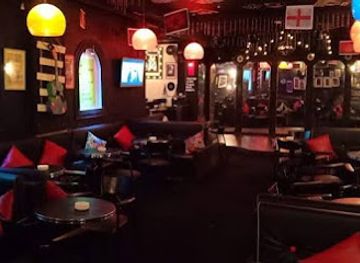
Giza is not primarily a bar-and-club neighbourhood, and evening life is more commonly centred on cafés, restaurants, tea houses, family gatherings and late shopping than on a concentrated nightlife strip. Dokki and parts of the Nile-facing west bank have the widest selection of established cafés, hotel lounges and restaurants where visitors can sit after dark, while central Giza’s streets remain active with commuters, local shoppers and food vendors. Some larger hotels near the western tourist corridor provide licensed bars or evening entertainment, but availability and access can change. Visitors seeking nightclubs will generally find a wider choice in other parts of Cairo, whereas Giza offers a more local evening rhythm of conversation, shisha cafés, tea and busy streets. Dress and behaviour should remain respectful, particularly around residential and family-oriented areas.
-
Bar
Helix Restaurant & Bar
Discover the lively atmosphere of Helix Restaurant & Bar in Old Cairo, where modern dining meets traditional Egyptian flavors.
10 min drive · 3.4 km from neighbourhood centre
-
Bar
Bears
Discover Bears, the vibrant bar in Dokki, Giza, where locals and tourists converge for drinks, music, and unforgettable nights.
13 min drive · 4.5 km from neighbourhood centre
-
Bar
The First Bar
Experience luxury at The First Bar in Al Giza, where expertly crafted cocktails and breathtaking views meet an elegant atmosphere.
13 min drive · 4.2 km from neighbourhood centre


Best nightclubs in Giza
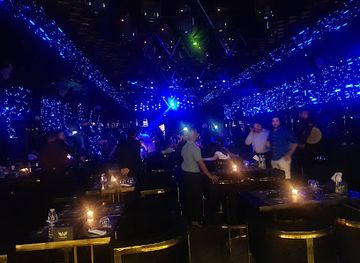
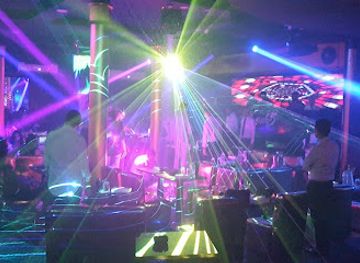
Giza is not primarily a bar-and-club neighbourhood, and evening life is more commonly centred on cafés, restaurants, tea houses, family gatherings and late shopping than on a concentrated nightlife strip. Dokki and parts of the Nile-facing west bank have the widest selection of established cafés, hotel lounges and restaurants where visitors can sit after dark, while central Giza’s streets remain active with commuters, local shoppers and food vendors. Some larger hotels near the western tourist corridor provide licensed bars or evening entertainment, but availability and access can change. Visitors seeking nightclubs will generally find a wider choice in other parts of Cairo, whereas Giza offers a more local evening rhythm of conversation, shisha cafés, tea and busy streets. Dress and behaviour should remain respectful, particularly around residential and family-oriented areas.
-
Night club
El-Regina Club Nile Tower
Experience the vibrant nightlife at El-Regina Club Nile Tower, a premier destination where music, culture, and Nile views unite for an unforgettable night.
12 min drive · 3.8 km from neighbourhood centre
-
Night club
Night life
Discover the electrifying nightlife of Cairo at this vibrant club, where unforgettable dance experiences await every night.
14 min drive · 4.5 km from neighbourhood centre
-
Disco club
Xo Club Nightclub Cairo
Discover the electrifying nightlife at Xo Club Nightclub Cairo, where music and dance create unforgettable moments in the heart of Giza.
13 min drive · 4.3 km from neighbourhood centre
-
Night club
Disco cash cairo by Magnum Nights
Discover Cairo's electrifying nightlife at Disco Cash, where vibrant music, dance, and live entertainment create unforgettable nights.
13 min drive · 4.5 km from neighbourhood centre

Best shops in Giza
Shopping in Giza is mainly practical and local, with busy streets around Giza Square, Dokki, Omm El Misryeen and the roads leading towards Al-Haram offering groceries, clothing, mobile-phone shops, household goods, pharmacies, bakeries and small specialist businesses. The district is better suited to observing everyday retail than to a single concentrated shopping experience. Near the pyramid approaches, souvenir shops and stalls sell papyrus-themed goods, small antiquities-style objects, textiles and tourist gifts, but visitors should distinguish contemporary souvenirs from genuine antiquities and be wary of pressure selling. Dokki contains a more mixed selection of cafés, services, bookshops and independent retailers, while street markets provide fruit, vegetables and household provisions. Bargaining may be expected in informal tourist-oriented settings, but prices in fixed shops and ordinary food stores are usually handled more directly.
-
Shopping mall
The First Mall
Experience luxury shopping and exquisite dining at The First Mall in Giza, a premier destination for tourists in Cairo.
13 min drive · 4.2 km from neighbourhood centre
-
Gift shop
Konouz Gift Shop NMEC
Explore Konouz Gift Shop NMEC for authentic Egyptian crafts and unique souvenirs that capture the essence of Egypt's rich cultural heritage.
13 min drive · 4.3 km from neighbourhood centre
-
Women's clothing store
محل بيشو لانجيرى
Discover the latest in women's fashion at بيشو لانجيرى, Giza's premier clothing store blending modern style with Egyptian charm.
9 min drive · 3.1 km from neighbourhood centre


Giza essentials
Getting There
Getting Around
Safety
Emergency Situations
Do's and Don'ts
Local Tips

From Eve
Local phrases worth knowing
You don't need to get them perfect. A few words go a long way, and locals appreciate the effort.
Basics
| English | Local | Say it |
|---|---|---|
| Hello | السلام عليكم | [as-salaam alaykum] |
| Goodbye | وداعا | [wadaa'an] |
| Yes | نعم | [na'am] |
| No | لا | [laa] |
| Please/You're welcome | من فضلك | [min fadlak] |
| Thank you | شكرا | [shukran] |
| Excuse me/Sorry | عذرا | [aathirana] |
| How are you? | أزيك؟ | [ezayak?] |
| Fine. And you? | تمام. وأنت؟ | [tamaam. wa ant?] |
| Do you speak English? | هل تتكلم الإنجليزية؟ | [hal tatakallam al-ingliziya?] |
| I don't understand | أنا لا أفهم | [ana la afham] |
Eating & Drinking
| English | Local | Say it |
|---|---|---|
| I'd like to see the menu, please | أريد أن أرى القائمة، من فضلك | [ureed an ara al-qa'ima, min fadlik] |
| I don't eat meat | أنا لا آكل اللحم | [ana la aakul al-lahm] |
| Cheers! | في صحتك! | [fi sahtak!] |
| I would like to pay, please | أود أن أدفع، من فضلك | [awad an adfa', min fadlik] |
Emergencies
| English | Local | Say it |
|---|---|---|
| Help! | مساعدة! | [musa'adah!] |
| Go away! | انصرف! | [ansurif!] |
| Call the Police! | اتصل بالشرطة! | [atasil bialshurtah!] |
| Call a doctor! | اتصل بطبيب! | [atasil bialtabib!] |
| I'm lost | أنا ضائع | [ana daa'ee] |
| I'm ill | أنا مريض | [ana mariid] |
Shopping
| English | Local | Say it |
|---|---|---|
| I'd like to buy... | أريد أن أشتري... | [ureed an ashtari...] |
| I'm just looking | أنا فقط أتفرج | [ana faqat atfarrag] |
| How much is it? | كم سعره؟ | [kam sa'ruh?] |
| That's too expensive | هذا غالي جدا | [hatha ghali jiddan] |
| Can you lower the price? | يمكنك خفض السعر؟ | [yumkinuk khafdh al-sa'ru?] |
Time & Numbers
| English | Local | Say it |
|---|---|---|
| What time is it? | كم الساعة؟ | [kam al-saa'a?] |
| It's one o'clock | الساعة واحدة | [al-saa'ah wahidah] |
| Half past (10) | العاشرة والنصف | [al-'ashirah wal-nisf] |
| Morning | الصباح | [al-subah] |
| Afternoon | الظهر | [al-dhuhr] |
| Evening | المساء | [al-masaa] |
| Yesterday | أمس | [ams] |
| Today | اليوم | [al-yawm] |
| Tomorrow | غدا | [ghadan] |
| 1 | واحد | [wahid] |
| 2 | اثنان | [ithnan] |
| 3 | ثلاثة | [thalatha] |
| 4 | أربعة | [arba'a] |
| 5 | خمسة | [khamsa] |
| 6 | ستة | [sitta] |
| 7 | سبعة | [sab'a] |
| 8 | ثمانية | [thamania] |
| 9 | تسعة | [tis'a] |
| 10 | عشرة | [ashara] |
Transport & Directions
| English | Local | Say it |
|---|---|---|
| Where's a/the...? | أين هو/هي...؟ | [ayn huw/hyi...?] |
| What's the address? | ما هو العنوان؟ | [ma huwa al-unwan?] |
| Can you show me (on the map)? | هل يمكنك أن تريني (على الخريطة)؟ | [hal yumkinuk 'an turini (ala al-khariitah)?] |
| When's the next (bus)? | متى الحافلة القادمة؟ | [mata al-hafilah al-qadimah?] |
| A ticket (to ....) | تذكرة (إلى ....) | [tadhkirah (ila ....)] |
History of Giza
Agricultural Lands beside the Nile
Before modern urban expansion, much of the area west of the Nile consisted of fertile cultivation and villages linked to the river and irrigation channels. Giza’s position opposite historic Cairo gave it strategic importance, while the western desert edge preserved the ancient burial landscape now associated with the pyramids. The name Giza is commonly connected with the Arabic al-jizah, meaning a crossing or bank, reflecting the area’s relationship with the Nile. For centuries, settlement remained closely tied to farming, river transport and the routes leading towards the desert monuments.
A City Emerges across the River
Giza developed as a distinct urban settlement during the nineteenth and early twentieth centuries as Cairo expanded beyond the eastern bank. New roads, bridges and tram connections made movement between the two sides of the Nile easier, while administrative and residential growth gradually replaced cultivated land. The construction of quarters such as Dokki and the development of modern institutions gave the west bank a more urban character. Giza Square became a significant transport and commercial focus, linking local streets with routes towards the pyramids, Upper Egypt and the growing western suburbs.
Universities, Gardens and Institutions
The establishment of Cairo University in Giza in the early twentieth century strengthened the area’s educational and intellectual role. Its campus, together with Orman Garden and the Agricultural Museum, introduced substantial institutional and landscaped spaces into an increasingly dense city. These places reflected changing ideas about public education, scientific agriculture and urban improvement in modern Egypt. Around them, apartment buildings, offices, shops and transport corridors expanded, producing the mixed character still visible today: part university district, part residential city and part gateway to the archaeological landscape.
Metropolitan Expansion and the Tourism Economy
After the mid-twentieth century, population growth and Cairo’s metropolitan expansion transformed Giza’s agricultural margins and western approaches. Dense housing and busy commercial streets spread towards Al-Haram, while tourism around the pyramids brought hotels, guides, transport services and souvenir businesses to the western edge. The archaeological plateau remained physically distinct from the built-up city, even as development pressed closer to it. Today, Giza’s identity combines long-established urban communities and institutions with the international visibility of monuments that stand in the wider governorate.
Giza in Photos
Browse through our photo collection highlighting the charm and character of the destination.
Neighbourhoods near Giza
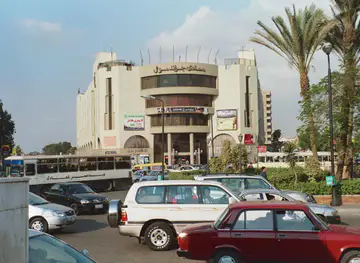
The closest neighbourhoods to Giza, if you have time for more than one stop.
-
-

-

-

-


Swipe for more neighbourhoods
Explore more

Explore more of Cairo
Cairo reveals pharaonic wonders, medieval mosques, Coptic heritage, Nile landscapes and lively markets through centuries of Egyptian history, and daily life.
Explore Cairo