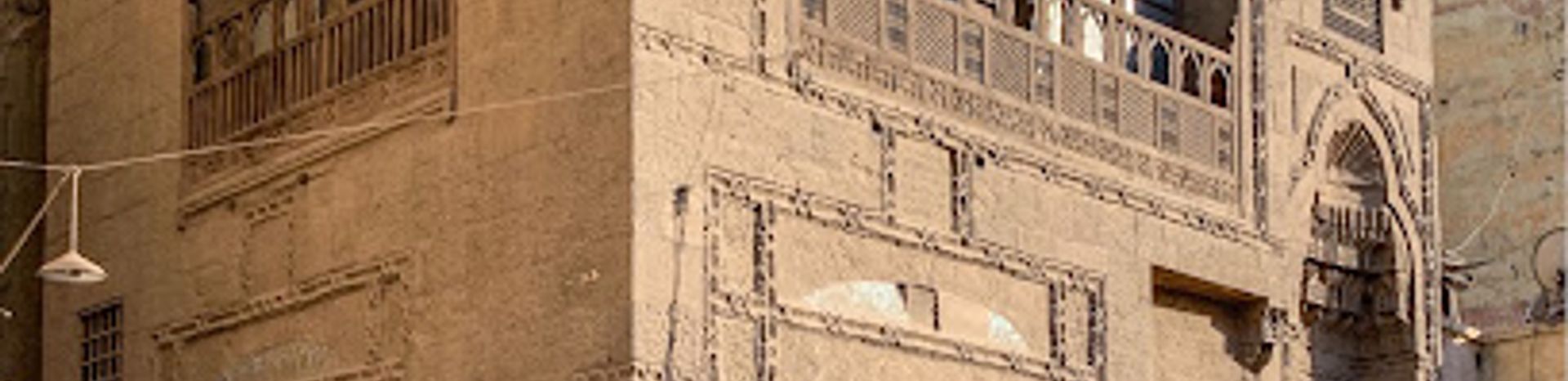
سبيل وكتاب الست صالحة: A Historic Ottoman Landmark
Explore سبيل وكتاب الست صالحة in Cairo: a historic sabil and kuttab showcasing unique Ottoman-era architecture and cultural heritage.
سبيل وكتاب الست صالحة is a charming historical landmark in Cairo, showcasing Ottoman-era architecture. Built in 1741 by Sitt Salha, it served as both a public fountain (sabil) and a school (kuttab), reflecting a blend of utility and ornate design.
A brief summary to سبيل وكتاب الست صالحة
- Port Said, El Sayeda Zeinab, Al Hanafi, Cairo Governorate, EG
Local tips
- Visit in the early morning or late afternoon to avoid crowds and experience a more peaceful atmosphere.
- Take your time to admire the intricate architectural details, including the stone carvings and tile work.
- Explore the surrounding El Sayeda Zeinab district, known for its historical sites and vibrant markets.

Getting There
-
Public Transport
From El Sayeda Zeinab Metro Station (Line 1), the sabil is approximately a 10-minute walk. Follow signs towards Port Said Street. The fare for the metro is approximately 5 EGP. Alternatively, local buses are available with fares around 5-10 EGP.
-
Taxi/Ride-Sharing
Taxis and ride-sharing services like Uber are readily available in Cairo. A short trip from a nearby location such as Tahrir Square to سبيل وكتاب الست صالحة typically costs between 25-50 EGP, depending on traffic.
-
Walking
From El Sayeda Zeinab Square, walk along Port Said Street. The sabil is located on the corner of Al-Darb Al-Shamsi Street. The walk is approximately 5-10 minutes.
Discover more about سبيل وكتاب الست صالحة
Iconic landmarks you can’t miss

سبيل وكتاب الست صالحة
0.0 km
Explore سبيل وكتاب الست صالحة in Cairo: a historic sabil and kuttab showcasing unique Ottoman-era architecture and cultural heritage.
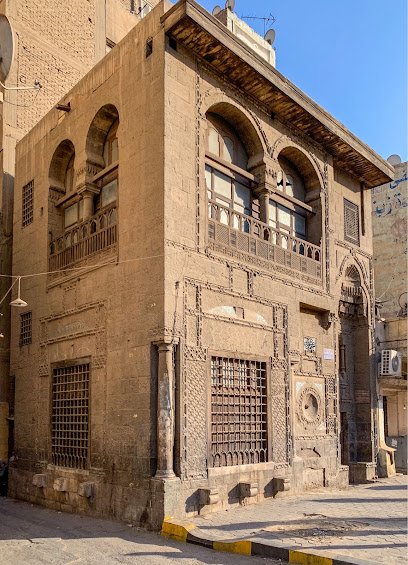
Prince Taz Palace
0.9 km
Explore Cairo's Mamluk history at Prince Taz Palace: a stunning architectural gem and cultural hub in the heart of Old Cairo.
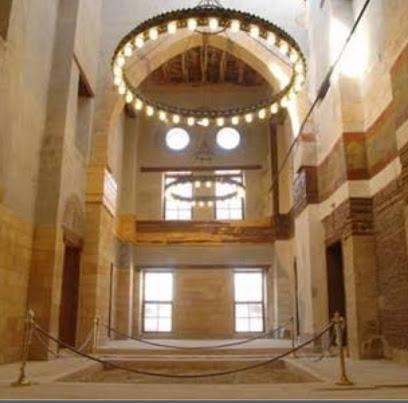
Sabil-kuttab of Sultan Qaitbay سبيل و كتاب قايتباى
1.0 km
Explore the historic Sabil-Kuttab of Sultan Qaitbay in Cairo, a unique example of Mamluk architecture and charitable institutions.
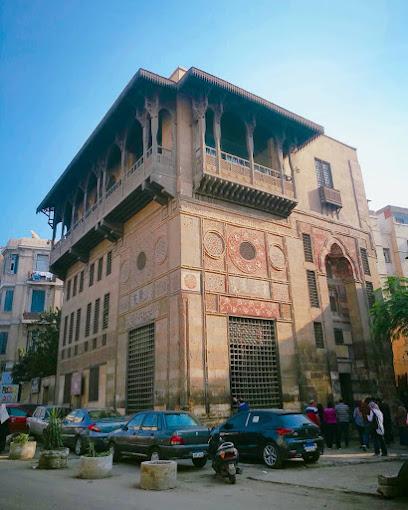
ميدان صلاح الدين
1.2 km
استكشف ميدان صلاح الدين في القاهرة: نقطة التقاء التاريخ والثقافة والجمال المعماري الإسلامي.
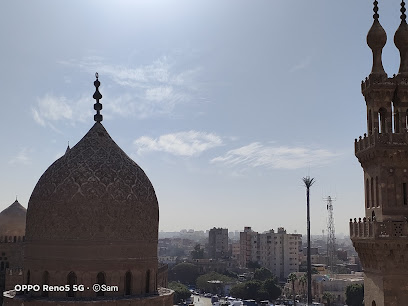
Ablaq Palace
1.4 km
Explore the lost Ablaq Palace in Cairo's Citadel, a testament to Mamluk artistry and power, now an archaeological mystery.
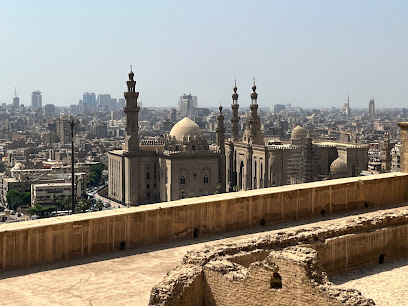
Mohamed Ali mosque
1.5 km
A majestic Ottoman mosque in Cairo's Citadel, offering stunning views and a glimpse into Egypt's modern history and Islamic art.
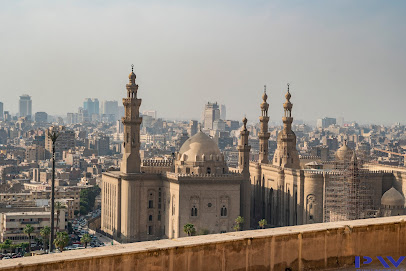
Egipto
1.6 km
Explore Egipto in Cairo's Qasr El Nil: Where history meets modern life near the Nile's iconic landmarks.
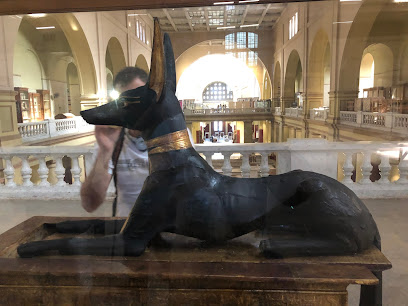
El- Tahrir Square
1.6 km
Explore Cairo's iconic Tahrir Square: a historic landmark, a symbol of liberation, and a vibrant hub in the heart of the city.
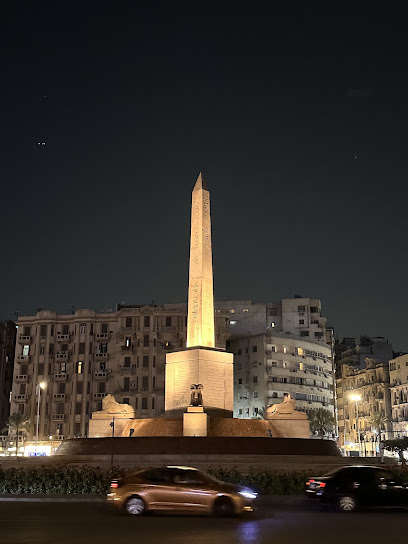
Ramses II Obelisk
1.6 km
A towering monument in Cairo's Tahrir Square, the Ramses II Obelisk showcases ancient Egyptian history and the grandeur of the pharaohs.
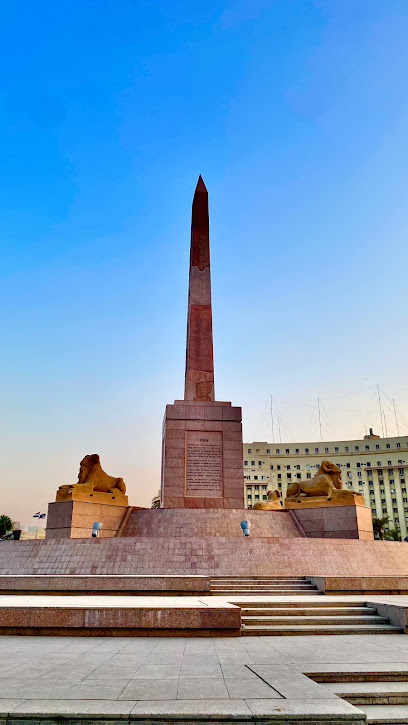
سكة النبوية
1.7 km
Explore Sekat Al Nabawia in Cairo's Al-Darb Al-Ahmar: A historic landmark offering a glimpse into Egypt's rich cultural heritage and Islamic architecture.
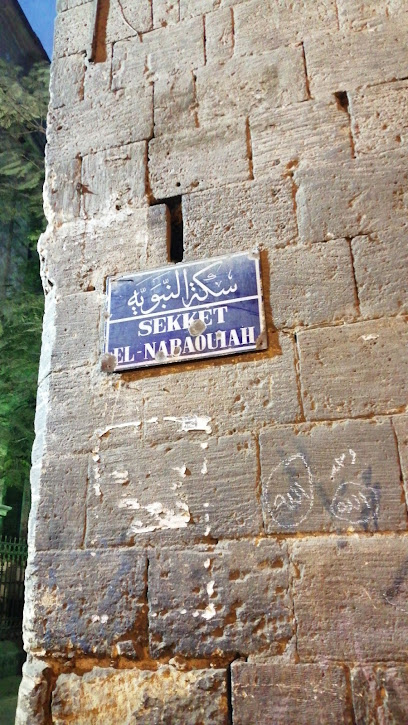
Nubian Village
1.7 km
Experience authentic Nubian culture in Cairo: traditional cuisine, live music, and a vibrant atmosphere await at Nubian Village.
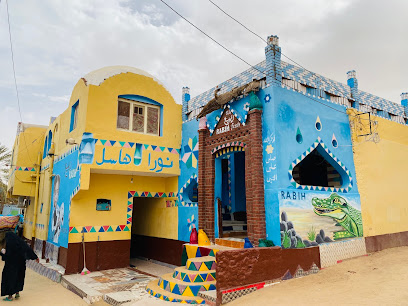
Bab Zuweila
1.7 km
Explore Bab Zuweila, one of Cairo's last remaining medieval gates, offering panoramic views and a glimpse into the city's rich history.
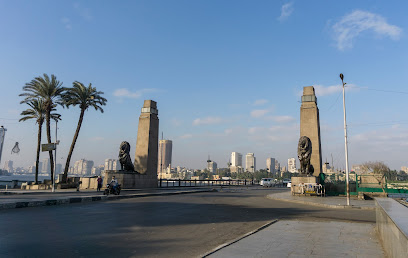
Qasr Al-Nil Statues
1.8 km
Iconic bronze lions guarding Cairo's Qasr Al-Nil Bridge, connecting history and culture on the Nile since 1933. A symbol of strength and resilience.
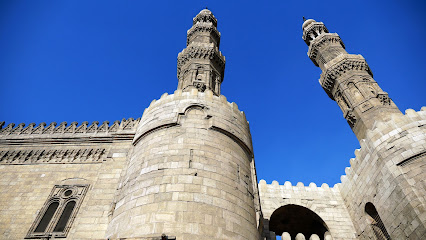
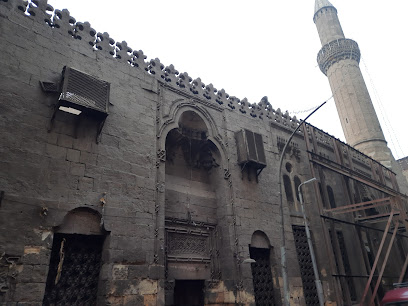
مسجد تاريخي
1.8 km
Explore the Historical Mosque, a stunning architectural marvel in Cairo that embodies the rich cultural heritage and spiritual essence of Egypt.
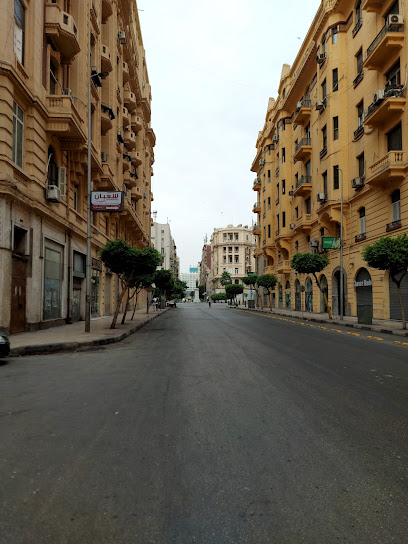
Behler Corridor
1.8 km
Explore Cairo's Behler Corridor: A historical landmark offering a unique glimpse into the city's architectural and cultural heritage.
Unmissable attractions to see

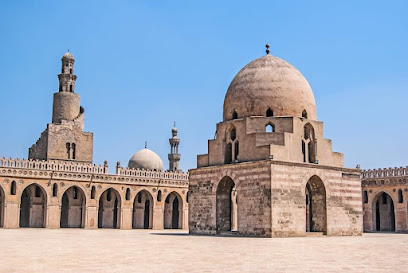
Ibn Tulun Mosque
0.6 km
Discover the historical and architectural splendor of Ibn Tulun Mosque, a must-see landmark in Cairo, Egypt, representing the depth of Islamic culture.
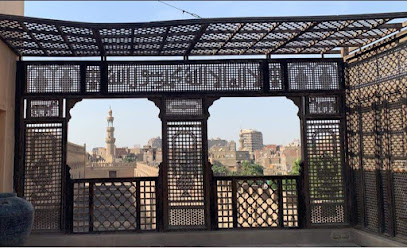
Gayer-Anderson Museum
0.7 km
Explore the Gayer-Anderson Museum, a hidden gem in Cairo showcasing exquisite Islamic art and historical artifacts in a stunning, tranquil setting.
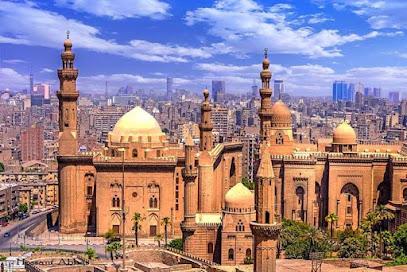
Mosque-Madrasa of Sultan Hassan
1.1 km
Explore the Mosque-Madrasa of Sultan Hassan, a stunning example of Mamluk architecture and a key historical site in the heart of Cairo.
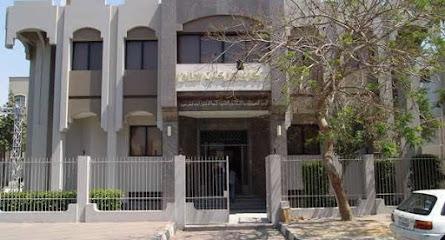
Talaat Harb Culture Center
1.1 km
Discover the artistic soul of Cairo at the Talaat Harb Culture Center, where culture, creativity, and community converge in vibrant harmony.
Al-Rifa'i Mosque
1.2 km
Discover the Al-Rifa'i Mosque in Cairo, a breathtaking blend of history and architecture, where culture meets spirituality in a serene setting.
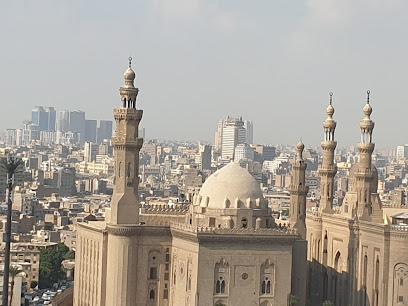
Mostafa Kamel Museum
1.2 km
Explore the Mostafa Kamel Museum in Cairo for a fascinating insight into contemporary Egyptian art and culture.
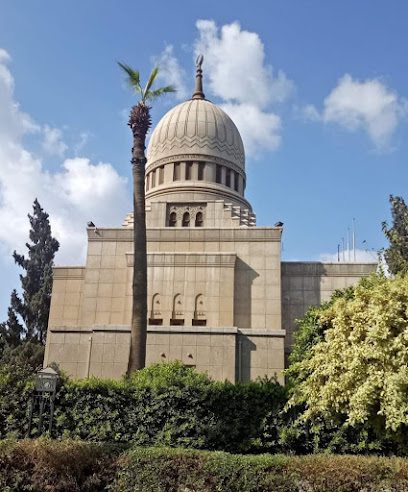
Abdeen Palace Museum
1.2 km
Discover the stunning Abdeen Palace Museum, a historical treasure in Cairo showcasing Egypt's royal heritage and rich cultural history.
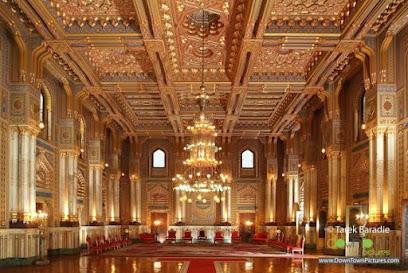
Geographical Association of Egypt
1.3 km
Explore Egypt's fascinating geography and heritage at the Geographical Association in Cairo, where culture meets education.
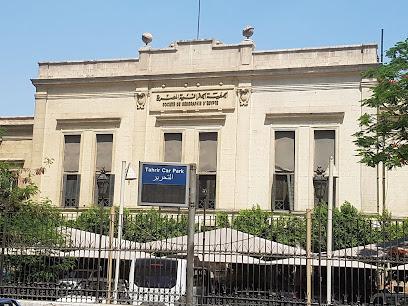
Egypt Nile Felucca Tours
1.4 km
Discover the enchanting Nile River with a traditional Felucca tour, exploring Cairo's rich history and stunning landscapes on the water.

iEgypt Tours & Travels
1.5 km
Discover the wonders of Egypt with iEgypt Tours & Travels, your expert guide to unforgettable experiences and seamless adventures.
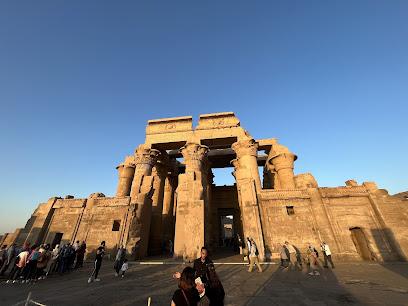
Prince Mohamed Ali Palace (Al Manial Palace)
1.5 km
Explore the majestic Prince Mohamed Ali Palace, a historical landmark in Old Cairo showcasing opulent designs and rich Egyptian heritage.
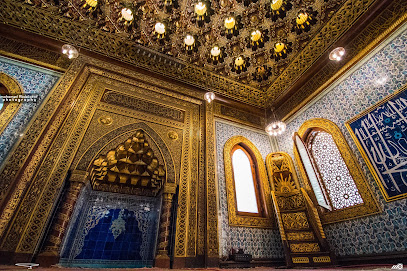
قلعة صلاح الدين الأيوبي
1.5 km
Discover the rich history and stunning architecture of the Citadel of Salah al-Din, a must-visit historical landmark in Cairo, Egypt.
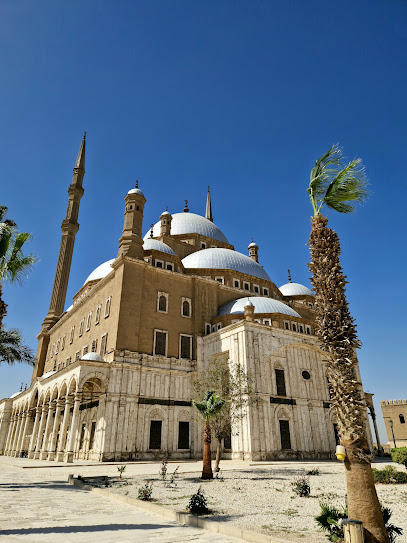
Museum Palace the jewel
1.5 km
Explore the artistic heritage and historical treasures of the Museum Palace, a captivating tourist attraction in the heart of Cairo.
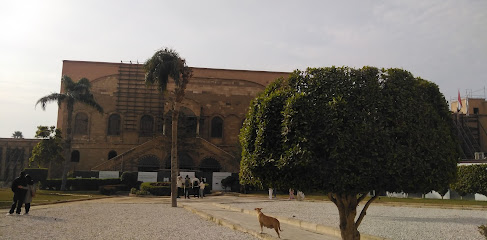
سراى الإستقبال
1.5 km
Discover the tranquil beauty and rich history of Al Saraya, a captivating tourist attraction in the heart of Old Cairo.
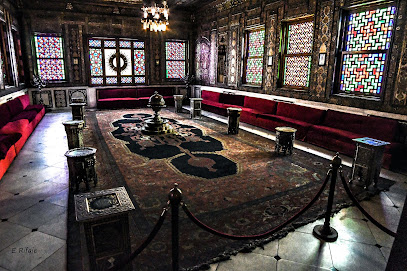
برج الساعة
1.5 km
Explore the breathtaking views and cultural heritage at the Tower of Al-Sayeda, the iconic landmark of Old Cairo, Egypt, offering a glimpse into the city's vibrant life.
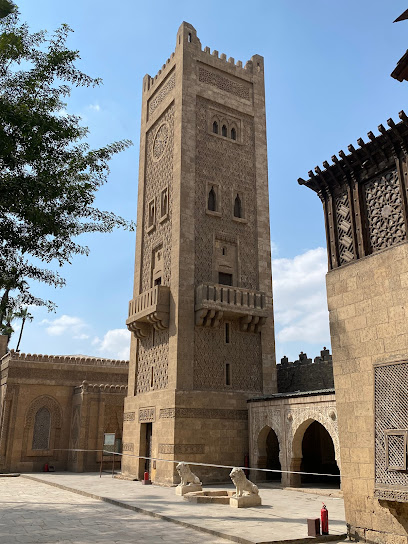
Essential places to dine

Oldish ( Restaurant & Cafe )
1.4 km
Discover Oldish in Cairo: A delightful restaurant & café offering traditional Egyptian cuisine with a modern twist.
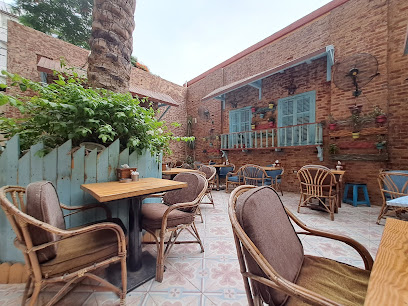
Patrimoine Du Caire
1.4 km
Experience exquisite French cuisine in Cairo at Patrimoine Du Caire, where themed dining meets culinary artistry.
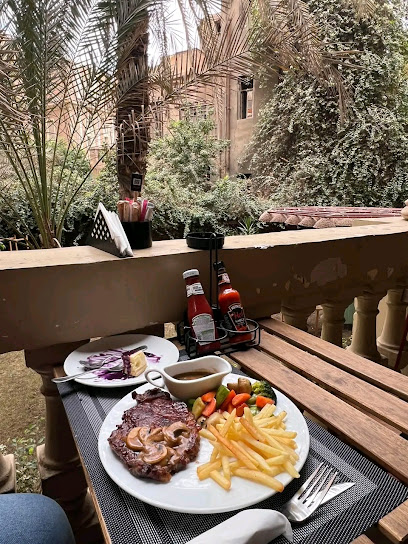
Taboula
1.4 km
Discover the authentic taste of Lebanon at Taboula – where every dish tells a story of tradition and flavor in Cairo.
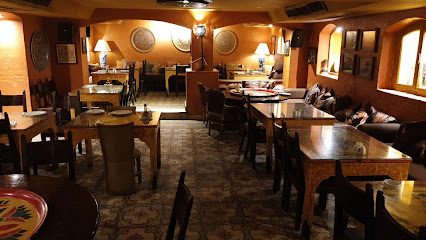
8 Restaurant
1.5 km
Experience exquisite Chinese cuisine and delightful desserts at 8 Restaurant along Cairo's Nile Corniche.
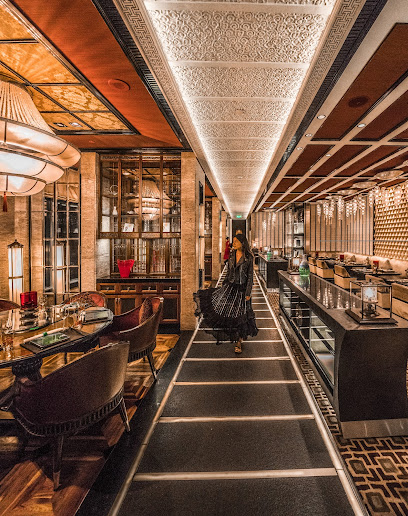
Osmanly Restaurant
1.5 km
Experience the finest Turkish cuisine in Cairo at Osmanly Restaurant – where tradition meets taste.
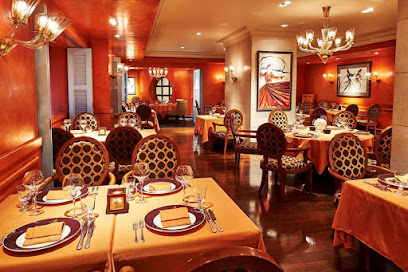
il Nilo | النيلو
1.5 km
Discover authentic Italian flavors at il Nilo along Cairo's scenic Nile Corniche - where exquisite cuisine meets breathtaking views.
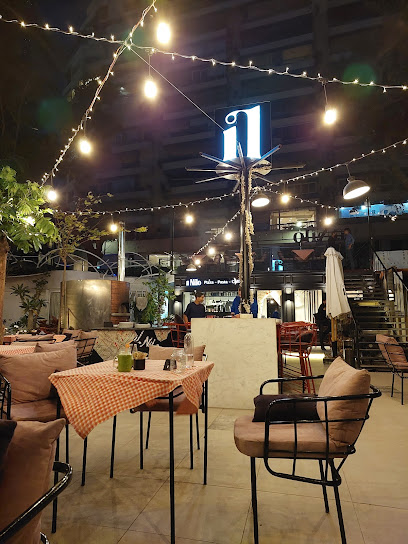
Zitouni
1.5 km
Experience authentic Egyptian cuisine with breathtaking Nile views at Zitouni - Cairo's premier fine dining destination.
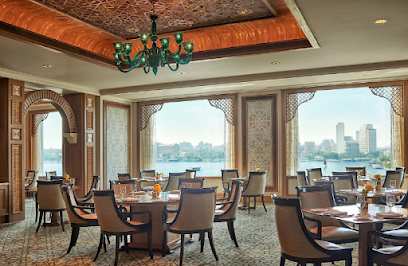
Upper Deck Lounge
1.5 km
Discover culinary excellence at Upper Deck Lounge with stunning Nile views, exquisite sushi, and delightful desserts in Cairo.
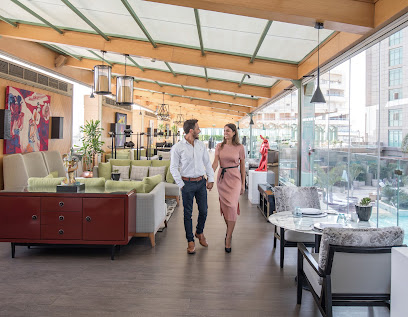
Bullona Cairo
1.5 km
Experience exquisite Mediterranean dining at Bullona Cairo with stunning Nile views and sophisticated ambiance for an unforgettable culinary journey.
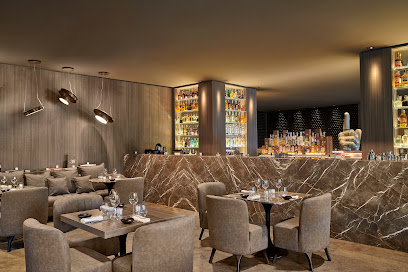
CaiRoma
1.6 km
Experience authentic Italian cuisine at CaiRoma, where every dish tells a story and every meal is a celebration.
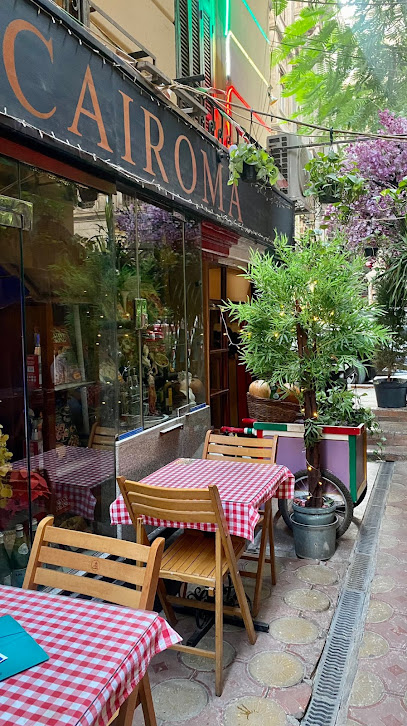
Nos Reghef
1.6 km
Experience authentic Egyptian cuisine at Nos Reghef – home to the best hawawshy in Cairo!
H to cool
1.6 km
Experience the best of Western cuisine in Cairo at H to Cool - where taste meets tradition in every bite.

farina italian food
1.6 km
Discover the essence of Italy at Farina Italian Food in Cairo - where authentic flavors meet vibrant ambiance.
Aperitivo
1.6 km
Discover the essence of American cuisine at Aperitivo in Cairo – where every dish brings comfort and flavor together in an inviting setting.
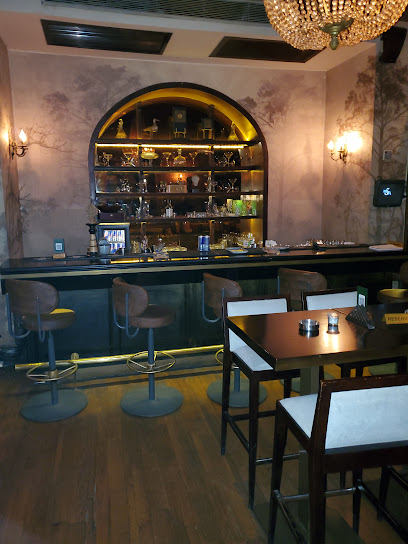
Citadel grill
1.6 km
Savor authentic Egyptian cuisine at Citadel Grill while enjoying breathtaking views of the Nile River in Cairo.
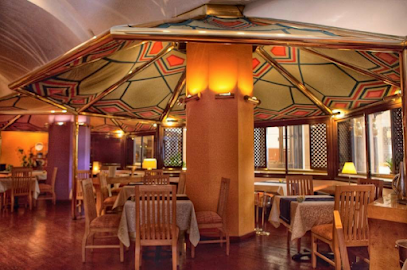
Markets, malls and hidden boutiques

Garden City Gifts
1.1 km
Explore Garden City Gifts in Cairo for unique handicrafts and souvenirs that showcase the rich culture and artistry of Egypt.
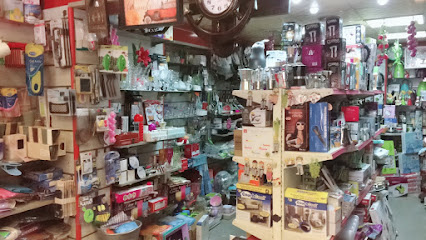
Oum el Dounia Gallery - ام الدنيا جاليري
1.6 km
Explore the vibrant craftsmanship of Egypt at Oum el Dounia Gallery, the premier destination for unique handmade gifts and souvenirs.
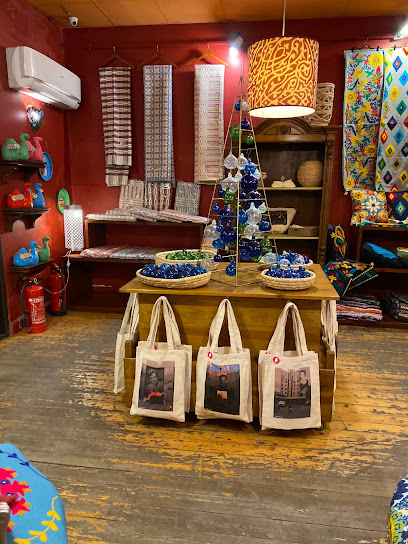
Gonnashop
1.6 km
Discover exquisite luxury watches at Gonnashop in Cairo, where elegance meets cultural richness for an unforgettable shopping experience.

Kiki's Boutique
1.6 km
Discover Kiki's Boutique in Cairo for a unique blend of local fashion and contemporary style, perfect for tourists seeking stylish souvenirs.
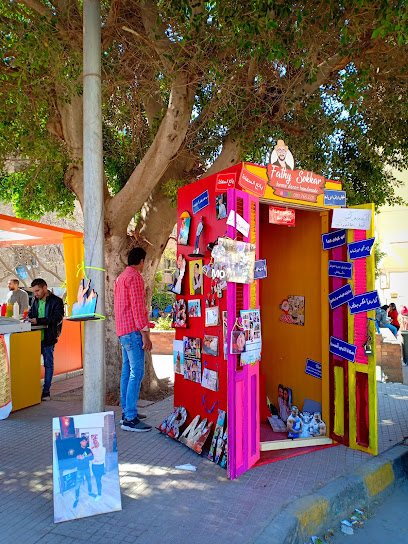
Fathy sokkar
1.6 km
Explore Fathy Sokkar Gift Shop for unique Egyptian souvenirs and handcrafted treasures, capturing the essence of Cairo's vibrant culture.
Egypt Duty Free Shops
1.6 km
Shop in elegance at Egypt Duty Free Shops - where luxury meets affordability in the heart of Cairo.
Oriental Bazzar
1.7 km
Explore Oriental Bazaar: Cairo's vibrant gift shop along the Nile, offering unique souvenirs and a taste of Egyptian culture.
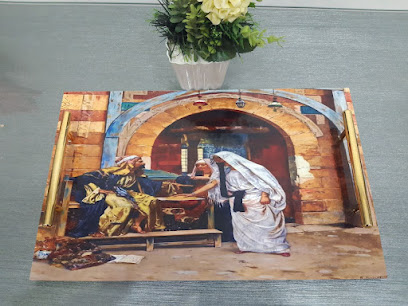
Egyptian Souvenirs
1.7 km
Explore authentic Egyptian treasures at Egyptian Souvenirs, where craftsmanship meets culture in the heart of Ismailia.
Egyptian Bazaar
1.7 km
Explore the Egyptian Bazaar, a vibrant souvenir store in Cairo filled with unique crafts, local culture, and unforgettable shopping experiences.
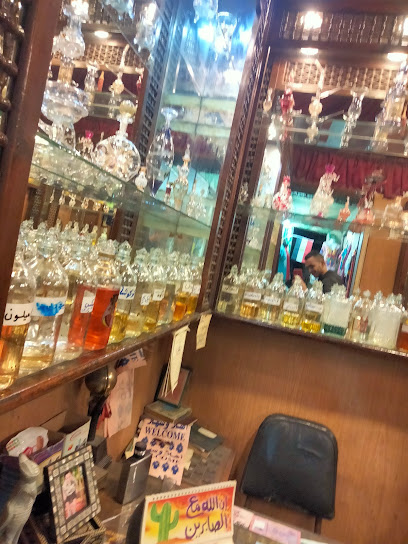
The thousand and one nights bazaar
1.7 km
Explore the magic of The Thousand and One Nights Bazaar in Cairo, where exquisite souvenirs and vibrant culture come together for an unforgettable shopping experience.
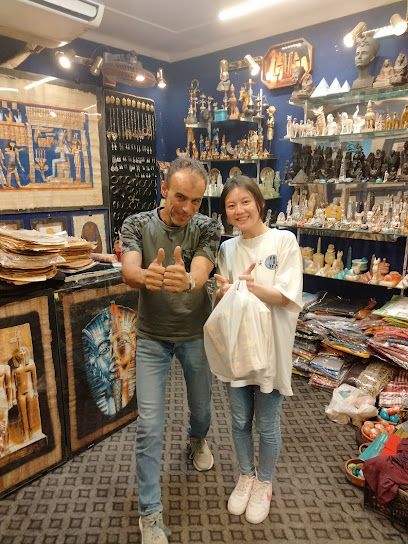
Khan al Khalili Bazaar - Souvenirs
1.8 km
Explore the historic Khan al Khalili Bazaar in Cairo for unique souvenirs, vibrant culture, and an authentic shopping experience rich in tradition.
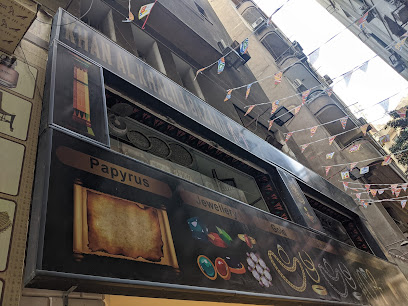
Underground Store
1.8 km
Explore the Underground Store in Cairo for unique clothing that blends modern style with traditional Egyptian flair.
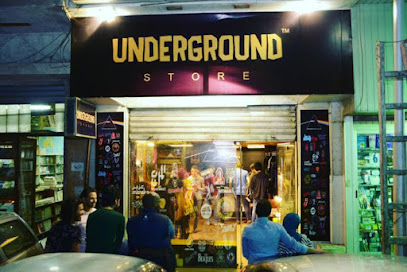
thrifted house
1.9 km
Thrifted House in Cairo: Discover unique vintage and contemporary fashion treasures in an eclectic clothing store.
Daw4a store
1.9 km
Explore Daw4a Store in Cairo for a unique blend of traditional and contemporary fashion that captures the essence of Egyptian style.
Scarabe
1.9 km
Explore Scarabe, Downtown Cairo's hidden gem for unique gifts and local crafts that encapsulate the spirit of Egypt.
Essential bars & hidden hideouts

Jazz Bar
1.5 km
Experience Cairo's vibrant nightlife at the Jazz Bar with live music, exquisite cocktails, and an enchanting atmosphere.
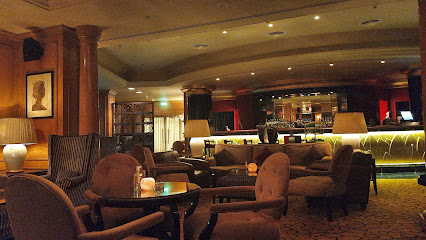
The Bar
1.5 km
Discover The Bar in Cairo, where luxurious lounge vibes meet exquisite Japanese dining along the scenic Nile.
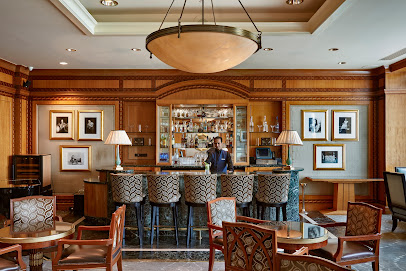
جامايكا
1.7 km
Discover the vibrant nightlife of Jamaica in Cairo, where cocktails, music, and a lively atmosphere await every visitor.
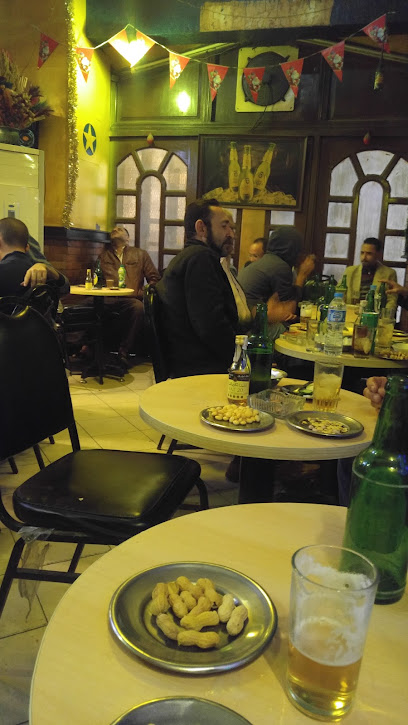
Ambassador Club
1.7 km
Discover the vibrant nightlife at Ambassador Club, a premier bar in Cairo with stunning Nile views and exquisite cocktails.
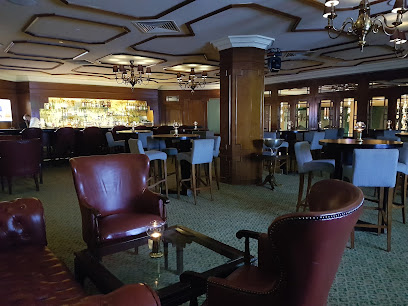
Stella Bar
1.7 km
Discover the lively atmosphere, affordable drinks, and welcoming vibe at Stella Bar, a must-visit spot in Cairo's vibrant Bab Al Louq neighborhood.
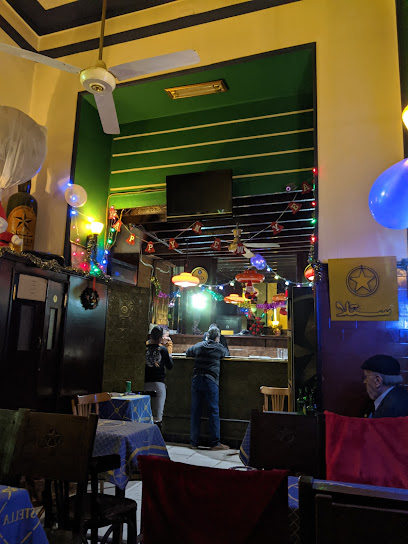
Kings Bar
1.8 km
Discover Kings Bar in Cairo for a lively atmosphere, delectable drinks, and unforgettable nightlife experiences in the heart of Egypt.
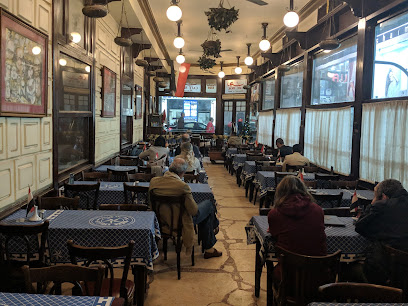
Carol Bar
1.8 km
Experience the vibrant flavors of Cairo at Carol Bar, a lively grill and tapas bar offering an unforgettable dining atmosphere.
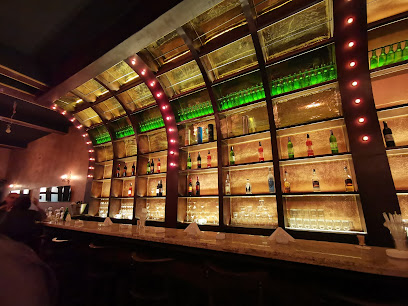
Bar'Oro
1.9 km
Experience luxury and breathtaking views at Bar'Oro, Cairo's premier riverside bar serving exquisite cocktails and gourmet tapas.
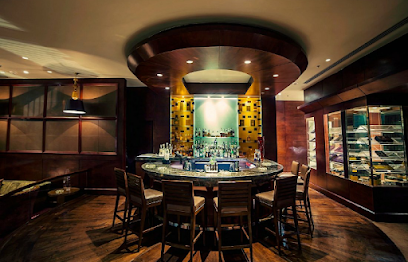
Lobby Lounge
1.9 km
Experience the exquisite elegance and tranquility of the Lobby Lounge, the perfect retreat in Cairo's bustling atmosphere.
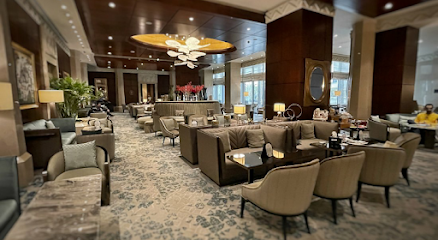
Nox
1.9 km
Discover Nox, Cairo's premier bar and night club, where breathtaking Nile views meet vibrant nightlife and exquisite cocktails.
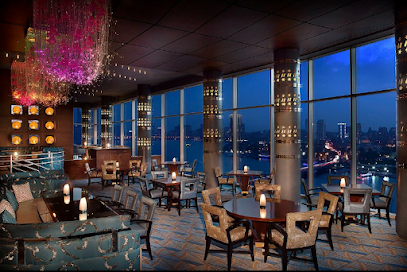
Aqua
2.0 km
Experience the elegance of Aqua at The Ritz-Carlton, Cairo, where luxurious ambiance meets stunning Nile views for an unforgettable bar experience.
Cap D'or
2.0 km
Experience Cairo's nightlife at Cap D'or, a vibrant bar offering a wide selection of drinks and a lively atmosphere for all visitors.
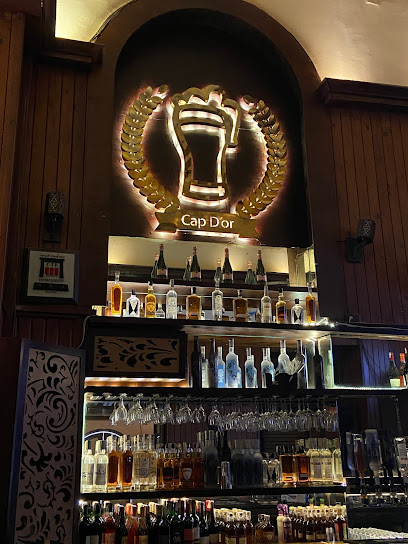
Le Comte Downtown Bar
2.1 km
Discover the vibrant nightlife at Le Comte Downtown Bar in Abdeen, Cairo—where locals and tourists unite for unforgettable evenings.
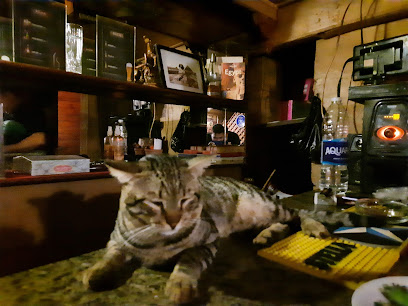
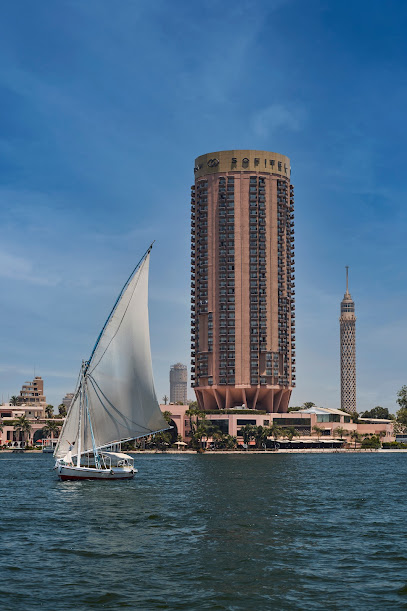
Sofitel Cairo Nile El Gezirah
2.1 km
Experience unparalleled luxury at Sofitel Cairo Nile El Gezirah, where stunning Nile views, exquisite dining, and world-class service await you.
Odeon Palace Bar
2.1 km
Dive into the lively atmosphere of Odeon Palace Bar in Cairo, where delicious food, refreshing drinks, and vibrant nightlife come together.
Nightclubs & after hour spots

Greek Campus Rooftop
1.4 km
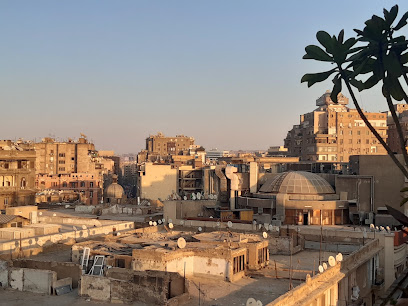
Discover the vibrant nightlife at Greek Campus Rooftop, where stunning views meet an energetic atmosphere in the heart of Cairo.
جنينة بيت المايكول
1.6 km
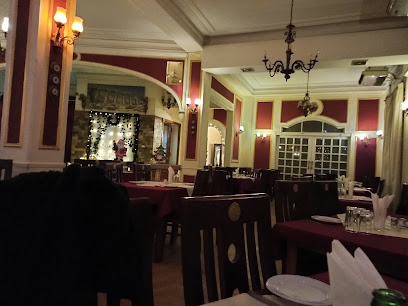
Experience the vibrant nightlife of Cairo at جنينة بيت المايكول, where music and dance create unforgettable memories.
Blue Sky
2.2 km
Dive into Cairo's nightlife at Blue Sky, a premier dance club in Zamalek, where music and energy combine for an unforgettable experience.
El Mar الممر
2.2 km
Discover the pulse of Cairo's nightlife at El Mar الممر, a vibrant disco club where music and dance unite in an unforgettable experience.

1 Ok Club
2.3 km
Dive into the pulsating nightlife of Cairo at 1 Ok Club, your ultimate disco destination in Zamalek, where music and culture collide.
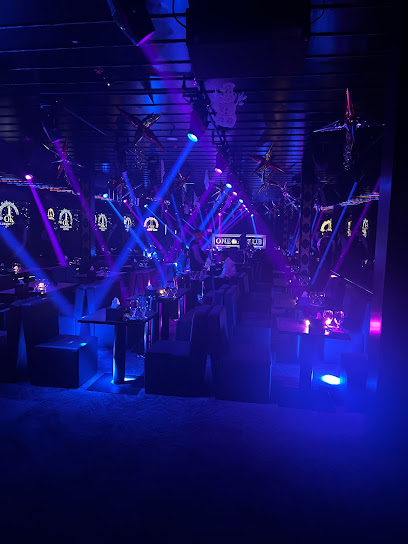
SPINE Cairo
2.3 km
Dive into the heart of Cairo's nightlife at SPINE, where music, dance, and unforgettable memories await in stylish surroundings.
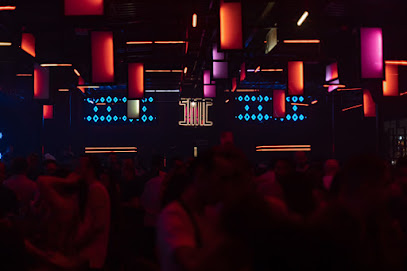
OMNI club cairo
2.5 km
Experience the vibrant nightlife at OMNI Club Cairo, the ultimate disco destination in Zamalek, where music and dance unite for an unforgettable evening.
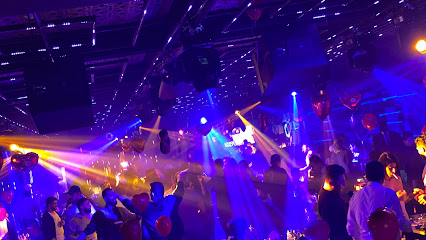
Crowd Club Cairo
2.5 km
Dive into the electrifying nightlife of Cairo at Crowd Club, where every night is a vibrant celebration of music and dance.
Night club Disco Khalijy and after party
2.6 km
Experience the vibrant nightlife of Giza at Disco Khalijy, a premier night club featuring pulsating music, dazzling lights, and unforgettable vibes.

Night life
2.6 km
Dive into Cairo's nightlife at this lively club, where top DJs and an electric atmosphere create unforgettable nights.
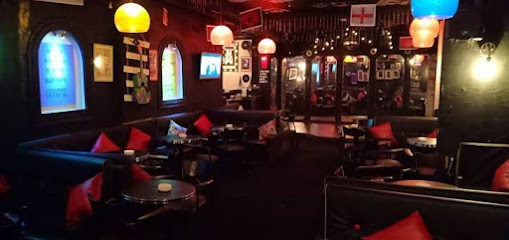
Karwaza Club
2.6 km
Discover the electrifying nightlife at Karwaza Club in Al Giza, where music and dance unite for an unforgettable experience.
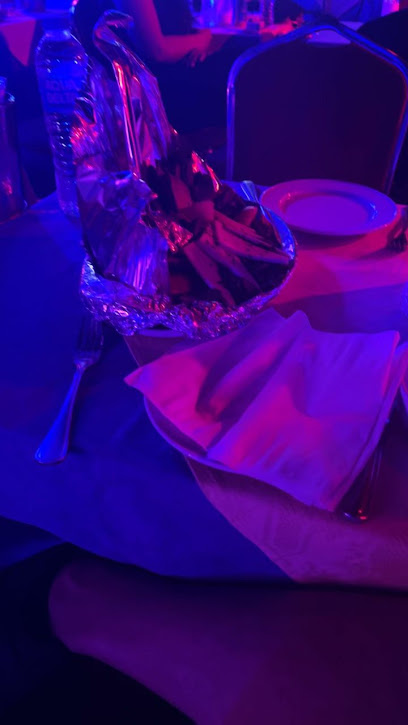
Disco cash cairo by Magnum Nights
2.6 km
Discover the electrifying nightlife at Disco Cash Cairo, a premier night club featuring live music, dance performances, and an exhilarating atmosphere.
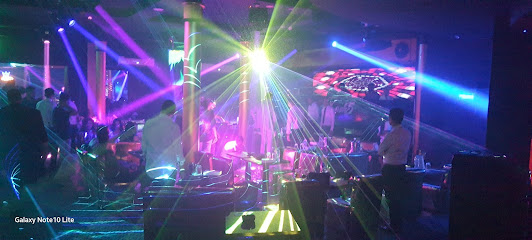
CAVALLI CLUB
2.6 km
Discover the ultimate nightlife experience at Cavalli Club, a premier disco club in Giza offering top DJs and an electrifying atmosphere.
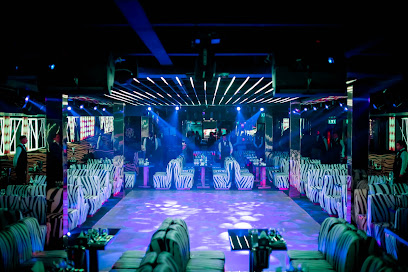
Xo Club Nightclub Cairo
2.7 km
Discover Cairo’s vibrant nightlife at Xo Club Nightclub, where music, dancing, and unforgettable memories await every night.
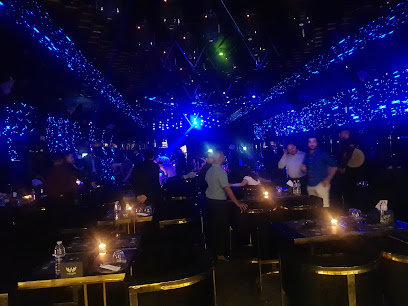
Opal club
2.8 km
Discover the vibrant nightlife of Opal Club in Giza, where energetic beats and stylish ambiance create unforgettable nights.