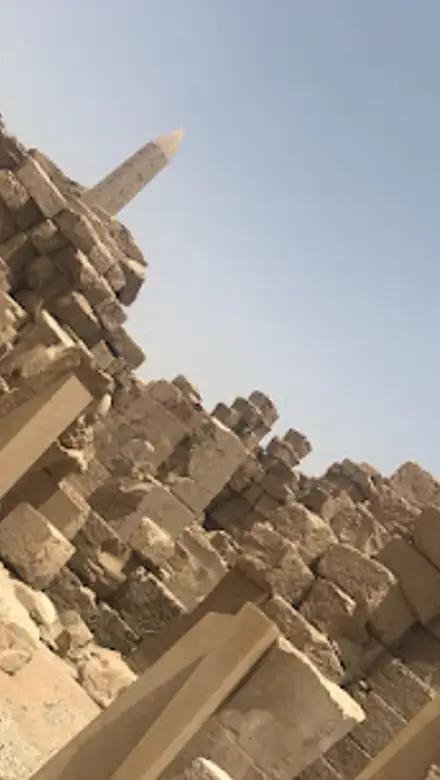
Luxor city - Egypt, Luxor Travel Guide
Free Guide: Explore Luxor: where ancient pharaohs' legacies meet vibrant modern Egyptian life along the majestic Nile River.


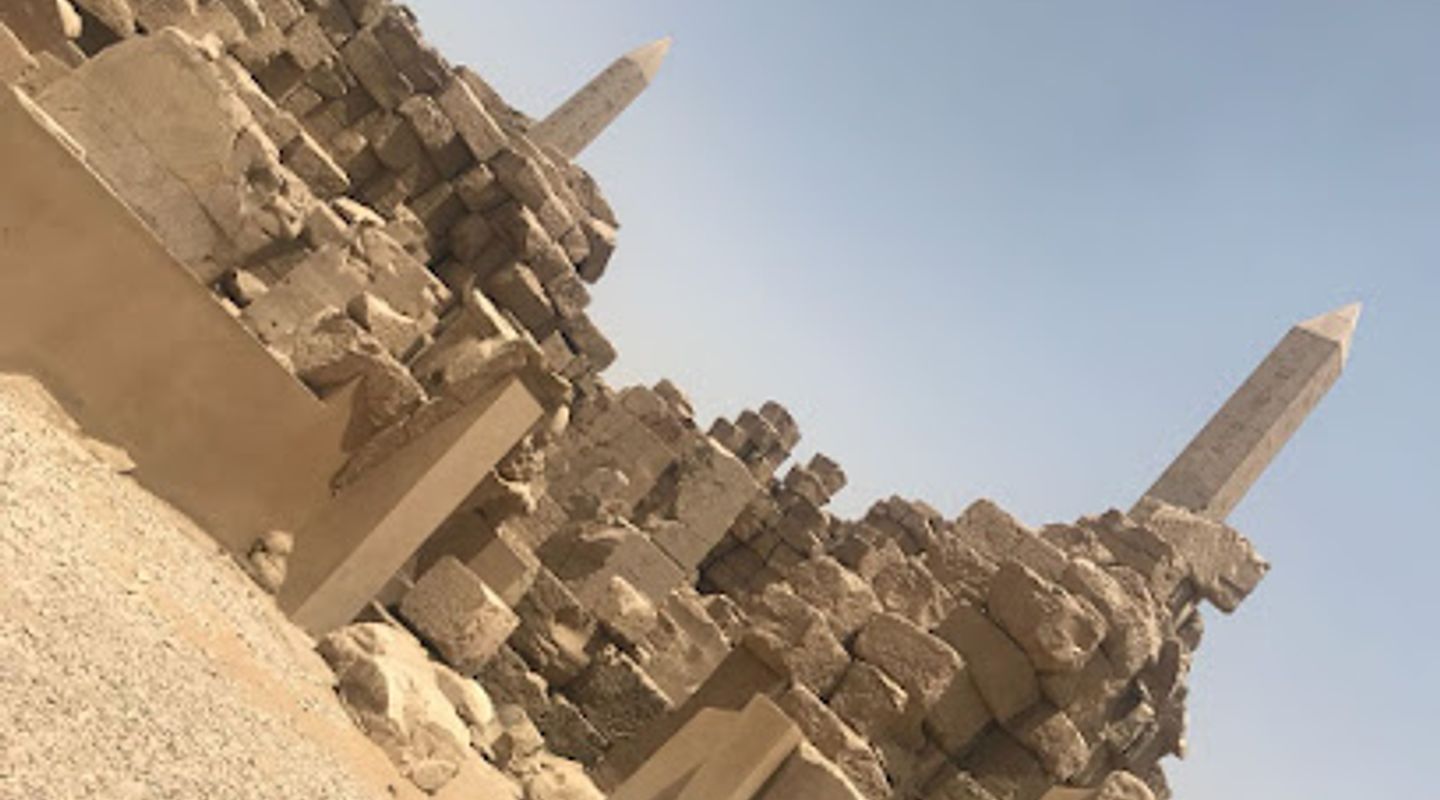
A brief summary of Luxor city - Egypt
Explore Luxor: where ancient pharaohs' legacies meet vibrant modern Egyptian life along the majestic Nile River.
Luxor, the modern city built upon the ancient site of Thebes, stands as a living testament to Egypt's glorious past. Divided by the Nile, its East Bank pulses with modern life, while the West Bank safeguards the silent necropolises of pharaohs and nobles. This 'open-air museum' invites exploration of temples, tombs, and timeless landscapes.
- Address
- Gazirat Al Awameyah, Luxor, Luxor Governorate 1362243
- Phone
Getting there
Walking
Taxi
Public Transport
Discover more about Luxor city - Egypt
Overview
Luxor, often called the world's greatest open-air museum, is a city in Upper Egypt that encapsulates the grandeur of ancient Thebes. Once the capital of Egypt during the New Kingdom, from around 2000 to 1000 BCE, Luxor is now split by the Nile River into two distinct areas: the East Bank, known as the 'Land of the Living,' and the West Bank, the 'Land of the Dead'.The East Bank is where the modern city thrives, hosting hotels, restaurants, and bustling markets alongside the magnificent temples of Luxor and Karnak. Karnak Temple, 3km north of Luxor, is the most awe-inspiring of all Egyptian monuments. Luxor Temple, closer to the city center, offers a beautiful view, especially at night.Across the Nile, the West Bank presents a landscape dotted with the tombs of pharaohs in the Valley of the Kings, the mortuary temples of rulers like Hatshepsut, and the Colossi of Memnon. This side of the river served as a royal burial ground and a place of worship, its monuments standing as testaments to ancient beliefs about the afterlife.Luxor offers visitors a chance to immerse themselves in ancient Egyptian history, explore remarkably preserved monuments, and experience the unique culture of modern Egypt. The city's blend of ancient ruins and contemporary life provides a rich and unforgettable travel experience.
Evendo Review Centre
 Google
Guest reviews
Explore Luxor city - Egypt on the map
A handpicked selection of must-see spots near Luxor city - Egypt, mapped for you.
Get your free copy of our complete guide to Luxor city - Egypt, delivered straight to you.
Everything on this page, from opening hours and how to get there to Eve’s tips and the best time to go, in one PDF you can read offline, print or share.
Already have an account? Sign in
Your Luxor city - Egypt guide is ready.
We'll send it to · Not you? Sign out

Getting your guide ready…
We are putting together a fresh copy of the Luxor city - Egypt guide. This can take up to a minute.
This can take a few moments. If your browser asks, choose Allow so the download can start. You'll find the guide in your Downloads folder.
Nothing happened? Download it again
Sorry, the guide is taking longer than usual. Please try again in a minute, or get it by email instead.
Unlock the best of Luxor city - Egypt
Skip-the-line tickets, guided tours with entry, and walking tours of the area, booked in a few clicks.


Other nearby places you may find interesting
The closest places of the same kind, if this one is not quite what you had in mind.
-
-
-
-

-


Swipe for more places
More to explore near Luxor city - Egypt

 Best experiences near Luxor city - Egypt
 Best hotels near Luxor city - Egypt
 Best landmarks near Luxor city - Egypt
 Best attractions near Luxor city - Egypt
 Best shops near Luxor city - Egypt
 Best restaurants near Luxor city - Egypt
 Best bars near Luxor city - Egypt
Do you manage this location?
Take control to get all the benefits, like improved information, better appearance, and stronger visibility across AI-powered discovery.
Explore more

Explore more of Luxor
Discover Luxor, Egypt: A mesmerizing city where ancient temples, pharaohs' tombs, and modern culture converge on the banks of the Nile River.
Explore Luxor
Explore more of Egypt
Discover Egypt: From the timeless pyramids to the vibrant Red Sea, experience a land where ancient wonders meet modern adventures.
Explore Egypt