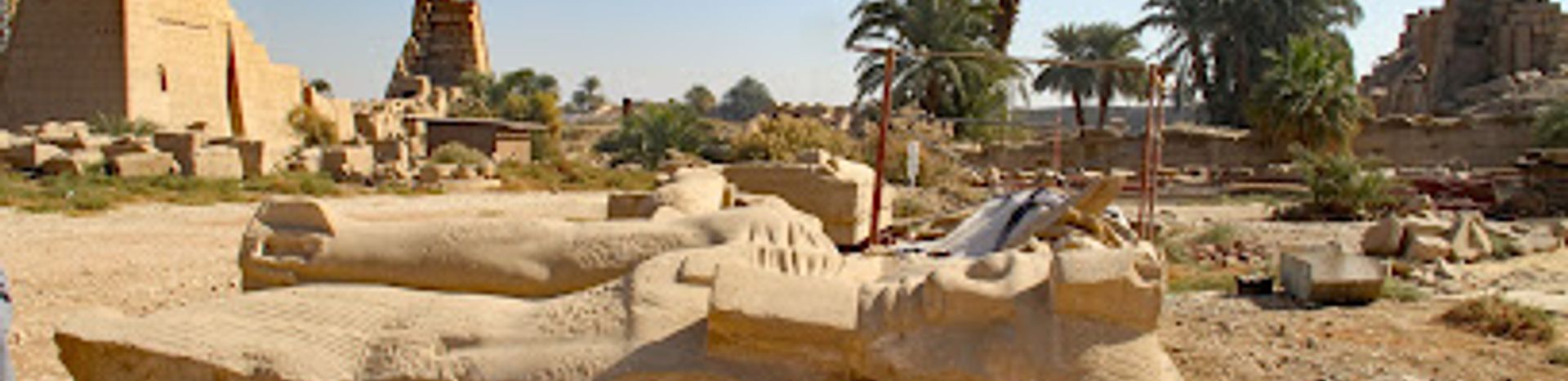
Temple of Khonsu: A Sanctuary of Lunar Worship
Explore the Temple of Khonsu in Luxor's Karnak complex: a testament to ancient Egyptian artistry and lunar worship dedicated to the moon god.
Nestled within the vast Karnak Temple Complex, the Temple of Khonsu offers a glimpse into ancient Egyptian lunar worship. Built primarily by Ramesses III, it's a remarkably well-preserved example of a New Kingdom temple, dedicated to Khonsu, the moon god.
A brief summary to Temple Of Khonsu
- PM84+J8F, Luxor, Luxor City, Luxor Governorate, EG
Local tips
- Visit early in the morning to avoid crowds and experience the temple in a more peaceful setting.
- Wear comfortable shoes, as you'll be doing a lot of walking within the Karnak complex.
- Bring water and sunscreen, especially during the hot summer months.
- Hire a local guide to learn more about the history and significance of the temple.
- Don't miss the detailed reliefs and inscriptions that narrate the stories of gods, pharaohs, and ancient rituals.

Getting There
-
Walking
From Luxor Temple, head east on Corniche El Nile road. Continue for about 15 minutes until you reach the intersection with Rue El Ahram. Turn left onto Rue El Ahram and walk straight for approximately 10 minutes. The Temple Of Khonsu is located within the Karnak Temple complex. Entry to the Karnak Temple complex is required to access the Temple of Khonsu.
-
Taxi
Take a taxi from anywhere in Luxor to the Karnak Temple complex. The Temple of Khonsu is located inside the complex. A short taxi ride from Luxor city center to Karnak Temple typically costs between 50-100 EGP. Be sure to negotiate the price before you get in.
Discover more about Temple Of Khonsu
Iconic landmarks you can’t miss

Temple Of Khonsu
0.0 km
Explore the Temple of Khonsu in Luxor's Karnak complex: a testament to ancient Egyptian artistry and lunar worship dedicated to the moon god.
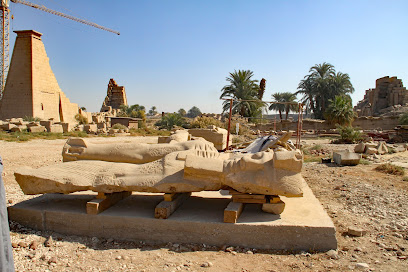
Rovine del tempio di thot
0.1 km
Esplora le antiche Rovine del Tempio di Thot nel complesso del Tempio di Karnak a Luxor, in Egitto, un sito dedicato al dio della saggezza.
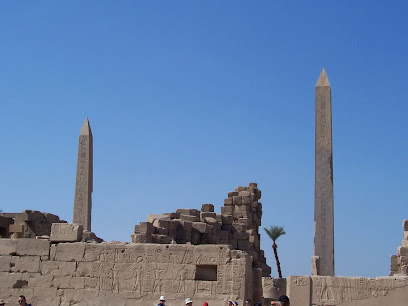
Column of Taharqa
0.3 km
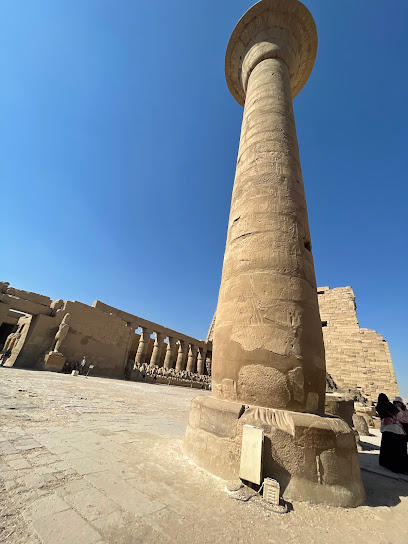
A solitary, towering column in Karnak Temple, remnant of Pharaoh Taharqa's grand kiosk, showcasing a blend of Egyptian and Nubian artistry.
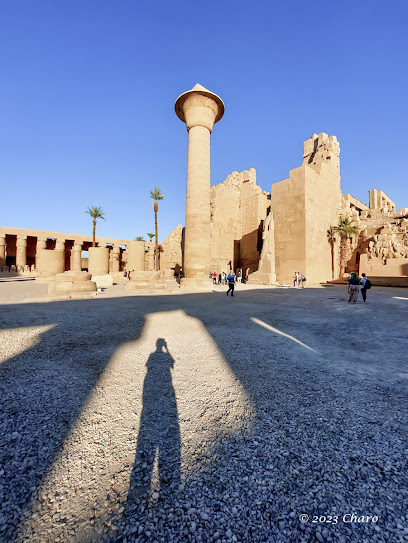
Pillar Hall in Karnak Temple
0.3 km
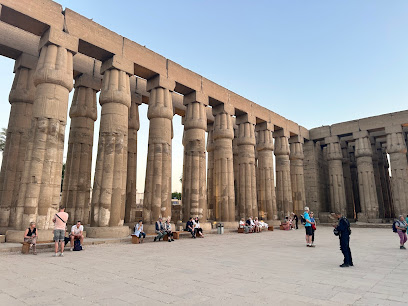
Explore the awe-inspiring Great Hypostyle Hall at Karnak Temple, a colossal forest of intricately decorated columns showcasing ancient Egyptian grandeur.
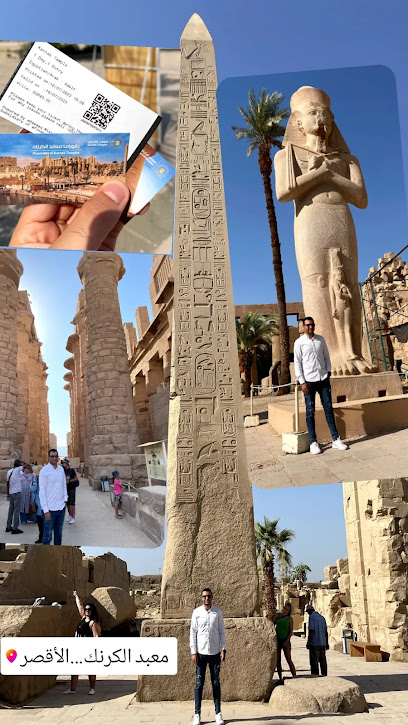
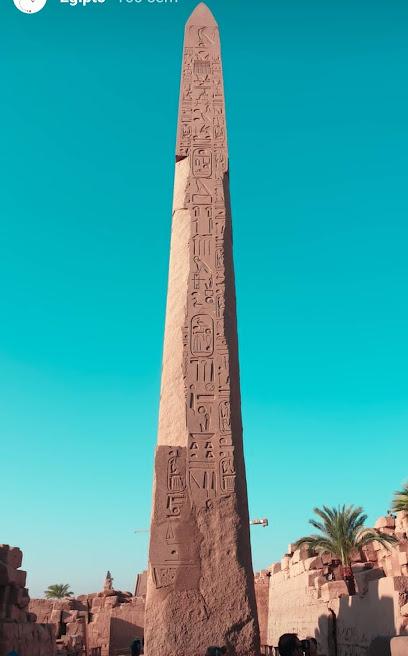
Obelisk of Thutmose I
0.3 km
Witness the Obelisk of Thutmose I at Karnak Temple, a towering monument to ancient Egyptian power and architectural skill, adorned with hieroglyphic stories.
Alexbank
1.7 km
Experience the convenience of Alexbank in Luxor, your essential stop for financial services amidst the treasures of ancient Egypt.
NBE ATM - Sofitel Winter Palace Hotel 1 Luxor - فندق سوفتيل 1 الأقصر
1.8 km
Conveniently located at the Sofitel Winter Palace Hotel, NBE ATM provides 24/7 access to cash for tourists exploring the historical treasures of Luxor.

Luxor Egypt
2.3 km
Discover the enchanting city of Luxor, Egypt, where ancient history and vibrant culture come together to create a timeless travel experience.
Luxor Nile Ferry - West Bank
2.4 km
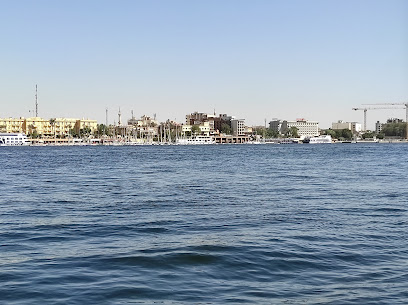
Cross the Nile and journey back in time! The Luxor Nile Ferry offers an affordable and scenic gateway to the West Bank's ancient wonders.
ميدان أبوالحجاج
2.5 km
Experience the vibrant heart of Luxor at Abu al-Haggag Square, where history, culture, and local life intertwine in a captivating Egyptian experience.
Ancient Luxor Quay
2.5 km
Explore Ancient Luxor Quay: a historical landmark on the Nile, offering stunning views, cultural experiences, and access to Luxor's famous attractions.
West Bank Private Transport Luxor
2.6 km
Explore Luxor's West Bank in comfort: private car service to ancient wonders, reliable and highly-rated transportation.
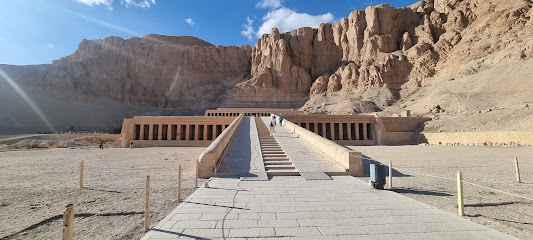
El-Gezira Hotel & Restaurant
2.6 km
Experience tranquility on Luxor's West Bank with Nile views, delicious cuisine, and live music at El-Gezira Hotel & Restaurant.
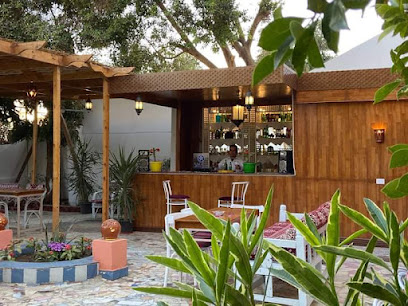
River Nile
2.8 km
Experience the majesty of the Nile, the world's longest river and the lifeblood of ancient and modern Egypt. Explore ancient temples and cruises along its waters.
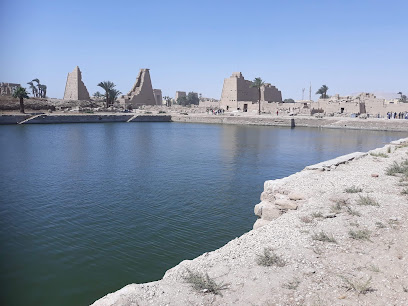
Luxor day tour to East & West Banks
2.9 km
Discover the wonders of Luxor's West Bank: Valley of the Kings, Hatshepsut Temple, and Colossi of Memnon. A journey through ancient Egyptian history.
Unmissable attractions to see

Ramesses III Temple
0.2 km
Discover the grandeur of ancient Egypt at the Ramesses III Temple in Luxor, a historical landmark filled with rich history and stunning architecture.
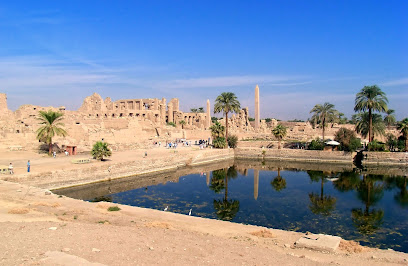
Precinct of Amun-Re
0.3 km
Discover the awe-inspiring Precinct of Amun-Re, a magnificent temple complex in Karnak, Luxor, steeped in ancient Egyptian history and spirituality.
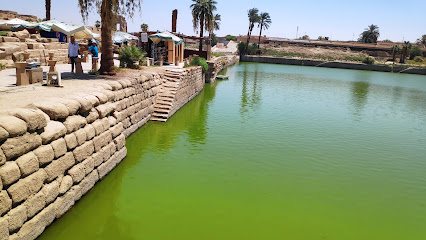
Karnak, Egypte
0.3 km
Explore the awe-inspiring Karnak Temple in Luxor, Egypt - a monumental symbol of ancient Egyptian civilization and architecture.
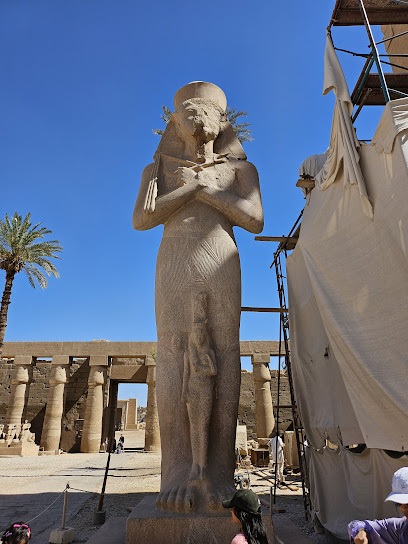
Karnak
0.3 km
Experience the grandeur of Karnak, an ancient temple complex in Luxor that showcases the rich history and culture of Egypt's remarkable civilization.
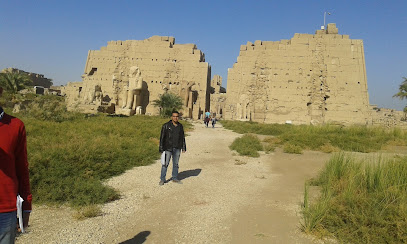
Hypostyle Hall
0.3 km
Explore the breathtaking Hypostyle Hall in Luxor, a historical landmark showcasing ancient Egyptian architecture and artistry.
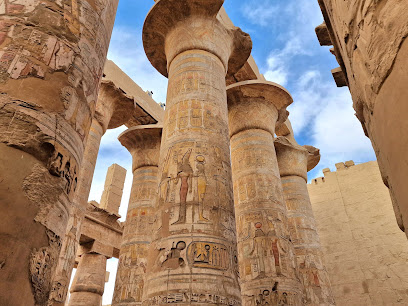
Avenue of the Rams
0.3 km
Explore the Avenue of the Rams in Luxor, a historical landmark lined with majestic sphinxes leading to the grand Karnak Temple, rich in ancient Egyptian culture.
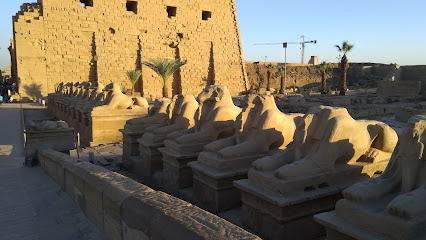
First Pylon
0.3 km
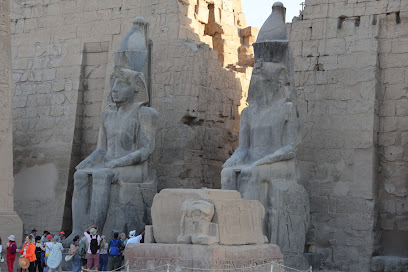
Discover the First Pylon, a monumental gateway to the ancient world of Luxor, rich in history and architectural splendor.
Karnak Open-air Museum
0.5 km
Discover the architectural splendor and rich history of the Karnak Open-Air Museum, a must-visit historical landmark in Luxor, Egypt.
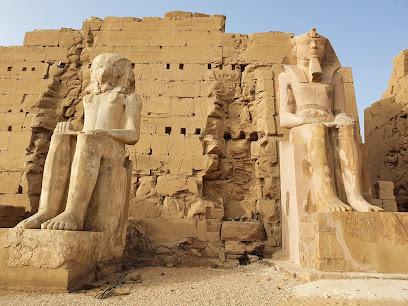
Temple of Ramesses II
0.5 km
Discover the grandeur of the Temple of Ramesses II, an iconic historical landmark where ancient Egyptian civilization comes to life.
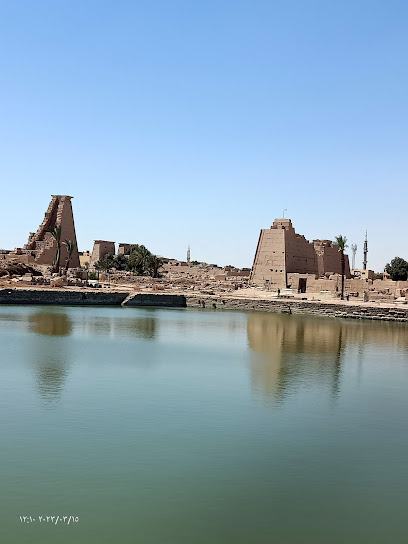
Sound & Light
0.5 km
Immerse yourself in the ancient history of Egypt at the captivating Sound & Light Show at Karnak Temple in Luxor.
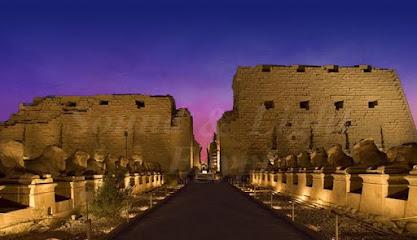
Mut Temple
0.5 km
Explore the ancient wonders of Mut Temple in Luxor, where history, art, and spirituality converge within breathtaking architecture.
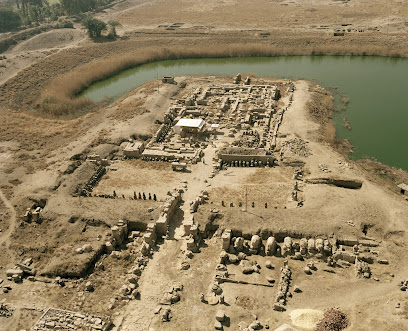
The Sphinx Avenue
1.1 km
Explore Sphinx Avenue in Luxor, Egypt, where history comes alive with ancient sphinxes leading to the monumental Karnak Temple.
Visita Luxor
1.2 km
Explore Luxor, the ancient capital of Egypt, filled with majestic temples, royal tombs, and rich cultural experiences along the Nile River.
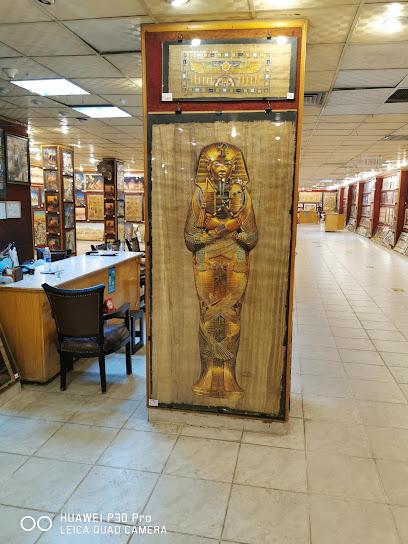
Isis2 papyrus Museum
1.2 km
Explore the artistry of ancient Egypt at Isis2 Papyrus Museum in Luxor, where history, culture, and craftsmanship come alive.
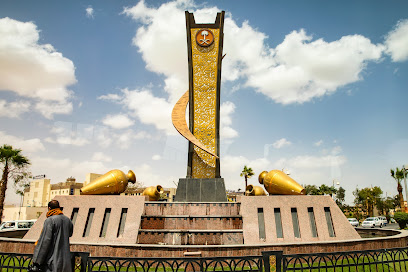
Maadi Square
1.4 km
Explore Maadi Square in Luxor, a vibrant hub of culture, cuisine, and history that offers a unique glimpse into Egyptian life and ancient wonders.
Essential places to dine

White Coffee & Restaraunt
0.4 km
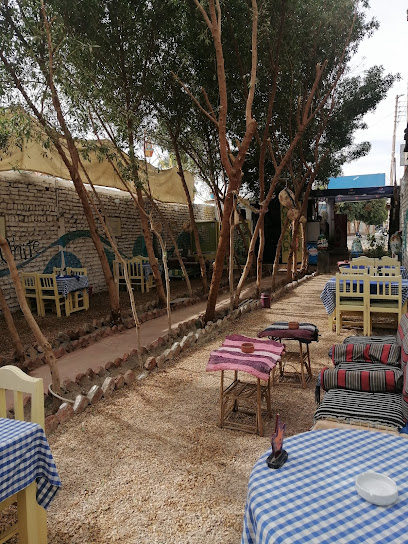
Discover delicious Arab cuisine at White Coffee & Restaurant in Karnak, Luxor – where tradition meets modern comfort.
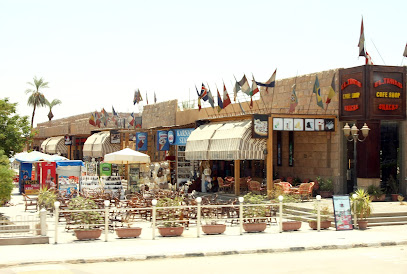
El Tawab Restaurant & Coffee Shop
0.5 km
Discover El Tawab Restaurant & Coffee Shop near Karnak Temple Square - where authentic Egyptian flavors meet inviting ambiance.
Caribbean
0.6 km
Discover authentic Caribbean cuisine in Luxor; a flavorful journey awaits with vibrant dishes and welcoming hospitality.
بيت ورد. Bayt ward
0.7 km
Discover Bayt Ward in Luxor: A Barbecue Haven Offering Authentic Flavors and Inviting Atmosphere.
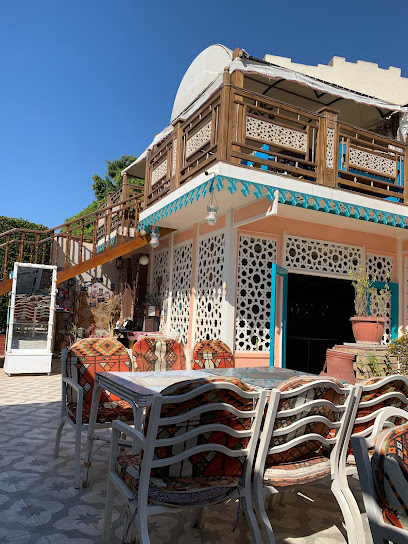
Beyt Ward Restaurant and cafe shop
0.7 km
Discover authentic Egyptian flavors at Beyt Ward Restaurant in Luxor's Karnak district - where tradition meets taste in every bite.
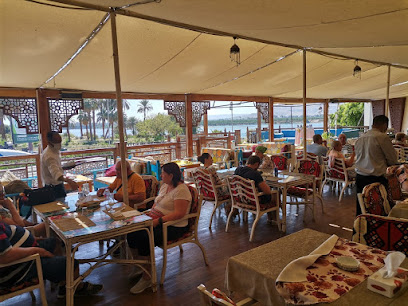
مطعم النيل السياحى - Nile Restaurant Luxor
0.8 km
Experience authentic Egyptian cuisine with stunning views at Nile Restaurant Luxor – where every meal is a memorable adventure.
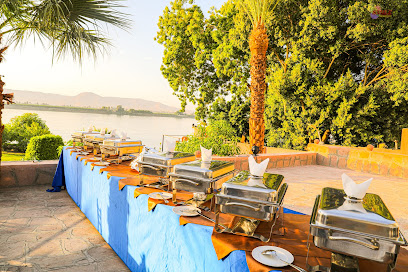
El Hussein Restaurant
1.2 km
Experience authentic Egyptian cuisine at El Hussein Restaurant in Luxor, where traditional flavors meet modern dining.
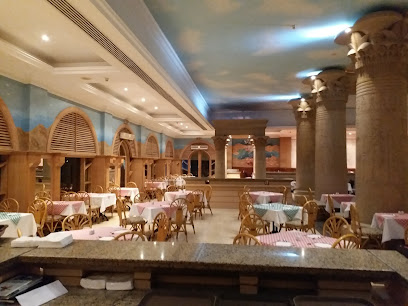
Silk Road
1.5 km
Discover the essence of Asian cuisine at Silk Road in Luxor—a culinary journey reflecting history and flavor.
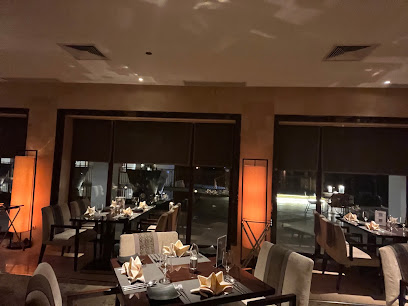
Rosetta
1.5 km
Experience the rich flavors of Egyptian cuisine at Rosetta Buffet in Karnak, Luxor - where every meal is a celebration.
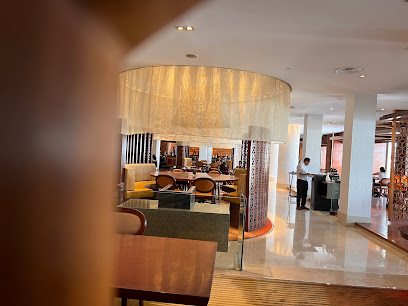
Olives
1.5 km
Experience exquisite Egyptian cuisine at Olives in Karnak, Luxor – where fine dining meets rich cultural heritage.
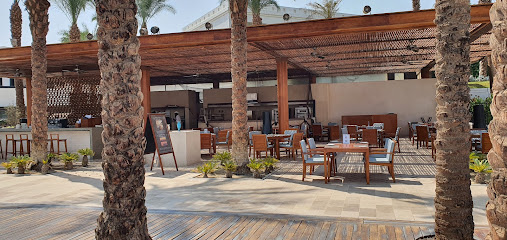
Kaya Restoz
1.5 km
Discover Kaya Restoz in Luxor: where Native American flavors meet Egyptian hospitality along the Nile.
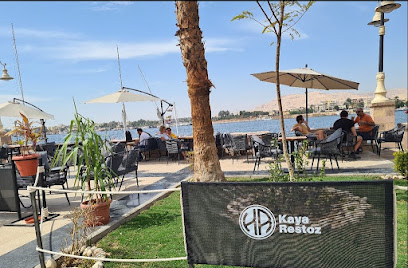
Casablanca Restaurant
1.6 km
Experience authentic Egyptian cuisine at Casablanca Restaurant in Luxor - where tradition meets taste.
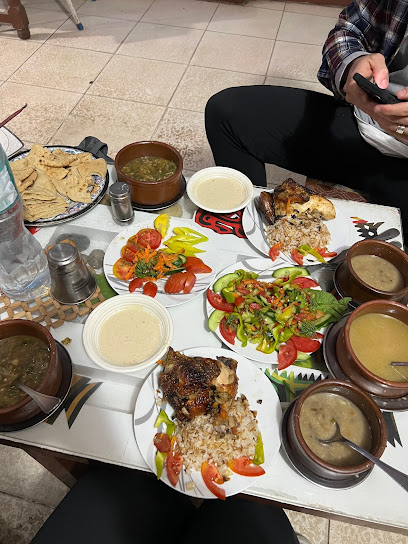
Oasis Palace
1.8 km
Experience exquisite flavors at Oasis Palace in Luxor – where traditional Egyptian cuisine meets modern dining.
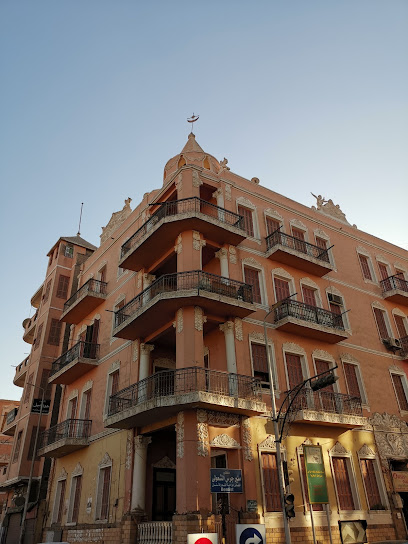
مطعم الميناء Almina Restaurant
1.8 km
Experience exquisite dining at Almina Restaurant: where Japanese Izakaya meets fast food in the heart of Luxor.
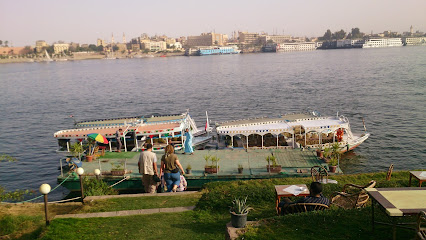
Al Sahaby Lane Restaurant
2.2 km
Experience authentic Egyptian cuisine at Al Sahaby Lane Restaurant in Luxor – where tradition meets taste.
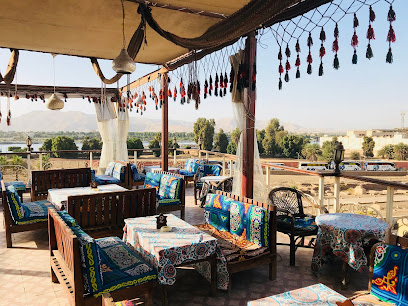
Markets, malls and hidden boutiques

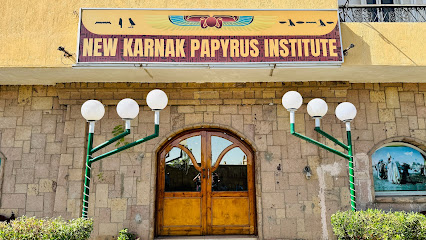
New Karnak Papyrus Instute
0.3 km
Explore Egypt's rich heritage at the New Karnak Papyrus Institute, where ancient craftsmanship meets modern artistry in Luxor.
محلات الحاج عبده للملابس والمفروشات الجاهزة
0.3 km
Explore المحلات الحاج عبده for exquisite clothing and home textiles in the heart of Luxor, where tradition meets modern elegance.
Cleopatra Perfume Oils Palace
0.3 km
Explore the luxurious world of handcrafted perfume oils at Cleopatra Perfume Oils Palace in Luxor, where ancient traditions meet modern elegance.
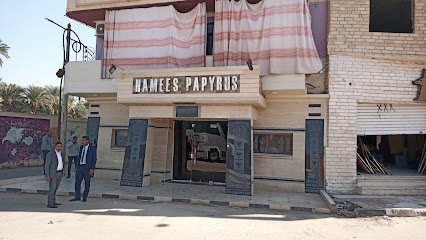
Hamees Papyrus
0.4 km
Explore Hamees Papyrus in Luxor for unique souvenirs that capture the essence of Egypt's rich cultural heritage and artistry.
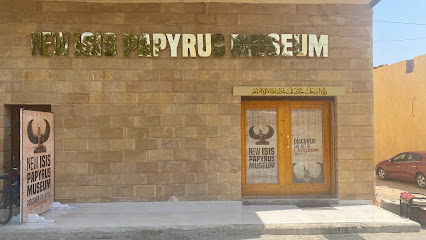
New Isis papyrus museum
0.4 km
Explore the New Isis Papyrus Museum in Luxor, a captivating journey through ancient Egyptian art and culture showcasing exquisite papyrus artifacts.
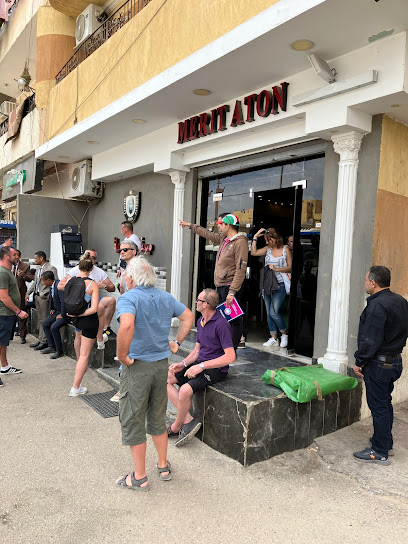
Merit Aton
0.5 km
Explore the rich heritage of Egypt at Merit Aton, the ultimate antique store in Luxor, showcasing timeless treasures and unique artifacts.
Anubis shop for souvenirs
0.5 km
Explore Anubis Shop for Souvenirs in Luxor for authentic Egyptian treasures and unique gifts to cherish your travel memories.
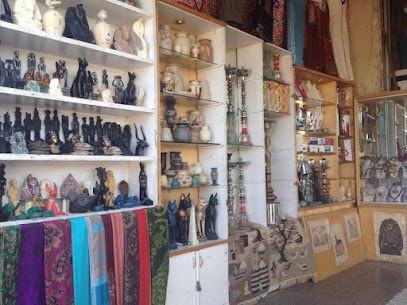
World Famous Bazaar
0.8 km
Explore Luxor's World Famous Bazaar, a vibrant gift shop offering authentic Egyptian treasures and a unique cultural experience.
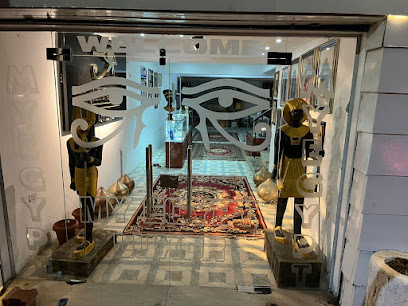
Old Shop
0.8 km
Explore Old Shop in Luxor's Karnak for unique jewelry, antiques, and handcrafted treasures that reflect Egypt's rich heritage.
أبو وحيد للإستيراد والتصدير
1.7 km
Explore Abu Wahid, Luxor's premier souvenir store, for authentic Egyptian crafts and unforgettable shopping experiences.
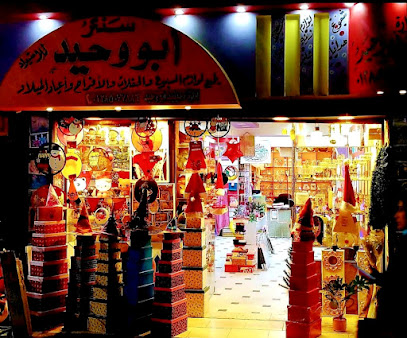
Hassle Free Shop
1.9 km
Explore the enchanting Hassle Free Shop in Luxor, the perfect destination for unique books, antiques, and souvenirs reflecting Egyptian culture.
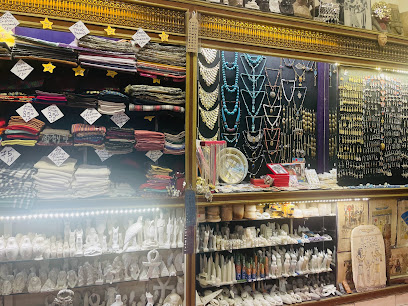
El Fashny Shop - متجر الفشني
2.2 km
Discover unique Egyptian gifts and souvenirs at El Fashny Shop in Luxor, where tradition meets artistry in a charming shopping experience.
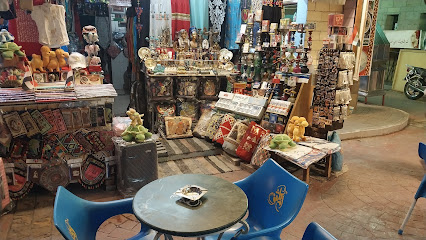
Lotus Bazar
2.3 km
Explore Lotus Bazar in Luxor for unique fashion accessories, exquisite jewelry, and enchanting perfumes that embody the essence of Egyptian craftsmanship.
Tienda de recuerdos
2.3 km
Discover authentic Egyptian souvenirs at Tienda de Recuerdos in Luxor, a vibrant store filled with handcrafted treasures that embody the spirit of Egypt.
Old Market House Egyption Gift
2.3 km
Explore the Old Market House Egyptian Gift in Luxor for authentic antiques and unique souvenirs, celebrating Egypt's rich cultural heritage.
Essential bars & hidden hideouts

Arabi Paradise
0.6 km
Experience the authentic flavors of Egypt at Arabi Paradise, a culinary gem in Luxor that delights every palate.
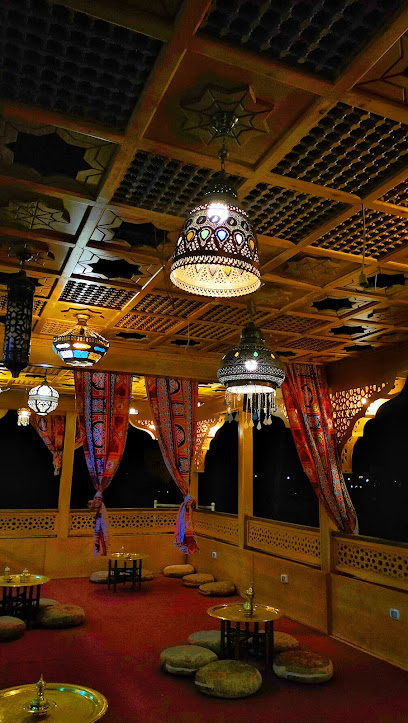
Bar & Byke Rent, West Luxor
2.1 km
Discover the perfect blend of relaxation and adventure at Bar & Byke Rent in Luxor, featuring refreshing drinks and bike rentals for exploring ancient wonders.
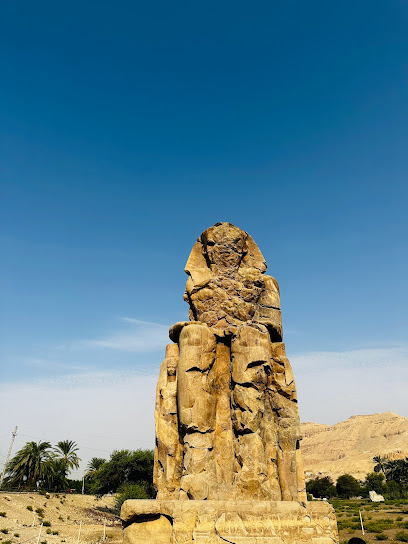
Wine palace
2.3 km
Discover the enchanting Wine Palace in Luxor, where local flavors and a vibrant atmosphere meet for a memorable evening.
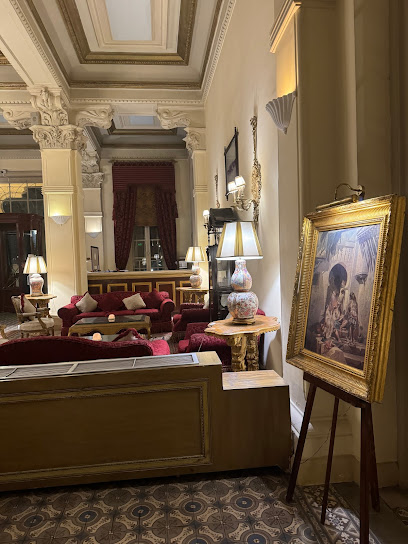
حسني لطيف سلامة
2.3 km
Experience the vibrant nightlife of Luxor at حسني لطيف سلامة, where local charm meets refreshing drinks in a lively atmosphere.
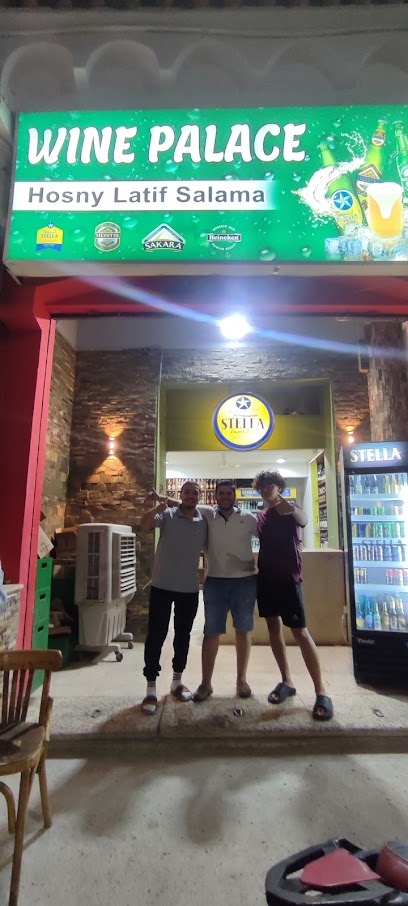
انتيكةAntika
2.5 km
Discover Antika, Luxor's vibrant cocktail bar, where exquisite drinks and lively ambiance create unforgettable moments.
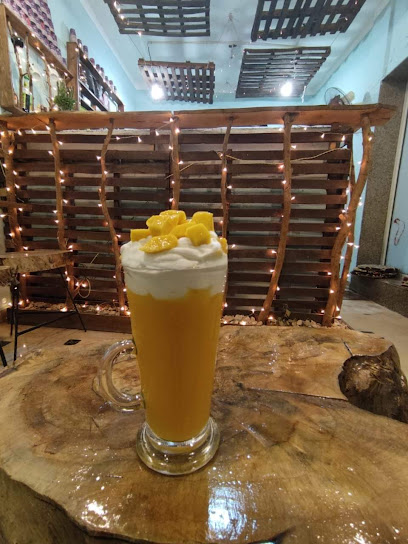
Snack Time
2.5 km
Experience the vibrant flavors of Egypt at Snack Time, your go-to spot for authentic cuisine and delicious pizza delivery in Luxor.
Royal Bar
2.9 km
Experience the vibrant ambiance of the Royal Bar in Luxor, where exquisite drinks meet stunning Nile views for an unforgettable evening.
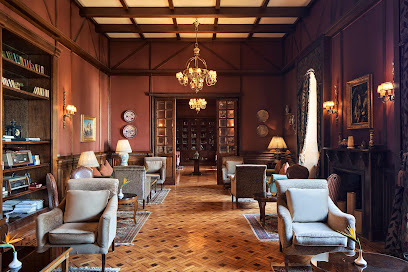
G.old
3.0 km
Experience vibrant nightlife at G.old, a premier bar in Luxor, Egypt, offering an extensive drink selection and a lively atmosphere.
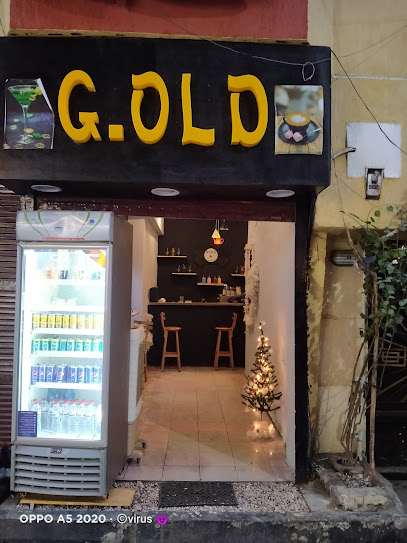
مصطفى تاكس
3.8 km
Discover the vibrant nightlife at مصطفى تاكس, a lively bar in Luxor offering refreshing drinks and a welcoming atmosphere for travelers.
SunRise Bar & Restaurant Luxor
4.0 km
Experience the vibrant flavors of Egyptian and international cuisine at SunRise Bar & Restaurant in Luxor, where delightful dishes meet lively entertainment.
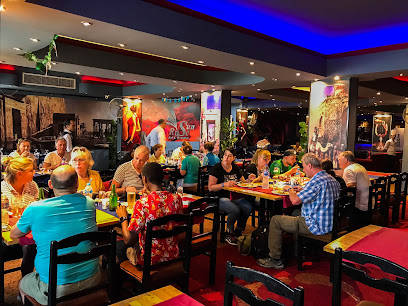
The King's Head Pub
4.0 km
Experience the vibrant local culture at The King's Head Pub, the perfect spot for relaxation and traditional Egyptian hospitality in Luxor.
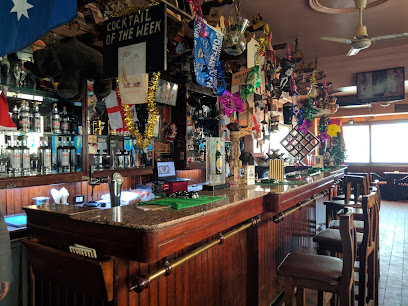
ميرفيس الأيرلندية بار Murphys Irish Bar
4.0 km
Discover the heart of Irish culture at Murphys Irish Bar in Luxor, where tradition meets vibrant entertainment and delightful cuisine.
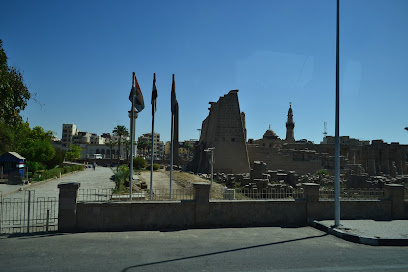
Nile Bar & Lounge
4.1 km
Experience the elegance of Nile Bar & Lounge in Luxor, where exquisite cocktails meet breathtaking views of the Nile River.
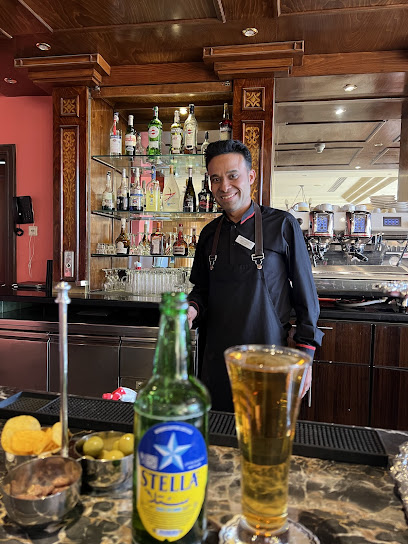
Maxime's El Saltana café
4.4 km
Discover Maxime's El Saltana Café in Luxor – where tradition meets flavor in a cozy ambiance perfect for every traveler.
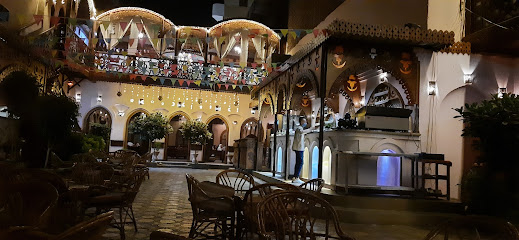
Sukkareya Lobby Bar
4.7 km
Discover the vibrant atmosphere of Sukkareya Lobby Bar in Luxor, where local flavors meet exceptional service for a memorable experience.
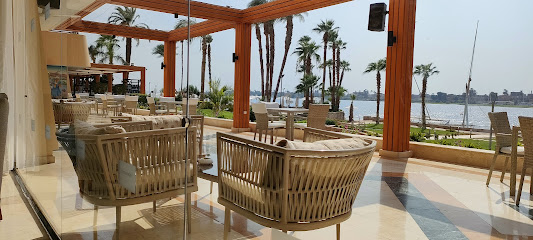
Nightclubs & after hour spots

Hilton Luxor Resort & Spa
1.5 km
Discover the luxurious Hilton Luxor Resort & Spa, where opulence meets the breathtaking beauty of the Nile River, perfect for a relaxing getaway.
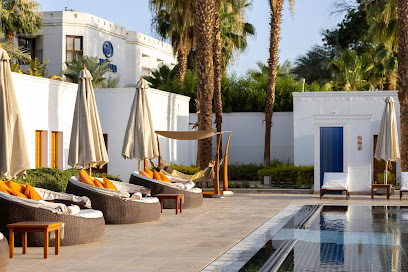
VIP CLUB LUXOR
2.3 km
Experience the vibrant atmosphere of VIP Club Luxor, a lively cafe ideal for relaxation and socializing in the heart of Luxor.
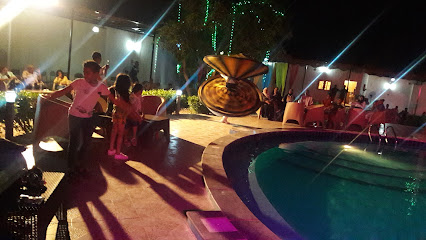
ملاهي سيدي المنصور
2.4 km
Discover Luxor's nightlife at ملاهي سيدي المنصور, a vibrant club offering an unforgettable evening of music, dance, and local culture.

Al Fayrouz Hotel
2.7 km
Discover the charm of Luxor at Al Fayrouz Hotel, where comfort, culture, and cuisine unite in an unforgettable experience.
Blue Sky Restaurant
2.8 km
Experience authentic Japanese cuisine at Blue Sky Restaurant in Luxor, where fresh ingredients and a serene ambiance await every visitor.
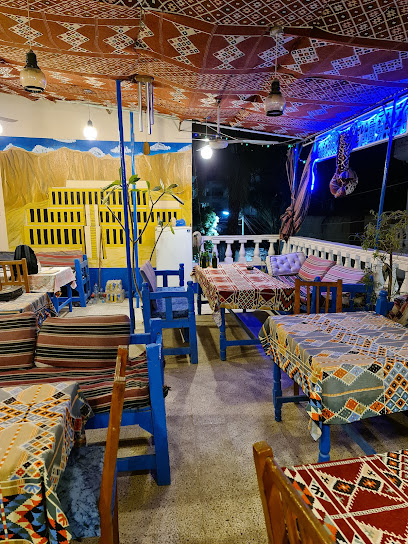
Luxor Rowing Club
3.1 km
Discover the serene beauty of the Nile at Luxor Rowing Club, where relaxation meets adventure in a stunning riverside setting.
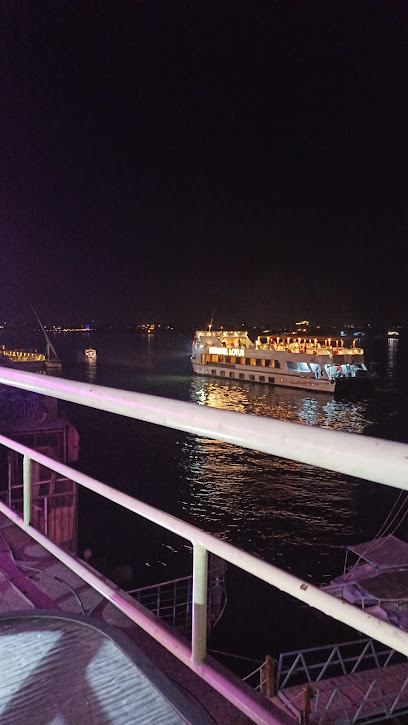
كباريه
3.6 km
Discover the vibrant nightlife at كباريه in Luxor, where music, dance, and fun come together for an unforgettable experience.
Sonesta St. George Hotel
4.0 km
Experience luxury and breathtaking views at the Sonesta St. George Hotel, a premier resort by the Nile River in Luxor, Egypt.