The Colossi of Memnon: Sentinels of Ancient Thebes
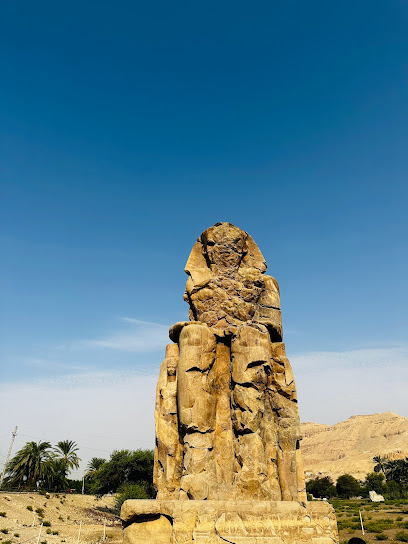
Marvel at the Colossi of Memnon, towering statues of an ancient pharaoh, standing guard on Luxor's West Bank for over 3,400 years.
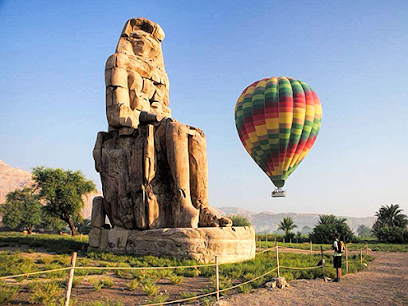
The Colossi of Memnon are two massive stone statues of Pharaoh Amenhotep III, standing guard on the West Bank of Luxor. These imposing figures, dating back to 1350 BCE, once flanked the entrance to Amenhotep III's mortuary temple, a vast complex that has mostly disappeared over time.
A brief summary to Colossus of Memnon on the West Bank
- West Bank, Valley of the, Kings Road, Luxor, Luxor City, Luxor Governorate, EG
Local tips
- Visit early in the morning or late in the afternoon to avoid the midday heat and harsh sunlight.
- Wear sunscreen, a hat, and comfortable shoes, as you'll be exposed to the sun and walking on uneven ground.
- Bring water to stay hydrated, especially during the hotter months.
- Take a walk around the Colossi to observe the differences in damage between the front and rear sides.
- Combine your visit with other West Bank attractions like the Valley of the Kings and the Temple of Hatshepsut.

Getting There
-
Taxi
The most convenient way to reach the Colossi of Memnon is by taxi from Luxor. Taxis are readily available throughout the city. A taxi ride from Luxor to the Colossi takes approximately 15 minutes and typically costs between $2 and $4. Agree on the fare with the driver before starting your journey.
-
Public Transport
While Luxor doesn't have a comprehensive public transit system, buses or shared taxis can take you closer to the Colossi. From the main bus station in Luxor, take a local bus heading towards the West Bank. Ask the driver to drop you off near the Colossi of Memnon. From the drop-off point, you may need to walk a short distance (around 10-15 minutes) to reach the statues. The bus fare is typically very low, around 5-10 EGP.
-
Walking
For those staying on the West Bank or feeling adventurous, it's possible to walk to the Colossi of Memnon. From many points on the West Bank, the Colossi are easily visible and can be reached by following the main road. Be prepared for a walk of at least 1 hour, depending on your starting point, and take necessary precautions against the heat.
Discover more about Colossus of Memnon on the West Bank
Iconic landmarks you can’t miss

Luxor Egypt
1.4 km
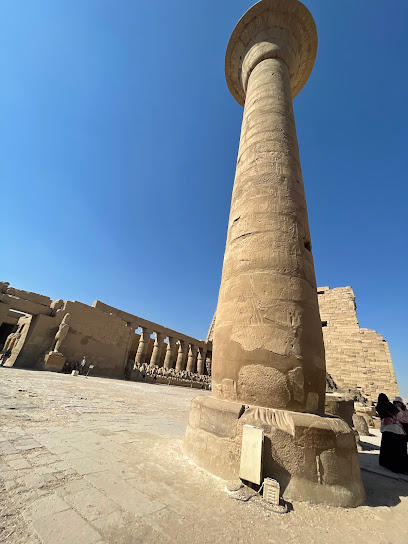
Discover the enchanting city of Luxor, Egypt, where ancient history and vibrant culture come together to create a timeless travel experience.
Luxor city - Egypt
1.9 km
Explore Luxor: where ancient pharaohs' legacies meet vibrant modern Egyptian life along the majestic Nile River.
Nile Holiday
2.0 km
Explore Luxor with Nile Holiday Travel Agency, your trusted partner for unforgettable experiences in the land of pharaohs.
ميدان أبوالحجاج
2.3 km
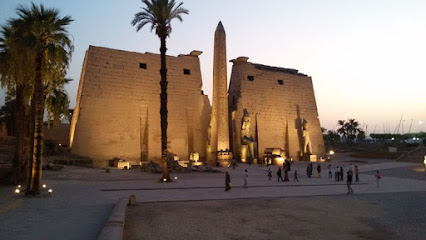
Experience the vibrant heart of Luxor at Abu al-Haggag Square, where history, culture, and local life intertwine in a captivating Egyptian experience.
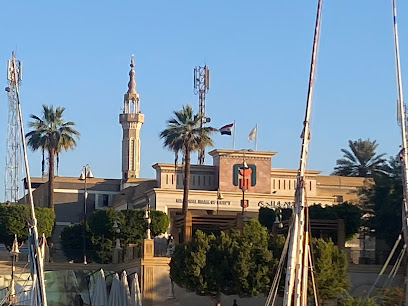
البنك الأهلي المصري فرع الاقصر
2.5 km
Discover convenience at the Egyptian National Bank in Luxor, the essential stop for travelers needing reliable banking services while exploring ancient Egypt.
Ancient Luxor Quay
2.6 km
Explore Ancient Luxor Quay: a historical landmark on the Nile, offering stunning views, cultural experiences, and access to Luxor's famous attractions.
NBE ATM - Sofitel Winter Palace Hotel 1 Luxor - فندق سوفتيل 1 الأقصر
2.6 km
Conveniently located at the Sofitel Winter Palace Hotel, NBE ATM provides 24/7 access to cash for tourists exploring the historical treasures of Luxor.

Alexbank
2.7 km
Experience the convenience of Alexbank in Luxor, your essential stop for financial services amidst the treasures of ancient Egypt.
Luxor day tour to East & West Banks
3.0 km
Discover the wonders of Luxor's West Bank: Valley of the Kings, Hatshepsut Temple, and Colossi of Memnon. A journey through ancient Egyptian history.
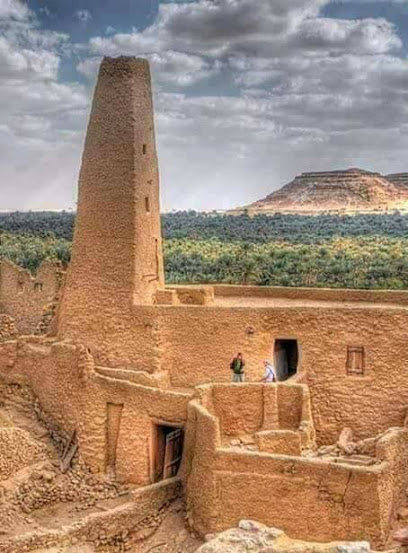
Luxor Nile Ferry - West Bank
3.1 km
Cross the Nile and journey back in time! The Luxor Nile Ferry offers an affordable and scenic gateway to the West Bank's ancient wonders.
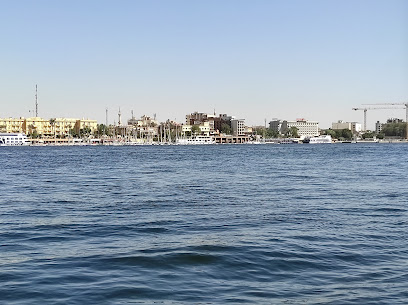
Rovine del tempio di thot
3.3 km
Esplora le antiche Rovine del Tempio di Thot nel complesso del Tempio di Karnak a Luxor, in Egitto, un sito dedicato al dio della saggezza.
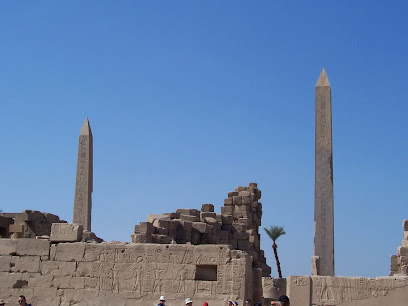
El-Gezira Hotel & Restaurant
3.3 km
Experience tranquility on Luxor's West Bank with Nile views, delicious cuisine, and live music at El-Gezira Hotel & Restaurant.
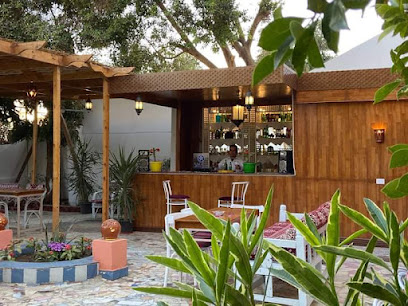
Precinct of Amun-Re
3.4 km
Explore the awe-inspiring Precinct of Amun-Re in Luxor, the largest religious complex in the world, and discover ancient Egypt's grandeur.
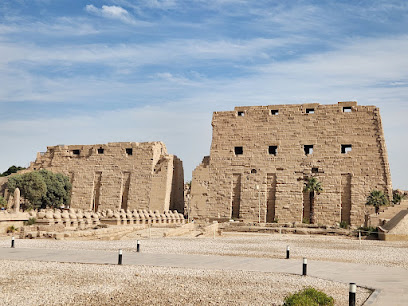
Ramesses III Temple
3.5 km
Explore the Temple of Ramesses III in Luxor, a magnificent mortuary temple with stunning reliefs and a rich history dating back to the New Kingdom.
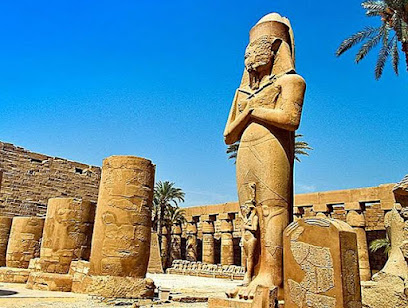
Pillar Hall in Karnak Temple
3.5 km
Explore the awe-inspiring Great Hypostyle Hall at Karnak Temple, a colossal forest of intricately decorated columns showcasing ancient Egyptian grandeur.
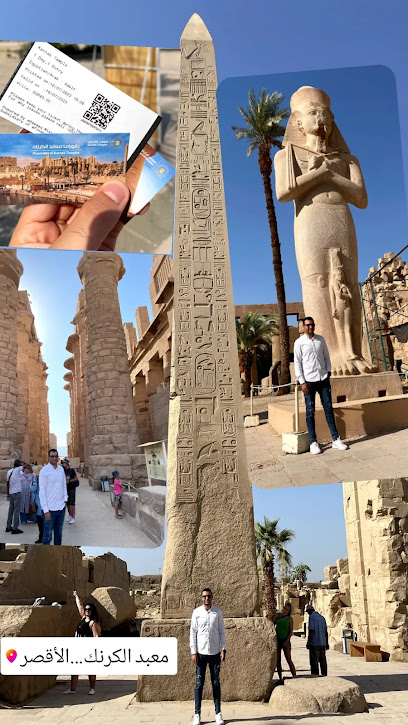
Unmissable attractions to see

Egipt Luxor
0.0 km
Experience the magic of Luxor, Egypt, where ancient history meets vibrant culture along the banks of the Nile River.
Luxor Egypt Tours
0.9 km
Explore the ancient wonders of Luxor, from the Valley of the Kings to Karnak Temple, with Luxor Egypt Tours - your expert guide to Egypt's rich history.
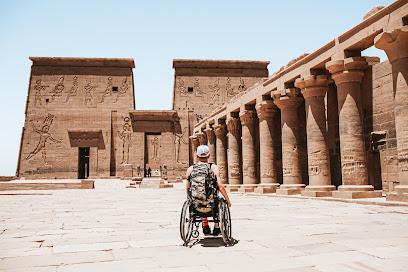
Trade National
1.8 km
Discover tranquility in Luxor's Trade National Garden, a picturesque oasis featuring lush greenery and vibrant flora, perfect for relaxation and exploration.
Luxor
1.8 km
Discover the ancient wonders of Luxor, Egypt's iconic cradle of civilization, where history comes alive amidst incredible temples and tombs.
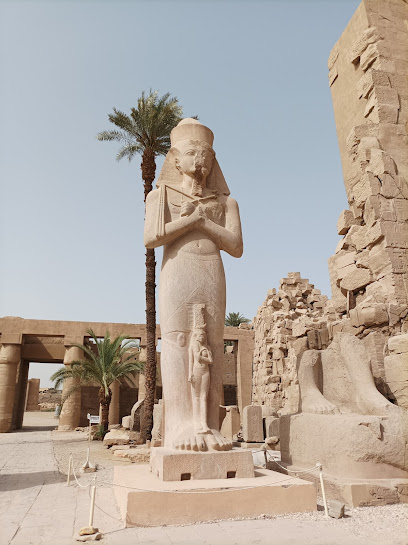
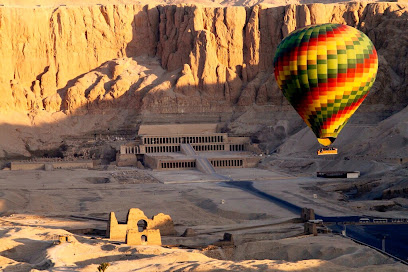
Sunrise Ballooning Luxor Hot Air Balloon
1.9 km
Discover Luxor's ancient treasures from a bird's eye view with Sunrise Ballooning, where breathtaking landscapes meet the rich history of Egypt.
Valley of the king
1.9 km
Explore the Valley of the Kings, Egypt's historical treasure, where ancient pharaohs rest amidst stunning tombs and breathtaking landscapes.
Cimitero (necropoli) El-Khokha
1.9 km
Explore the ancient wonders of Cimitero El-Khokha in Luxor, where history comes alive through intricate tombs and breathtaking wall paintings.
Luxor corniche
1.9 km
Experience the beauty of the Nile at Luxor Corniche, where history meets leisure in a stunning riverside setting.
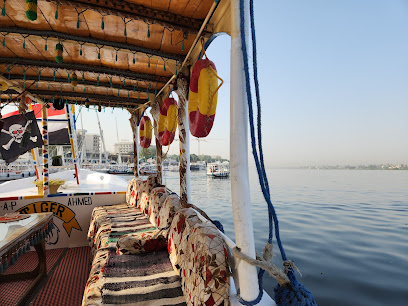
Necropoli (cimitero)Nefermenul
1.9 km
Explore the ancient wonders of Necropoli Nefermenul in Luxor, where history and spirituality intertwine in a captivating necropolis.
Necropoli (cimitero) tomba di Neferrenpet
1.9 km
Discover the ancient artistry and serene atmosphere of the Necropolis of Neferrenpet, a must-visit archaeological site near Luxor, Egypt.
Cimitero Nefermenul
1.9 km
Explore the enchanting Cimitero Nefermenul in Luxor, where ancient Egyptian burial practices come to life through intricate tombs and vibrant hieroglyphs.
HelaontheNile
1.9 km
Experience the tranquility of HelaontheNile, a lush garden in Luxor where nature meets the serene banks of the Nile River.
Bird guides
1.9 km
Explore the breathtaking avian diversity at Bird Guides in Luxor, where nature and history intertwine for an unforgettable birdwatching experience.
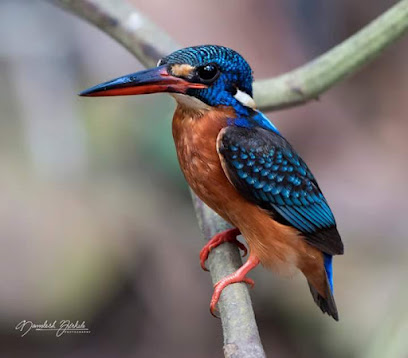
HODHOD SOLIMAN HOT Air Balloon Rides Luxor Egypt
1.9 km
Discover the captivating beauty of Luxor, Egypt from the skies with unforgettable hot air balloon rides, showcasing exquisite ancient landmarks.
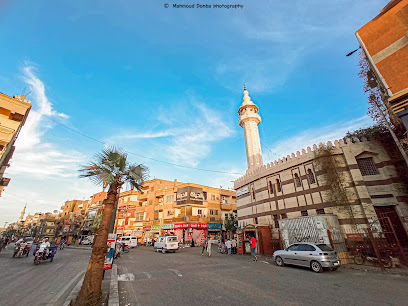
Salah al-Din Mosque
2.0 km
Explore the stunning Salah al-Din Mosque in Luxor, a masterpiece of Islamic architecture and a tranquil retreat for visitors seeking cultural enrichment.
Essential places to dine

BOB Egyptian& Moroccan Restaurant
1.7 km
Experience authentic Egyptian and Moroccan cuisine at BOB Restaurant in Luxor – a culinary journey through North Africa's rich flavors.
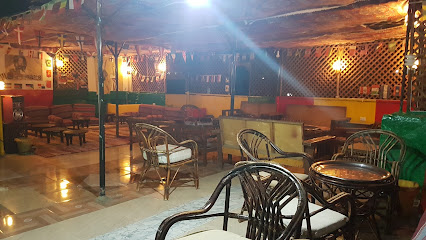
Sofra
1.9 km
Experience authentic Egyptian cuisine at Sofra in Luxor - where traditional flavors meet modern dining.
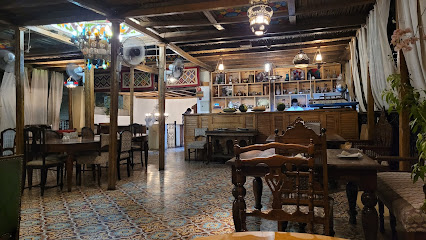
مطعم وبار جورجينا Georgina Restaurant & Bar
2.2 km
Discover the flavors of Japan at Georgina Restaurant & Bar in Luxor - an izakaya experience blending tradition with local charm.
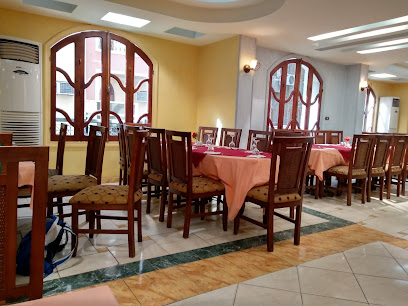
Aboudi Coffee Break
2.3 km
Experience authentic Egyptian flavors at Aboudi Coffee Break in Luxor—where great food meets warm hospitality.
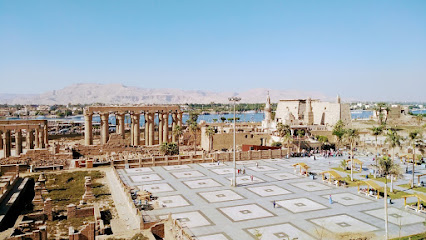
Jamboree Restaurant
2.3 km
Discover the vibrant flavors of Egypt at Jamboree Restaurant in Luxor—where tradition meets taste in an unforgettable dining experience.
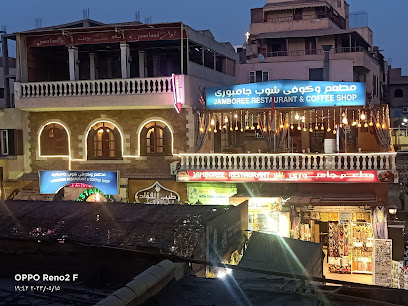
Gerda's Garden
2.3 km
Discover Gerda's Garden in Luxor – where fast food meets local charm and flavor in a vibrant dining experience.
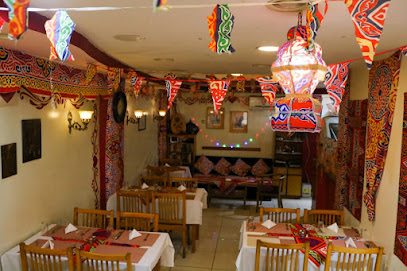
SharkFish Restaurant Luxor
2.3 km
Experience authentic Egyptian seafood cuisine at SharkFish Restaurant in Luxor - where every bite tells a story.
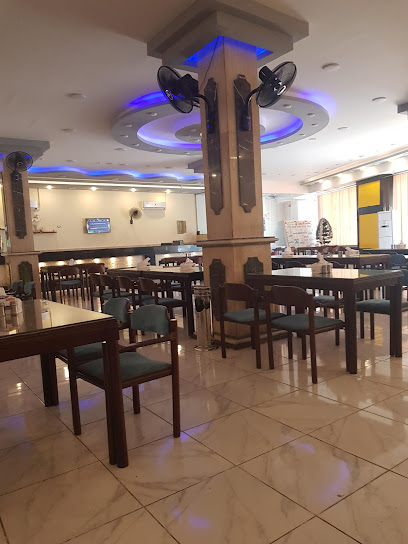
Al Sahaby Lane Restaurant
2.3 km
Experience authentic Egyptian cuisine at Al Sahaby Lane Restaurant in Luxor – where tradition meets taste.
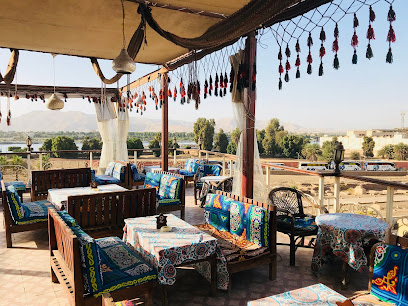
Kam Thai
2.4 km
Experience authentic Thai cuisine at Kam Thai in Luxor – where every dish tells a story of flavor and tradition.
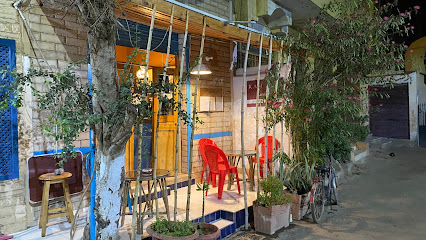
Tex Mex
2.4 km
Experience authentic Tex-Mex cuisine in Luxor at Tex Mex Restaurant – where vibrant flavors meet warm hospitality.
1886 Restaurant
2.4 km
Indulge in exquisite cuisine with stunning Nile views at 1886 Restaurant in Luxor - where fine dining meets cultural elegance.
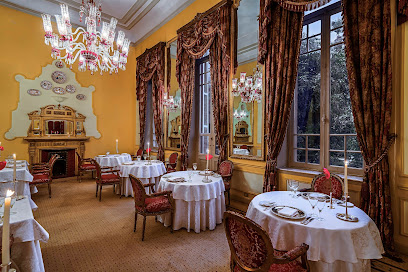
PIZZA ROMA . IT
2.4 km
Experience authentic Italian flavors at Pizza Roma in Luxor – where every slice tells a story.
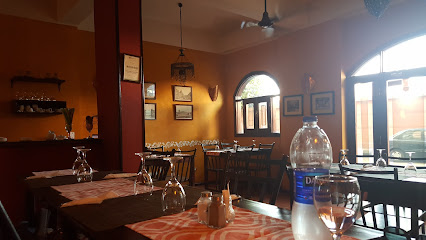
Mamma Mia! Luxor
2.4 km
Savor authentic Italian flavors at Mamma Mia! Luxor - where every meal is a culinary journey through Italy.
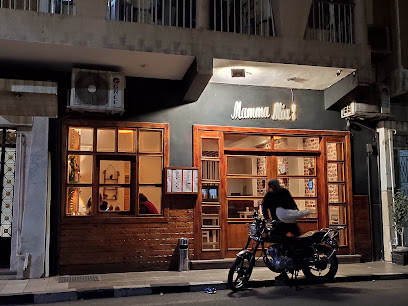
A Taste of India
2.5 km
Experience authentic Indian flavors at A Taste of India in Luxor – where every dish tells a story.
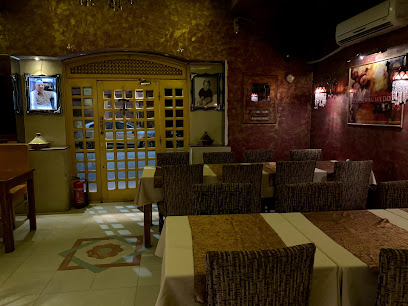
LA CORNICHE RESTAURANT
2.5 km
Experience exquisite Western cuisine at La Corniche Restaurant in Luxor, where breathtaking Nile views meet unforgettable flavors.
Markets, malls and hidden boutiques

Old Market House Egyption Gift
1.7 km
Explore the Old Market House Egyptian Gift in Luxor for authentic antiques and unique souvenirs, celebrating Egypt's rich cultural heritage.
Luxor Fruit and Vegetable Market
1.8 km
Dive into the heart of Luxor with a visit to the Fruit and Vegetable Market, where local flavors and vibrant culture come alive.
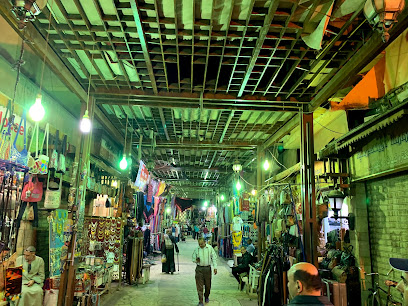
Miss Jolly
1.8 km
Discover unique fashion at Miss Jolly, a vibrant clothing store in Luxor, blending local charm with contemporary style.
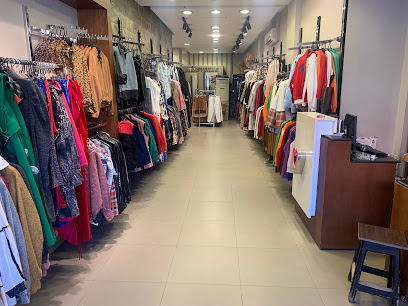
Tohotmos factory for alabaster
1.8 km
Explore the Tohotmos Factory for Alabaster in Luxor, where traditional craftsmanship meets stunning artistry in every piece.
مينوش
1.9 km
Discover مينوش in Luxor, where local fashion meets unique craftsmanship in a charming clothing store experience.
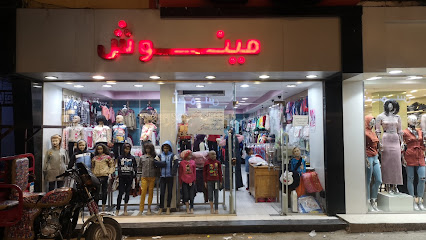
Pluto Stores
1.9 km
Discover unique souvenirs and handcrafted treasures at Pluto Stores, Luxor's charming gift shop celebrating Egyptian culture and craftsmanship.
Pink store
1.9 km
Discover Luxor’s Pink Store, a vibrant cosmetics haven offering a unique selection of beauty products, embodying local charm and hospitality.
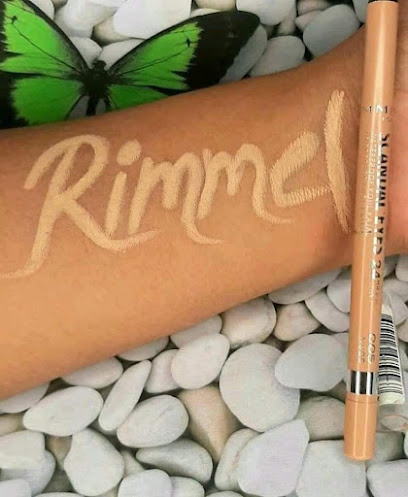
مصر للاسواق الحرة ( الاقصر )
1.9 km
Experience the essence of Luxor shopping at مصر للأسواق الحرة, your destination for unique home goods and exquisite Egyptian perfumes.
Cocktail
1.9 km
Discover Luxor's clothing scene, where traditional elegance meets modern flair, offering unique pieces that reflect Egypt's rich cultural heritage.
أبو وحيد للإستيراد والتصدير
1.9 km
Explore Abu Wahid, Luxor's premier souvenir store, for authentic Egyptian crafts and unforgettable shopping experiences.
Amwaj for Export and General Supplies
1.9 km
Experience local life and shop for essentials at Amwaj for Export and General Supplies in Luxor, the heart of Egypt's rich cultural heritage.
New bastet for alabaster
1.9 km
Explore the enchanting New Bastet for Alabaster, a premier gift shop in Luxor offering unique alabaster art and authentic Egyptian souvenirs.
Local handcraft shop
1.9 km
Explore Luxor's local handcraft shop for unique clothing and artisanal treasures that showcase Egyptian craftsmanship.
OUT LETS
1.9 km
Discover Luxor's OUT LETS for a unique blend of traditional and contemporary fashion in the heart of Egypt's ancient treasures.
JEVANO Luxor
1.9 km
Discover the best footwear at JEVANO Luxor, where style meets comfort in the heart of Egypt's ancient city.
Essential bars & hidden hideouts

G.old
2.0 km
Experience vibrant nightlife at G.old, a premier bar in Luxor, Egypt, offering an extensive drink selection and a lively atmosphere.
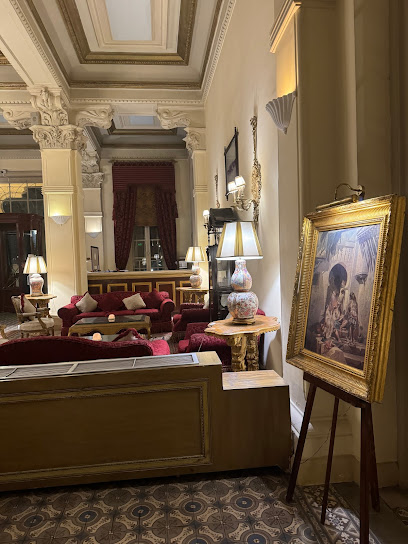
Wine palace
2.2 km
Discover the enchanting Wine Palace in Luxor, where local flavors and a vibrant atmosphere meet for a memorable evening.
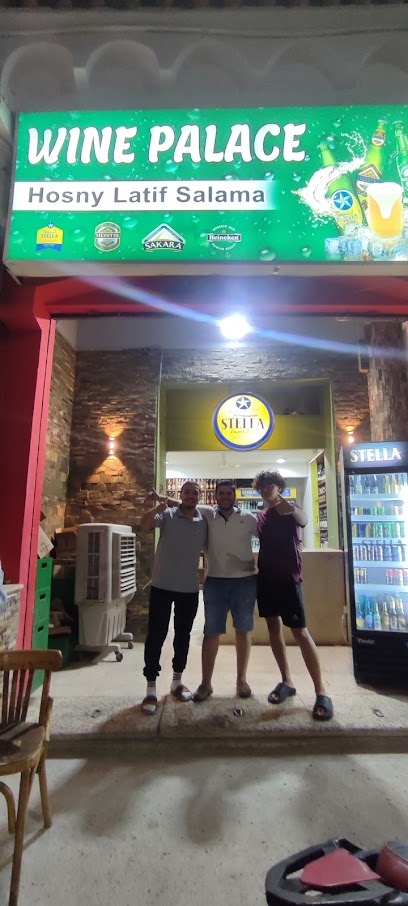
حسني لطيف سلامة
2.2 km
Experience the vibrant nightlife of Luxor at حسني لطيف سلامة, where local charm meets refreshing drinks in a lively atmosphere.
مصطفى تاكس
2.3 km
Discover the vibrant nightlife at مصطفى تاكس, a lively bar in Luxor offering refreshing drinks and a welcoming atmosphere for travelers.
Snack Time
2.3 km
Experience the vibrant flavors of Egypt at Snack Time, your go-to spot for authentic cuisine and delicious pizza delivery in Luxor.
Royal Bar
2.5 km
Experience the vibrant ambiance of the Royal Bar in Luxor, where exquisite drinks meet stunning Nile views for an unforgettable evening.
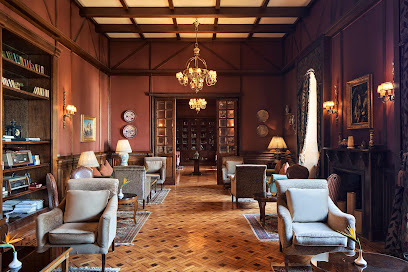
ميرفيس الأيرلندية بار Murphys Irish Bar
2.7 km
Discover the heart of Irish culture at Murphys Irish Bar in Luxor, where tradition meets vibrant entertainment and delightful cuisine.
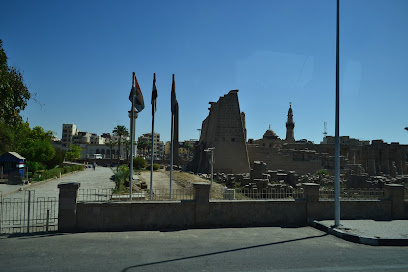
The King's Head Pub
2.7 km
Experience the vibrant local culture at The King's Head Pub, the perfect spot for relaxation and traditional Egyptian hospitality in Luxor.
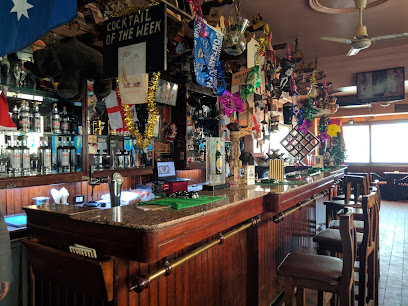
Nile Bar & Lounge
2.8 km
Experience the elegance of Nile Bar & Lounge in Luxor, where exquisite cocktails meet breathtaking views of the Nile River.
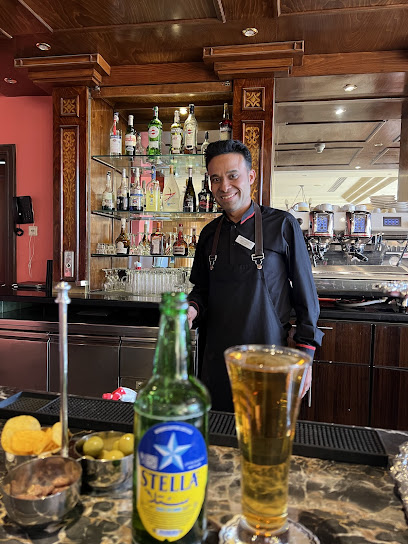
Sukkareya Lobby Bar
3.2 km
Discover the vibrant atmosphere of Sukkareya Lobby Bar in Luxor, where local flavors meet exceptional service for a memorable experience.
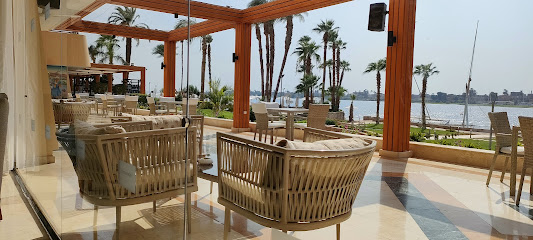
Karnak Restaurant
3.2 km
Discover the flavors of Egypt at Karnak Restaurant in Luxor, where authentic cuisine meets a welcoming atmosphere for an unforgettable dining experience.
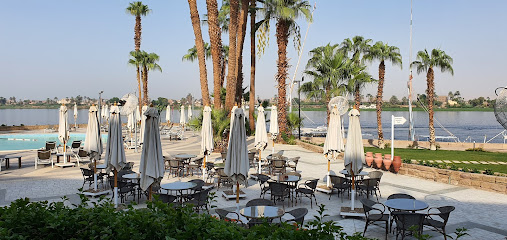
انتيكةAntika
3.2 km
Discover Antika, Luxor's vibrant cocktail bar, where exquisite drinks and lively ambiance create unforgettable moments.
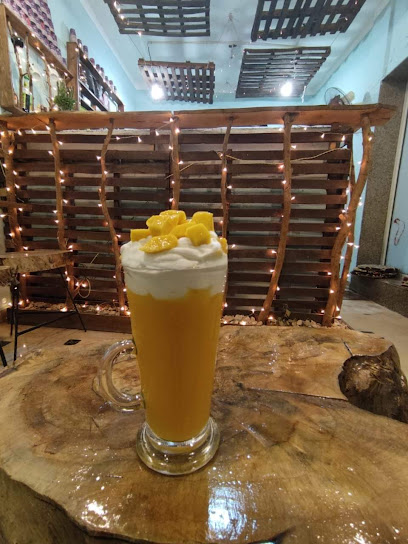
Bar & Byke Rent, West Luxor
3.8 km
Discover the perfect blend of relaxation and adventure at Bar & Byke Rent in Luxor, featuring refreshing drinks and bike rentals for exploring ancient wonders.
El Tawab Restaurant & Coffee Shop
3.8 km
Experience the flavors of Luxor at El Tawab Restaurant & Coffee Shop, where local cuisine meets international delights near Karnak Temple.
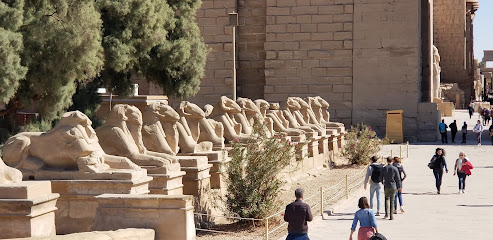
Arabi Paradise
3.9 km
Experience the authentic flavors of Egypt at Arabi Paradise, a culinary gem in Luxor that delights every palate.