
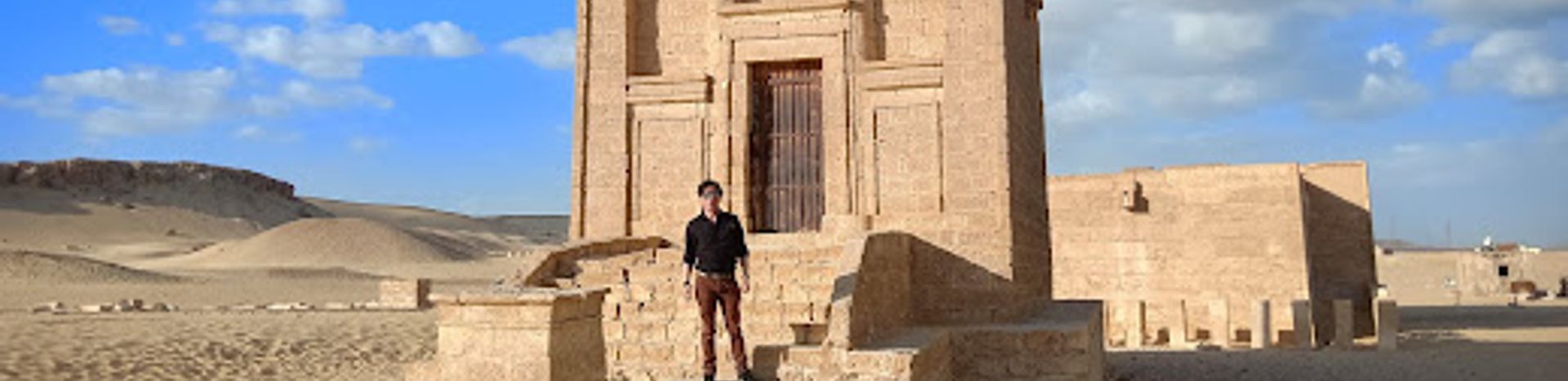
Tomb of Petosiris: A Blend of Cultures
Explore the Tomb of Petosiris: Where Egyptian tradition meets Greco-Roman artistry in a unique historical setting.
The Tomb of Petosiris, located in Tuna el-Gebel near Mallawi, is a unique Greco-Roman structure built for Petosiris, the high priest of Thoth. It showcases a fascinating mix of Egyptian and Greek architectural and artistic styles, offering insights into the cultural exchanges of the period.
A brief summary to Tomb of Petosiris
- PPP3+JM9, Mallawi, Minya Governorate, EG
Local tips
- Visit early in the morning to avoid the heat and crowds, ensuring a more peaceful exploration.
- Consider hiring a local guide to gain deeper insights into the tomb's history and significance.
- Bring water and snacks, as amenities around the site may be limited.

Getting There
-
Walking
If you are already in Mallawi, the Tomb of Petosiris is about a 20-minute walk from the town center. Head southwest on the main road, following signs towards the Nile. Continue straight until you reach the area marked 'PPP3+JM9'. The tomb entrance is nearby.
-
Public Transport
From the center of Minya, go to the main bus station near the Nile Corniche. Look for local buses heading towards Mallawi. The bus ride takes approximately 30-45 minutes. Ask the driver to drop you off at the nearest stop to the Tomb of Petosiris. From there, it's a short walk to the site.
-
Taxi
If you prefer a quicker option from Minya, take a shared taxi from the taxi stand near the main market area. The journey to Mallawi takes about 30 minutes. Ask the driver to drop you off at 'PPP3+JM9' or near the Tomb of Petosiris. A short taxi ride within Mallawi should cost approximately 10-20 EGP.
Discover more about Tomb of Petosiris
Iconic landmarks you can’t miss

Tomb of Petosiris
0.0 km
Explore the Tomb of Petosiris: Where Egyptian tradition meets Greco-Roman artistry in a unique historical setting.
Jabal al ‘Adīlah
20.4 km
Discover the breathtaking beauty and cultural richness of Jabal al 'Adhlah, a majestic mountain peak in Egypt's Minya Governorate, perfect for adventurous travelers.

Egypt itinerary
20.9 km
Discover the magic of Egypt with personalized itineraries that unveil the wonders of its rich history, culture, and breathtaking landscapes.
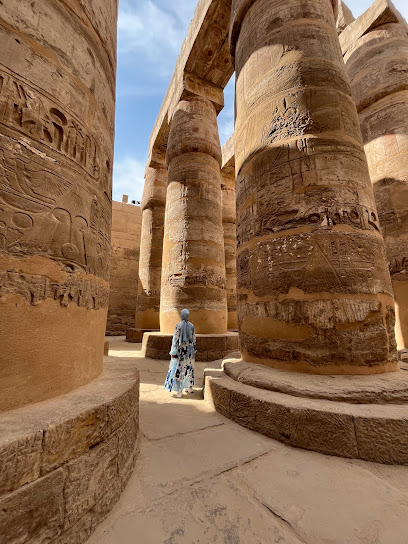
المقابر الشمالية - آثار تل العمارنة
23.3 km
Explore the rock-cut tombs of Akhenaten's courtiers and discover the unique art and religious beliefs of the Amarna period in ancient Egypt.
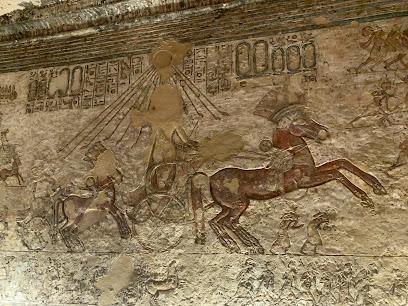
Kudyat AL Islam ️
23.4 km
Explore Kudyat AL Islam, a historical landmark in Assiut, and immerse yourself in the rich cultural heritage of Egypt, surrounded by serene beauty.
Speos Artemidos
24.2 km
Explore Speos Artemidos, a rock-cut temple dedicated to the lioness goddess Pakhet, commissioned by Queen Hatshepsut in ancient Egypt.
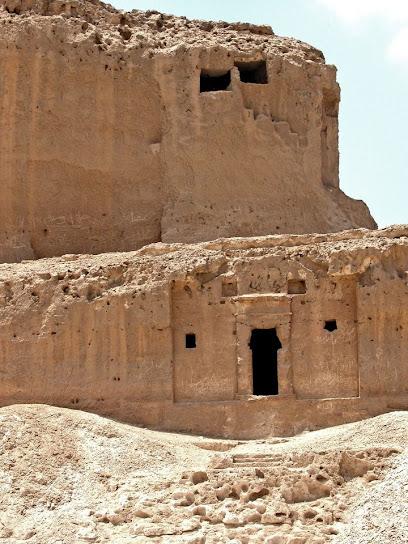
Tombs Of Beni Hassan
27.4 km
Explore ancient Egyptian life through vivid Middle Kingdom tombs carved into the cliffs of Beni Hassan, showcasing daily life and cultural practices.
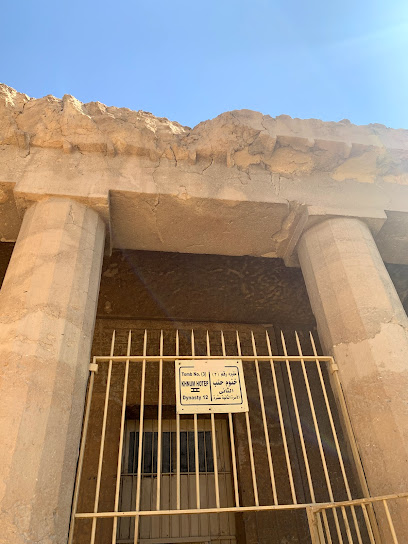
Monastery of the Blessed Virgin Mary (Muharraq)
39.8 km
Discover Al-Muharraq Monastery: a sacred Coptic site where the Holy Family found refuge, rich in history, ancient churches, and spiritual significance.
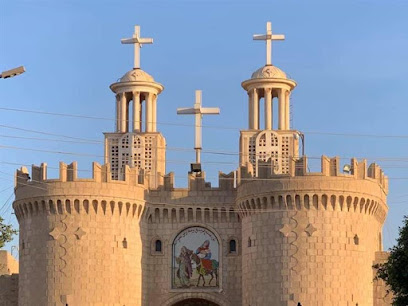
ميدان الصهريج
40.0 km
Experience the vibrant heart of Minya at Midan Al-Sahrij, a bustling town square where culture, history, and local life converge.
El lamati mosque
40.2 km
Discover El Lamati Mosque in Minya, a historic Fatimid mosque with elegant Islamic architecture and a serene atmosphere for reflection.
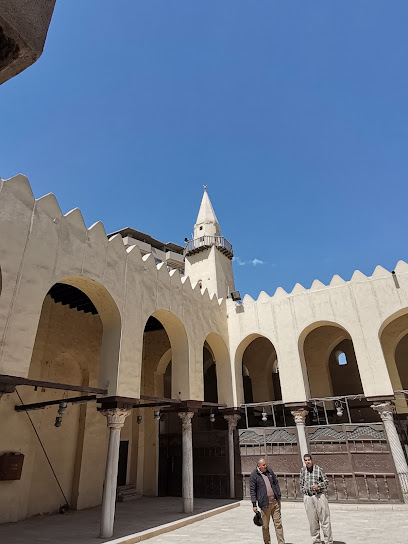
Al-Fouly Mosque
40.4 km
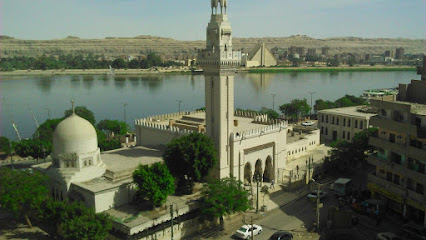
Discover the serene beauty and cultural richness of Al-Fouly Mosque, an architectural gem on the Nile Corniche in Minya, Egypt.
ميدان محطة قطار المنيا
40.4 km
Experience the vibrant heart of Al Minya at Midan Mahattat Qitar Al Minya, a bustling square where culture, history, and local life converge.
ميدان الشباب - المنيا الجديدة
40.4 km
Experience the vibrant culture and community spirit of New Minya at Al-Shabab Square, a town square bustling with life and local charm.
ميدان مصطفى كامل - المنيا الجديدة
40.5 km
Experience the local pulse of New Minya at Mustafa Kamel Square, a vibrant hub surrounded by shops and cafes, perfect for soaking in the city's atmosphere.
Midan Palace
40.6 km
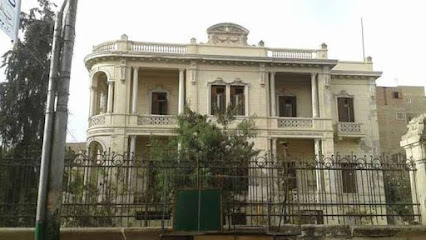
Experience the vibrant heart of Minya at Midan Palace: a bustling square where culture, community, and everyday Egyptian life come together.
Unmissable attractions to see

Great Aten Temple
21.3 km
Explore the Great Aten Temple in Al Minya Desert, an extraordinary historical landmark that reveals the rich spiritual heritage of ancient Egypt.
Small Aten Temple
21.5 km
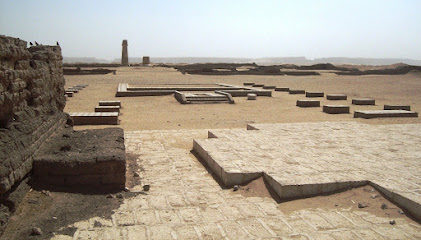
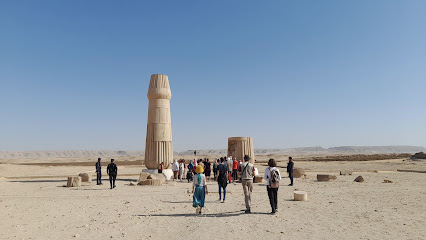
Explore the Small Aten Temple, a remarkable historical landmark in Egypt's Minya Governorate, revealing the unique sun worship of ancient civilizations.
كبري تبوخشبه
29.0 km
Discover the tranquility of Kabir Taboukshbeh Garden in Minya Governorate, a beautiful escape into nature's embrace, perfect for relaxation and reflection.
The Royal Tomb of Akhnaten
30.3 km
Explore the Royal Tomb of Akhnaten, an archaeological wonder in the Al Minya Desert, steeped in the history of Ancient Egypt and its legendary pharaoh.
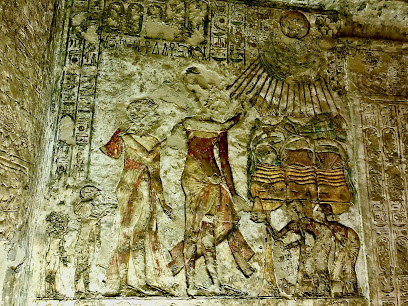
ابــو ابـــراهــيــم
31.7 km
Discover the serene beauty of Abu Abrahim in Minya Governorate, a prime bird watching area with rich biodiversity and stunning landscapes.
العالمي
32.1 km
Discover Al-Alami Garden in Minya, a serene escape filled with vibrant flora and tranquility, perfect for relaxation and exploration.
DR:Hussein Khalifa
32.3 km
Discover the enchanting beauty and rich history of DR: Hussein Khalifa, a must-see tourist attraction located in the heart of Minya, Egypt.
احمد حسين
32.6 km
Explore the rich cultural heritage and stunning architecture of Ahmed Hussein in Minya, Egypt – a captivating tourist attraction filled with history.
مزرعه الحاج أحمد قطب
35.9 km
Discover the serene beauty of مزرعة الحاج أحمد قطب, a tranquil park in Minya, perfect for relaxation, picnics, and family outings amidst nature.
لوكيشن حدوته
37.8 km
Discover the beauty of لوكيشن حدوته Park in Minya, Egypt - a perfect blend of nature, relaxation, and local culture.
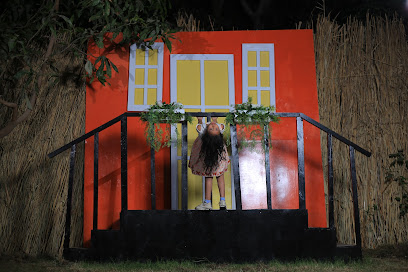
جـزيـرة كـدوان
38.6 km
Discover the enchanting Garden of Kdwan in Minya, a haven of lush greenery and vibrant blooms perfect for relaxation and exploration.
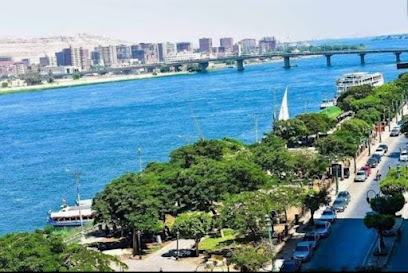
حديقه جنه مصر
39.2 km
Discover the tranquil beauty of Garden of Egypt in New Minya, a serene oasis perfect for nature lovers and peaceful retreats.
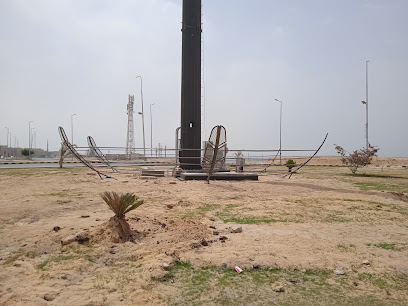
حديقة
39.4 km
Explore حدائق, a serene park in Minya, Egypt, perfect for relaxation, picnics, and enjoying nature's beauty amidst urban life.
ميدان الاسكيت المنيا جديده
39.6 km
Discover the natural beauty and cultural heritage of Al Askeet Square, a premier hiking destination in New Minya, Egypt.
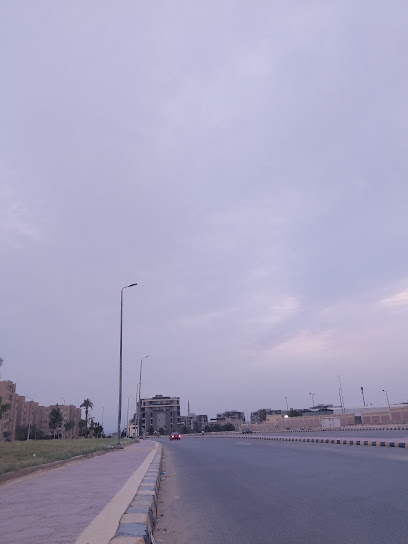
حديقة ميدان الشهداء
39.9 km
Explore the serene beauty and rich history of the Martyrs' Garden in Minya, a perfect escape for nature lovers and history enthusiasts alike.
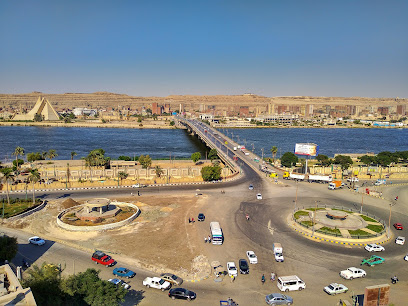
Essential places to dine

قشطة الجزار
38.5 km
Experience authentic Egyptian falafel at قشطة الجزار in Minya – where tradition meets flavor for an unforgettable meal.
ملك السوبر
38.9 km
Experience authentic Egyptian cuisine at ملك السوبر in Minya - a delightful restaurant offering traditional flavors and warm hospitality.
ترفيهي
39.4 km
Experience the taste of nature at this charming organic restaurant in Third Al Minya, where health meets flavor.
اسرار المطبخ مع نشوى
39.4 km
Experience the vibrant world of raw cuisine at اسرار المطبخ مع نشوى in Minya - where fresh flavors meet healthy living.
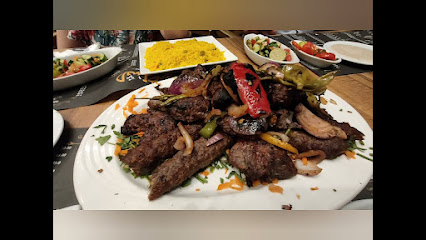
232323
39.4 km
Experience authentic Egyptian cuisine in Third Al Minya; savor traditional flavors in a warm and inviting atmosphere.
بندقه
39.4 km
Explore authentic Egyptian cuisine at بندقه in Third Al Minya – where every dish tells a story.
احمدمحاربالفاخري
39.4 km
Experience authentic Egyptian cuisine at Ahmed Mahareb Al-Fakhri, where every dish tells a story of tradition and flavor.
تكية يونس _tikiat Younes
39.4 km
Discover Tikiat Younes: A Culinary Haven in Minya Offering Authentic Egyptian Dishes Rich in Flavor and Tradition.
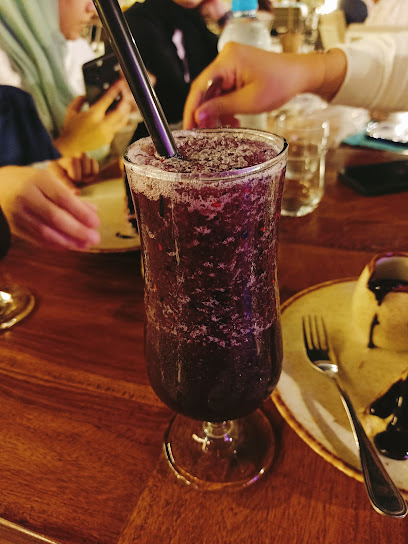
مطعم بستو
39.4 km
Discover authentic Egyptian flavors at مطعم بستو in Third Al Minya - where every meal is a celebration of taste and culture.
دمشاو هاشم
39.5 km
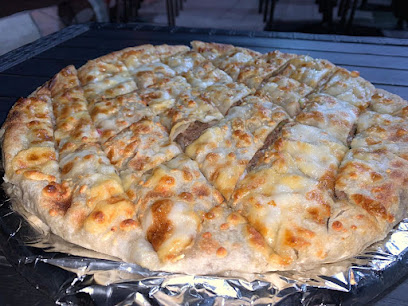
Discover authentic Egyptian cuisine at دمشاو هاشم in Third Al Minya - where every meal tells a story.
Elhoseny
39.8 km
Discover authentic Egyptian cuisine at Elhoseny in Minya - where tradition meets flavor in a warm and inviting atmosphere.
مطعم أبو علاء
39.9 km
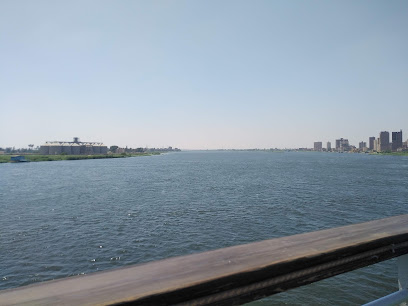
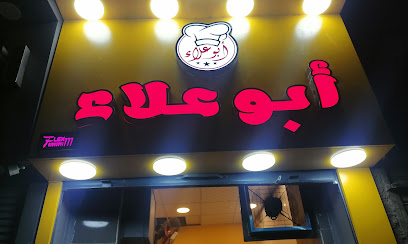
Experience authentic Egyptian cuisine at مطعم أبو علاء in Minya - a culinary gem that delights with every bite.
الليثي
40.0 km
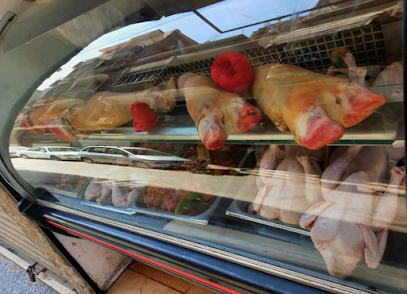
Experience the authentic taste of Egypt at Al-Laythi, where delicious falafel meets local charm in Minya Governorate.
مطعم تصبيره
40.0 km
Explore مطعم تصبيره: Your go-to fast food haven in Second Al Minya, serving delicious meals that reflect local flavors.
طيور الساعة
40.1 km
Experience authentic Egyptian cuisine at طيور الساعة in El-Gaish - where every meal tells a story.
Markets, malls and hidden boutiques

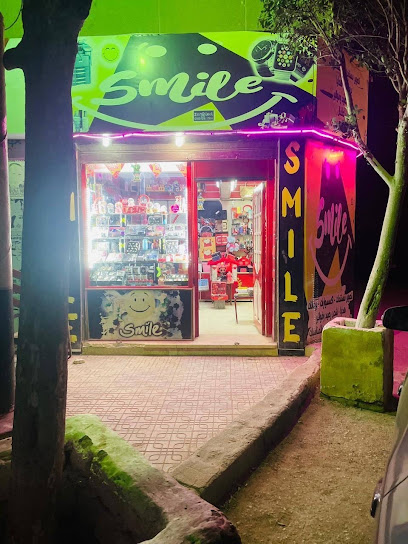
Smile accessories
38.7 km
Explore unique souvenirs and local treasures at Smile Accessories, the premier gift shop in Al Minya, Egypt.
شارع 6 اكتوبر المنيا
39.0 km
Explore the charm of Minya at شارع 6 اكتوبر المنيا, where unique gifts and local craftsmanship come together for an unforgettable shopping experience.
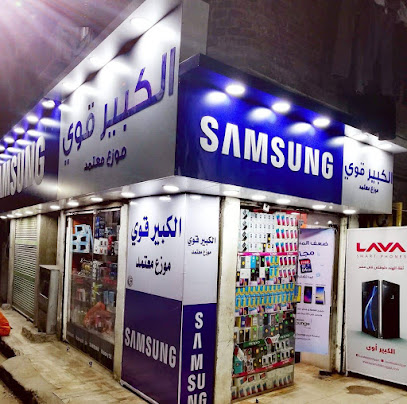
محلات الكبير اوى للاتصالات
39.2 km
Explore Al Gezawi Mobile Hub - your essential stop for smartphones, accessories, and expert repair services in Minya Governorate.
Laser X
39.2 km
Explore Laser X in Second Al Minya for unique gifts and authentic Egyptian handicrafts that capture the essence of your travel experience.
محل الفاتح
39.2 km
Explore a treasure trove of local and international products at محل الفاتح, the ultimate supermarket experience in Minya, Egypt.
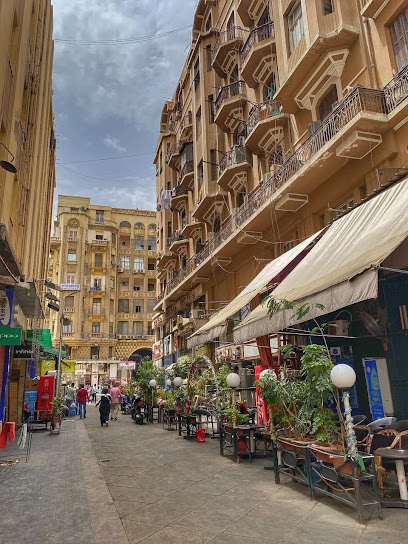
مزايا _ Mazaya
39.4 km
Discover the essence of Egyptian craftsmanship at Mazaya, a charming gift shop in Minya offering unique souvenirs and cultural treasures.
MR.GIFT
39.4 km
Explore MR.GIFT, the ultimate gift shop in Third Al Minya, offering unique Egyptian souvenirs and handcrafted treasures for tourists.
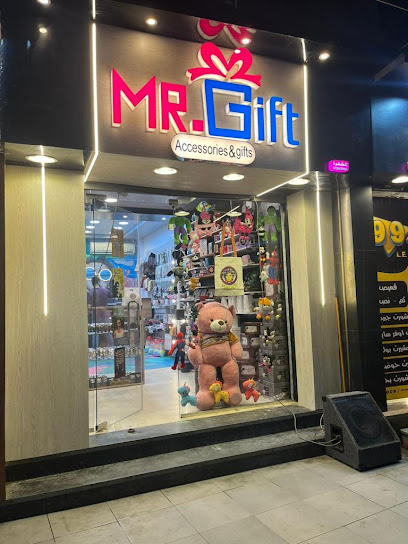
AM Store
39.4 km
Experience the heart of Minya at the AM Store, where local culture meets diverse shopping opportunities.
Area fashion
39.4 km
Explore the vibrant outlet mall in Minya for unbeatable fashion deals and a unique shopping experience amidst the cultural backdrop of Egypt.

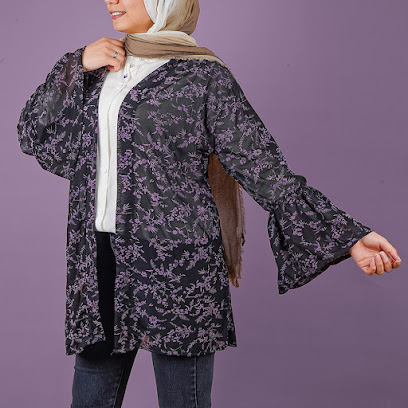
Toma Wear Store
39.4 km
Discover the essence of Egyptian fashion at Toma Wear Store, your go-to destination for unique outerwear in Third Al Minya.
Jewels Fit
39.4 km
Explore the exquisite craftsmanship of Jewels Fit in Minya, Egypt, where tradition meets elegance in stunning jewelry designs.
maskkat
39.4 km
Explore the vibrant styles at Maskkat, a premier clothing store in Third Al Minya, where tradition and modern fashion merge seamlessly.

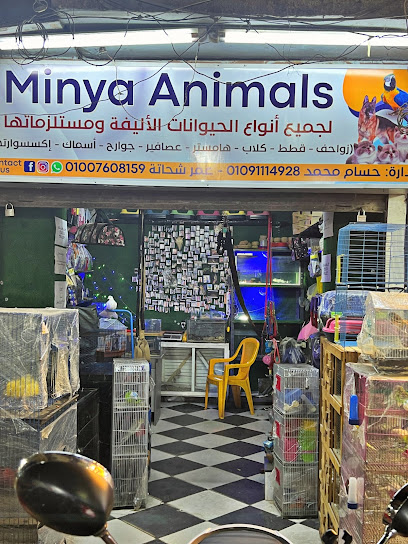
محل حيوانات اليفه Minya animals
39.4 km
Explore a delightful range of pets and supplies in Minya's charming pet shop, perfect for families and animal lovers alike.
مخازن اليداك المنيا
39.4 km
Explore the vibrant Handak Stores in Minya for an authentic shopping experience filled with local culture, handicrafts, and culinary delights.
Everest store
39.4 km
Explore cutting-edge electronics at the Everest Store in Qism Minya – where technology meets convenience for every traveler.
Essential bars & hidden hideouts

.h
8.9 km
Experience the vibrant nightlife of Mallawi at .h, a lively bar serving refreshing drinks and great entertainment.
دير بيزنس ٠١١٢٨١٣٨٩٥١
21.0 km
Experience the vibrant nightlife at دير بيزنس ٠١١٢٨١٣٨٩٥١, a bar in Mallawi offering a unique blend of local culture and modern vibes.
PlayStation corner
24.2 km
Discover PlayStation Corner in Abu Qirqas, Minya - where gaming meets relaxation in a vibrant bar atmosphere.

وزير الحلويات
24.3 km
Experience the rich flavors of traditional Egyptian sweets at Minister of Sweets in Abu Qurqas, a delightful bar for dessert lovers.
علي شعبان علي جداوي
31.8 km
Immerse yourself in the lively atmosphere of Ali Shaban Ali Jadawi Bar, where local culture meets delightful beverages for an unforgettable experience.
عصائر الأمل
38.9 km
Discover the vibrant flavors of Egypt at عصائر الأمل, a refreshing bar in Minya specializing in delicious, freshly made juices.
عصير السوهاجي عمرو عنتر
38.9 km
Discover refreshing local juices at عصير السوهاجي عمرو عنتر in Third Al Minya, where flavor meets tradition in a vibrant bar setting.
المنيا
39.4 km
Experience the vibrant nightlife and rich history of Al Minya, a captivating Egyptian city with a lively bar scene and cultural treasures.
بيع بيره
39.4 km
Discover the lively bar scene of بيع بيره in Third Al Minya, where local culture and refreshing drinks await amidst a vibrant atmosphere.
قصر الاندلس
41.6 km
Experience the vibrant atmosphere and authentic flavors of مصر at قصر الاندلس, the perfect bar for socializing in Minya Governorate.
بداية
41.7 km
Discover the vibrant energy of بداية, a bar in Al Minya Desert offering refreshing drinks and a lively atmosphere perfect for tourists.
افريقيا استور المنيا - Africa Store Minya Branche
42.1 km
Discover the vibrant atmosphere of Africa Store Minya, a sports bar offering delicious food, drinks, and a lively ambiance for sports lovers.
صالة التايكوندو
43.7 km
Experience relaxation and community spirit at صالة التايكوندو in Second Al Minya, a premier lounge that invites you to unwind.
عرب بلي المطارفة
65.8 km
Discover the vibrant nightlife of Minya at عرب بلي المطارفة, where culture and camaraderie come together in a lively bar setting.
hraf
66.4 km
Experience Al Hamayshah's vibrant nightlife at Hraf, a cozy bar offering an authentic taste of local culture and flavors.
Nightclubs & after hour spots

فهد بحلس
4.3 km
Experience the vibrant nightlife at فهد بحلس, a premier night club in Mallawi, filled with music, dance, and local culture.
مركز شباب الريرمون
15.9 km
Dive into the vibrant nightlife at مركز شباب الريرمون, a premier night club in AR Rayramoun, Mallawi, perfect for tourists seeking an unforgettable evening.

أبو نواف
25.3 km
Discover the vibrant nightlife at أبو نواف, a premier night club in Abu Qirqas, where music and energy come alive.
النصية
30.4 km
Discover the vibrant nightlife of النصية in Abu Qirqas, where locals and tourists unite for an unforgettable experience filled with music, dance, and culture.
العاب
38.5 km
Experience the vibrant nightlife at العابه, an exciting adult entertainment club in Minya that promises unforgettable nights of music and dance.
عزبه ابوعوف
38.8 km
Explore the electrifying nightlife at عزبه ابوعوف, a premier night club in Minya, Egypt, offering music, dance, and cultural immersion.
بلايستيشن & كافيه ... ... سكاره SAKARA
39.8 km
Discover the vibrant nightlife at بلايستيشن & كافيه سكاره SAKARA, a premier night club in Minya, blending gaming and socializing for an unforgettable experience.

نادى أعضاء هيئة التدريس
41.9 km
Experience the vibrant nightlife at نادى أعضاء هيئة التدريس, a premier club on the banks of the Nile in Minya, perfect for socializing and entertainment.
mostafa mahmoud
71.4 km
Discover the electrifying nightlife of Mostafa Mahmoud, a premier night club in Asyut, where fun and music create unforgettable memories.
سكن
75.3 km
Experience the electrifying nightlife at سكن in Assiut, where music, dance, and vibrant energy combine for an unforgettable night out.
Nasser Youth Center
75.9 km
Experience the vibrant nightlife at Nasser Youth Center, a must-visit night club in Assiut for unforgettable music and social gatherings.
Teaching Staff Members Club - Assiut University
76.5 km
Experience the vibrant social life at Assiut University's Teaching Staff Members Club, where tradition meets modern academic culture.
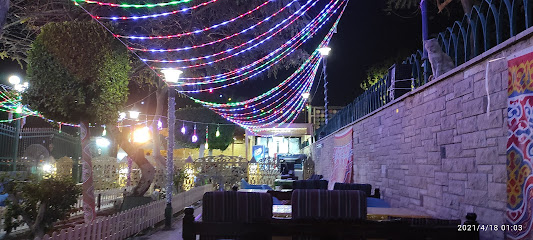
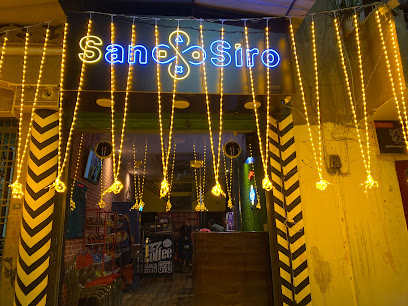
San Siro P,s & cafe
76.8 km
Discover the vibrant nightlife and delicious dining at San Siro P,s & Cafe in Assiut, Egypt – a must-visit for every traveler seeking fun!
ملهي ليلي هاكر
77.1 km
Discover the electrifying nightlife at ملهي ليلي هاكر, a premier night club in Asyut, Egypt, blending culture and entertainment.
Day&Night Playstation
77.9 km
Discover the electrifying nightlife at Day&Night Playstation, the premier night club in Assiut, where music and dance come alive.


