

Puerto La Libertad Travel Guide - Free Web & App
Your ultimate guide to Puerto La Libertad. Discover top landmarks, proposed trips, and local tips. Free on the web or via the Evendo companion app.


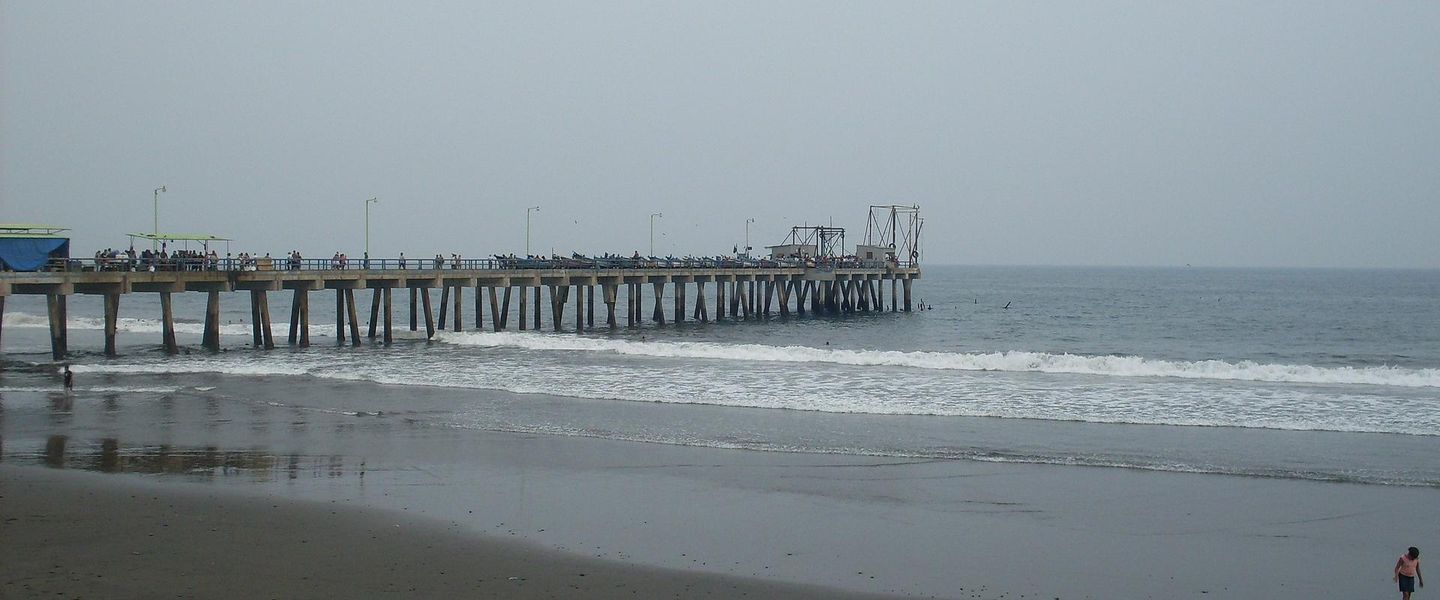


Puerto La Libertad, El Salvador, combines Pacific surf, fresh seafood, a working harbour and coastal beaches near San Salvador for relaxed seaside trips.
A Working Pacific Harbour
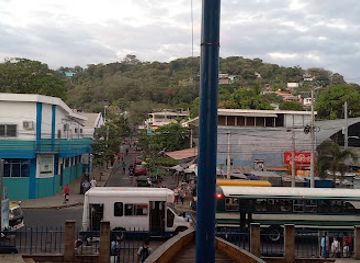
Puerto La Libertad lies on El Salvador’s central Pacific coast, about 30 kilometres south-west of San Salvador. Its identity is shaped by the sea: fishing boats gather around the waterfront, the long pier reaches into the Pacific, and the Malecón provides a lively setting for watching local life, buying seafood and feeling the force of the surf. The town is part working port, part seaside resort, and an important gateway to the beaches and surf breaks of La Libertad department.Read more about Puerto La Libertad
Beaches, Waves and Coastal Landscapes
Food and Local Character
When is the best time to visit Puerto La Libertad?
Best: January–March · 31–32°C| Month | High (°C) | Rainfall (mm) |
|---|---|---|
| January (best) | 31 | 0 |
| February (best) | 31 | 0 |
| March (best) | 32 | 0 |
| April | 32 | 0 |
| May | 32 | 110 |
| June | 32 | 40 |
| July | 32 | 40 |
| August | 32 | 40 |
| September | 32 | 110 |
| October | 31 | 150 |
| November | 31 | 80 |
| December | 31 | 40 |
Getting to and around Puerto La Libertad
How to get there
Transportation
Best attractions in Puerto La Libertad
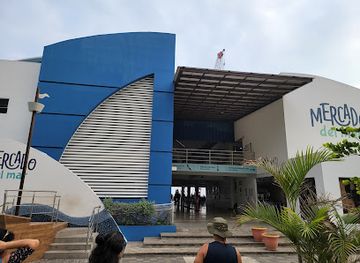
Puerto La Libertad’s principal attractions are concentrated around the waterfront, where the Malecón, pier and fish market bring together coastal scenery, seafood commerce and everyday harbour life. Playa La Paz offers a nearby Pacific beach setting, although surf and currents require care rather than assumptions about swimming conditions. The town is also a practical starting point for exploring the wider coast of La Libertad department: Punta Roca is a renowned surf break, while El Tunco and El Sunzal are internationally recognised beach and surf destinations farther along the coast, outside Puerto La Libertad itself. Visitors interested in a quieter shoreline can investigate other beaches by car or local transport, checking access and sea conditions on arrival. The appeal lies less in a large collection of formal sights than in the combination of working port, volcanic coast, fish market, surf culture and easy road access from San Salvador.
-
Tourist attraction
Walter Thilo Deininger National Park
Explore the stunning landscapes and rich biodiversity of Walter Thilo Deininger National Park in El Salvador, a perfect escape for nature lovers and adventure seekers.
-
Beach
Playa El Majahual
Experience the tranquil beauty and adventure at Playa El Majahual, a hidden beach gem on El Salvador's stunning coast.
-
Tourist attraction
La Bocana De San Diego
Explore La Bocana De San Diego, a stunning coastal attraction in El Salvador, where pristine beaches meet vibrant local culture for an unforgettable experience.
-
Beach
Playa El Cocal
Experience the breathtaking beauty of Playa El Cocal, a stunning beach destination in El Salvador known for surfing, relaxation, and scenic sunsets.
Best landmarks in Puerto La Libertad
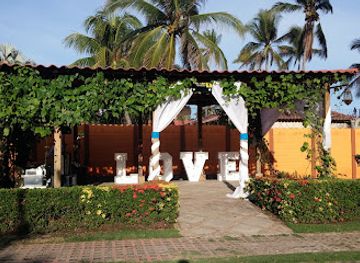
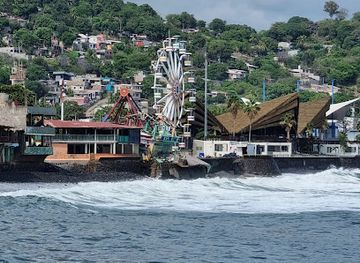
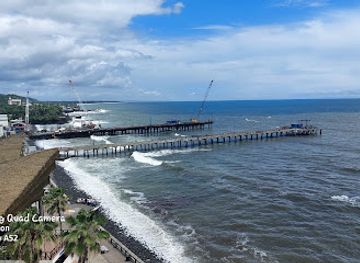
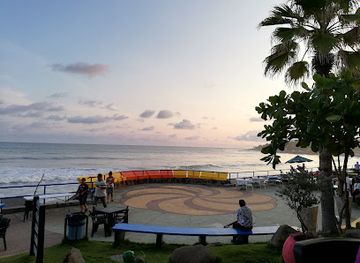
The pier is Puerto La Libertad’s defining built landmark, extending from the waterfront into the Pacific and reflecting the town’s historic relationship with fishing, coastal trade and public life. Alongside it, the Malecón forms the most recognisable civic space, with views across the harbour and ocean rather than a dense concentration of monumental architecture. The working fish market is an important cultural landmark in the broader sense, revealing how the town’s economy remains connected to artisanal fishing. Playa La Paz and the dark volcanic shoreline provide the principal natural markers within the town’s coastal setting, while Punta Roca is a major surf landmark of the wider La Libertad coast and lies beyond the immediate centre. These features together explain why Puerto La Libertad is identified both as a port and as a gateway to El Salvador’s Pacific surf landscape.
-
Marina
Dock Port of La Libertad
Experience the vibrant coastal culture of El Salvador at the Dock Port of La Libertad, offering seafood, crafts, and ocean adventures.
-
Amusement park
Sunset Park
Experience thrilling rides and breathtaking sunsets at La Libertad's waterfront amusement park, a highlight of El Salvador's Surf City.
-
Fishing pier
Puerto de La Libertad
Discover El Salvador's coastal charm at Puerto de La Libertad: a historic port with fresh seafood, stunning views, and vibrant culture.
-
Beach
La Libertad
Discover La Libertad, El Salvador: Surf, beaches, history, and vibrant culture converge on this captivating Pacific coast destination.

Explore Puerto La Libertad on the map
Plan your trip on one map. See where the top attractions, landmarks, restaurants and hotels are, and book hotels and experiences in a few clicks.
Best hotels in Puerto La Libertad
Best restaurants in Puerto La Libertad
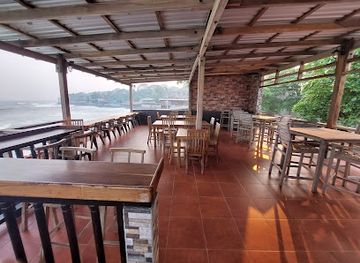
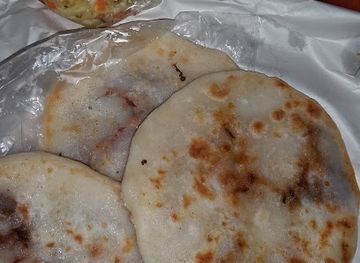
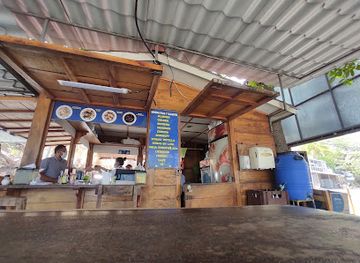
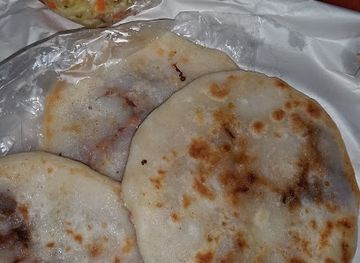
Dining in Puerto La Libertad is closely tied to the Pacific, with seafood restaurants, market stalls and informal eateries serving fish, prawns, shellfish and other fresh catches when available. Around the harbour and waterfront, visitors can find straightforward meals suited to a coastal town, while local cafés and comedor-style establishments provide familiar Salvadoran food such as pupusas, rice, beans, plantain and grilled meats. The town’s fish market is principally a place of commerce rather than a guaranteed restaurant service, so visitors should distinguish vendors from established dining venues. More varied international and surf-oriented dining is found in nearby El Tunco and other coastal settlements, which are outside Puerto La Libertad. San Salvador offers the broadest choice of restaurants for travellers combining the coast with the capital.
-
Chicken
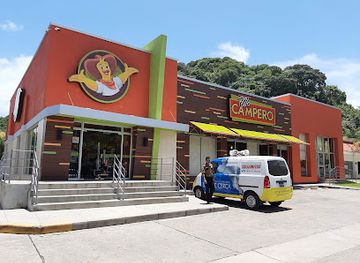
Pollo Campero
Experience the best of Salvadoran cuisine at Pollo Campero in La Libertad - where flavor meets tradition in every bite.
-
Restaurant
La Curva de Don Gere La Libertad
Discover authentic Salvadoran flavors at La Curva de Don Gere in La Libertad—where every meal tells a story.
-
Restaurant
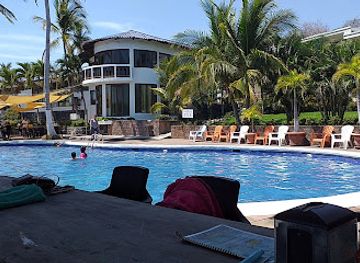
Restaurante Nuevo Altamar
Experience authentic Salvadoran cuisine at Restaurante Nuevo Altamar with stunning views of Playa La Paz - A must-visit culinary destination.
-
Salvadoran
Restaurante Puerto Nuevo
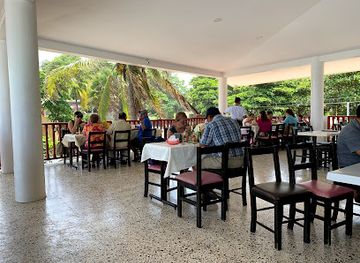
Experience authentic Salvadoran cuisine at Restaurante Puerto Nuevo in La Libertad - where every dish tells a story!
Best bars in Puerto La Libertad
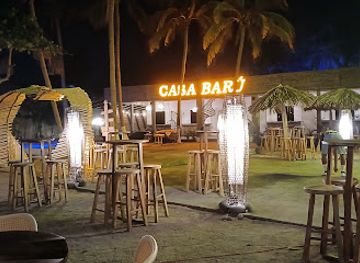
Puerto La Libertad has a modest evening scene centred on waterfront restaurants, casual drinks and local establishments rather than a concentrated nightclub district. After sunset, the Malecón can provide a social coastal atmosphere, but opening times, entertainment and crowd levels vary, and the town should not be treated as a major nightlife destination. Visitors seeking more developed evening options often continue along the coast to El Tunco, outside Puerto La Libertad, where surf tourism has created a larger selection of bars, restaurants and occasional music venues. In the port town itself, evenings are better suited to seafood, conversation and the sound of the Pacific; use established venues and arrange transport before travelling between coastal settlements at night.
-
Restaurant
Barquito Puerto La Libertad
Experience the flavors of the sea at Barquito Puerto La Libertad, where fresh seafood meets stunning ocean views in a relaxed coastal setting.
-
Restaurant
Tsunami Seafood Grill & bar
Discover the vibrant flavors of the sea at Tsunami Seafood Grill & Bar, a premier dining destination in Puerto de La Libertad, El Salvador.
-
Bar
Colonia El Carmen Puerto La Libertad
Experience the vibrant nightlife and delicious drinks at Colonia El Carmen, the premier bar in Puerto La Libertad, perfect for unwinding after a day of exploration.
-
Bar
Auto ceviches Baldizon
Experience the vibrant taste of El Salvador at Auto Ceviches Baldizon, where fresh ceviche meets a lively atmosphere in La Libertad.
Best nightclubs in Puerto La Libertad
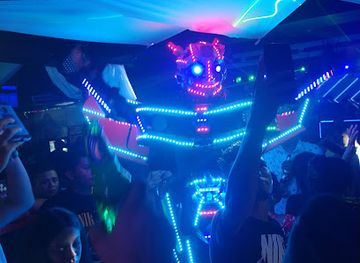
Puerto La Libertad has a modest evening scene centred on waterfront restaurants, casual drinks and local establishments rather than a concentrated nightclub district. After sunset, the Malecón can provide a social coastal atmosphere, but opening times, entertainment and crowd levels vary, and the town should not be treated as a major nightlife destination. Visitors seeking more developed evening options often continue along the coast to El Tunco, outside Puerto La Libertad, where surf tourism has created a larger selection of bars, restaurants and occasional music venues. In the port town itself, evenings are better suited to seafood, conversation and the sound of the Pacific; use established venues and arrange transport before travelling between coastal settlements at night.
-
Bar
Colonia El Carmen Puerto La Libertad
Experience the vibrant nightlife of Colonia El Carmen, a welcoming bar in Puerto La Libertad offering affordable drinks and a lively atmosphere.
-
Disco club
Discoteca Xtasis vip
Experience the electrifying nightlife at Discoteca Xtasis VIP in La Libertad, where music, dance, and vibrant energy come together!
-
Bar
Barú
Discover Barú in La Libertad, where vibrant nightlife and refreshing drinks converge for an unforgettable evening experience.
-
Night club
Playa Conchalio
Discover the vibrant nightlife of Playa Conchalio, where stunning beaches meet energetic dance clubs and local cuisine.
Best shops in Puerto La Libertad
Shopping in Puerto La Libertad is practical and coastal in character, with the fish market and waterfront vendors offering the most distinctive local purchasing experience. Fresh seafood is primarily bought for immediate use rather than as a conventional souvenir, and visitors should ask about preparation, storage and transport before purchasing perishable goods. Small shops and market stalls supply everyday necessities, snacks, drinks and beach items, while more specialised surf equipment and visitor-oriented retail are associated with the wider coastal tourism area, particularly El Tunco, outside the town. Handicrafts and regional food products may be available through local vendors, but the town does not have an extensive department-store or boutique shopping scene. Travellers seeking a broader selection of Salvadoran crafts, textiles and packaged foods will find more choice in San Salvador or larger regional centres.
-
Shopping mall
El Faro
Explore El Faro, a vibrant shopping mall in La Libertad, where shopping meets ocean views and delightful dining experiences.
-
Shopping mall
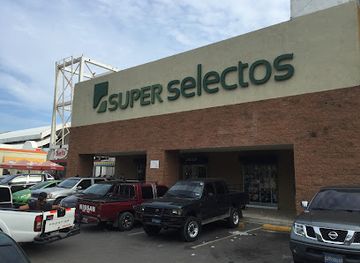
Puerto Plaza
Experience the vibrant shopping, dining, and entertainment at Puerto Plaza, La Libertad's premier shopping destination.
-
Clothing store
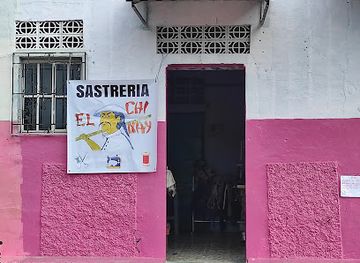
Sastrería El Shinay
Discover bespoke tailoring and unique men's fashion at Sastrería El Shinay in La Libertad, where craftsmanship meets personalized service.
-
 Shopping mall
Plaza Porteña
Explore Plaza Porteña, La Libertad's premier shopping mall, where shopping, dining, and entertainment come together in a vibrant atmosphere.
Get your free copy of our complete guide to Puerto La Libertad, delivered straight to you.
Everything on this page, from attractions and restaurants to essentials and local phrases, in one PDF you can read offline, print or share.
Already have an account? Sign in
Your Puerto La Libertad guide is ready.
We'll send it to · Not you? Sign out

Getting your guide ready…
We are putting together a fresh copy of the Puerto La Libertad guide. This can take up to a minute.
This can take a few moments. If your browser asks, choose Allow so the download can start. You'll find the guide in your Downloads folder.
Nothing happened? Download it again
Sorry, the guide is taking longer than usual. Please try again in a minute, or get it by email instead.
Puerto La Libertad essentials
Currency and Payment
Safety
Emergency Situations
Do's and Don'ts
Local Tips
From Eve
Local phrases worth knowing
You don't need to get them perfect. A few words go a long way, and locals appreciate the effort.
Basics
| English | Local | Say it |
|---|---|---|
| Hello | Hola | [oh-lah] |
| Goodbye | Adiós | [ah-dee-ohs] |
| Yes | Sí | [see] |
| No | No | [noh] |
| Please/You're welcome | Por favor/De nada | [por fah-vohr/de nah-dah] |
| Thank you | Gracias | [grah-see-ahs] |
| Excuse me/Sorry | Perdón/Disculpe | [pair-dohn/dees-kool-peh] |
| How are you? | ¿Cómo estás? | [koh-moh ehs-tahs] |
| Fine. And you? | Bien. ¿Y tú? | [byen. ee too] |
| Do you speak English? | ¿Hablas inglés? | [ah-blahs een-glehs] |
| I don't understand | No entiendo | [noh ehn-tee-ehn-doh] |
Eating & Drinking
| English | Local | Say it |
|---|---|---|
| I'd like to see the menu, please | Me gustaría ver el menú, por favor | [meh goo-stah-ree-ah behr ehl meh-noo, por fah-vohr] |
| I don't eat meat | No como carne | [noh koh-moh kahr-neh] |
| Cheers! | ¡Salud! | [sah-lood] |
| I would like to pay, please | Me gustaría pagar, por favor | [meh goo-stah-ree-ah pah-gahr, por fah-vohr] |
Emergencies
| English | Local | Say it |
|---|---|---|
| Help! | ¡Ayuda! | [ah-yoo-dah] |
| Go away! | ¡Vete! | [veh-teh] |
| Call the Police! | ¡Llama a la policía! | [yah-mah ah lah poh-lee-see-ah] |
| Call a doctor! | ¡Llama a un médico! | [yah-mah ah oon meh-dee-koh] |
| I'm lost | Estoy perdido | [ehs-toy pair-dee-doh] |
| I'm ill | Estoy enfermo | [ehs-toy ehn-fehr-moh] |
Shopping
| English | Local | Say it |
|---|---|---|
| I'd like to buy... | Me gustaría comprar... | [meh goo-stah-ree-ah kohm-prahr...] |
| I'm just looking | Solo estoy mirando | [soh-loh ehs-toy mee-rahn-doh] |
| How much is it? | ¿Cuánto cuesta? | [kwahn-toh kwehs-tah] |
| That's too expensive | Eso es demasiado caro | [eh-soh ehs deh-mah-see-ah-doh kah-roh] |
| Can you lower the price? | ¿Puede bajar el precio? | [pweh-deh bah-hahr ehl pree-syoh] |
Time & Numbers
| English | Local | Say it |
|---|---|---|
| What time is it? | ¿Qué hora es? | [keh oh-rah ehs] |
| It's one o'clock | Es la una | [ehs lah oo-nah] |
| Half past (10) | Media (10) | [meh-dee-ah (diez)] |
| Morning | Mañana | [mah-nyah-nah] |
| Afternoon | Tarde | [tahr-deh] |
| Evening | Noche | [noh-cheh] |
| Yesterday | Ayer | [ah-yehr] |
| Today | Hoy | [oy] |
| Tomorrow | Mañana | [mah-nyah-nah] |
| 1 | Uno | [oo-noh] |
| 2 | Dos | [dohs] |
| 3 | Tres | [trehs] |
| 4 | Cuatro | [kwah-troh] |
| 5 | Cinco | [seen-koh] |
| 6 | Seis | [seys] |
| 7 | Siete | [syeh-teh] |
| 8 | Ocho | [oh-choh] |
| 9 | Nueve | [nweh-veh] |
| 10 | Diez | [dyehs] |
Transport & Directions
| English | Local | Say it |
|---|---|---|
| Where's a/the...? | ¿Dónde está un/el...? | [dohn-deh ehs-tah oon/ehl] |
| What's the address? | ¿Cuál es la dirección? | [kwahl ehs lah dee-rehk-syohn] |
| Can you show me (on the map)? | ¿Puede mostrarme (en el mapa)? | [pweh-deh mohs-trar-meh (ehn ehl mah-pah)] |
| When's the next (bus)? | ¿Cuándo es el próximo (autobús)? | [kwan-doh ehs ehl proh-ksee-moh (ow-toh-boos)] |
| A ticket (to ....) | Un boleto (a ...) | [oon boh-leh-toh (ah ...)] |
History of Puerto La Libertad
A Pacific Coastal Setting
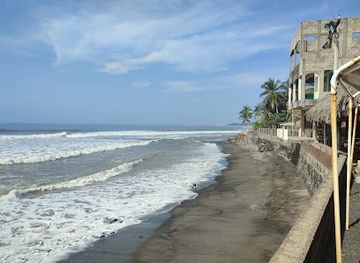
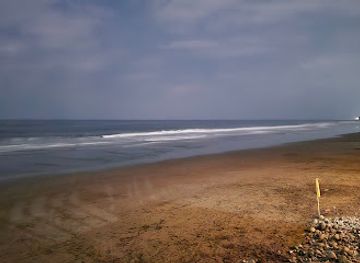
Puerto La Libertad occupies a volcanic Pacific shoreline whose dark sands, rocky coast and strong surf reflect the geological character of El Salvador’s coastal belt. Long before modern tourism, the sea shaped local livelihoods through fishing and coastal trade, while inland communities used the surrounding lowlands for agriculture. The harbour’s development gave the settlement a practical maritime role distinct from the inland capital and helped establish La Libertad as one of the country’s best-known coastal towns.
The Port and Early Development
The port became increasingly important during the nineteenth century as El Salvador developed commercial links through the Pacific. Historical accounts commonly associate the formal establishment of Puerto La Libertad with the nineteenth-century expansion of port administration and coastal transport. Its position offered an outlet for agricultural production from the central region, although the harbour’s exposed Pacific conditions also limited the kind of large-scale shipping it could handle. Fishing, small commerce and services for travellers remained central to the town’s character.
Fishing, Trade and Coastal Communities
As roads improved and maritime commerce changed, Puerto La Libertad’s economic identity became increasingly connected with artisanal fishing and the sale of seafood. The waterfront, pier and market continue to express that relationship between town and ocean. Small boats, fish vendors and restaurants form a living coastal economy rather than a purely historic display, while nearby villages and beaches developed their own patterns of fishing, tourism and residential growth along the La Libertad coast.
From Seaside Town to Surf City Gateway
During the late twentieth and early twenty-first centuries, surfing helped bring international attention to the coast around La Libertad. Breaks such as Punta Roca and neighbouring surf beaches became important to El Salvador’s sporting and tourism profile, while public investment and the Surf City programme increased the visibility of the department’s coastal towns. Puerto La Libertad has consequently acquired a dual role: it remains a working fishing port and also serves as an accessible visitor gateway to a much broader Pacific surf coastline.
Puerto La Libertad in Photos
Browse through our photo collection highlighting the charm and character of the destination.
Cities in Puerto La Libertad
The towns and cities of Puerto La Libertad, and the easiest places to base yourself.

Swipe for more cities
Neighbouring destination travel guides
The closest destinations to Puerto La Libertad, if you have time for more than one.
-

-

-

-

-


Swipe for more destinations
Explore more
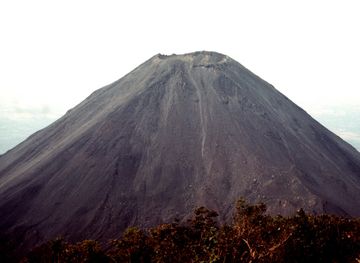
Explore more of Highlands
Explore the Highlands of El Salvador: Discover lush landscapes, charming villages, and breathtaking mountain views in this serene and culturally rich region.
Explore Highlands
Explore more of El Salvador
Discover the hidden gem of Central America with El Salvador's stunning landscapes, rich culture, and world-class surfing. A paradise for adventurers and culture lovers alike.
Explore El Salvador