

Free Suchitoto Travel Guide & Mobile App
Plan your Suchitoto trip with Evendo. Get free guides to top attractions, restaurants, hotels, and bars. Web access or download the mobile app.


Suchitoto, El Salvador, pairs cobbled colonial streets, lake views, art, history and local culture for thoughtful sightseeing beyond San Salvador.
Colonial Character
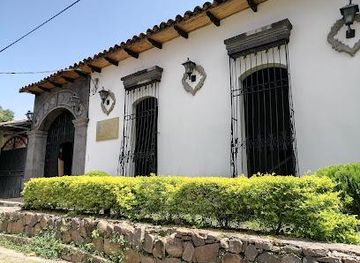
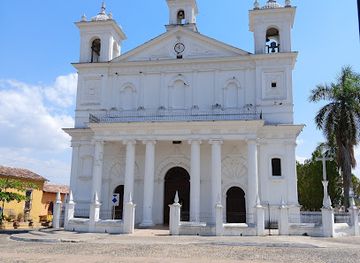
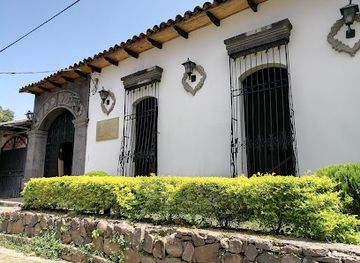
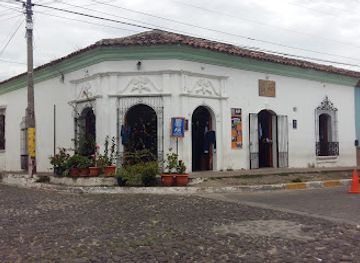
Suchitoto sits in the hills of El Salvador’s Cuscatlán Department, about an hour and a half from San Salvador by road, with cobbled lanes and terracotta-roofed houses gathered around the Plaza Central. Its name is generally traced to Nahuatl, often interpreted as “place of flowers”, while the town’s present character reflects centuries of Spanish colonial settlement, regional commerce and rural life. The white façade of Iglesia de Santa Lucía anchors the principal square, where shaded arcades, small cafés and slow-moving local life provide an immediate sense of place.Read more about Suchitoto
Art, Memory and Lake Views
A Thoughtful Rural Escape
When is the best time to visit Suchitoto?
Best: December–February · 29°C| Month | High (°C) | Rainfall (mm) |
|---|---|---|
| January (best) | 29 | 0 |
| February (best) | 29 | 0 |
| March | 30 | 0 |
| April | 30 | 0 |
| May | 31 | 0 |
| June | 31 | 0 |
| July | 30 | 0 |
| August | 30 | 0 |
| September | 30 | 0 |
| October | 30 | 0 |
| November | 30 | 0 |
| December (best) | 29 | 0 |
Getting to and around Suchitoto
How to get there
Transportation
Best attractions in Suchitoto
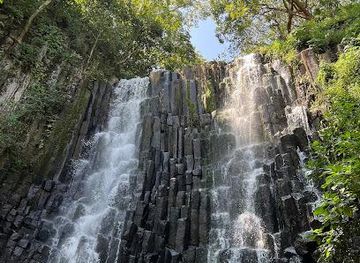
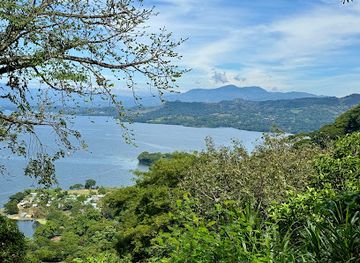
Suchitoto’s principal sights are concentrated within a walkable historic centre, beginning with the Plaza Central and the white-painted Iglesia de Santa Lucía, whose broad steps and arcaded surroundings make it a natural orientation point. The Museo de Arte Alejandro Cotto offers an intimate encounter with the collections, house and cultural legacy of the Salvadoran artist, while Centro Arte para la Paz presents exhibitions, workshops and community-focused activities in a restored historic setting. Beyond the central streets, Lake Suchitlán introduces a different scale of landscape, with broad water views, birds and surrounding hills best appreciated from the shore or on a locally arranged boat outing. Seasonal Los Tercios waterfall, reached outside the centre, is formed by unusual basalt columns and is most rewarding when water levels are sufficient. Cobbled lanes, craft workshops, small galleries and viewpoints add texture between the better-known sights.
-
Sightseeing tour agency
Buggy Suchitoto Tours
Experience the thrill of buggy tours in Suchitoto, explore beautiful landscapes, and immerse yourself in the rich culture of El Salvador.
14 min drive · 4.8 km from city centre
-
History museum
Museo Casa de Alejandro Cotto
Explore the Museo Casa de Alejandro Cotto - A Historical Journey into El Salvador's Rich Cultural Heritage in Suchitoto.
17 min drive · 5.7 km from city centre
-
Tourist attraction
Cascada Los Tercios - Suchitoto
Explore Cascada Los Tercios in Suchitoto, a breathtaking waterfall featuring unique hexagonal basalt columns and stunning natural beauty.
19 min drive · 6.2 km from city centre
-
Archaeological museum
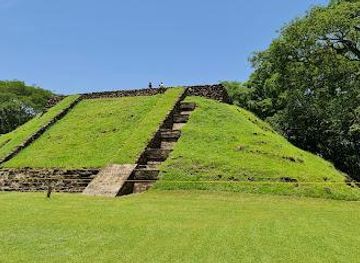
Parque Arqueológico Cihuatán
Explore the rich history and breathtaking landscapes at Parque Arqueológico Cihuatán, a must-visit archaeological site in Aguilares, El Salvador.
33 min drive · 13 km from city centre

Best landmarks in Suchitoto
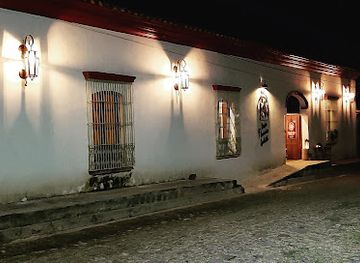
Iglesia de Santa Lucía is Suchitoto’s defining architectural landmark, standing beside the central plaza with a pale façade, classical proportions and a prominent entrance reached by broad steps. Its position expresses the colonial organisation of the town, where religious and civic life were concentrated around a shared public space. The surrounding historic centre is itself a landmark ensemble: cobbled streets, tiled roofs, arcades and low colonial façades preserve the scale of a small Salvadoran town even where individual buildings have been adapted. Centro Arte para la Paz occupies a historic religious complex whose renewed cultural use connects architecture with post-war community work. Beyond the built environment, Lake Suchitlán is Suchitoto’s great geographic landmark, a broad reservoir framed by hills and rural settlements. Together these places represent faith, colonial urbanism, cultural memory and the transformed landscape of modern El Salvador.
-
Park
Suchitoto Central Park
Discover the beauty and culture of El Salvador at Suchitoto Central Park, a serene escape in the heart of Suchitoto, perfect for relaxation and exploration.
15 min drive · 4.9 km from city centre
-
Restaurant
Casa 1800 Suchitoto
Experience the vibrant flavors of El Salvador at Casa 1800 Suchitoto, a charming restaurant and hotel that captures the essence of local culture.
16 min drive · 5.4 km from city centre
-
 Hotel
HotelHotel y Restaurante El Tejado
Experience the charm of Suchitoto at Hotel y Restaurante El Tejado, where comfort meets authentic Salvadoran cuisine in a picturesque setting.
16 min drive · 5.4 km from city centre
-
History museum
Casa De Alejandro Cotto
Explore the rich history of Suchitoto at Casa De Alejandro Cotto, a captivating museum showcasing the cultural heritage of El Salvador.
17 min drive · 5.7 km from city centre
Explore Suchitoto on the map
Plan your Suchitoto trip on one map. See where the top attractions, landmarks, restaurants, bars and hotels are, find what's near where you're staying, and book hotels and experiences in a few clicks.
Best hotels in Suchitoto
Best restaurants in Suchitoto
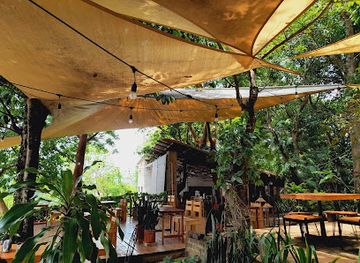
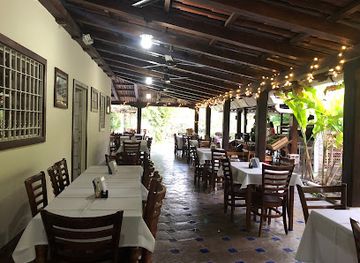
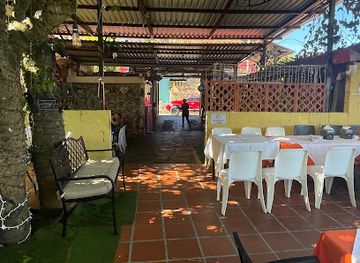
Suchitoto’s dining scene reflects the everyday cooking of El Salvador rather than a highly formal restaurant culture. Pupusas, the country’s filled corn tortillas, are widely available alongside dishes such as yuca frita, tamales, panes con pollo and soups based on local produce. Breakfasts and cafés may feature eggs, beans, plantain and fresh cheese, while atol de elote and quesadilla salvadoreña offer familiar sweet flavours. Around the central square and historic streets, visitors find family-run eateries, cafés and restaurants serving Salvadoran food in courtyards or old houses, with menus sometimes influenced by broader Central American and international cooking. Lake fish and seasonal ingredients may appear in local meals, but availability varies. Markets and small food stalls provide a more informal view of local tastes, particularly on busy days and during community events.
-
Restaurant
Casa 1800 Suchitoto
Discover authentic Salvadoran cuisine at Casa 1800 Suchitoto – where culture meets culinary excellence in a charming setting.
16 min drive · 5.4 km from city centre
-
Restaurant
Los Lechones de Lucía
Experience the rich culinary heritage of El Salvador at Los Lechones de Lucía, where succulent roast pork steals the show amidst warm hospitality.
9 min drive · 3.1 km from city centre
-
Restaurant
Puerto San Juan
Discover authentic Salvadoran cuisine at Puerto San Juan in Suchitoto – where local flavors meet cultural heritage.
19 min drive · 6.3 km from city centre
-
Restaurant
La Posada de Suchitlán
Experience authentic Salvadoran cuisine amidst breathtaking views at La Posada de Suchitlán in Suchitoto.
14 min drive · 4.7 km from city centre

Best bars in Suchitoto
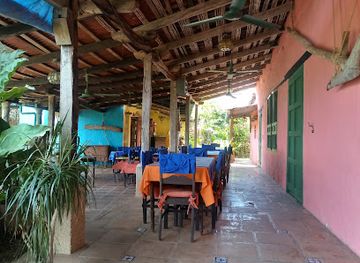
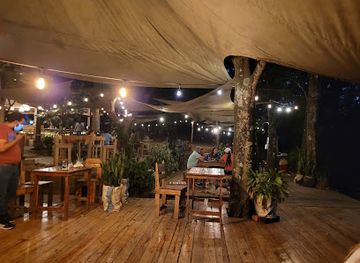
Suchitoto has a restrained evening scene shaped more by cafés, courtyard restaurants, conversation and cultural programming than by large nightclubs. Around the Plaza Central and nearby historic streets, evenings may include drinks with food, relaxed outdoor seating and occasional live music, while local theatres, galleries and community venues can host performances, talks or festival events. The town’s artistic identity means that a cultural programme may be a more characteristic night-time experience than a conventional club. Activity generally becomes quieter away from the centre, and schedules are seasonal or event-led rather than fixed in the manner of a major city. Visitors staying overnight can enjoy the illuminated colonial streets and warm evening air, but should arrange transport in advance if lodging lies outside the central area.
-
Restaurant
Casa 1800 Suchitoto
Discover the charm of Casa 1800 Suchitoto, where exquisite Salvadoran cuisine meets historic hospitality in a beautiful setting.
16 min drive · 5.4 km from city centre
-
Hotel
Hotel y Restaurante El Tejado
Experience the charm of Suchitoto at Hotel y Restaurante El Tejado, where comfort meets local flavor amidst stunning landscapes.
16 min drive · 5.4 km from city centre
-
Restaurant
Los Almendros de San Lorenzo
Discover the perfect blend of local cuisine and comfortable accommodations at Los Almendros de San Lorenzo in Suchitoto, El Salvador.
15 min drive · 5.0 km from city centre
-
Restaurant
El Harlequín
Discover the culinary delights of El Harlequín in Suchitoto, a restaurant where local flavors and cultural experiences come together beautifully.
15 min drive · 5.1 km from city centre
Best nightclubs in Suchitoto
Suchitoto has a restrained evening scene shaped more by cafés, courtyard restaurants, conversation and cultural programming than by large nightclubs. Around the Plaza Central and nearby historic streets, evenings may include drinks with food, relaxed outdoor seating and occasional live music, while local theatres, galleries and community venues can host performances, talks or festival events. The town’s artistic identity means that a cultural programme may be a more characteristic night-time experience than a conventional club. Activity generally becomes quieter away from the centre, and schedules are seasonal or event-led rather than fixed in the manner of a major city. Visitors staying overnight can enjoy the illuminated colonial streets and warm evening air, but should arrange transport in advance if lodging lies outside the central area.
-
Hotel
Hotel y Restaurante El Tejado
Discover the charm of Suchitoto at Hotel y Restaurante El Tejado, where comfort meets Salvadoran hospitality amidst stunning vistas.
16 min drive · 5.4 km from city centre
-
Hotel
Los Almendros de San Lorenzo
Discover serenity and local flavors at Los Almendros de San Lorenzo, a charming hotel and restaurant in the heart of Suchitoto, El Salvador.
15 min drive · 5.0 km from city centre
-
Restaurant
Casa Flamenco Suchitoto
Discover the flavors of El Salvador at Casa Flamenco Suchitoto, where culinary excellence meets local charm in a vibrant artistic setting.
15 min drive · 5.0 km from city centre
-
Grill
Rockochitlán Grill And Music
Experience the vibrant atmosphere of Rockochitlán Grill And Music in Suchitoto, where delicious grilled dishes meet live local music.
15 min drive · 4.9 km from city centre
Best shops in Suchitoto
Shopping in Suchitoto centres on small-scale craft, locally produced goods and independent businesses rather than large commercial centres. Streets near the historic core contain galleries, workshops and shops selling handmade textiles, ceramics, paintings, woodwork and decorative objects, with stock and opening patterns varying between businesses. Visitors may also find Salvadoran coffee, sweets, preserves and other food products suitable for taking home, along with practical souvenirs connected to the town’s artistic identity. Informal stalls and market activity become more prominent during festivals and community events. Bargaining should be approached politely and is not automatically expected in every shop. Buying directly from makers can provide a more meaningful connection with local production, while visitors should distinguish genuinely handmade work from imported merchandise and package food products carefully for onward travel.
-
Produce market
Suchitoto Municipal Market
Discover local flavors and vibrant culture at Suchitoto Municipal Market, a must-visit for anyone exploring Salvadoran life and traditions.
14 min drive · 4.8 km from city centre
-
Art gallery
Casa Clementina Tienda Galería
Explore Casa Clementina Tienda Galería for a unique blend of art, crafts, and culture in the heart of Suchitoto, El Salvador.
15 min drive · 5.0 km from city centre
-
Supermarket
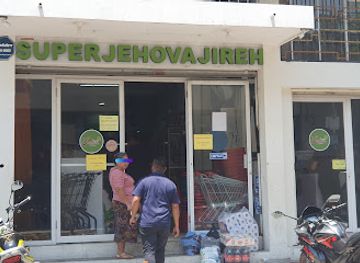
Super Jehova Jireh Suchitoto
Discover local flavors and vibrant culture at Super Jehova Jireh, Suchitoto's go-to supermarket for fresh produce and unique Salvadoran products.
14 min drive · 4.7 km from city centre
-
Clothing store
Arte Añil
Discover the artistic heart of Suchitoto at Arte Añil, a boutique offering unique handmade clothing and accessories that celebrate El Salvador's culture.
15 min drive · 4.9 km from city centre
Get your free copy of our complete guide to Suchitoto, delivered straight to you.
Everything on this page, from attractions and restaurants to essentials and local phrases, in one PDF you can read offline, print or share.
Already have an account? Sign in
Your Suchitoto guide is ready.
We'll send it to · Not you? Sign out

Getting your guide ready…
We are putting together a fresh copy of the Suchitoto guide. This can take up to a minute.
This can take a few moments. If your browser asks, choose Allow so the download can start. You'll find the guide in your Downloads folder.
Nothing happened? Download it again
Sorry, the guide is taking longer than usual. Please try again in a minute, or get it by email instead.
Suchitoto essentials
Currency and Payment
Safety
Emergency Situations
Do's and Don'ts
Local Tips
From Eve
Local phrases worth knowing
You don't need to get them perfect. A few words go a long way, and locals appreciate the effort.
Basics
| English | Local | Say it |
|---|---|---|
| Hello | Hola | [oh-lah] |
| Goodbye | Adiós | [ah-dee-ohs] |
| Yes | Sí | [see] |
| No | No | [noh] |
| Please/You're welcome | Por favor/De nada | [por fah-vor/deh nah-dah] |
| Thank you | Gracias | [grah-see-ahs] |
| Excuse me/Sorry | Disculpe/Perdón | [dee-skool-peh/pehr-dohn] |
| How are you? | ¿Cómo estás? | [koh-moh ehs-tahs] |
| Fine. And you? | Bien. ¿Y tú? | [byen. ee too] |
| Do you speak English? | ¿Hablas inglés? | [ah-blahs een-glehs] |
| I don't understand | No entiendo | [noh ehn-tee-ehn-doh] |
Eating & Drinking
| English | Local | Say it |
|---|---|---|
| I'd like to see the menu, please | Me gustaría ver el menú, por favor | [meh goos-tah-ree-ah behr ehl meh-noo, por fah-vor] |
| I don't eat meat | No como carne | [noh koh-moh kahr-neh] |
| Cheers! | ¡Salud! | [sah-lood] |
| I would like to pay, please | Me gustaría pagar, por favor | [meh goos-tah-ree-ah pah-gahr, por fah-vor] |
Emergencies
| English | Local | Say it |
|---|---|---|
| Help! | ¡Ayuda! | [ah-yoo-dah] |
| Go away! | ¡Vete! | [veh-teh] |
| Call the Police! | ¡Llame a la Policía! | [yah-meh ah lah poh-lee-see-ah] |
| Call a doctor! | ¡Llame a un doctor! | [yah-meh ah oon dohk-tohr] |
| I'm lost | Estoy perdido | [ehs-toy pehr-dee-doh] |
| I'm ill | Estoy enfermo | [ehs-toy ehn-fehr-moh] |
Shopping
| English | Local | Say it |
|---|---|---|
| I'd like to buy... | Me gustaría comprar... | [meh goos-tah-ree-ah kohm-prahr] |
| I'm just looking | Sólo estoy mirando | [soh-loh ehs-toy mee-rahn-doh] |
| How much is it? | ¿Cuánto cuesta? | [kwan-toh kwehs-tah] |
| That's too expensive | Eso es muy caro | [eh-soh ehs moo-ee kah-roh] |
| Can you lower the price? | ¿Puede bajar el precio? | [pweh-deh bah-har ehl pree-syoh] |
Time & Numbers
| English | Local | Say it |
|---|---|---|
| What time is it? | ¿Qué hora es? | [keh oh-rah ehs] |
| It's one o'clock | Es la una | [ehs lah oo-nah] |
| Half past (10) | Media hora (10) | [meh-dee-ah oh-rah (dohs)] |
| Morning | Mañana | [mah-nyah-nah] |
| Afternoon | Tarde | [tahr-deh] |
| Evening | Noche | [noh-cheh] |
| Yesterday | Ayer | [ah-yehr] |
| Today | Hoy | [oy] |
| Tomorrow | Mañana | [mah-nyah-nah] |
| 1 | Uno | [oo-noh] |
| 2 | Dos | [dohs] |
| 3 | Tres | [trehs] |
| 4 | Cuatro | [kwah-troh] |
| 5 | Cinco | [seen-koh] |
| 6 | Seis | [says] |
| 7 | Siete | [syeh-teh] |
| 8 | Ocho | [oh-choh] |
| 9 | Nueve | [nweh-veh] |
| 10 | Diez | [dyehs] |
Transport & Directions
| English | Local | Say it |
|---|---|---|
| Where's a/the...? | ¿Dónde está el/la...? | [dohn-deh ehs-tah ehl/lah] |
| What's the address? | ¿Cuál es la dirección? | [kwal ehs lah dee-rehk-syon] |
| Can you show me (on the map)? | ¿Puede mostrarme (en el mapa)? | [pweh-deh mohs-trar-meh (ehn ehl mah-pah)] |
| When's the next (bus)? | ¿Cuándo es el próximo (autobús)? | [kwan-doh ehs ehl proh-ksy-moh (ow-toh-boos)] |
| A ticket (to ....) | Un boleto (a ....) | [oon boh-leh-toh (ah)] |
History of Suchitoto
Indigenous Roots and Nahuatl Identity
The Suchitoto area formed part of the cultural world of central El Salvador before Spanish colonisation, with Indigenous communities connected to the Pipil or Nahua-speaking population. The name Suchitoto is commonly linked to Nahuatl and is often translated as “place of flowers”, although interpretations of Indigenous place names can vary. The surrounding uplands, valleys and waterways supported agriculture and local exchange, while the region’s position between the capital area and northern territories gave it continuing geographical importance. Indigenous vocabulary and settlement patterns remain part of the historical identity beneath the colonial town visible today.
Spanish Settlement and Colonial Town Life
Spanish settlement developed in the sixteenth century, with Suchitoto becoming a colonial community organised around a central plaza and a Catholic church. The town’s grid, narrow streets, masonry façades and tiled roofs reflect this period of urban formation, although buildings have been altered and rebuilt over time. Religious institutions shaped civic life, while farming and regional trade connected Suchitoto with other settlements in what is now El Salvador. The church of Santa Lucía and the surviving scale of the historic centre provide the clearest physical reminders of the town’s colonial inheritance.
Indigo, Agriculture and Regional Commerce
During the colonial and early republican eras, the economy of the surrounding region was influenced by agriculture and the production and trade of añil, the indigo dye that became one of Central America’s important exports before synthetic dyes reduced its importance. Suchitoto’s position among rural estates and transport routes helped it function as a local commercial centre. Later agricultural changes altered the balance of the economy, but the town retained its relationship with the countryside. This history is reflected in traditional houses, former commercial spaces and the enduring importance of markets and small-scale food production.
Republican Change and Cultural Continuity
Following Central American independence in the nineteenth century, Suchitoto participated in the gradual transformation of Salvadoran civic life while retaining its compact colonial urban form. Religious buildings, public institutions and family homes continued to define the centre, even as national economic development increasingly favoured other routes and cities. Rural society around Suchitoto remained shaped by agriculture, landholding and changes in labour. The town’s later cultural identity grew from this combination of continuity and adaptation, with artists and community organisations preserving historic buildings while giving them new educational and cultural purposes.
Conflict, Renewal and Contemporary Suchitoto
The wider Suchitoto region was affected by El Salvador’s civil war, which lasted from 1979 to 1992 and caused displacement, violence and deep social disruption across the country. In the post-war period, residents, artists and cultural organisations contributed to the restoration of the historic centre and the development of museums, galleries, workshops and community projects. The legacy of Alejandro Cotto, whose home and collections became a museum, is central to this cultural renewal. Present-day Suchitoto therefore combines colonial architecture with a modern civic effort to preserve memory, support artistic activity and develop responsible tourism.
Suchitoto in Photos
Browse through our photo collection highlighting the charm and character of the destination.
Cities near Suchitoto
The closest cities to Suchitoto, if you have time for more than one stop.
-

-

-

-

-


Swipe for more cities
Explore more

Explore more of El Salvador
Discover the hidden gem of Central America with El Salvador's stunning landscapes, rich culture, and world-class surfing. A paradise for adventurers and culture lovers alike.
Explore El Salvador