

Free Chichicastenango Travel Guide & Mobile App
Plan your Chichicastenango trip with Evendo. Get free guides to top attractions, restaurants, hotels, and bars. Web access or download the mobile app.


Discover Chichicastenango, Guatemala's vibrant hub of Mayan culture and traditions, famous for its colorful markets, ancient rituals, and rich historical heritage.
Read more about Chichicastenango
When is the best time to visit Chichicastenango?
Best: December–February · 25–26°C| Month | High (°C) | Rainfall (mm) |
|---|---|---|
| January (best) | 25 | 25 |
| February (best) | 26 | 25 |
| March | 27 | 25 |
| April | 27 | 75 |
| May | 27 | 150 |
| June | 26 | 250 |
| July | 25 | 250 |
| August | 25 | 250 |
| September | 25 | 250 |
| October | 25 | 150 |
| November | 25 | 75 |
| December (best) | 25 | 25 |
Getting to and around Chichicastenango
How to get there
Transportation
Best attractions in Chichicastenango
Chichicastenango offers a unique blend of Mayan culture, vibrant markets, and historical landmarks that are sure to captivate visitors. Explore the famous Chichicastenango Market, where you can browse through colorful handicrafts, textiles, and local produce. Visit the 400-year-old Santo Tomás Church, a fascinating example of colonial architecture with a rich history. Take a hike to Pascual Abaj, a sacred Mayan site with stunning views of the surrounding landscape. Immerse yourself in the local culture, taste traditional Mayan cuisine, and witness ancient rituals and ceremonies. Chichicastenango is a must-visit destination for those seeking an authentic and immersive travel experience.
-
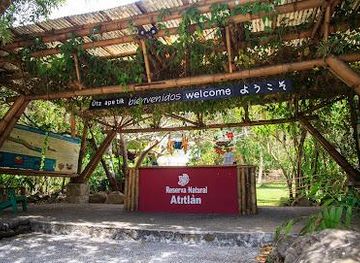
Nature preserve
Reserva Natural Atitlán
Discover Lake Atitlán's natural beauty: hiking trails, wildlife encounters, zip-lining & conservation in a lush rainforest setting.
42 min drive · 22 km from city centre
-
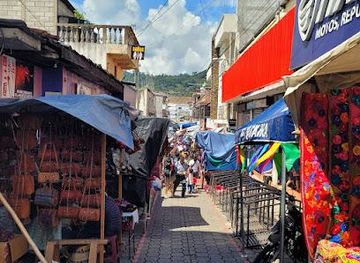
Market
Plaza y Mercado Santo Tomás
Experience the vibrant culture of Guatemala at Plaza y Mercado Santo Tomás, Chichicastenango's bustling market, a feast for the senses.
3 min walk · 0.2 km from city centre
-
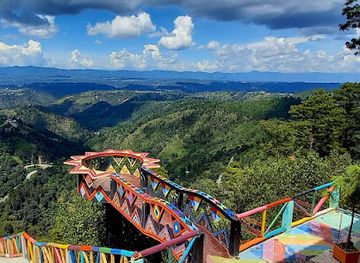
Hiking area
Mirador De Chichicastenango
Hike to panoramic views of Guatemala's Western Highlands near the vibrant town of Chichicastenango. A perfect escape into nature.
10 min drive · 3.4 km from city centre
-
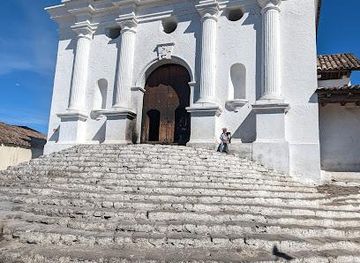
Catholic church
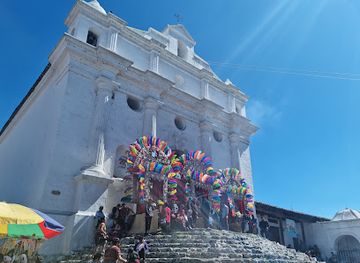
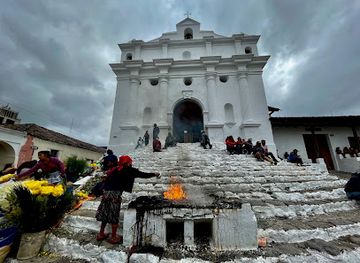
Iglesia de Santo Tomás
Experience the vibrant blend of Mayan spirituality and Catholic traditions at Iglesia de Santo Tomás in Chichicastenango, Guatemala.
3 min walk · 0.3 km from city centre
Best landmarks in Chichicastenango
Chichicastenango offers visitors a vibrant experience filled with rich history and culture. The highlight of the city is the famous market, where colorful textiles, traditional crafts, and fresh produce create a lively atmosphere. The Church of Santo Tomás, a stunning 16th-century church built on top of a Mayan temple, provides a fascinating glimpse into the blending of indigenous and colonial influences. Visitors can also explore the nearby Pascual Abaj sacred hill, where ancient rituals are still practiced, and take in panoramic views of the surrounding mountains and valleys. Chichicastenango is a must-visit destination for those looking to immerse themselves in the unique traditions and beauty of Guatemala.
-
Market
Plaza y Mercado Santo Tomás
Discover the cultural richness and vibrant colors of Chichicastenango at Plaza y Mercado Santo Tomás, where tradition and commerce come alive.
3 min walk · 0.2 km from city centre
-
Catholic church
Iglesia de Santo Tomás
Discover the rich cultural heritage at Iglesia de Santo Tomás, a stunning Catholic church and vibrant tourist attraction in Chichicastenango, Guatemala.
3 min walk · 0.3 km from city centre
-
 Hotel
HotelHotel Santo Tomas, Chichicastenango
Discover the charm of Chichicastenango at Hotel Santo Tomas, where tradition meets comfort in the heart of Guatemala.
2 min walk · 0.2 km from city centre
-
Hotel
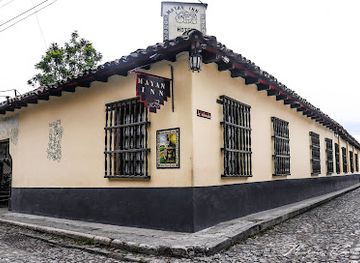
Mayan Inn
Discover the heart of Guatemalan culture at Mayan Inn, your cozy retreat in the vibrant town of Chichicastenango.
4 min walk · 0.3 km from city centre
Explore Chichicastenango on the map
Plan your Chichicastenango trip on one map. See where the top attractions, landmarks, restaurants, bars and hotels are, find what's near where you're staying, and book hotels and experiences in a few clicks.
Best hotels in Chichicastenango
Best restaurants in Chichicastenango
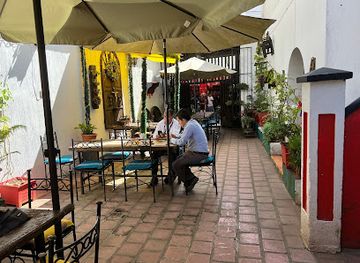
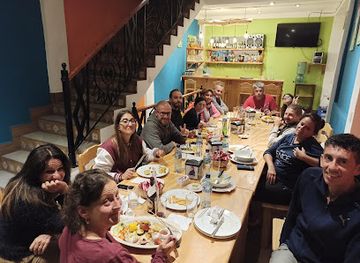
Chichicastenango offers a vibrant dining scene that showcases the rich flavors of Guatemalan cuisine. Visitors can indulge in traditional dishes such as pepian, kak'ik, and tamales, all made with fresh, locally sourced ingredients. The bustling market area is filled with street food stalls offering delicious snacks like elotes and chuchitos. For those seeking a more upscale dining experience, there are charming restaurants serving international cuisine with a local twist. Whether you're craving authentic Guatemalan flavors or looking to try something new, Chichicastenango has something to satisfy every palate.
-
Restaurant
Molino Viejo Restaurante
Experience authentic Guatemalan cuisine at Molino Viejo Restaurante in Chichicastenango - where tradition meets flavor in every dish.
8 min drive · 2.5 km from city centre
-
Restaurant
Casa San Juan Restaurante
Experience authentic Guatemalan flavors at Casa San Juan Restaurante in Chichicastenango – where every dish tells a story.
3 min walk · 0.2 km from city centre
-
Restaurant
Restaurante Los Fratelli Chichicastenango
Savor authentic Guatemalan cuisine at Restaurante Los Fratelli in Chichicastenango - where every meal tells a story.
2 min walk · 0.1 km from city centre
-
Restaurant
CASA MASH
Experience authentic Guatemalan cuisine at CASA MASH in Chichicastenango – where tradition meets flavor in every dish.
4 min walk · 0.3 km from city centre
Best bars in Chichicastenango
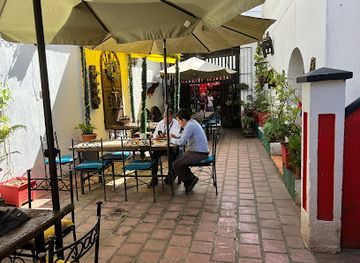
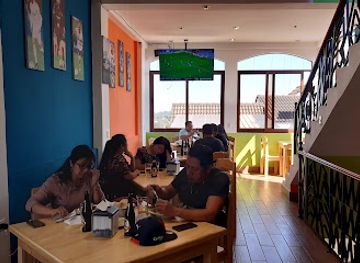
Chichicastenango's nightlife scene offers visitors a vibrant and eclectic mix of bars and nightclubs, where you can immerse yourself in the local culture and music scene. From traditional Guatemalan cantinas serving up delicious cocktails to lively dance clubs playing the latest Latin beats, there is something for everyone to enjoy. Take a stroll through the bustling streets and discover hidden gems tucked away in charming courtyards, or join the locals for a night of dancing under the stars. Whether you're looking for a laid-back evening sipping on mezcal or a high-energy night of salsa dancing, Chichicastenango has it all waiting for you to explore.
-
Restaurant
Molino Viejo Restaurante
Discover the rich flavors of Guatemala at Molino Viejo Restaurante, where traditional dishes meet warm hospitality in Chichicastenango.
8 min drive · 2.5 km from city centre
-
Restaurant
Casa San Juan Restaurante
Experience authentic Guatemalan flavors at Casa San Juan Restaurante in Chichicastenango, where traditional dishes meet warm hospitality.
3 min walk · 0.2 km from city centre
-
Restaurant
CASA MASH
Discover the authentic flavors of Guatemala at Casa Mash, a top-rated restaurant in Chichicastenango, offering a delightful dining experience.
4 min walk · 0.3 km from city centre
-
Cafeteria
Artisan Coffee Roastery
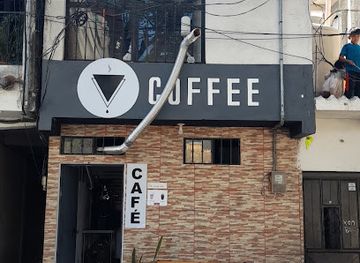
Discover the rich flavors of Guatemalan coffee at Artisan Coffee Roastery in Chichicastenango, a must-visit destination for coffee enthusiasts.
6 min walk · 0.5 km from city centre
Best nightclubs in Chichicastenango
Chichicastenango's nightlife scene offers visitors a vibrant and eclectic mix of bars and nightclubs, where you can immerse yourself in the local culture and music scene. From traditional Guatemalan cantinas serving up delicious cocktails to lively dance clubs playing the latest Latin beats, there is something for everyone to enjoy. Take a stroll through the bustling streets and discover hidden gems tucked away in charming courtyards, or join the locals for a night of dancing under the stars. Whether you're looking for a laid-back evening sipping on mezcal or a high-energy night of salsa dancing, Chichicastenango has it all waiting for you to explore.
-
Market
Plaza y Mercado Santo Tomás
Discover the heart of Chichicastenango at Plaza y Mercado Santo Tomás, where local culture, crafts, and cuisine come alive in a vibrant market setting.
3 min walk · 0.2 km from city centre
-
Restaurant
Molino Viejo Restaurante
Experience authentic Guatemalan flavors at Molino Viejo Restaurante, a charming eatery in Chichicastenango that delights with every dish.
8 min drive · 2.5 km from city centre
-
Art museum
Museum Masks
Explore the colorful world of ceremonial masks and immerse yourself in the rich cultural heritage of Guatemala at the Museo de Máscaras Ceremoniales.
9 min walk · 0.7 km from city centre
-
Restaurant
CASA MASH
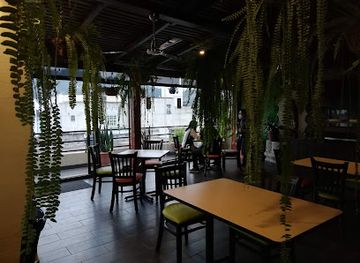
Experience the vibrant flavors of Guatemala at CASA MASH, a culinary treasure in Chichicastenango with stunning rooftop views.
4 min walk · 0.3 km from city centre
Best shops in Chichicastenango
The shopping scene in Chichicastenango offers a vibrant and culturally rich experience for visitors. The famous market, held every Thursday and Sunday, is a bustling hub of activity where you can find colorful textiles, handmade crafts, traditional Mayan clothing, and unique souvenirs. Stroll through the narrow cobblestone streets lined with stalls selling everything from pottery to jewelry, and immerse yourself in the sights, sounds, and smells of this lively market. Bargaining is expected, so be prepared to haggle for the best deals. Don't miss the opportunity to sample local delicacies like fresh fruit juices and traditional Guatemalan dishes from street food vendors scattered throughout the market. The shopping scene in Chichicastenango is a must-visit for anyone looking to experience the vibrant culture and rich history of Guatemala.
-
Market
Mercado Municipal Solola
Discover the heart of Guatemalan culture at Mercado Municipal Sololá, a vibrant market filled with local delicacies, crafts, and unforgettable experiences.
40 min drive · 20 km from city centre
-
General store
Tienda Tini
Explore Tienda Tini in Chichicastenango for authentic Guatemalan crafts and a unique shopping experience reflecting local culture.
9 min walk · 0.8 km from city centre
-
Clothing store
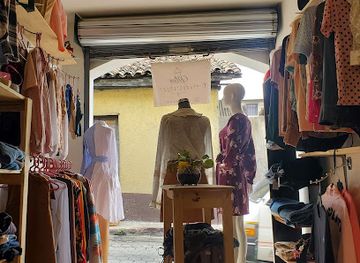
Mia - Seleccionado para Ella
Discover unique Guatemalan fashion at Mia, a vibrant clothing store in Chichicastenango, showcasing local craftsmanship and contemporary styles.
1 min walk · 0.1 km from city centre
-
Clothing store
Variedades Lili
Discover the vibrant clothing and unique Guatemalan textiles at Variedades Lili in Aldea Chipiacul, Chichicastenango.
2 min walk · 0.1 km from city centre

Get your free copy of our complete guide to Chichicastenango, delivered straight to you.
Everything on this page, from attractions and restaurants to essentials and local phrases, in one PDF you can read offline, print or share.
Already have an account? Sign in
Your Chichicastenango guide is ready.
We'll send it to · Not you? Sign out

Getting your guide ready…
We are putting together a fresh copy of the Chichicastenango guide. This can take up to a minute.
This can take a few moments. If your browser asks, choose Allow so the download can start. You'll find the guide in your Downloads folder.
Nothing happened? Download it again
Sorry, the guide is taking longer than usual. Please try again in a minute, or get it by email instead.
Chichicastenango essentials
Currency and Payment
Safety
Emergency Situations
Do's and Don'ts
Local Tips
History of Chichicastenango
Ancient Roots and Pre-Columbian Period
Chichicastenango, often affectionately called 'Chichi,' has a rich history that dates back to pre-Columbian times. The city was originally a Maya K'iche' settlement. Evidence suggests that the area was an important ceremonial site long before the arrival of the Spanish. The name 'Chichicastenango' itself is derived from the Nahuatl language, meaning 'place of the nettles', reflecting the region's diverse cultural influences even before the Spanish conquest.
Spanish Conquest and Colonial Influence
In 1524, the Spanish conquistadors, led by Pedro de Alvarado, arrived in the region and began their conquest of Guatemala. Chichicastenango was one of the many indigenous towns that came under Spanish control. The city's strategic location made it a focal point for the spread of Spanish influence, including the introduction of Catholicism. The Iglesia de Santo Tomás, built in the 16th century, stands as a testament to this era, with its amalgamation of Catholic and Maya religious practices.
The Popol Vuh Manuscript
One of Chichicastenango's most significant contributions to history is the preservation of the Popol Vuh, the sacred book of the Maya K'iche'. This text, which recounts the creation myth and history of the K'iche' people, was transcribed in the 18th century by Dominican priest Francisco Ximénez. Ximénez found the manuscript in Chichicastenango and translated it into Spanish, ensuring the survival of this crucial piece of indigenous literature. The Popol Vuh is now considered one of the most important pre-Columbian documents in existence.
Syncretism and Religious Practices
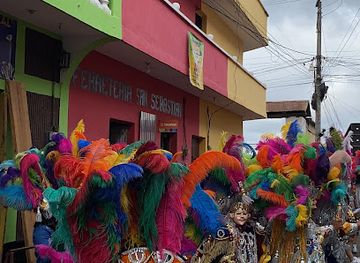
Chichicastenango is renowned for its unique religious practices, which blend Maya and Catholic traditions. The Iglesia de Santo Tomás is a focal point for this syncretism, where indigenous shamans perform rituals on its steps, and Catholic masses are held inside. This blend of beliefs is also evident in the town's vibrant festivals, such as the Feast of Santo Tomás held every December. During this festival, traditional dances like the 'Palo Volador' are performed, symbolizing the harmonious coexistence of two distinct cultural heritages.
The Famous Market of Chichicastenango
Chichicastenango is famous for its bustling market, held every Thursday and Sunday. This market is one of the largest and most vibrant in Central America, attracting vendors and buyers from all over the region. Historically, the market has been a center for the exchange of goods and cultural interaction. Indigenous artisans sell traditional textiles, pottery, and other crafts, preserving the rich cultural heritage of the K'iche' people. The market's importance extends beyond commerce, serving as a living museum of Maya traditions and a vital social hub for the local community.
Modern-Day Chichicastenango
Today, Chichicastenango is a blend of past and present, where ancient traditions coexist with modern life. The city continues to be a cultural and spiritual center for the Maya K'iche' people. Tourists from around the world visit to experience its unique history, vibrant market, and religious ceremonies. Efforts to preserve the town's heritage are ongoing, with local initiatives aimed at maintaining traditional practices while adapting to contemporary challenges. Chichicastenango remains a testament to the resilience and enduring legacy of its indigenous culture.
Chichicastenango in Photos
Browse through our photo collection highlighting the charm and character of the destination.
Cities near Chichicastenango
The closest cities to Chichicastenango, if you have time for more than one stop.
-

-

-

-

-


Swipe for more cities
Explore more
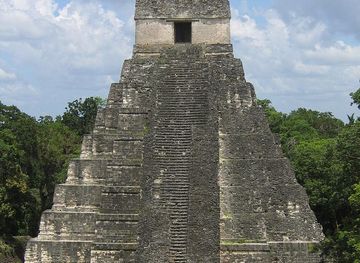
Explore more of Guatemala
Discover Guatemala: A land of ancient Mayan wonders, breathtaking natural beauty, and vibrant cultural experiences. Perfect for history buffs, nature lovers, and adventure seekers.
Explore Guatemala