

Free Arba Minch Travel Guide & Mobile App
Plan your Arba Minch trip with Evendo. Get free guides to top attractions, restaurants, hotels, and bars. Web access or download the mobile app.


Arba Minch, Ethiopia, combines Rift Valley lakes, wildlife, Gamo culture and highland scenery for distinctive southern Ethiopian sightseeing and discovery.
Between Two Great Lakes
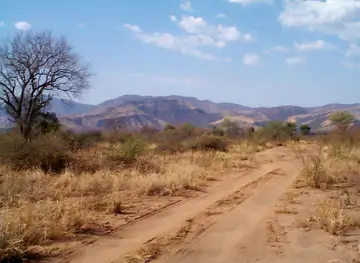
Arba Minch stands in southern Ethiopia between Lake Abaya and Lake Chamo, where the Rift Valley narrows into a landscape of steep escarpments, cultivated slopes and water-rich lowlands. Its name, commonly translated as “forty springs”, refers to the springs that rise around the town and feed lush vegetation. The setting gives Arba Minch a character unlike that of Ethiopia’s highland capitals: warm, green and closely connected to lakes, wildlife and rural communities.Read more about Arba Minch
A Gateway to Gamo Culture
Wildlife, Water and Wide Horizons
When is the best time to visit Arba Minch?
Best: June–August · 28–29°C| Month | High (°C) | Rainfall (mm) |
|---|---|---|
| January | 30 | 15 |
| February | 31 | 14 |
| March | 32 | 14 |
| April | 31 | 14 |
| May | 30 | 11 |
| June (best) | 29 | 10 |
| July (best) | 28 | 9 |
| August (best) | 29 | 9 |
| September | 30 | 11 |
| October | 30 | 13 |
| November | 30 | 15 |
| December | 30 | 15 |
Getting to and around Arba Minch
How to get there
Transportation
Best attractions in Arba Minch
Arba Minch’s principal attractions are shaped by its setting between Lake Abaya and Lake Chamo. Boat excursions on Lake Chamo offer close views of large crocodiles and hippos, while the lake’s open water provides a broad perspective on the surrounding escarpments. Nech Sar National Park, reached from the town, combines grassland, woodland and wetland habitats, with the Bridge of God forming a dramatic natural divide between the two lakes. Within and around the town, the Forty Springs area reflects the source of Arba Minch’s name through clear water and dense greenery. A journey uphill to Chencha and nearby Dorze communities adds a cultural dimension, with distinctive bamboo-and-thatch houses, weaving and highland farming traditions. Markets and ordinary commercial streets reveal the region’s daily life, offering a more grounded counterpoint to organised wildlife and lake excursions.
-
Tourist attraction
Arba Minch crocodile ranch
Experience the thrill of observing Nile crocodiles in their natural habitat at the captivating Arba Minch Crocodile Ranch in Ethiopia.
14 min drive · 4.6 km from city centre
-
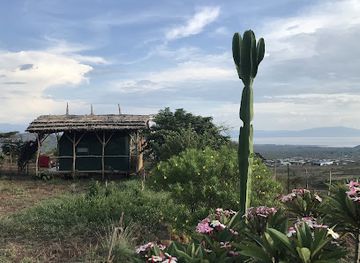
Campground
Arbaminch Eco campsite
Discover the serene beauty of Arbaminch Eco Campsite, an eco-friendly sanctuary in Ethiopia's lush landscapes, perfect for nature lovers and adventure seekers alike.
13 min drive · 4.4 km from city centre
-
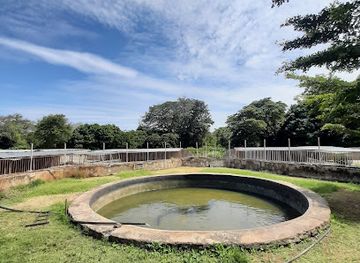
Spring
Forty Springs
Explore the serene beauty of Forty Springs in Arba Minch, Ethiopia, where nature's tranquility meets cultural richness.
10 min drive · 3.3 km from city centre
-
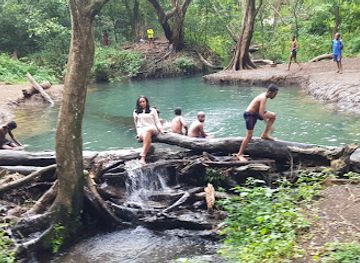
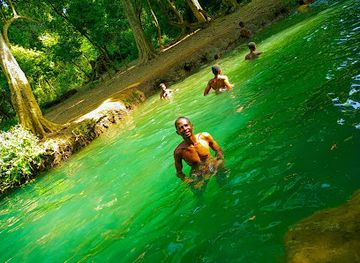
Park
40 Springs
Experience the natural beauty and tranquility of 40 Springs Park in Arba Minch, a perfect destination for nature lovers and families alike.
10 min drive · 3.5 km from city centre
Best landmarks in Arba Minch
Arba Minch’s most significant landmarks are largely natural and regional rather than monumental urban structures. The Bridge of God, the narrow landform separating Lake Abaya from Lake Chamo, is a defining geographical feature and a memorable viewpoint on the two-lake landscape. The Forty Springs area gives physical meaning to the town’s name, with water emerging amid thick vegetation. Lake Chamo and Lake Abaya themselves function as landscape landmarks, anchoring the city’s identity in the southern Rift Valley. In the surrounding highlands, traditional Dorze houses near Chencha are important cultural landmarks: their tall, organically shaped forms reflect local building knowledge and the use of bamboo, grass and other available materials. Nech Sar National Park adds a conservation landmark, representing the protected grasslands and wetlands that connect the two lakes.
-
Resort hotel
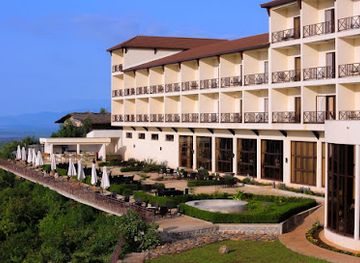
Haile Resort Arba Minch
Experience the tranquility and beauty of Haile Resort Arba Minch, a luxurious getaway surrounded by nature's stunning landscapes.
7 min drive · 2.4 km from city centre
-
 Lodge
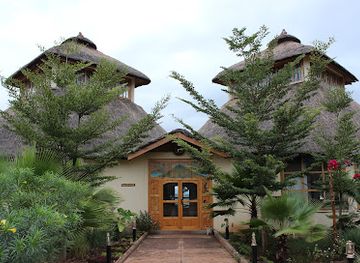
Paradise Lodge
Experience the natural beauty and tranquility of Paradise Lodge, a premier lodge in Arba Minch, Ethiopia, offering stunning landscapes and cultural adventures.
8 min drive · 2.7 km from city centre
-
Hotel
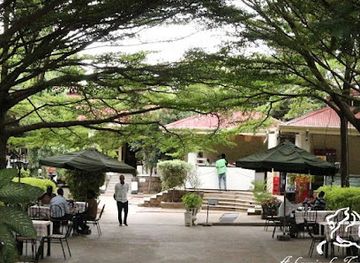
አርባ ምንጭ የቱሪስት ሆቴል / Arba minch Tourist hotel
Discover the charm of Arba Minch at the Arba Minch Tourist Hotel, where comfort meets authentic Ethiopian culture and breathtaking views.
11 min walk · 0.9 km from city centre
-
Hotel
Mora Heights Hotel
Experience comfort and exceptional hospitality at Mora Heights Hotel, your perfect base for exploring the natural beauty of Arba Minch, Ethiopia.
12 min drive · 3.9 km from city centre
Explore Arba Minch on the map
Plan your Arba Minch trip on one map. See where the top attractions, landmarks, restaurants, bars and hotels are, find what's near where you're staying, and book hotels and experiences in a few clicks.
Best hotels in Arba Minch
Best restaurants in Arba Minch
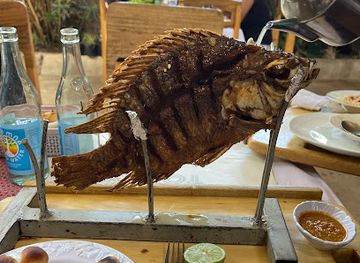
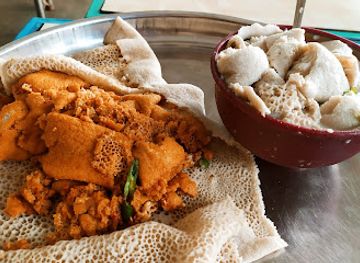
Arba Minch’s food scene reflects southern Ethiopian agriculture, local lake resources and the country’s wider injera-based dining tradition. Teff injera is commonly served with stews such as shiro and misir, while meat dishes, vegetables and pulses appear in richly seasoned combinations. Around the Gamo area, kocho, a fermented flatbread made from the enset plant, may be encountered alongside locally distinctive preparations, although availability varies by establishment. Small cafés and simple restaurants serve coffee, tea, snacks and familiar Ethiopian meals, while hotels provide a more predictable setting for travellers seeking international dishes. Fresh produce from surrounding farms is prominent in markets, and fish may feature near the lakes, though visitors should ask about preparation and sourcing. Dining is generally informal, with communal plates and hand-eating customary in many Ethiopian eateries.
-
Restaurant
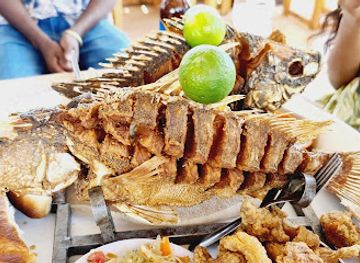
Mamush & Mamy Fresh Fish
Experience authentic Ethiopian cuisine at Mamush & Mamy Fresh Fish in Arba Minch, where every dish celebrates local flavors and fresh ingredients.
5 min walk · 0.4 km from city centre
-
Fish restaurant
JF Garden Fish&Wine Restaurant
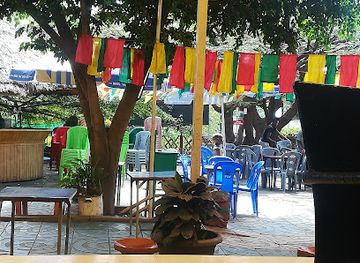
Experience authentic Ethiopian seafood at JF Garden Fish&Wine Restaurant in Arba Minch's serene garden setting.
9 min drive · 3.1 km from city centre
-
Restaurant
ለምለም ባር ና ሬስቶራንት Lemlem Bar and restaurant
Experience authentic Ethiopian cuisine blended with international flavors at Lemlem Bar and Restaurant in Arba Minch.
8 min drive · 2.6 km from city centre
-
Restaurant
Soma Restaurant
Savor authentic Ethiopian cuisine at Soma Restaurant in Arba Minch - where every dish tells a story.
9 min drive · 2.9 km from city centre
Best bars in Arba Minch
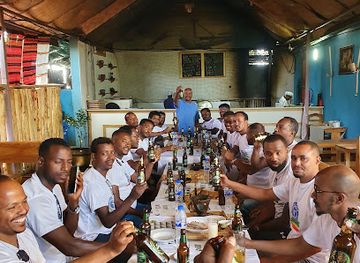
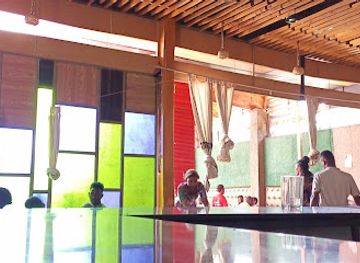
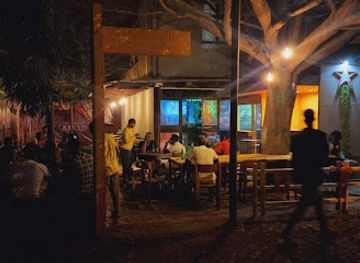
Arba Minch’s evening scene is modest and locally oriented rather than built around a large concentration of nightclubs. Hotel lounges, cafés and small bars provide places for a drink, conversation and televised football, while music venues and informal establishments may become livelier at weekends. Traditional Ethiopian tej, a honey wine, may be available, as can locally brewed beer and soft drinks, but individual venues change and should be assessed locally. Evening meals, coffee ceremonies and live or recorded Ethiopian music are often more characteristic of the town than late-night clubbing. Visitors should stay in busy, familiar areas after dark, arrange transport back to their accommodation and respect local customs around alcohol, photography and public behaviour.
-
Restaurant
Lucy Bar & Restaurant
Experience the authentic taste of Ethiopia at Lucy Bar & Restaurant in Arba Minch, a culinary gem celebrating local flavors and warm hospitality.
14 min walk · 1.1 km from city centre
-
Lounge
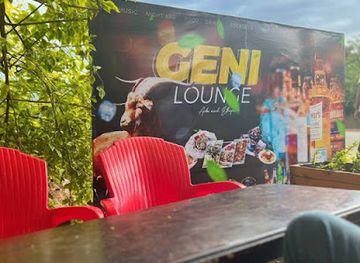
Genet Lounge
Discover the essence of relaxation and local culture at Genet Lounge, a vibrant hideaway in the heart of Arba Minch.
10 min drive · 3.3 km from city centre
-
Restaurant
Adis Bar & Restaurant
Discover the flavors of Ethiopia at Adis Bar & Restaurant in Arba Minch, where local cuisine meets international charm, perfect for every palate.
12 min walk · 0.9 km from city centre
-
Bar
Harar Corner
Experience the vibrant culture and refreshing flavors at Harar Corner, the ideal bar for tourists in Arba Minch.
9 min drive · 3.2 km from city centre
Best nightclubs in Arba Minch
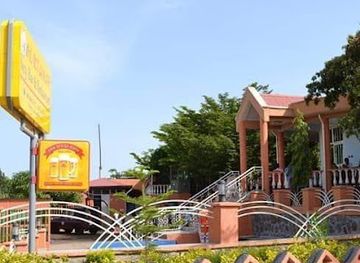
Arba Minch’s evening scene is modest and locally oriented rather than built around a large concentration of nightclubs. Hotel lounges, cafés and small bars provide places for a drink, conversation and televised football, while music venues and informal establishments may become livelier at weekends. Traditional Ethiopian tej, a honey wine, may be available, as can locally brewed beer and soft drinks, but individual venues change and should be assessed locally. Evening meals, coffee ceremonies and live or recorded Ethiopian music are often more characteristic of the town than late-night clubbing. Visitors should stay in busy, familiar areas after dark, arrange transport back to their accommodation and respect local customs around alcohol, photography and public behaviour.
-
Lounge
Genet Lounge
Discover the soothing vibes of Genet Lounge, a perfect blend of relaxation, local culture, and exquisite beverages in Arba Minch.
10 min drive · 3.3 km from city centre
-
Bar
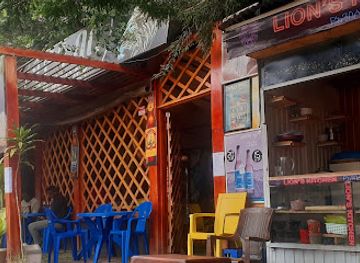
Lion Bar
Experience the vibrant nightlife at Lion Bar in Arba Minch, where local culture meets a lively atmosphere for unforgettable evenings.
8 min drive · 2.5 km from city centre
-
Club
Club k9
Discover the heart of Arba Minch's nightlife at Club K9, where music, dance, and vibrant energy come together for an unforgettable experience.
8 min drive · 2.6 km from city centre
-
Bar
Fasika Bar & Restaurant
Discover the lively atmosphere and authentic Ethiopian flavors at Fasika Bar & Restaurant in Arba Minch.
8 min drive · 2.6 km from city centre

Best shops in Arba Minch
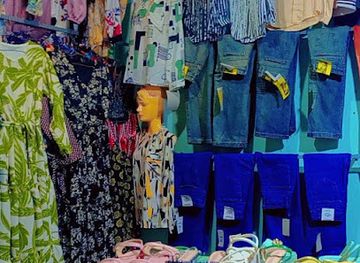
Shopping in Arba Minch centres on local markets, small-town commercial streets and practical everyday trade rather than large modern retail districts. Market stalls commonly carry fruit, vegetables, grains, spices, clothing and household goods from the surrounding agricultural communities. Visitors may find woven textiles, baskets and other handmade items associated with southern Ethiopian craft traditions, while highland communities around Chencha and Dorze are particularly known for weaving and distinctive domestic objects. Coffee and locally produced foods can also be interesting purchases when properly packaged and permitted for travel. Bargaining may be appropriate in markets, but it should be conducted politely and without photographing sellers or their goods without permission. Purchases from community artisans can provide a more direct connection with local skills than mass-produced souvenirs.
-
Cell phone store
ትንሿ ሞባይል እና አክሰሰሪ (Techo / Samsung Mobile)
Explore Techo/Samsung Mobile in Arba Minch for the latest in mobile technology and exceptional customer service in a vibrant market setting.
11 min walk · 0.9 km from city centre
-
Supermarket
Mimi Supermarket
Explore the vibrant flavors and local products at Mimi Supermarket in Arba Minch, Ethiopia, your one-stop shop for essentials and unique finds.
11 min walk · 0.9 km from city centre
-
Women's clothing store
Banu Women's Fashion
Explore the fashion-forward world of Banu Women's Fashion in Arba Minch, offering a stunning selection of contemporary and traditional women's clothing.
11 min walk · 0.9 km from city centre
-
Coffee shop
muna Buna
Discover the essence of Ethiopian coffee culture at Muna Buna, a cozy coffee shop in the heart of Arba Minch.
8 min walk · 0.6 km from city centre

Get your free copy of our complete guide to Arba Minch, delivered straight to you.
Everything on this page, from attractions and restaurants to essentials and local phrases, in one PDF you can read offline, print or share.
Already have an account? Sign in
Your Arba Minch guide is ready.
We'll send it to · Not you? Sign out

Getting your guide ready…
We are putting together a fresh copy of the Arba Minch guide. This can take up to a minute.
This can take a few moments. If your browser asks, choose Allow so the download can start. You'll find the guide in your Downloads folder.
Nothing happened? Download it again
Sorry, the guide is taking longer than usual. Please try again in a minute, or get it by email instead.
Arba Minch essentials
Currency and Payment
Safety
Emergency Situations
Do's and Don'ts
Local Tips
From Eve
Local phrases worth knowing
You don't need to get them perfect. A few words go a long way, and locals appreciate the effort.
Basics
| English | Local | Say it |
|---|---|---|
| Hello | ሰላም | [selam] |
| Goodbye | ዋላ | [wala] |
| Yes | አዎ | [awo] |
| No | አይ | [ay] |
| Please/You're welcome | እገለለ/እንዴት | [egellele/endet] |
| Thank you | አመሰግናለሁ | [amesegnalehu] |
| Excuse me/Sorry | ይቅር በላይ | [yikir baley] |
| How are you? | እንዴት ነህ? | [endet neh?] |
| Fine. And you? | ጠንካራለሁ. አማርኛ ነህ? | [tenekaralehu. amarigneh?] |
| Do you speak English? | እንዴት እንዴት እንዴት አማርኛ አድርገህ? | [endet amarigna adrgeh?] |
| I don't understand | አልተወሰነህ | [alteseneh] |
Eating & Drinking
| English | Local | Say it |
|---|---|---|
| I'd like to see the menu, please | መኪናውን በቅርብ ላይ እዚህ | [mekinan bekerib laye ezih] |
| I don't eat meat | አምጣ አምጣ አምጣ | [amta amta amta] |
| Cheers! | ሃሃ! | [haha] |
| I would like to pay, please | አመሰገኛለሁ, እዚህ | [amesegenalehu, ezih] |
Emergencies
| English | Local | Say it |
|---|---|---|
| Help! | እንዴት! | [endet!] |
| Go away! | ጠይር! | [tiyre!] |
| Call the Police! | ፖሊስ አይደለም! | [polis aydelem!] |
| Call a doctor! | ጣለዋለሁ! | [talewalehu!] |
| I'm lost | ተሰርይለሁ | [teseryelehu] |
| I'm ill | አለኝ | [aleng] |
Shopping
| English | Local | Say it |
|---|---|---|
| I'd like to buy... | ከኛ ጋር እንዴት | [kenga gar endet] |
| I'm just looking | በቀን እንዴት | [beken endet] |
| How much is it? | በፍጥነት እንዴት? | [befetnet endet?] |
| That's too expensive | ምንም እንዴት አልተደረገም | [minim endet altederagem] |
| Can you lower the price? | በድጋሜ እንዴት እንዴት አልቀምርም? | [bedagame endet endet alqemrem?] |
Time & Numbers
| English | Local | Say it |
|---|---|---|
| What time is it? | ሰዓት እንዴት ነው? | [s'at endet new?] |
| It's one o'clock | አንድ ሰዓት ነው | [and s'at new] |
| Half past (10) | ሰዓት የሚሆነት (አስደሳች) | [s'at yemihonat (asdesach)] |
| Morning | ጥምቀት | [timket] |
| Afternoon | ቀን | [ken] |
| Evening | ማታ | [mata] |
| Yesterday | ትምህርት | [timhirt] |
| Today | ዛሬ | [zare] |
| Tomorrow | ነገ | [nage] |
| 1 | አንድ | [and] |
| 2 | ሁለት | [hulet] |
| 3 | ሶስት | [sost] |
| 4 | አራት | [arat] |
| 5 | አምስት | [amsost] |
| 6 | ስድስት | [sidost] |
| 7 | ሰባት | [sebat] |
| 8 | ስምንት | [semenost] |
| 9 | ዘጠኝ | [zetegn] |
| 10 | አስር | [aser] |
Transport & Directions
| English | Local | Say it |
|---|---|---|
| Where's a/the...? | በተከበረ ቦታ ነው? | [betekebere botanew?] |
| What's the address? | አስቀምጥ አድራሻ ነበር? | [aseqmti adirasha neber?] |
| Can you show me (on the map)? | እንዴት ይሰልናል (በካርቦች)? | [endet yiselanale (bekaraboch)?] |
| When's the next (bus)? | ቀጣይ የቀረበት ወቅታዊ ነው? | [ketayi yekerebetewequtawi new?] |
| A ticket (to ....) | ትኬት (እስር ...) | [teket (esre ...)] |
History of Arba Minch
Gamo Communities and Rift Valley Settlement
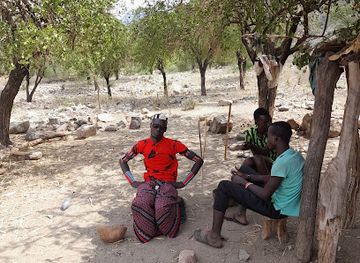
The Arba Minch area lies within the homeland of the Gamo people, whose communities developed across the fertile Rift Valley margins and surrounding highlands. Agriculture, livestock keeping, weaving and carefully adapted settlement patterns shaped life in an environment divided between lakeshore lowlands, wooded slopes and cooler plateaux. Gamo cultural traditions remain visible in the architecture and farming landscapes around Chencha and Dorze communities. Rather than representing a single ancient urban foundation, the modern town emerged from a wider landscape of established rural societies whose knowledge of water, cultivation and seasonal movement continues to influence the region.
A Strategic Southern Corridor
For centuries, the southern Rift Valley connected highland Ethiopia with communities and trading routes extending towards the lakes and lowlands. The area around present-day Arba Minch was shaped by exchanges involving agricultural products, livestock, woven materials and regional markets. Political authority changed over time as the Ethiopian state expanded and administrative boundaries were reorganised, but local communities retained strong social and cultural identities. The lakes also influenced movement and settlement, providing fishing grounds, water and fertile surroundings while creating a natural divide between different ecological zones.
The Growth of Modern Arba Minch
Arba Minch developed as a modern administrative and commercial centre during Ethiopia’s twentieth-century expansion of roads, public institutions and regional government. Its position between Lake Abaya and Lake Chamo made it a practical base for transport, trade and administration in the southern Rift Valley. The town’s growth brought together residents from the surrounding Gamo area and other parts of Ethiopia, adding an urban layer to a landscape already shaped by established rural communities. Springs, lakes and agricultural land remained central to its identity as the settlement expanded.
War, Revolution and Administrative Change
The political upheavals that affected Ethiopia during the twentieth century also reached the Arba Minch region. The 1974 revolution ended the imperial order and introduced the Derg government, while later conflict and political change altered administration, landholding and public life across the country. From 1991, Ethiopia’s federal system reorganised regional governance, and Arba Minch became an important centre within the Southern Nations, Nationalities and Peoples’ Regional State, later associated with the Gamo Zone. These changes form part of the modern political context behind the town’s institutions and regional role.
Conservation and Contemporary Identity
The establishment of Nech Sar National Park in the late twentieth century brought formal conservation to the grasslands, wetlands and wildlife habitats between the two lakes. Protection has coexisted with the needs of nearby communities, creating continuing questions about access, livelihoods and environmental management. In contemporary Arba Minch, the lakes, springs and national park are central to tourism, while Gamo traditions, markets and highland settlements provide a strong cultural dimension. The city’s identity therefore rests on both modern regional development and the enduring relationship between people, water, agriculture and landscape.
Arba Minch in Photos
Browse through our photo collection highlighting the charm and character of the destination.
Cities near Arba Minch
The closest cities to Arba Minch, if you have time for more than one stop.
-
-

-

-

-


Swipe for more cities
Explore more

Explore more of Ethiopia
Discover Ethiopia: A land of ancient history, breathtaking landscapes, and rich cultural heritage, offering an unforgettable journey through time and nature.
Explore Ethiopia