

Lake Langano, Ethiopia Travel Guide
Discover Lake Langano in Ethiopia – a serene oasis in the Rift Valley, perfect for swimming, bird watching, and outdoor adventures, surrounded by stunning natural beauty.
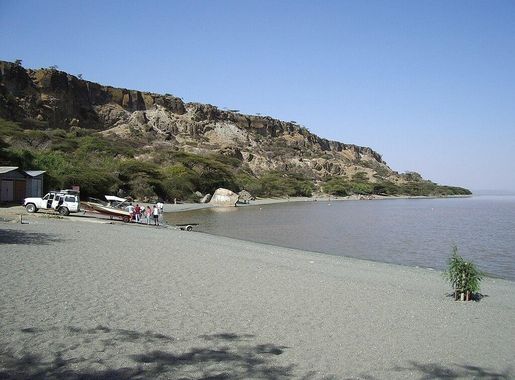
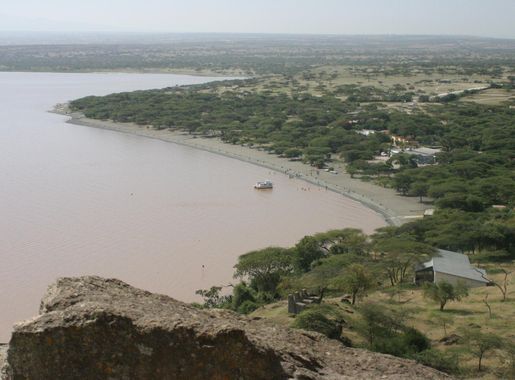
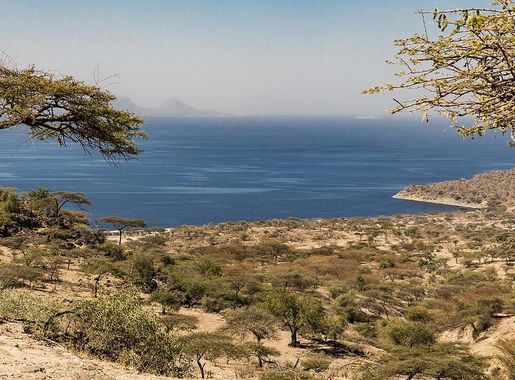
Nestled in the heart of Ethiopia's Rift Valley, Lake Langano is a serene retreat away from the hustle and bustle of city life. This picturesque lake is famous for its warm, brown waters and is one of the few lakes in Ethiopia free from bilharzia, making it safe for swimming. The surrounding landscape is a haven for nature lovers, featuring lush forests, diverse wildlife, and stunning views of the Arsi Mountains. Visitors to Lake Langano can enjoy a range of activities, from bird watching to water sports. The lake is home to over 300 species of birds, making it a paradise for bird enthusiasts. For those seeking adventure, the lake offers opportunities for kayaking, sailing, and even fishing. The nearby Abijatta-Shalla National Park is also worth a visit, offering a chance to see flamingos, pelicans, and other wildlife in their natural habitat. Accommodations around Lake Langano cater to all tastes and budgets, from luxury lodges to eco-friendly campsites. Whether you're looking to relax on the sandy beaches, explore the surrounding wilderness, or simply enjoy the stunning sunsets, Lake Langano provides a perfect backdrop for a memorable getaway.

Know before you go
Hi, I'm Eve. Here are a few practical things to know before exploring Lake Langano.
- Swim safely in the lake; it's one of the few bilharzia-free lakes in Ethiopia.
- Bring binoculars for bird watching; over 300 species inhabit the area.
- Visit Abijatta-Shalla National Park for a chance to see flamingos and other wildlife.
- Check out local lodges and campsites for a range of accommodation options.
- Pack sunscreen and insect repellent to stay comfortable during your visit.
Explore Lake Langano: Things to Do, Places to Eat, Hotels & More
Handpicked recommendations for top attractions, local dining, accommodations, and more

Best attractions in Lake Langano
Top-rated picks
Best Attractions

Langano Lake
Experience the tranquility and beauty of Langano Lake, a serene escape in Ethiopia with adventure, relaxation, and cultural richness.

Bekelech Dadi Teshite
Explore the lush landscapes and peaceful ambiance of Bekelech Dadi Teshite Park in Bulbula, a serene retreat for nature enthusiasts and families alike.
Cormorant Island
Explore Cormorant Island, a serene Ethiopian sanctuary offering stunning landscapes, rich biodiversity, and peaceful retreat for nature lovers and adventurers.

Wata camping
Experience the tranquility of Wata Camping by Lake Langano, where nature meets adventure in Ethiopia's beautiful landscapes.

Best landmarks in Lake Langano
Top-rated picks
Best Landmarks
Sabana Beach Resort
Experience the tranquility of Langano Lake at Sabana Beach Resort, where luxury meets nature for an unforgettable getaway.

Langano Lake
Experience the serene beauty and vibrant wildlife of Langano Lake, Ethiopia's perfect destination for relaxation and outdoor adventures.
Hara Langano Lodge
Experience the serene beauty of Hara Langano Lodge in the Great African Rift Valley, where relaxation meets adventure by the stunning Lake Langano.
Hara Langano Eco Lodge
Experience tranquility and adventure at Hara Langano Eco Lodge, a sustainable retreat on the shores of Lake Langano, Ethiopia.


Best bars in Lake Langano
Top-rated picks
Best Bars
Sabana Beach Resort
Experience the serene beauty of Langano Lake at Sabana Beach Resort, a luxurious retreat with stunning views and endless activities.

Sabana beach
Experience the tranquil beauty of Sabana Beach, a stunning lakeside paradise perfect for relaxation and adventure in Ethiopia.
maranata
Experience the flavors of Ethiopia at Maranata, a restaurant by Lake Langano offering exquisite cuisine and stunning views.

Best nightclubs in Lake Langano
Top-rated picks
Best Nightclubs
Sabana Beach Resort
Experience the beauty and tranquility of Sabana Beach Resort on Langano Lake, where relaxation meets adventure in a breathtaking natural setting.

Langano Lake
Experience the serene beauty of Langano Lake, a perfect getaway for nature lovers, adventure seekers, and those looking to relax in Ethiopia's stunning Rift Valley.
Hara Langano Lodge
Discover tranquility and wildlife at Hara Langano Lodge, a serene retreat on the shores of Lake Langano in the Great African Rift Valley.

Best shops in Lake Langano
Top-rated picks
Best Shops
Hara Langano Lodge
Hara Langano Lodge: A serene escape in the Great African Rift Valley, perfect for relaxation and adventure seekers.
Mana Dabboo Ra'iif
Explore the delightful flavors of Ethiopian baked goods at Mana Dabboo Ra'iif in Bulbula, a true taste of local culture.
Safi BUTIK
Explore a diverse collection of stylish and affordable footwear at Safi BUTIK in Asasa, the ultimate shoe shopping destination.
እሸቱ
Experience the tranquil beauty and vibrant wildlife of Lake Langano, a perfect destination for relaxation and adventure in Ethiopia.

Explore Lake Langano on the Map
A handpicked selection of must-see spots in Lake Langano, mapped for you.
Lake Langano Essentials
-
Lake Langano is located in the Oromia region of Ethiopia, approximately 200 kilometers south of Addis Ababa. The most common way to reach Lake Langano is by car. You can either rent a car from Addis Ababa or hire a private taxi for the journey. The drive typically takes around 3 to 4 hours via the Addis Ababa-Adama Expressway and then through the well-maintained roads leading to the lake. Alternatively, you can take a bus from the Meskel Square bus station in Addis Ababa to Shashemene, and then hire a local taxi or minibus to Lake Langano.
-
Around Lake Langano, transportation options include private taxis, local minibuses, and car rentals. Private taxis can be arranged through your hotel or local contacts, and they are a convenient way to explore the area. Local minibuses are an affordable option for short trips, but they may not always be timely. Renting a car gives you the flexibility to explore at your own pace, but make sure to check the road conditions and have a reliable map or GPS.
-
The official currency in Ethiopia is the Ethiopian Birr (ETB). While some hotels and resorts around Lake Langano may accept credit cards, it's advisable to carry cash, especially for smaller establishments and local markets. ATMs are available in nearby towns such as Shashemene and Hawassa, but it's wise to withdraw sufficient cash in Addis Ababa before heading to Lake Langano.
-
Lake Langano is generally a safe destination for tourists. However, it is always important to exercise standard safety precautions. Avoid walking alone at night and be cautious of your belongings in crowded places. While the area around Lake Langano is relatively safe, it is advisable to stay within known tourist areas and avoid isolated spots. Always follow the advice of your hotel staff or local guides regarding safety.
-
In case of an emergency, dial 911 for immediate assistance. There are medical facilities and pharmacies in nearby towns such as Shashemene and Hawassa. It is recommended to have travel insurance that covers medical emergencies. For minor health issues, most resorts around Lake Langano have first aid kits and can assist with basic medical needs. Always carry a list of emergency contacts, including your embassy or consulate in Ethiopia.
-
Fashion: Do dress modestly, especially when visiting religious sites or interacting with locals. Avoid wearing revealing clothing. Religion: Do respect local customs and traditions. Always remove your shoes when entering religious buildings. Public Transport: Do be respectful and patient when using local minibuses. They can be crowded and may not run on a strict schedule. Greetings: Do greet people with a polite handshake or a respectful nod. It is customary to exchange pleasantries before getting to the main point of conversation. Eating & Drinking: Do try local dishes and accept food offerings graciously. Don't refuse hospitality, as it is considered impolite. Avoid eating or drinking in public during fasting periods such as Ramadan if you are visiting a predominantly Muslim area.
-
To experience Lake Langano like a local, visit the local markets where you can buy fresh produce and traditional Ethiopian goods. Engage with locals, as they are often friendly and willing to share stories about the area's history and culture. Don't miss visiting nearby attractions such as the Abijatta-Shalla National Park, known for its diverse birdlife. For a unique experience, consider staying at one of the eco-lodges around the lake, which offer a more immersive and sustainable way to enjoy the natural beauty of the region.
When is the best time to visit Lake Langano?
Useful Local Phrases for Lake Langano
You don't need to speak the language perfectly. Even learning a few simple words can make conversations warmer—and locals usually appreciate the effort.
— Eve

Here are the phrases I use most often in Lake Langano. Try a few—you'll be surprised how far they go! 😊
❤️
-
- HelloSalamta
[sa-lam-ta] - GoodbyeBadaa
[ba-da] - YesEe
[ee] - NoAya
[a-ya] - Please/You're welcomeBara
[ba-ra] - Thank youGalatoomi
[ga-la-too-mi] - Excuse me/SorryNagaya
[na-ga-ya] - How are you?Nagaa dhuftee?
[na-ga duuf-tee] - Fine. And you?Dhufatee. Gar dhuftee?
[duuf-tee. gar duuf-tee] - Do you speak English?Inglizi fayyadhu?
[in-gli-zi fa-yad-hu] - I don't understandAkkam jiru
[ak-kam ji-ru]
- HelloSalamta
-
- I'd like to see the menu, pleaseFayyadha menyu baruu hin jiru
[fa-yad-ha men-yu ba-ruu hin ji-ru] - I don't eat meatKoo hilibi hin galee
[ko hi-li-bi hin ga-lee] - Cheers!Galatoomi
[ga-la-too-mi] - I would like to pay, pleaseFayyadhu, baruu hin jiru
[fa-yad-hu, ba-ruu hin ji-ru]
- I'd like to see the menu, pleaseFayyadha menyu baruu hin jiru
-
- Help!Balmuu!
[bal-muu] - Go away!Dhabe!
[dha-be] - Call the Police!Polisii himi!
[po-li-sii hi-mi] - Call a doctor!Doktoora himi!
[dok-too-ra hi-mi] - I'm lostAkkam dhuftee
[ak-kam duuf-tee] - I'm illDhibee
[dhi-bee]
- Help!Balmuu!
-
- I'd like to buy...Fayyadhu qooda
[fa-yad-hu qoo-da] - I'm just lookingKoo jiru
[ko ji-ru] - How much is it?Garaa dhuftee?
[ga-raa duuf-tee] - That's too expensiveGaraa dhuftee?
[ga-raa duuf-tee] - Can you lower the price?Garaa dhuftee?
[ga-raa duuf-tee]
- I'd like to buy...Fayyadhu qooda
-
- What time is it?Waaqti dhuftee?
[waaq-ti duuf-tee] - It's one o'clockBarkumee tokko
[bar-ku-mee tok-ko] - Half past (10)Fuuldura (lasu)
[fuul-du-ra (la-su)] - MorningHagayya
[ha-ga-yya] - AfternoonDhugaa
[du-ga] - EveningBona
[bo-na] - YesterdayBareeduu
[ba-ree-duu] - TodayHin jiru
[hin ji-ru] - TomorrowHolaa
[ho-laa] - 1Hinnya
[hin-nya] - 2Lammi
[lam-mi] - 3Saadde
[saad-de] - 4Ayyaana
[ay-ya-na] - 5Lakka
[lak-ka] - 6Toksaa
[tok-sa] - 7Seera
[see-ra] - 8Sagalee
[sa-ga-lee] - 9Sadii
[sa-dii] - 10Dhukkuba
[duuk-ku-ba]
- What time is it?Waaqti dhuftee?
-
- Where's a/the...?Akkam niin fayyadhu?
[ak-kam neen fa-yad-hu] - What's the address?Akkam dhuftee?
[ak-kam duuf-tee] - Can you show me (on the map)?Akkam niin fayyadhu?
[ak-kam neen fa-yad-hu] - When's the next (bus)?Waaqaa dhuftee?
[waa-kaa duuf-tee] - A ticket (to ....)Tikiti hin jiru
[ti-ki-ti hin ji-ru]
- Where's a/the...?Akkam niin fayyadhu?
History of Lake Langano
-
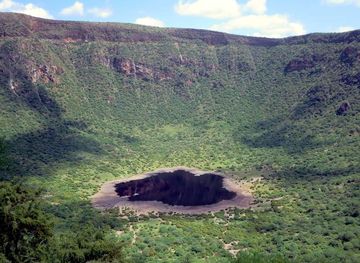
Lake Langano, part of the Ethiopian Rift Valley, was formed millions of years ago due to tectonic activities. The Rift Valley itself is a significant geological feature that stretches from the Red Sea down to Mozambique, and Lake Langano is one of the many lakes that dot this area. The lake's unique reddish-brown color is due to its mineral-rich waters, which have fascinated both geologists and visitors alike.
-
The region around Lake Langano has been inhabited for thousands of years by various indigenous tribes. The Oromo people, one of Ethiopia's largest ethnic groups, have lived in the area for centuries. Their traditional way of life, encompassing pastoralism, farming, and fishing, has been closely tied to the lake and its resources.
-
Lake Langano has played a role in the broader context of Ethiopian history. During the times of the ancient kingdoms, and later during the reign of Emperor Haile Selassie, the lake served as a retreat and a strategic location. The region around the lake has witnessed various historical events, including conflicts and treaties between local tribes and colonial powers.
-
Lake Langano is part of the East African Rift Valley, which is known for its rich biodiversity. The lake and its surrounding area are home to a variety of flora and fauna, including endemic species. Conservation efforts have been undertaken to preserve its unique ecosystems, which are crucial for both local communities and the wildlife that depend on the lake.
-
In recent decades, Lake Langano has become a popular destination for both local and international tourists. Resorts and eco-lodges have sprung up along its shores, offering a range of activities from bird-watching to water sports. The development has brought economic benefits to the region, but it also poses challenges in terms of environmental sustainability.
Neighbouring destination travel guides
Browse our curated selection of top destinations, scenic points, and must-visit spots in the area.



Your all‑in‑one travel companion app
Explore expert travel guides, compare and book tours, experiences, hotels, and more—all from the palm of your hand. Download now for seamless trip planning wherever your wanderlust takes you.


Explore More of Gurage

Looking beyond Lake Langano? Discover Gurage for broader travel guides, local hot-spots, and regional highlights.
Explore GurageExplore More of Ethiopia

Looking beyond Lake Langano? Discover Ethiopia for broader travel guides, local hot-spots, and regional highlights.
Explore EthiopiaLake Langano in Photos
Browse through our photo collection highlighting the charm and character of the destination.




The Tranquil Shores of Lake Langano
Nestled in the heart of Ethiopia's Rift Valley, Lake Langano is a serene retreat away from the hustle and bustle of city life. This picturesque lake is famous for its warm, brown waters and is one of the few lakes in Ethiopia free from bilharzia, making it safe for swimming. The surrounding landscape is a haven for nature lovers, featuring lush forests, diverse wildlife, and stunning views of the Arsi Mountains. Visitors to Lake Langano can enjoy a range of activities, from bird watching to water sports. The lake is home to over 300 species of birds, making it a paradise for bird enthusiasts. For those seeking adventure, the lake offers opportunities for kayaking, sailing, and even fishing. The nearby Abijatta-Shalla National Park is also worth a visit, offering a chance to see flamingos, pelicans, and other wildlife in their natural habitat. Accommodations around Lake Langano cater to all tastes and budgets, from luxury lodges to eco-friendly campsites. Whether you're looking to relax on the sandy beaches, explore the surrounding wilderness, or simply enjoy the stunning sunsets, Lake Langano provides a perfect backdrop for a memorable getaway.