

Lake Tana Travel Guide - Free Web & App
Your ultimate guide to Lake Tana. Discover top landmarks, proposed trips, and local tips. Free on the web or via the Evendo companion app.


Lake Tana, Ethiopia, combines island monasteries, papyrus-fringed shores, bird-rich wetlands and boat journeys near historic Bahir Dar and Gondar.
Landscape and Living Waters
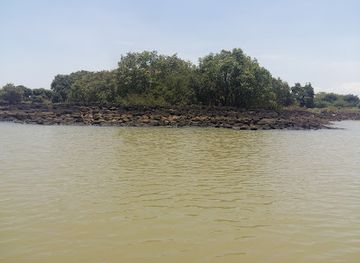
Lake Tana lies in Ethiopia’s north-western highlands, a broad freshwater lake whose shallow bays, reed beds, islands and peninsulas shape the character of the surrounding Amhara region. At roughly 1,800 metres above sea level, it is Ethiopia’s largest lake and the source of the Blue Nile, which leaves its southern shore near Bahir Dar. The lake’s open horizons contrast with papyrus-fringed wetlands, cultivated shores and low hills, while its waters support fish, hippopotamuses and a varied population of resident and migratory birds.Read more about Lake Tana
Island Monasteries and Regional Heritage
Bahir Dar and the Wider Region
When is the best time to visit Lake Tana?
Best: February–March, December · 24–25°C| Month | High (°C) | Rainfall (mm) |
|---|---|---|
| January | 23 | 16 |
| February (best) | 24 | 17 |
| March (best) | 25 | 20 |
| April | 26 | 25 |
| May | 26 | 33 |
| June | 26 | 40 |
| July | 26 | 47 |
| August | 26 | 51 |
| September | 26 | 46 |
| October | 27 | 36 |
| November | 26 | 22 |
| December (best) | 25 | 17 |
Getting to and around Lake Tana
How to get there
Transportation
Best attractions in Lake Tana
The main attractions of Lake Tana lie on its water, islands and southern shore. Boat excursions from Bahir Dar commonly visit the Zege Peninsula, where Ura Kidane Mehret is known for its richly painted church interior and forested setting, and may continue to monasteries such as Azuwa Maryam or Narga Selassie, depending on conditions and access. Dek Island, the lake’s largest island, contains important religious sites, while other islands and peninsulas preserve quieter monastic communities. Near Bahir Dar, the Blue Nile leaves the lake through a broad outlet associated with lakeside wetlands and birdlife. The city itself provides markets, waterfront areas and practical visitor services. Farther downstream, the Blue Nile Falls near Tis Issat is often paired with a Lake Tana journey, but it lies outside the lake proper and should be treated as a separate excursion. Wildlife watching may include waterbirds and, in suitable areas, hippopotamuses viewed from a safe distance.
-
Tourist attraction
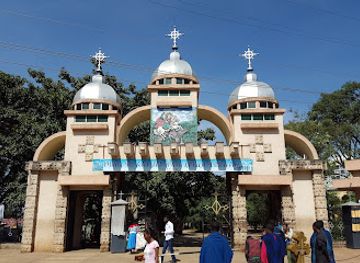
St. George Church | ቅዱስ ጊዮርጊስ ቤተክርስቲያን
Explore the stunning St. George Church in Bahir Dar, a hallmark of Ethiopian Orthodox architecture with rich history and breathtaking art.
-
Tourist attraction
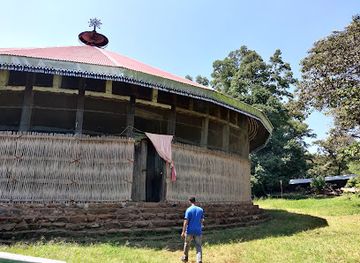
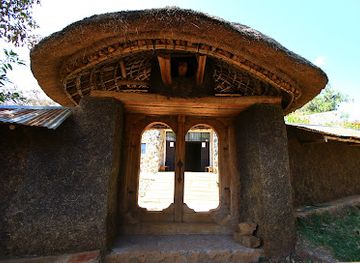
Ura Kidane Mihret Monastery (ኡራ ኪዳነ ምሕረት ገዳም)
Immerse yourself in the rich spirituality and stunning artistry of Ura Kidane Mihret Monastery, a hidden gem in Ethiopia's scenic Zege.
-
Tourist attraction
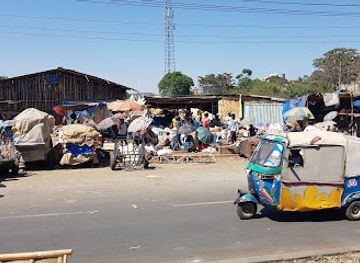
Yotor General Event Organizer
Explore the vibrant culture and local market life at Yotor General Event Organizer in Bahir Dar, Ethiopia, for a memorable travel experience.
-
Tourist attraction
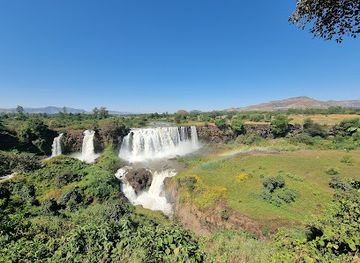
ጢስ አባይ ፏፏቴ
Experience the breathtaking beauty and rich culture of Tis Abay Town, a hidden gem in Ethiopia's scenic landscapes.
Best landmarks in Lake Tana
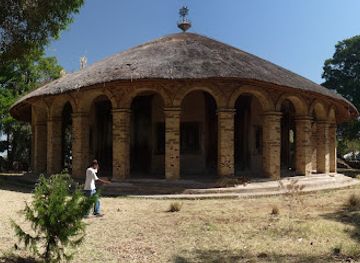
Lake Tana’s defining natural landmark is its broad freshwater basin, the source of the Blue Nile and a landscape of open water, wetlands, reed beds and low volcanic highland shores. The Blue Nile outlet near Bahir Dar is an important geographic feature, linking the lake to one of Africa’s best-known river systems. Cultural landmarks include Ura Kidane Mehret on the Zege Peninsula, whose circular church and painted interior represent the artistic traditions of Ethiopian Orthodox Christianity, and Narga Selassie on Dek Island, another prominent lakeside religious site. The secluded island and peninsula monasteries are significant not only for their buildings but also for manuscripts, liturgy and continuing religious practice. Papyrus boats and reed-fringed margins reflect long-standing relationships between local communities and the lake, while the surrounding wetlands provide habitat for birds and other wildlife.
-
Monastery
Ura Kidane Mihret Monastery (ኡራ ኪዳነ ምሕረት ገዳም)
Explore Ura Kidane Mihret Monastery in Zege, a tranquil spiritual oasis rich in history and stunning art, perfect for cultural travelers.
-
Church
Narga Selassie
Discover the spiritual beauty of Narga Selassie, a historic church on Dek Island, offering a unique glimpse into Ethiopia's rich cultural heritage.
-
Orthodox church
Azwa St. Maryam Church | አዝዋ ቅድስት ማርያም ቤተክርስቲያን
Discover the spiritual and architectural wonder of Azwa St. Maryam Church in Bahir Dar, a gem of Ethiopian Orthodox heritage.
-
Wildlife refuge
Lake Tana Biosphere Reserve
Explore the breathtaking beauty and rich biodiversity of Lake Tana Biosphere Reserve, a top destination for wildlife enthusiasts and nature lovers in Ethiopia.
Explore Lake Tana on the map
Plan your trip on one map. See where the top attractions, landmarks, restaurants and hotels are, and book hotels and experiences in a few clicks.
Best hotels in Lake Tana
Best restaurants in Lake Tana
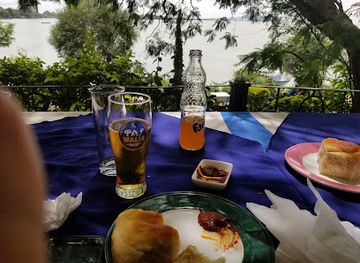
Dining around Lake Tana is concentrated in Bahir Dar rather than on the islands, where food services are limited and visitors on boat trips should clarify arrangements in advance. Bahir Dar restaurants and cafés commonly serve Ethiopian staples such as injera with vegetarian wot, lentils, chickpeas and seasonal vegetables, alongside meat dishes and locally available fish. Freshwater fish from the lake may appear on menus, although supply and preparation vary by season and establishment. Traditional coffee ceremonies remain an important part of hospitality, while tej, a honey wine, is available in some Ethiopian restaurants and traditional drinking houses. In smaller settlements, choices are more modest and may centre on simple local meals, bread, tea and coffee. Food stalls and markets can provide an insight into everyday life, but visitors should choose busy, well-kept premises and carry drinking water for longer lake excursions.
-
Restaurant
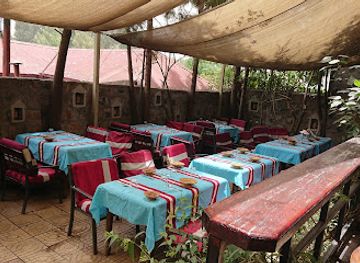
The Four Sisters Restaurant
Experience authentic Ethiopian cuisine at The Four Sisters Restaurant in Gondar – where tradition meets flavor.
-
Lake
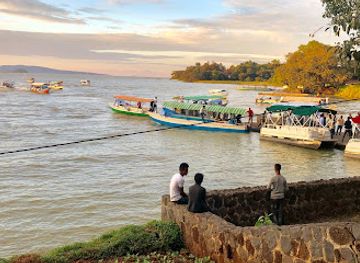
Lake Tana
Explore Lake Tana: Ethiopia's largest lake rich in biodiversity and cultural heritage with stunning landscapes and historic monasteries.
-
Resort hotel
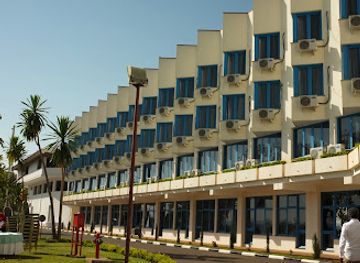
Blue Nile Resort Hotel
Discover unparalleled luxury at Blue Nile Resort Hotel in Bahir Dar - where stunning views meet exceptional service.
-
 Hotel
HotelJACARANDA HOTEL ,BAHIR DAR
Discover comfort and culture at Jacaranda Hotel in Bahir Dar – your gateway to Ethiopia's natural beauty and rich heritage.
Best bars in Lake Tana
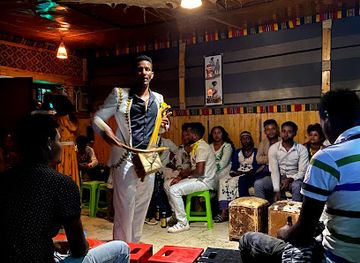
Lake Tana is not a nightlife destination in the resort sense, and evening entertainment is concentrated in Bahir Dar. The city has cafés, restaurants, traditional drinking houses and bars where residents and visitors gather for conversation, Ethiopian music and locally made drinks, including tej in appropriate venues. Some establishments offer live performances or dancing, but programmes and opening arrangements are changeable rather than a permanent attraction. On the lake’s islands and rural shores, evenings are generally quiet, shaped by monastic life, fishing communities and the sounds of the natural environment rather than clubs or late-night venues. Travellers staying outside Bahir Dar should expect limited evening services and arrange transport back to their accommodation before going out, particularly where roads are poorly lit or distances are substantial.
-
Bar
Blue Jayz Bar and Restaurant
Immerse yourself in the vibrant culture of Bahir Dar at Blue Jayz Bar and Restaurant, where delicious food and delightful company await.
-
Restaurant
Taytu Restaurant
Discover the authentic taste of Ethiopia at Taytu Restaurant in Bahir Dar, where tradition and flavor come together for an unforgettable dining experience.
-
Bar
Balageru Cultural Club
Discover the heart of Ethiopian culture at Balageru Cultural Club, where food, drinks, and traditional performances come together for an unforgettable experience.
-
Bar
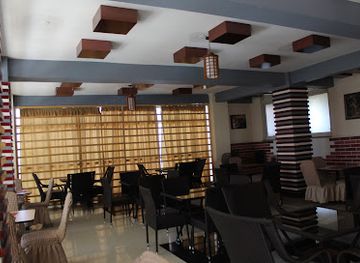
Castel Kuriftu Wina Bar
Discover the charm of Castel Kuriftu Wina Bar in Bahir Dar, where exquisite wines meet breathtaking views of Lake Tana.
Best nightclubs in Lake Tana
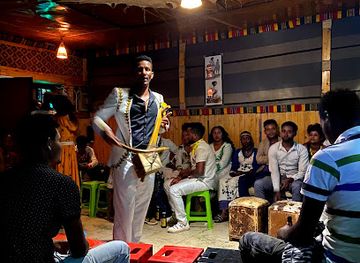
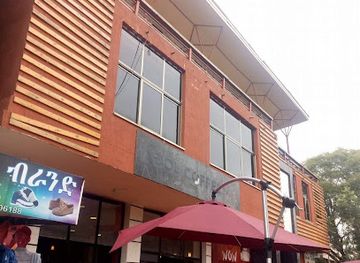
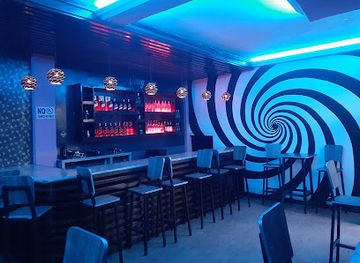
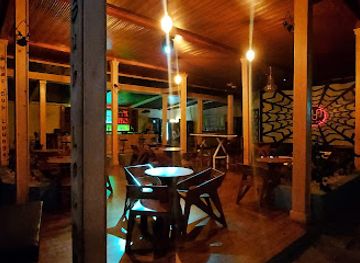
Lake Tana is not a nightlife destination in the resort sense, and evening entertainment is concentrated in Bahir Dar. The city has cafés, restaurants, traditional drinking houses and bars where residents and visitors gather for conversation, Ethiopian music and locally made drinks, including tej in appropriate venues. Some establishments offer live performances or dancing, but programmes and opening arrangements are changeable rather than a permanent attraction. On the lake’s islands and rural shores, evenings are generally quiet, shaped by monastic life, fishing communities and the sounds of the natural environment rather than clubs or late-night venues. Travellers staying outside Bahir Dar should expect limited evening services and arrange transport back to their accommodation before going out, particularly where roads are poorly lit or distances are substantial.
-
Bar
Balageru Cultural Club
Discover Bahir Dar's nightlife at Balageru Cultural Club, where local culture meets vibrant entertainment in a lively bar atmosphere.
-
Bar
Miracle Lounge
Experience the vibrant nightlife of Bahir Dar at Miracle Lounge, where refreshing drinks and a lively atmosphere await.
-
Night club
Navy Lounge Bahir dar
Experience Bahir Dar's vibrant nightlife at Navy Lounge, the ultimate destination for music, dance, and Ethiopian culture in a lively atmosphere.
-
Lounge
Mac sub lounge
Experience the perfect blend of relaxation and entertainment at Mac Sub Lounge in Bahir Dar, Ethiopia, where every moment is a delight.
Best shops in Lake Tana
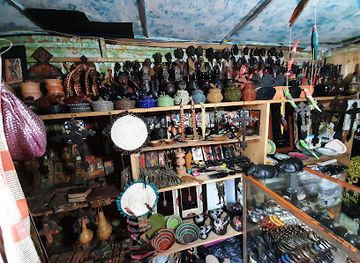
Shopping opportunities are centred on Bahir Dar, whose markets and independent shops serve both local residents and visitors exploring the lake. Ethiopian textiles, woven goods, baskets, leather items, religiously inspired craftwork and locally produced foodstuffs may be found in the city, although quality, provenance and availability differ between sellers. Papyrus is closely associated with the Lake Tana environment and is used locally in traditional craft traditions, but visitors should distinguish genuinely local products from generic souvenirs. Markets offer spices, coffee, fruit and everyday goods rather than a specialised luxury retail scene. Small lakeside settlements have limited shopping, and the monasteries are places of worship rather than conventional commercial attractions. Buying directly from artisans or small producers where appropriate can support local livelihoods, while respectful bargaining should reflect the value of time and workmanship.
-
Gift shop
Bahiru Gift shop ባህሩ የስጦታ እቃዎች መደብር
Explore Bahiru Gift Shop in Bahir Dar for unique Ethiopian gifts, handcrafted treasures, and a taste of local culture. Perfect for memorable souvenirs.
-
Store
nati's shop
Discover the heart of Ethiopian craftsmanship at Nati's Shop in Bahir Dar, where unique souvenirs and cultural treasures await every traveler.
-
Clothing store
Tana Market 01 Abdu Clothing Shop
Explore Tana Market's Abdu Clothing Shop for an authentic taste of Ethiopian culture and fashion.
-
Store
frew shop
Explore Frew Shop in Bahir Dar: Your gateway to authentic Ethiopian culture and unique local products.
Get your free copy of our complete guide to Lake Tana, delivered straight to you.
Everything on this page, from attractions and restaurants to essentials and local phrases, in one PDF you can read offline, print or share.
Already have an account? Sign in
Your Lake Tana guide is ready.
We'll send it to · Not you? Sign out

Getting your guide ready…
We are putting together a fresh copy of the Lake Tana guide. This can take up to a minute.
This can take a few moments. If your browser asks, choose Allow so the download can start. You'll find the guide in your Downloads folder.
Nothing happened? Download it again
Sorry, the guide is taking longer than usual. Please try again in a minute, or get it by email instead.
Lake Tana essentials
Currency and Payment
Safety
Emergency Situations
Do's and Don'ts
Local Tips
From Eve
Local phrases worth knowing
You don't need to get them perfect. A few words go a long way, and locals appreciate the effort.
Basics
| English | Local | Say it |
|---|---|---|
| Hello | ሰላም | [sälam] |
| Goodbye | ዋላም | [walam] |
| Yes | አዎ | [awo] |
| No | አይ | [ayi] |
| Please/You're welcome | እባክዎ | [ebakewo] |
| Thank you | አመሰግናለሁ | [amesegnalehu] |
| Excuse me/Sorry | ደስታና/እባክዎ | [destanaw/ebakewo] |
| How are you? | እንዴት ነህ? | [endeht neh?] |
| Fine. And you? | ጠንከረከረ. እንዴት ነህ? | [tenkerkere. endeht neh?] |
| Do you speak English? | እንዴት እንዴት እንዴት እንዴት እንዴት እንዴት እንዴት እንዴት እንዴት እንዴት እንዴት? | [endeht endet endet endet endet endet endet endet endet endet endet?] |
| I don't understand | አልተቻለም | [altechalem] |
Eating & Drinking
| English | Local | Say it |
|---|---|---|
| I'd like to see the menu, please | ማቀናት እንዴት ለማወርያ እችላለሁ | [mak'nat endeht le mawariya echilalehu] |
| I don't eat meat | እኔ ምንም አልተመረጠም | [ene minim altemeretem] |
| Cheers! | ሰላም! | [sälam] |
| I would like to pay, please | ብርሃን ለማስፈን እችላለሁ | [birhan lemasfen echilalehu] |
Emergencies
| English | Local | Say it |
|---|---|---|
| Help! | እርስዎ! | [erswo] |
| Go away! | ተነሳ! | [tenesa] |
| Call the Police! | ፖሊስ ይጠይቁ! | [polis yityiku] |
| Call a doctor! | ሴት ይጠይቁ! | [set yityiku] |
| I'm lost | ተነሳ! | [tewes] |
| I'm ill | ተነሳ! | [tewes] |
Shopping
| English | Local | Say it |
|---|---|---|
| I'd like to buy... | ለማወርያ እንዴት እችላለሁ... | [le mawariya endeht echilalehu...] |
| I'm just looking | ባለማወርያ ነኝ | [bale mawariya neg] |
| How much is it? | እባክዎ ስንት ነው? | [ebakewo sint new?] |
| That's too expensive | እያለ በቆሎ ነው | [eyale bekolo new] |
| Can you lower the price? | ስንት ነው በህልም ማስፈን አንችላለሁ? | [sint new behilim masfen anchilalehu?] |
Time & Numbers
| English | Local | Say it |
|---|---|---|
| What time is it? | ሰዓት ነው? | [se'at new?] |
| It's one o'clock | አንድ ሰዓት ነው | [and se'at new] |
| Half past (10) | ደግሞ አምስተኛ | [degmo amsatena] |
| Morning | ጥዋት | [tiwat] |
| Afternoon | አለም | [alem] |
| Evening | ማታ | [mata] |
| Yesterday | ትላን | [talan] |
| Today | ዛሬ | [zare] |
| Tomorrow | ነገ | [nage] |
| 1 | አንድ | [and] |
| 2 | ሁለት | [hulet] |
| 3 | ሶስት | [sost] |
| 4 | አራት | [arat] |
| 5 | አምስት | [amsat] |
| 6 | ስድስት | [sidast] |
| 7 | ሰባት | [sebat] |
| 8 | ስምንት | [simint] |
| 9 | ዘጠኝ | [zetegn] |
| 10 | አስር | [asir] |
Transport & Directions
| English | Local | Say it |
|---|---|---|
| Where's a/the...? | ብርሃን ነው? | [birhan new?] |
| What's the address? | አድራሻ ነው? | [adrasa new?] |
| Can you show me (on the map)? | እችላለሁ (ከመልካም በማለት)? | [echilalehu (kemalkam belamat)?] |
| When's the next (bus)? | ቀጣይ (ጉም) ነው? | [ketay (gum) new?] |
| A ticket (to ....) | ትኬት (ወይን...) | [tiket (wayn...)] |
History of Lake Tana
A Highland Lake and the Blue Nile
Lake Tana occupies a high basin in the north-western Ethiopian plateau and has long been shaped by the seasonal flows of rivers entering from the surrounding highlands. Its southern outlet forms the beginning of the Abay, known internationally as the Blue Nile. The lake’s position within the Ethiopian highlands helped connect water, agriculture and movement across the region, while its islands and sheltered peninsulas provided naturally secluded settings for religious communities. Geological formation belongs to a far earlier timescale than the human history of the lake; the cultural landscape encountered today is the result of later settlement, farming, religious foundations and changing water use.
Early Christian Communities
Christianity became established in the Ethiopian highlands during the early centuries of the Kingdom of Aksum, and the Lake Tana basin later developed a strong Ethiopian Orthodox presence. Monasteries and churches were founded or refounded on islands and peninsulas, where their relative isolation helped religious communities preserve manuscripts, liturgical traditions and sacred objects. Some local traditions attribute very early origins to particular foundations, although individual institutional histories can be complex. The surviving churches and monastic communities demonstrate how the lake functioned not simply as a natural feature but also as a religious landscape connected to the wider history of Christian Ethiopia.
Medieval Monasteries and Royal Networks
During the medieval period, the Lake Tana region formed part of the political and spiritual world of the Ethiopian Christian kingdom. Monasteries acted as centres of worship, learning and manuscript preservation, while the lake offered a route between settlements that could be more practical than overland travel through the highlands. Religious institutions around the lake became associated with painted church decoration, ecclesiastical scholarship and the safeguarding of royal and sacred traditions. The area was also linked to the historic capitals and royal territories farther north, including Gondar, though Gondar itself lies outside the Lake Tana shoreline.
Gondar, Trade and Changing Power
The establishment of Gondar as an imperial capital in the seventeenth century strengthened the political importance of the surrounding region. Lake Tana’s waterways, rivers and agricultural hinterland supported movement and exchange, while the islands retained their religious significance. Political authority, warfare and changing control of the Ethiopian highlands affected communities around the lake, but the monasteries continued to serve as custodians of distinctive artistic and written traditions. Lakeside life remained closely connected to farming, fishing, papyrus use and local trade rather than developing as a purely ceremonial landscape.
Modern Conservation and Tourism
In the modern era, Bahir Dar grew into the principal urban gateway to Lake Tana, and boat journeys to its monasteries became an important part of regional tourism. At the same time, concern increased over pressures affecting the lake, including sedimentation, invasive water plants, changing land use, pollution and disturbance to wetlands and wildlife. Lake Tana and its surrounding cultural landscape were recognised within the Lake Tana Biosphere Reserve, designated under UNESCO’s Man and the Biosphere Programme in 2015. Contemporary conservation therefore involves both ecological management and the protection of living religious and community heritage.
Lake Tana in Photos
Browse through our photo collection highlighting the charm and character of the destination.
Cities in Lake Tana
The towns and cities of Lake Tana, and the easiest places to base yourself.
-

-


Swipe for more cities
Neighbouring destination travel guides
The closest destinations to Lake Tana, if you have time for more than one.
-

-

-

-

-


Swipe for more destinations
Explore more

Explore more of Ethiopia
Discover Ethiopia: A land of ancient history, breathtaking landscapes, and rich cultural heritage, offering an unforgettable journey through time and nature.
Explore Ethiopia