

Simien Mountains National Park Travel Guide - Free Web & App
Your ultimate guide to Simien Mountains National Park. Discover top landmarks, proposed trips, and local tips. Free on the web or via the Evendo companion app.


Simien Mountains National Park in Ethiopia reveals dramatic escarpments, Ras Dashen, geladas, Walia ibex, highland treks and living culture in northern Ethiopia.
Highland Landscapes
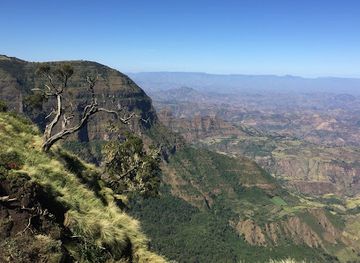
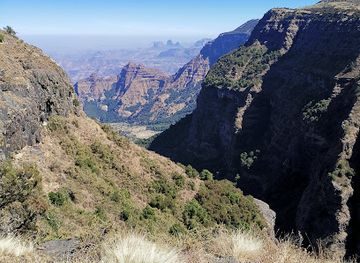
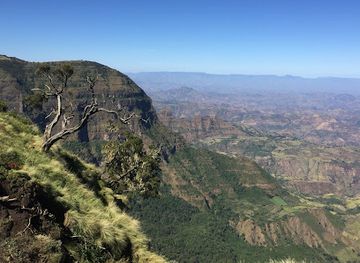
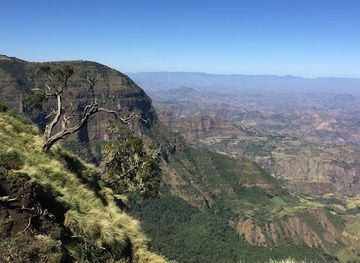
Simien Mountains National Park occupies a dramatic section of northern Ethiopia’s central highlands, where a broad volcanic plateau breaks into sheer escarpments, deep valleys, pinnacles and isolated grassland terraces. The park lies in the Amhara region, north-east of Gondar, with the town of Debark serving as the principal gateway and administrative centre. Its terrain is extensive and elevations vary considerably, so a visit may involve anything from short viewpoints near the road to multi-day trekking between remote villages and mountain camps. Ras Dashen, Ethiopia’s highest mountain at 4,550 metres, rises in the wider Simien massif, although the summit approach is separate from the park’s most accessible viewpoints.Read more about Simien Mountains National Park
Wildlife and Conservation
Exploring the Park
When is the best time to visit Simien Mountains National Park?
Best: June–August · 16°C| Month | High (°C) | Rainfall (mm) |
|---|---|---|
| January | 14 | 17 |
| February | 14 | 16 |
| March | 15 | 14 |
| April | 15 | 13 |
| May | 15 | 12 |
| June (best) | 16 | 11 |
| July (best) | 16 | 10 |
| August (best) | 16 | 11 |
| September | 16 | 12 |
| October | 15 | 13 |
| November | 15 | 15 |
| December | 14 | 16 |
Getting to and around Simien Mountains National Park
How to get there
Transportation
Best attractions in Simien Mountains National Park
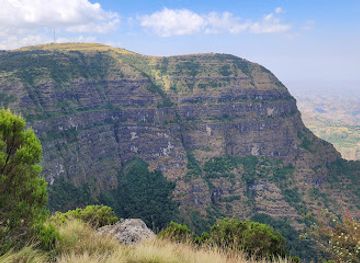
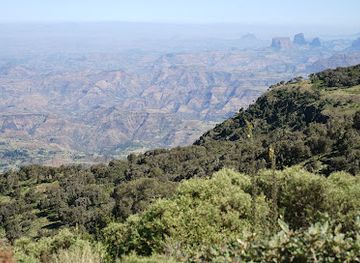
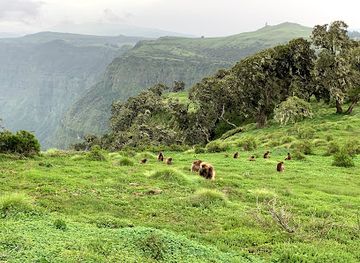
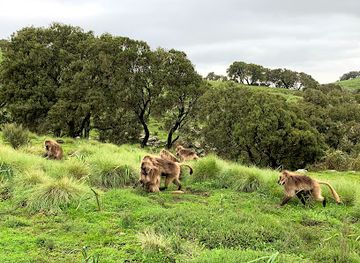
The park’s principal attractions are its escarpment viewpoints, highland walks and close wildlife encounters rather than built visitor facilities. Sankaber introduces the characteristic plateau-and-cliff scenery, while the Jinbar waterfall viewpoint looks into a deep gorge and is commonly included on trekking itineraries. The Geech area offers open Afro-alpine landscapes and expansive views across the dissected massif, and Chenek is celebrated for rugged scenery and the possibility of seeing Walia ibex in suitable habitat. Gelada troops are frequently associated with grassy slopes and cliff margins, although sightings remain wild and seasonal. Longer routes lead towards Ras Dashen, Ethiopia’s highest mountain, but reaching the summit requires more time, preparation and suitable local arrangements than a short park excursion. Villages, cultivated fields and pastoral landscapes are attractions in their own right, showing that Simien is a lived highland environment as well as a protected natural area.
-
Tourist attraction
Jinbar Waterfall
Experience the breathtaking beauty of Jinbar Waterfall in Ambaras, a stunning natural attraction perfect for nature lovers and adventure seekers.
-
Mountain peak
Simien Mountains
Discover the stunning landscapes and unique wildlife of the Simien Mountains, a UNESCO World Heritage site in Ethiopia, perfect for trekking and adventure.
-
National park
Semien Gebirge Nationalpark Eingang
Explore the breathtaking Simien Mountains National Park, a UNESCO World Heritage site offering stunning landscapes, unique wildlife, and rich cultural experiences.
Best landmarks in Simien Mountains National Park
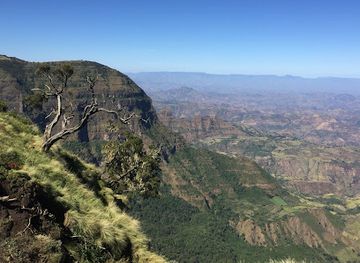
The defining landmarks of Simien are natural: the long escarpments, deeply cut valleys and isolated basalt pinnacles that give the mountain range its sculpted profile. Ras Dashen, at 4,550 metres, is Ethiopia’s highest mountain and the best-known summit associated with the massif, although reaching it is a demanding undertaking rather than a roadside visit. The cliffs around Chenek and the broad views from Sankaber and Geech reveal the park’s geological structure particularly clearly, while the Jinbar waterfall marks a dramatic descent into a deep gorge. Walia ibex habitat on the upper cliffs and Afro-alpine vegetation, including giant lobelias in suitable areas, add ecological significance to these physical features. Nearby Gondar’s royal and religious monuments are important regional landmarks, but they lie outside the national park.
-
 Hotel
Simien Lodge
Discover the breathtaking landscapes and unique wildlife of Simien Mountains National Park at Simien Lodge, your eco-friendly retreat in nature's embrace.
-
Mountain peak
Simien Mountains
Explore the breathtaking Simien Mountains, a UNESCO World Heritage site known for stunning landscapes, rich wildlife, and exhilarating trekking adventures.
-
National park
Semien Gebirge Nationalpark Eingang
Explore the stunning landscapes, unique wildlife, and rich culture of Simien Mountains National Park, a UNESCO World Heritage Site in Ethiopia.
Explore Simien Mountains National Park on the map
Plan your trip on one map. See where the top attractions, landmarks, restaurants and hotels are, and book hotels and experiences in a few clicks.
Best hotels in Simien Mountains National Park
Best bars in Simien Mountains National Park
Simien Mountains National Park has little conventional nightlife, and evenings are generally quiet once trekking groups return to camps or lodges. In Debark, visitors may find modest hotel or local drinking establishments where residents and travellers gather, but these should not be confused with a formal nightlife district. Gondar, outside the park, offers a broader choice of cafés, hotel bars and places to hear contemporary or traditional Ethiopian music, subject to local conditions and opening arrangements. The characteristic evening experience in Simien is instead the stillness of the high plateau, a communal meal, conversation with guides and fellow trekkers, and clear mountain air after sunset. Remote camps have limited lighting and facilities, so visitors should carry a head torch and avoid walking away from accommodation alone.
-
Hotel
Simien Lodge
Discover the breathtaking beauty of the Simien Mountains at Simien Lodge, your luxurious base for adventure and relaxation in Ethiopia.
-
Mountain peak
Simien Mountains
Experience the breathtaking landscapes and unique wildlife of the Simien Mountains, a must-visit destination for adventurous travelers in Ethiopia.
-
National park
Simien Mountains National Park
Explore the breathtaking Simien Mountains National Park in Ethiopia, a paradise for adventurers and wildlife enthusiasts with stunning landscapes and rich biodiversity.
-
Park
Montañas Simen
Explore the breathtaking landscapes and rich biodiversity of Montañas Simen, a UNESCO World Heritage Site in Ethiopia's stunning highlands.
Best nightclubs in Simien Mountains National Park
Simien Mountains National Park has little conventional nightlife, and evenings are generally quiet once trekking groups return to camps or lodges. In Debark, visitors may find modest hotel or local drinking establishments where residents and travellers gather, but these should not be confused with a formal nightlife district. Gondar, outside the park, offers a broader choice of cafés, hotel bars and places to hear contemporary or traditional Ethiopian music, subject to local conditions and opening arrangements. The characteristic evening experience in Simien is instead the stillness of the high plateau, a communal meal, conversation with guides and fellow trekkers, and clear mountain air after sunset. Remote camps have limited lighting and facilities, so visitors should carry a head torch and avoid walking away from accommodation alone.
-
Hotel
Simien Lodge
Experience the breathtaking beauty of the Simien Mountains at Simien Lodge, where adventure meets luxury in Ethiopia's stunning wilderness.
-
Mountain peak
Simien Mountains
Discover the breathtaking beauty and rich biodiversity of the Simien Mountains, a UNESCO World Heritage site in Ethiopia offering unparalleled hiking experiences.
Best shops in Simien Mountains National Park
Shopping inside Simien Mountains National Park is limited, with no extensive retail district or dependable selection of specialist shops. Debark is the most practical place to obtain basic supplies, snacks and locally made items before entering the mountains, while Gondar offers a broader range of Ethiopian crafts, textiles, food products and practical outdoor provisions. Visitors may encounter small-scale handicrafts or locally produced goods through communities and accommodation providers, but availability is seasonal and should not be assumed. Purchases from local makers can provide direct support when made respectfully and without encouraging the removal of cultural or natural material. Do not buy plants, wildlife products, archaeological objects or rocks taken from the protected landscape, and carry enough essential equipment before travelling beyond the gateway settlements.
-
Mountain peak
Simien Mountains
Explore the breathtaking Simien Mountains, a UNESCO World Heritage site known for its stunning landscapes and diverse wildlife, ideal for hiking enthusiasts.
-
Store
Addis derebe ሞባይል ሽያጭ
Explore Addis Derebe Mobile Store in Dilibza for a unique blend of local culture and vibrant shopping experiences in Ethiopia.
-
General store
CBE Birr Agent - CHIRO
Explore CBE Birr Agent in Asbe Teferi – your go-to spot for money transfers and local essentials amidst a vibrant cultural backdrop.
-
Store
Kidus Petros Fashion Raiment
Explore the vibrant and unique fashion offerings at Kidus Petros Fashion Raiment in Dilibza, a treasure trove for clothing enthusiasts and culture seekers.
Get your free copy of our complete guide to Simien Mountains National Park, delivered straight to you.
Everything on this page, from attractions and restaurants to essentials and local phrases, in one PDF you can read offline, print or share.
Already have an account? Sign in
Your Simien Mountains National Park guide is ready.
We'll send it to · Not you? Sign out

Getting your guide ready…
We are putting together a fresh copy of the Simien Mountains National Park guide. This can take up to a minute.
This can take a few moments. If your browser asks, choose Allow so the download can start. You'll find the guide in your Downloads folder.
Nothing happened? Download it again
Sorry, the guide is taking longer than usual. Please try again in a minute, or get it by email instead.
Simien Mountains National Park essentials
Currency and Payment
Safety
Emergency Situations
Do's and Don'ts
Local Tips
From Eve
Local phrases worth knowing
You don't need to get them perfect. A few words go a long way, and locals appreciate the effort.
Basics
| English | Local | Say it |
|---|---|---|
| Hello | ሰላም | [sälam] |
| Goodbye | ይዋላል | [yawalal] |
| Yes | አዎ | [aw] |
| No | አይ | [ay] |
| Please/You're welcome | እንቋዕ/እንወይለኛ | [enqa'e/enwayelägna] |
| Thank you | አመሰግናለሁ | [amesagnalehu] |
| Excuse me/Sorry | እባክዎ/ዋጣው | [ebakewo/wataw] |
| How are you? | እንዴት ነህ? | [endet neh?] |
| Fine. And you? | አልተሳካም፡ አንተም? | [altsakam. antem?] |
| Do you speak English? | እንዴት እንግሊዝኛ ደህንነት ነህ? | [endet Englishna dehennet neh?] |
| I don't understand | አልተኛ፡ አልተኛ። | [alenga alenga.] |
Eating & Drinking
| English | Local | Say it |
|---|---|---|
| I'd like to see the menu, please | መዝግብ፡ ይሰልኩኛል። | [mezigib yäselkugnal.] |
| I don't eat meat | እኔ፡ ምጥን፡ አይኖት። | [äne mitin ayinot.] |
| Cheers! | ውሻን። | [weshan.] |
| I would like to pay, please | ወደም፡ የቀንስልኝ። | [wädä yekensilneg.] |
Emergencies
| English | Local | Say it |
|---|---|---|
| Help! | እንዴት፡ እስማኝ። | [endet esmagn.] |
| Go away! | ተረገም። | [teragem.] |
| Call the Police! | ፖሊስ፡ አይደለም። | [polis aydelam.] |
| Call a doctor! | ዶክተር፡ አይደለም። | [dokter aydelam.] |
| I'm lost | እኔ፡ አልዋም። | [ene alwam.] |
| I'm ill | እኔ፡ ህልም። | [ene helim.] |
Shopping
| English | Local | Say it |
|---|---|---|
| I'd like to buy... | እኔ፡ አገርም። | [ene agerim.] |
| I'm just looking | እኔ፡ ለመሆኑ። | [ene lemahonu.] |
| How much is it? | እንዴት፡ ነዉ። | [endet new.] |
| That's too expensive | ተረጋግጧል። | [teragagatal.] |
| Can you lower the price? | ወይንሰን፡ አዳምጣለሁ። | [wayinisan adamatalhu.] |
Time & Numbers
| English | Local | Say it |
|---|---|---|
| What time is it? | ሰዓት፡ አለብኝ። | [sä'at alebeng.] |
| It's one o'clock | አንድ፡ ሰዓት። | [and sä'at.] |
| Half past (10) | አምስት፡ (ሰዓት)። | [amsit (sä'at).] |
| Morning | ጥዋት። | [twat.] |
| Afternoon | ከሰዓት። | [käsä'at.] |
| Evening | ማለ። | [male.] |
| Yesterday | ትናሽ። | [tänash.] |
| Today | ዛሬ። | [zare.] |
| Tomorrow | ነገሬ። | [näger.] |
| 1 | አንድ። | [and.] |
| 2 | ሁለት። | [hulet.] |
| 3 | ሶስ። | [sos.] |
| 4 | አራት። | [arat.] |
| 5 | አምስት። | [amsit.] |
| 6 | ስድስት። | [sidist.] |
| 7 | ሰባት። | [sebat.] |
| 8 | ስምንት። | [siment.] |
| 9 | ዘጠኝ። | [zetegn.] |
| 10 | አስርስት። | [asrist.] |
Transport & Directions
| English | Local | Say it |
|---|---|---|
| Where's a/the...? | ተለስ፡ እንዴት። | [tales endet.] |
| What's the address? | አድሚ፡ አለብኝ። | [admi alebeng.] |
| Can you show me (on the map)? | ትዕግስም፡ አይህም። | [t'egism ayhim.] |
| When's the next (bus)? | ቀናት፡ አለብኝ። | [qänat alebeng.] |
| A ticket (to ....) | መረጃ፡ (እንዴት)። | [merja (endet).] |
History of Simien Mountains National Park
A Volcanic Highland Landscape
The Simien massif is part of Ethiopia’s extensive northern highlands, formed from thick volcanic rock that was later cut by erosion into plateaux, ravines and dramatic escarpments. Over geological time, water and weathering deepened the valleys and isolated the high summits, creating the landforms now associated with the park. The steep relief also produced clear ecological zones, from cultivated lower slopes to Afro-alpine grassland and cliff habitats. This geological history explains why Simien is defined less by a single peak than by the contrast between broad uplands, abrupt drops and deeply dissected valleys.
Highland Communities and Land Use
People have lived in and around the Simien Mountains for centuries, cultivating highland soils and grazing livestock on terrain that can appear remote to modern visitors. Agaw and Amhara communities developed settlements, fields and paths across the plateau, while local livelihoods remained closely tied to seasonal rainfall and the availability of pasture. The landscape seen by trekkers is therefore both natural and inhabited. Terraced fields, village compounds and walking routes reflect long patterns of adaptation to altitude, steep ground and a climate that differs markedly from Ethiopia’s warmer lowlands.
Royal Ethiopia and Regional Heritage
Simien lies within the historic northern Ethiopian highlands, a region connected with the kingdom and later imperial traditions centred on places such as Gondar. The mountains themselves were not an isolated wilderness: routes across the plateau linked communities and helped connect settlements in the wider region. The nearby historic city of Gondar, outside the national park, preserves major royal and religious heritage from Ethiopia’s early modern period. That regional context adds cultural depth to a visit, although Simien’s own defining heritage remains the long interaction between highland communities, agriculture, pastoralism and the extraordinary terrain.
National Park and World Heritage Protection
Simien Mountains National Park was established in 1969 to protect its distinctive escarpment environment and exceptional endemic wildlife, including the Walia ibex and gelada. UNESCO added the park to the World Heritage List in 1978, recognising both its scenery and biological importance. The designation also drew international attention to pressures including cultivation, grazing, settlement and conservation management. Simien was placed on the List of World Heritage in Danger for several years before being removed in 2017 after measures addressing protection and management. Conservation remains a continuing process rather than a completed historical event, with local livelihoods central to its long-term success.
Tourism and Contemporary Conservation
Organised trekking developed as visitors began coming to Simien for its high escarpments, endemic animals and access to Ras Dashen. Tourism brought income and employment connected with guides, scouts, cooks, transport and accommodation, while also increasing the need for careful management of paths, camps and wildlife encounters. Today the park is valued as both a protected landscape and a lived cultural environment. Visitor arrangements, route access and security conditions can change, so current information from Ethiopian authorities and established local contacts remains important when planning a journey.
Simien Mountains National Park in Photos
Browse through our photo collection highlighting the charm and character of the destination.
Neighbouring destination travel guides
The closest destinations to Simien Mountains National Park, if you have time for more than one.
-

-

-

-

-


Swipe for more destinations
Explore more

Explore more of Tigray Region
Explore Tigray in northern Ethiopia for Aksumite monuments, cliff-hewn churches, highland landscapes, ancient faith and deeply layered history.
Explore Tigray Region
Explore more of Ethiopia
Discover Ethiopia: A land of ancient history, breathtaking landscapes, and rich cultural heritage, offering an unforgettable journey through time and nature.
Explore Ethiopia