

Free Hestur Travel Guide & Mobile App
Explore Hestur with free travel guides. Discover regional history, expert tips, proposed trips, and audio guides on web or mobile app.


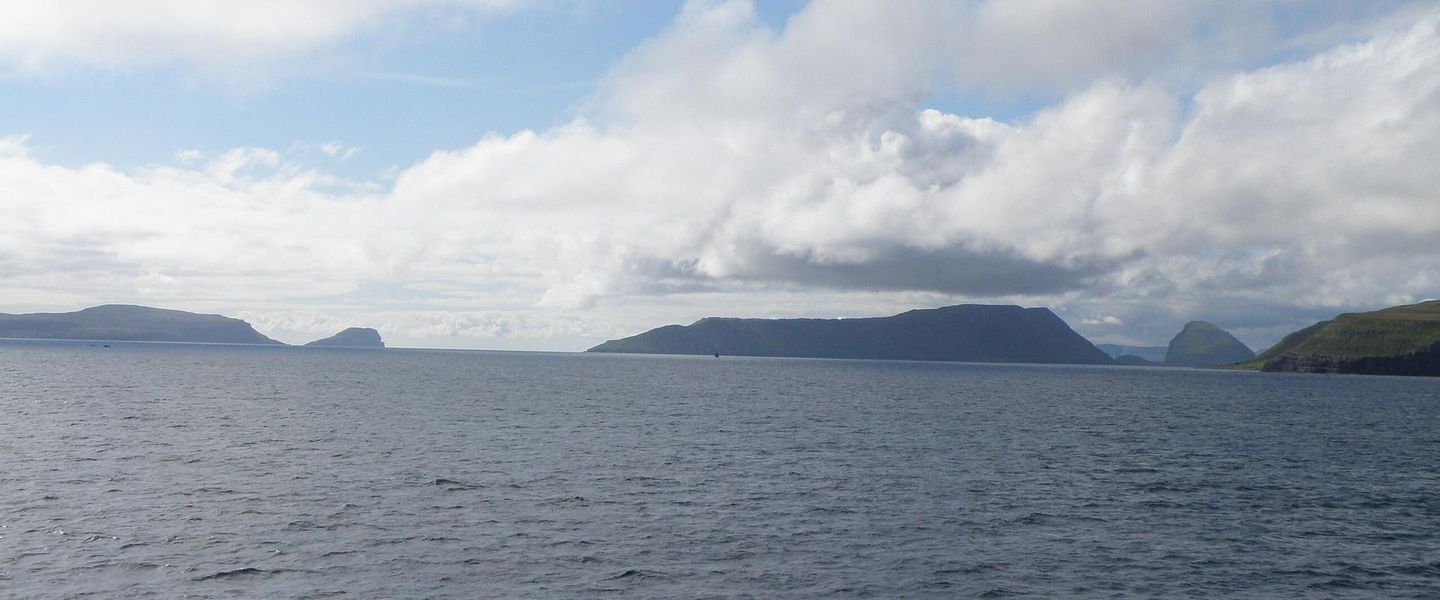

Hestur offers Faroese village life, sea-cliff scenery, open hill walks and a memorable island crossing close to Streymoy.
Read more about Hestur
When is the best time to visit Hestur?
Best: June–August · 12–13°C| Month | High (°C) | Rainfall (mm) |
|---|---|---|
| January | 6 | 150 |
| February | 5 | 140 |
| March | 6 | 130 |
| April | 7 | 120 |
| May | 9 | 110 |
| June (best) | 12 | 100 |
| July (best) | 13 | 110 |
| August (best) | 13 | 120 |
| September | 11 | 130 |
| October | 9 | 140 |
| November | 7 | 150 |
| December | 6 | 160 |
Getting to and around Hestur
How to get there
Transportation
Best attractions in Hestur
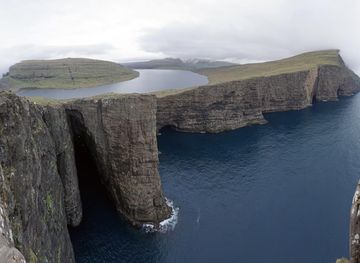
Hestur’s attractions are primarily natural and community-based rather than built for mass tourism. The village itself, with its small cluster of houses and church, provides an introduction to life on one of the Faroe Islands’ smaller inhabited islands. From the settlement, walking routes lead into steep grassland and open upland, where elevated views reach across the channels towards Streymoy, Sandoy and neighbouring islands. The terrain is rewarding for confident walkers but should not be treated as a formal, universally accessible trail system. Hestur’s most dramatic scenery lies along its coastal margins, where tall cliffs, sea stacks and rock ledges support seabirds and reveal the island’s volcanic structure. Boat trips, when locally available and weather permits, offer a different perspective on these formations and may approach sea caves and cliff faces that cannot be safely reached from land. The ferry crossing is itself part of the visit, connecting the island’s small settlement with the wider Faroese maritime landscape. Hestur is best suited to visitors seeking walking, photography, birdwatching and an insight into a working island community; facilities are limited, so preparation is part of the experience.
-
Tourist attraction
Klemensgjogv
Discover Klemensgjogv, the world's largest sea cave, on Hestur Island. Experience dramatic cliffs, birdlife, and Faroese tranquility.
-
Vestmanna
Explore Vestmanna, the Faroe Islands' charming village and embark on a boat tour to the breathtaking Vestmannabjørgini bird cliffs.

Best landmarks in Hestur
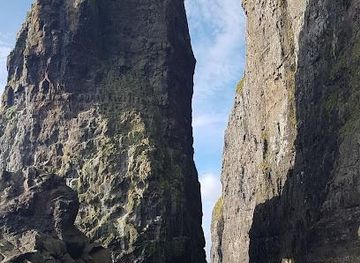
Hestur’s principal landmark is its compact village on the western side of the island, where houses gather near the shore below steep, grass-covered slopes. The village church, built in the early twentieth century, is a modest but significant expression of local community life and helps distinguish the settlement when approached by sea. Beyond the built environment, the island’s strongest landmarks are its natural features: high coastal cliffs, exposed headlands and the open summit areas that give wide views across the southern Faroese islands. The shoreline’s rock formations and sea caves are particularly prominent from the water, although access depends on a suitable boat and sea conditions. Hestur’s relationship with neighbouring Streymoy is also visually important, as the island is seen as a sharply rising mass across the channel from the ferry approach. Rather than a collection of grand monuments, Hestur offers a coherent landscape landmark in which village, pasture, cliff and sea remain closely connected.
-
Historical place
Kirkjubømúrurin
Explore Kirkjubøur, the historic heart of the Faroe Islands, rich in culture, stunning landscapes, and ancient architecture.
-
Cultural center
The Nordic House
Experience the essence of the Faroe Islands at The Nordic House, a cultural center that brings art, history, and community together in Tórshavn.
-
Historical landmark
Skansin
Explore Skansin, Tórshavn's historical landmark offering breathtaking views and a glimpse into the maritime heritage of the Faroe Islands.
-
Tourist attraction
Trælanípa
Discover the breathtaking heights and stunning vistas of Trælanípa, a must-see natural wonder in the Faroe Islands, perfect for outdoor enthusiasts.


Explore Hestur on the map
Plan your trip on one map. See where the top cities, national parks and sights are, and book hotels and experiences in a few clicks.
Best hotels in Hestur
Best restaurants in Hestur
Hestur has no established restaurant scene and should be visited with food and drink already arranged. Its culinary story is instead part of the wider Faroese tradition of making careful use of a demanding island environment. Fishing, sheep husbandry and preserved foods have historically been important to household life, while locally prepared lamb, fish, potatoes, rye-based baking and simple packed meals are more relevant to a day on the island than formal dining. Visitors can experience Faroese food more reliably in Tórshavn and other larger settlements before or after the ferry trip, where restaurants, cafés, bakeries and food shops offer regional ingredients alongside contemporary cooking. A picnic is the practical choice for Hestur, but it should be carried out again with all rubbish. Do not expect a village shop, café or pub to open around ferry arrivals, and check any privately arranged hospitality in advance rather than arriving unannounced.
-
Irish pub
Irish Pub Torshavn
Discover a slice of Ireland in Tórshavn at Irish Pub Torshavn – where hearty meals meet vibrant culture in the heart of the Faroe Islands.
-
Scandinavian
Katrina Christiansen
Experience authentic Faroese flavors at Katrina Christiansen - Tórshavn's top Scandinavian restaurant offering fresh local ingredients.
-
Restaurant
Angus Steakhouse
Discover culinary excellence at Angus Steakhouse in Tórshavn - where quality meets flavor in every bite.
-
Restaurant
THE TARV Grillhouse
Experience exquisite Faroese cuisine at THE TARV Grillhouse in Tórshavn – where local flavors meet culinary excellence.


Best bars in Hestur
Hestur has no nightclub district and no dependable evening entertainment for visitors. After the last ferry, the island becomes a quiet residential community whose evening life is shaped by homes, weather and the rhythms of a small population rather than commercial nightlife. Travellers seeking pubs, breweries, live music or late restaurants should base themselves in Tórshavn or another larger Faroese settlement and treat Hestur as a daytime excursion. The absence of bars is not a deficiency so much as a defining feature of the island: the main evening experience is the changing light over the sea, the sound of weather and the dark North Atlantic sky. Visitors staying through a locally arranged overnight visit should bring provisions and confirm arrangements well beforehand, as there is no assumption that accommodation, food service or drinks will be available on demand.
-
Irish pub
Irish Pub Torshavn
Discover the authentic taste of Ireland at Irish Pub Torshavn, a lively hub in Tórshavn with great food, drinks, and music.
-
Scandinavian
Katrina Christiansen
Discover the exquisite taste of Scandinavian cuisine at Katrina Christiansen, a culinary gem in Tórshavn, Faroe Islands.
-
Restaurant
Angus Steakhouse
Experience the finest steaks and local flavors at Angus Steakhouse in Tórshavn, where every meal is a celebration of culinary excellence.
-
Restaurant
THE TARV Grillhouse
Discover the rich culinary heritage of the Faroe Islands at THE TARV Grillhouse, where fresh local ingredients meet exquisite dining experiences.



Best nightclubs in Hestur
Hestur has no nightclub district and no dependable evening entertainment for visitors. After the last ferry, the island becomes a quiet residential community whose evening life is shaped by homes, weather and the rhythms of a small population rather than commercial nightlife. Travellers seeking pubs, breweries, live music or late restaurants should base themselves in Tórshavn or another larger Faroese settlement and treat Hestur as a daytime excursion. The absence of bars is not a deficiency so much as a defining feature of the island: the main evening experience is the changing light over the sea, the sound of weather and the dark North Atlantic sky. Visitors staying through a locally arranged overnight visit should bring provisions and confirm arrangements well beforehand, as there is no assumption that accommodation, food service or drinks will be available on demand.
-
Bar
Sirkus Bar
Experience the vibrant nightlife of Tórshavn at Sirkus Bar, where traditional Faroese hospitality meets modern bar culture.
-
Bar
Glitnir
Discover Glitnir, Tórshavn's beloved bar, where local beers and a friendly atmosphere await every visitor in the heart of the Faroe Islands.
-
Bar
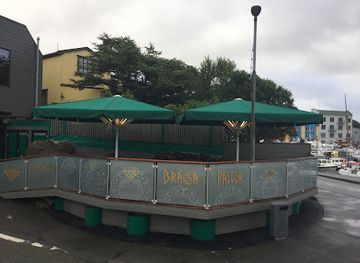
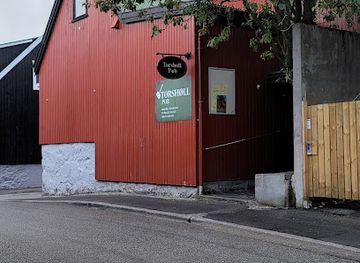
Tórshøll
Explore Tórshøll in Tórshavn for a vibrant bar experience filled with local culture, great drinks, and friendly faces.
-
Bar
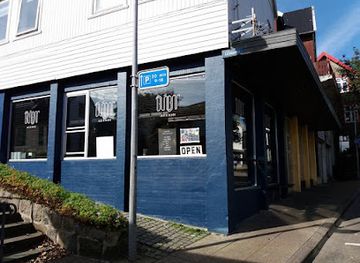
Blábar
Experience the vibrant nightlife of Tórshavn at Blábar, where local flavors and friendly vibes meet in a cozy atmosphere.
Best shops in Hestur
Hestur has no conventional shopping district, souvenir shop or dependable retail outlet. Visitors should buy groceries, outdoor supplies and any regional gifts before travelling from Tórshavn or another larger Faroese settlement. The island’s most appropriate souvenirs are therefore experiences and photographs rather than purchases made locally. Across the wider Faroe Islands, useful regional products may include Faroese wool knitwear, locally made crafts, books about island culture, preserved foods and design objects inspired by the sea and landscape. These are more readily found in Tórshavn, where independent shops, galleries and food retailers provide a broader choice. If a local resident offers produce or craft work during a pre-arranged visit, agree the details respectfully and carry sufficient cash as a precaution. Do not expect a market day or regular commercial service on Hestur, and avoid treating private homes or farm buildings as informal shops.
-
Gift shop
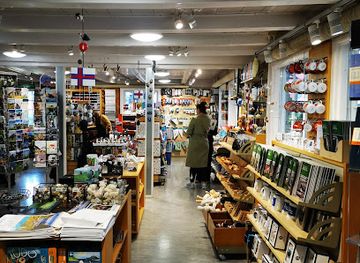
H. N. Jacobsens Bókahandil
Explore H. N. Jacobsens Bókahandil: A unique gift shop and bookstore in Tórshavn offering Faroese literature, toys, and memorable souvenirs.
-
Supermarket
Miklagarður
Explore the vibrant Miklagarður supermarket in Tórshavn for a taste of local and international flavors, perfect for tourists and locals alike.
-
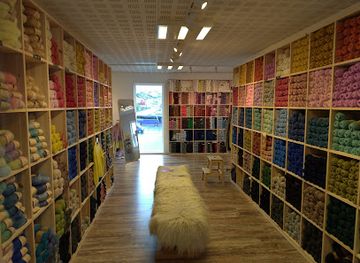
Knit shop
Navia (yarn)
Explore Navia, the premier knit shop in Toftir, where local craftsmanship meets vibrant yarns and a welcoming community in the Faroe Islands.
-
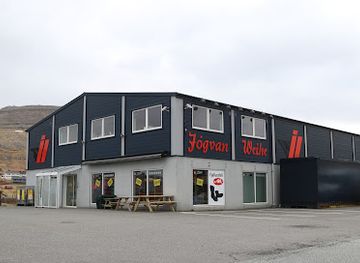
Outdoor sports store
P/F Jógvan Weihe
Explore the Faroe Islands with top-notch gear from P/F Jógvan Weihe, Tórshavn's leading outdoor sports store.

Get your free copy of our complete guide to Hestur, delivered straight to you.
Everything on this page, from attractions and restaurants to essentials and local phrases, in one PDF you can read offline, print or share.
Already have an account? Sign in
Your Hestur guide is ready.
We'll send it to · Not you? Sign out

Getting your guide ready…
We are putting together a fresh copy of the Hestur guide. This can take up to a minute.
This can take a few moments. If your browser asks, choose Allow so the download can start. You'll find the guide in your Downloads folder.
Nothing happened? Download it again
Sorry, the guide is taking longer than usual. Please try again in a minute, or get it by email instead.
Hestur essentials
Currency and Payment
Safety
Emergency Situations
Do's and Don'ts
Local Tips
From Eve
Local phrases worth knowing
You don't need to get them perfect. A few words go a long way, and locals appreciate the effort.
Basics
| English | Local | Say it |
|---|---|---|
| Hello | Halló | [hal-lo] |
| Goodbye | Farvæl | [far-vail] |
| Yes | Ja | [ya] |
| No | Nei | [nay] |
| Please/You're welcome | Vinaligur | [vee-nah-lee-gur] |
| Thank you | Takk | [tak] |
| Excuse me/Sorry | Ursak | [ur-sak] |
| How are you? | Hvussu hevur tú? | [hvoo-soo eh-vur too] |
| Fine. And you? | Gott. Og tú? | [got. og too] |
| Do you speak English? | Talar tú enskt? | [ta-lar too eng-skt] |
| I don't understand | Eg skilji ikki | [eg skeel-yi ee-key] |
Eating & Drinking
| English | Local | Say it |
|---|---|---|
| I'd like to see the menu, please | Eg vil fegin síggja matseðilin, vinarliga | [eg vil fay-in see-ya mat-say-dil-in, vee-nar-lee-gah] |
| I don't eat meat | Eg etti ikki kjøt | [eg et-ee ee-key kyurt] |
| Cheers! | Skál! | [skawl] |
| I would like to pay, please | Eg vil fegin gjalda, vinarliga | [eg vil fay-in yal-da, vee-nar-lee-gah] |
Emergencies
| English | Local | Say it |
|---|---|---|
| Help! | Hjálp! | [yowlp] |
| Go away! | Far burtur! | [far bur-tur] |
| Call the Police! | Ring til Politii! | [ring til po-li-ti] |
| Call a doctor! | Ring til lækna! | [ring til lake-na] |
| I'm lost | Eg eri lost | [eg eh-ree lost] |
| I'm ill | Eg eri sjúkur | [eg eh-ree shoo-kur] |
Shopping
| English | Local | Say it |
|---|---|---|
| I'd like to buy... | Eg vil fegin keypa... | [eg vil fay-in kay-pa] |
| I'm just looking | Eg eri bara at hyggja | [eg eh-ree bah-rah at hig-ya] |
| How much is it? | Hvussu nógv kostar tað? | [hvoo-soo nyohg kost-ar tha] |
| That's too expensive | Tað er ov dýrt | [tha er ov deer-t] |
| Can you lower the price? | Kanni tú lækka prísin? | [kan-ee too lay-kka pree-sin] |
Time & Numbers
| English | Local | Say it |
|---|---|---|
| What time is it? | Hvør tíð er tað? | [hvor teed er tha] |
| It's one o'clock | Klokkan er eitt | [klo-khan er eet] |
| Half past (10) | Fýra minuttir eftir (10) | [fee-rah min-oo-tir eh-tir (ten)] |
| Morning | Morgun | [mor-gun] |
| Afternoon | Eftan | [ef-tan] |
| Evening | Kvøttur | [kvo-tur] |
| Yesterday | Í gjár | [ee yar] |
| Today | Í dag | [ee dahg] |
| Tomorrow | Í morgin | [ee mor-gin] |
| 1 | 1 | [1] |
| 2 | 2 | [2] |
| 3 | 3 | [3] |
| 4 | 4 | [4] |
| 5 | 5 | [5] |
| 6 | 6 | [6] |
| 7 | 7 | [7] |
| 8 | 8 | [8] |
| 9 | 9 | [9] |
| 10 | 10 | [10] |
Transport & Directions
| English | Local | Say it |
|---|---|---|
| Where's a/the...? | Hvar er ein/te... | [hvar er ayn/te] |
| What's the address? | Hvat er adressan? | [hvat er a-dress-an] |
| Can you show me (on the map)? | Kanni tú vísa mær (á kortið)? | [kan-ee too vee-sah mair (aw kort-id)] |
| When's the next (bus)? | Nær kemur næsti (buss)? | [nair kem-ur nai-sti (bus)] |
| A ticket (to ....) | Ein ferðaseðil (til ....) | [ayn fer-da-say-dil (til)] |
History of Hestur
Norse Settlement and Early Island Life
The Faroe Islands were settled by Norse communities during the Viking Age, following earlier periods of possible Irish or Scottish religious activity. Hestur formed part of this wider island settlement pattern, in which small coastal communities combined farming, fishing and the seasonal use of upland pasture. The island’s limited flat land encouraged settlement close to the shore, while steep slopes and surrounding waters shaped everyday work. As elsewhere in the Faroes, local life depended on storing food, managing sheep and reading changing sea conditions rather than on large-scale agriculture.
Medieval Faroese Community and Christianisation
During the medieval period Hestur belonged to the interconnected network of Faroese settlements administered through the Church and local assemblies. Christianity became established across the islands, while farming households retained practical traditions based on common grazing and marine resources. Hestur’s small scale did not make it isolated: families relied on boats and seasonal exchanges with neighbouring islands for communication, trade and access to wider religious and legal institutions. The landscape of village, pasture and landing place reflects this long continuity of island settlement.
The Faroese Maritime Economy
For centuries, the inhabitants of Hestur combined sheep farming with fishing and other forms of maritime work. The sea supplied food and linked the island to larger communities, while local knowledge of currents, weather and landing places was essential. Faroese coastal communities also participated in pilot-whale drives and other shared maritime practices, although these activities varied over time and between settlements. Hestur’s steep terrain and small population meant that survival depended on cooperation, careful use of pasture and dependable links with neighbouring islands.
Church and Village Institutions
A church was built at Hestur in the early twentieth century, providing the village with a dedicated place of worship and a visible communal landmark. Religious buildings in the Faroes have often served purposes beyond Sunday services, helping to anchor local identity in communities separated by water and difficult terrain. The church and surrounding settlement illustrate how modern public institutions gradually developed on even the smallest inhabited islands, while the traditional pattern of houses clustered near the shore remained largely intact.
Modern Transport and Changing Population
The twentieth century brought major changes to Hestur through improved ferry connections, education, communications and access to services elsewhere in the Faroes. Like many small island communities, Hestur experienced population pressure as younger residents moved to larger settlements for study and employment. Regular sea transport remains central to life on the island, replacing the roads, tunnels and bridges that connect much of the Faroese archipelago. Contemporary Hestur therefore combines an enduring village identity with the realities of living in a small, weather-dependent community.
Hestur in Contemporary Faroese Tourism
Hestur’s appeal today rests on its landscape, village character and position within the southern Faroese seascape rather than on large visitor developments. Walkers, photographers and boat passengers come for the cliffs, open hills and sense of remoteness, while residents continue to maintain a working community. Tourism is consequently a relatively light presence, and responsible visits are important. Protecting paths, nesting areas and local privacy helps ensure that the island’s cultural and environmental character remains part of its future.
Hestur in Photos
Browse through our photo collection highlighting the charm and character of the destination.
Neighbouring regions of Hestur
The closest regions to Hestur, if you have time for more than one.
-
-
-

-

-


Swipe for more regions
Explore more
Explore more of Faroe Islands
Discover the Faroe Islands: A land of rugged beauty, rich history, and tranquil villages, perfect for nature lovers and adventurers seeking an off-the-beaten-path destination.
Explore Faroe Islands