

Free Sandoy Travel Guide & Mobile App
Explore Sandoy with free travel guides. Discover regional history, expert tips, proposed trips, and audio guides on web or mobile app.


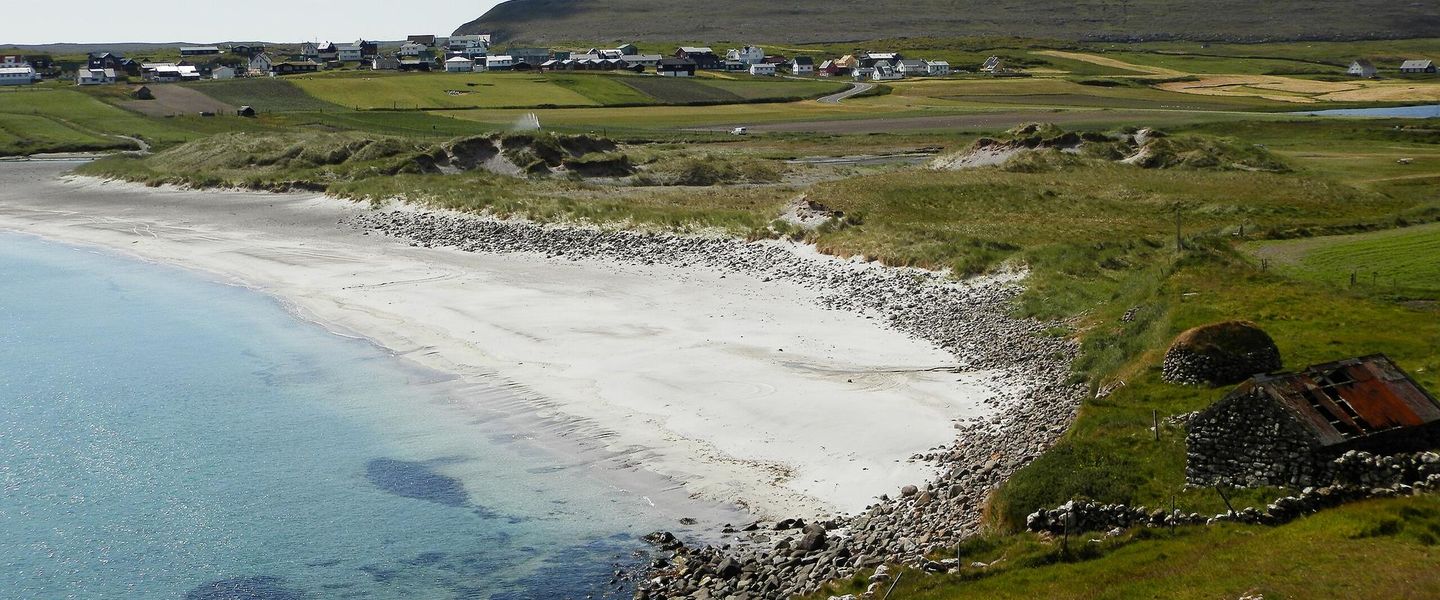


Explore Sandoy in the Faroe Islands for sandy bays, open hills, village history, freshwater lakes and peaceful coastal walks.
Read more about Sandoy
When is the best time to visit Sandoy?
Best: June–August · 13–14°C| Month | High (°C) | Rainfall (mm) |
|---|---|---|
| January | 6 | 121 |
| February | 6 | 110 |
| March | 6 | 100 |
| April | 8 | 90 |
| May | 10 | 81 |
| June (best) | 13 | 70 |
| July (best) | 14 | 70 |
| August (best) | 14 | 80 |
| September | 12 | 91 |
| October | 10 | 101 |
| November | 8 | 111 |
| December | 6 | 121 |
Getting to and around Sandoy
How to get there
Transportation
Destinations in Sandoy
Resorts, valleys and scenic spots worth a trip of their own.
-

-
-


Swipe for more destinations
Best attractions in Sandoy
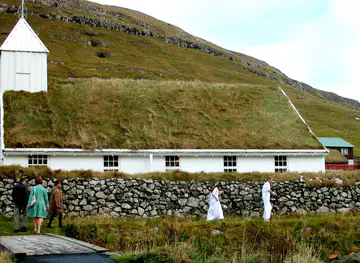
Sandoy’s attractions are defined by landscape and community rather than by a dense concentration of commercial sights. Sandur provides the main cultural starting point, with its historic church, local heritage material and access to the broad surroundings of Sandsvatn. The lake, cultivated fields and open hills make the area suitable for walking and quiet landscape observation. Around the island, village roads lead to Skopun’s harbour, Skálavík’s sheltered settlement, Húsavík’s coastal farmland and the remote valley of Dalur. The beach and coastal scenery around Søltuvík add a different dimension, with pale sand contrasting with dark volcanic slopes and green pasture. Walkers can choose between easier village and lakeside outings and more exposed routes towards the coast and uplands. Wildlife watching is chiefly a matter of patience and distance, particularly around seabird cliffs and nesting areas. Small museums, churches, harbours, traditional houses and working farms offer insight into island life, while the changing light, sea conditions and views towards neighbouring islands are attractions in their own right. Sandoy is most rewarding when explored slowly, with outdoor experiences balanced by time in its settlements.
-
Tourist attraction
Kirkjubømúrurin
Explore the majestic ruins of Magnus Cathedral in Kirkjubøur, the Faroe Islands' largest medieval building and a window into its rich past.
-
Cathedral
Tórshavn Cathedral
Discover Tórshavn Cathedral: A historic Faroese landmark offering a glimpse into the islands' rich cultural and religious heritage.
-
Tourist attraction
Svartidalurfoss
Discover the serene beauty of Svartidalurfoss waterfall in the Faroe Islands, surrounded by dramatic cliffs and lush landscapes. A hidden gem for nature lovers.
-
Island
Vidoy
Explore Viðoy: Faroe's northernmost island, offering dramatic cliffs, scenic villages, and unforgettable hiking experiences.


Best landmarks in Sandoy
The church at Sandur is one of Sandoy’s most important historic landmarks, standing on a site associated with long-established Christian worship and the island’s medieval parish role. Sandsvatn is a major natural landmark, its broad freshwater surface contrasting with the surrounding pasture and hills. Sandur’s bay and settlement form a recognisable cultural landscape in which church, houses, fields and shoreline remain closely connected. Skopun harbour represents the island’s maritime history and its former importance as a sea gateway, while the compact villages of Skálavík and Húsavík preserve distinctive examples of Faroese settlement patterns shaped by sheltered farmland and access to the coast. Dalur is notable for its position at the end of a dramatic southern valley, where the road, cultivated land and sea-facing slopes create a strong sense of geographic isolation. The sandy shore at Søltuvík is one of Sandoy’s clearest visual signatures, demonstrating the island’s contrast with the predominantly rocky coasts found elsewhere in the archipelago. Together these places express Sandoy’s character as a landscape of parish history, working harbours, open water and comparatively gentle but exposed terrain.
-
Historical place
Kirkjubømúrurin
Explore Kirkjubøur, the historic heart of the Faroe Islands, where Viking history meets breathtaking landscapes and culture.
-
Tourist attraction
Múlafossur Waterfall
Experience the breathtaking beauty of Múlafossur Waterfall, where nature's grandeur meets the rugged cliffs of the Faroe Islands.
-
Tourist attraction
Fossá
Experience the breathtaking beauty of Fossá, the tallest waterfall in the Faroe Islands, where nature's wonder awaits your exploration.
-
Cultural center
The Nordic House
Discover the captivating essence of Nordic culture at The Nordic House in Tórshavn, Faroe Islands - a vibrant center for art, history, and tradition.

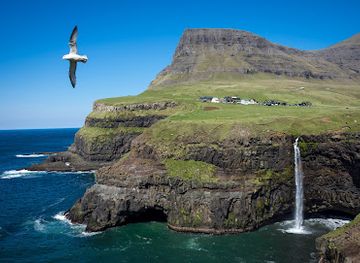
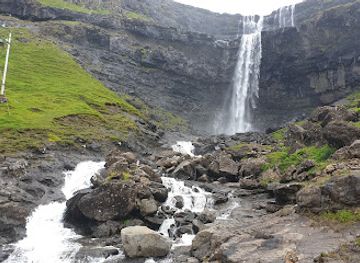
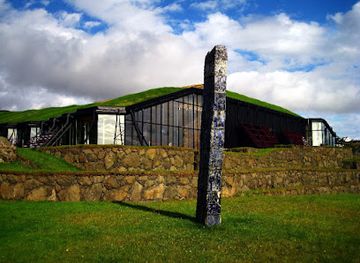
Explore Sandoy on the map
Plan your trip on one map. See where the top cities, national parks and sights are, and book hotels and experiences in a few clicks.
Best hotels in Sandoy
Best restaurants in Sandoy
Dining on Sandoy is modest in scale and closely linked to what can be produced, preserved or brought in through the island’s transport connections. Visitors may encounter Faroese home-style cooking, fish, lamb, potatoes, seasonal vegetables, breads and cakes, as well as coffee and simple refreshments in local cafés or guest accommodation. Traditional Faroese foods are part of the wider national culinary culture and can include wind-dried or fermented fish and lamb, though availability varies and such dishes are not guaranteed at every establishment. Sandur offers the broadest choice of local services, while smaller villages may have limited or seasonal provision. A stocked picnic is useful for walking days, especially when travelling to remote parts of the island. Local produce, including fish and lamb, is best understood as part of a practical island food culture rather than a highly formalised restaurant tradition. Confirm opening arrangements before making a special journey, particularly outside summer and on quieter weekdays.
-
Restaurant
Fríða Kaffihús
Discover Fríða Kaffihús in Klaksvík: A unique blend of delicious cuisine and rich Faroese history awaits you.
-
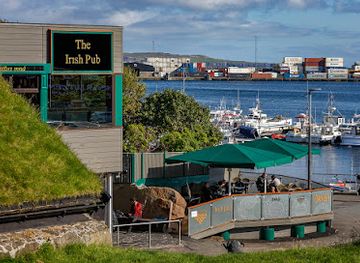
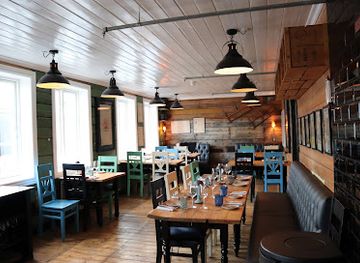
Irish pub
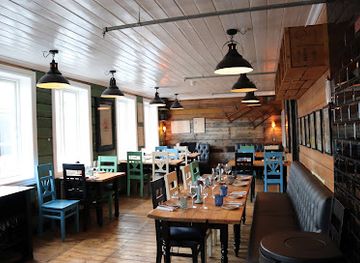
Irish Pub Torshavn
Discover the heartwarming ambiance at Irish Pub Torshavn - where authentic Irish flavors meet Faroese charm in Tórshavn.
-
Scandinavian
Katrina Christiansen
Experience authentic Scandinavian cuisine at Katrina Christiansen in Tórshavn - where tradition meets contemporary culinary artistry.
-
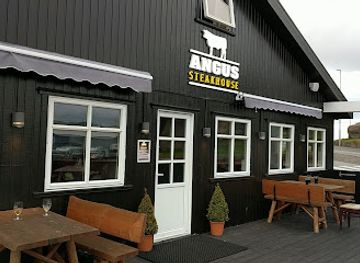
Restaurant
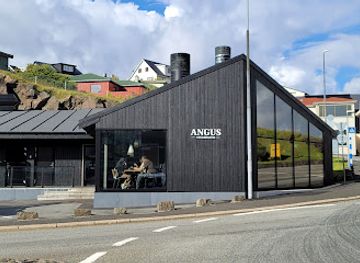
Angus Steakhouse
Experience mouthwatering steaks and warm hospitality at Angus Steakhouse in Tórshavn - a must-visit dining destination in the Faroe Islands.
Best bars in Sandoy
Sandoy does not have a significant nightclub scene, and evenings are generally quiet. Social life centres on village community spaces, cafés, private gatherings and the traditional Faroese pub culture found in larger settlements, rather than on a concentrated nightlife district. Sandur is the likeliest place to find evening refreshments or organised cultural activity, while visitors staying in smaller villages should expect limited late-night services. Restaurants and guesthouses may offer a relaxed setting for a drink, but opening arrangements can be seasonal or informal. The island’s evening appeal lies more in harbours, changing light, clear weather-dependent views and conversation than in clubs or large entertainment venues. Anyone planning to drink should arrange a safe return to accommodation, as rural roads are dark, walking distances can be substantial and public transport may not run late.
-
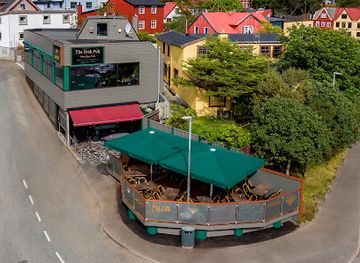
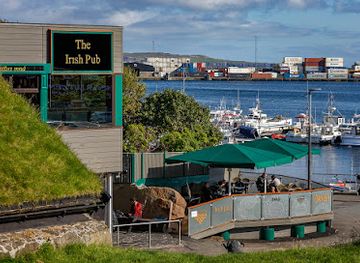
Irish pub
Irish Pub Torshavn
Discover the vibrant atmosphere of Irish Pub in Tórshavn, where traditional Irish hospitality meets local Faroese charm.
-
Scandinavian
Katrina Christiansen
Experience the best of Scandinavian cuisine at Katrina Christiansen in Tórshavn, where local flavors meet contemporary dining in a cozy atmosphere.
-
Restaurant
Angus Steakhouse
Indulge in the finest steaks and local flavors at Angus Steakhouse, a culinary delight in the heart of Tórshavn, Faroe Islands.
-
Restaurant
THE TARV Grillhouse
Savor fresh, local delicacies in Tórshavn's exquisite THE TARV Grillhouse, where culinary mastery meets Faroese tradition.
Best nightclubs in Sandoy
Sandoy does not have a significant nightclub scene, and evenings are generally quiet. Social life centres on village community spaces, cafés, private gatherings and the traditional Faroese pub culture found in larger settlements, rather than on a concentrated nightlife district. Sandur is the likeliest place to find evening refreshments or organised cultural activity, while visitors staying in smaller villages should expect limited late-night services. Restaurants and guesthouses may offer a relaxed setting for a drink, but opening arrangements can be seasonal or informal. The island’s evening appeal lies more in harbours, changing light, clear weather-dependent views and conversation than in clubs or large entertainment venues. Anyone planning to drink should arrange a safe return to accommodation, as rural roads are dark, walking distances can be substantial and public transport may not run late.
-
Irish pub
Irish Pub Torshavn
Discover the charm of Irish culture at Irish Pub Torshavn, where authentic dishes and vibrant atmosphere unite in the heart of the Faroe Islands.
-
Bar
Sirkus Bar
Discover the lively Sirkus Bar in Tórshavn, where vibrant drinks and a welcoming atmosphere await every visitor seeking an authentic nightlife experience.
-
Bar
Mikkeller Tórshavn
Explore Mikkeller Tórshavn, a top bar in the Faroe Islands offering a unique selection of craft beers in a cozy, inviting atmosphere.
-
Bar
Glitnir
Discover Glitnir, a vibrant bar in Tórshavn, offering a cozy atmosphere, local brews, and live entertainment for an unforgettable night out.


Best shops in Sandoy
Shopping on Sandoy is small-scale and practical, centred mainly on local shops and services in Sandur and the island’s village communities rather than on dedicated retail districts. Visitors may find everyday provisions, locally made food, simple gifts and occasional craft items, but retail choice is limited and opening arrangements can vary. Farmers and food producers contribute to the island’s identity through lamb, fish and other products associated with Faroese rural life, although availability should not be assumed at every shop. Churches, museums and community venues may provide locally relevant books, postcards or small souvenirs when open. Sandur is the best place to organise supplies before exploring the island’s more remote roads and walking routes. For a wider selection of Faroese design, knitwear, handicrafts and specialist food products, visitors generally need to shop in larger settlements elsewhere in the archipelago, such as Tórshavn, rather than treating Sandoy as a conventional shopping destination.
-
Gift shop
H. N. Jacobsens Bókahandil
Explore H. N. Jacobsens Bókahandil in Tórshavn for unique gifts, local literature, and a taste of Faroese culture.
-
Knit shop
Navia (yarn)
Explore Navia, the premier knit shop in the Faroe Islands, offering exquisite yarns and a glimpse into local craftsmanship.
-
Outdoor sports store
P/F Jógvan Weihe
Visit P/F Jógvan Weihe for top-notch outdoor gear and expert advice in Tórshavn, the gateway to your Faroe Islands adventure.
-
Supermarket
Á Landavegur
Experience the best of local and international products at Á Landavegur, Tórshavn's premier supermarket for all your grocery needs.

Get your free copy of our complete guide to Sandoy, delivered straight to you.
Everything on this page, from attractions and restaurants to essentials and local phrases, in one PDF you can read offline, print or share.
Already have an account? Sign in
Your Sandoy guide is ready.
We'll send it to · Not you? Sign out

Getting your guide ready…
We are putting together a fresh copy of the Sandoy guide. This can take up to a minute.
This can take a few moments. If your browser asks, choose Allow so the download can start. You'll find the guide in your Downloads folder.
Nothing happened? Download it again
Sorry, the guide is taking longer than usual. Please try again in a minute, or get it by email instead.
Sandoy essentials
Currency and Payment
Safety
Emergency Situations
Do's and Don'ts
Local Tips
From Eve
Local phrases worth knowing
You don't need to get them perfect. A few words go a long way, and locals appreciate the effort.
Basics
| English | Local | Say it |
|---|---|---|
| Hello | Hallo | [hal-lo] |
| Goodbye | Farvæl | [far-væl] |
| Yes | Ja | [ya] |
| No | Nei | [nay] |
| Please/You're welcome | Vinaliga | [vee-na-li-ga] |
| Thank you | Takk | [tak] |
| Excuse me/Sorry | Ursakandi | [ur-sa-kan-di] |
| How are you? | Hvussu hevur tú? | [hvus-su ev-ar too] |
| Fine. And you? | Gott. Og tú? | [got. og too] |
| Do you speak English? | Talar tú enskt? | [ta-lar too eng-skt] |
| I don't understand | Eg skilji ikki | [eg skil-yi ik-ki] |
Eating & Drinking
| English | Local | Say it |
|---|---|---|
| I'd like to see the menu, please | Eg vil fegin síggja matseðilin, vinaliga | [eg vil fay-in sig-ga mat-se-ði-lin, vee-na-li-ga] |
| I don't eat meat | Eg eri ikki kjøtætari | [eg er-i ik-ki kyot-a-ta-ri] |
| Cheers! | Skál! | [skawl] |
| I would like to pay, please | Eg vil fegin gjalda, vinaliga | [eg vil fay-in yal-da, vee-na-li-ga] |
Emergencies
| English | Local | Say it |
|---|---|---|
| Help! | Hjálp! | [yahlp] |
| Go away! | Far burtur! | [far bur-tur] |
| Call the Police! | Kalla poltina! | [kal-la pol-ti-na] |
| Call a doctor! | Kalla ein lækna! | [kal-la ain layk-na] |
| I'm lost | Eg eri farin vilk | [eg er-i far-in vilk] |
| I'm ill | Eg eri sjúkur | [eg er-i shoo-kur] |
Shopping
| English | Local | Say it |
|---|---|---|
| I'd like to buy... | Eg vil fegin keypa... | [eg vil fay-in kay-pa] |
| I'm just looking | Eg eri bara at leita | [eg er-i ba-ra at lay-ta] |
| How much is it? | Hvussu nógv kostar tað? | [hvus-su ny-og kost-ar tha] |
| That's too expensive | Tað er ov dýrt | [tha er ov dy-rt] |
| Can you lower the price? | Kann tú lækka prísin? | [kan too lay-kka pree-sin] |
Time & Numbers
| English | Local | Say it |
|---|---|---|
| What time is it? | Hvat tíð er tað? | [hvat teed er tha] |
| It's one o'clock | Klokka er ein | [klok-ka er ain] |
| Half past (10) | Halv fimm | [halv fim] |
| Morning | Morgun | [mor-gun] |
| Afternoon | Eftirmiddag | [ef-tir-mid-dag] |
| Evening | Kvøld | [kvøld] |
| Yesterday | Í gjár | [ee gyar] |
| Today | Í dag | [ee dag] |
| Tomorrow | Í morgin | [ee mor-gin] |
| 1 | Eina | [ay-na] |
| 2 | Tvey | [tvey] |
| 3 | Tríggjar | [tree-gar] |
| 4 | Fjórir | [fyo-ri] |
| 5 | Fimm | [fim] |
| 6 | Sex | [sex] |
| 7 | Sjey | [shay] |
| 8 | Átta | [aw-ta] |
| 9 | Niðja | [nee-ya] |
| 10 | Tíggju | [tee-gyu] |
Transport & Directions
| English | Local | Say it |
|---|---|---|
| Where's a/the...? | Hvar er ein/te... | [hvar er ain/te] |
| What's the address? | Hvat er adressan? | [hvat er a-dres-san] |
| Can you show me (on the map)? | Kann tú vísa mær (á kortinum)? | [kan too vee-sa mair (aw kor-ti-num)] |
| When's the next (bus)? | Nær kemur næsta (buss)? | [nair kem-ur nai-sta (bus)] |
| A ticket (to ....) | Ein miða (til ....) | [ain mee-da (til ....)] |
History of Sandoy
Early Settlement and Archaeological Sandur
Sandoy has been settled for many centuries, and the area around Sandur is among the most archaeologically significant parts of the island. Excavations and finds indicate Norse-era activity, while the discovery of the Sandur silver hoard revealed links with the wider Viking Age trading world. The island’s relatively fertile lowlands supported farming, and its bays and harbours provided access to fishing and inter-island travel. Archaeology is especially important here because much of Sandoy’s past is not represented by monumental ruins; instead, it survives through settlement layers, artefacts, field systems and the continuing shape of the villages.
Medieval Christianity and the Parish of Sandur
Sandur became an important religious centre in the southern Faroes during the medieval period. A church has stood at Sandur for many centuries, reflecting the settlement’s role as a parish centre for the island and nearby communities. The present church is later than the medieval foundations, but the site represents a long continuity of Christian worship and local administration. Medieval church life was closely connected with farming communities, burial grounds and the seasonal movement of people across the island. Sandur’s religious importance helps explain why it remains the principal settlement and cultural focus of Sandoy.
The Reformation and Danish Rule
The Reformation reached the Faroe Islands in the sixteenth century, bringing the territory into the Lutheran religious system associated with the Danish crown. Churches and parish organisation changed, while Danish political and commercial influence became more pronounced. On Sandoy, as elsewhere in the Faroes, everyday life remained centred on small farming settlements, fishing and self-sufficient household economies, but these activities were increasingly shaped by external administration and trade regulations. The period established political and religious structures that continued well beyond the medieval era and remain visible in the island’s church landscapes.
Farming, Fishing and Village Society
For centuries Sandoy’s communities depended on a combination of coastal fishing, sheep husbandry, cattle farming and cultivation in sheltered ground. Hay meadows and common grazing areas were managed carefully, while boats connected the island’s harbours with neighbouring settlements. Sandur, Skopun, Skálavík, Húsavík and Dalur developed distinct local identities despite their shared reliance on the sea and the land. Seasonal work, weather knowledge and communal arrangements shaped village life. The traditional economy left a visible imprint in stone walls, cultivated fields, boat shelters, turf-roofed buildings and the compact form of the settlements.
Nineteenth- and Twentieth-Century Modernisation
The nineteenth and twentieth centuries brought gradual changes to Sandoy through improved roads, harbour works, motorised boats, communications and access to education and services. Fishing became more integrated into modern commercial systems, while agriculture remained important but no longer supported every household. Like many Faroese islands, Sandoy also experienced periods of population pressure and outward migration as residents sought work and education elsewhere. The result was not the disappearance of village life, but a transformation in which commuting, public services and modern fishing existed alongside older buildings and farming practices.
The Sandoy Tunnel and a New Connection
The opening of the Sandoy subsea tunnel in the 2020s marked a major change in the island’s accessibility. For generations, sea crossings were central to journeys between Sandoy and Streymoy; the tunnel created a direct road connection to the larger Faroese transport network. It has reduced dependence on weather-sensitive crossings for many journeys and altered the relationship between the island’s villages, workplaces and visitor routes. The tunnel is part of the Faroes’ broader programme of subsea infrastructure, while Sandoy’s communities continue to balance improved access with the preservation of local character and landscapes.
Sandoy in Photos
Browse through our photo collection highlighting the charm and character of the destination.
Neighbouring regions of Sandoy
The closest regions to Sandoy, if you have time for more than one.
-

-

-

-

-


Swipe for more regions
Explore more
Explore more of Faroe Islands
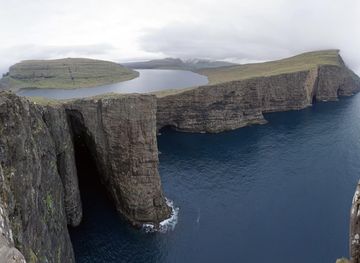
Discover the Faroe Islands: A land of rugged beauty, rich history, and tranquil villages, perfect for nature lovers and adventurers seeking an off-the-beaten-path destination.
Explore Faroe Islands