

Streymoy, Faroe Islands Travel Guide
Discover Streymoy, the heart of the Faroe Islands, where dramatic landscapes, rich history, and charming villages create an unforgettable travel experience.
Streymoy, the largest of the Faroe Islands, is a captivating destination for any traveler seeking rugged beauty and a serene escape. The island is known for its dramatic landscapes, featuring high cliffs, serene fjords, and rolling green hills that seem to stretch on forever. Nature lovers will find paradise in the numerous hiking trails that crisscross the island, offering breathtaking views and encounters with unique flora and fauna. The capital city, Tórshavn, located on the southeastern coast of Streymoy, is one of the smallest capitals in the world but brimming with charm. Its picturesque harbor, colorful houses, and winding streets invite visitors to explore its historic sites, including the Tinganes, an ancient parliamentary meeting place. Tórshavn also offers a taste of local culture with its cozy cafes, restaurants serving fresh seafood, and lively cultural events. Beyond Tórshavn, Streymoy is dotted with quaint villages, each with its own unique character. Vestmanna, on the western coast, is famed for its bird cliffs and boat tours, providing an up-close look at the island's seabird colonies. The village of Saksun, with its beautiful lagoon and traditional turf-roofed houses, is a photographer’s dream. Whether you're hiking through the mountains, exploring the villages, or simply soaking in the tranquil settings, Streymoy offers an unforgettable experience for every traveler.

Know before you go
Hi, I'm Eve. Here are a few practical things to know before exploring Streymoy.
- Pack waterproof clothing. The weather in the Faroe Islands can be unpredictable, and rain is common.
- Plan your visit during the summer months for the best weather and extended daylight hours.
- Take a boat tour from Vestmanna to see the stunning bird cliffs and marine life.
- Visit the village of Saksun during low tide to walk around the lagoon.
- Try local Faroese cuisine in Tórshavn, especially the fresh seafood.
- Rent a car to explore the island at your own pace, as public transport can be limited in rural areas.
- Respect local customs and traditions. The Faroese people are known for their hospitality and warmth.
Top City Travel Guides in Streymoy
The cities of Streymoy, and the easiest places to base yourself.


Destinations in Streymoy
Resorts, valleys and scenic spots worth a trip of their own.


Explore Streymoy: Things to Do, Places to Eat, Hotels & More
Handpicked recommendations for top attractions, local dining, accommodations, and more

Top Attractions & Sightseeing in Streymoy
Top-rated picks
Best Attractions

The Nordic House
Discover Faroese and Nordic culture at this unique cultural center in Tórshavn, showcasing art, music, and events in a stunning architectural setting.

Vestmanna Tourist Centre
Explore the dramatic Vestmanna sea cliffs and Faroese culture at this informative and welcoming tourist center.

Skansin
Explore Skansin Fortress in Tórshavn: a historic landmark with panoramic views, cannons, and a lighthouse, offering a unique glimpse into Faroese history.

The National Gallery of The Faroe Islands
Discover Faroese art and culture at the National Gallery in Tórshavn, showcasing a diverse collection from the 1830s to today.

Best landmarks in Streymoy
Top-rated picks
Best Landmarks

Kirkjubømúrurin
Explore Kirkjubøur: A Historic Gem of the Faroe Islands with Stunning Landscapes and Rich Cultural Heritage.

Múlafossur Waterfall
Experience the breathtaking beauty of Múlafossur Waterfall, a stunning natural attraction in the Faroe Islands with captivating views and serene landscapes.

Gjógv Natural Harbour
Explore Gjógv Natural Harbour, a breathtaking coastal gem in the Faroe Islands, where stunning cliffs meet rich cultural heritage and serene landscapes.

Fossá
Experience the breathtaking beauty of Fossá, the highest waterfall in the Faroe Islands, where nature's splendor meets serene tranquility.

Best restaurants in Streymoy
Top-rated picks
Best Restaurants

Hotel Føroyar
Discover culinary excellence amidst breathtaking views at Hotel Føroyar in Tórshavn - your gateway to luxury in the Faroe Islands.

Irish Pub Torshavn
Discover the warmth and charm of Irish Pub Torshavn – where traditional cuisine meets Faroese hospitality in an unforgettable setting.

Katrina Christiansen
Experience authentic Scandinavian cuisine in Tórshavn with locally sourced ingredients and traditional Faroese flavors at Katrina Christiansen.

Vestmanna Tourist Centre
Launchpad to Faroe Islands' wild bird cliffs: thrilling boat tours, hearty dining, wax museum wonders, and Nordic souvenirs await at this Streymoy adventure hub.

Best bars in Streymoy
Top-rated picks
Best Bars

Paname Café
Experience the cozy charm and delightful flavors of Paname Café in Tórshavn, a favorite spot for locals and tourists alike.

Irish Pub Torshavn
Immerse yourself in the vibrant atmosphere and authentic flavors of Irish Pub Torshavn, a must-visit destination in the Faroe Islands.

Katrina Christiansen
Experience the essence of Scandinavian cuisine at Katrina Christiansen in Tórshavn, where every dish tells a story of the Faroe Islands.

Angus Steakhouse
Experience the best of Faroese cuisine at Angus Steakhouse, Tórshavn's premier destination for steak lovers and food enthusiasts alike.

Best nightclubs in Streymoy
Top-rated picks
Best Nightclubs

Irish Pub Torshavn
Discover authentic Irish hospitality at Irish Pub Torshavn, where local flavors and a vibrant atmosphere await in the heart of the Faroe Islands.

Sirkus Bar
Experience the vibrant nightlife of Tórshavn at Sirkus Bar, a local favorite for drinks, live music, and a lively atmosphere in the heart of the Faroe Islands.

Mikkeller Tórshavn
Experience the finest craft beers in a vibrant atmosphere at Mikkeller Tórshavn, the top bar destination in the Faroe Islands.

Glitnir
Experience the charm of Glitnir, Tórshavn's favorite bar, serving local brews and cocktails in a cozy atmosphere.

Best shops in Streymoy
Top-rated picks
Best Shops

H. N. Jacobsens Bókahandil
Explore H. N. Jacobsens Bókahandil in Tórshavn for a unique blend of books, toys, and souvenirs that capture the spirit of the Faroe Islands.

Miklagarður
Explore Miklagarður in Tórshavn for an authentic shopping experience featuring local produce and traditional Faroese delicacies.

Rúsdrekkasøla Landsins - Tórshavn
Explore a wide selection of local and international beverages at Rúsdrekkasøla Landsins, the premier state liquor store in Tórshavn.

Navia (yarn)
Explore the enchanting world of knitting at Navia, a premier knit shop in Toftir, Faroe Islands, showcasing unique yarns and handmade treasures.

Explore Streymoy on the Map
A handpicked selection of must-see spots in Streymoy, mapped for you.
Streymoy Essentials
-
Streymoy is the largest and most populous island in the Faroe Islands. The main entry point is Vágar Airport (FAE), located on the nearby island of Vágar. From the airport, you can reach Streymoy by car or bus via the subsea tunnel connecting Vágar to Streymoy. The journey takes about 45 minutes. There are also ferry services available, depending on the time of year and weather conditions.
-
Streymoy is well-connected by a network of roads and tunnels. Public buses operated by SSL (Strandfaraskip Landsins) are a reliable way to get around the island and connect to other islands. Taxis are available but can be expensive. Renting a car offers the most flexibility for exploring the island at your own pace. Cycling is also a popular option, although the terrain can be challenging.
-
The official currency in the Faroe Islands is the Faroese króna (DKK), which is pegged to the Danish krone. Credit cards are widely accepted in most hotels, restaurants, and shops. However, it's advisable to carry some cash for smaller establishments and remote areas. ATMs are available in Tórshavn and other larger towns on the island.
-
Streymoy is generally a very safe destination with low crime rates. There are no specific areas or neighborhoods with high crime rates targeting tourists. However, it is always wise to take standard precautions, such as not leaving valuables unattended and being aware of your surroundings. The island's natural landscapes can be rugged, so take care when hiking or exploring remote areas.
-
In case of emergency, dial 112 for immediate assistance. Medical facilities are available in Tórshavn, the capital city located on Streymoy. It is advisable to have travel insurance that covers medical emergencies. For minor health issues, there are pharmacies in Tórshavn and other larger towns where you can purchase over-the-counter medications.
-
Fashion: Do dress in layers and wear waterproof clothing, as the weather can be unpredictable. Avoid wearing overly casual clothing when dining in finer restaurants. Religion: Do respect local customs and traditions, especially when visiting churches. Public Transport: Do be punctual, as buses run on a strict schedule. Don’t be loud or disruptive on public transport. Greetings: Do greet people with a friendly 'hej' or 'góðan dag'. Handshakes are common. Eating & Drinking: Do try local delicacies such as fermented fish and lamb. Don’t refuse food offered by locals, as it is considered impolite.
-
To experience Streymoy like a local, visit the local markets and try traditional Faroese foods. Engage with locals, as they are often friendly and willing to share stories about the island’s history and culture. Don't miss the historical sites such as the medieval Kirkjubøur village and the Tórshavn Cathedral. For a unique experience, hike to the top of Slættaratindur, the highest peak in the Faroe Islands, for breathtaking views.
When is the best time to visit Streymoy?
Useful Local Phrases for Streymoy
You don't need to speak the language perfectly. Even learning a few simple words can make conversations warmer—and locals usually appreciate the effort.
— Eve

Here are the phrases I use most often in Streymoy. Try a few—you'll be surprised how far they go! 😊
❤️
-
- HelloHallo
[ha-lo] - GoodbyeFarvæl
[far-væl] - YesJa
[ya] - NoNei
[nay] - Please/You're welcomeVinaliga
[vee-nah-lee-ga] - Thank youTakk
[tack] - Excuse me/SorrySæði
[sai-thee] - How are you?Hvussu hevur tú?
[hvoos-so ev-ar too] - Fine. And you?Bara væl. Og tú?
[bar-a väl. og too] - Do you speak English?Talar tú enskt?
[tar-lar too eng-skt] - I don't understandEg skilji ikki
[eg skill-yee ee-kee]
- HelloHallo
-
- I'd like to see the menu, pleaseEg vil gita matseðilin, vinaliga
[eg vil gee-ta mat-say-the-lin, vee-nah-lee-ga] - I don't eat meatEg etti ikki kjöt
[eg et-tee ee-kee kyot] - Cheers!Skál!
[skawl] - I would like to pay, pleaseEg vil gjalda, vinaliga
[eg vil yal-da, vee-nah-lee-ga]
- I'd like to see the menu, pleaseEg vil gita matseðilin, vinaliga
-
- Help!Hjálp!
[yowlp] - Go away!Far burtu!
[far bur-tu] - Call the Police!Ring til løgregluna!
[ring til lur-greg-lun-a] - Call a doctor!Ring til lækna!
[ring til layk-na] - I'm lostEg eri vilsa
[eg er-ee vil-sa] - I'm illEg eri sjúkur
[eg er-ee shoo-kur]
- Help!Hjálp!
-
- I'd like to buy...Eg vil keypa...
[eg vil kay-pa] - I'm just lookingEg eri bara at hyggja
[eg er-ee bar-a at higg-ya] - How much is it?Hvussu kostar tað?
[hvoos-so cost-ar tha] - That's too expensiveTað er ov dýrt
[tha er ov deer-t] - Can you lower the price?Kann tú lækka prísin?
[kan too lay-ka pree-sin]
- I'd like to buy...Eg vil keypa...
-
- What time is it?Hvat tíð er tað?
[hvat thee-ar tha] - It's one o'clockKlokkuni er eitt
[klok-ku-ni er ay-t] - Half past (10)Halv (10)
[halv (10)] - MorningMorgun
[mor-gun] - AfternoonEftirmiddag
[ef-tir-mid-dag] - EveningKvøtt
[kvo-t] - YesterdayÍ gjár
[ee yar] - TodayÍ dag
[ee dag] - TomorrowÍ morgin
[ee mor-gin] - 11
[1] - 22
[2] - 33
[3] - 44
[4] - 55
[5] - 66
[6] - 77
[7] - 88
[8] - 99
[9] - 1010
[10]
- What time is it?Hvat tíð er tað?
-
- Where's a/the...?Hvar er ein/te...
[hvar er ayn/the] - What's the address?Hvat er adressan?
[hvat er ad-res-san] - Can you show me (on the map)?Kanst tú vísa mær (á kortið)?
[kanst too vee-sa mer (aw kor-tid)] - When's the next (bus)?Nær kemur næsti (buss)?
[nair kem-ur nay-sti (bus)] - A ticket (to ....)Ein billett (til ...)
[ayn bil-let (til ...)]
- Where's a/the...?Hvar er ein/te...
History of Streymoy
-
Streymoy, the largest of the Faroe Islands, was first settled by Norse Vikings in the 9th century. These early settlers were attracted by the island's rich pastures and strategic location. The remains of old Viking longhouses and burial sites can still be found, giving a glimpse into the life of these early inhabitants.
-
By the 12th century, Christianity began to take hold in the Faroe Islands. The construction of the Magnus Cathedral in Kirkjubøur, located on Streymoy, stands as a testament to this era. This now-ruined cathedral was one of the most significant religious buildings in the North Atlantic during the medieval period.
-
In the 15th and 16th centuries, Streymoy became a crucial node in the trade networks of the Hanseatic League. Tórshavn, the island's capital, thrived as a trading hub, dealing in fish, wool, and other local products. The historical buildings and warehouses by the harbor reflect this prosperous time.
-
In the 16th century, Streymoy, along with the rest of the Faroe Islands, came under Danish rule. The Reformation also swept through the islands, leading to significant changes in religious and daily life. The Faroese language and culture were heavily influenced by Danish governance during this period.
-
During World War II, the Faroe Islands were occupied by British forces to prevent a German invasion. Streymoy's strategic location made it a focal point of military operations. The legacy of this period is still visible, with remnants of military installations scattered across the island.
-
Following World War II, the Faroe Islands gained increased autonomy from Denmark. In 1948, they achieved home rule, allowing for greater self-governance. Streymoy, as the political and economic center, played a pivotal role in this transition. The modern Parliament building in Tórshavn symbolizes this new era of self-determination.
Neighbouring Regions of Streymoy
The closest regions to Streymoy, if you have time for more than one.
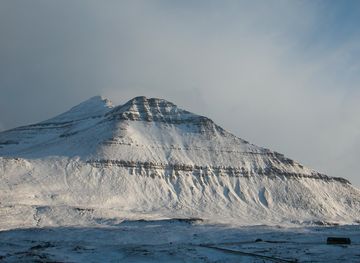

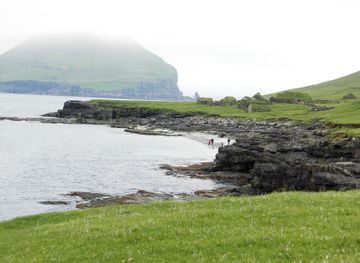
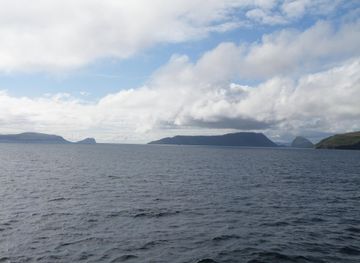


Your all‑in‑one travel companion app
Explore expert travel guides, compare and book tours, experiences, hotels, and more—all from the palm of your hand. Download now for seamless trip planning wherever your wanderlust takes you.


Explore More of Faroe Islands
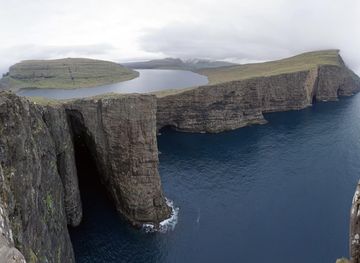
Looking beyond Streymoy? Discover Faroe Islands for broader travel guides, local hot-spots, and regional highlights.
Explore Faroe IslandsStreymoy in Photos
Browse through our photo collection highlighting the charm and character of the destination.


The Enchanting Isle of Streymoy
Streymoy, the largest of the Faroe Islands, is a captivating destination for any traveler seeking rugged beauty and a serene escape. The island is known for its dramatic landscapes, featuring high cliffs, serene fjords, and rolling green hills that seem to stretch on forever. Nature lovers will find paradise in the numerous hiking trails that crisscross the island, offering breathtaking views and encounters with unique flora and fauna. The capital city, Tórshavn, located on the southeastern coast of Streymoy, is one of the smallest capitals in the world but brimming with charm. Its picturesque harbor, colorful houses, and winding streets invite visitors to explore its historic sites, including the Tinganes, an ancient parliamentary meeting place. Tórshavn also offers a taste of local culture with its cozy cafes, restaurants serving fresh seafood, and lively cultural events. Beyond Tórshavn, Streymoy is dotted with quaint villages, each with its own unique character. Vestmanna, on the western coast, is famed for its bird cliffs and boat tours, providing an up-close look at the island's seabird colonies. The village of Saksun, with its beautiful lagoon and traditional turf-roofed houses, is a photographer’s dream. Whether you're hiking through the mountains, exploring the villages, or simply soaking in the tranquil settings, Streymoy offers an unforgettable experience for every traveler.