

Free Mykines Travel Guide & Mobile App
Explore Mykines with free travel guides. Discover regional history, expert tips, proposed trips, and audio guides on web or mobile app.


Mykines offers Faroe Islands bird cliffs, puffins, a remote village and rugged walks across a weather-shaped Atlantic island.
Read more about Mykines
When is the best time to visit Mykines?
Best: June–August · 13–15°C| Month | High (°C) | Rainfall (mm) |
|---|---|---|
| January | 7 | 120 |
| February | 7 | 110 |
| March | 8 | 100 |
| April | 9 | 90 |
| May | 11 | 80 |
| June (best) | 13 | 70 |
| July (best) | 15 | 80 |
| August (best) | 15 | 90 |
| September | 13 | 100 |
| October | 11 | 110 |
| November | 9 | 120 |
| December | 8 | 130 |
Getting to and around Mykines
How to get there
Transportation
Destinations in Mykines
Resorts, valleys and scenic spots worth a trip of their own.

Swipe for more destinations
Best attractions in Mykines
Mykines’s attractions are concentrated in its landscape and wildlife rather than in a large collection of built visitor facilities. The principal experience is the walk from the village towards Mykineshólmur, where steep coastal scenery, open ocean and seabird colonies create a powerful sense of exposure. In summer, puffins can often be seen around the grassy cliff areas, while gannets and other seabirds occupy the cliffs and stacks around the islet. The route also includes a narrow suspension bridge and changing views towards Vágar and the surrounding Atlantic. The village itself is worth exploring slowly, with its compact arrangement of traditional houses, grass roofs and the local church reflecting the island’s long rural history. Birdwatching, landscape photography and walking are the main activities, but all depend on weather and responsible access. There are no extensive museums, amusement facilities or shopping streets; Mykines is valued for a close encounter with a sparsely populated Faroese island and its working countryside. Visitors should expect basic infrastructure, carry necessary supplies and regard conservation guidance as part of the attraction rather than an inconvenience.
-
Vestmanna
Explore Vestmanna: Faroe Islands' historic village with dramatic sea cliffs, Viking roots, birdlife & outdoor adventures. Boat tours a must!

Best landmarks in Mykines
The most recognisable landmark associated with Mykines is the narrow bridge linking the main island with Mykineshólmur, a small offshore islet whose cliffs and lighthouse mark the western edge of the archipelago. Its position above a sea-cut gorge makes the crossing visually striking, though it is exposed and subject to access restrictions. The island’s village is another important landmark in its own right: a compact group of colourful Faroese houses, many with turf roofs, gathered around a historic church and enclosed by steep pasture. The contrast between this sheltered settlement and the open Atlantic cliffs conveys the island’s history as a remote farming and fishing community. The bird cliffs around Mykineshólmur are natural landmarks as much as wildlife sites, with gannet colonies and other seabirds transforming the rock faces in summer. Together, the bridge, lighthouse islet, church and village form a coherent cultural and geographical symbol of Mykines rather than a collection of isolated monuments.
-
Tourist attraction
Múlafossur Waterfall
Discover the breathtaking beauty of Múlafossur Waterfall, a stunning natural attraction in the Faroe Islands that captivates with its majestic cascades and serene coastal views.
-
Tourist attraction
View on Mullafossur and Gasadalur village
Experience the breathtaking Mullafossur Waterfall and the charming Gasadalur Village in the stunning Faroe Islands – a must-visit for nature lovers.
-
Tourist attraction
The Seal Woman (Kópakonan)
Explore the mystical tale of Kópakonan at the stunning Seal Woman sculpture in Mikladalur, a unique blend of art and Faroe Islands folklore.
-
Tourist attraction
Skansin
Discover Skansin, a historical fortress in Tórshavn, offering stunning views and a glimpse into the rich maritime heritage of the Faroe Islands.


Explore Mykines on the map
Plan your trip on one map. See where the top cities, national parks and sights are, and book hotels and experiences in a few clicks.
Best hotels in Mykines
Best restaurants in Mykines
Dining on Mykines is extremely limited, so visitors should generally eat before travelling and carry suitable provisions for the day. The island is not a food destination in the conventional restaurant sense, but its landscape belongs to a Faroese food culture historically shaped by sheep farming, fishing, seabirds, drying and preserving. Across the wider Faroe Islands, visitors encounter lamb, fish, fermented and cured products, rye-based baking, dairy goods and strong coffee traditions, while local households and small services may offer simple refreshments when available. Do not assume that a boat excursion includes food or that supplies can be bought after arrival. In Sørvágur and other larger settlements on Vágar, there are more dependable opportunities to purchase provisions before the crossing. Picnicking is practical, but take all rubbish away, avoid disturbing grazing animals and do not eat close to nesting areas.
-
Tourist attraction
Múlafossur Waterfall
Discover Múlafossur Waterfall: A stunning cascade plunging into the Atlantic amidst breathtaking landscapes in Gasadalur, Faroe Islands.
-
Restaurant
Fríða Kaffihús
Discover Fríða Kaffihús: A delightful blend of culinary excellence and Faroese history awaits you in Klaksvík.
-
Restaurant
Hotel Føroyar
Discover culinary excellence amidst breathtaking views at Hotel Føroyar in Tórshavn, Faroe Islands – your gateway to unforgettable experiences.
-
Scandinavian
Katrina Christiansen
Discover exceptional Scandinavian cuisine at Katrina Christiansen in Tórshavn, where local ingredients meet creative flair for an unforgettable dining experience.


Best bars in Mykines
Mykines has no conventional nightlife scene. Evenings are quiet and shaped by the small resident community, weather, daylight and the demands of travel rather than by bars or clubs. Visitors who stay overnight, where accommodation is available and current arrangements permit, should expect a peaceful rural atmosphere and very limited services. The more sociable evening options are found elsewhere in the Faroe Islands, particularly in larger settlements on Vágar or in Tórshavn, not on the island itself. Traditional Faroese hospitality is better understood through respectful conversation and shared local spaces than through a dedicated entertainment district. If returning to Vágar after a day visit, check transport arrangements carefully and do not assume that a late boat or onward connection will be available.
-
Restaurant
Fríða Kaffihús
Experience the flavors and heritage of the Faroe Islands at Fríða Kaffihús, a charming café and restaurant in Klaksvík.
-
Irish pub
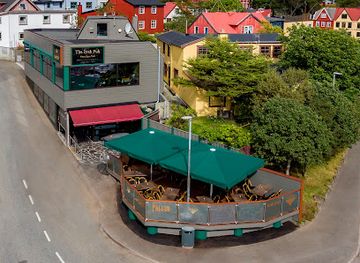
Irish Pub Torshavn
Discover the warm ambience and delicious flavors at Irish Pub Torshavn, where Irish hospitality meets Faroese charm in the heart of Tórshavn.
-
Scandinavian
Katrina Christiansen
Discover authentic Scandinavian cuisine at Katrina Christiansen in Tórshavn, where local flavors meet innovative culinary artistry.
-
Restaurant
Angus Steakhouse
Experience the best of Faroese cuisine with high-quality steaks at Angus Steakhouse, a must-visit restaurant in Tórshavn.


Best nightclubs in Mykines
Mykines has no conventional nightlife scene. Evenings are quiet and shaped by the small resident community, weather, daylight and the demands of travel rather than by bars or clubs. Visitors who stay overnight, where accommodation is available and current arrangements permit, should expect a peaceful rural atmosphere and very limited services. The more sociable evening options are found elsewhere in the Faroe Islands, particularly in larger settlements on Vágar or in Tórshavn, not on the island itself. Traditional Faroese hospitality is better understood through respectful conversation and shared local spaces than through a dedicated entertainment district. If returning to Vágar after a day visit, check transport arrangements carefully and do not assume that a late boat or onward connection will be available.
-
Irish pub
Irish Pub Torshavn
Discover the heart of Irish culture in Tórshavn at Irish Pub Torshavn, where tradition meets modern hospitality.
-
Bar
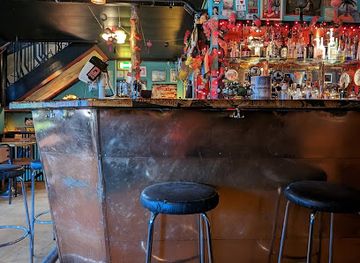
Sirkus Bar
Discover the lively nightlife at Sirkus Bar in Tórshavn, where great drinks, music, and friendly vibes await you in the Faroe Islands.
-
Bar
Glitnir
Discover the cozy charm of Glitnir, a local bar in Tórshavn, serving delightful Faroese brews in a warm and inviting atmosphere.
-
Bar
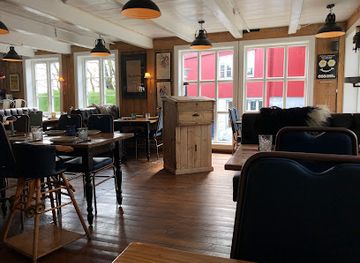
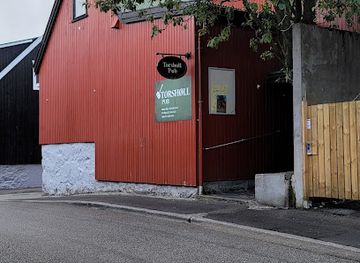
Tórshøll
Discover Tórshøll, a cozy bar in Tórshavn offering local drinks and a friendly atmosphere, perfect for mingling with locals and unwinding.

Best shops in Mykines
Shopping on Mykines is negligible, and visitors should not expect a high street, supermarket or dependable range of souvenirs. The practical priority is to buy food, water, medication and other necessities in Sørvágur or elsewhere on Vágar before departure. Any locally available craft items or refreshments should be regarded as occasional rather than guaranteed. The island’s most appropriate souvenirs are often photographs, carefully chosen books or Faroese wool and food products purchased in larger settlements across the archipelago. Wider Faroese shopping offers knitwear, woollen goods, local preserves, dried or cured foods, ceramics, art and design objects, with more choice in Tórshavn and the principal towns. Buy responsibly, respect small producers and avoid removing stones, plants, feathers or other natural material from Mykines.
-
Gift shop
H. N. Jacobsens Bókahandil
Explore H. N. Jacobsens Bókahandil, a unique blend of a gift shop, bookstore, and souvenir haven in Tórshavn, Faroe Islands.
-
Supermarket
Miklagarður
Explore the heart of Tórshavn at Miklagarður, where local flavors meet everyday convenience in a charming supermarket experience.
-
Knit shop
Navia (yarn)
Discover Navia Yarn Shop in the Faroe Islands, where quality yarns and local craftsmanship create a unique shopping experience for all knitting enthusiasts.
-
Outdoor sports store
P/F Jógvan Weihe
Discover your adventure gear at P/F Jógvan Weihe in Tórshavn, the go-to outdoor sports store for exploring the stunning landscapes of the Faroe Islands.


Get your free copy of our complete guide to Mykines, delivered straight to you.
Everything on this page, from attractions and restaurants to essentials and local phrases, in one PDF you can read offline, print or share.
Already have an account? Sign in
Your Mykines guide is ready.
We'll send it to · Not you? Sign out

Getting your guide ready…
We are putting together a fresh copy of the Mykines guide. This can take up to a minute.
This can take a few moments. If your browser asks, choose Allow so the download can start. You'll find the guide in your Downloads folder.
Nothing happened? Download it again
Sorry, the guide is taking longer than usual. Please try again in a minute, or get it by email instead.
Mykines essentials
Currency and Payment
Safety
Emergency Situations
Do's and Don'ts
Local Tips
From Eve
Local phrases worth knowing
You don't need to get them perfect. A few words go a long way, and locals appreciate the effort.
Basics
| English | Local | Say it |
|---|---|---|
| Hello | Hallo | [ˈhɑːloʊ] |
| Goodbye | Farvæl | [ˈfɑːrˌvæl] |
| Yes | Ja | [jɑ] |
| No | Nei | [neɪ] |
| Please/You're welcome | Vinaliga | [viˈnɑːlɪɡə] |
| Thank you | Takk | [tɑk] |
| Excuse me/Sorry | Ursakandi | [ʊrˈsɑːkən̩di] |
| How are you? | Hvussu hevur tú? | [ˈhʊsʊ ˈhɛʊʊr tu] |
| Fine. And you? | Gott. Og tú? | [ɡɔt. ɔɡ tu] |
| Do you speak English? | Tú tosa tú enskt? | [tu ˈtoʊsə tu ˈɛŋɡlɪʃt] |
| I don't understand | Eg skilji ikki | [ɛɡ ˈskɪljɪ ˈɪkki] |
Eating & Drinking
| English | Local | Say it |
|---|---|---|
| I'd like to see the menu, please | Eg vil fegin síggja matseðilin, vinaliga | [ɛɡ vɪl ˈfeɪɡɪn ˈsiɡjɑ ˈmɑtˌsɛðɪlɪn ˈviːnɑˌlɪɡɑ] |
| I don't eat meat | Eg eti ikki kjøt | [ɛɡ ˈɛti ˈɪkki ˈkjøt] |
| Cheers! | Skál! | [skɔl] |
| I would like to pay, please | Eg vil fegin gjalda, vinaliga | [ɛɡ vɪl ˈfeɪɡɪn ˈjaldɑ ˈviːnɑˌlɪɡɑ] |
Emergencies
| English | Local | Say it |
|---|---|---|
| Help! | Hjálp! | [jaʊlp] |
| Go away! | Far burt! | [fɑr bʊrt] |
| Call the Police! | Ring til politiið! | [rɪŋ tɪl pʊˈlɪtɪð] |
| Call a doctor! | Ring til lækna! | [rɪŋ tɪl ˈleɪknɑ] |
| I'm lost | Eg eri lost | [ɛɡ ˈɛri lɔst] |
| I'm ill | Eg eri sjúkur | [ɛɡ ˈɛri ˈʃjuːkʊr] |
Shopping
| English | Local | Say it |
|---|---|---|
| I'd like to buy... | Eg vil fegin keypa... | [ɛɡ vɪl ˈfeɪɡɪn ˈkeɪpɑ] |
| I'm just looking | Eg eri bara at hyggja | [ɛɡ ˈɛri ˈbɑrɑ æt ˈhʏɡjɑ] |
| How much is it? | Hví nógv kostar tað? | [hwi nɔɡ ˈkɔstɑr tɑð] |
| That's too expensive | Hetta er ov dýrt | [ˈhɛtɑ ɛr oʊ ˈdiːrt] |
| Can you lower the price? | Kanni tú lækka prísin? | [ˈkæni tu ˈlɛkɑ ˈpriːsɪn] |
Time & Numbers
| English | Local | Say it |
|---|---|---|
| What time is it? | Hvønn tíma er tað? | [ˈhʊvən ˈtiːmɑ ɛr tɑð] |
| It's one o'clock | Klokka er eitt | [ˈklɔkɑ ɛr ɛɪt] |
| Half past (10) | Fimm minuttir yvir (10) | [fɪm ˈmɪnʊtɪr ˈiːvɪr (10)] |
| Morning | Morgun | [ˈmɔrʊn] |
| Afternoon | Eftir miðdegi | [ˈɛftɪr ˈmiːðɛɪ] |
| Evening | Kvøld | [kvʊld] |
| Yesterday | Í gjár | [i jɑr] |
| Today | Í dag | [i dɑɡ] |
| Tomorrow | Í morgin | [i ˈmɔrɡɪn] |
| 1 | 1 | [1] |
| 2 | 2 | [2] |
| 3 | 3 | [3] |
| 4 | 4 | [4] |
| 5 | 5 | [5] |
| 6 | 6 | [6] |
| 7 | 7 | [7] |
| 8 | 8 | [8] |
| 9 | 9 | [9] |
| 10 | 10 | [10] |
Transport & Directions
| English | Local | Say it |
|---|---|---|
| Where's a/the...? | Hvar er ein/te... | [hvar ɛr eɪn/tɛ] |
| What's the address? | Hvat er adressan? | [hvɑt ɛr əˈdrɛsɑn] |
| Can you show me (on the map)? | Kanst tú vísa mær (á kortið)? | [kɑnst tu ˈviːsɑ mɛr (ɑː ˈkɔrtɪð)] |
| When's the next (bus)? | Nær kemur næsta (buss)? | [nɛr ˈkɛmʊr ˈnɛstɑ (bʊs)] |
| A ticket (to ....) | Ein billett (til ....) | [eɪn bɪˈlɛt (tɪl)] |
History of Mykines
Norse Settlement and Early Farming
Like the wider Faroe Islands, Mykines was settled during the Viking Age by Norse-speaking communities, although earlier visitors may have included Irish monks or other transient settlers. The island’s steep terrain limited cultivation, so subsistence depended on sheep, seabirds, fishing and careful use of small areas of pasture. Its isolated position encouraged a compact community whose seasonal work was closely tied to weather, tides and the availability of food from land and sea.
Medieval Parish and Community Life
During the medieval period, Mykines formed part of the ecclesiastical and administrative world of the Faroese islands. The village church and surrounding settlement became the focus of religious and communal life, while families maintained rights and responsibilities connected with pasture, bird cliffs and coastal resources. Long-distance contact was limited, but the island was not cut off from the wider archipelago: boats, clergy, trade and seasonal journeys linked Mykines with neighbouring communities.
Fishing, Fowling and Maritime Skills
For centuries, Mykines households combined sheep husbandry with fishing and the harvesting of seabirds and eggs. The cliffs demanded specialised knowledge and considerable physical courage, while small boats connected the island with larger settlements and markets. These activities were not simply traditional pageants; they were practical elements of household survival in a place with little arable land. Their legacy remains visible in the landscape, local stories and the island’s close relationship with the sea.
The Mykines Church and Village Heritage
Mykines’s historic church and clustered houses reflect the scale and continuity of island settlement. Rebuilt and maintained over generations, the church served a community whose population was once considerably larger than it is today. Traditional Faroese building methods, including the use of turf roofs and weather-resistant timber, developed in response to the archipelago’s harsh climate. The village’s appearance therefore records both religious history and the practical choices of a remote farming and fishing society.
Modernisation and Population Decline
Improved communications, changing employment patterns and the concentration of services in larger Faroese settlements transformed Mykines during the twentieth century. Many residents moved away for education, work and easier access to schools, healthcare and transport. The permanent population became very small, although former residents and their families continue to maintain strong connections with the island. Today, the settlement’s quietness and seasonal rhythms are direct consequences of this wider demographic change.
Conservation and Nature-Based Visitors
In recent decades, Mykines has become known internationally for its seabird colonies, particularly its puffins and northern gannets. Tourism has brought new attention and income but also greater pressure on paths, cliffs and nesting areas. Local access arrangements, visitor guidance and seasonal restrictions reflect an ongoing effort to balance public enjoyment with the welfare of birds and the needs of the small resident community. The island’s contemporary history is therefore increasingly shaped by conservation as well as by farming and fishing.
Mykines in Photos
Browse through our photo collection highlighting the charm and character of the destination.
Neighbouring regions of Mykines
The closest regions to Mykines, if you have time for more than one.
-

-

-
-
-


Swipe for more regions
Explore more
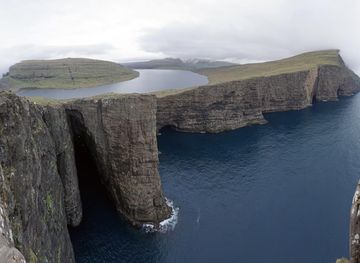
Explore more of Faroe Islands
Discover the Faroe Islands: A land of rugged beauty, rich history, and tranquil villages, perfect for nature lovers and adventurers seeking an off-the-beaten-path destination.
Explore Faroe Islands