

Free Skúvoy Travel Guide & Mobile App
Explore Skúvoy with free travel guides. Discover regional history, expert tips, proposed trips, and audio guides on web or mobile app.


Skúvoy in the Faroe Islands offers saga-rich landscapes, sea cliffs, birdlife and rugged walking reached by ferry from neighbouring Sandoy.
Read more about Skúvoy
When is the best time to visit Skúvoy?
Best: June–August · 12–14°C| Month | High (°C) | Rainfall (mm) |
|---|---|---|
| January | 6 | 130 |
| February | 6 | 110 |
| March | 7 | 120 |
| April | 8 | 100 |
| May | 10 | 80 |
| June (best) | 12 | 70 |
| July (best) | 14 | 70 |
| August (best) | 14 | 80 |
| September | 12 | 100 |
| October | 10 | 120 |
| November | 8 | 130 |
| December | 7 | 140 |
Getting to and around Skúvoy
How to get there
Transportation
Destinations in Skúvoy
Resorts, valleys and scenic spots worth a trip of their own.

Swipe for more destinations
Best attractions in Skúvoy
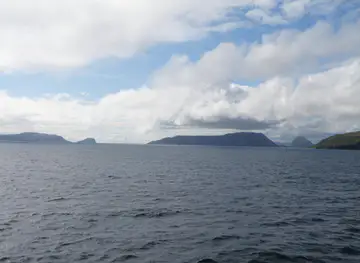
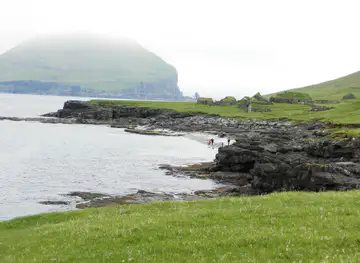
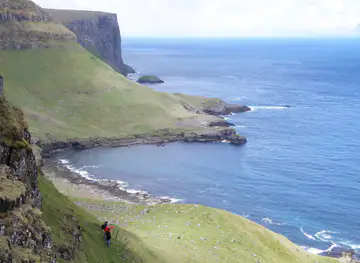
Skúvoy's attractions are primarily landscape-based and historical rather than built for mass tourism. The village offers a quiet introduction to Faroese island architecture, with traditional houses, a small harbour and a churchyard associated with Sigmundur Brestisson, the saga-era chieftain linked with the island. Walking is the main activity: routes across open pasture lead towards Knúkur, the island's highest summit, and to viewpoints over Sandoy, Stóra Dímun and the southern archipelago. The changing relationship between steep hillsides, cultivated land and the sea is itself a central part of the experience. Coastal cliffs and rocky shores provide important habitat for seabirds, including the great skua associated with the island's name, although visitors must keep away from unstable edges and nesting areas. The former settlement area of Sandvík adds historical interest and illustrates the island's changing population pattern. There are no substantial museums, visitor centres or family attractions, so Skúvoy is best approached as a place for walking, bird observation, local history and weather-shaped scenery. Its limited facilities are part of its character and require visitors to arrive prepared.
-
Hiking area
Witches Finger Trail
Hike the Witches Finger Trail in the Faroe Islands for stunning views, rich folklore, and an unforgettable outdoor adventure.
-
Tourist attraction
Risin og Kellingin viewpoint
Experience the dramatic beauty of Risin og Kellingin Viewpoint in the Faroe Islands, where folklore meets breathtaking landscapes.
-
Boat tour agency
Tórshavn Sea Adventures
Experience the Faroe Islands from the sea with Tórshavn Sea Adventures: fishing trips, sightseeing, and unforgettable moments await!
-
Observation deck
Ásmundarstakkur
Witness the majestic Ásmundarstakkur sea stack on Suðuroy, Faroe Islands. A stunning coastal view shaped by the North Atlantic awaits!


Best landmarks in Skúvoy
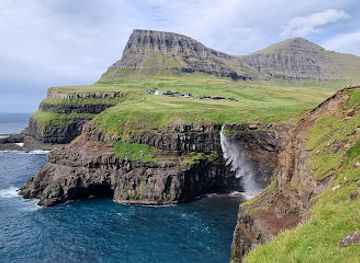
Skúvoy's most important landmarks are closely tied to its small settlement and saga history. The village church and churchyard form the island's principal historic focus, with local tradition associating the burial place with Sigmundur Brestisson, the tenth- and eleventh-century chieftain remembered in the Føroyinga saga. The site should be approached as a living place of worship and remembrance rather than simply as a monument. Knúkur, rising to about 392 metres, is the island's defining natural landmark and provides a high point from which the geography of the southern Faroes becomes legible. The former settlement area of Sandvík is another meaningful place, reflecting the movement and contraction of island communities over time. Around these sites, open slopes, cliff lines and sea views create a landscape landmark of equal importance to any building. Skúvoy has no monumental urban architecture or large defensive structure; its significance lies in the way a modest village, a powerful saga tradition and an exposed island terrain remain connected.
-
Historical place
Kirkjubømúrurin
Explore the historic village of Kirkjubøur in the Faroe Islands, where ancient traditions and breathtaking landscapes await every traveler.
-
Tourist attraction
Múlafossur Waterfall
Discover the breathtaking beauty of Múlafossur Waterfall, a stunning natural wonder cascading into the Atlantic Ocean in the picturesque Faroe Islands.
-
Tourist attraction
Fossá
Discover the breathtaking Fossá waterfall, the tallest waterfall in the Faroe Islands, set against a stunning backdrop of nature's beauty.
-
Cultural center
The Nordic House
Discover rich Faroese culture at The Nordic House, a cultural center in Tórshavn showcasing art, heritage, and local flavors in stunning surroundings.


Explore Skúvoy on the map
Plan your trip on one map. See where the top cities, national parks and sights are, and book hotels and experiences in a few clicks.
Best hotels in Skúvoy
Best restaurants in Skúvoy
Skúvoy does not have a developed restaurant scene, and visitors should bring food and water rather than expect cafés, pubs or a choice of evening dining. The island's food heritage belongs to the wider Faroese tradition of sheep farming, fishing, preserved foods and seasonal use of marine and pastoral resources, but meals available to visitors depend on local arrangements rather than a permanent dining circuit. Self-catering provisions are best purchased before travelling, particularly in Sandur or another larger Faroese settlement. Visitors staying in local accommodation may find that hosts can advise about meals or supplies, but this should be arranged in advance and never assumed. The most distinctive culinary context is therefore the relationship between food, weather and island life: lamb, fish, potatoes, bread and dairy products are more relevant to understanding the local table than fashionable restaurant formats. Any home-produced food should be accepted respectfully and discussed with hosts, while visitors should avoid making assumptions about access to private kitchens or local households.
-
Cafe
Fríða Kaffihús
Discover Faroese culture at Fríða Kaffihús: A delightful café blending history and culinary delights in Klaksvík.
-
Scandinavian
Katrina Christiansen
Discover authentic Scandinavian flavors at Katrina Christiansen in Tórshavn – where tradition meets modern Faroese cuisine.
-
Restaurant
Angus Steakhouse
Experience top-notch dining at Angus Steakhouse - where exquisite steaks meet Faroese hospitality.
-
Restaurant
Áarstova
Discover authentic Faroese cuisine at Áarstova in Tórshavn – a must-visit restaurant showcasing local flavors with warm hospitality.


Best bars in Skúvoy
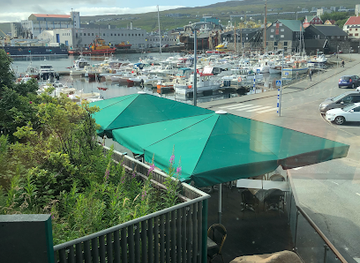
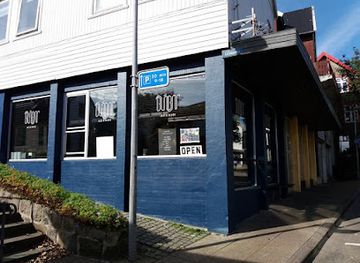
Skúvoy has no established nightclub district and very little commercial nightlife. Evenings are generally quiet, centred on private homes, local community life or arrangements connected with accommodation rather than on public bars and late venues. Visitors should not expect the pub culture found in larger Faroese settlements, nor should alcohol be treated as a necessary part of the island experience. The most rewarding evening activities are likely to be a short walk in suitable conditions, observing the changing light over the southern islands, or spending time indoors after the ferry journey. Because weather and transport can alter plans, bring reading material, food and warm clothing, and arrange any hospitality in advance. For a broader choice of cafés, pubs and cultural venues, visitors need to travel off Skúvoy to larger communities elsewhere in the Faroe Islands.
-
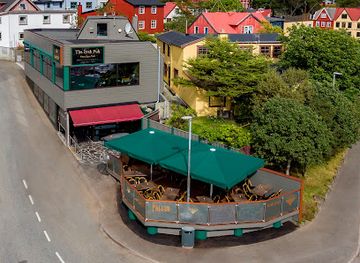
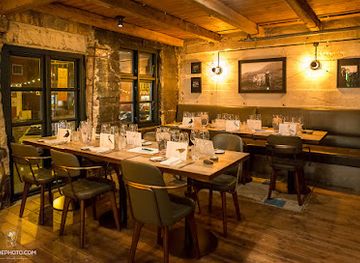
Irish pub
Irish Pub Torshavn
Discover the charm of Irish Pub Torshavn, where authentic Irish cuisine meets Faroese hospitality in a vibrant atmosphere.
-
Scandinavian
Katrina Christiansen
Experience the essence of Scandinavian cuisine at Katrina Christiansen, where fresh Faroese ingredients meet culinary excellence in Tórshavn.
-
Restaurant
Angus Steakhouse
Indulge in premium steaks and a cozy atmosphere at Angus Steakhouse in Tórshavn, the heart of the Faroe Islands.
-
Restaurant
THE TARV Grillhouse
Experience the best of Faroese cuisine at The TARV Grillhouse, where local ingredients meet culinary excellence in Tórshavn.


Best nightclubs in Skúvoy
Skúvoy has no established nightclub district and very little commercial nightlife. Evenings are generally quiet, centred on private homes, local community life or arrangements connected with accommodation rather than on public bars and late venues. Visitors should not expect the pub culture found in larger Faroese settlements, nor should alcohol be treated as a necessary part of the island experience. The most rewarding evening activities are likely to be a short walk in suitable conditions, observing the changing light over the southern islands, or spending time indoors after the ferry journey. Because weather and transport can alter plans, bring reading material, food and warm clothing, and arrange any hospitality in advance. For a broader choice of cafés, pubs and cultural venues, visitors need to travel off Skúvoy to larger communities elsewhere in the Faroe Islands.
-
Irish pub
Irish Pub Torshavn
Discover the heart of Tórshavn at Irish Pub Torshavn, where traditional Irish charm meets Faroese flavor in a lively atmosphere.
-
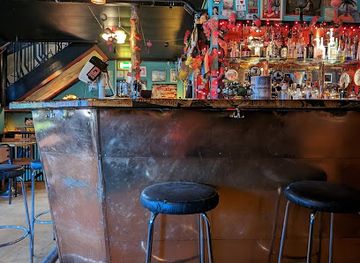
Bar
Sirkus Bar
Experience the vibrant nightlife of Tórshavn at Sirkus Bar, where friendly faces and delicious drinks await in the heart of the Faroe Islands.
-
Bar
Glitnir
Discover the vibrant nightlife of Tórshavn at Glitnir, the must-visit bar for a taste of local culture and reasonably priced drinks.
-
Bar
Blábar
Discover the vibrant nightlife of Tórshavn at Blábar, where local charm meets cozy atmosphere and delightful drinks.

Best shops in Skúvoy
Shopping on Skúvoy is extremely limited, with no substantial high street, shopping centre or craft district. Visitors should obtain groceries, fuel and specialist outdoor equipment before crossing from Sandoy or elsewhere in the Faroe Islands. The island's most meaningful purchases, when locally available, are likely to be small-scale products connected with Faroese food, wool or handicraft, but availability varies and should not be presumed. Do not expect regular markets or a broad choice of souvenirs. Sandur on neighbouring Sandoy provides the nearest practical services associated with the ferry journey, while larger Faroese settlements offer considerably more shopping, including woollen goods, design products, books and packaged local foods. On Skúvoy, the appropriate approach is to buy directly and respectfully when a resident or local host offers something for sale, and to avoid removing stones, feathers or other material from the landscape as souvenirs.
-
Gift shop
H. N. Jacobsens Bókahandil
Explore the enchanting world of H. N. Jacobsens Bókahandil in Tórshavn, where books, gifts, and local treasures await every curious traveler.
-
Knit shop
Navia (yarn)
Discover Navia, the charming knit shop in Toftir, Faroe Islands, where local craftsmanship meets vibrant yarns and warm hospitality.
-
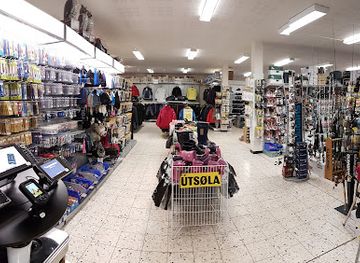
Outdoor sports store
P/F Jógvan Weihe
Discover adventure gear at P/F Jógvan Weihe, an outdoor sports store in Tórshavn, perfect for exploring the stunning landscapes of the Faroe Islands.
-
Supermarket
Á Landavegur
Discover the rich flavors of the Faroe Islands at Á Landavegur, your local supermarket in Tórshavn offering a blend of local and international products.



Get your free copy of our complete guide to Skúvoy, delivered straight to you.
Everything on this page, from attractions and restaurants to essentials and local phrases, in one PDF you can read offline, print or share.
Already have an account? Sign in
Your Skúvoy guide is ready.
We'll send it to · Not you? Sign out

Getting your guide ready…
We are putting together a fresh copy of the Skúvoy guide. This can take up to a minute.
This can take a few moments. If your browser asks, choose Allow so the download can start. You'll find the guide in your Downloads folder.
Nothing happened? Download it again
Sorry, the guide is taking longer than usual. Please try again in a minute, or get it by email instead.
Skúvoy essentials
Currency and Payment
Safety
Emergency Situations
Do's and Don'ts
Local Tips
From Eve
Local phrases worth knowing
You don't need to get them perfect. A few words go a long way, and locals appreciate the effort.
Basics
| English | Local | Say it |
|---|---|---|
| Hello | Halló | [hɑːloʊ] |
| Goodbye | Farvæl | [fɑːrvæl] |
| Yes | Ja | [jɑ] |
| No | Nei | [neɪ] |
| Please/You're welcome | Vinaliga | [viːnɑlɪgɑ] |
| Thank you | Takk fyri | [tɑk fɪrɪ] |
| Excuse me/Sorry | Ursakandi | [ʊrˈsɑkɑndɪ] |
| How are you? | Hvussu hevur tú? | [hʊsʊ hɛvʊr tʊ] |
| Fine. And you? | Bara væl. Og tú? | [bɑrɑ væl. ɔg tʊ] |
| Do you speak English? | Talar tú enskt? | [tɑlɑr tʊ ɛnʃt] |
| I don't understand | Eg skilji ikki | [ɛg ˈskɪljɪ ˈɪkɪ] |
Eating & Drinking
| English | Local | Say it |
|---|---|---|
| I'd like to see the menu, please | Eg vil gita matseðilin, vinarliga | [ɛg vɪl ˈɡɪtɑ mɑtsɛðɪlɪn, vɪnɑrlɪgɑ] |
| I don't eat meat | Eg etti ikki kjøt | [ɛg ˈɛtɪ ˈɪkɪ ˈkjøt] |
| Cheers! | Skál! | [skɑːl] |
| I would like to pay, please | Eg vil gjalda, vinarliga | [ɛg vɪl ˈjaldɑ, vɪnɑrlɪgɑ] |
Emergencies
| English | Local | Say it |
|---|---|---|
| Help! | Hjálp! | [jɑʊlp] |
| Go away! | Far burtur! | [fɑr ˈbʊrtʊr] |
| Call the Police! | Kalla Politið! | [ˈkɑlɑ pɔlɪtɪð] |
| Call a doctor! | Kalla ein lækna! | [ˈkɑlɑ eɪn ˈlɛkna] |
| I'm lost | Eg eri misfarin | [ɛg ˈɛrɪ ˈmɪsfɑrɪn] |
| I'm ill | Eg eri sjúkur | [ɛg ˈɛrɪ ˈʃuːkʊr] |
Shopping
| English | Local | Say it |
|---|---|---|
| I'd like to buy... | Eg vil keypa... | [ɛg vɪl ˈkeɪpɑ] |
| I'm just looking | Eg eri bara at leita | [ɛg ˈɛrɪ ˈbɑrɑ æt ˈleɪtɑ] |
| How much is it? | Hvussu nógv kostar tað? | [hʊsʊ nɔɪk ˈkɔstɑr tɑð] |
| That's too expensive | Tað er ov dýrt | [tɑð ɛr oʊv dyːrt] |
| Can you lower the price? | Kann tú lækka prísin? | [kɑn tʊ ˈlɛkɑ ˈpriːsɪn] |
Time & Numbers
| English | Local | Say it |
|---|---|---|
| What time is it? | Hvat tíð er tað? | [hʊt tiːð ɛr tɑð] |
| It's one o'clock | Klokkan er eitt | [ˈklɔkɑn ɛr eɪt] |
| Half past (10) | Halv (10) | [hɑlv (10)] |
| Morning | Morgun | [ˈmɔrɡʊn] |
| Afternoon | Eftirmiddag | [ˈɛftɪrˌmɪðɡɑ] |
| Evening | Kvøttur | [ˈkvʊtʊr] |
| Yesterday | Í gjár | [i ˈjɑːr] |
| Today | Í dag | [i dɑg] |
| Tomorrow | Í morgin | [i ˈmɔrɡɪn] |
| 1 | 1 | [1] |
| 2 | 2 | [2] |
| 3 | 3 | [3] |
| 4 | 4 | [4] |
| 5 | 5 | [5] |
| 6 | 6 | [6] |
| 7 | 7 | [7] |
| 8 | 8 | [8] |
| 9 | 9 | [9] |
| 10 | 10 | [10] |
Transport & Directions
| English | Local | Say it |
|---|---|---|
| Where's a/the...? | Hvar er ein/tey...? | [hʊr ɛr eɪn/teɪ...] |
| What's the address? | Hvat er adressan? | [hʊt ɛr ɑˈdrɛsɑn] |
| Can you show me (on the map)? | Kann tú vísa mær (á kortinum)? | [kɑn tʊ ˈviːsɑ mɛr (ɔ kɔrtɪnʊm)] |
| When's the next (bus)? | Nær kemur næsti (bussur)? | [nɛr ˈkɛmʊr ˈnaɪstɪ (ˈbʊsʊr)] |
| A ticket (to ....) | Ein billett (til ...) | [eɪn bɪˈlɛt (tɪl ...)] |
History of Skúvoy
Early Norse Settlement
Skúvoy was settled during the Norse period, when Viking communities established farms and maritime networks across the Faroe Islands. The island's pasture, bird cliffs and access to surrounding fishing grounds supported a small but durable population. Its settlement pattern was shaped by the limited flat land available beside steep slopes, while the sea connected residents to neighbouring islands. Archaeological traces and place-names contribute to the wider evidence for Norse occupation in the southern Faroes, although Skúvoy's historical importance is especially strongly preserved through literary tradition.
Sigmundur Brestisson and the Føroyinga Saga
Skúvoy is closely associated with Sigmundur Brestisson, a prominent chieftain described in the medieval Føroyinga saga, or Saga of the Faroe Islanders. Born in the late tenth century, Sigmundur became an important supporter of Christianity and of Norwegian royal authority in the Faroes. The saga recounts conflict between him and Tróndur í Gøtu, reflecting the political rivalries of the islands during the conversion period. Local tradition places Sigmundur's burial at Skúvoy, making the island one of the most resonant historical settings in Faroese literature.
Christianity and the Parish Church
The conversion of the Faroes to Christianity around the turn of the eleventh century gradually changed religious life on Skúvoy, replacing older Norse beliefs with parish-based worship. The island's church tradition is connected in local memory with Sigmundur Brestisson and the early Christian period. The present church in the village is a comparatively modern building, but its setting and churchyard preserve older associations. As elsewhere in the Faroes, religious buildings served not only worshippers but also as visible centres of community life in an isolated settlement.
Farming, Bird Harvesting and Island Life
For centuries, Skúvoy's economy combined sheep farming, small-scale agriculture, fishing and the use of coastal resources. Seabirds and their eggs were historically important seasonal resources in the Faroes, especially on islands with substantial cliffs, although such practices were governed by local knowledge and difficult working conditions. Farming required careful management of scarce grassland and shelter, while boats connected the community with larger settlements. These patterns produced the close relationship between village, pasture and sea that remains evident in the landscape.
Modern Connectivity and Population Change
Improved ferries, roads and telecommunications have connected Skúvoy more closely with the rest of the Faroe Islands, but the island remains one of the archipelago's smaller communities. Like many remote Faroese settlements, it has experienced population pressure as education and employment have concentrated in larger towns. The modern island is therefore both inhabited community and heritage landscape: traditional houses, working pasture and local history continue alongside a small resident population and carefully planned visitor access.
Skúvoy in Contemporary Faroese Culture
Today, Skúvoy's cultural significance rests on the combination of saga tradition, dramatic geography and living island identity. Sigmundur Brestisson's story remains part of the wider national narrative, while the island's name, birdlife and churchyard connect historical memory with the natural environment. Visitors encounter a place that is not an open-air museum but a functioning rural community. Its contemporary character is shaped by the practical realities of ferry dependence, weather and maintaining local life in a remote setting.
Skúvoy in Photos
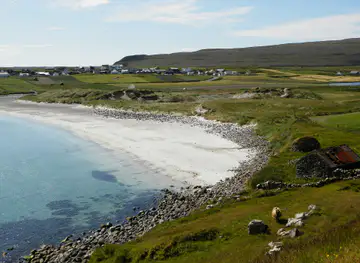
Browse through our photo collection highlighting the charm and character of the destination.
Neighbouring regions of Skúvoy
The closest regions to Skúvoy, if you have time for more than one.
-
-
-
-
-


Swipe for more regions
Explore more
Explore more of Faroe Islands
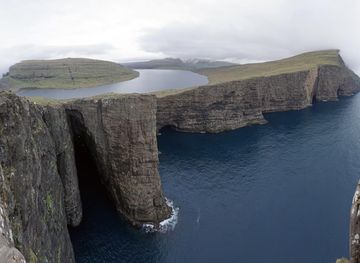
Discover the Faroe Islands: A land of rugged beauty, rich history, and tranquil villages, perfect for nature lovers and adventurers seeking an off-the-beaten-path destination.
Explore Faroe Islands