

Repovesi National Park, Finland Travel Guide
Discover the untouched beauty of Repovesi National Park in Finland, where rugged cliffs, serene lakes, and dense forests create the perfect adventure and relaxation spot.
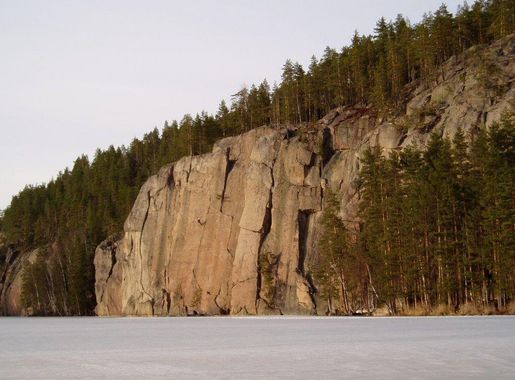
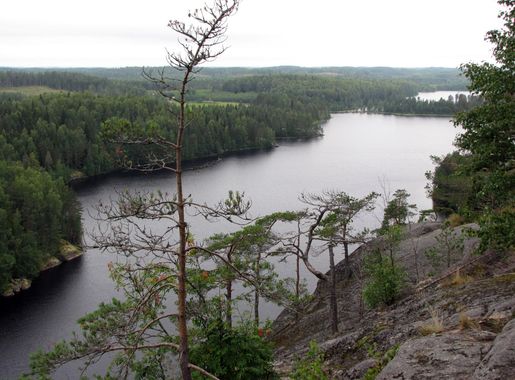
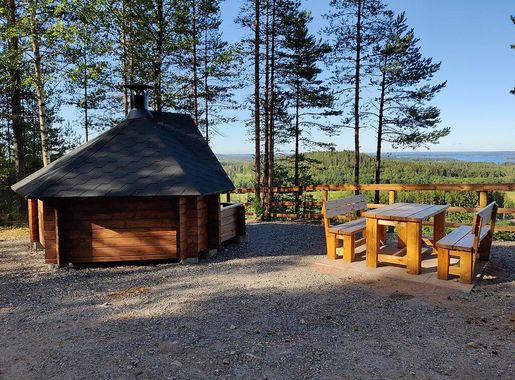
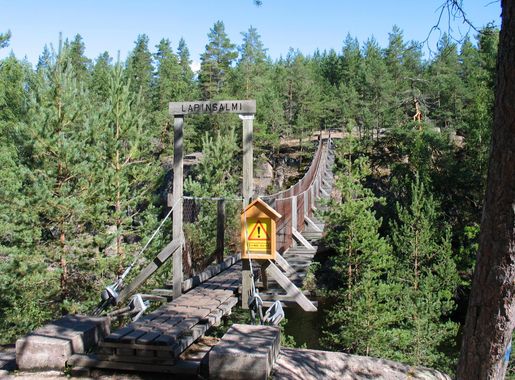
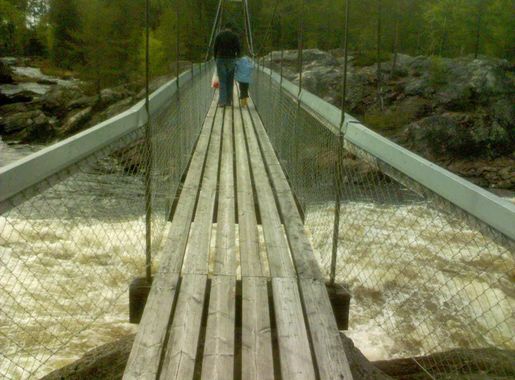
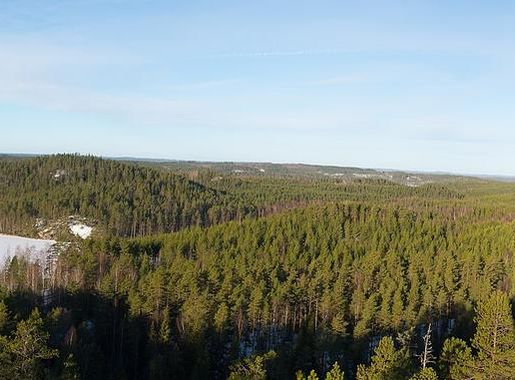
Repovesi National Park, located in the southeastern part of Finland, is a paradise for nature enthusiasts and adventure seekers. The park is known for its stunning landscapes, including rugged cliffs, serene lakes, and dense forests. Visitors can explore over 40 kilometers of marked trails, offering a range of hiking experiences from easy walks to challenging treks. One of the park’s highlights is the Olhavanvuori rock, a popular spot for rock climbing and offering panoramic views of the surrounding wilderness. The park is also home to the Lapinsalmi suspension bridge, which provides a thrilling crossing over a deep gorge. For those who enjoy water activities, the park’s numerous lakes and waterways are perfect for canoeing and kayaking. Wildlife enthusiasts will be delighted to find a variety of animals, including moose, deer, and numerous bird species. The park’s diverse flora and fauna make it a great spot for photography and nature observation. Repovesi is also rich in cultural history, with several ancient rock paintings and historic logging sites to explore. Whether you’re looking for a peaceful retreat or an adventurous outing, Repovesi National Park offers something for everyone. The park’s well-maintained facilities, including camping areas and picnic spots, make it an ideal destination for both day trips and longer stays.

Know before you go
Hi, I'm Eve. Here are a few practical things to know before exploring Repovesi National Park.
- Pack sturdy hiking boots as the trails can be rugged and uneven.
- Bring insect repellent, especially during the summer months, to keep mosquitoes at bay.
- Check weather conditions before your visit, as the park’s terrain can be challenging in wet conditions.
- Carry a map of the park; mobile signal can be weak in some areas.
- Consider renting a canoe to explore the park’s beautiful lakes and waterways.
Explore Repovesi National Park: Things to Do, Places to Eat, Hotels & More
Handpicked recommendations for top attractions, local dining, accommodations, and more

Best attractions in Repovesi National Park
Top-rated picks
Best Attractions

Kuutinkanava, restored logging waterchannel
Experience the enchanting beauty of Kuutinkanava, a restored logging water channel and wildlife refuge in Kouvola, Finland, perfect for nature enthusiasts.

Valkjärvi booking camping area
Explore the natural wonders of Valkjärvi Booking Camping Area in Kouvola, Finland, a perfect retreat for nature lovers and adventure seekers.

Aarnikotka Nature Reserve
Discover the serene Aarnikotka Nature Reserve in Kouvola, Finland, with its stunning landscapes, diverse wildlife, and peaceful trails for nature lovers.

National park
Explore the stunning landscapes, hiking trails, and serene lakes of Repovesi National Park, a natural paradise near Kouvola, Finland.

Best landmarks in Repovesi National Park
Top-rated picks
Best Landmarks
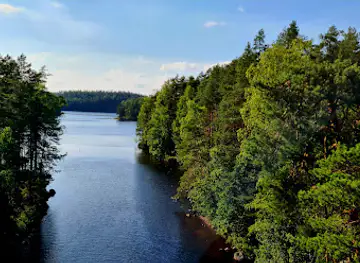
Lapinsalmi bridge
Experience the breathtaking views and serene beauty of Lapinsalmi Bridge in Repovesi National Park, a must-visit destination for nature lovers in Finland.
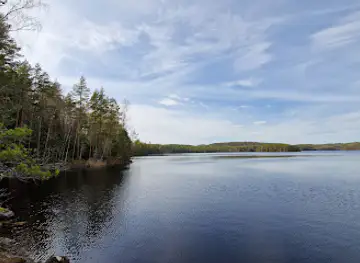
Repovesi nationalpark, Tervajärvi parking lot
Discover the natural wonders of Repovesi National Park, where stunning landscapes and outdoor adventures await in the Finnish wilderness.

Määkijä
Experience the tranquility of Määkiä, a serene campground in Kouvola, Finland, perfect for nature lovers and outdoor enthusiasts seeking relaxation.

Repovesi
Discover the serene landscapes of Repovesi National Park in Kouvola, Finland – a perfect getaway for nature lovers and outdoor adventurers.

Best restaurants in Repovesi National Park


Best shops in Repovesi National Park
Top-rated picks
Best Shops

Repovesi National Park
Experience the serene beauty of Repovesi National Park, a Finnish paradise for hiking, nature photography, and outdoor adventures.

Repovesi nationalpark, Tervajärvi parking lot
Discover the breathtaking landscapes and rich wildlife of Repovesi National Park, a must-visit destination for nature lovers and outdoor adventurers in Finland.

Määkijä
Escape to Määkijä Campground: A Serene Outdoor Retreat in Kouvola, Surrounded by Nature's Beauty.

Mustalampivuori view tower
Explore the stunning landscapes of Kouvola from the Mustalampivuori View Tower, where breathtaking panoramic views await every visitor.

Explore Repovesi National Park on the Map
A handpicked selection of must-see spots in Repovesi National Park, mapped for you.
Repovesi National Park Essentials
-
Repovesi National Park is located in southeastern Finland, approximately 175 kilometers northeast of Helsinki. The nearest town is Kouvola, which is well-connected by train from Helsinki. From Kouvola, you can take a bus to the park's entrances, such as the Lapinsalmi or Tervajärvi entrance. Alternatively, you can drive directly to the park, which takes around 2.5 hours from Helsinki.
-
Within Repovesi National Park, the primary modes of transportation are hiking, cycling, and canoeing. The park has numerous well-marked trails suitable for different fitness levels. Bicycles are allowed on designated routes, and canoe rentals are available for exploring the park's lakes and waterways. If you're driving, parking is available at the main entrances. There are no public transportation options within the park itself, so plan to be self-sufficient.
-
The official currency in Finland is the Euro (EUR). Credit and debit cards are widely accepted in Finland, including at most shops and restaurants in nearby towns. However, it's advisable to carry some cash for smaller purchases and at locations where card payments might not be possible. ATMs are available in Kouvola and other nearby towns, but not within the park.
-
Repovesi National Park is generally considered safe for tourists. There are no specific high-crime areas targeting tourists. However, it is always wise to take standard precautions such as keeping an eye on your belongings and avoiding leaving valuables unattended. Be mindful of natural hazards like uneven terrain, slippery rocks near water, and wild animals. Always follow park guidelines and stay on marked trails.
-
In case of emergency, dial 112 for immediate assistance. This number connects you to emergency services including police, fire, and medical assistance. Mobile phone coverage can be spotty in some parts of the park, so it's advisable to inform someone of your plans before setting out. Basic first aid supplies should be carried with you, and familiarize yourself with the locations of emergency shelters and the park's map.
-
Fashion: Do wear comfortable, weather-appropriate clothing and sturdy hiking boots. Layers are recommended due to changing weather conditions. Religion: Finland is a secular country, but do show respect if visiting any nearby religious sites. Public Transport: Do plan your transportation in advance, as there are no public transport options within the park. Greetings: Do greet people with a simple 'Hei' (Hello) or 'Moi' (Hi). Finns appreciate a friendly greeting but respect personal space. Eating & Drinking: Do try local Finnish foods if you get the chance. Carry out all waste, and never leave trash in the park.
-
To experience Repovesi National Park like a local, consider visiting during the off-peak seasons of spring and autumn when the park is less crowded and the scenery is particularly beautiful. Engage with the local culture by trying traditional Finnish sauna experiences available near the park. Download the park's map and use the ReittiGPS app for navigation. Don't miss the iconic suspension bridge at Lapinsalmi and the breathtaking views from the Olhavanvuori cliff.
When is the best time to visit Repovesi National Park?
Useful Local Phrases for Repovesi National Park
You don't need to speak the language perfectly. Even learning a few simple words can make conversations warmer—and locals usually appreciate the effort.
— Eve

Here are the phrases I use most often in Repovesi National Park. Try a few—you'll be surprised how far they go! 😊
❤️
-
- HelloMoi
[Moi] - GoodbyeNäkemiin
[Nakemiin] - YesKyllä
[Kulla] - NoEi
[Ay] - Please/You're welcomeOle hyvä
[Ole huva] - Thank youKiitos
[Kee-tos] - Excuse me/SorryAnteeksi
[An-tee-ksee] - How are you?Miten voit?
[Mee-ten voyt] - Fine. And you?Hyvin. Entä sinä?
[Hoo-vin. En-ta see-na] - Do you speak English?Puhutko englantia?
[Poo-hoot-ko eng-lan-tee-a] - I don't understandEn ymmärrä
[En ym-ma-rra]
- HelloMoi
-
- I'd like to see the menu, pleaseVoisin nähdä ruokalistan, kiitos
[Voy-sin nehdä roo-ka-lee-stan, kee-tos] - I don't eat meatEn syö lihaa
[En syo lee-haa] - Cheers!Kippis!
[Kip-pis] - I would like to pay, pleaseHaluaisin maksaa, kiitos
[Ha-lu-ai-sin maks-aa, kee-tos]
- I'd like to see the menu, pleaseVoisin nähdä ruokalistan, kiitos
-
- Help!Apua!
[A-pua] - Go away!Mene pois!
[Men-e pois] - Call the Police!Soita poliisille!
[Soy-ta poli-sil-le] - Call a doctor!Soita lääkärille!
[Soy-ta la-kar-il-le] - I'm lostOlen eksynyt
[O-len eksy-nut] - I'm illOlen sairas
[O-len sai-ras]
- Help!Apua!
-
- I'd like to buy...Haluan ostaa...
[Ha-lu-an os-taa] - I'm just lookingKatson vain
[Kat-son vain] - How much is it?Paljonko se maksaa?
[Pal-yon-ko se maks-aa] - That's too expensiveSe on liian kallis
[Se on lee-yan kal-lis] - Can you lower the price?Voitteko laskea hintaa?
[Voyt-te-ko las-kea hin-taa]
- I'd like to buy...Haluan ostaa...
-
- What time is it?Paljonko kello on?
[Pal-yon-ko kel-lo on] - It's one o'clockKello on yksi
[Kel-lo on yk-si] - Half past (10)Puoli (10)
[Pu-o-li (10)] - MorningAamu
[Aa-mu] - AfternoonIltapäivä
[Ilt-a-pai-va] - EveningIlta
[Il-ta] - YesterdayEilen
[Ei-len] - TodayTänään
[Ta-nan] - TomorrowHuomenna
[Huo-men-na] - 1Yksi
[Yk-si] - 2Kaksi
[Kak-si] - 3Kolme
[Kol-me] - 4Neljä
[Nel-ya] - 5Viisi
[Vii-si] - 6Kuusi
[Kuu-si] - 7Seitsemän
[Sait-se-man] - 8Kahdeksan
[Kah-dek-san] - 9Yhdeksän
[Yh-dek-san] - 10Kymmenen
[Kym-me-nen]
- What time is it?Paljonko kello on?
-
- Where's a/the...?Missä on...
[Mis-sa on] - What's the address?Mikä on osoite?
[Mi-ka on o-so-i-te] - Can you show me (on the map)?Voitteko näyttää minulle (kartalla)?
[Voyt-te-ko nayt-taa mi-nul-le (kar-tal-la)] - When's the next (bus)?Milloin on seuraava (bussi)?
[Mil-loin on seu-raa-va (bus-si)] - A ticket (to ....)Lippu (....)
[Lip-pu]
- Where's a/the...?Missä on...
History of Repovesi National Park
-
Repovesi National Park has a history of human activity dating back thousands of years. Archaeological findings indicate that ancient hunter-gatherer communities once inhabited this area. Stone artifacts and remnants of ancient dwellings have been discovered, offering a glimpse into the lives of the early inhabitants who relied on the rich natural resources of the region.
-
During the medieval period, the dense forests and abundant wildlife of Repovesi made it a popular hunting ground for Finnish nobility. The park's rugged terrain and numerous lakes provided an ideal setting for hunting expeditions, and it became a favored retreat for the aristocracy seeking game and adventure.
-
In the 19th and early 20th centuries, the Repovesi area witnessed significant industrial activity, particularly in logging. The vast forests were a vital resource for Finland's timber industry. Logging camps and transport routes were established throughout the region, and the remnants of old logging infrastructure can still be seen in the park today, serving as a reminder of this industrious era.
-
Repovesi National Park played a role in Finland's military history during the Winter War (1939-1940) and the Continuation War (1941-1944). The challenging terrain and dense forests provided a strategic advantage for Finnish forces. Trenches, bunkers, and other wartime relics can still be found in the park, offering a poignant connection to this turbulent period in Finnish history.
-
Repovesi National Park was officially established in 2003, following efforts to protect its unique natural landscapes and cultural heritage. The park's creation was driven by the need to conserve its diverse ecosystems, including pristine lakes, ancient forests, and rugged cliffs. Today, it stands as a testament to Finland's commitment to preserving its natural beauty and historical legacy for future generations.
-
Repovesi National Park is not only a natural treasure but also a cultural landmark. The park hosts various cultural events and activities, celebrating Finnish traditions and indigenous Sami culture. Visitors can experience traditional Finnish music, crafts, and folklore, deepening their understanding of the cultural heritage that is intertwined with the park's natural environment.
Neighbouring destination travel guides
Browse our curated selection of top destinations, scenic points, and must-visit spots in the area.


Your all‑in‑one travel companion app
Explore expert travel guides, compare and book tours, experiences, hotels, and more—all from the palm of your hand. Download now for seamless trip planning wherever your wanderlust takes you.


Explore More of Kymenlaakso
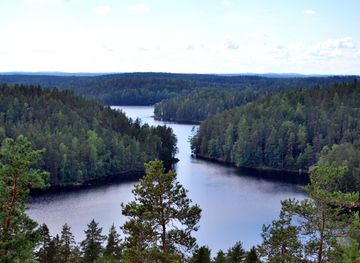
Looking beyond Repovesi National Park? Discover Kymenlaakso for broader travel guides, local hot-spots, and regional highlights.
Explore KymenlaaksoExplore More of Finland

Looking beyond Repovesi National Park? Discover Finland for broader travel guides, local hot-spots, and regional highlights.
Explore FinlandRepovesi National Park in Photos
Browse through our photo collection highlighting the charm and character of the destination.




Repovesi National Park: Finland's Pristine Wilderness
Repovesi National Park, located in the southeastern part of Finland, is a paradise for nature enthusiasts and adventure seekers. The park is known for its stunning landscapes, including rugged cliffs, serene lakes, and dense forests. Visitors can explore over 40 kilometers of marked trails, offering a range of hiking experiences from easy walks to challenging treks. One of the park’s highlights is the Olhavanvuori rock, a popular spot for rock climbing and offering panoramic views of the surrounding wilderness. The park is also home to the Lapinsalmi suspension bridge, which provides a thrilling crossing over a deep gorge. For those who enjoy water activities, the park’s numerous lakes and waterways are perfect for canoeing and kayaking. Wildlife enthusiasts will be delighted to find a variety of animals, including moose, deer, and numerous bird species. The park’s diverse flora and fauna make it a great spot for photography and nature observation. Repovesi is also rich in cultural history, with several ancient rock paintings and historic logging sites to explore. Whether you’re looking for a peaceful retreat or an adventurous outing, Repovesi National Park offers something for everyone. The park’s well-maintained facilities, including camping areas and picnic spots, make it an ideal destination for both day trips and longer stays.