

Lake Saimaa Travel Guide - Free Web & App
Your ultimate guide to Lake Saimaa. Discover top landmarks, proposed trips, and local tips. Free on the web or via the Evendo companion app.


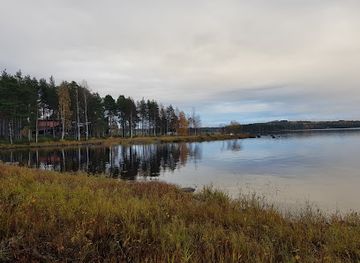
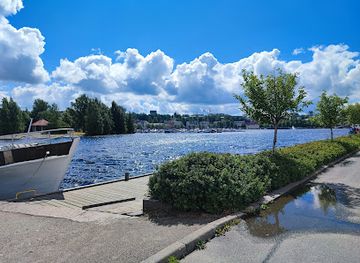
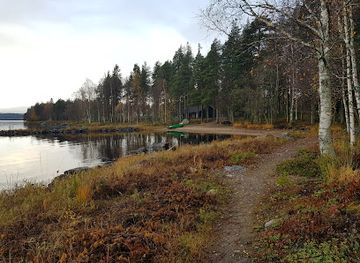
Lake Saimaa, Finland’s largest lake, offers island-dotted waterways, canoeing, wildlife, historic towns and peaceful shoreline escapes across eastern Finland.
A Vast Inland Waterway
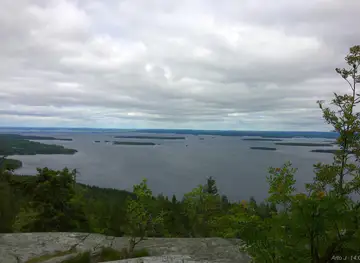
Lake Saimaa is Finland’s largest lake, an intricate freshwater system spread across eastern Finland rather than a single, easily defined sheet of water. Bays, narrow channels, wooded islands and open expanses connect settlements from Lappeenranta and Imatra in the south-east to Savonlinna, Puumala and the northern Saimaa shoreline. The landscape was shaped by glacial movement, leaving rocky shores, forested hills and waterways that invite exploration by boat, canoe, bicycle and car.Read more about Lake Saimaa
Wildlife, Islands and Shoreline Life
History and Regional Character
When is the best time to visit Lake Saimaa?
Best: June–August · 19–23°C| Month | High (°C) | Rainfall (mm) |
|---|---|---|
| January | -2 | 28 |
| February | -2 | 23 |
| March | 0 | 22 |
| April | 6 | 22 |
| May | 13 | 32 |
| June (best) | 19 | 54 |
| July (best) | 23 | 66 |
| August (best) | 21 | 58 |
| September | 15 | 41 |
| October | 8 | 41 |
| November | 3 | 36 |
| December | -1 | 34 |
Getting to and around Lake Saimaa
How to get there
Best attractions in Lake Saimaa
Lake Saimaa’s attractions are spread across a broad network of basins, islands and shoreline towns. Savonlinna combines the medieval Olavinlinna castle with lake cruises and access towards the Linnansaari archipelago, where forested islands and narrow waterways define the scenery. Kolovesi National Park is known for its deeply indented lake landscape and is especially suited to exploring by canoe or boat, subject to local conditions and regulations. Around Puumala, winding roads, ferries and viewpoints reveal the character of the southern Saimaa archipelago, while Lappeenranta and Imatra provide urban gateways to the Saimaa Canal and nearby shorelines. The Punkaharju ridge, celebrated for its forested route between lakes, lies within the wider Saimaa lake district and can be combined with a broader regional itinerary. Across the area, birdlife, exposed rock, quiet coves and traditional lakeside settlements provide the main visual and recreational appeal.
-
Tourist attraction
Parikkala Sculpture Park
Discover a world of quirky art in a Finnish garden, featuring hundreds of concrete sculptures by self-taught artist Veijo Rönkkönen.
-
War museum
Infantry Museum
Explore Finnish military history from the 18th century to modern day in Mikkeli's well-preserved wooden barracks.
-
Historical landmark
Astuvansalmi rock paintings
Discover ancient Nordic rock art at Astuvansalmi, Mikkeli: Finland's prehistoric treasure on the shores of Lake Saimaa. Explore art dating back 6000 years!
-
National forest
Kruununpuisto
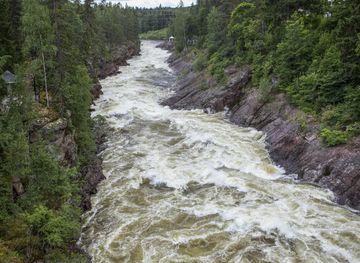
Explore Finland's oldest nature reserve in Imatra, where history and stunning landscapes meet along the majestic Imatrankoski rapids.
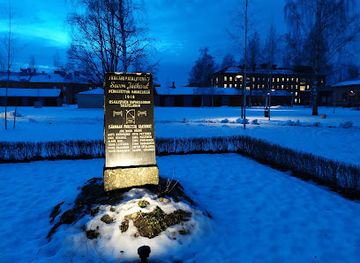

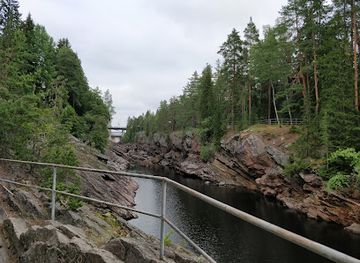
Best landmarks in Lake Saimaa
Olavinlinna is Lake Saimaa’s outstanding built landmark, a fifteenth-century castle occupying a rocky island at Savonlinna and illustrating the strategic importance of the lake’s waterways. The Saimaa Canal is another defining work of regional infrastructure, carrying water traffic between the lake system and the Gulf of Finland through a route that has been developed and reconstructed over time. Among the natural landmarks, the labyrinthine channels and forested islands of Linnansaari and Kolovesi express the lake’s glacially shaped character, while the Puumala archipelago shows how open water, narrow passages and rocky shores form a single connected landscape. The Saimaa ringed seal gives the lake an additional ecological significance, linking its identity to a species found nowhere else and making the protection of shoreline and ice habitats an important part of the region’s heritage.
-
National reserve
Imatra Rapids
Experience the stunning beauty and tranquility of Imatra Rapids, a breathtaking national reserve in Finland, perfect for nature lovers and adventure seekers.
-
Tourist attraction
Sandcastle Lappeenranta
Explore the magical Sandcastle Lappeenranta, a stunning tourist attraction filled with intricate sand sculptures and fun for the entire family.
-
Tourist attraction
Parikkala Sculpture Park
Discover the enchanting Parikkala Sculpture Park, where art meets nature in a stunning outdoor gallery of unique sculptures.
-
Restaurant
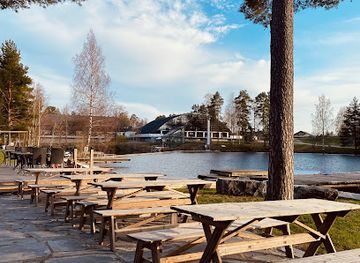
Vuoksen Fishing Park
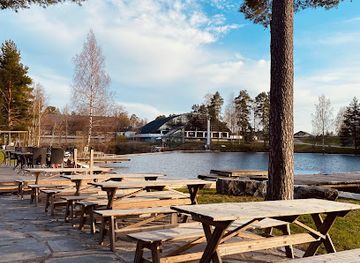
Explore the serene beauty of Vuoksen Fishing Park, where fishing, camping, and relaxation come together in the heart of Imatra, Finland.
Explore Lake Saimaa on the map
Plan your trip on one map. See where the top attractions, landmarks, restaurants and hotels are, and book hotels and experiences in a few clicks.
Best hotels in Lake Saimaa
Best restaurants in Lake Saimaa
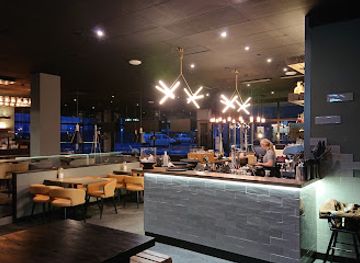
Dining around Lake Saimaa reflects Finnish lake-country traditions and the limited settlement pattern of the region. Savonlinna, Lappeenranta, Imatra, Puumala and other larger centres offer the broadest choice of restaurants, cafés, hotel dining rooms and seasonal waterside venues, while smaller villages may have only a few options. Vendace, known in Finnish as muikku, is a characteristic local fish often served fried, grilled or prepared in other regional ways; rye bread, potatoes, forest berries, mushrooms and freshwater fish also feature in the wider culinary culture. Farm shops and local producers can provide regional foods for self-catering, particularly useful for visitors staying in cottages or travelling into rural areas. Menus and opening patterns may be seasonal, so remote lake excursions should be planned with provisions when no dependable food outlet is nearby.
-
Restaurant
Restaurant Lalo
Discover culinary excellence at Restaurant Lalo in Lappeenranta—where local flavors meet international cuisine in an inviting atmosphere.
-
Restaurant
The Kitchen
Experience authentic Finnish cuisine at The Kitchen in Lappeenranta - where local flavors meet cozy dining.
-
Restaurant
Vuoksen Fishing Park
Discover tranquility at Vuoksen Fishing Park - a perfect blend of fishing adventures and cultural experiences amidst Finland's breathtaking nature.
-
Restaurant
Ravintola Wolkoff
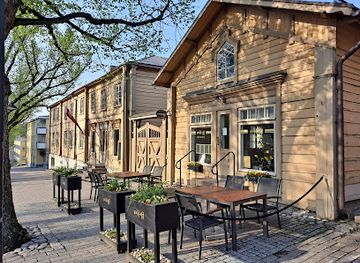
Experience the best of Finnish cuisine at Ravintola Wolkoff, where tradition meets modernity in every delicious dish.
Best bars in Lake Saimaa
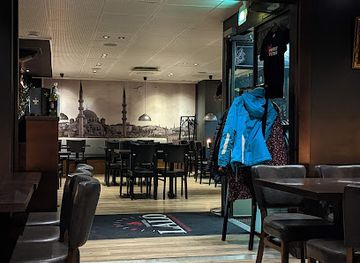
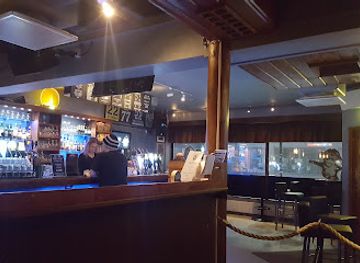
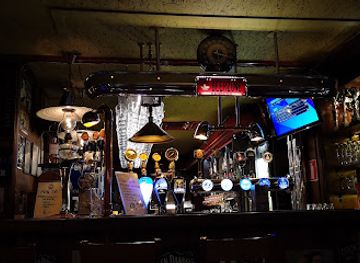
Evening entertainment around Lake Saimaa is generally calm and seasonal rather than centred on nightclubs. Savonlinna, Lappeenranta and Imatra have the widest selection of pubs, hotel bars and cultural venues, while smaller lakeside settlements tend to offer traditional pubs, restaurant bars and social spaces connected with local accommodation. Summer brings more activity around harbours, concert programming and lake cruises, although events and performances vary from year to year. In rural areas, the evening experience is more often a sauna, a meal, quiet time beside the water or a drink at a village inn than a late-night entertainment scene. Visitors staying on islands or in remote cottages should arrange transport in advance and should not expect regular public transport after evening services finish.
-
Bar
Osmo's Cosmos Bar
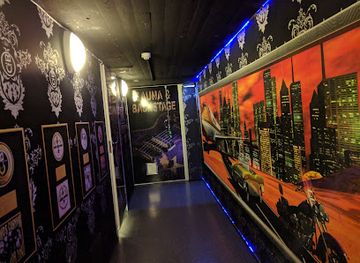
Discover the vibrant nightlife at Osmo's Cosmos Bar in Imatra, where great drinks and lively atmosphere come together for an unforgettable experience.
-
Pub
GI-Ki Oy
Experience the lively atmosphere of GI-Ki Oy, a charming pub in Lappeenranta, perfect for drinks, snacks, and unforgettable nights.
-
Bar
Pikku Pete Pub
Discover Pikku Pete Pub in Lappeenranta: a cozy bar with local flavors, friendly vibes, and a great selection of drinks for an unforgettable night out.
-
Pub
Totem Pub
Discover the heart of Lappeenranta's nightlife at Totem Pub, where friendly faces and local brews await your arrival.

Best nightclubs in Lake Saimaa
Evening entertainment around Lake Saimaa is generally calm and seasonal rather than centred on nightclubs. Savonlinna, Lappeenranta and Imatra have the widest selection of pubs, hotel bars and cultural venues, while smaller lakeside settlements tend to offer traditional pubs, restaurant bars and social spaces connected with local accommodation. Summer brings more activity around harbours, concert programming and lake cruises, although events and performances vary from year to year. In rural areas, the evening experience is more often a sauna, a meal, quiet time beside the water or a drink at a village inn than a late-night entertainment scene. Visitors staying on islands or in remote cottages should arrange transport in advance and should not expect regular public transport after evening services finish.
-
Aquatic centre
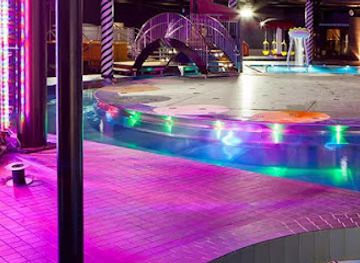
Holiday Club Saimaan Rauha
Discover the perfect blend of relaxation and adventure at Holiday Club Saimaan Rauha, an aquatic paradise in Lappeenranta, Finland.
-
Night club
Osmo's Cosmos Bar
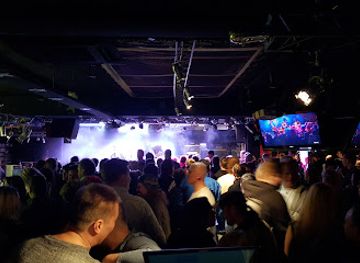
Discover the lively nightlife at Osmo's Cosmos Bar in Imatra, where cocktails, music, and great company come together for an unforgettable experience.
-
Night club
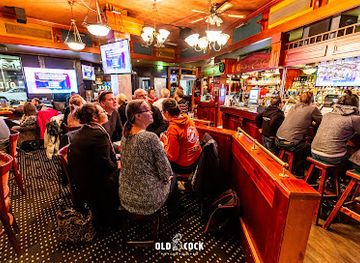
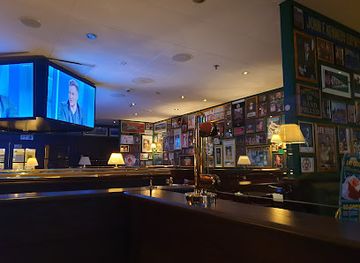
Old Cock
Discover the lively atmosphere of Old Cock – a unique night club in Lappeenranta blending music, drinks, and unforgettable experiences.
-
American
O'Learys Saimaa
Experience American cuisine at O'Learys Saimaa, a lively sports bar in Lappeenranta's Holiday Club, perfect for families and food lovers.
Best shops in Lake Saimaa
Shopping opportunities are concentrated in the larger shoreline towns and visitor centres rather than beside remote islands or national park trails. Savonlinna, Lappeenranta, Imatra, Puumala and Joensuu provide everyday shops, outdoor equipment, cafés and places to find regional food, while smaller villages may have only a general shop or seasonal service. Visitors commonly look for Finnish design, wool and textile goods, locally produced foods, berry products, preserves, rye-based specialities, wooden items and handmade crafts, though the exact selection varies by place and season. Market squares and summer events can bring producers and artisans together, particularly in the busier towns. Cottage travellers should buy provisions before heading to isolated accommodation, where shopping facilities may be limited and distances between settlements can be considerable.
-
Grocery store
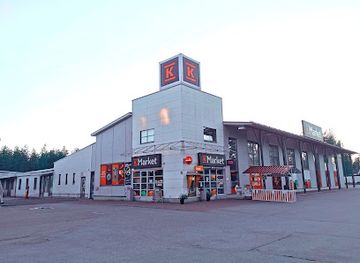
K-Market Niiva
Discover fresh produce and local delicacies at K-Market Niiva, your ultimate grocery stop in Saimaanharju, Finland.
-
Gift shop
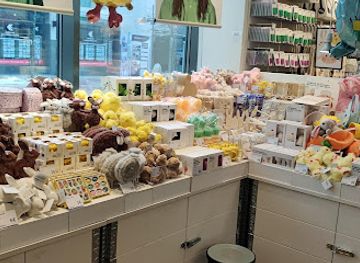
Flying Tiger Copenhagen
Explore a world of creativity and fun at Flying Tiger Copenhagen, where unique gifts and quirky home goods await your discovery in Lappeenranta.
-
Gift shop
Virkkukoukkunen
Discover genuine Finnish gifts and souvenirs at Virkkukoukkunen, a charming shop in Imatra showcasing local craftsmanship and style.
-
Home goods store
Helkkä Dreams
Explore Helkkä Dreams in Joutseno for unique home goods that celebrate Finnish craftsmanship and modern style.
Get your free copy of our complete guide to Lake Saimaa, delivered straight to you.
Everything on this page, from attractions and restaurants to essentials and local phrases, in one PDF you can read offline, print or share.
Already have an account? Sign in
Your Lake Saimaa guide is ready.
We'll send it to · Not you? Sign out

Getting your guide ready…
We are putting together a fresh copy of the Lake Saimaa guide. This can take up to a minute.
This can take a few moments. If your browser asks, choose Allow so the download can start. You'll find the guide in your Downloads folder.
Nothing happened? Download it again
Sorry, the guide is taking longer than usual. Please try again in a minute, or get it by email instead.
From Eve
Local phrases worth knowing
You don't need to get them perfect. A few words go a long way, and locals appreciate the effort.
Basics
| English | Local | Say it |
|---|---|---|
| Hello | Moi | [moy] |
| Goodbye | Näkemiin | [nah-keh-meen] |
| Yes | Kyllä | [kuu-laa] |
| No | Ei | [ay] |
| Please/You're welcome | Ole hyvä | [oh-le huu-vaa] |
| Thank you | Kiitos | [kee-tohs] |
| Excuse me/Sorry | Anteeksi | [ahn-tehk-see] |
| How are you? | Mitä kuuluu? | [mee-ta koo-loo] |
| Fine. And you? | Hyvää. Entä sinä? | [huu-vaa. en-taa see-naa] |
| Do you speak English? | Puhutko englantia? | [poo-hoot-koh eng-lan-tee-ah] |
| I don't understand | En ymmärrä | [ayn um-maar-ra] |
Eating & Drinking
| English | Local | Say it |
|---|---|---|
| I'd like to see the menu, please | Saisinko nähdä listan, kiitos | [sai-sin-koh nae-dae lees-tan, kee-tohs] |
| I don't eat meat | En syö lihaa | [ayn syu lee-haa] |
| Cheers! | Kippis! | [kip-pis] |
| I would like to pay, please | Haluaisin maksaa, kiitos | [ha-lu-ai-sin mak-saa, kee-tohs] |
Emergencies
| English | Local | Say it |
|---|---|---|
| Help! | Apua! | [ah-pua] |
| Go away! | Mene pois! | [meh-neh pois] |
| Call the Police! | Soita poliisille! | [soi-ta poh-lii-sil-le] |
| Call a doctor! | Soita lääkärille! | [soi-ta lae-kae-ri-lle] |
| I'm lost | Olen eksyksissä | [oh-len eks-uk-sis-sa] |
| I'm ill | Olen sairas | [oh-len sai-ras] |
Shopping
| English | Local | Say it |
|---|---|---|
| I'd like to buy... | Haluan ostaa... | [ha-lu-an os-taa] |
| I'm just looking | Katson vain | [kaat-son vain] |
| How much is it? | Paljonko se maksaa? | [pal-yon-koh se mak-saa] |
| That's too expensive | Se on liian kallis | [se on lee-ahn ka-llees] |
| Can you lower the price? | Voitko laskea hintaa? | [voyt-koh las-keh-a hin-taa] |
Time & Numbers
| English | Local | Say it |
|---|---|---|
| What time is it? | Mitä kello on? | [mee-ta kel-lo ohn] |
| It's one o'clock | Kello on yksi | [kel-lo ohn yk-see] |
| Half past (10) | Puoli (10) | [puo-lee (10)] |
| Morning | Aamu | [ah-mu] |
| Afternoon | Iltapäivä | [eel-ta-paei-vae] |
| Evening | Ilta | [eel-ta] |
| Yesterday | Eilen | [ei-len] |
| Today | Tänään | [ta-naen] |
| Tomorrow | Huomenna | [huo-men-na] |
| 1 | Yksi | [yk-see] |
| 2 | Kaksi | [kaak-see] |
| 3 | Kolme | [kol-meh] |
| 4 | Neljä | [nel-yae] |
| 5 | Viisi | [vee-see] |
| 6 | Kuusi | [kuu-see] |
| 7 | Seitsemän | [sait-se-maen] |
| 8 | Kahdeksan | [kah-dek-san] |
| 9 | Yhdeksän | [uh-dek-saen] |
| 10 | Kymmenen | [kuum-men-en] |
Transport & Directions
| English | Local | Say it |
|---|---|---|
| Where's a/the...? | Missä on...? | [mis-sae ohn] |
| What's the address? | Mikä on osoite? | [mik-ae ohn os-oi-te] |
| Can you show me (on the map)? | Voitko näyttää minulle (kartalla)? | [voyt-koh naeyt-tae-ae min-ul-le (kar-tal-la)] |
| When's the next (bus)? | Milloin seuraava (bussi)? | [mil-loin seu-raa-vaa (bus-si)] |
| A ticket (to ....) | Lippu (jonnekin) | [lip-pu (yon-ne-kin)] |
History of Lake Saimaa
A Landscape Shaped by Ice
Lake Saimaa’s complex form was created through glacial erosion and the later retreat of the Scandinavian ice sheet. Rocky islands, shallow channels, forested ridges and wider lake basins reflect this geological history. As land gradually rose after the ice age, waterways changed course and became connected in the pattern recognised today. The result is not one uniform lake but an extensive network of basins and passages, a physical structure that has influenced settlement, transport and local livelihoods for thousands of years.
Early Settlement and Waterborne Life
People have lived around the Saimaa waterways since prehistoric times, using forests, shores and abundant freshwater resources for fishing, hunting and travel. Later communities developed along navigable channels and natural landing places, while agriculture occupied suitable pockets of shoreline. Water was the region’s principal connector, allowing people and goods to move between settlements long before modern roads and railways. Fishing, especially for vendace and other lake species, remained an important part of local food culture and economic life.
Olavinlinna and the Eastern Frontier
The construction of Olavinlinna at Savonlinna began in 1475, when the castle formed part of Sweden’s eastern defensive system. Built on a rocky island in a narrow waterway, it controlled an important route through the lake district and became closely associated with the history of the Swedish and Russian borderlands. The surrounding town grew around this strategic position. Although the castle’s military importance changed over time, Olavinlinna survives as Lake Saimaa’s defining medieval monument and a major venue for cultural events.
Trade, Timber and the Saimaa Canal
From the nineteenth century, the Saimaa region became increasingly connected to wider commercial networks. Timber and other products travelled across the lake towards the coast, while improved roads, railways and steam navigation supported the growth of towns such as Lappeenranta and Savonlinna. The Saimaa Canal opened in 1856, linking the inland waterway with the Gulf of Finland and strengthening the relationship between the lake and the port of Vyborg. The canal has been rebuilt and enlarged during later periods, but its original purpose remains central to the region’s transport history.
Conservation and the Modern Lake District
Twentieth-century development brought pressure from forestry, transport, shoreline construction and changes in fishing practices, while the Saimaa ringed seal became an emblem of the lake’s environmental importance. Linnansaari and Kolovesi were established as national parks to protect representative island and shoreline habitats, and continuing conservation work focuses on the seal and its breeding environment. Today, tourism is closely linked to the lake’s natural character, with boating, paddling and nature travel conducted alongside efforts to protect sensitive waters, islands and wildlife.
Lake Saimaa in Photos
Browse through our photo collection highlighting the charm and character of the destination.
Neighbouring destination travel guides
The closest destinations to Lake Saimaa, if you have time for more than one.
-

-

-

-

-


Swipe for more destinations
Explore more
Explore more of South Karelia
Experience the magic of South Karelia, where Finland's largest lake meets rich cultural heritage and stunning natural landscapes.
Explore South Karelia
Explore more of Finland
Explore Finland, where the Midnight Sun meets the Northern Lights, offering a unique blend of natural beauty, rich culture, and unforgettable experiences.
Explore Finland