

Free Kymenlaakso Travel Guide & Mobile App
Explore Kymenlaakso with free travel guides. Discover regional history, expert tips, proposed trips, and audio guides on web or mobile app.


Explore Kymenlaakso in Finland for forest trails, Gulf Coast islands, river heritage, historic Hamina and the industrial legacy of Verla.
Read more about Kymenlaakso
When is the best time to visit Kymenlaakso?
Best: June–August · 21–24°C| Month | High (°C) | Rainfall (mm) |
|---|---|---|
| January | -2 | 50 |
| February | -2 | 40 |
| March | 3 | 40 |
| April | 9 | 40 |
| May | 17 | 50 |
| June (best) | 21 | 60 |
| July (best) | 24 | 70 |
| August (best) | 21 | 80 |
| September | 16 | 70 |
| October | 9 | 70 |
| November | 3 | 60 |
| December | -1 | 60 |
Getting to and around Kymenlaakso
How to get there
Transportation
Top city travel guides in Kymenlaakso
The cities of Kymenlaakso, and the easiest places to base yourself.

Swipe for more cities
Destinations in Kymenlaakso
Resorts, valleys and scenic spots worth a trip of their own.

Swipe for more destinations
Best attractions in Kymenlaakso
Kymenlaakso’s attractions bring together forest landscapes, industrial heritage, maritime culture and frontier history. Repovesi National Park near Kouvola is the region’s leading outdoor destination, with marked trails, lakes, cliffs, shelters and opportunities for canoeing and wildlife observation. The Verla Groundwood and Board Mill offers a more structured heritage experience, preserving a nineteenth-century mill village beside the rapids. In Kotka, the Maritime Centre Vellamo explores shipping, naval history and coastal life, while Langinkoski combines a historic imperial fishing lodge with riverside scenery. The city’s gardens and waterfront areas add accessible green spaces to the museum visits. Hamina is best explored through its star-shaped historic centre and fortress remains, while Miehikkälä and Virolahti provide museums and preserved positions connected with the Salpa Line. The coast also supports island excursions, birdwatching, fishing and kayaking, though many boat services are seasonal. Smaller towns, riverside paths and rural landscapes fill out the region’s attraction offering, making it suitable for combining cultural visits with walking, cycling and nature-based travel rather than treating it as a purely urban destination.
-
Amusement park
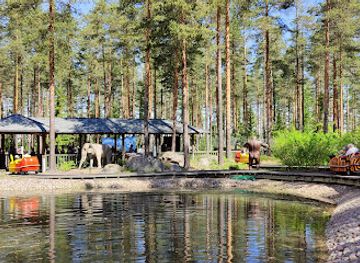
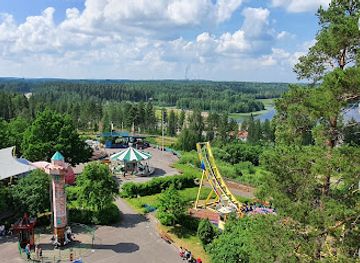
Tykkimäen huvipuisto
Experience the thrill of Tykkimäki Amusement Park in Kouvola, Finland - a family-friendly destination filled with rides, attractions, and delightful experiences.
-
Tourist attraction
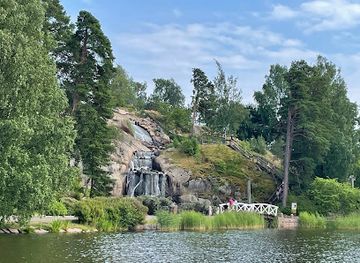
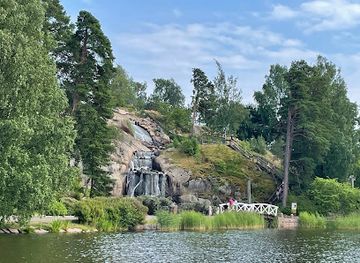
Sapokka Water Garden
Discover Kotka's award-winning Sapokka Water Garden: a stunning blend of nature, art, and tranquility by the sea.
-
Tourist attraction
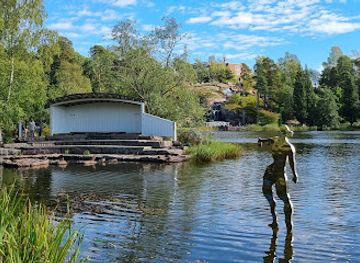
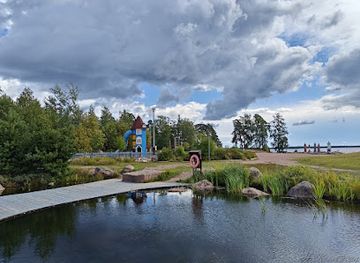
Katariina Seaside Park
Discover Kotka's Katariina Seaside Park: History, nature, and recreation blend seamlessly on this stunning coastal peninsula.
-
Museum
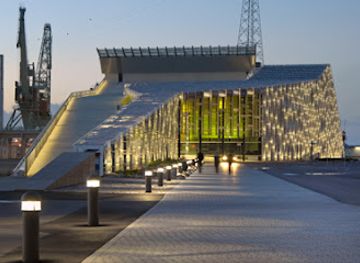
Maritime Centre Vellamo
Explore Finland's maritime history and culture at Maritime Centre Vellamo, an architectural marvel in Kotka's historic harbor.
Best landmarks in Kymenlaakso
The most recognisable landmark in Kymenlaakso is Hamina’s star-shaped town plan, whose radial streets, bastions and historic buildings reveal the city’s former role as a Swedish-Russian frontier fortress. At Verla, the preserved groundwood mill, drying house and workers’ village form an unusually complete industrial landscape and embody the region’s dependence on forests and waterpower. Kotka’s Langinkoski Imperial Fishing Lodge is a more intimate historical landmark, set beside rapids where the Russian imperial family came to fish in the nineteenth century. The Kymijoki itself is a defining geographical landmark, dividing into channels and shaping both settlement and industry before reaching the Gulf of Finland. In the east, concrete bunkers, trenches and obstacles of the Salpa Line mark the strategic landscape around Miehikkälä and Virolahti. Repovesi contributes a natural counterpart through its exposed cliffs, forested hills and lake views, while Kotka’s harbour and maritime waterfront express the modern port identity that grew from the timber-export economy.
-
Amusement park
Tykkimäen huvipuisto
Experience the joy of adventure at Tykkimäki Amusement Park in Kouvola, Finland, where thrilling rides meet beautiful natural surroundings for an unforgettable family day out.
-
Park
Sapokka Water Garden
Discover the enchanting Sapokka Water Garden in Kotka, Finland - a serene park filled with stunning water features, gardens, and art.
-
City park
Katariina Seaside Park
Explore the picturesque Katariina Seaside Park in Kotka, a blend of nature, recreation, and culture by the sea.
-
Museum
Maritime Centre Vellamo
Explore the fascinating world of Finland's maritime history at Maritime Centre Vellamo, where adventure and education meet in an unforgettable setting.
Explore Kymenlaakso on the map
Plan your trip on one map. See where the top cities, national parks and sights are, and book hotels and experiences in a few clicks.
Best hotels in Kymenlaakso
Best restaurants in Kymenlaakso
Dining in Kymenlaakso reflects both the Gulf of Finland and the forests of south-eastern Finland. Kotka and Hamina offer the widest choice of restaurants, cafés and waterfront dining, with fish and other maritime ingredients appearing alongside contemporary Finnish cooking. Inland, traditional cafés, market stalls and rural eateries are more likely to highlight rye bread, pastries, berries, mushrooms and locally sourced game or freshwater fish when in season. Finnish staples such as salmon soup, smoked fish and Karelian-style baking are available regionally, although they belong to broader Finnish food culture rather than Kymenlaakso alone. The area’s forestry and farming landscapes also support small-scale producers of preserves, honey, beverages and baked goods. Markets and seasonal food events are particularly useful for tasting regional produce, while independent cafés in Kouvola, Kotka and Hamina provide a practical introduction to Finnish coffee culture. Reservations are sensible for destination restaurants and summer coastal dining, since choice can be more limited outside the main towns.
-
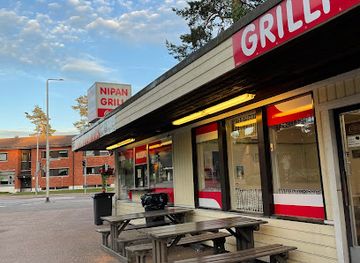
Grill
Nipan Grilli
Discover Nipan Grilli in Kouvola: A must-visit spot for authentic Finnish grill cuisine and warm hospitality.
-
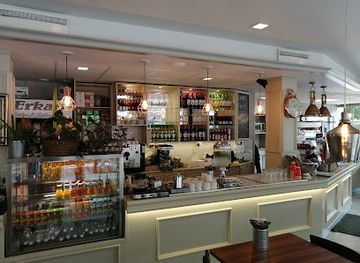
Turkish
Erkan Bistro & Restaurant
Experience authentic Turkish flavors at Erkan Bistro & Restaurant in Kotka – where tradition meets hospitality.
-
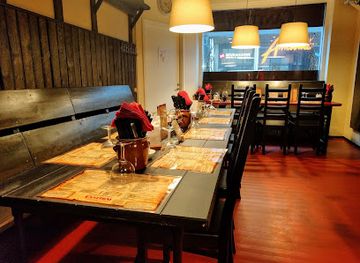
Restaurant
Canttiini
Discover authentic Finnish flavors at Canttiini in Kotka – where every meal is a celebration of local ingredients and culinary craftsmanship.
-
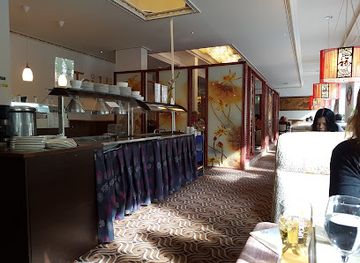
Asian
Tai Hing
Savor authentic Asian flavors at Tai Hing in Kotka - where culinary excellence meets warm hospitality.
Best bars in Kymenlaakso
Evening life in Kymenlaakso is concentrated in Kotka, Kouvola and Hamina, while smaller communities generally rely on pubs, hotel bars, restaurants and occasional live-music events. Kotka’s maritime centre and waterfront setting give its evenings a coastal character, with pubs and restaurants serving both local residents and visitors during the summer season. Kouvola has the broadest urban selection, including bars, cafés and venues associated with concerts or cultural programming. Hamina’s historic centre provides a quieter setting for evening meals and drinks. Outside these towns, traditional Finnish pubs and community venues are more relevant than large nightclubs, and distances between settlements make taxis or a designated driver important. Breweries and locally made drinks may appear on regional menus, but alcohol is not central to every evening experience: lakeside walks, cultural events, saunas and late summer daylight are equally characteristic ways to spend the night.
-
Bar
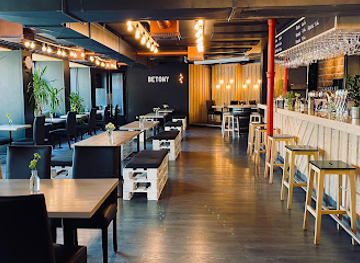
Gastropub Betony
Discover the flavors of Kouvola at Gastropub Betony, where gourmet dining meets a lively pub atmosphere for an unforgettable experience.
-
Pub
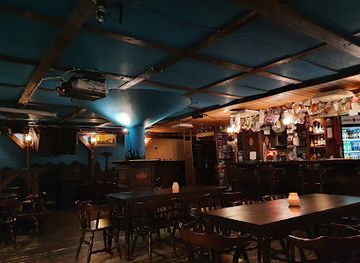
Sam's Pub Sami Lehtinen
Discover the vibrant atmosphere at Sam's Pub Kotka, a local favorite for drinks and good company in the heart of Finland.
-
Bar
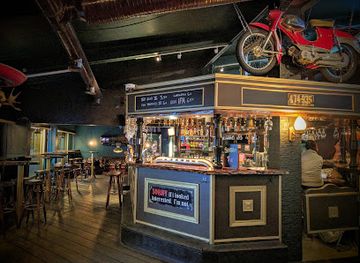
Jack-Up
Experience the vibrant nightlife at Jack-Up, a popular bar in Hamina offering a delightful selection of drinks and a welcoming atmosphere.
-
Pub
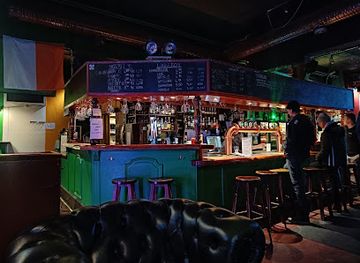
Pub Jaakko V
Discover the inviting atmosphere and delightful menu at Pub Jaakko V, a beloved pub in the heart of Kotka, Finland.
Best nightclubs in Kymenlaakso
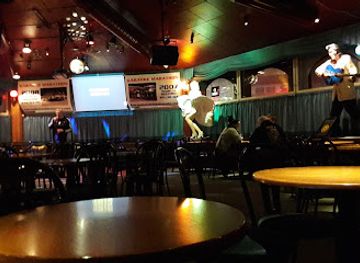
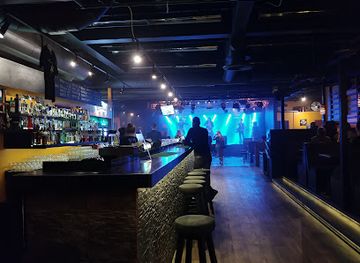
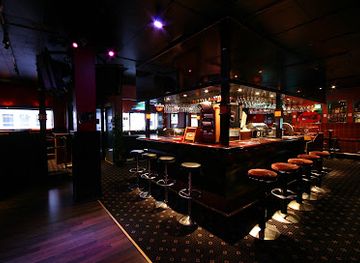
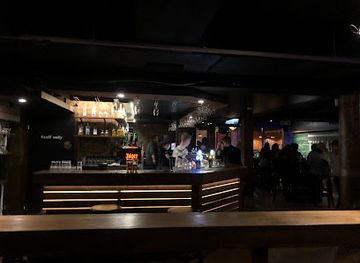
Evening life in Kymenlaakso is concentrated in Kotka, Kouvola and Hamina, while smaller communities generally rely on pubs, hotel bars, restaurants and occasional live-music events. Kotka’s maritime centre and waterfront setting give its evenings a coastal character, with pubs and restaurants serving both local residents and visitors during the summer season. Kouvola has the broadest urban selection, including bars, cafés and venues associated with concerts or cultural programming. Hamina’s historic centre provides a quieter setting for evening meals and drinks. Outside these towns, traditional Finnish pubs and community venues are more relevant than large nightclubs, and distances between settlements make taxis or a designated driver important. Breweries and locally made drinks may appear on regional menus, but alcohol is not central to every evening experience: lakeside walks, cultural events, saunas and late summer daylight are equally characteristic ways to spend the night.
-
Karaoke bar
Ravintola Pyöreä Torppa
Discover the lively karaoke scene at Ravintola Pyöreä Torppa in Kouvola, where great food meets unforgettable entertainment.
-
Rock music club
House of Rock Bar
Discover the heart of Kouvola's nightlife at House of Rock Bar, where rock music, delicious food, and unforgettable experiences await you.
-
Disco club
Pataässä Kotka
Experience the vibrant nightlife at Pataässä Kotka, a top disco club and karaoke bar in Kotka, Finland, where fun and music never stop.
-
Karaoke bar
Jolene Happy Bar
Experience the vibrant nightlife of Kouvola at Jolene Happy Bar, your go-to karaoke spot for fun, music, and great company.
Best shops in Kymenlaakso
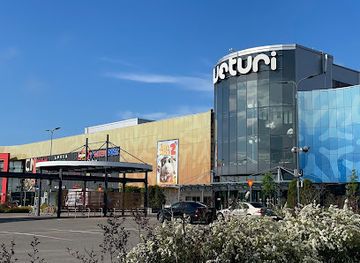
Shopping in Kymenlaakso is centred on ordinary Finnish town centres, independent businesses, markets and locally produced food rather than an extensive luxury-retail scene. Kouvola provides the broadest selection of everyday shops and services, while Kotka combines practical retail with maritime-themed products, galleries, cafés and independent businesses around its central and waterfront areas. Hamina’s historic centre is suited to browsing smaller shops, craft products, books and regional foods. Farmers’ markets and seasonal stalls are useful places to look for berries, jams, mushrooms, honey, rye baking and fish products, depending on the time of year. Museum shops at major heritage sites can offer books, design items and locally relevant souvenirs. Finnish ceramics, textiles, wood products and outdoor equipment make more durable purchases than generic memorabilia, while products connected with the sea, forests and industrial history provide a stronger sense of place. Rural shopping is limited and opening arrangements can vary, so stock up on essentials in the larger towns before heading to national-park or border landscapes.
-
Shopping mall
Shopping Center Veturi
Discover Shopping Center Veturi, a vibrant shopping hub in Kouvola, Finland, offering diverse shops, dining options, and a delightful shopping experience.
-
Fish store
Disas Fish
Experience the best of Finnish seafood at Disas Fish in Hamina, where quality meets tradition in a charming setting.
-
Shopping mall
Shopping Centre Pasaati
Experience shopping like never before at Shopping Centre Pasaati, where fashion meets flavor in the heart of Kotka.
-
Store
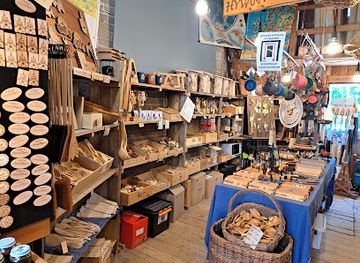
Verla mill museum
Experience the rich history of paper production at Verla Mill Museum, a UNESCO World Heritage site surrounded by breathtaking Finnish nature.
Get your free copy of our complete guide to Kymenlaakso, delivered straight to you.
Everything on this page, from attractions and restaurants to essentials and local phrases, in one PDF you can read offline, print or share.
Already have an account? Sign in
Your Kymenlaakso guide is ready.
We'll send it to · Not you? Sign out

Getting your guide ready…
We are putting together a fresh copy of the Kymenlaakso guide. This can take up to a minute.
This can take a few moments. If your browser asks, choose Allow so the download can start. You'll find the guide in your Downloads folder.
Nothing happened? Download it again
Sorry, the guide is taking longer than usual. Please try again in a minute, or get it by email instead.
Kymenlaakso essentials
Currency and Payment
Safety
Emergency Situations
Do's and Don'ts
Local Tips
From Eve
Local phrases worth knowing
You don't need to get them perfect. A few words go a long way, and locals appreciate the effort.
Basics
| English | Local | Say it |
|---|---|---|
| Hello | Hei | [hay] |
| Goodbye | Näkemiin | [nah-keh-meen] |
| Yes | Kyllä | [kuh-lah] |
| No | Ei | [ay] |
| Please/You're welcome | Ole hyvä | [oh-leh hoo-vah] |
| Thank you | Kiitos | [kee-tos] |
| Excuse me/Sorry | Anteeksi | [ahn-tehk-see] |
| How are you? | Miten voit? | [mee-ten voit] |
| Fine. And you? | Hyvin. Entä sinä? | [hoo-vin. en-tah see-nah] |
| Do you speak English? | Puhutko englantia? | [poo-hoot-koh eng-lahn-tee-ah] |
| I don't understand | En ymmärrä | [en oom-mah-rah] |
Eating & Drinking
| English | Local | Say it |
|---|---|---|
| I'd like to see the menu, please | Haluaisin nähdä ruokalistan, kiitos | [hah-loo-eh-sin nah-dah roo-kah-lees-tan, kee-tos] |
| I don't eat meat | En syö lihaa | [en syu-oh lee-hah] |
| Cheers! | Kippis! | [kip-pis] |
| I would like to pay, please | Haluaisin maksaa, kiitos | [hah-loo-eh-sin mak-sah, kee-tos] |
Emergencies
| English | Local | Say it |
|---|---|---|
| Help! | Auta! | [ow-tah] |
| Go away! | Mene pois! | [meh-neh pois] |
| Call the Police! | Soita poliisi! | [soi-tah poh-lee-see] |
| Call a doctor! | Soita lääkäri! | [soi-tah leh-kah-ree] |
| I'm lost | Olen eksynyt | [oh-len eks-yoo-nyt] |
| I'm ill | Olen sairas | [oh-len sai-ras] |
Shopping
| English | Local | Say it |
|---|---|---|
| I'd like to buy... | Haluaisin ostaa... | [hah-loo-eh-sin os-tah] |
| I'm just looking | Katselen vain | [kaht-se-len vain] |
| How much is it? | Paljonko se maksaa? | [pahl-yon-koh seh mak-sah] |
| That's too expensive | Se on liian kallis | [seh on lee-ahn kah-lis] |
| Can you lower the price? | Voitko laskea hintaa? | [voit-koh las-keh-ah hin-tah] |
Time & Numbers
| English | Local | Say it |
|---|---|---|
| What time is it? | Mitä kello on? | [mee-tah kel-loh on] |
| It's one o'clock | Kello on yksi | [kel-loh on yook-see] |
| Half past (10) | Puoli (10) | [poo-lee] |
| Morning | Aamu | [ah-moo] |
| Afternoon | Iltapäivä | [il-tah-pie-vah] |
| Evening | Ilta | [il-tah] |
| Yesterday | Eilen | [ay-len] |
| Today | Tänään | [tah-nahn] |
| Tomorrow | Huomenna | [hoo-men-nah] |
| 1 | Yksi | [yook-see] |
| 2 | Kaksi | [kah-kee] |
| 3 | Kolme | [kol-meh] |
| 4 | Neljä | [nel-yah] |
| 5 | Viisi | [vee-see] |
| 6 | Kuusi | [koo-see] |
| 7 | Seitsemän | [sate-mahn] |
| 8 | Kahdeksan | [kah-dek-sahn] |
| 9 | Yhdeksän | [oo-dek-sahn] |
| 10 | Kymmenen | [kyu-men-nen] |
Transport & Directions
| English | Local | Say it |
|---|---|---|
| Where's a/the...? | Missä on...? | [mee-sah on] |
| What's the address? | Mikä on osoite? | [mee-kah on oh-soh-teh] |
| Can you show me (on the map)? | Voitko näyttää minulle (kartalla)? | [voit-koh nyt-ta, min-oo-leh] |
| When's the next (bus)? | Milloin seuraava (bussi)? | [mil-loin seh-oo-rah-vah] |
| A ticket (to ....) | Lippu (....) | [lip-poo] |
History of Kymenlaakso
The Kymijoki and Early Settlement
The Kymijoki has long been the organising feature of the region, providing routes for movement, fishing and trade between the Finnish interior and the Gulf of Finland. Archaeological evidence shows human activity in the wider area from prehistoric times, while later settlement developed along waterways, fertile river margins and coastal routes. The river’s channels also acquired political importance because they formed part of the boundary between Swedish and Russian spheres during different periods. The relationship between water, forest and settlement remains visible in Kymenlaakso’s village patterns and in the location of its later industrial communities.
Hamina and the Swedish-Russian Frontier
The coastal town now known as Hamina grew from Vehkalahti and became an important fortified settlement on the contested frontier of Sweden and Russia. After Sweden lost territories in the Great Northern War, the town was rebuilt and renamed Fredrikshamn in the eighteenth century. Its radial, star-shaped plan and bastions reflect the military engineering of the period. The Treaty of Åbo in 1743 moved the Swedish-Russian boundary to the Kymijoki, placing much of present-day Kymenlaakso in a strategically sensitive border zone. Hamina’s unusual street plan is the clearest surviving expression of this history.
River Trade and the Rise of Industry
From the nineteenth century, the Kymijoki became the foundation for large-scale timber processing and paper production. Forests supplied sawmills and pulpwood, while the river provided waterpower and a route towards the port at Kotka. Industrial settlements developed around places such as Kuusankoski and along the river system, bringing workers, railways and new forms of urban life. This transformation connected the region to Finland’s export economy, especially through the shipment of sawn timber, paper and board. Many modern towns in inland Kymenlaakso still reflect the industrial geography established during this period.
Kotka as a Port City
Kotka was founded in 1879 on islands and shores at the mouth of the Kymijoki, as Finland’s expanding timber industry required an efficient export harbour. Its development was closely linked to sawmills, shipping, customs and maritime labour. The port attracted investment and residents, giving the young city a more industrial and international outlook than many inland settlements. Warehouses, waterfront infrastructure and maritime collections preserve elements of this past, while the modern port remains an important part of the regional economy. Kotka’s identity is therefore inseparable from the river, the sea and the movement of forest products.
Verla and the Industrial Heritage of Wood
The Verla Groundwood and Board Mill began operating in the nineteenth century beside rapids on the small Verlankoski waterway. Its production of groundwood and board served the growing international demand for paper-related materials. The mill closed in 1964, but the buildings and surrounding workers’ village survived with unusual completeness. Machinery, drying facilities, housing and the industrial landscape together show how a Finnish rural community was organised around forest manufacturing. In 1996 UNESCO recognised Verla as a World Heritage Site because it offers an especially coherent record of the early wood-processing industry.
War, Borders and the Salpa Line
Kymenlaakso’s eastern districts were directly affected by Finland’s twentieth-century conflicts and its changing border with the Soviet Union. During and after the Second World War, Finland built the Salpa Line, an extensive defensive system of concrete positions, trenches, obstacles and shelters running across the country’s eastern approaches. The fortifications were never tested in the manner intended, but they remain a substantial physical record of the insecurity of the period. Museums and preserved sections around Miehikkälä and Virolahti explain the construction, military planning and human effort behind the line.
Post-war Transformation and Contemporary Kymenlaakso
After the Second World War, Kymenlaakso continued to depend heavily on forestry, paper and port activity, while towns expanded through housing, education and improved rail connections. Later decades brought automation, restructuring and greater awareness of industrial environmental impacts, creating a more mixed regional economy. Historic mills and military sites have increasingly been interpreted as cultural heritage, while Repovesi and the archipelago support nature-based tourism. Present-day Kymenlaakso therefore combines an active industrial and logistics landscape with protected forests, restored heritage sites and coastal recreation.
Kymenlaakso in Photos
Browse through our photo collection highlighting the charm and character of the destination.
Neighbouring regions of Kymenlaakso
The closest regions to Kymenlaakso, if you have time for more than one.
-
-

-

-

-


Swipe for more regions
Explore more

Explore more of Finland
Explore Finland, where the Midnight Sun meets the Northern Lights, offering a unique blend of natural beauty, rich culture, and unforgettable experiences.
Explore Finland