

Free Satakunta Travel Guide & Mobile App
Explore Satakunta with free travel guides. Discover regional history, expert tips, proposed trips, and audio guides on web or mobile app.


Explore Satakunta for UNESCO-listed wooden streets, Yyteri’s dunes, maritime islands, river towns and western Finnish food traditions.
Read more about Satakunta
When is the best time to visit Satakunta?
Best: June–August · 20–23°C| Month | High (°C) | Rainfall (mm) |
|---|---|---|
| January | -2 | 45 |
| February | -1 | 40 |
| March | 4 | 45 |
| April | 9 | 50 |
| May | 15 | 55 |
| June (best) | 20 | 60 |
| July (best) | 23 | 65 |
| August (best) | 22 | 70 |
| September | 18 | 65 |
| October | 12 | 60 |
| November | 6 | 55 |
| December | 2 | 50 |
Getting to and around Satakunta
How to get there
Transportation
Top city travel guides in Satakunta
The cities of Satakunta, and the easiest places to base yourself.

Swipe for more cities
Best attractions in Satakunta
Satakunta’s attractions range from historic urban districts to open coastal landscapes. In Pori, museums, riverfront spaces and cultural venues provide an introduction to the region’s art, commercial history and relationship with the Kokemäenjoki. Rauma offers the more intimate experience of Vanha Rauma, where wooden houses, workshops, cafés and museums form a living historic environment. The Bronze Age cairns of Sammallahdenmäki add an archaeological dimension in a rural setting. Along the coast, Yyteri is known for its broad sandy beach, dunes and walking routes, while Merikarvia and other shoreline communities provide access to a more maritime landscape. The Bothnian Sea National Park is best approached through boating, kayaking or guided excursions, with islands and marine habitats rather than a single visitor centre defining the experience. Inland Satakunta brings river scenery, farms, forests and smaller museums, while outdoor activities include walking, cycling, birdwatching, paddling and seasonal swimming. The region’s appeal lies in the contrast between accessible towns and spacious landscapes, with the best itineraries allowing time for both.
-
Tourist attraction
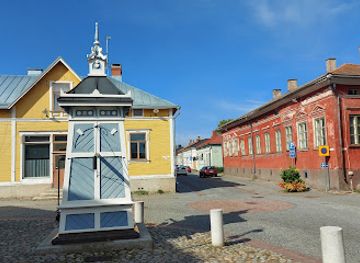
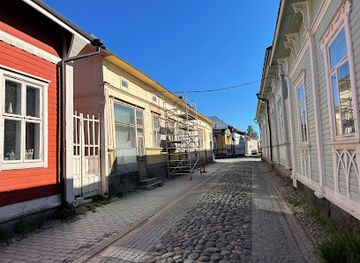
Old Rauma
Explore the enchanting Old Rauma, a UNESCO World Heritage Site, where history meets vibrant culture in Finland's most charming wooden town.
-
Tourist attraction
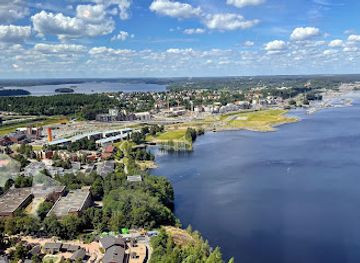
Särkänniemi
Discover the ultimate family destination at Särkänniemi, where amusement, culture, and nature come together for an unforgettable experience in Tampere.
-
Tourist attraction
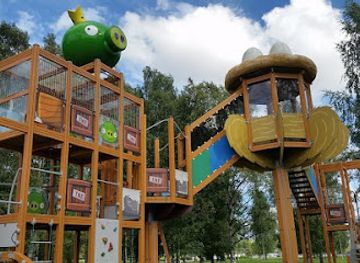
Pelle Hermanni playground
Experience the vibrant Pelle Hermanni Playground in Pori, a family-friendly destination filled with fun activities for children of all ages.
-
Tourist attraction
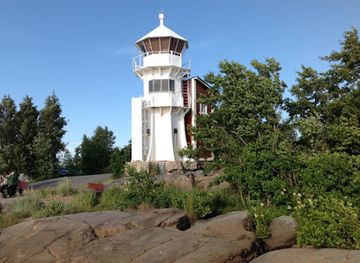
Kallo Lighthouse
Explore the historic Kallo Lighthouse in Pori, Finland, a stunning landmark offering breathtaking views and a glimpse into the nation’s maritime heritage.
Best landmarks in Satakunta
Vanha Rauma is Satakunta’s most recognisable architectural landmark, a substantial surviving wooden townscape of narrow streets, painted façades, courtyards and historic buildings that illustrate centuries of urban life and maritime commerce. The Church of the Holy Cross, associated with medieval Rauma, is an important stone reminder of the town’s religious and trading past. At Sammallahdenmäki near Rauma, Bronze Age burial cairns set among granite outcrops form a landscape landmark of international archaeological significance. Pori’s historic centre has been altered by fires and redevelopment, but the city’s river, bridges and civic architecture still express its role as a commercial town founded on the Kokemäenjoki. Along the coast, Yyteri’s long dune system is a natural landmark shaped by wind and post-glacial land uplift. The flat river plains and open waters around the Bothnian Sea National Park provide a different kind of landmark: a wide, low horizon in which islands, skerries and changing sea light define the region’s maritime identity.
-
Castle
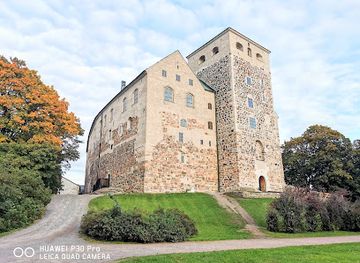
Turku Castle
Explore Turku Castle: An iconic historical fortress in Finland, rich in history and stunning architecture, perfect for a day of exploration.
-
Historical place
Old Rauma
Explore Old Rauma, a UNESCO World Heritage Site, known for its stunning wooden architecture and vibrant maritime culture.
-
Shopping mall
Kauppakeskus Puuvilla
Explore Kauppakeskus Puuvilla, Pori's largest shopping mall, where you can shop, dine, and experience Finnish culture all in one vibrant location.
-
Event venue
Kirjurinluoto Arena
Discover Kirjurinluoto Arena, a vibrant event venue in Pori, surrounded by nature's beauty, offering unforgettable experiences and lively events.
Explore Satakunta on the map
Plan your trip on one map. See where the top cities, national parks and sights are, and book hotels and experiences in a few clicks.
Best hotels in Satakunta
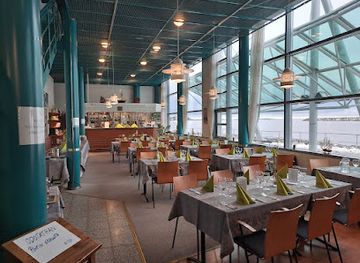
Best restaurants in Satakunta
Dining in Satakunta reflects its western Finnish setting, where coastal waters, river valleys, farms and forests supply a mixture of traditional and contemporary ingredients. Fish, potatoes, rye, berries and seasonal vegetables appear frequently, while local cafés and bakeries provide familiar Finnish breads, buns and pastries. Lamprey, known in Finnish as nahkiainen, has a particular association with the Kokemäenjoki area and may appear seasonally rather than on every menu. Pori and Rauma offer the broadest choice of restaurants, from modern Finnish cooking and international food to cafés and traditional pubs. Pori’s porilainen, a locally associated grilled snack served in a bun, belongs to the region’s casual food culture. In coastal towns, look for fish dishes and summer terraces; in the countryside, rural restaurants, farm shops and market stalls are more likely to emphasise local produce. Restaurant opening patterns can be seasonal, especially outside the larger towns, so advance planning is useful.
-
Seafood
Restaurant Merimesta
Discover exceptional seafood dining at Restaurant Merimesta in Pori's scenic Reposaaren Kalasatama - a culinary delight for every seafood lover.
-
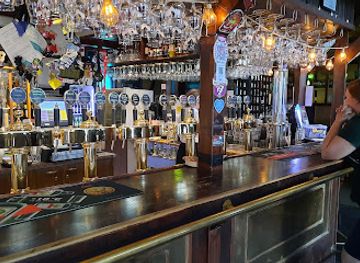
Brewpub
Panimoravintola Beer Hunter's
Discover Panimoravintola Beer Hunter's: Pori's premier brewpub offering craft beers and delightful dishes in a lively atmosphere.
-
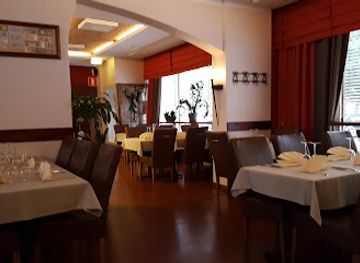
Restaurant
Andalucia Restaurant
Discover the flavors of the Mediterranean at Andalucia Restaurant in Pori - where culinary excellence meets warm hospitality.
-
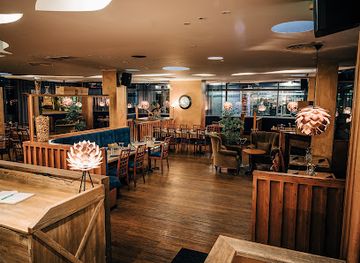
Restaurant
Ravintola Porin Steak & Whisky House Ky
Experience top-tier steaks and an extensive whisky selection at Ravintola Porin Steak & Whisky House Ky in Pori – a must-visit culinary destination.
Best bars in Satakunta
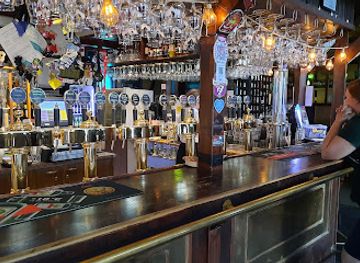
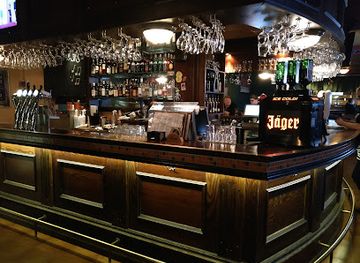
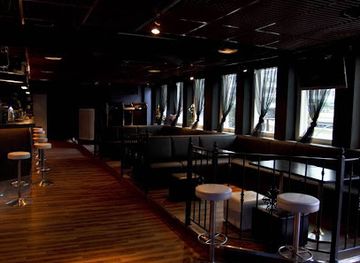
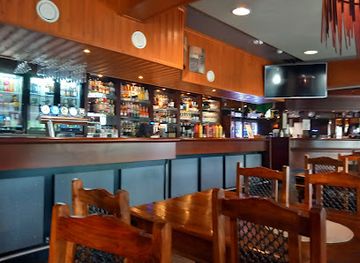
Evening life in Satakunta is concentrated in Pori and Rauma rather than spread evenly across the countryside. Pori has the region’s broadest selection of pubs, restaurants, live-music venues and later-opening bars, with cultural events and summer festivals adding seasonal activity. Rauma’s nightlife is smaller in scale and includes historic-town pubs, cafés, restaurants and occasional live music, while the seafront and holiday areas become livelier during summer. In smaller towns and coastal villages, the evening scene usually centres on local pubs, dining rooms and community events rather than nightclubs. Breweries and bars offering Finnish beer are part of the scene, but alcohol is not necessary to enjoy the region’s cultural life. Check current arrangements for performances and seasonal venues, as opening patterns and programming change more quickly than the region’s established pub culture.
-
Brewpub
Panimoravintola Beer Hunter's
Discover the finest craft beers and delicious meals at Panimoravintola Beer Hunter's, the heart of Pori's brewing culture.
-
Pub
Winston Pub Pori
Experience the vibrant atmosphere of Winston Pub Pori, where great drinks, delicious food, and lively events come together for an unforgettable night out.
-
Bar
Tullibaari
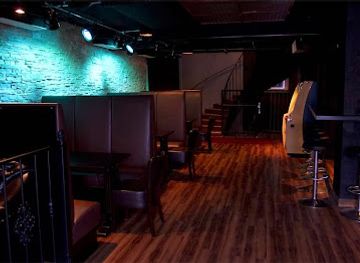
Experience the vibrant nightlife at Tullibaari, a unique bar blending karaoke fun and traditional Finnish sauna relaxation in Pori.
-
Bar
Brewer's Public House
Discover the vibrant atmosphere of Brewer's Public House in Huittinen, where great food, drinks, and entertainment come together for an unforgettable experience.
Best nightclubs in Satakunta
Evening life in Satakunta is concentrated in Pori and Rauma rather than spread evenly across the countryside. Pori has the region’s broadest selection of pubs, restaurants, live-music venues and later-opening bars, with cultural events and summer festivals adding seasonal activity. Rauma’s nightlife is smaller in scale and includes historic-town pubs, cafés, restaurants and occasional live music, while the seafront and holiday areas become livelier during summer. In smaller towns and coastal villages, the evening scene usually centres on local pubs, dining rooms and community events rather than nightclubs. Breweries and bars offering Finnish beer are part of the scene, but alcohol is not necessary to enjoy the region’s cultural life. Check current arrangements for performances and seasonal venues, as opening patterns and programming change more quickly than the region’s established pub culture.
-
Bar
Tullibaari
Discover the lively bar and karaoke scene at Tullibaari, where relaxation meets entertainment in the heart of Pori, Finland.
-
Bar
Bikini Bar
Experience the vibrant atmosphere of Bikini Bar, the ultimate beachside retreat in Pori, offering refreshing drinks and stunning coastal views.
-
Bar
Rattis
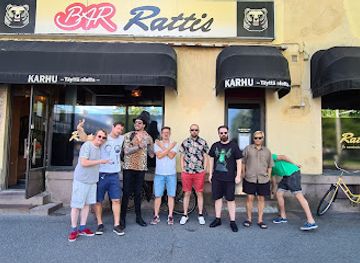
Experience the vibrant nightlife at Rattis, a premier bar in Pori offering an extensive drink selection and lively atmosphere.
-
Night club
Heidi's Bier Bar Pori
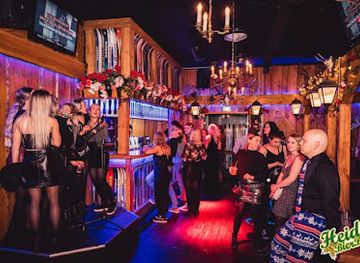
Discover the excitement of Pori's nightlife at Heidi's Bier Bar, where great drinks and fun times await.
Best shops in Satakunta
Shopping in Satakunta is strongest in Pori and Rauma, with practical high-street retail complemented by independent boutiques, cafés, galleries and craft businesses. Rauma’s historic centre is particularly suited to browsing small shops in wooden buildings, where visitors may find Finnish design, homeware, textiles, books and locally made gifts without leaving the old town. Pori has a broader modern retail offer, together with markets and food shops serving urban residents and visitors. Farmers’ markets and seasonal stalls are useful places to look for rye products, fish, preserves, berries and other Finnish foods, although their schedules vary. Around the region, farm shops and craft outlets may offer ceramics, woollen goods, woodwork and handmade items, but opening can be limited outside the main season. Regional food products make practical souvenirs, while fragile archaeological or protected natural sites should be treated as places to appreciate rather than sources of collected stones, plants or other materials.
-
Shopping mall
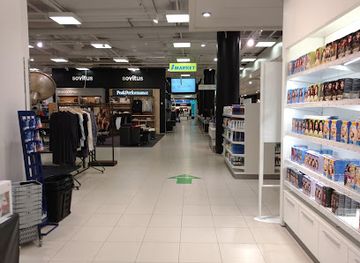
Kauppakeskus Puuvilla
Explore Kauppakeskus Puuvilla in Pori, a vibrant shopping mall with diverse stores, dining options, and a welcoming atmosphere for all visitors.
-
Department store
Sokos Satakunta Pori
Discover a vibrant shopping experience at Sokos Satakunta Pori, your go-to destination for fashion, cosmetics, and local treasures in the heart of Pori.
-
Store
IsoKarhu
Experience the heart of Pori shopping at IsoKarhu, featuring a variety of clothing stores and unique shops in a vibrant atmosphere.
-
Sporting goods store
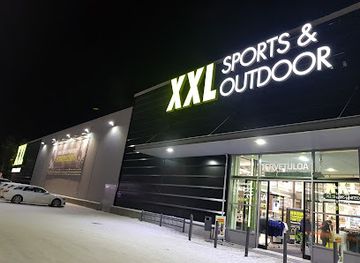
XXL Sports & Outdoor Pori
Discover top-quality outdoor and sporting goods at XXL Sports & Outdoor Pori, your gateway to adventure in Finland.

Get your free copy of our complete guide to Satakunta, delivered straight to you.
Everything on this page, from attractions and restaurants to essentials and local phrases, in one PDF you can read offline, print or share.
Already have an account? Sign in
Your Satakunta guide is ready.
We'll send it to · Not you? Sign out

Getting your guide ready…
We are putting together a fresh copy of the Satakunta guide. This can take up to a minute.
This can take a few moments. If your browser asks, choose Allow so the download can start. You'll find the guide in your Downloads folder.
Nothing happened? Download it again
Sorry, the guide is taking longer than usual. Please try again in a minute, or get it by email instead.
Satakunta essentials
Currency and Payment
Safety
Emergency Situations
Do's and Don'ts
Local Tips
From Eve
Local phrases worth knowing
You don't need to get them perfect. A few words go a long way, and locals appreciate the effort.
Basics
| English | Local | Say it |
|---|---|---|
| Hello | Hei | [hay] |
| Goodbye | Näkemiin | [nah-keh-meen] |
| Yes | Kyllä | [kuh-lah] |
| No | Ei | [ay] |
| Please/You're welcome | Ole hyvä | [oh-leh hoo-vah] |
| Thank you | Kiitos | [kee-toss] |
| Excuse me/Sorry | Anteeksi | [ahn-teh-ehk-see] |
| How are you? | Miten voit? | [mee-ten voyt] |
| Fine. And you? | Hyvin. Entä sinä? | [hoo-vin. en-tah see-nah] |
| Do you speak English? | Puhutko englantia? | [poo-hoot-koh eng-lan-tee-ah] |
| I don't understand | En ymmärrä | [en oom-mah-rah] |
Eating & Drinking
| English | Local | Say it |
|---|---|---|
| I'd like to see the menu, please | Haluaisin nähdä ruokalistan, kiitos | [hah-loo-ahi-sin nah-dah roo-kah-lis-tan, kee-toss] |
| I don't eat meat | En syö lihaa | [en syu-oh lee-hah] |
| Cheers! | Kippis! | [kip-pis] |
| I would like to pay, please | Haluaisin maksaa, kiitos | [hah-loo-ahi-sin mak-sah, kee-toss] |
Emergencies
| English | Local | Say it |
|---|---|---|
| Help! | Apu! | [ah-poo] |
| Go away! | Mene pois! | [meh-neh poiss] |
| Call the Police! | Soita poliisi! | [soi-tah poh-lee-see] |
| Call a doctor! | Soita lääkäri! | [soi-tah leh-kah-ree] |
| I'm lost | Olen eksynyt | [oh-len ek-soo-nyt] |
| I'm ill | Olen sairas | [oh-len sigh-ras] |
Shopping
| English | Local | Say it |
|---|---|---|
| I'd like to buy... | Haluaisin ostaa... | [hah-loo-ahi-sin os-tah] |
| I'm just looking | Katselen vain | [kaht-seh-len vain] |
| How much is it? | Paljonko se maksaa? | [pal-yon-koh seh mak-sah] |
| That's too expensive | Se on liian kallis | [seh on lee-ahn kal-lis] |
| Can you lower the price? | Voitko laskea hintaa? | [voit-koh las-keh-ah hin-tah] |
Time & Numbers
| English | Local | Say it |
|---|---|---|
| What time is it? | Mitä kello on? | [mee-tah kel-lo on] |
| It's one o'clock | Kello on yksi | [kel-lo on yook-si] |
| Half past (10) | Puoli yli (10) | [poh-lee yoo-lee] |
| Morning | Aamu | [ah-moo] |
| Afternoon | Iltapäivä | [il-tah-pie-vah] |
| Evening | Ilta | [il-tah] |
| Yesterday | Eilen | [ay-len] |
| Today | Tänään | [tahn-ahn] |
| Tomorrow | Huomenna | [hoo-men-nah] |
| 1 | Yksi | [yook-si] |
| 2 | Kaksi | [kahk-si] |
| 3 | Kolme | [kol-meh] |
| 4 | Neljä | [nel-yah] |
| 5 | Viisi | [vee-si] |
| 6 | Kuusi | [koo-si] |
| 7 | Seitsemän | [sate-mahn] |
| 8 | Kahdeksan | [kah-dek-sahn] |
| 9 | Yhdeksän | [yuh-dek-sahn] |
| 10 | Kymmenen | [kyum-meh-nen] |
Transport & Directions
| English | Local | Say it |
|---|---|---|
| Where's a/the...? | Missä on...? | [mis-sah on] |
| What's the address? | Mikä on osoite? | [mee-kah on oh-soi-teh] |
| Can you show me (on the map)? | Voitko näyttää minulle (kartalla)? | [voit-koh nay-t-tah mee-nu-leh] |
| When's the next (bus)? | Milloin seuraava (bussi)? | [mil-loin seh-rau-vah] |
| A ticket (to ....) | Lippu (....) | [lip-poo] |
History of Satakunta
Bronze Age burial landscapes at Sammallahdenmäki
Sammallahdenmäki near the village of Lapijoki in Rauma preserves more than thirty Bronze Age burial cairns, or cairn tombs, dating broadly from the second millennium to the first centuries BCE. Built in a rocky landscape that was once closer to the sea, the monument reflects the ritual practices and maritime setting of prehistoric communities on Finland’s western coast. Its archaeological value led to UNESCO World Heritage status in 1999, and the site remains one of Satakunta’s clearest links with the region’s earliest known cultural landscapes.
Medieval settlement and the rise of Rauma
The western coast became increasingly connected to Swedish administration, Christianity and Baltic trade during the medieval period. Rauma grew around its church and harbour, developing as a trading and seafaring settlement. Although the town has been altered repeatedly by fire and rebuilding, the surviving wooden urban fabric of Vanha Rauma preserves the scale of a historic northern European town. Its irregular lanes, houses and courtyards illustrate how commerce, craft production and domestic life were organised before modern urban expansion.
Ulvila and the Kokemäenjoki trade route
Ulvila, on the Kokemäenjoki River, was one of the important medieval centres of western Finland. Its position connected inland agricultural districts with the coast and supported trade, administration and religious life. As the river mouth changed and nearby Pori gained importance, Ulvila lost its leading urban role, but the area remained significant for farming and settlement. The river corridor still helps explain why Satakunta’s towns and productive landscapes developed where they did.
The foundation of Pori in 1558
Pori was founded by order of King Gustav I of Sweden in 1558 on the Kokemäenjoki, partly to strengthen trade and provide a more effective port for the surrounding region. The town’s fortunes were repeatedly influenced by fires, changes in the river channel and the shifting coastline. Its commercial history included timber, grain and other Baltic trade. Pori’s later role as an administrative, industrial and cultural centre grew from this early relationship with river transport and the sea.
Maritime commerce and shipbuilding
From the early modern period onwards, Rauma and Pori participated in Baltic shipping, exporting products from western Finland and importing goods from other ports. Rauma became especially associated with seafaring, shipowners and maritime crafts, while Pori’s river port supported wider commercial networks. Wooden sailing ships were eventually replaced by steam and modern shipping, but harbour facilities, maritime collections and the architecture of Rauma retain evidence of an economy once dependent on vessels, seasonal navigation and international trade.
Industrialisation along the rivers and coast
During the nineteenth and twentieth centuries, Satakunta’s economy expanded beyond agriculture and shipping. Sawmilling, metalworking, energy production and other industries developed around transport links, waterways and ports. Pori became an important industrial city, while Rauma combined maritime activity with manufacturing and shipbuilding. These changes brought new workers, housing and infrastructure, reshaping the region without erasing its older rural and mercantile settlements. Forestry, engineering and energy remain important elements of Satakunta’s contemporary economy.
Olkiluoto and modern energy infrastructure
The Olkiluoto peninsula in Eurajoki became a major site in Finland’s modern energy history. Nuclear power production began there in the late twentieth century, and the peninsula later attracted international attention through the construction of the Olkiluoto 3 reactor, which entered regular electricity production in the 2020s. The site illustrates Satakunta’s transition from a region known chiefly for farming, shipping and traditional industry to one also associated with technically advanced national infrastructure.
Satakunta in Photos
Browse through our photo collection highlighting the charm and character of the destination.
Neighbouring regions of Satakunta
The closest regions to Satakunta, if you have time for more than one.
-

-

-

-

-


Swipe for more regions
Explore more

Explore more of Finland
Explore Finland, where the Midnight Sun meets the Northern Lights, offering a unique blend of natural beauty, rich culture, and unforgettable experiences.
Explore Finland