

Free South Ostrobothnia Travel Guide & Mobile App
Explore South Ostrobothnia with free travel guides. Discover regional history, expert tips, proposed trips, and audio guides on web or mobile app.




Explore South Ostrobothnia for Aalto architecture, open farming landscapes, wildlife, family attractions and Finnish food traditions around Seinäjoki.
Read more about South Ostrobothnia
When is the best time to visit South Ostrobothnia?
Best: June–August · 20–23°C| Month | High (°C) | Rainfall (mm) |
|---|---|---|
| January | -2 | 40 |
| February | -1 | 30 |
| March | 3 | 30 |
| April | 10 | 40 |
| May | 15 | 50 |
| June (best) | 20 | 60 |
| July (best) | 23 | 70 |
| August (best) | 21 | 70 |
| September | 15 | 60 |
| October | 9 | 60 |
| November | 3 | 50 |
| December | -1 | 50 |
Getting to and around South Ostrobothnia
How to get there
Transportation
Top city travel guides in South Ostrobothnia
The cities of South Ostrobothnia, and the easiest places to base yourself.

Swipe for more cities
Best attractions in South Ostrobothnia
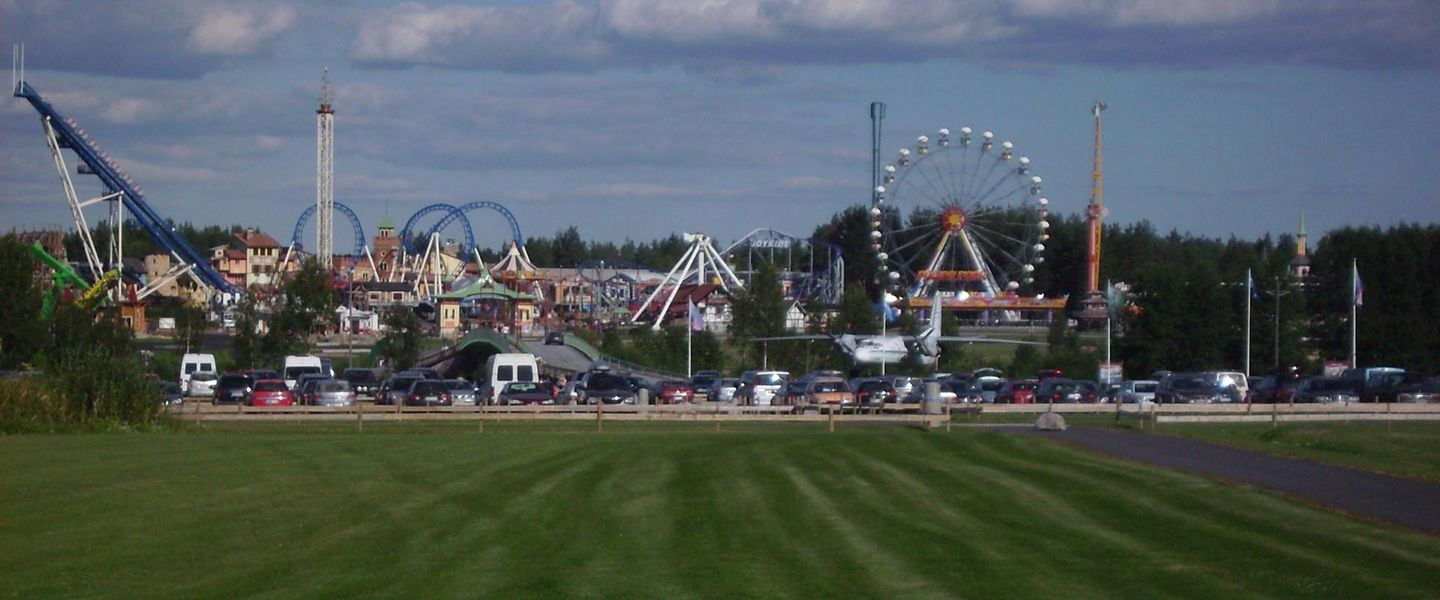
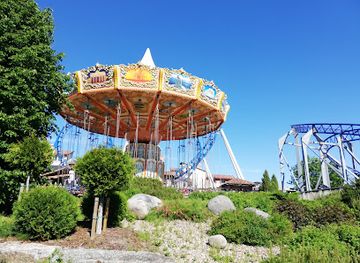
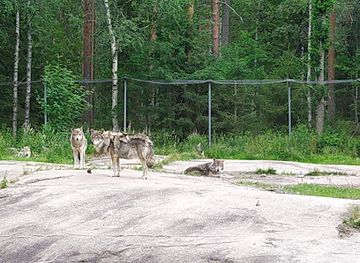
South Ostrobothnia’s attractions combine modern architecture, rural heritage, wildlife and family entertainment rather than forming a single concentrated circuit. In Seinäjoki, the Aalto Centre provides a major cultural focus, while museums, theatres and event venues give the regional capital an active civic life. Lapua offers historic and religious heritage, including its cathedral and museums, and Ilmajoki presents landscapes associated with farming, national history and the Kyrönjoki valley. In the north-western part of the region, PowerPark at Alahärmä is a large family-oriented destination with amusement rides and driving-related activities. Eastwards, Ähtäri Zoo is known for its Nordic and other animal collections in a forested setting. Lakes around Ähtäri and Kuortane support boating, swimming, fishing and walking, while quieter roads through villages and cultivated valleys are well suited to cycling and scenic touring. Seasonal festivals, local museums, craft events and rural churches add variety, although opening times and public transport are more limited outside the principal towns.
-
Amusement park
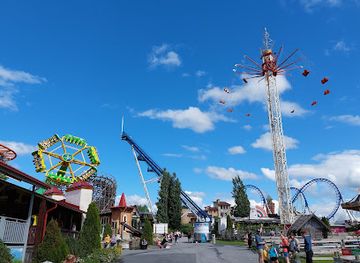
Huvivaltio PowerPark
Experience the thrill of Huvivaltio PowerPark, Finland's ultimate amusement park offering rides, entertainment, and family fun for all ages.
-
Tourist attraction
Ähtäri Zoo
Discover Finland's wildlife in a natural forest setting at Ähtäri Zoo, home to diverse Nordic animal species.
-
Tourist attraction
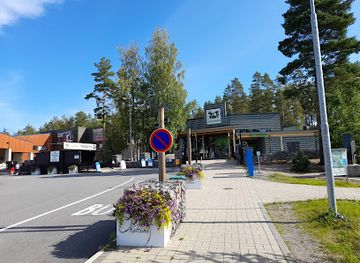
Wanha Markki
Discover the charm of Wanha Markki, a unique Finnish tourist attraction featuring friendly animals and captivating countryside experiences.
-
Theme park
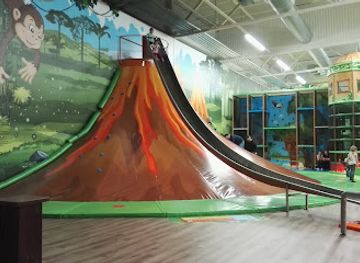
HopLop Seinäjoki
Discover endless fun and adventure for the whole family at HopLop Seinajoki, Finland's premier theme park destination.
Best landmarks in South Ostrobothnia
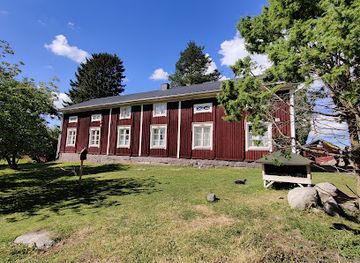
The Aalto Centre in Seinäjoki is South Ostrobothnia’s most recognisable architectural landmark. Designed by Alvar Aalto over several decades, its Lakeuden Risti Church, town hall, city theatre, library and other civic buildings form a carefully planned modernist ensemble beside the central urban space. The Lakeuden Risti Church tower is particularly prominent in the otherwise low-rise cityscape. Lapua Cathedral, completed in the nineteenth century, is an important landmark of the regional religious landscape and reflects the historic role of parish churches in Ostrobothnian communities. In the countryside, large farm complexes, red-painted barns and long agricultural views are less monumental but equally characteristic expressions of regional identity. The Napue battlefield area in Isokyrö marks one of the significant military episodes in Finnish history, while the Kyrönjoki valley provides a geographical landmark through its broad cultivated setting. Around Ähtäri and Kuortane, forested lake landscapes replace the open western plains and illustrate the region’s transition from river-valley agriculture to inland Finnish lake country.
-
Amusement park
Huvivaltio PowerPark
Discover endless fun and excitement at Huvivaltio PowerPark, Finland's ultimate amusement park destination for families and thrill-seekers.
-
Zoo
Ähtäri Zoo
Explore Ähtäri Zoo: A captivating wildlife sanctuary in Finland, showcasing diverse species and promoting conservation education for all ages.
-
Ski resort
Simpsiö ski slope
Discover the thrill of skiing at Simpsiö Ski Resort in Lapua, Finland, where every slope guarantees an exhilarating winter adventure.
-
National park
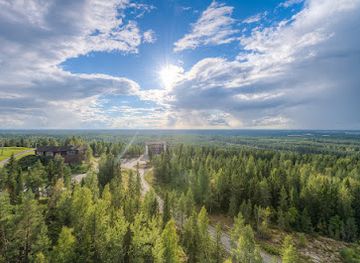
Lauhanvuori National Park
Discover the breathtaking beauty of Lauhanvuori National Park, a natural gem in Finland featuring stunning landscapes and outdoor adventures for all.
Explore South Ostrobothnia on the map
Plan your trip on one map. See where the top cities, national parks and sights are, and book hotels and experiences in a few clicks.
Best hotels in South Ostrobothnia
Best restaurants in South Ostrobothnia
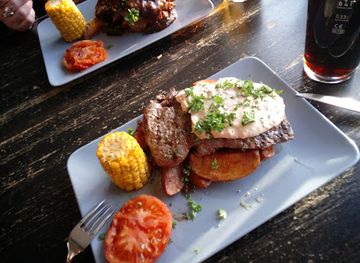
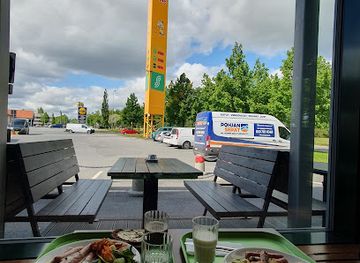
Dining in South Ostrobothnia reflects the region’s farming economy and Finland’s wider northern food culture. Expect potatoes, rye, dairy produce, fish, meat, mushrooms and berries to appear in home-style cooking, café baking and contemporary menus. Seinäjoki has the broadest choice, from cafés and casual restaurants to more modern interpretations of Finnish ingredients, while smaller towns tend to rely on traditional restaurants, pizzerias, cafés and pubs. Market stalls and farm shops are useful places to find seasonal berries, vegetables, preserves and baked goods, particularly in summer and early autumn. Regional food is often best encountered as part of an everyday rural meal rather than through a single signature dish. Local produce from the surrounding fields and forests, along with Finnish coffee-and-pastry culture, provides a reliable thread between urban dining rooms, roadside cafés and countryside events.
-
Restaurant
Holy Smoke
Discover Holy Smoke in Seinäjoki – where flavorful dishes meet vibrant ambiance in the heart of Finland.
-
Restaurant
ABC
Discover local flavors at ABC Restaurant in Seinäjoki – where comfort meets convenience with every meal.
-
Hotel
Hotel-Restaurant Alma
Discover unparalleled comfort and exquisite Finnish cuisine at Hotel-Restaurant Alma in Seinäjoki.
-
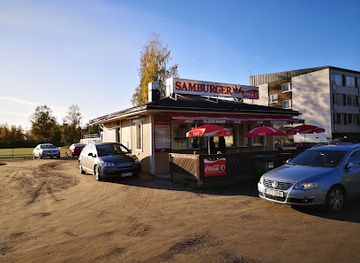
Grill
Samburger
Discover Samburger in Seinäjoki – where juicy grilled burgers meet friendly service in a vibrant atmosphere.
Best bars in South Ostrobothnia
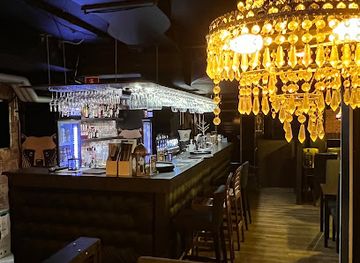
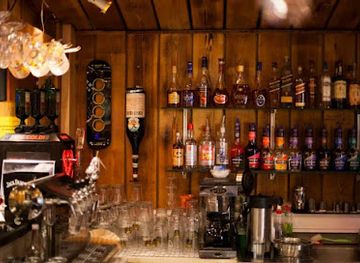
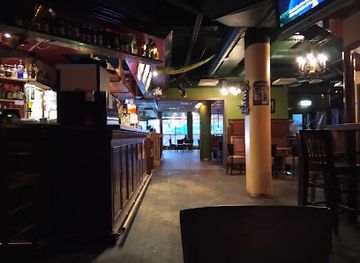
Nightlife is concentrated in Seinäjoki, where restaurants, pubs, live music venues and event spaces serve students, residents and visitors attending concerts or festivals. The city’s calendar can make evenings considerably busier during large cultural and music events, but specific programmes and venue arrangements change from year to year. In Lapua, Kauhava, Ähtäri and other smaller centres, evening entertainment is more commonly found in traditional pubs, restaurants, community events and occasional live performances than in a dense club district. Rural nightlife often involves a longer drive or pre-arranged transport, so drinking and driving should never be combined. For a quieter evening, cafés, hotel restaurants and lakeside accommodation may be more practical than seeking a late-night scene.
-
Bar
Holy Smoke
Discover Holy Smoke in Seinäjoki, where delicious food meets a vibrant bar atmosphere for an unforgettable dining experience.
-
Karaoke bar
Pub Härmän Häjy
Experience the vibrant nightlife of Seinäjoki at Pub Härmän Häjy, a karaoke bar where everyone can be a star in a fun and friendly atmosphere.
-
Brewpub
Mallaskoski Brewery Restaurant
Experience the best of local brews and Finnish cuisine at Mallaskoski Brewery Restaurant in Seinäjoki, a delightful brewpub with a charming beer garden.
-
Pub
Kultainen Kulaus
Discover the vibrant nightlife at Kultainen Kulaus, a beloved pub in Seinäjoki offering a delightful selection of drinks and live entertainment.
Best nightclubs in South Ostrobothnia
Nightlife is concentrated in Seinäjoki, where restaurants, pubs, live music venues and event spaces serve students, residents and visitors attending concerts or festivals. The city’s calendar can make evenings considerably busier during large cultural and music events, but specific programmes and venue arrangements change from year to year. In Lapua, Kauhava, Ähtäri and other smaller centres, evening entertainment is more commonly found in traditional pubs, restaurants, community events and occasional live performances than in a dense club district. Rural nightlife often involves a longer drive or pre-arranged transport, so drinking and driving should never be combined. For a quieter evening, cafés, hotel restaurants and lakeside accommodation may be more practical than seeking a late-night scene.
-
Karaoke bar
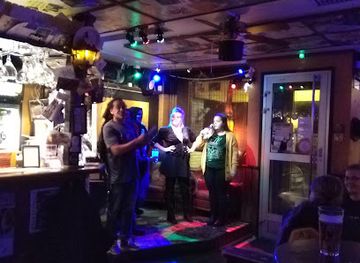
Pub Härmän Häjy
Experience the vibrant Finnish nightlife at Pub Härmän Häjy, Seinäjoki's top karaoke bar with a welcoming atmosphere and a diverse song selection.
-
Bar
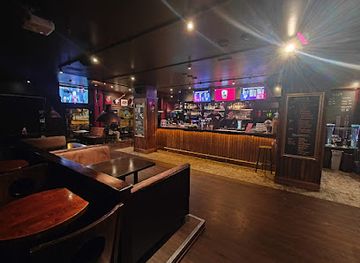
Galaxie Sports & Billiards, Seinäjoki
Experience the lively atmosphere of Galaxie Sports & Billiards in Seinäjoki, where fun meets relaxation with billiards, drinks, and great company.
-
Bar
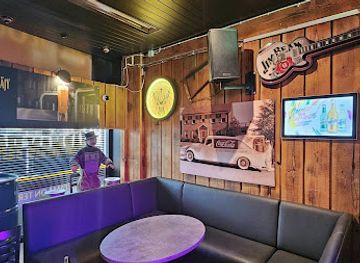
Culture Club Still Standing
Discover the vibrant nightlife at Culture Club Still Standing in Seinäjoki, where eclectic decor meets an inviting atmosphere for unforgettable experiences.
-
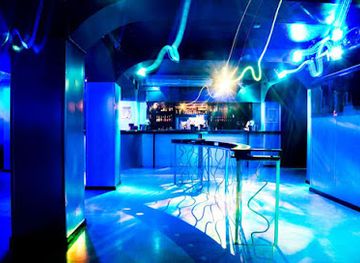
Disco club
Melody Nightclub
Discover the pulse of Jakobstad's nightlife at Melody Nightclub, where vibrant music and expertly crafted cocktails await every visitor.
Best shops in South Ostrobothnia
Seinäjoki has South Ostrobothnia’s broadest retail selection, including national chains, independent shops, cafés and services around the centre and larger commercial areas. Smaller market towns such as Lapua, Kauhava, Kurikka and Ähtäri offer a more local high-street experience, with practical shops, boutiques, galleries and seasonal stalls rather than extensive luxury retail. Markets and farm shops are useful for Finnish food gifts: look for berries, preserves, rye products, honey, local vegetables and other regional produce when in season. Craft outlets and cultural venues may carry textiles, woodwork, ceramics, jewellery and design items made in Finland, though stock varies by town and season. At countryside events, purchase directly from makers and producers where possible, and check opening arrangements before travelling to a rural shop. Finnish design is widely available, but the most regionally meaningful souvenirs are often connected to agricultural produce, local craftsmanship or Seinäjoki’s Aalto heritage.
-
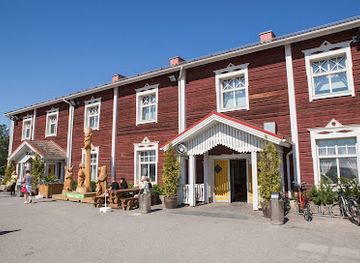
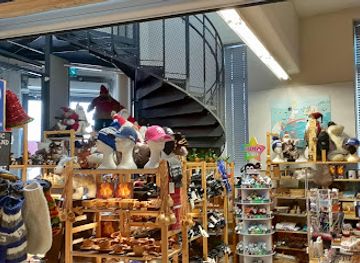
Department store
Tuurin Kyläkauppa
Discover Tuurin Kyläkauppa, Finland's largest department store, offering a unique shopping experience with local delights and family-friendly entertainment.
-
Shopping mall
Shopping Centre Revontuli
Explore Shopping Centre Revontuli in Rovaniemi for a unique blend of Finnish culture, shopping, and dining experiences.
-
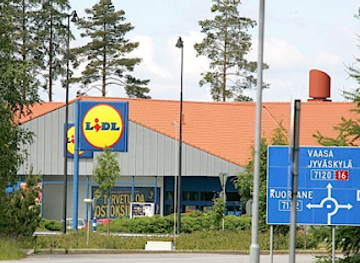
Grocery store
Lidl Alajärvi
Explore Alajärvi with ease at Lidl, your go-to supermarket for local products and affordable shopping.
-
Grocery store
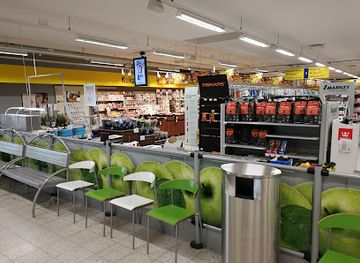
S-market Kuortane
Discover the essence of Finnish grocery shopping at S-market Kuortane, where fresh produce and local flavors come together in a delightful experience.
Get your free copy of our complete guide to South Ostrobothnia, delivered straight to you.
Everything on this page, from attractions and restaurants to essentials and local phrases, in one PDF you can read offline, print or share.
Already have an account? Sign in
Your South Ostrobothnia guide is ready.
We'll send it to · Not you? Sign out

Getting your guide ready…
We are putting together a fresh copy of the South Ostrobothnia guide. This can take up to a minute.
This can take a few moments. If your browser asks, choose Allow so the download can start. You'll find the guide in your Downloads folder.
Nothing happened? Download it again
Sorry, the guide is taking longer than usual. Please try again in a minute, or get it by email instead.
South Ostrobothnia essentials
Currency and Payment
Safety
Emergency Situations
Do's and Don'ts
Local Tips
From Eve
Local phrases worth knowing
You don't need to get them perfect. A few words go a long way, and locals appreciate the effort.
Basics
| English | Local | Say it |
|---|---|---|
| Hello | Moikka | [moy-kah] |
| Goodbye | Näkemiin | [nah-keh-meen] |
| Yes | Kyllä | [kyool-lah] |
| No | Ei | [ay] |
| Please/You're welcome | Ole hyvä | [oh-leh hoo-vah] |
| Thank you | Kiitos | [kee-tos] |
| Excuse me/Sorry | Anteeksi | [ahn-tehk-see] |
| How are you? | Miten voit? | [mee-ten voy-t] |
| Fine. And you? | Hyvin. Entä sinä? | [hoo-vin. en-tah see-nah] |
| Do you speak English? | Puhutko englantia? | [poo-hoot-koh eng-lahn-tee-ah] |
| I don't understand | En ymmärrä | [en oom-mah-rah] |
Eating & Drinking
| English | Local | Say it |
|---|---|---|
| I'd like to see the menu, please | Haluaisin nähdä ruokalistan, kiitos | [hah-loo-ah-seen nah-dah roo-kah-lees-tan, kee-tos] |
| I don't eat meat | En syö lihaa | [en syoo lee-hah] |
| Cheers! | Kippis! | [kee-pees] |
| I would like to pay, please | Haluaisin maksaa, kiitos | [hah-loo-ah-seen mak-sah, kee-tos] |
Emergencies
| English | Local | Say it |
|---|---|---|
| Help! | Auta! | [ow-tah] |
| Go away! | Mene pois! | [meh-neh poise] |
| Call the Police! | Soita poliisi! | [soi-tah poh-lee-see] |
| Call a doctor! | Soita lääkäri! | [soi-tah leh-kah-ree] |
| I'm lost | Olen eksyksissä | [oh-len eks-yook-sis-sah] |
| I'm ill | Olen sairas | [oh-len sigh-ras] |
Shopping
| English | Local | Say it |
|---|---|---|
| I'd like to buy... | Haluaisin ostaa... | [hah-loo-ah-seen os-tah] |
| I'm just looking | Katselen vain | [kaht-se-len vain] |
| How much is it? | Paljonko se maksaa? | [pahl-yohn-koh seh mak-sah] |
| That's too expensive | Se on liian kallis | [seh on lee-ahn kah-lis] |
| Can you lower the price? | Voisitko laskea hintaa? | [voy-sit-koh las-keh-ah heen-tah] |
Time & Numbers
| English | Local | Say it |
|---|---|---|
| What time is it? | Mitä kello on? | [mee-tah kel-lo on] |
| It's one o'clock | Kello on yksi | [kel-lo on yook-see] |
| Half past (10) | Puoli yli (10) | [poo-lee oo-lee (ten)] |
| Morning | Aamu | [ah-moo] |
| Afternoon | Iltapäivä | [eel-tah-pie-vah] |
| Evening | Ilta | [eel-tah] |
| Yesterday | Eilen | [ay-len] |
| Today | Tänään | [tah-nahn] |
| Tomorrow | Huomenna | [hoo-men-nah] |
| 1 | Yksi | [yook-see] |
| 2 | Kaksi | [kahk-see] |
| 3 | Kolme | [kohl-meh] |
| 4 | Neljä | [nel-yah] |
| 5 | Viisi | [vee-see] |
| 6 | Kuusi | [koo-see] |
| 7 | Seitsemän | [sight-seh-mahn] |
| 8 | Kahdeksan | [kah-dehk-sahn] |
| 9 | Yhdeksän | [ee-dehk-sahn] |
| 10 | Kymmenen | [koo-meh-nen] |
Transport & Directions
| English | Local | Say it |
|---|---|---|
| Where's a/the...? | Missä on...? | [mee-sah on] |
| What's the address? | Mikä on osoite? | [mee-kah on oh-soh-teh] |
| Can you show me (on the map)? | Voisitko näyttää (kartalla)? | [voy-sit-koh now-tah (kahr-tahl-lah)] |
| When's the next (bus)? | Milloin seuraava (bussi)? | [mill-loin seh-rau-vah (boos-see)] |
| A ticket (to ....) | Lippu (....) | [lip-poo (....)] |
History of South Ostrobothnia
Early Settlement and the River Valleys
South Ostrobothnia’s earliest communities were shaped by the region’s rivers, wetlands and changing coastline. Archaeological evidence records settlement and farming over many centuries, while the river valleys eventually became the principal corridors for movement and cultivation. As land rose and drainage improved, habitations expanded across areas that are now broad agricultural plains. The region’s later village pattern, with farms distributed along roads and waterways rather than concentrated in a single historic town, has deep roots in this relationship between settlement and landscape.
Swedish Rule and the Growth of Farming Communities
For several centuries South Ostrobothnia formed part of the Swedish kingdom, whose administration, church organisation and legal traditions influenced local life. Lutheran parish churches became important centres of community organisation after the Reformation, while farms and villages developed around productive river valleys. The region remained largely rural, with agriculture, livestock and small-scale trade providing the economic foundation. Many churches, farm buildings and place names reflect this long period within the Swedish realm, which ended for Finland when Sweden ceded the country to Russia in 1809.
The Great Northern War and the Battle of Napue, 1714
The Great Northern War brought severe disruption to Finland, then a Swedish province. On 19 February 1714, Swedish forces and Finnish troops fought the Battle of Napue near present-day Isokyrö, in the wider South Ostrobothnian river-valley landscape. The battle ended in a major Russian victory and was followed by the occupation known in Finnish history as the Greater Wrath. The conflict caused hardship for local communities, but Napue remains an important historical reference point in the region’s military and national memory.
Nineteenth-Century Agriculture and Commercial Expansion
During the nineteenth century, population growth, land clearance and improvements in farming strengthened South Ostrobothnia’s agricultural economy. Grain, livestock and dairy production supported increasingly prosperous farmsteads, while local craftsmen and merchants served the surrounding countryside. Better roads and waterways, followed later by railways, connected market communities with larger Finnish centres. The substantial farmhouses and open cultivated landscapes associated with South Ostrobothnia developed during this period of rural expansion, when the region’s social structure became closely tied to independent farming and local enterprise.
Railways and the Rise of Seinäjoki
The railway transformed South Ostrobothnia in the late nineteenth and early twentieth centuries. Seinäjoki grew from a relatively modest settlement into a major junction on Finland’s north–south railway route, gaining administrative, commercial and industrial importance. Rail connections helped farmers move produce, enabled wider trade and encouraged the concentration of services in Seinäjoki. The town’s later development as the regional capital was built on this transport role. Its twentieth-century modernist architecture, particularly the Aalto Centre, expresses the confidence of a growing civic and administrative centre.
The Lapua Movement and Finland’s Political Crisis
Lapua became the namesake of the Lapua Movement, a Finnish nationalist and anti-communist movement that emerged in 1929 amid political tension after the Finnish Civil War. The movement demanded restrictions on communist activity and used intimidation and violence against opponents before its influence declined after the failed Mäntsälä rebellion of 1932. Although the movement was national in scope, its origins and strongest associations lie in South Ostrobothnia. The episode remains an important, sometimes contested, part of the region’s twentieth-century political history.
Post-war Modernisation and Contemporary Regional Identity
After the Second World War, South Ostrobothnia combined agricultural continuity with rapid modernisation. Mechanised farming, improved roads, expanding education and the growth of Seinäjoki changed how people worked and travelled, while many smaller communities retained strong local identities. Alvar Aalto’s civic complex in Seinäjoki, built over several decades, symbolised the region’s ambition to create a modern public centre without abandoning its rural setting. Today the region’s identity continues to balance farming, manufacturing, events, design, family tourism and the cultural traditions of its villages and market towns.
South Ostrobothnia in Photos
Browse through our photo collection highlighting the charm and character of the destination.
Neighbouring regions of South Ostrobothnia
The closest regions to South Ostrobothnia, if you have time for more than one.
-

-

-

-

-


Swipe for more regions
Explore more

Explore more of Finland
Explore Finland, where the Midnight Sun meets the Northern Lights, offering a unique blend of natural beauty, rich culture, and unforgettable experiences.
Explore Finland