

Free Ostrobothnia Travel Guide & Mobile App
Explore Ostrobothnia with free travel guides. Discover regional history, expert tips, proposed trips, and audio guides on web or mobile app.


Explore Ostrobothnia’s bilingual coastal towns, open farmland, maritime heritage and rising Kvarken Archipelago in western Finland.
Read more about Ostrobothnia
When is the best time to visit Ostrobothnia?
Best: June–August · 19–22°C| Month | High (°C) | Rainfall (mm) |
|---|---|---|
| January | -4 | 40 |
| February | -3 | 35 |
| March | 1 | 35 |
| April | 6 | 40 |
| May | 14 | 45 |
| June (best) | 19 | 50 |
| July (best) | 22 | 60 |
| August (best) | 20 | 60 |
| September | 15 | 50 |
| October | 9 | 45 |
| November | 2 | 40 |
| December | -2 | 40 |
Getting to and around Ostrobothnia
How to get there
Transportation
Top city travel guides in Ostrobothnia
The cities of Ostrobothnia, and the easiest places to base yourself.

Swipe for more cities
Best attractions in Ostrobothnia
Ostrobothnia’s attractions centre on the meeting of a working coast, open agricultural country and a bilingual cultural heritage. The Kvarken Archipelago is the region’s defining natural attraction, with trails, birdlife, glacial landforms and viewpoints revealing the continuing rise of the land after the Ice Age. In Vaasa, maritime and regional museums provide context for the archipelago, coastal trade and local society, while the ruins of Old Vaasa and the open-air heritage centre at Stundars offer different perspectives on the past. The meteorite-crater landscape of Söderfjärden is particularly distinctive, its broad cultivated basin contrasting with the rocky coast. Southwards, Kristinestad and Kaskinen introduce historic port environments, and Närpes shows the productive agricultural character of the southern plain. Around Jakobstad and Pietarsaari, museums, parks and maritime associations reflect the area’s shipbuilding and industrial history. Outdoor activities include walking, cycling, birdwatching, boating and island exploration, but distances and seasonal access matter. The region’s appeal lies less in a concentration of monumental sights than in the way geology, village culture, farming and seafaring remain visible within one accessible coastal landscape.
-
Tourist attraction
Ranua Zoo
Discover Arctic animals in their natural habitat at Ranua Zoo, the world's northernmost zoo, in Finnish Lapland. Open year-round!
-
Tourist attraction
Gösta Serlachius Museum, Museum of Art
Explore Finnish art history and contemporary masterpieces at the Gösta Serlachius Museum, nestled in the scenic landscapes of Mänttä.
-
Tourist attraction
Dudesons Activity Park
Unleash your inner Dudeson at this action-packed activity park in Seinäjoki, featuring trampolines, climbing, and endless fun for all ages!
-
Tourist attraction
Serlachius Museum - Gustaf
Explore Finnish industrial history and art in a stunning 1930s headquarters, located in the heart of Art Town Mänttä.
Best landmarks in Ostrobothnia
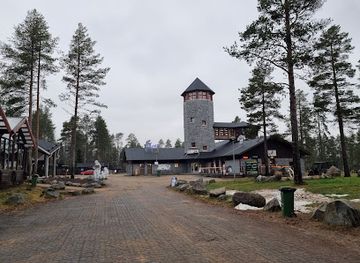
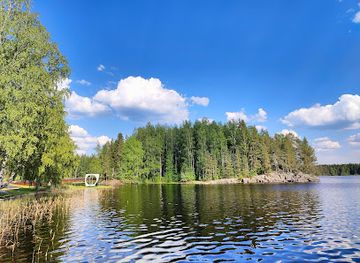
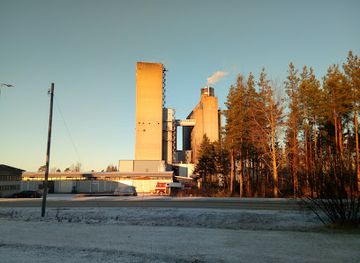
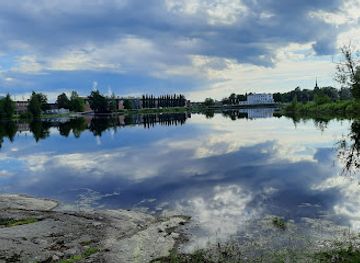
The Kvarken Archipelago is Ostrobothnia’s most distinctive geographical landmark, where low islands, glacial ridges and shallow waters show the physical effects of post-glacial land uplift. It is also part of the High Coast/Kvarken Archipelago World Heritage Site. Vaasa’s Old Vaasa ruins mark the town’s pre-1852 location and provide a tangible link to the city’s earlier history, while the rebuilt centre reflects the consequences of the great fire. The broad basin of Söderfjärden is another recognisable landscape: created by a meteorite impact and later shaped by the sea and agriculture, it forms an unusually open bowl in the coastal countryside. Kristinestad’s wooden townscape and Kaskinen’s historic island setting represent the region’s maritime past, while Stundars preserves a rural village environment of traditional buildings near Solf. In Jakobstad, the shoreline and port-related structures express the town’s long relationship with shipbuilding and trade. Parish churches, farm courtyards and red-painted outbuildings complete the regional visual vocabulary, linking the physical landscape with the communities that have cultivated and navigated it.
-
Art museum
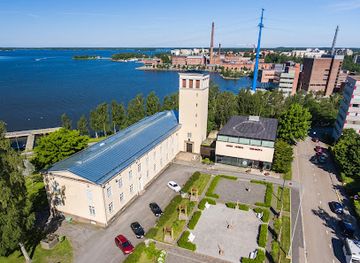
Ostrobothnian Museum
Discover the rich cultural tapestry of Ostrobothnia at the Ostrobothnian Museum, where art, history, and nature intertwine in a captivating experience.
-
Tourist attraction
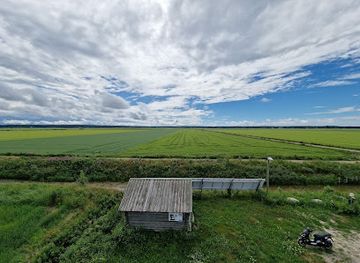
Meteoria Söderfjärden Visitor Centre
Explore the geological marvels of Meteoria Söderfjärden Visitor Centre, where Finnish history meets breathtaking nature in Vaasa.
-
Animal park
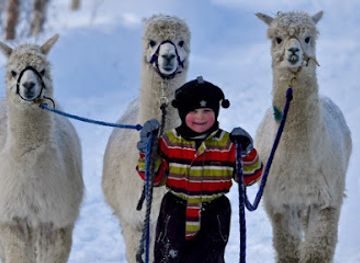
Aava Kertun Kotitila
Discover the charm of Aava Kertun Kotitila, a captivating animal park in Södra Vallgrund, where families can connect with nature and enjoy unique animal encounters.
-
Tourist attraction
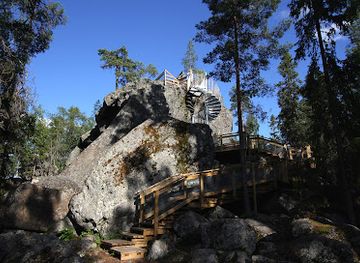
Lostenen Glacial Erratic Boulder
Discover the Lostenen Glacial Erratic Boulder in Pedersöre, a stunning natural monument showcasing Finland's geological wonders amidst serene landscapes.
Explore Ostrobothnia on the map
Plan your trip on one map. See where the top cities, national parks and sights are, and book hotels and experiences in a few clicks.
Best hotels in Ostrobothnia
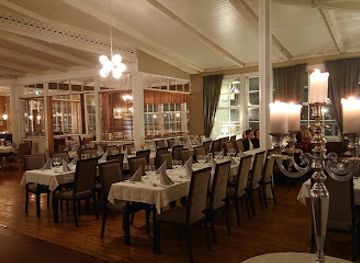
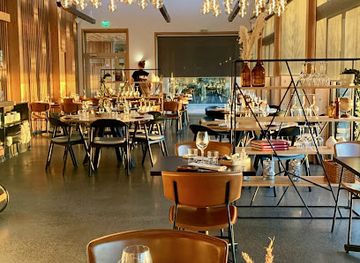
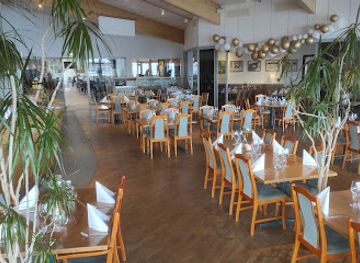
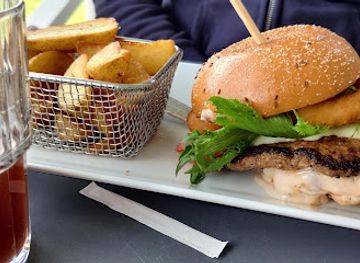
Best restaurants in Ostrobothnia
Ostrobothnian dining draws on the Gulf of Bothnia, the region’s fertile plains and the food traditions of both Finnish- and Swedish-speaking communities. Fish, potatoes, rye bread, dairy products and seasonal vegetables are dependable regional themes, while salmon, whitefish and other local catches appear in restaurants, markets and everyday home cooking. Närpes and the surrounding countryside are particularly associated with greenhouse vegetables, and local produce often features in contemporary menus as well as farm shops. Vaasa offers the broadest range of cafés, international cooking and modern Nordic restaurants, whereas smaller coastal towns favour bakeries, lunch cafés, traditional restaurants and pubs. Historic port towns add maritime associations, while rural inns and village cafés provide a slower setting for regional dishes and pastries. Food markets and seasonal stalls are useful for sampling produce without treating every speciality as an exclusive local invention. Swedish influence is visible in baking and preserved foods, while Finnish staples remain equally important. Visitors should expect early closing at some rural establishments and check current arrangements outside the main towns.
-
Restaurant
Strampen
Discover the essence of Finnish cuisine at Strampen in Vaasa - where tradition meets modern flavor in a cozy atmosphere.
-
Scandinavian
Restaurant Hejm
Experience authentic Scandinavian flavors at Restaurant Hejm in Vaasa - where local ingredients meet innovative culinary artistry.
-
Restaurant
Berny's Cafe & Restaurant
Experience delightful dining at Berny's Cafe & Restaurant in Replot - where local flavors meet warm hospitality.
-
Restaurant
TESSES CAFÉ
Discover delightful dining at Tesses Café in Kuni—home to exquisite pizzas and warm hospitality.
Best bars in Ostrobothnia
Evening life in Ostrobothnia is concentrated in Vaasa, with smaller scenes in Jakobstad, Kristinestad and other coastal towns. Vaasa has the widest selection of pubs, cafés, cocktail bars, live-music venues and student-oriented places, influenced by its university population and bilingual cultural life. Traditional pubs and restaurants remain more prominent than large-scale clubbing in rural districts, and historic inns can provide a quieter evening in smaller communities. Local breweries and drinks may appear on contemporary menus, but nightlife varies considerably by season, weekday and town size. Summer brings outdoor terraces and occasional cultural events, while winter evenings are generally more subdued. In the countryside, plan transport in advance: late public transport can be limited, taxis may need to be booked and driving after drinking is not a safe alternative. Evening culture need not revolve around alcohol; concerts, theatre, cafés and waterfront walks can be equally relevant ways to experience the region.
-
Restaurant
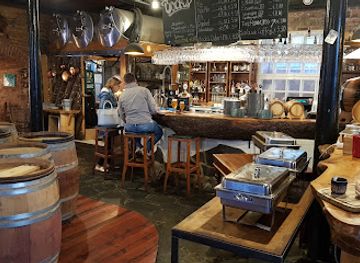
Bock's Corner Brewery
Discover the art of craft brewing and local cuisine at Bock's Corner Brewery, a must-visit brewpub in Vaasa, Finland.
-
Irish pub
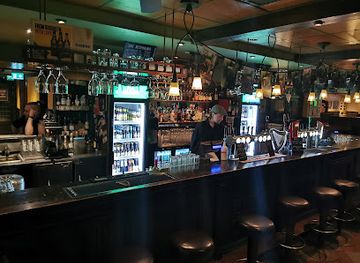
O'Malley's Pub
Discover the charm of Ireland in the heart of Vaasa at O'Malley's Pub, where great food, drinks, and live music create unforgettable memories.
-
Pub
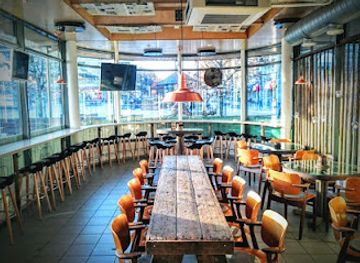
Littlepub
Discover Littlepub in Vaasa, a cozy pub offering a great selection of local drinks and a vibrant atmosphere for travelers seeking relaxation.
-
Pub
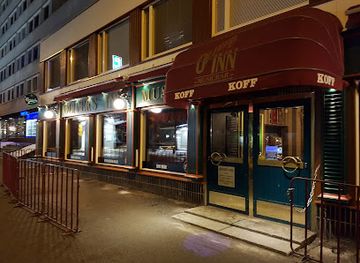
Oliver's Inn
Discover the vibrant atmosphere of Oliver's Inn in Vaasa, where hearty meals and refreshing drinks await in a charming pub setting.
Best nightclubs in Ostrobothnia
Evening life in Ostrobothnia is concentrated in Vaasa, with smaller scenes in Jakobstad, Kristinestad and other coastal towns. Vaasa has the widest selection of pubs, cafés, cocktail bars, live-music venues and student-oriented places, influenced by its university population and bilingual cultural life. Traditional pubs and restaurants remain more prominent than large-scale clubbing in rural districts, and historic inns can provide a quieter evening in smaller communities. Local breweries and drinks may appear on contemporary menus, but nightlife varies considerably by season, weekday and town size. Summer brings outdoor terraces and occasional cultural events, while winter evenings are generally more subdued. In the countryside, plan transport in advance: late public transport can be limited, taxis may need to be booked and driving after drinking is not a safe alternative. Evening culture need not revolve around alcohol; concerts, theatre, cafés and waterfront walks can be equally relevant ways to experience the region.
-
Night club
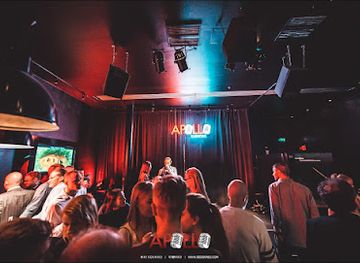
Apollo Live Club
Dive into the vibrant nightlife of Helsinki at Apollo Live Club, where live music and comedy create unforgettable experiences.
-
Night club
Marks Rock&UG Club
Discover Joensuu's vibrant nightlife at Marks Rock&UG Club, where electrifying rock music meets unforgettable experiences.
-
Jazz
Doo-Bop Club
Experience the vibrant jazz scene at Doo-Bop Club in Vaasa, where live music and a welcoming atmosphere create unforgettable nights.
-
Night club
Crystal Show Club
Discover the pulse of Helsinki's nightlife at Crystal Show Club, where dazzling performances and vibrant energy create unforgettable memories.


Best shops in Ostrobothnia
Shopping in Ostrobothnia is strongest in the market towns and city centres rather than in large destination malls. Vaasa has the region’s broadest choice of department stores, independent shops, design retailers, bookshops, cafés and food outlets, with both Finnish and Swedish influences in its commercial life. Jakobstad and the southern towns offer smaller high streets where local services, antiques, galleries and craft-oriented shops are more central. Farmers’ markets and seasonal stalls are useful for regional vegetables, berries, fish, rye products and other edible gifts, particularly in the agricultural areas around Närpes. Look for locally made textiles, ceramics, woodwork and maritime-themed crafts at galleries, museums and specialist shops, while open-air heritage sites may sell traditional foods or craft products. The most meaningful souvenirs are often practical regional goods rather than generic symbols: preserved foods, baking, woollens, handmade items or carefully labelled local produce. Retail hours and market days vary, so smaller towns are best visited during the daytime rather than treated as late-evening shopping destinations.
-
Hypermarket
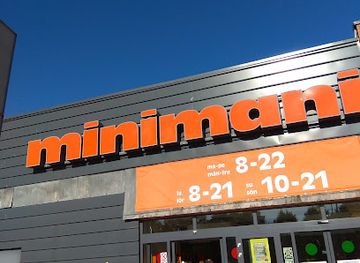
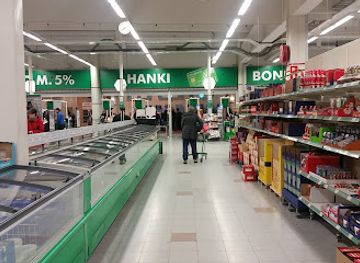
Minimani Vasa
Discover Minimani Vasa: Explore a diverse range of products from groceries to furniture in this bustling hypermarket hub of Vaasa.
-
Hypermarket
Prisma Jakobstad
Experience the vibrant shopping scene at Prisma Jakobstad, your go-to hypermarket for local products, fresh foods, and much more in Jakobstad, Finland.
-
Department store
HalpaHalli Jakobstad
Explore HalpaHalli Jakobstad for an authentic Finnish shopping experience with affordable prices and a wide variety of local products.
-
Building materials store
Erkin Halli Oy
Erkin Halli Oy - Your destination for high-quality building materials and a taste of Finnish craftsmanship in Jakobstad.
Get your free copy of our complete guide to Ostrobothnia, delivered straight to you.
Everything on this page, from attractions and restaurants to essentials and local phrases, in one PDF you can read offline, print or share.
Already have an account? Sign in
Your Ostrobothnia guide is ready.
We'll send it to · Not you? Sign out

Getting your guide ready…
We are putting together a fresh copy of the Ostrobothnia guide. This can take up to a minute.
This can take a few moments. If your browser asks, choose Allow so the download can start. You'll find the guide in your Downloads folder.
Nothing happened? Download it again
Sorry, the guide is taking longer than usual. Please try again in a minute, or get it by email instead.
Ostrobothnia essentials
Currency and Payment
Safety
Emergency Situations
Do's and Don'ts
Local Tips
From Eve
Local phrases worth knowing
You don't need to get them perfect. A few words go a long way, and locals appreciate the effort.
Basics
| English | Local | Say it |
|---|---|---|
| Hello | Hei | [Hay] |
| Goodbye | Heippa | [Hay-pah] |
| Yes | Kyllä | [Koo-lah] |
| No | Ei | [Ay] |
| Please/You're welcome | Ole hyvä | [Oh-leh hoo-vah] |
| Thank you | Kiitos | [Kee-toss] |
| Excuse me/Sorry | Anteeksi | [Ahn-teh-kee] |
| How are you? | Miten voit? | [Mee-ten voy-t] |
| Fine. And you? | Hyvin. Entä sinä? | [Hoo-vin. En-tah see-nah] |
| Do you speak English? | Puhutko englantia? | [Poo-hoot-koh eng-lan-tee-ah] |
| I don't understand | En ymmärrä | [En oom-mah-rah] |
Eating & Drinking
| English | Local | Say it |
|---|---|---|
| I'd like to see the menu, please | Haluaisin nähdä ruokalistan, kiitos | [Hah-loo-ih-sin nah-dah roo-kah-lis-tan, kee-toss] |
| I don't eat meat | En syö lihaa | [En sy-uh lee-hah] |
| Cheers! | Kippis! | [Kee-pees] |
| I would like to pay, please | Haluaisin maksaa, kiitos | [Hah-loo-ih-sin mak-sah, kee-toss] |
Emergencies
| English | Local | Say it |
|---|---|---|
| Help! | Apua! | [Ah-poo-ah] |
| Go away! | Mene pois! | [Men-eh poiss] |
| Call the Police! | Soita poliisi! | [Soy-tah poh-lee-see] |
| Call a doctor! | Soita lääkäri! | [Soy-tah leh-kah-ree] |
| I'm lost | Olen eksynyt | [Oh-len eks-yoo-net] |
| I'm ill | Olen sairas | [Oh-len sigh-ras] |
Shopping
| English | Local | Say it |
|---|---|---|
| I'd like to buy... | Haluaisin ostaa... | [Hah-loo-ih-sin os-tah] |
| I'm just looking | Olen vain katsomassa | [Oh-len vine kaht-so-mas-sah] |
| How much is it? | Paljonko se maksaa? | [Pal-yon-koh seh mak-sah] |
| That's too expensive | Se on liian kallis | [Se on lee-an kal-lis] |
| Can you lower the price? | Voitko alentaa hintaa? | [Voyt-koh ah-len-tah hin-tah] |
Time & Numbers
| English | Local | Say it |
|---|---|---|
| What time is it? | Mitä kello on? | [Mee-tah kel-lo on] |
| It's one o'clock | Kello on yksi | [Kel-lo on yuk-see] |
| Half past (10) | Puoli yli (10) | [Poo-lee oo-lee (ten)] |
| Morning | Aamu | [Ah-moo] |
| Afternoon | Iltapäivä | [Eel-tah-pie-vah] |
| Evening | Ilta | [Eel-tah] |
| Yesterday | Eilen | [Ay-len] |
| Today | Tänään | [Tan-ahn] |
| Tomorrow | Huomenna | [Hoo-men-nah] |
| 1 | Yksi | [Yook-see] |
| 2 | Kaksi | [Kahk-see] |
| 3 | Kolme | [Kohl-meh] |
| 4 | Neljä | [Nell-yah] |
| 5 | Viisi | [Vee-see] |
| 6 | Kuusi | [Koo-see] |
| 7 | Seitsemän | [Sate-sah-mahn] |
| 8 | Kahdeksan | [Kah-dek-sahn] |
| 9 | Yhdeksän | [Yoo-dek-sahn] |
| 10 | Kymmenen | [Kum-meh-nen] |
Transport & Directions
| English | Local | Say it |
|---|---|---|
| Where's a/the...? | Missä on...? | [Mee-sah on] |
| What's the address? | Mikä on osoite? | [Mee-kah on oh-soi-teh] |
| Can you show me (on the map)? | Voitko näyttää minulle (kartalla)? | [Voyt-koh now-tah min-ool-leh (kar-tah-lah)] |
| When's the next (bus)? | Milloin seuraava (bussi)? | [Mill-loin seh-oo-rah-vah (boo-see)] |
| A ticket (to ....) | Lippu (....) | [Lip-poo] |
History of Ostrobothnia
Coastal Settlement and Land Uplift
Human settlement along Ostrobothnia’s coast developed in relation to fishing, hunting, farming and access to the Gulf of Bothnia. The region’s geography has been continually altered by post-glacial land uplift: ground that was seabed has become meadow, field and forest, while old harbours now lie inland. This process remains especially visible in the Kvarken Archipelago, where channels, islands and shorelines change gradually over time. The combination of flat terrain, waterways and fertile river valleys helped create the dispersed farm settlements that still characterise much of the region.
Swedish Settlement and Medieval Parish Communities
From the Middle Ages, Swedish-speaking settlement became firmly established along much of the western coast. Farming villages, fishing communities and parish networks grew around churches and navigable waterways, linking Ostrobothnia with the Swedish kingdom across the Gulf of Bothnia. Swedish remains the principal language of many coastal communities, while Finnish has long been important inland and in urban areas. This historical settlement pattern explains the region’s bilingual public life, its Scandinavian-influenced wooden architecture and the continuity of many village landscapes.
The Founding and Relocation of Vaasa
Vaasa was founded in 1606 during the Swedish period and became an important administrative and commercial centre on the coast. Much of the town was destroyed by fire in 1852, after which the centre was rebuilt at a new site farther west. The ruins of the former town, now known as Old Vaasa, preserve the earlier location, while present-day Vaasa reflects the nineteenth-century reconstruction and later urban growth. The episode remains central to the city’s historical identity and helps explain the contrast between the old site and the modern regional centre.
Seafaring, Shipbuilding and Coastal Trade
Ostrobothnia’s economy was shaped for centuries by maritime activity. Coastal communities built and operated vessels, transported timber and agricultural goods, and traded across the Gulf of Bothnia. Jakobstad, Vaasa, Kristinestad and Kaskinen all developed through connections between hinterland production and seaborne commerce, although their roles changed over time. Shipbuilding traditions, harbour landscapes and maritime collections preserve this history. The sea was not merely a physical boundary: it was a working route that linked Ostrobothnia with Sweden and the wider Baltic world.
Agriculture and Nineteenth-Century Rural Transformation
The flat coastal plain encouraged the expansion and rationalisation of agriculture during the nineteenth century. Drainage, improved farming methods and better transport allowed more land to be cultivated, while villages became linked to growing market towns and ports. Farm courtyards, storehouses, parish buildings and long fields remain visible evidence of this transformation. In southern Ostrobothnia, commercial horticulture later became particularly significant, with Närpes developing a strong reputation for greenhouse vegetable production and related food industries.
Industrialisation and Modern Bilingual Ostrobothnia
During the nineteenth and twentieth centuries, Ostrobothnia diversified beyond farming and shipping into manufacturing, food production, engineering, energy and education. Vaasa expanded as an administrative, commercial and university city, while Jakobstad and other coastal centres retained important industrial and maritime functions. Finland’s independence altered the region’s political setting but not its bilingual character. Today, Swedish and Finnish communities share institutions and public spaces, while the region’s economy reflects both long-established rural industries and globally connected technology and manufacturing.
The Kvarken World Heritage Landscape
The Kvarken Archipelago was added to the UNESCO World Heritage List in 2006 as an extension of Sweden’s High Coast site. The designation recognises one of the world’s clearest examples of land uplift following the last Ice Age. In Ostrobothnia, the landscape includes low islands, glacial formations, shallow bays and changing shorelines. Its significance is geological as well as cultural: fishing settlements, boat routes and nature-based livelihoods have developed around a coast that is still visibly being reshaped.
Ostrobothnia in Photos
Browse through our photo collection highlighting the charm and character of the destination.
Neighbouring regions of Ostrobothnia
The closest regions to Ostrobothnia, if you have time for more than one.
-

-

-

-

-


Swipe for more regions
Explore more

Explore more of Finland
Explore Finland, where the Midnight Sun meets the Northern Lights, offering a unique blend of natural beauty, rich culture, and unforgettable experiences.
Explore Finland