

Free Homestead Travel Guide & Mobile App
Plan your Homestead trip with Evendo. Get free guides to top attractions, restaurants, hotels, and bars. Web access or download the mobile app.


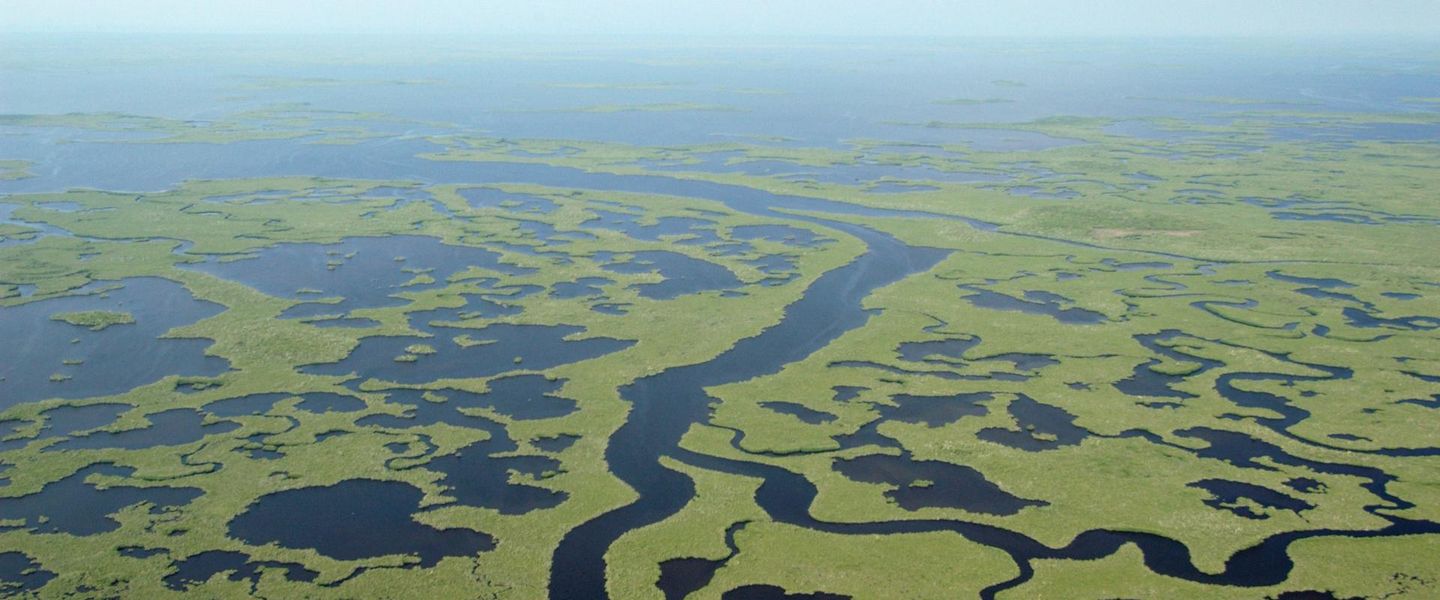


Homestead, Florida, pairs farming heritage and small-town history with gateways to Everglades and Biscayne national parks, tropical gardens and local food.
A Farming Town South of Miami
Homestead lies at the southern edge of metropolitan Miami-Dade County, where suburban Florida gives way to the orchards, nurseries and wetlands of the Redland agricultural district. Founded in the early twentieth century and shaped by the arrival of the Florida East Coast Railway, the city developed around farming, especially tomatoes, avocados, tropical fruit and ornamental plants. Its broad streets and low-rise centre retain traces of that history, while US 1 connects Homestead with Miami, the Florida Keys and the rural landscapes beyond the urban fringe.Read more about Homestead
National Parks and Tropical Landscapes
History, Gardens and Local Character
When is the best time to visit Homestead?
Best: December–February · 24–25°C| Month | High (°C) | Rainfall (mm) |
|---|---|---|
| January (best) | 24 | 57 |
| February (best) | 25 | 52 |
| March | 27 | 67 |
| April | 29 | 71 |
| May | 31 | 103 |
| June | 32 | 179 |
| July | 32 | 167 |
| August | 32 | 199 |
| September | 32 | 185 |
| October | 30 | 136 |
| November | 27 | 85 |
| December (best) | 25 | 61 |
Getting to and around Homestead
How to get there
Transportation
Best attractions in Homestead
Homestead’s principal attractions combine small-town history with access to South Florida’s most distinctive environments. The Homestead Historic Town Hall Museum introduces the city’s early civic and agricultural story, while Coral Castle presents the unusual work of Edward Leedskalnin, who shaped massive blocks of coral rock into an enigmatic open-air site. At Fruit & Spice Park, paths lead through an exceptionally varied collection of tropical and subtropical plants, reflecting the productive Redland district. Robert Is Here, a long-established fruit stand near the Everglades, is associated with shakes, tropical produce and the area’s roadside farm culture. Beyond the city, Everglades National Park offers sawgrass landscapes, wetlands and wildlife viewing, whereas Biscayne National Park reveals a contrasting marine world of keys, seagrass and coral reefs. Nearby Schnebly Redland’s Winery adds tastings and a cultivated interpretation of local tropical fruit.
-
Winery
Schnebly Redland's Winery & Brewery
Discover the enchanting Schnebly Redland's Winery & Brewery in Homestead, where exotic wines and live music create unforgettable experiences amidst beautiful scenery.
20 min drive · 6.6 km from city centre
-
Tourist attraction
Coral Castle
Explore the enchanting Coral Castle in Homestead, Florida – a unique historical landmark and tribute to love crafted from coral rock.
15 min drive · 4.9 km from city centre
-
Tourist attraction
Harris Field Park
Discover the vibrant community spirit and recreational activities at Harris Field Park, a must-visit destination in Homestead, Florida.
5 min drive · 1.7 km from city centre
-
Tourist attraction
Mayor Roscoe Warren Municipal Park
Experience the natural beauty and recreational charm of Mayor Roscoe Warren Municipal Park, a tranquil getaway in Homestead, Florida.
9 min drive · 3.1 km from city centre


Best landmarks in Homestead
Homestead’s landmarks express its agricultural origins, civic development and relationship with South Florida’s unusual geology. Homestead Historic Town Hall, now associated with the Homestead Historic Town Hall Museum, preserves an important civic presence in the city centre and helps interpret the community’s early decades. Coral Castle is the area’s most distinctive built landmark: Edward Leedskalnin created its massive coral-rock structures over many years, producing an enigmatic site that is neither conventional castle nor formal garden. The Homestead Historic Downtown District contains surviving commercial and civic buildings that reflect the town’s early twentieth-century growth. Outside the centre, the entrance areas and interpretive facilities of Everglades National Park and Biscayne National Park represent two nationally significant landscapes—one terrestrial and wetland-based, the other marine—closely connected with Homestead’s identity as a gateway community.
-
Produce market
Robert Is Here Fruit Stand
Experience the best of Florida’s agriculture at Robert Is Here, a vibrant fruit stand offering fresh produce, unique flavors, and family-friendly fun.
10 min drive · 3.4 km from city centre
-
Winery
Schnebly Redland's Winery & Brewery
Discover the unique flavors of Florida wines and craft beers at Schnebly Redland's Winery & Brewery, a captivating destination in Homestead.
20 min drive · 6.6 km from city centre
-
Museum
Coral Castle
Explore the captivating Coral Castle, a historical landmark in Homestead, Florida, showcasing art and craftsmanship that tells a unique love story.
15 min drive · 4.9 km from city centre
-
Mexican
La Cruzada Restaurant
Discover the vibrant flavors of Mexico at La Cruzada Restaurant, a must-visit spot in Homestead for authentic Mexican and Latin American cuisine.
7 min walk · 0.6 km from city centre


Explore Homestead on the map
Plan your Homestead trip on one map. See where the top attractions, landmarks, restaurants, bars and hotels are, find what's near where you're staying, and book hotels and experiences in a few clicks.
Best hotels in Homestead
Best restaurants in Homestead
Homestead’s dining culture reflects its position between Miami’s multicultural suburbs, the agricultural Redland and the road south towards the Florida Keys. Cuban and other Caribbean influences appear alongside Latin American cooking, while local farm stands and casual eateries make use of avocados, tropical fruit, tomatoes and other produce grown nearby. Robert Is Here is known for fruit shakes and a broad selection of tropical fruits, offering a distinctly Homestead stop rather than a conventional restaurant meal. In the Redland area, wineries, farm shops and rural venues provide food and drink in a countryside setting, while central Homestead has straightforward cafés, bakeries and family-run restaurants. Visitors should expect a practical, varied scene rather than a concentrated fine-dining district, with the strongest sense of place found in produce-led stops and long-established local businesses.
-
Cuban
Mario's
Savor authentic Cuban flavors at Mario's in Homestead – where every bite tells a story.
6 min drive · 1.9 km from city centre
-
Steak
Outback Steakhouse
Savor the authentic flavors of Australia at Outback Steakhouse in Homestead - where every bite is an adventure!
13 min drive · 4.4 km from city centre
-
Italian
Olive Garden Italian Restaurant
Discover authentic Italian dining at Olive Garden in Homestead – perfect for families and food lovers seeking delicious meals and warm hospitality.
12 min drive · 3.8 km from city centre
-
Italian
Mamma Mia 2
Discover authentic Italian flavors at Mamma Mia 2 in Homestead—where every slice tells a story!
9 min walk · 0.7 km from city centre


Best bars in Homestead
Homestead’s evening scene is relatively low-key and dispersed, centred more on restaurants, neighbourhood bars, live music and occasional events than on a large nightclub district. The historic centre and main commercial corridors offer places for a casual drink, while the Redland countryside has a small but distinctive wine-and-agricultural culture associated with venues such as Schnebly Redland’s Winery. Evenings can also involve outdoor community events, performances or seasonal activities rather than late-night clubbing. Miami provides a far broader choice of cocktail bars, music venues and nightclubs, but it is a substantial journey away and should not be treated as part of Homestead’s local nightlife. Visitors travelling after dark should plan transport in advance, since attractions and hospitality businesses are spread across the city and rural outskirts.
-
Bar
Outback Steakhouse
Discover the taste of Australia at Outback Steakhouse in Homestead, famous for its steaks, vibrant atmosphere, and gluten-free options.
13 min drive · 4.4 km from city centre
-
Italian
Olive Garden Italian Restaurant
Discover authentic Italian flavors at Olive Garden in Homestead, offering a family-friendly atmosphere and a diverse menu for all tastes.
12 min drive · 3.8 km from city centre
-
Steak
LongHorn Steakhouse
Experience the best of traditional American dining at LongHorn Steakhouse, Homestead’s go-to spot for mouthwatering steaks and warm hospitality.
11 min drive · 3.8 km from city centre
-
Bar
Chili's Grill & Bar
Discover the vibrant flavors of American and Tex-Mex cuisine at Chili's Grill & Bar in Homestead, perfect for families and friends alike.
10 min drive · 3.3 km from city centre


Best nightclubs in Homestead
Homestead’s evening scene is relatively low-key and dispersed, centred more on restaurants, neighbourhood bars, live music and occasional events than on a large nightclub district. The historic centre and main commercial corridors offer places for a casual drink, while the Redland countryside has a small but distinctive wine-and-agricultural culture associated with venues such as Schnebly Redland’s Winery. Evenings can also involve outdoor community events, performances or seasonal activities rather than late-night clubbing. Miami provides a far broader choice of cocktail bars, music venues and nightclubs, but it is a substantial journey away and should not be treated as part of Homestead’s local nightlife. Visitors travelling after dark should plan transport in advance, since attractions and hospitality businesses are spread across the city and rural outskirts.
-
Bar
Last Chance Bar & Package
Discover the vibrant Last Chance Bar & Package in Homestead, Florida, where great food, drinks, and a lively atmosphere await every visitor.
11 min drive · 3.8 km from city centre
-
Bar
Exit One Taproom
Discover the vibrant atmosphere and extensive craft beer selection at Exit One Taproom, Florida City's go-to spot for beer enthusiasts.
6 min drive · 2.0 km from city centre
-
Bar
Sam's Hideaway
Experience the warmth and vibrancy of local nightlife at Sam's Hideaway, where every drink tells a story and every visit feels like home.
10 min drive · 3.3 km from city centre
-
Bar
City Hall Bistro & Martini Bar
Experience the vibrant fusion of dining and nightlife at City Hall Bistro & Martini Bar in Homestead, Florida, where great food meets lively entertainment.
2 min walk · 0.2 km from city centre


Best shops in Homestead
Shopping in Homestead is closely tied to agriculture and everyday local commerce rather than a single luxury retail quarter. Along the roads through the Redland, farm stands, nurseries and fruit sellers offer tropical produce, plants, preserves and other seasonal goods; mangoes, avocados and unusual fruits are among the products associated with the area. Robert Is Here is one of the best-known places for fruit, drinks and edible souvenirs, while local nurseries reflect the district’s long-standing horticultural economy. In the city, shops and services cluster around commercial corridors and the Homestead-Miami Speedway area, providing practical retail rather than a historic market experience. Visitors should distinguish locally grown products from generic souvenirs and respect private farm property when travelling through the countryside.
-
Shopping mall
Homestead Pavilion
Discover the vibrant shopping and dining experience at Homestead Pavilion, your ultimate destination in Homestead, Florida.
11 min drive · 3.8 km from city centre
-
Shopping mall
Homestead Towne Square
Explore Homestead Towne Square, a lively shopping mall in Florida offering diverse retail and dining experiences for all visitors.
6 min drive · 1.9 km from city centre
-
Department store
Kohl's
Explore a world of fashion and home goods at Kohl's in Homestead, offering great deals for every shopper.
11 min drive · 3.6 km from city centre
-
Shopping mall
Dixie Center
Discover the vibrant shopping experience at Dixie Center in Homestead, Florida, where retail, dining, and family fun await!
8 min drive · 2.5 km from city centre


Get your free copy of our complete guide to Homestead, delivered straight to you.
Everything on this page, from attractions and restaurants to essentials and local phrases, in one PDF you can read offline, print or share.
Already have an account? Sign in
Your Homestead guide is ready.
We'll send it to · Not you? Sign out

Getting your guide ready…
We are putting together a fresh copy of the Homestead guide. This can take up to a minute.
This can take a few moments. If your browser asks, choose Allow so the download can start. You'll find the guide in your Downloads folder.
Nothing happened? Download it again
Sorry, the guide is taking longer than usual. Please try again in a minute, or get it by email instead.
Homestead essentials
Currency and Payment
Safety
Emergency Situations
Do's and Don'ts
Local Tips
From Eve
Local phrases worth knowing
You don't need to get them perfect. A few words go a long way, and locals appreciate the effort.
Basics
| English | Local | Say it |
|---|---|---|
| Hello | Howdy | [haw-dee] |
| Goodbye | See ya later | [see ya lay-ter] |
| Yes | Yep | [yep] |
| No | Nah | [na] |
| Please/You're welcome | Please/No problem | [pleez/no prob-lem] |
| Thank you | Thanks | [thanks] |
| Excuse me/Sorry | Pardon me/My bad | [par-dun me/my bad] |
| How are you? | How y'all doin'? | [how y'all doin'] |
| Fine. And you? | I'm good. How 'bout you? | [ahm good. how 'bout y'all] |
| Do you speak English? | Y'all speak English? | [y'all speak English] |
| I don't understand | I ain't catchin' on | [ah ain't catch-in' on] |
Eating & Drinking
| English | Local | Say it |
|---|---|---|
| I'd like to see the menu, please | Can I see the menu, please | [can ah see the menu, please] |
| I don't eat meat | I don't eat meat | [ah don't eat meat] |
| Cheers! | Cheers! | [cheers] |
| I would like to pay, please | I'd like to pay, please | [ah'd like to pay, please] |
Emergencies
| English | Local | Say it |
|---|---|---|
| Help! | Help! | [help] |
| Go away! | Get outta here! | [get out-ta here] |
| Call the Police! | Call the cops! | [call the cops] |
| Call a doctor! | Get a doc! | [get a doc] |
| I'm lost | I'm lost | [ahm lost] |
| I'm ill | I'm sick | [ahm sick] |
Shopping
| English | Local | Say it |
|---|---|---|
| I'd like to buy... | I wanna buy... | [ah wanna buy] |
| I'm just looking | I'm just lookin' | [ahm just lookin'] |
| How much is it? | How much does it cost? | [how much does it cost] |
| That's too expensive | That's too pricey | [that's too pricey] |
| Can you lower the price? | Can ya lower the price? | [can ya lower the price] |
Time & Numbers
| English | Local | Say it |
|---|---|---|
| What time is it? | What time is it? | [what time is it] |
| It's one o'clock | It's one o'clock | [it's one o'clock] |
| Half past (10) | Ten-thirty | [ten-thur-ty] |
| Morning | Morning | [mor-ning] |
| Afternoon | Afternoon | [after-noon] |
| Evening | Evening | [ee-ven-ing] |
| Yesterday | Yesterday | [yes-ter-day] |
| Today | Today | [to-day] |
| Tomorrow | Tomorrow | [to-mor-row] |
| 1 | One | [wun] |
| 2 | Two | [too] |
| 3 | Three | [three] |
| 4 | Four | [four] |
| 5 | Five | [five] |
| 6 | Six | [six] |
| 7 | Seven | [sev-en] |
| 8 | Eight | [ate] |
| 9 | Nine | [nine] |
| 10 | Ten | [ten] |
Transport & Directions
| English | Local | Say it |
|---|---|---|
| Where's a/the...? | Where's the...? | [where's the] |
| What's the address? | What's the address? | [what's the address] |
| Can you show me (on the map)? | Can ya show me (on the map)? | [can ya show me (on the map)] |
| When's the next (bus)? | When's the next (bus)? | [when's the next (bus)] |
| A ticket (to ....) | A ticket (to ....) | [a ticket (to)] |
History of Homestead
Indigenous Landscapes and Early Settlement
The Homestead area formed part of the wider territory travelled and inhabited by Indigenous peoples of South Florida, including the Tequesta, whose earlier communities were concentrated closer to the coast, and later Seminole and Miccosukee communities. The wetlands, pine rocklands and coastal waters supported movement, fishing and seasonal use long before the modern city existed. During the nineteenth century, expansion by the United States brought increasing pressure on Indigenous people and the landscape, particularly during the Seminole Wars. Homestead’s later agricultural development took place within this much older environmental and cultural setting, although the city’s built history dates mainly from the settlement boom of the early twentieth century.
The Railway and Homestead’s Founding
Homestead emerged during the southward expansion of Henry Flagler’s Florida East Coast Railway. The railway reached the area in 1904, encouraging settlers, merchants and farmers to establish a permanent town in a region previously difficult to connect with larger markets. Homestead was incorporated in 1913, and its name is generally associated with the homestead claims taken up by early settlers. Rail access allowed agricultural produce to move north towards Miami and beyond, while the town centre acquired the civic buildings, shops and residential streets that still express its early twentieth-century origins.
Agriculture and a Growing Community
Farming became the foundation of Homestead’s economy, supported by the warm climate and the distinctive soils of the Redland region. Tomatoes, avocados, beans and tropical fruits joined ornamental plants and nursery production as important local products. The town also attracted workers and entrepreneurs from different parts of the United States, the Caribbean and Latin America, creating a layered community identity. Homestead Historic Town Hall Museum preserves aspects of this civic and agricultural story, while the surrounding farm roads and produce businesses continue to connect the present city with the economic patterns that shaped it.
The Hurricane of 1926
A major hurricane struck South Florida in September 1926, devastating Homestead and neighbouring communities. The storm destroyed or severely damaged buildings, disrupted agriculture and exposed the vulnerability of a young town in a low-lying subtropical environment. Reconstruction changed the appearance of Homestead and influenced the region’s later approach to building and storm preparedness. The disaster also formed part of a wider collapse in South Florida’s speculative land boom, which had drawn rapid investment and population growth during the early 1920s. Hurricane history remains a visible part of local memory and planning.
Hurricane Andrew and Modern Homestead
On 24 August 1992, Hurricane Andrew crossed southern Miami-Dade County as a powerful Category 5 storm, causing catastrophic damage across Homestead and nearby agricultural areas. Homes, public buildings, crops and infrastructure were destroyed or badly affected, and the city faced a prolonged period of recovery. Reconstruction brought stricter building practices and reshaped parts of the urban landscape, while the disaster became a defining event in modern South Florida history. Homestead’s present identity reflects both its agricultural continuity and the resilience required of a community exposed to hurricanes, flooding, heat and the changing conditions of a subtropical environment.
Homestead in Photos
Browse through our photo collection highlighting the charm and character of the destination.
Cities near Homestead
The closest cities to Homestead, if you have time for more than one stop.
-

-

-

-

-


Swipe for more cities
Explore more

Explore more of Florida
Discover Florida: A Sunshine State full of dazzling beaches, iconic theme parks, rich history, and stunning natural parks, offering endless adventures for every traveler.
Explore Florida