

Free Key West Travel Guide & Mobile App
Plan your Key West trip with Evendo. Get free guides to top attractions, restaurants, hotels, and bars. Web access or download the mobile app.


Key West combines island history, Ernest Hemingway heritage, pastel architecture, reef adventures, sunset rituals and lively Florida Keys culture.
Island Heritage and Architecture
At the end of the Overseas Highway, Key West occupies the westernmost inhabited island of the Florida Keys, where narrow streets, tropical vegetation and low-rise buildings create a landscape unlike mainland Florida. The historic Old Town is defined by wooden houses, shaded verandas, pastel façades and mature gardens, many of them bearing witness to the island’s maritime, commercial and literary past. Wrecking, fishing, cigar-making and sponge trading once shaped local prosperity, while the presence of writers, artists and seafarers gave Key West an enduringly independent character.Read more about Key West
Old Town Culture
Reef, Mangroves and Open Water
When is the best time to visit Key West?
Best: December–February · 25–26°C| Month | High (°C) | Rainfall (mm) |
|---|---|---|
| January (best) | 25 | 54 |
| February (best) | 26 | 51 |
| March | 27 | 46 |
| April | 28 | 48 |
| May | 30 | 98 |
| June | 31 | 147 |
| July | 32 | 125 |
| August | 32 | 152 |
| September | 31 | 168 |
| October | 30 | 113 |
| November | 28 | 76 |
| December (best) | 25 | 43 |
Getting to and around Key West
How to get there
Transportation
Best attractions in Key West
Key West’s principal attractions are concentrated in and around walkable Old Town. The Ernest Hemingway Home and Museum preserves the author’s former residence and garden, while the Key West Lighthouse and Keeper’s Quarters Museum opposite it provide historical context and elevated views over the low-rise city. The Truman Little White House offers insight into presidential life and twentieth-century diplomacy. At the harbour, Mallory Square is known for its sunset gathering, and the Key West Aquarium introduces visitors to the shallow-water ecosystems of the Keys. Fort Zachary Taylor Historic State Park combines a shoreline, shaded paths and a substantial Civil War-era fort within the city. The Key West Butterfly and Nature Conservatory provides a contrasting indoor tropical environment, while the Audubon House and Tropical Gardens reveal the domestic world of an early nineteenth-century maritime merchant.
-
Tourist attraction
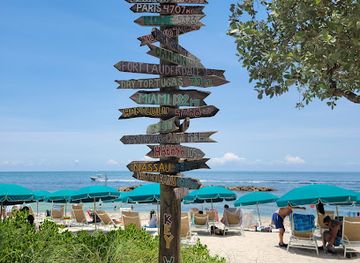
Southernmost Point of the Continental U.S.A.
Experience the vibrant charm of the Southernmost Point of the Continental U.S.A., a Key West landmark that captures the essence of island life.
6 min drive · 2.0 km from city centre
-
Tourist attraction
Southernmost Point of the Continental U.S.A.
Explore the Southernmost Point of the Continental U.S.A. in Key West, a vibrant landmark with rich history, stunning views, and unforgettable photo opportunities.
6 min drive · 2.0 km from city centre
-
Tourist attraction
The Hemingway Home and Museum
Explore The Hemingway Home and Museum in Key West, a historic landmark celebrating the life of literary icon Ernest Hemingway amidst tropical beauty.
6 min drive · 2.1 km from city centre
-
Tourist attraction
The Hemingway Home and Museum
Explore the Hemingway Home and Museum, a historical landmark in Key West, where literary history meets tropical charm.
6 min drive · 2.1 km from city centre


Best landmarks in Key West
Key West’s landmarks express its maritime position, Caribbean connections and political history. The Key West Lighthouse, completed in 1848 and rebuilt in later forms, marks the island’s long dependence on coastal navigation, while the nearby Hemingway Home is a significant literary and architectural house set within a historic garden. The Truman Little White House, originally a naval officers’ residence, is associated with Harry S. Truman’s presidential stays and remains an important civic building. Fort Zachary Taylor is a substantial nineteenth-century coastal fortification whose brick structure reflects the island’s strategic military role. Mallory Square, the Custom House and the old St Paul’s Episcopal Church add civic and religious dimensions to the harbour town. Together, these sites show how defence, navigation, government, domestic life and commerce shaped Key West’s built character.
-
Historical landmark
Southernmost Point of the Continental U.S.A.
Discover the Southernmost Point of the Continental U.S.A., an iconic Key West landmark where history meets breathtaking coastal views.
6 min drive · 2.0 km from city centre
-
Museum
The Hemingway Home and Museum
Explore the enchanting Hemingway Home and Museum in Key West, a historical treasure where literature and nature intertwine beautifully.
6 min drive · 2.1 km from city centre
-
State park
Fort Zachary Taylor Historic State Park
Discover the rich history and natural beauty of Fort Zachary Taylor Historic State Park in Key West, Florida, where adventure meets education.
10 min drive · 3.2 km from city centre
-
Garden
The Key West Butterfly and Nature Conservatory
Discover a magical world of butterflies at The Key West Butterfly and Nature Conservatory, where nature's beauty unfolds in vibrant colors.
6 min drive · 1.9 km from city centre
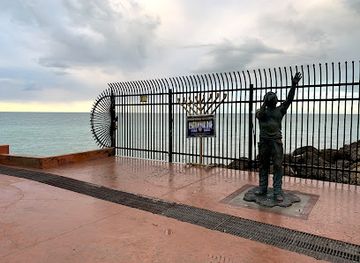
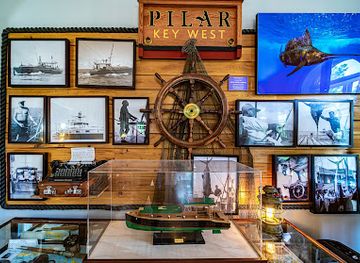
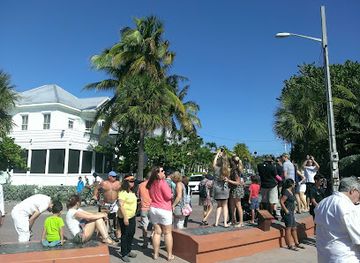
Explore Key West on the map
Plan your Key West trip on one map. See where the top attractions, landmarks, restaurants, bars and hotels are, find what's near where you're staying, and book hotels and experiences in a few clicks.
Best hotels in Key West
Best restaurants in Key West
Key West cooking reflects its position between Florida, Cuba and the wider Caribbean. Conch fritters, conch chowder, locally caught fish, pink shrimp, stone crab when in season and the island’s tart Key lime pie are among the most recognisable specialities. Cuban influences appear in coffee, roast pork, sandwiches and casual cafés, while Bahamian heritage is reflected in seafood traditions and the character of Bahama Village. Duval Street and the surrounding Old Town lanes contain restaurants ranging from longstanding seafood rooms to informal courtyards and bakeries; the Historic Seaport is oriented towards waterfront dining, and nearby Stock Island has a more working-harbour atmosphere with seafood businesses and contemporary eateries. Dinner menus vary with seasonal catches, so dishes described as local may depend on supply rather than a fixed daily offering.
-
American
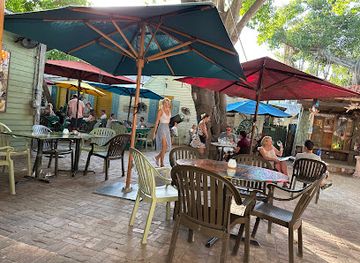
Blue Heaven
Discover Blue Heaven in Key West - where Caribbean flavors meet American comfort food in a vibrant tropical setting.
7 min drive · 2.3 km from city centre
-
Seafood
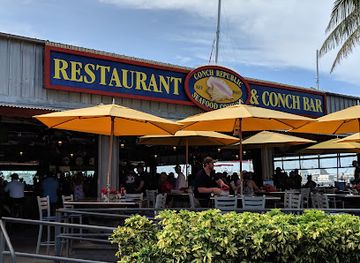
Conch Republic Seafood Company
Experience fresh seafood delights at Conch Republic Seafood Company in Key West - where every meal is a taste of Florida's coastal charm.
7 min drive · 2.4 km from city centre
-
American
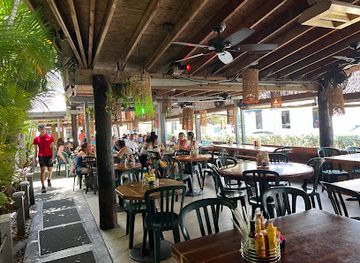
Two Friends Patio Restaurant
Discover Two Friends Patio Restaurant: A lively American dining experience featuring delicious breakfasts and fun karaoke nights in Key West.
8 min drive · 2.6 km from city centre
-
Cuban
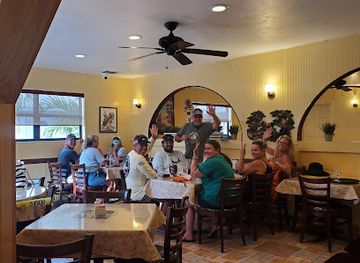
El Siboney Restaurant
Experience authentic Cuban cuisine at El Siboney Restaurant in Key West – where flavorful dishes meet warm hospitality.
17 min walk · 1.3 km from city centre
Best bars in Key West
Key West’s evening life is concentrated around Duval Street, the Historic Seaport and nearby Old Town lanes, with a mixture of open-front bars, music venues, cocktail rooms and late-night gathering places. The sunset crowd at Mallory Square provides the city’s most distinctive early-evening ritual, while established venues such as Sloppy Joe’s and the Green Parrot Bar represent different strands of the island’s long relationship with live music and informal sociability. The Key West Theater presents concerts and performances, adding a cultural alternative to bar-hopping. The atmosphere ranges from relaxed outdoor drinks and acoustic sets to livelier venues near the southern end of Duval Street, though Key West is more compact and convivial than a large-club destination. Sea conditions, weather and local regulations can influence outdoor entertainment and boat-based evening activities.
-
Bar
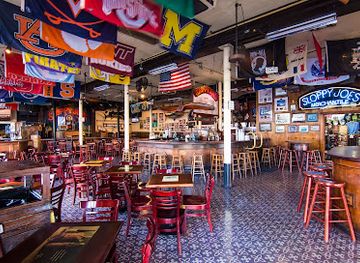
Sloppy Joe's Bar
Dive into the lively atmosphere of Sloppy Joe's Bar, a historic Key West gem serving up cocktails, music, and American cuisine in a vibrant setting.
8 min drive · 2.5 km from city centre
-
Pub
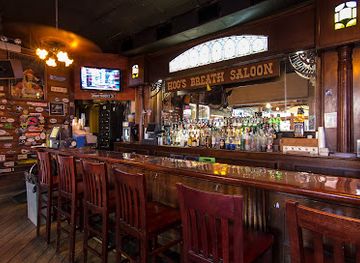
Hog's Breath Saloon
Discover the lively Hog's Breath Saloon in Key West, where delicious food, refreshing drinks, and live entertainment create an unforgettable atmosphere.
8 min drive · 2.7 km from city centre
-
Bar
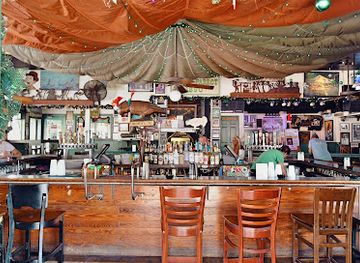
Green Parrot Bar
Discover the lively spirit of Green Parrot Bar, Key West's iconic destination for cocktails, live music, and unforgettable nightlife experiences.
7 min drive · 2.3 km from city centre
-
Bar
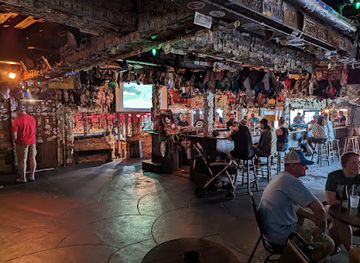
Capt Tony’s Saloon
Discover the vibrant history and lively ambiance of Capt Tony’s Saloon, a must-visit bar in Key West offering drinks, music, and local culture.
8 min drive · 2.6 km from city centre
Best nightclubs in Key West
Key West’s evening life is concentrated around Duval Street, the Historic Seaport and nearby Old Town lanes, with a mixture of open-front bars, music venues, cocktail rooms and late-night gathering places. The sunset crowd at Mallory Square provides the city’s most distinctive early-evening ritual, while established venues such as Sloppy Joe’s and the Green Parrot Bar represent different strands of the island’s long relationship with live music and informal sociability. The Key West Theater presents concerts and performances, adding a cultural alternative to bar-hopping. The atmosphere ranges from relaxed outdoor drinks and acoustic sets to livelier venues near the southern end of Duval Street, though Key West is more compact and convivial than a large-club destination. Sea conditions, weather and local regulations can influence outdoor entertainment and boat-based evening activities.
-
Night club
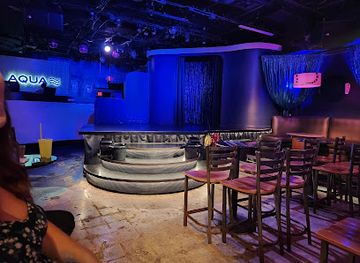
Aqua Bar and Nightclub
Experience the vibrant nightlife of Key West at Aqua Bar and Nightclub, where unforgettable entertainment meets an electric atmosphere.
6 min drive · 2.1 km from city centre
-
Gay night club
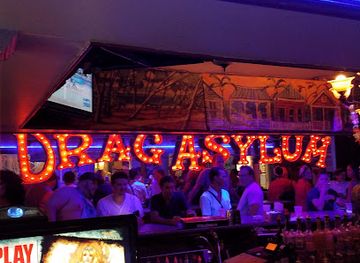
801 Bourbon Bar
Experience the lively spirit of Key West at 801 Bourbon Bar, a premier gay nightclub featuring cocktails, karaoke, and a vibrant atmosphere.
6 min drive · 2.1 km from city centre
-
Gay night club
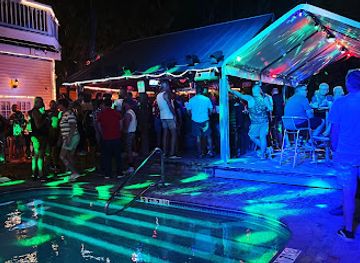
Bourbon Street Pub
Discover the vibrant nightlife at Bourbon Street Pub, Key West's premier gay night club, known for its lively entertainment and welcoming atmosphere.
6 min drive · 2.1 km from city centre
-
Night club
Bare Assets
Experience the vibrant nightlife of Key West at Bare Assets, where music, dancing, and fun come together for unforgettable nights.
16 min walk · 1.3 km from city centre

Best shops in Key West
Shopping in Key West centres on the historic streets of Old Town, particularly Duval Street, Greene Street and the lanes around the Historic Seaport. Visitors find independent galleries, local art, jewellery, resort clothing, used books and small specialist shops alongside businesses selling Key lime products and Florida-themed gifts. Bahama Village has a more neighbourhood-oriented character, with galleries and independent retailers reflecting the area’s Caribbean heritage. Handmade goods, marine imagery, tropical prints and locally produced food products are more characteristic purchases than conventional department-store shopping. Key West has a long cigar-making history, and some shops sell hand-rolled cigars, although visitors should distinguish locally made cigars from products merely carrying island branding. Antique pieces, artwork and souvenirs should be bought from established retailers, with attention to restrictions on taking wildlife, coral or protected natural materials home.
-
Shoe store
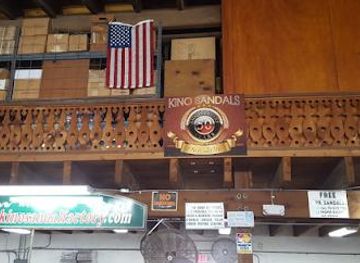
KINO Sandals
Explore the artistry of handmade sandals at KINO Sandals, a Key West treasure for stylish and comfortable footwear.
8 min drive · 2.6 km from city centre
-
Antique store
90 Miles To Cuba
Explore Key West's 90 Miles To Cuba: A unique antique store and art gallery filled with timeless treasures and local artistry.
7 min drive · 2.4 km from city centre
-
Jewelry store
Bliss Jewelers
Explore Bliss Jewelers in Key West for exquisite handcrafted jewelry that captures the essence of island life and artistry.
8 min drive · 2.8 km from city centre
-
Shopping mall
Clinton Square Market
Explore Clinton Square Market in Key West for unique shopping and delicious local cuisine, all in a vibrant tropical setting.
8 min drive · 2.7 km from city centre

Get your free copy of our complete guide to Key West, delivered straight to you.
Everything on this page, from attractions and restaurants to essentials and local phrases, in one PDF you can read offline, print or share.
Already have an account? Sign in
Your Key West guide is ready.
We'll send it to · Not you? Sign out

Getting your guide ready…
We are putting together a fresh copy of the Key West guide. This can take up to a minute.
This can take a few moments. If your browser asks, choose Allow so the download can start. You'll find the guide in your Downloads folder.
Nothing happened? Download it again
Sorry, the guide is taking longer than usual. Please try again in a minute, or get it by email instead.
Key West essentials
Currency and Payment
Safety
Emergency Situations
Do's and Don'ts
Local Tips
From Eve
Local phrases worth knowing
You don't need to get them perfect. A few words go a long way, and locals appreciate the effort.
Basics
| English | Local | Say it |
|---|---|---|
| Hello | Ahoy | [ah-oy] |
| Goodbye | Adios | [ah-dee-ose] |
| Yes | Yeah | [yeh] |
| No | Nah | [nah] |
| Please/You're welcome | Please/Welcome | [pleez/wel-kum] |
| Thank you | Thanks | [th-anks] |
| Excuse me/Sorry | Pardon/My bad | [par-dun/mah bad] |
| How are you? | How you doin'? | [how yuh doin] |
| Fine. And you? | Good. You? | [gud yuh] |
| Do you speak English? | Ya speak English? | [yuh speak ing-lish] |
| I don't understand | I dun get it | [ai dun get it] |
Eating & Drinking
| English | Local | Say it |
|---|---|---|
| I'd like to see the menu, please | I wanna see the menu, please | [ai wan-na see the menu, pleez] |
| I don't eat meat | I don't eat meat | [ai dun eat meet] |
| Cheers! | Cheers! | [cheerz] |
| I would like to pay, please | I wanna pay, please | [ai wan-na pay, pleez] |
Emergencies
| English | Local | Say it |
|---|---|---|
| Help! | Help! | [help] |
| Go away! | Get lost! | [get lost] |
| Call the Police! | Call the cops! | [call the cops] |
| Call a doctor! | Call a doc! | [call a dok] |
| I'm lost | I'm lost | [aim lost] |
| I'm ill | I'm sick | [aim sik] |
Shopping
| English | Local | Say it |
|---|---|---|
| I'd like to buy... | I wanna buy... | [ai wan-na buy] |
| I'm just looking | I'm just lookin' | [aim just look-in] |
| How much is it? | How much? | [how much] |
| That's too expensive | That's pricey | [thats prai-see] |
| Can you lower the price? | Can ya lower it? | [can yuh lo-wur it] |
Time & Numbers
| English | Local | Say it |
|---|---|---|
| What time is it? | What time is it? | [what time is it] |
| It's one o'clock | It's one | [its wun] |
| Half past (10) | Half past ten | [haff past ten] |
| Morning | Morning | [mornin] |
| Afternoon | Afternoon | [afternoon] |
| Evening | Evening | [evening] |
| Yesterday | Yesterday | [yester-day] |
| Today | Today | [to-day] |
| Tomorrow | Tomorrow | [tom-or-row] |
| 1 | One | [wun] |
| 2 | Two | [too] |
| 3 | Three | [three] |
| 4 | Four | [four] |
| 5 | Five | [five] |
| 6 | Six | [six] |
| 7 | Seven | [seven] |
| 8 | Eight | [eight] |
| 9 | Nine | [nine] |
| 10 | Ten | [ten] |
Transport & Directions
| English | Local | Say it |
|---|---|---|
| Where's a/the...? | Where's the...? | [wheres the] |
| What's the address? | What's the address? | [whats the address] |
| Can you show me (on the map)? | Can ya show me (on the map)? | [can yuh show me (on the map)] |
| When's the next (bus)? | When's the next (bus)? | [whens the next (bus)] |
| A ticket (to ....) | A ticket (to ....) | [a ticket (to)] |
History of Key West
Indigenous Island and Spanish Claims
Before European settlement, the lower Florida Keys were used by Indigenous peoples associated with the Calusa and Tequesta cultural regions, together with other communities whose movements followed the islands’ marine resources. Spanish explorers reached the archipelago in the sixteenth century, and the name Key West derives from the Spanish Cayo Hueso, commonly translated as Bone Key. The phrase is generally linked to the presence of human bones on the island, although the precise circumstances behind the name are not fully documented. The Keys remained a strategically placed but lightly settled part of the wider Florida coastline for centuries, valued for fishing, navigation and their position between the Gulf of Mexico and the Caribbean.
American Settlement and Maritime Trade
The United States took possession of Florida in 1821, and naval officer Matthew Perry formally claimed the Florida Keys for the United States in 1822. Key West soon developed as a port and commercial settlement, benefiting from its location along busy maritime routes. The island’s economy grew through wrecking, the legally regulated recovery of cargo from shipwrecks, as well as fishing, salt production and trade. Wrecking made some residents wealthy and helped establish Key West as an important port, while its distance from the mainland encouraged a distinctive civic identity and a society shaped by Bahamian, Cuban, Spanish and American influences.
Cigar Makers and Caribbean Connections
During the nineteenth century, Key West became closely connected with Cuba and the Caribbean through commerce, migration and cigar production. Cuban cigar makers established workshops on the island, and cigar factories became central to local employment and culture. Bahamian settlers also contributed to the town’s maritime economy, architecture and community life. The cigar trade gradually declined as production moved elsewhere, but the built environment and neighbourhood traditions associated with these communities remain especially visible in Bahama Village and the Old Town streets. Key West’s cultural identity therefore developed through sustained movement across the Florida Straits rather than through an isolated mainland tradition.
Railway, War and Economic Change
The arrival of Henry Flagler’s Florida East Coast Railway in 1912 transformed Key West’s connection with the rest of Florida. The overseas extension, completed across bridges and engineered causeways, brought passengers and freight to the island and strengthened its role as a southern terminus. Railway infrastructure was later damaged by the powerful 1935 Labor Day hurricane, one of the most destructive storms in Florida’s history. The federal government subsequently developed the Overseas Highway along sections of the former railway route, creating the road connection that still defines access to Key West. These changes shifted the island’s economy towards tourism, transport and services.
Literary Key West and the Truman Years
Key West attracted writers and artists during the twentieth century, among them Ernest Hemingway, who lived on the island during the 1930s and used its people, landscape and maritime life as material for his work. Tennessee Williams also maintained a long association with Key West. During the presidency of Harry S. Truman, the house now known as the Truman Little White House served as a working presidential retreat and hosted important government activity. These literary and political connections added national prominence to an already distinctive island community, while the surviving houses and institutions helped preserve particular chapters of modern Key West history.
The Conch Republic Era
In 1982, a United States Border Patrol roadblock on US 1 near the entrance to the Florida Keys prompted opposition from local officials and residents, who argued that the inspection disrupted travel and harmed the island economy. Key West symbolically seceded from the United States on 23 April 1982 and declared itself the Conch Republic, surrendering shortly afterwards but continuing to commemorate the episode as an expression of local self-government and irreverent civic identity. The event reinforced Key West’s reputation for political theatre and independence, while also reflecting practical tensions between island life, tourism and mainland administration.
Key West in Photos
Browse through our photo collection highlighting the charm and character of the destination.
Cities near Key West
The closest cities to Key West, if you have time for more than one stop.
-

-

-

-

-


Swipe for more cities
Explore more

Explore more of Florida
Discover Florida: A Sunshine State full of dazzling beaches, iconic theme parks, rich history, and stunning natural parks, offering endless adventures for every traveler.
Explore Florida