

Free Key Largo Travel Guide & Mobile App
Plan your Key Largo trip with Evendo. Get free guides to top attractions, restaurants, hotels, and bars. Web access or download the mobile app.


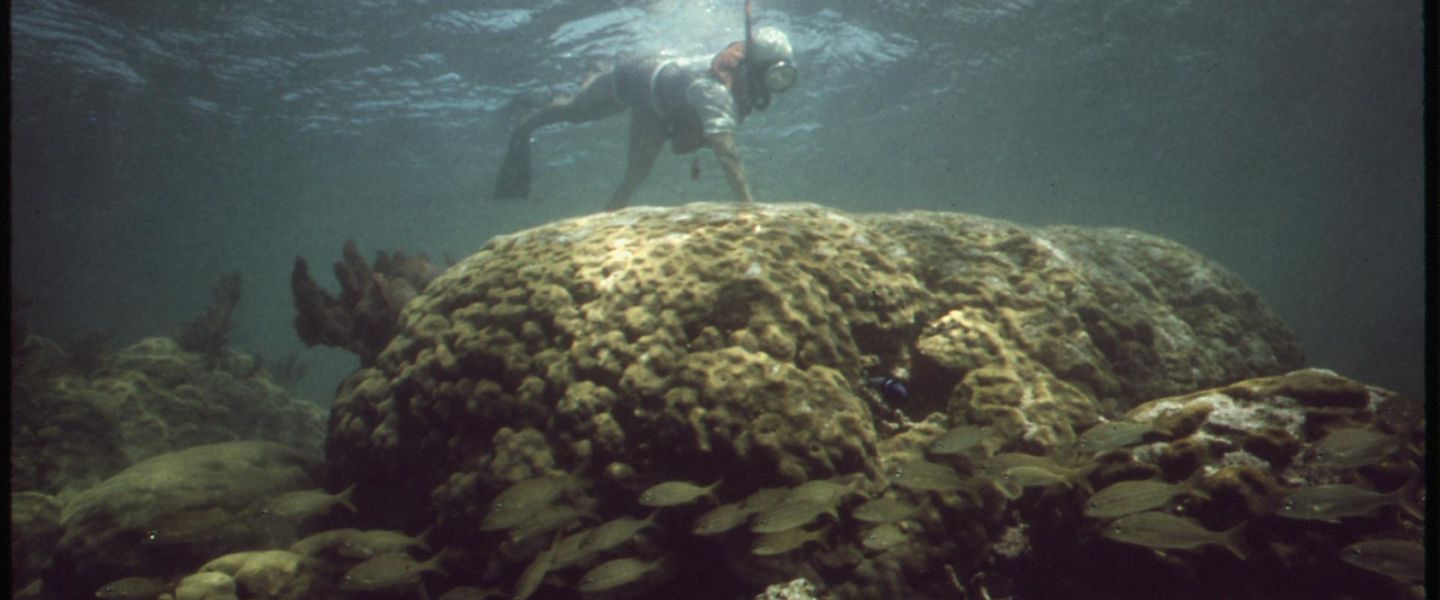


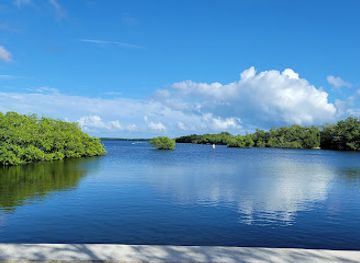
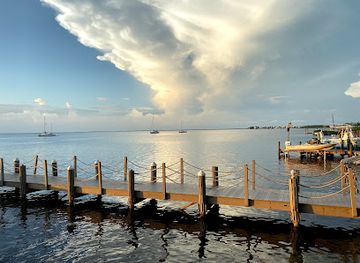
Key Largo, Florida blends coral-reef diving, John Pennekamp adventures, mangrove landscapes, seafood and relaxed Upper Keys culture for island escapes.
Gateway to the Upper Keys
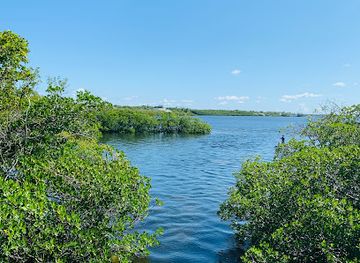
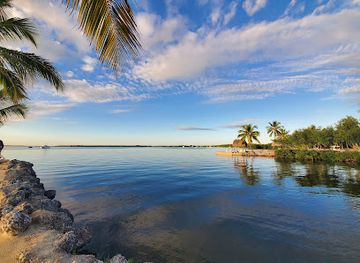
Key Largo stretches along the northernmost large island of the Florida Keys, connected to mainland Florida by US 1 and surrounded by the shallow, living waters of Florida Bay and the Atlantic. The community is less a conventional town than a long, low-slung chain of marinas, residential lanes, waterfront restaurants, dive centres and conservation areas. Its identity is inseparable from the sea: coral reefs lie offshore, mangrove islands fringe the bays, and the Overseas Highway provides the main route through a landscape where land and water continually exchange places.Read more about Key Largo
Reefs, Wrecks and Wild Places
A Working Island Community
When is the best time to visit Key Largo?
Best: December–February · 24–25°C| Month | High (°C) | Rainfall (mm) |
|---|---|---|
| January (best) | 24 | 40 |
| February (best) | 25 | 35 |
| March | 27 | 40 |
| April | 28 | 50 |
| May | 30 | 90 |
| June | 31 | 170 |
| July | 32 | 140 |
| August | 32 | 170 |
| September | 31 | 200 |
| October | 30 | 120 |
| November | 27 | 60 |
| December (best) | 25 | 40 |
Getting to and around Key Largo
How to get there
Transportation
Best attractions in Key Largo
Key Largo's principal attractions are closely tied to its marine environment. John Pennekamp Coral Reef State Park provides access to clear offshore waters, mangrove channels and the famous Christ of the Abyss statue, reached by snorkelling, diving or boat excursion rather than from the shore. On land, Key Largo Hammock Botanical State Park protects tropical hardwood forest, rare plants and trails that reveal a side of the Keys away from the highway. The Florida Keys Wild Bird Rehabilitation Center offers insight into injured native and migratory birds, with habitats designed for observation and care. The African Queen, the historic steam launch associated with the classic film, adds a piece of maritime popular culture at a local marina. Fishing piers, kayak routes and charter boats extend sightseeing into Florida Bay, while the Overseas Highway itself provides changing views of channels, mangroves and open water.
-
State park
John Pennekamp Coral Reef State Park
Explore the breathtaking underwater beauty of John Pennekamp Coral Reef State Park in Key Largo, Florida, a premier destination for snorkeling and marine life encounters.
16 min drive · 5.2 km from city centre
-
State park
John Pennekamp Coral Reef State Park
Explore John Pennekamp Coral Reef State Park: Florida's first underwater park, featuring breathtaking coral reefs and diverse marine adventures.
16 min drive · 5.2 km from city centre
-
Bar
Caribbean Club
Discover the tropical charm of Caribbean Club in Key Largo, a lively bar perfect for enjoying drinks, music, and the beauty of the Florida Keys.
9 min drive · 2.8 km from city centre
-
Tourist attraction
Dolphins Plus Bayside
Dive into adventure and learn about marine life at Dolphins Plus Bayside, where unforgettable dolphin encounters await in the heart of Key Largo.
11 min walk · 0.9 km from city centre

Best landmarks in Key Largo
Several landmarks express Key Largo's history through transport, conservation and the sea. The African Queen is the original small steam launch made famous by the 1951 film and remains a tangible reminder of the Keys' maritime mythology. John Pennekamp Coral Reef State Park is significant not only as a visitor site but as the first undersea park in the United States, marking a major step in public marine conservation. Beneath its protected waters stands Christ of the Abyss, a bronze statue placed on the seabed and recognised as a symbol of the area's diving culture. The Overseas Highway and its surviving associations with the Overseas Railway represent the engineering projects that connected the island chain to mainland Florida. Key Largo Hammock Botanical State Park adds a natural landmark, preserving tropical hardwood habitat amid a heavily visited coastal corridor.
-
State park
John Pennekamp Coral Reef State Park
Discover the vibrant underwater ecosystems and lush landscapes at John Pennekamp Coral Reef State Park, a premier destination in the Florida Keys.
16 min drive · 5.2 km from city centre
-
Restaurant
Jimmy Johnson's Big Chill
Discover the vibrant flavors and relaxing atmosphere at Jimmy Johnson's Big Chill in Key Largo, where great food meets stunning views.
8 min drive · 2.7 km from city centre
-
Boat tour agency
Key Largo Princess Glass Bottom Boat
Discover the breathtaking underwater world of the Florida Keys with the Key Largo Princess Glass Bottom Boat tour, perfect for marine life enthusiasts and families.
12 min drive · 4.1 km from city centre
-
Ice Cream
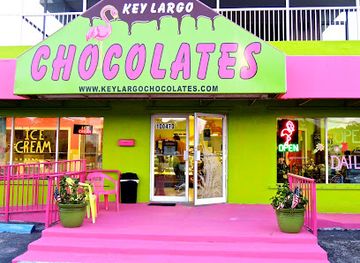
Keys Chocolates and Ice Cream
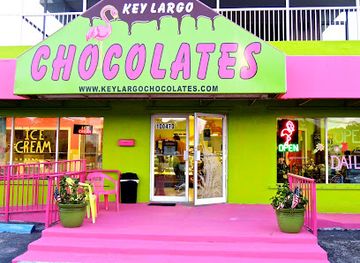
Discover the sweetest spot in Key Largo with artisanal chocolates, unique ice cream flavors, and delicious pies at Keys Chocolates and Ice Cream.
9 min drive · 3.1 km from city centre
Explore Key Largo on the map
Plan your Key Largo trip on one map. See where the top attractions, landmarks, restaurants, bars and hotels are, find what's near where you're staying, and book hotels and experiences in a few clicks.
Best hotels in Key Largo
Best restaurants in Key Largo
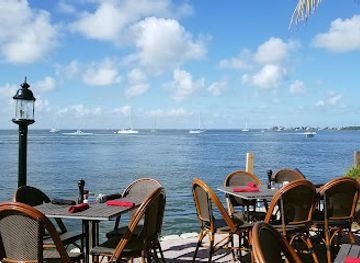
Key Largo's dining culture is shaped by South Florida seafood and the practical traditions of a boating community. Menus commonly feature locally influenced preparations of fish, shrimp, lobster when in season, stone crab, conch and oysters, alongside American staples served in relaxed waterfront settings. Conch fritters and cracked conch reflect the wider Keys' Caribbean influences, while key lime pie remains the region's best-known dessert. Casual seafood shacks, marina grills, cafés and family restaurants sit alongside more polished bayside dining rooms, with the main US 1 corridor providing most of the choice. Breakfast and lunch spots cater to early departures for fishing or diving, and many restaurants emphasise outdoor seating and sunset views. Seafood markets and farm-to-table claims should be assessed by provenance, as the Keys' restaurants serve both local products and ingredients brought in from elsewhere in Florida.
-
Seafood
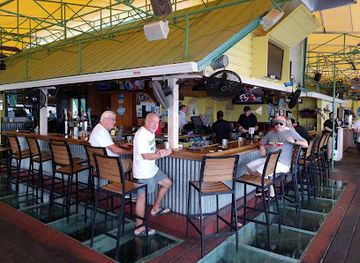
The Fish House
Discover fresh seafood delights at The Fish House in Key Largo - where ocean flavors meet warm hospitality.
3 min walk · 0.2 km from city centre
-
Seafood
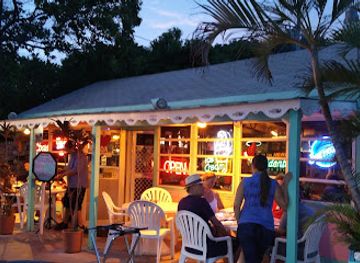
Mrs. Mac's Kitchen (Little)
Discover fresh seafood delights at Mrs. Mac's Kitchen in Key Largo - where every meal feels like a taste of paradise.
14 min drive · 4.8 km from city centre
-
Seafood
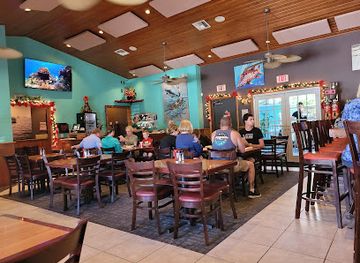
Hobo's Cafe
Discover Hobo's Cafe in Key Largo: A top-notch seafood restaurant offering fresh catches and delightful dishes in a welcoming atmosphere.
14 min walk · 1.1 km from city centre
-
Seafood
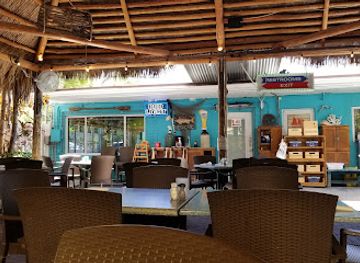
Lazy Lobster Seafood Restaurant
Experience fresh seafood in Key Largo at Lazy Lobster Seafood Restaurant—where local flavors meet coastal charm.
8 min walk · 0.7 km from city centre
Best bars in Key Largo
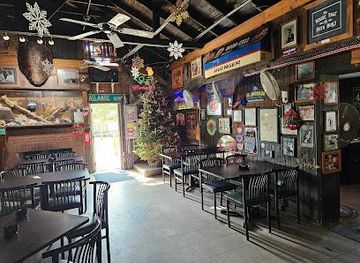
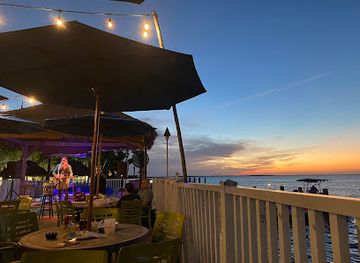
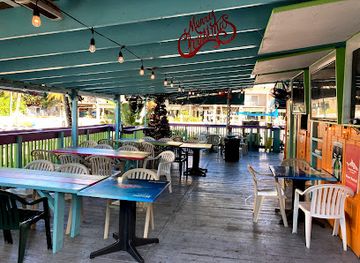
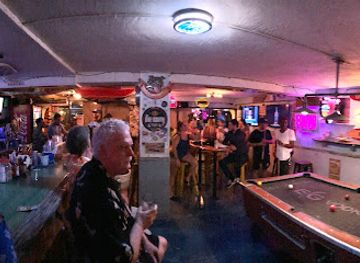
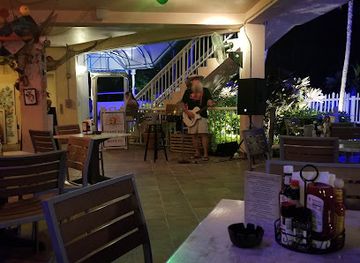
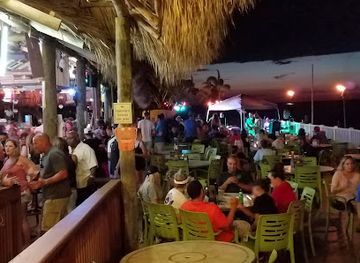
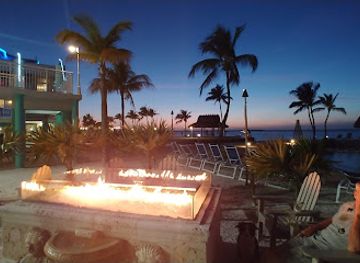
Key Largo's nightlife is informal and waterfront-oriented rather than defined by large nightclubs. After dark, visitors generally gather at marina bars, casual pubs, hotel lounges and restaurants with live music, where the atmosphere may include acoustic performers, local bands or televised sport. Outdoor seating and views across Florida Bay are central to the evening experience, and dress is usually relaxed. Some venues appeal to divers, fishing crews and long-term Keys residents, giving the social scene a practical maritime character. There are opportunities for cocktails, beer and dancing, but the scale is modest and entertainment varies by season and day of the week. Theatre-sized cultural nightlife is limited within Key Largo itself; those seeking a broader choice of bars and music often look towards other Upper Keys communities, which are separate from Key Largo and require travel along US 1.
-
Bar
Jimmy Johnson's Big Chill
Discover the vibrant tropical dining experience at Jimmy Johnson's Big Chill in Key Largo, where delicious seafood and fun await all visitors.
8 min drive · 2.7 km from city centre
-
Grill
Snook's Bayside Restaurant & Grand Tiki
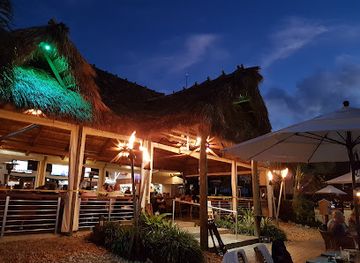
Discover the culinary delights of Snook's Bayside Restaurant & Grand Tiki, where fresh seafood meets stunning waterfront views in Key Largo.
14 min drive · 4.5 km from city centre
-
Bar
Sharkey’s Sharkbite Grill
Experience the vibrant flavors of the Florida Keys at Sharkey's Sharkbite Grill, where fresh seafood meets a tropical paradise.
11 min drive · 3.8 km from city centre
-
Seafood
Sundowners
Experience the Best of Florida Keys Seafood Dining at Sundowners in Key Largo - Fresh Catch, Scenic Views, and Vibrant Tiki Vibes Await!
8 min drive · 2.7 km from city centre
Best nightclubs in Key Largo
Key Largo's nightlife is informal and waterfront-oriented rather than defined by large nightclubs. After dark, visitors generally gather at marina bars, casual pubs, hotel lounges and restaurants with live music, where the atmosphere may include acoustic performers, local bands or televised sport. Outdoor seating and views across Florida Bay are central to the evening experience, and dress is usually relaxed. Some venues appeal to divers, fishing crews and long-term Keys residents, giving the social scene a practical maritime character. There are opportunities for cocktails, beer and dancing, but the scale is modest and entertainment varies by season and day of the week. Theatre-sized cultural nightlife is limited within Key Largo itself; those seeking a broader choice of bars and music often look towards other Upper Keys communities, which are separate from Key Largo and require travel along US 1.
-
Bar
Sharkey’s Sharkbite Grill
Discover the vibrant flavors and lively atmosphere of Sharkey’s Sharkbite Grill, a must-visit restaurant and bar in Key Largo, Florida.
11 min drive · 3.8 km from city centre
-
Restaurant
Bayside Grille & Sunset Bar
Experience the best of Key Largo at Bayside Grille & Sunset Bar, where fresh seafood meets stunning waterfront views in a vibrant atmosphere.
14 min drive · 4.6 km from city centre
-
Bar
Caribbean Club
Discover the Caribbean Club in Key Largo, a vibrant bar offering tropical drinks, live music, and stunning waterfront views in the heart of the Florida Keys.
9 min drive · 2.8 km from city centre
-
Grill
Breezer's Tiki Bar
Discover Breezer's Tiki Bar in Key Largo, where American cuisine meets tropical vibes for an unforgettable dining experience.
7 min drive · 2.4 km from city centre
Best shops in Key Largo
Shopping in Key Largo is practical, independent and closely connected with life on the water. Dive shops and marine outfitters sell masks, fins, clothing, fishing equipment and practical supplies, while small galleries and gift shops offer photographs, island-themed art, jewellery and decorative objects inspired by shells and the sea. Food shops and seafood counters can provide regional flavours, although visitors should ask about the origin and season of marine products. The main US 1 corridor contains most of the retail activity, including everyday provisions, clothing and souvenirs rather than a concentrated pedestrian shopping district. Locally made artwork, nautical maps and reef-related crafts tend to be more distinctive purchases than generic merchandise. Visitors should avoid buying coral, protected shells or products made from threatened wildlife, and should check transport and customs rules before taking food or natural materials across borders.
-
Ice Cream
Keys Chocolates and Ice Cream
Discover a sweet paradise in Key Largo with rich ice creams, artisanal chocolates, and delightful desserts at Keys Chocolates and Ice Cream.
9 min drive · 3.1 km from city centre
-
Grocery store
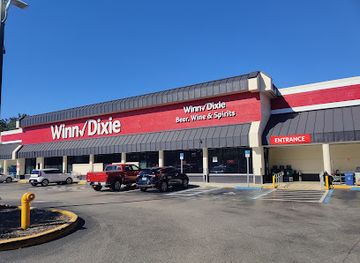
Winn-Dixie
Discover fresh produce and local flavors at Winn-Dixie, your affordable grocery stop in the heart of Key Largo, Florida.
15 min drive · 5.0 km from city centre
-
Shopping mall
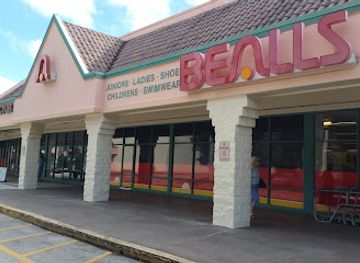
Tradewinds Shopping Center
Discover a vibrant shopping experience at Tradewinds Shopping Center, Key Largo's premier retail destination with diverse stores and delicious dining options.
18 min walk · 1.5 km from city centre
-
Fireworks store
Phantom Fireworks of Key Largo
Experience the thrill of fireworks shopping at Phantom Fireworks of Key Largo, where excitement meets delightful novelty treasures.
18 min drive · 6.1 km from city centre
Get your free copy of our complete guide to Key Largo, delivered straight to you.
Everything on this page, from attractions and restaurants to essentials and local phrases, in one PDF you can read offline, print or share.
Already have an account? Sign in
Your Key Largo guide is ready.
We'll send it to · Not you? Sign out

Getting your guide ready…
We are putting together a fresh copy of the Key Largo guide. This can take up to a minute.
This can take a few moments. If your browser asks, choose Allow so the download can start. You'll find the guide in your Downloads folder.
Nothing happened? Download it again
Sorry, the guide is taking longer than usual. Please try again in a minute, or get it by email instead.
Key Largo essentials
Currency and Payment
Safety
Emergency Situations
Do's and Don'ts
Local Tips
From Eve
Local phrases worth knowing
You don't need to get them perfect. A few words go a long way, and locals appreciate the effort.
Basics
| English | Local | Say it |
|---|---|---|
| Hello | Hey | [hey] |
| Goodbye | Bye | [bai] |
| Yes | Yeah | [yeh] |
| No | Nope | [nohp] |
| Please/You're welcome | Please/No problem | [pleez/no prob-lem] |
| Thank you | Thanks | [thanks] |
| Excuse me/Sorry | Sorry | [sor-ee] |
| How are you? | How's it going? | [hows it go-ing] |
| Fine. And you? | Good. You? | [good. yoo] |
| Do you speak English? | Do you speak English? | [do you speak Ing-glish] |
| I don't understand | I don't get it | [I dont get it] |
Eating & Drinking
| English | Local | Say it |
|---|---|---|
| I'd like to see the menu, please | Can I see the menu, please | [can I see the menu, please] |
| I don't eat meat | I don't eat meat | [I dont eat meet] |
| Cheers! | Cheers! | [Cheers] |
| I would like to pay, please | Can I have the check, please | [can I have the check, please] |
Emergencies
| English | Local | Say it |
|---|---|---|
| Help! | Help! | [Help] |
| Go away! | Go away! | [Go away] |
| Call the Police! | Call the cops! | [call the cops] |
| Call a doctor! | Get a doctor! | [get a doctor] |
| I'm lost | I'm lost | [Im lost] |
| I'm ill | I'm sick | [Im sick] |
Shopping
| English | Local | Say it |
|---|---|---|
| I'd like to buy... | I wanna buy... | [I wanna buy] |
| I'm just looking | Just browsing | [just browsing] |
| How much is it? | How much does it cost? | [how much duz it cost] |
| That's too expensive | That's too pricey | [thats too pricey] |
| Can you lower the price? | Can you make it cheaper? | [can you make it cheaper] |
Time & Numbers
| English | Local | Say it |
|---|---|---|
| What time is it? | What time is it? | [what time is it] |
| It's one o'clock | It's one o'clock | [its one oclock] |
| Half past (10) | Half past ten | [half past ten] |
| Morning | Morning | [morning] |
| Afternoon | Afternoon | [afternoon] |
| Evening | Evening | [evening] |
| Yesterday | Yesterday | [yester-day] |
| Today | Today | [to-day] |
| Tomorrow | Tomorrow | [to-mor-row] |
| 1 | One | [wun] |
| 2 | Two | [too] |
| 3 | Three | [three] |
| 4 | Four | [four] |
| 5 | Five | [five] |
| 6 | Six | [six] |
| 7 | Seven | [seven] |
| 8 | Eight | [eight] |
| 9 | Nine | [nine] |
| 10 | Ten | [ten] |
Transport & Directions
| English | Local | Say it |
|---|---|---|
| Where's a/the...? | Where's the...? | [wheres the] |
| What's the address? | What's the address? | [whats the address] |
| Can you show me (on the map)? | Can you show me (on the map)? | [can you show me on the map] |
| When's the next (bus)? | When's the next (bus)? | [whens the next bus] |
| A ticket (to ....) | A ticket (to ....) | [a ticket to] |
History of Key Largo
Indigenous Florida Keys
Before European colonisation, the Florida Keys were used by Indigenous peoples including the Calusa and Tequesta, whose lives were closely connected to fishing, shellfish gathering and travel by canoe through the island chains. The shallow waters around Key Largo formed part of a wider maritime world rather than an isolated settlement. Spanish explorers entered the region in the sixteenth century, and later maps recorded the island's long, narrow form; the name is generally associated with the Spanish description Cayo Largo, meaning long key. European diseases, colonial disruption and changing control of South Florida severely affected Indigenous communities, whose presence remains an essential part of the region's deeper history.
Wreckers, Fishermen and Maritime Trade
For centuries the Florida Keys occupied a hazardous position beside routes used by vessels approaching the Gulf of Mexico and the Caribbean. Shipwrecks created a local wrecking economy in which mariners salvaged cargo and equipment under systems regulated by authorities in the Spanish and later American periods. Fishing, sponging and small-scale maritime trade also shaped life across the Keys. Key Largo's island geography encouraged settlement around sheltered bays and channels, while the surrounding reefs remained both a source of food and a danger to navigation. This maritime economy established the practical relationship with the sea that still characterises the community.
Railway and Overseas Connection
The construction of Henry Flagler's Overseas Railway transformed access to the Florida Keys in the early twentieth century. The line reached Key Largo in 1908 and was extended towards Key West, opening the islands to agricultural shipments, visitors and new patterns of settlement. Stations and bridges connected communities that had previously depended heavily on boats. The railway was badly damaged by the Labor Day hurricane of 1935, and the route was not rebuilt as a railway. Much of its infrastructure later helped form the basis of the Overseas Highway, whose bridges and causeways made road travel the defining connection between Key Largo and the Florida mainland.
Roads, Tourism and the Modern Keys
After the railway's collapse, the Overseas Highway became the principal route through the islands, linking Key Largo more directly with Miami and the rest of the Keys. Improved roads encouraged permanent settlement, recreational fishing and tourism, while the area's warm seas attracted divers and boaters. The opening of John Pennekamp Coral Reef State Park in 1963 marked a significant shift towards organised marine conservation and public appreciation of the offshore reef system. Motels, marinas and restaurants expanded alongside these activities, but development remained constrained by the narrow island environment and the growing recognition that reefs, wetlands and tropical forests required protection.
Conservation and Marine Identity
Key Largo's recent history has been shaped by the tension between development and environmental stewardship. The Florida Keys Marine Sanctuary, established in 1990, brought a broad framework of protection to coral reefs, seagrass beds and coastal waters, while state parks and local conservation organisations safeguard terrestrial habitats and wildlife. Marine research, reef restoration and responsible recreation now form an important part of the area's identity. The community continues to depend on tourism, fishing and boating, yet its future is inseparable from the health of the ecosystems that attract visitors and support local livelihoods.
Key Largo in Photos
Browse through our photo collection highlighting the charm and character of the destination.
Cities near Key Largo
The closest cities to Key Largo, if you have time for more than one stop.
-

-

-

-

-


Swipe for more cities
Explore more

Explore more of Florida
Discover Florida: A Sunshine State full of dazzling beaches, iconic theme parks, rich history, and stunning natural parks, offering endless adventures for every traveler.
Explore Florida