

Free Pensacola Travel Guide & Mobile App
Plan your Pensacola trip with Evendo. Get free guides to top attractions, restaurants, hotels, and bars. Web access or download the mobile app.


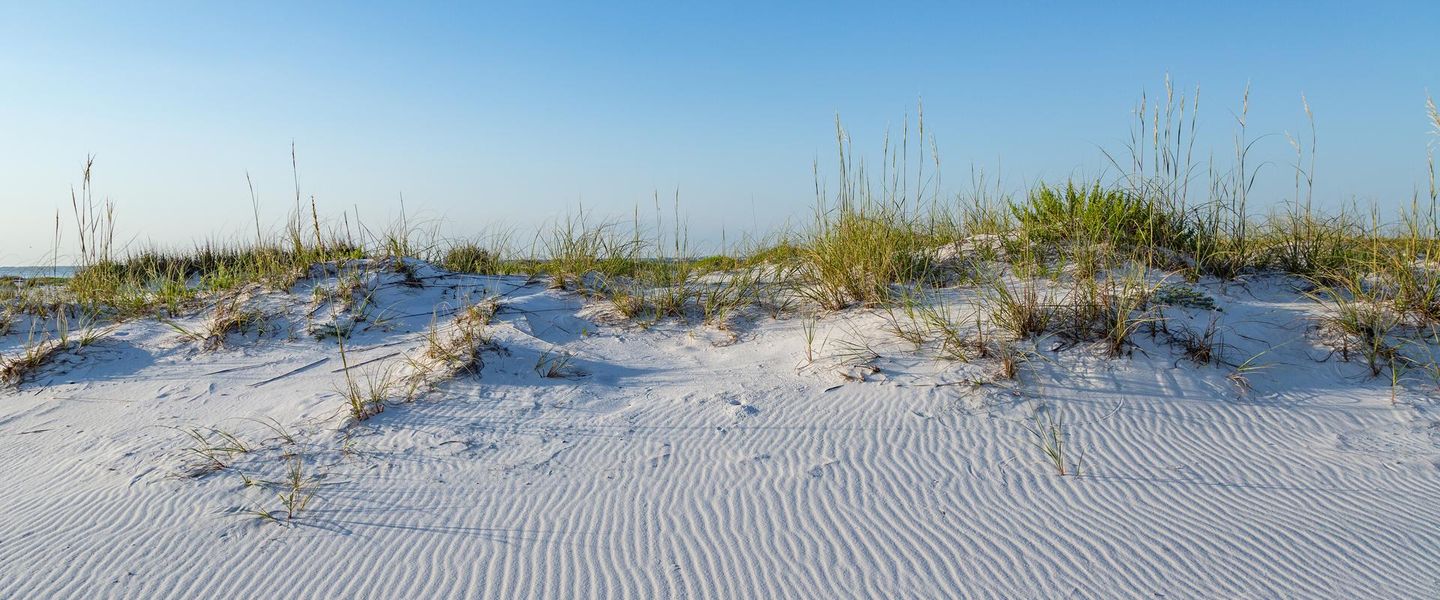


Pensacola, Florida blends Gulf Coast beaches, Spanish colonial history, naval aviation, historic districts, seafood and lively cultural attractions.
Spanish Beginnings and Gulf Coast Character
Pensacola occupies a sheltered bay in Florida’s western Panhandle, where the city’s colonial past, naval heritage and beaches are shaped by the warm waters of the Gulf of Mexico. Spanish explorers established a settlement here in 1559, although a hurricane destroyed it soon afterwards; the permanent city developed later around the deep natural harbour. Today, traces of Spanish, British, French and American rule remain in the historic centre, particularly around Historic Pensacola Village, where preserved buildings and museums explain the city’s layered past.Read more about Pensacola
Historic Streets and Cultural Life
Beaches, Islands and Maritime Landscapes
When is the best time to visit Pensacola?
Best: April, October–November · 21–27°C| Month | High (°C) | Rainfall (mm) |
|---|---|---|
| January | 16 | 120 |
| February | 18 | 130 |
| March | 21 | 140 |
| April (best) | 24 | 120 |
| May | 28 | 130 |
| June | 32 | 180 |
| July | 34 | 200 |
| August | 34 | 210 |
| September | 32 | 180 |
| October (best) | 27 | 130 |
| November (best) | 21 | 120 |
| December | 17 | 130 |
Getting to and around Pensacola
How to get there
Transportation
Best attractions in Pensacola
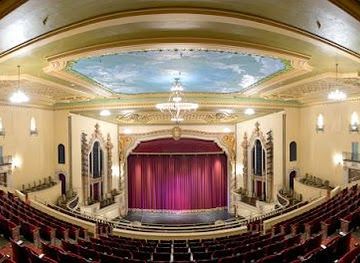
Pensacola’s principal attractions combine coastal scenery with a long maritime and military history. Historic Pensacola Village brings together preserved buildings and museums in the city’s oldest district, while the T.T. Wentworth Jr. Florida State Museum explores regional history, archaeology and everyday life. The National Naval Aviation Museum at Naval Air Station Pensacola displays aircraft and interprets the development of American naval flight, although access to the base should be checked in advance. Across the water, Pensacola Beach offers broad sands, Gulf views and access to sections of Gulf Islands National Seashore, where dunes, shorebirds and historic Fort Pickens create a more spacious landscape. Downtown Palafox Street, Seville Square and the Pensacola Museum of Art provide architecture, culture and independent city life, while the Saenger Theatre adds a beautifully restored setting for performances and community events.
-
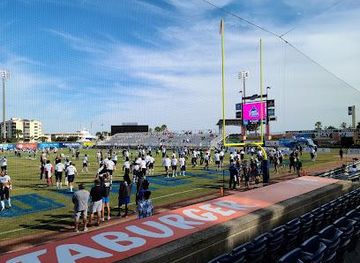
Stadium
Blue Wahoos Stadium featuring Admiral Fetterman Field - Home of the Pensacola Blue Wahoos
Discover the excitement of Blue Wahoos Stadium in Pensacola, where thrilling baseball games meet a vibrant community atmosphere.
6 min drive · 1.9 km from city centre
-
Tourist attraction
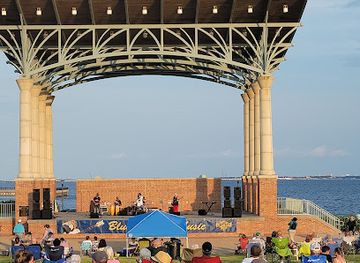
Vince J. Whibbs Sr. Community Maritime Park
Experience the beauty and community spirit at Vince J. Whibbs Sr. Community Maritime Park, a vibrant waterfront destination in downtown Pensacola.
6 min drive · 2.0 km from city centre
-
Performing arts theater
Saenger Theatre Pensacola
Explore the iconic Saenger Theatre in Pensacola, a historic venue offering captivating performances and rich cultural experiences in the heart of Florida.
15 min walk · 1.2 km from city centre
-
Tourist attraction
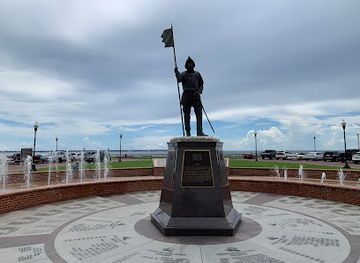
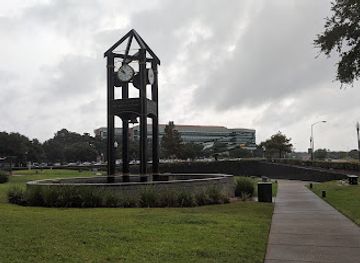
Plaza De Luna Memorial Monument
Discover the serene beauty and historical significance of Plaza De Luna Memorial Monument, a picturesque waterfront gem in Pensacola.
6 min drive · 2.1 km from city centre
Best landmarks in Pensacola
Pensacola’s landmarks reveal its position as a contested colonial port, an American naval centre and a Gulf Coast city. Historic Pensacola Village preserves a group of colonial and nineteenth-century buildings, while nearby Seville Square is one of the city’s oldest public spaces and remains a reference point for the historic district. The Pensacola Lighthouse, on Naval Air Station Pensacola, has guided vessels across the bay since the nineteenth century and is closely associated with the area’s maritime history. Fort Barrancas and nearby Advanced Redoubt, within the national seashore and naval-station landscape, represent the harbour’s layered defensive system. In the centre, the Saenger Theatre is a notable atmospheric venue from the historic theatre tradition, and the Plaza Ferdinand VII commemorates the transfer of Florida from Spain to the United States in 1821.
-
Restaurant
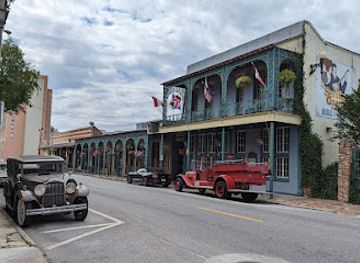
Seville Quarter
Discover the lively Seville Quarter in Pensacola, where great food, themed lounges, and vibrant nightlife converge for an unforgettable experience.
17 min walk · 1.3 km from city centre
-
Monument
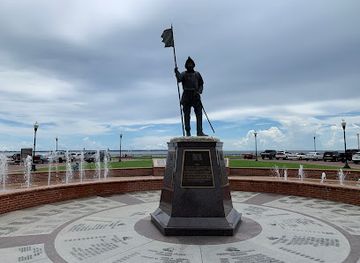
Plaza De Luna Memorial Monument
Explore Plaza De Luna Memorial Monument in Pensacola, where history meets stunning waterfront views—an essential stop for any traveler.
6 min drive · 2.1 km from city centre
-
Tourist attraction
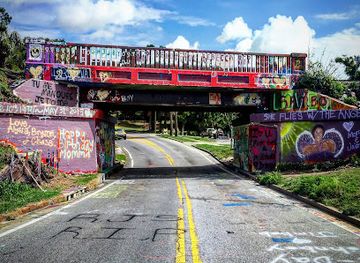
The Graffiti Bridge
Explore the artistic spirit of Pensacola at The Graffiti Bridge, a vibrant landmark that showcases creativity and community through stunning street art.
7 min drive · 2.2 km from city centre
-
Memorial park
Veterans Memorial Park Pensacola
Discover the serene beauty and rich history of Veterans Memorial Park in Pensacola, a tribute to those who served in the military amidst stunning waterfront views.
5 min drive · 1.6 km from city centre
Explore Pensacola on the map
Plan your Pensacola trip on one map. See where the top attractions, landmarks, restaurants, bars and hotels are, find what's near where you're staying, and book hotels and experiences in a few clicks.
Best hotels in Pensacola
Best restaurants in Pensacola
Pensacola’s dining identity is rooted in Gulf seafood and the cooking traditions of the Florida Panhandle. Menus commonly feature oysters, shrimp, crab, fish and other locally influenced coastal dishes, prepared in styles ranging from straightforward grilled seafood to fried platters and modern Southern interpretations. Downtown Palafox Street and the blocks around the historic centre contain much of the city’s concentrated restaurant scene, with cafés, bakeries, bars and dining rooms in converted commercial buildings. Across the bay, Pensacola Beach adds casual waterfront restaurants and seafood-focused venues, while markets and independent shops provide opportunities to sample regional products. The Bushwacker, a sweet rum-based frozen drink associated with the Pensacola area, is a notable local speciality. Dining atmospheres range from informal beach counters to contemporary restaurants, with menus also reflecting the wider Gulf South and the city’s cultural diversity.
-
Seafood
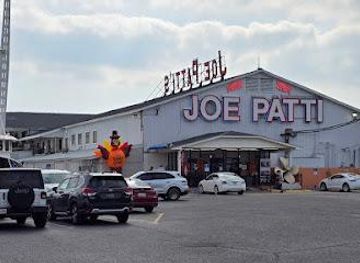
Joe Patti's Seafood
Pensacola's world-famous seafood wonderland: ultra-fresh Gulf catches, steaming stations, sushi bar, gourmet deli, and fine wines for the ultimate foodie feast.
6 min drive · 2.2 km from city centre
-
Irish pub
McGuire's Irish Pub
Discover McGuire's Irish Pub: A blend of authentic Irish cuisine and local craft brews in Pensacola’s lively atmosphere.
18 min walk · 1.4 km from city centre
-
Seafood
The Fish House
Discover exceptional seafood dining at The Fish House in Pensacola - where fresh catches meet breathtaking bay views.
5 min drive · 1.7 km from city centre
-
Seafood
The Oar House
Discover fresh seafood delights at The Oar House in Pensacola - where American flavors meet Caribbean charm in a vibrant setting.
10 min drive · 3.4 km from city centre
Best bars in Pensacola
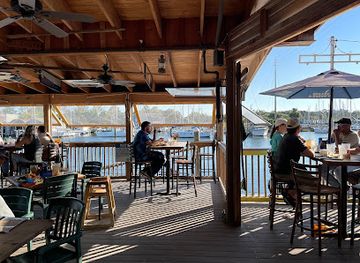
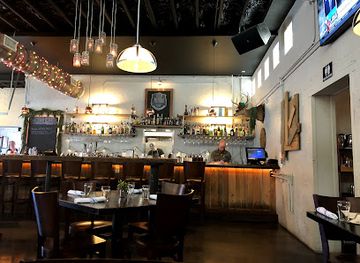
Pensacola’s evening scene is concentrated around downtown Palafox Street, the historic Seville Quarter and nearby blocks, where restored buildings house pubs, cocktail bars, breweries, live-music venues and late-night establishments. Seville Quarter is particularly associated with entertainment in historic surroundings, while downtown venues range from relaxed drinks and outdoor tables to louder music-led nights. The Saenger Theatre and other cultural spaces provide alternatives to bar-based nightlife through concerts, touring performances and community events. Pensacola Beach has its own cluster of casual bars and evening venues, with a more seasonal coastal atmosphere. The city is not a non-stop club destination, and activity varies by weekday and time of year; visitors should follow United States drinking-age laws, carry valid identification and arrange transport responsibly after drinking.
-
Irish pub
McGuire's Irish Pub
Discover McGuire's Irish Pub in Pensacola - a lively spot for authentic Irish cuisine, local brews, and a warm, welcoming atmosphere.
18 min walk · 1.4 km from city centre
-
Restaurant
Seville Quarter
Discover the lively dining and entertainment experience of Seville Quarter, where Southern hospitality meets vibrant nightlife in downtown Pensacola.
17 min walk · 1.3 km from city centre
-
Irish pub
O'Riley's Irish Pub Downtown
Discover the heart of Irish culture at O'Riley's Irish Pub Downtown, where great food, drinks, and live sports come together in a vibrant setting.
18 min walk · 1.4 km from city centre
-
Gastropub
Union Public House
Discover Union Public House in Downtown Pensacola, where comfort food meets craft beverages in a vibrant gastropub setting.
11 min walk · 0.9 km from city centre
Best nightclubs in Pensacola
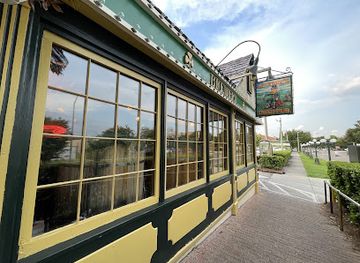
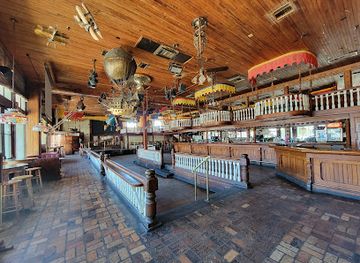
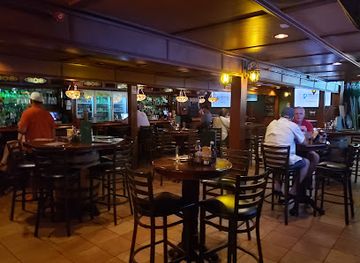
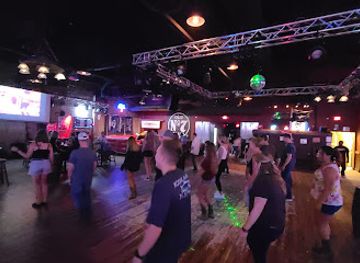
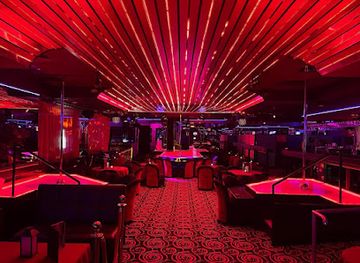
Pensacola’s evening scene is concentrated around downtown Palafox Street, the historic Seville Quarter and nearby blocks, where restored buildings house pubs, cocktail bars, breweries, live-music venues and late-night establishments. Seville Quarter is particularly associated with entertainment in historic surroundings, while downtown venues range from relaxed drinks and outdoor tables to louder music-led nights. The Saenger Theatre and other cultural spaces provide alternatives to bar-based nightlife through concerts, touring performances and community events. Pensacola Beach has its own cluster of casual bars and evening venues, with a more seasonal coastal atmosphere. The city is not a non-stop club destination, and activity varies by weekday and time of year; visitors should follow United States drinking-age laws, carry valid identification and arrange transport responsibly after drinking.
-
Restaurant
Seville Quarter
Experience the vibrant nightlife and diverse dining options at Seville Quarter in downtown Pensacola, where fun and flavor meet.
17 min walk · 1.3 km from city centre
-
Night club
Blend Lounge
Experience the vibrant nightlife of Pensacola at Blend Lounge, where craft cocktails and a lively atmosphere await every visitor.
16 min walk · 1.2 km from city centre
-
Bar
Wild Greg's Saloon
Discover the lively nightlife at Wild Greg's Saloon, a premier bar in Downtown Pensacola, offering live music, great drinks, and vibrant atmosphere.
13 min walk · 1.0 km from city centre
-
Night club
The Pony - Pensacola Gentlemen's Club
Discover the vibrant nightlife at The Pony - Pensacola Gentlemen's Club, where captivating performances meet a lively atmosphere for an unforgettable experience.
16 min walk · 1.3 km from city centre


Best shops in Pensacola
Shopping in Pensacola ranges from independent city-centre businesses to beachside souvenirs and practical coastal goods. Palafox Street and the surrounding downtown blocks contain boutiques, galleries, bookshops, speciality retailers and locally made items in historic commercial buildings. The Pensacola Palafox Market, held on scheduled dates, brings together regional produce, prepared food, crafts and small creative businesses, although its days and scale can vary. The historic centre provides opportunities to browse art, heritage-themed goods and Florida products, while Pensacola Beach focuses more on relaxed clothing, beach equipment, gifts and shell-inspired souvenirs. Visitors seeking authentic purchases should look for Gulf seafood products, regional foodstuffs, local artwork and handmade crafts rather than relying exclusively on mass-produced beach memorabilia. The city’s retail character is strongest where independent businesses, galleries and restaurants overlap around the central historic streets.
-
Shopping mall
Cordova Mall
Discover a shopper's paradise at Cordova Mall in Pensacola, offering diverse stores, dining, and entertainment for all ages.
18 min drive · 6.1 km from city centre
-
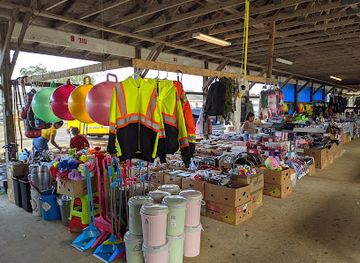
Flea market
T&W Flea Market
Explore the vibrant T&W Flea Market in Pensacola, where antiques, fresh produce, and unique finds await every curious traveler.
9 min drive · 3.1 km from city centre
-
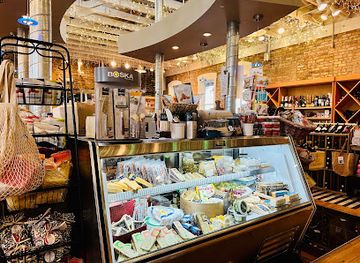
Coffee shop
Bodacious Shops
Discover the heart of Pensacola at Bodacious Shops, where gourmet delights meet unique shopping in a vibrant atmosphere.
5 min drive · 1.5 km from city centre
-
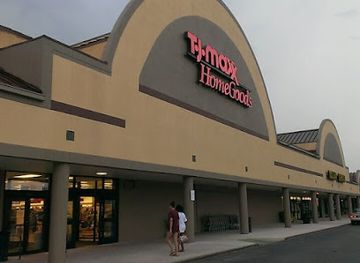
Shopping mall
Tradewinds Shopping Center
Explore the vibrant Tradewinds Shopping Center in Pensacola, FL - a shopping paradise with diverse stores and delightful dining options.
23 min drive · 7.7 km from city centre
Get your free copy of our complete guide to Pensacola, delivered straight to you.
Everything on this page, from attractions and restaurants to essentials and local phrases, in one PDF you can read offline, print or share.
Already have an account? Sign in
Your Pensacola guide is ready.
We'll send it to · Not you? Sign out

Getting your guide ready…
We are putting together a fresh copy of the Pensacola guide. This can take up to a minute.
This can take a few moments. If your browser asks, choose Allow so the download can start. You'll find the guide in your Downloads folder.
Nothing happened? Download it again
Sorry, the guide is taking longer than usual. Please try again in a minute, or get it by email instead.
Pensacola essentials
Currency and Payment
Safety
Emergency Situations
Do's and Don'ts
Local Tips
From Eve
Local phrases worth knowing
You don't need to get them perfect. A few words go a long way, and locals appreciate the effort.
Basics
| English | Local | Say it |
|---|---|---|
| Hello | Howdy | [haw-dee] |
| Goodbye | See ya | [see yuh] |
| Yes | Yep | [yep] |
| No | Nah | [na] |
| Please/You're welcome | Please | [pleez] |
| Thank you | Thanks | [thanks] |
| Excuse me/Sorry | Sorry | [sor-ee] |
| How are you? | How y'all doin'? | [haw yawl doo-in] |
| Fine. And you? | Fine. And you? | [fine. and yuh?] |
| Do you speak English? | Ya speak English? | [ya speak ing-glish] |
| I don't understand | I dunno | [ah dun-no] |
Eating & Drinking
| English | Local | Say it |
|---|---|---|
| I'd like to see the menu, please | Lemme see the menu, please | [leh-mee see the menu, please] |
| I don't eat meat | I don't eat meat | [ah don't eat meat] |
| Cheers! | Cheers! | [cheers] |
| I would like to pay, please | Check, please | [check, please] |
Emergencies
| English | Local | Say it |
|---|---|---|
| Help! | Help! | [help] |
| Go away! | Git! | [git] |
| Call the Police! | Call the cops! | [call the cops] |
| Call a doctor! | Call a doc! | [call a doc] |
| I'm lost | I'm lost | [ahm lost] |
| I'm ill | I'm sick | [ahm sik] |
Shopping
| English | Local | Say it |
|---|---|---|
| I'd like to buy... | I wanna buy... | [ah wanna buy] |
| I'm just looking | I'm just browsing | [ahm just browsin'] |
| How much is it? | How much? | [how much?] |
| That's too expensive | Too pricey | [too pry-see] |
| Can you lower the price? | Can ya do any better on the price? | [can yuh do any bet-ter on the price?] |
Time & Numbers
| English | Local | Say it |
|---|---|---|
| What time is it? | What time is it? | [what time is it] |
| It's one o'clock | It's one | [its one] |
| Half past (10) | Half past (10) | [half past ten] |
| Morning | Morning | [mornin'] |
| Afternoon | Afternoon | [afternoon] |
| Evening | Evening | [evenin'] |
| Yesterday | Yesterday | [yesterday] |
| Today | Today | [today] |
| Tomorrow | Tomorrow | [tomorrow] |
| 1 | One | [wun] |
| 2 | Two | [too] |
| 3 | Three | [three] |
| 4 | Four | [four] |
| 5 | Five | [five] |
| 6 | Six | [six] |
| 7 | Seven | [seven] |
| 8 | Eight | [eight] |
| 9 | Nine | [nine] |
| 10 | Ten | [ten] |
Transport & Directions
| English | Local | Say it |
|---|---|---|
| Where's a/the...? | Where's the...? | [wheres the] |
| What's the address? | What's the address? | [whats the address] |
| Can you show me (on the map)? | Can you show me (on the map)? | [can you show me] |
| When's the next (bus)? | When's the next (bus)? | [whens the next bus] |
| A ticket (to ....) | A ticket (to ....) | [a ticket to] |
History of Pensacola
The First Spanish Settlement
In 1559, Spanish explorer Tristán de Luna y Arellano led an expedition that established a settlement on Pensacola Bay, then known as Ochuse. A hurricane scattered the fleet and destroyed much of the colony, and the settlement was abandoned after severe hardship. Although St Augustine’s 1565 foundation is generally recognised as the oldest continuously occupied European-established settlement in the continental United States, Pensacola’s failed colony remains an important early chapter in the history of European activity on the Gulf Coast. The bay’s strategic harbour and access to the interior ensured that the area retained long-term importance even after the first settlement disappeared.
Spanish Colonial Pensacola
A permanent Spanish town was established at Pensacola in 1698, reflecting Spain’s determination to secure the northern Gulf Coast from competing European powers. The settlement developed around the bay and became a centre of maritime commerce, military administration and Catholic influence. Its position exposed it to storms, fire and rivalry, but the harbour supported continued occupation. Archaeological evidence and surviving structures in the historic district help interpret this period, while the layout of central Pensacola still reflects the importance of the waterfront and the compact colonial town.
British Rule and Revolutionary Conflict
Britain acquired Pensacola from Spain in 1763 after the Seven Years’ War and made it the capital of British West Florida. British rule brought new administrative arrangements and commercial links, but Spanish forces captured the town in 1781 during the American Revolutionary War. Spain regained control until the United States took possession of West Florida in 1821. The city’s succession of imperial governments gave rise to the phrase ‘City of Five Flags’, referring to Spanish, French, British, Confederate and United States rule, although the exact historical interpretation of the flags is sometimes presented differently.
An American Port and Naval Town
After becoming part of the United States, Pensacola expanded as a Gulf port connected to timber, cotton, fishing and maritime trade. Fortifications around the harbour reflected the city’s strategic value, while the navy established a presence that would shape local life for generations. During the American Civil War, Confederate forces held Pensacola early in the conflict, and fighting affected nearby forts and the naval yard. The city’s economy and population later grew through shipping, rail links, commercial development and the continuing importance of Pensacola Bay.
Naval Aviation Takes Flight
Naval Air Station Pensacola was established in 1914 and became the United States Navy’s first permanent naval air station. Its training role helped transform Pensacola into a national centre for military aviation, while the base also supported technical innovation and wartime operations. The National Naval Aviation Museum preserves aircraft and interprets this history, and the Blue Angels, founded in 1946, maintain a highly visible connection between the city and naval flight. Aviation remains one of Pensacola’s defining cultural and economic links.
Civil Rights and Modern Pensacola
Pensacola’s modern history includes important struggles over racial segregation and civil rights. In 1972, a peaceful civil-rights demonstration at the Escambia County Courthouse was met with violence in an event remembered as the Bloody Sunday of Pensacola. The episode forms part of the wider history of African American activism in Florida and the United States. Since the late twentieth century, downtown revitalisation, heritage preservation, tourism, military aviation and beach development have reshaped the city while its historic centre and waterfront continue to connect contemporary Pensacola with its complex past.
Pensacola in Photos
Browse through our photo collection highlighting the charm and character of the destination.
Cities near Pensacola
The closest cities to Pensacola, if you have time for more than one stop.
-

-
-

-

-


Swipe for more cities
Explore more

Explore more of Florida
Discover Florida: A Sunshine State full of dazzling beaches, iconic theme parks, rich history, and stunning natural parks, offering endless adventures for every traveler.
Explore Florida