

Free Panama City Beach Travel Guide & Mobile App
Plan your Panama City Beach trip with Evendo. Get free guides to top attractions, restaurants, hotels, and bars. Web access or download the mobile app.


Panama City Beach, Florida, pairs sugar-white Gulf beaches with St Andrews State Park, lively Pier Park, water sports and relaxed coastal culture.
Gulf Shores and Barrier Islands
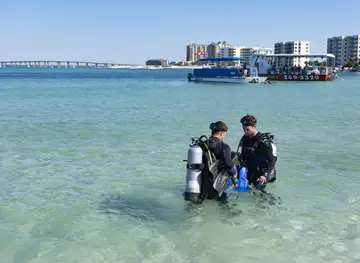
Panama City Beach stretches along Florida’s north-western Gulf Coast, where pale quartz sand meets clear, emerald-tinted water. The city occupies a long barrier-island shoreline and is best known for its broad public beaches, warm-water swimming and easy access to boating, paddleboarding, fishing and dolphin-spotting excursions. Although often associated with lively spring-break crowds, its character changes considerably by season and neighbourhood, with quieter stretches of sand, family attractions and nature reserves balancing the busier entertainment areas.Read more about Panama City Beach
Coastal Recreation and City Life
Nature, Memory and the Gulf
When is the best time to visit Panama City Beach?
Best: March–April, November · 21–25°C| Month | High (°C) | Rainfall (mm) |
|---|---|---|
| January | 17 | 102 |
| February | 19 | 107 |
| March (best) | 22 | 122 |
| April (best) | 25 | 91 |
| May | 29 | 127 |
| June | 32 | 175 |
| July | 33 | 206 |
| August | 33 | 215 |
| September | 31 | 216 |
| October | 27 | 142 |
| November (best) | 21 | 98 |
| December | 17 | 103 |
Getting to and around Panama City Beach
How to get there
Transportation
Best attractions in Panama City Beach
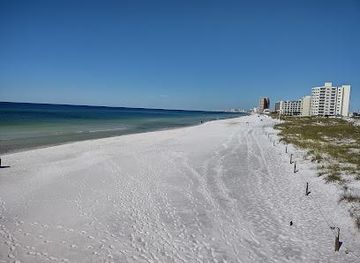
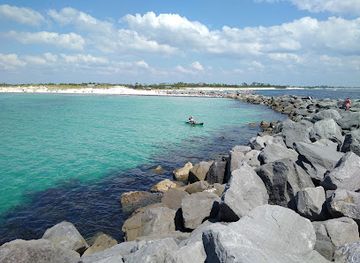
Panama City Beach’s principal attraction is its long Gulf shoreline, where public access points lead to broad quartz-sand beaches suited to swimming, walking and sunset watching. St Andrews State Park provides a more natural setting, with dunes, pine woodland, lagoons and beaches near the entrance to St Andrews Bay; boat excursions commonly continue towards Shell Island, an undeveloped barrier island. At the centre of the resort corridor, Pier Park combines shops, restaurants, entertainment and the SkyWheel with easy access to the beachfront. Conservation Park offers walking trails through wetlands and flatwoods, while the Man in the Sea Museum explores the history of underwater diving through equipment and exhibits. ZooWorld Zoological Park provides a family-oriented animal attraction, and water-sports operators around the coast offer opportunities for paddleboarding, kayaking, fishing and dolphin-focused excursions subject to weather and local conditions.
-
Shopping mall
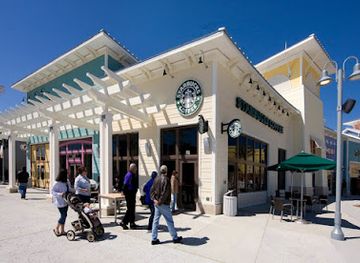
Pier Park
Explore Pier Park in Panama City Beach, a vibrant shopping and entertainment hub offering diverse shops, dining, and stunning coastal views.
24 min drive · 8.0 km from city centre
-
State park
St. Andrews State Park
Discover the pristine beaches, rich wildlife, and endless adventures at St. Andrews State Park in Panama City, Florida.
25 min drive · 8.3 km from city centre
-
State park
St. Andrews State Park
Explore St. Andrews State Park: A paradise of beaches, wildlife, and outdoor adventure on Florida's Gulf Coast.
25 min drive · 8.3 km from city centre
-
Tourist attraction
M.B. Miller County Pier
Explore M.B. Miller County Pier, a scenic destination in Panama City Beach for fishing, breathtaking views, and a perfect sunset experience.
9 min drive · 2.9 km from city centre
Best landmarks in Panama City Beach
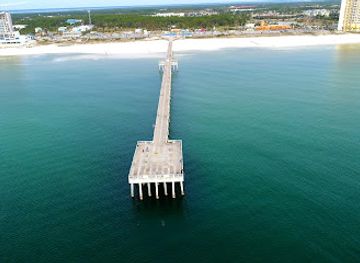
The most representative landmarks of Panama City Beach are closely tied to its coastal setting. The Russell-Fields Pier is a prominent structure on the central beach, extending into the Gulf and associated with fishing, sea views and the city’s recreational identity. St Andrews State Park is significant as a protected landscape at the meeting of the Gulf, St Andrews Bay and Grand Lagoon, with historic military associations reflected in the park’s former defensive setting and surviving coastal infrastructure. The Man in the Sea Museum is a distinctive cultural landmark devoted to the development of diving technology and underwater exploration. At Pier Park, the SkyWheel and large entertainment complex form a modern visual marker for the resort district, while the city’s dunes and broad public beaches remain its most enduring natural landmarks.
-
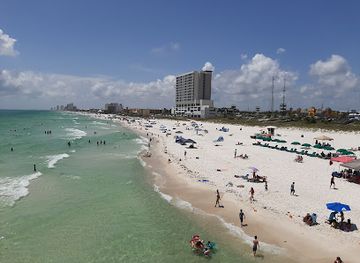
Fishing pier
M.B. Miller County Pier
Explore the stunning M.B. Miller County Pier in Panama City Beach, where breathtaking views and unforgettable fishing experiences await you.
9 min drive · 2.9 km from city centre
-
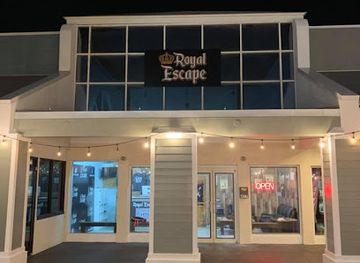
Escape room center
Royal Escape Rooms
Experience the thrill of puzzle-solving and teamwork at Royal Escape Rooms in Panama City Beach, where adventure awaits every visitor.
5 min drive · 1.5 km from city centre
-
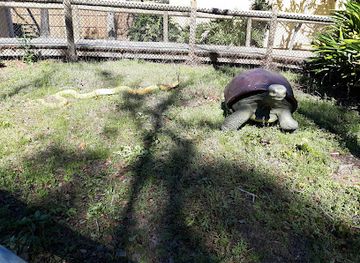
Zoo
ZooWorld Zoological Park
Experience the thrill of wildlife at ZooWorld Zoological Park in Panama City Beach, where education meets adventure for all ages.
6 min drive · 1.9 km from city centre
-
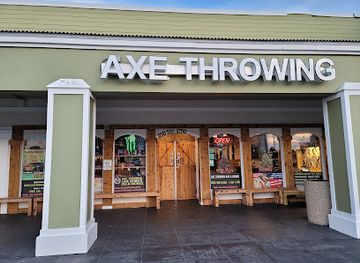
Adventure sports
Axe Throwing PCB
Discover the exhilarating world of axe throwing at Axe Throwing PCB in Panama City Beach, an adventure sports hub for all skill levels.
18 min walk · 1.4 km from city centre
Explore Panama City Beach on the map
Plan your Panama City Beach trip on one map. See where the top attractions, landmarks, restaurants, bars and hotels are, find what's near where you're staying, and book hotels and experiences in a few clicks.
Best hotels in Panama City Beach
Best restaurants in Panama City Beach
Panama City Beach’s dining scene is shaped by the Gulf, with seafood restaurants serving shrimp, oysters, grouper, crab and locally influenced fish dishes alongside familiar Southern and American coastal cooking. Casual beachfront venues, seafood shacks, cafés and family restaurants are concentrated around Front Beach Road, Pier Park and the older commercial stretches of the resort corridor. Flavours may include fried seafood, fish sandwiches, hush puppies, smoked preparations and dishes drawing on the broader Florida Panhandle tradition. Mexican, Italian, Asian and other international cuisines add variety for visitors staying several days, while breakfast cafés and ice-cream shops reflect the holiday economy. Waterfront dining ranges from informal views over the sand to more polished restaurants around Pier Park, though menus and individual businesses change seasonally. Local seafood sourcing and responsible choices can vary, so diners should ask about provenance where that matters to them.
-
Restaurant
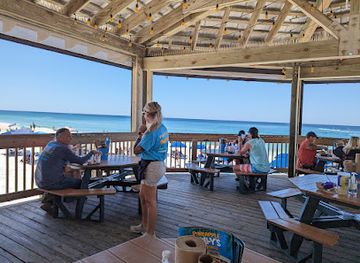
Pineapple Willy's Restaurant
Experience delightful seafood and breathtaking views at Pineapple Willy's Restaurant in Panama City Beach – where great food meets vibrant atmosphere.
2 min walk · 0.2 km from city centre
-
Restaurant
Sharky's Beachfront Restaurant
Experience fresh seafood and stunning Gulf views at Sharky's Beachfront Restaurant in Panama City Beach.
20 min drive · 6.6 km from city centre
-
Seafood
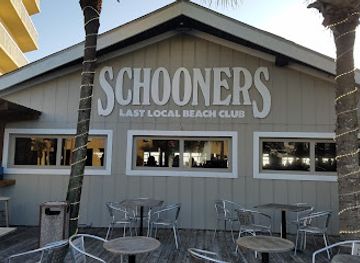
Schooners
Experience fresh seafood and breathtaking Gulf views at Schooners - Panama City's premier seaside restaurant.
19 min drive · 6.3 km from city centre
-
Cajun
Dat Cajun Place Cafe
Experience authentic Cajun cuisine in Panama City at Dat Cajun Place Cafe - where every bite tells a story!
17 min drive · 5.7 km from city centre
Best bars in Panama City Beach
Evenings in Panama City Beach range from relaxed beachfront drinks and live music to late-night entertainment along Front Beach Road and around Pier Park. The city’s nightlife is strongly seasonal, with larger crowds during spring-break periods, summer holidays and festival weekends, while other times of year feel considerably quieter. Bars commonly combine Gulf views, outdoor seating, televised sport, live bands and casual food, and Pier Park adds cinemas, family entertainment and venues suited to an early evening rather than a nightclub-focused night. Visitors will also find karaoke, dance-oriented venues and event entertainment, though the exact choice changes over time. Drink-driving laws are strictly enforced, and beach and public-place alcohol rules should be checked locally; quieter evenings can centre on sunset walks, music performances or dining rather than clubs.
-
Restaurant
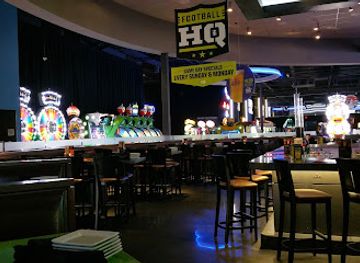
Dave & Buster's Panama City Beach
Experience the excitement of games, delicious food, and vibrant nightlife at Dave & Buster's Panama City Beach, where fun meets flavor.
24 min drive · 8.0 km from city centre
-
Grill
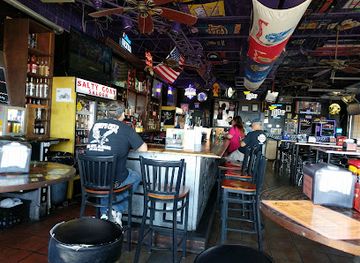
Salty Goat Saloon
Discover the lively atmosphere of Salty Goat Saloon, a top grill and bar in Panama City Beach, offering great food, drinks, and live music.
12 min drive · 3.9 km from city centre
-
Grill
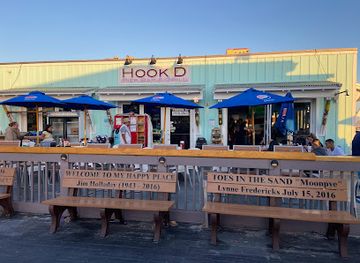
Hook'd Pier Bar & Grill
Savor fresh seafood and grilled delights at Hook'd Pier Bar & Grill, the ultimate beachside dining experience in Panama City Beach.
24 min drive · 8.1 km from city centre
-
Restaurant
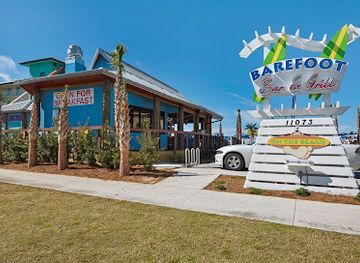
Barefoot On The Beach
Discover the flavors of coastal dining at Barefoot On The Beach, a picturesque restaurant with stunning ocean views in Panama City Beach.
15 min walk · 1.2 km from city centre
Best nightclubs in Panama City Beach
Evenings in Panama City Beach range from relaxed beachfront drinks and live music to late-night entertainment along Front Beach Road and around Pier Park. The city’s nightlife is strongly seasonal, with larger crowds during spring-break periods, summer holidays and festival weekends, while other times of year feel considerably quieter. Bars commonly combine Gulf views, outdoor seating, televised sport, live bands and casual food, and Pier Park adds cinemas, family entertainment and venues suited to an early evening rather than a nightclub-focused night. Visitors will also find karaoke, dance-oriented venues and event entertainment, though the exact choice changes over time. Drink-driving laws are strictly enforced, and beach and public-place alcohol rules should be checked locally; quieter evenings can centre on sunset walks, music performances or dining rather than clubs.
-
Night club
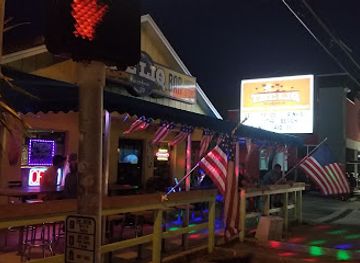
Coyote Ugly Saloon
Dive into the electrifying nightlife at Coyote Ugly Saloon, where unforgettable moments, lively music, and spirited bartenders create the ultimate party atmosphere.
3 min walk · 0.3 km from city centre
-
Night club
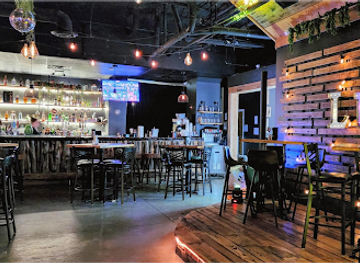
The Liq
Experience the vibrant nightlife at The Liq in Panama City Beach, where great drinks, live music, and a lively atmosphere await you.
13 min walk · 1.0 km from city centre
-
Night club
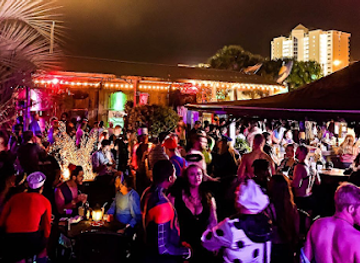
Splash Bar Florida
Discover the electrifying nightlife at Splash Bar Florida, a vibrant night club where dance, drinks, and fun collide in Panama City Beach.
13 min drive · 4.5 km from city centre
-
Restaurant
LuLu's Bar & Resto
Experience the lively atmosphere at LuLu's Bar & Resto in Panama City Beach - where delicious food meets vibrant nightlife and live entertainment.
1 min walk · 0.1 km from city centre
Best shops in Panama City Beach
Shopping in Panama City Beach is concentrated in modern commercial areas rather than historic market streets. Pier Park is the principal shopping and entertainment district, with national retailers, specialist shops, restaurants and visitor-oriented businesses in a walkable open-air setting close to the beach. The area around Front Beach Road and the city’s larger road junctions contains additional surf shops, beachwear outlets, souvenir stores and convenience shopping. Visitors can find seashell-themed gifts, coastal décor, swimwear, fishing equipment, locally branded clothing and packaged regional food products, although quality and authenticity vary between retailers. Small independent businesses offer a more personal alternative to the larger commercial centres, while nearby Panama City has further everyday shopping options. Because the city is a resort destination, seasonal merchandise and opening patterns can change, and sales tax is added to displayed prices at the point of purchase.
-
Shopping mall
Pier Park
Discover the ultimate shopping experience at Pier Park, where retail therapy meets breathtaking coastal views in Panama City Beach, Florida.
24 min drive · 8.0 km from city centre
-
Gift shop
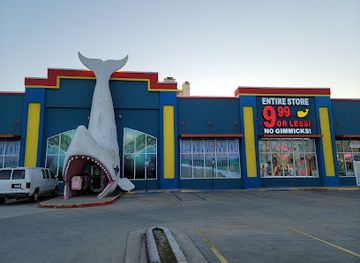
Moby Dick's
Explore Moby Dick's Gift Shop for unique souvenirs and local treasures that capture the charm of Panama City Beach, Florida.
6 min drive · 2.1 km from city centre
-
Shopping mall
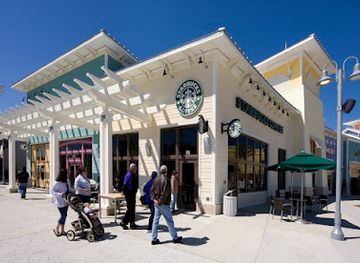
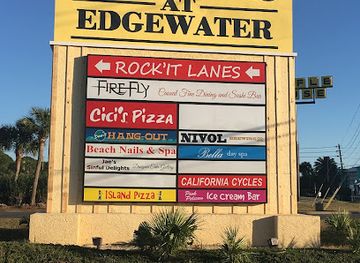
Shoppes At Edgewater
Experience shopping, dining, and entertainment at the Shoppes At Edgewater in Panama City Beach, Florida – a perfect destination for everyone.
19 min walk · 1.5 km from city centre
-
Tobacco shop
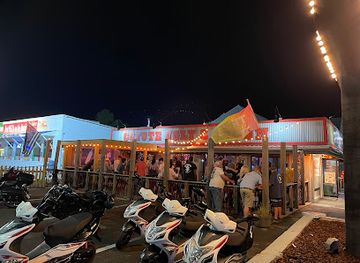
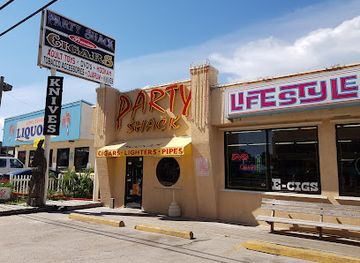
Party Shack Lifestyle Gifts
Explore Party Shack Lifestyle Gifts in Panama City Beach for unique tobacco products and collectible treasures that reflect local culture.
7 min walk · 0.5 km from city centre
Get your free copy of our complete guide to Panama City Beach, delivered straight to you.
Everything on this page, from attractions and restaurants to essentials and local phrases, in one PDF you can read offline, print or share.
Already have an account? Sign in
Your Panama City Beach guide is ready.
We'll send it to · Not you? Sign out

Getting your guide ready…
We are putting together a fresh copy of the Panama City Beach guide. This can take up to a minute.
This can take a few moments. If your browser asks, choose Allow so the download can start. You'll find the guide in your Downloads folder.
Nothing happened? Download it again
Sorry, the guide is taking longer than usual. Please try again in a minute, or get it by email instead.
Panama City Beach essentials
Currency and Payment
Safety
Emergency Situations
Do's and Don'ts
Local Tips
From Eve
Local phrases worth knowing
You don't need to get them perfect. A few words go a long way, and locals appreciate the effort.
Basics
| English | Local | Say it |
|---|---|---|
| Hello | Hola | [oh-lah] |
| Goodbye | Adiós | [ah-dee-ohs] |
| Yes | Sí | [see] |
| No | No | [noh] |
| Please/You're welcome | Por favor/De nada | [por fah-vor/deh nah-dah] |
| Thank you | Gracias | [grah-see-ahs] |
| Excuse me/Sorry | Perdón/Lo siento | [pair-dohn/loh see-en-toh] |
| How are you? | ¿Cómo estás? | [koh-moh ehs-tahs] |
| Fine. And you? | Bien. ¿Y tú? | [byen. ee too] |
| Do you speak English? | ¿Hablas inglés? | [ah-blahs een-glehs] |
| I don't understand | No entiendo | [noh ehn-tee-ehn-doh] |
Eating & Drinking
| English | Local | Say it |
|---|---|---|
| I'd like to see the menu, please | Me gustaría ver el menú, por favor | [may goo-stah-ree-ah vehr ehl men-oo, por fah-vor] |
| I don't eat meat | No como carne | [noh koh-moh kahr-neh] |
| Cheers! | ¡Salud! | [sah-lood] |
| I would like to pay, please | Me gustaría pagar, por favor | [may goo-stah-ree-ah pah-gar, por fah-vor] |
Emergencies
| English | Local | Say it |
|---|---|---|
| Help! | ¡Ayuda! | [ah-yoo-dah] |
| Go away! | ¡Vete! | [veh-teh] |
| Call the Police! | ¡Llama a la Policía! | [yah-mah ah lah poh-lee-see-ah] |
| Call a doctor! | ¡Llama a un médico! | [yah-mah ah oon meh-dee-koh] |
| I'm lost | Estoy perdido | [ehs-toy pair-dee-doh] |
| I'm ill | Estoy enfermo | [ehs-toy ehn-fehr-moh] |
Shopping
| English | Local | Say it |
|---|---|---|
| I'd like to buy... | Me gustaría comprar... | [may goo-stah-ree-ah kohm-prar...] |
| I'm just looking | Solo estoy mirando | [soh-loh ehs-toy mee-rahn-doh] |
| How much is it? | ¿Cuánto cuesta? | [kwan-toh kwehs-tah] |
| That's too expensive | Eso es demasiado caro | [eh-soh ehs deh-mah-see-ah-doh kah-roh] |
| Can you lower the price? | ¿Puedes bajar el precio? | [pweh-dehs bah-har ehl pree-syoh] |
Time & Numbers
| English | Local | Say it |
|---|---|---|
| What time is it? | ¿Qué hora es? | [keh oh-rah ehs] |
| It's one o'clock | Es la una | [ehs lah oo-nah] |
| Half past (10) | Son las diez y media | [sohn lahs dyehs ee meh-dee-ah] |
| Morning | Mañana | [mah-nyah-nah] |
| Afternoon | Tarde | [tahr-deh] |
| Evening | Noche | [noh-cheh] |
| Yesterday | Ayer | [ah-yehr] |
| Today | Hoy | [oy] |
| Tomorrow | Mañana | [mah-nyah-nah] |
| 1 | Uno | [oo-noh] |
| 2 | Dos | [dohs] |
| 3 | Tres | [trehs] |
| 4 | Cuatro | [kwah-troh] |
| 5 | Cinco | [seen-koh] |
| 6 | Seis | [says] |
| 7 | Siete | [syeh-teh] |
| 8 | Ocho | [oh-choh] |
| 9 | Nueve | [nweh-veh] |
| 10 | Diez | [dyehs] |
Transport & Directions
| English | Local | Say it |
|---|---|---|
| Where's a/the...? | ¿Dónde está...? | [dohn-deh ehs-tah] |
| What's the address? | ¿Cuál es la dirección? | [kwal ehs lah dee-rehk-syohn] |
| Can you show me (on the map)? | ¿Puedes mostrarme (en el mapa)? | [pweh-dehs mohs-trar-meh (ehn ehl mah-pah)] |
| When's the next (bus)? | ¿Cuándo es el próximo (autobús)? | [kwan-doh ehs ehl proh-ksee-moh (ow-toh-boos)] |
| A ticket (to ....) | Un boleto (a ...) | [oon boh-leh-toh (ah ...)] |
History of Panama City Beach
Indigenous Coast and St Andrews Bay
The Panama City Beach area lies within a wider north-west Florida coast shaped by Indigenous peoples, including communities associated with the broader Creek and Apalachee cultural world. The shoreline, bays and freshwater wetlands supported fishing, hunting and movement long before modern resort development. St Andrews Bay became an important geographical feature because its sheltered waters contrasted with the exposed Gulf coast. European exploration and later colonial settlement altered Indigenous lifeways through disease, displacement and changing land ownership, but the coastal environment remained the central influence on settlement. The barrier islands, dunes and bay still provide the physical framework for understanding the area’s history.
Early Settlement and Bay Commerce
During the nineteenth century, the wider St Andrews Bay region developed through small settlements, fishing, timber extraction and maritime trade rather than through a large urban centre on the beach. The bay offered sheltered anchorage, while the Gulf shoreline remained comparatively difficult to access and sparsely developed. Communities around the water exchanged timber, seafood and agricultural products, and transport by boat was important before modern roads connected the coast more efficiently. What is now Panama City Beach was largely a landscape of dunes, scrub, pine woodland and wetlands, with limited permanent construction. This low-density pattern would change only when improved roads and automobiles made the beaches accessible to holidaymakers.
Roads, Beach Tourism and Development
The growth of automobile travel in the twentieth century transformed the barrier-island coast. Roads, holiday cottages, motels and recreational businesses gradually brought visitors to beaches that had previously been difficult to reach. The area’s long shoreline, mild climate and fishing waters encouraged a tourism economy based on swimming, boating and seasonal accommodation. Development accelerated after the Second World War, as Florida’s expanding road network and rising leisure travel made Gulf Coast holidays more widely available. Commercial strips and residential subdivisions spread along the beach, creating the broad resort corridor that now characterises Panama City Beach while leaving protected areas such as St Andrews State Park comparatively undeveloped.
Incorporation as Panama City Beach
Panama City Beach was incorporated as a municipality in 1970, establishing local government for the developed beach communities west of Panama City. Its identity was tied to the Gulf shoreline rather than to the inland city across St Andrews Bay, and planning, roads, public services and tourism management became increasingly important as visitor numbers rose. Hotels, condominiums, restaurants and entertainment venues expanded along Front Beach Road and nearby commercial corridors. The new city inherited a landscape where private resort construction existed alongside public beaches, dunes and maritime habitats, creating continuing practical questions about access, storm resilience, environmental protection and the pressures of seasonal growth.
A Modern Gulf Coast Resort
In the late twentieth and early twenty-first centuries, Panama City Beach developed into one of the best-known holiday centres on Florida’s Panhandle. Pier Park added a major concentration of retail, dining and entertainment, while parks and conservation areas preserved access to coastal ecosystems. Tourism has also brought seasonal fluctuations, traffic and concerns about dune protection, storm damage and beach management. The city has endured powerful Gulf hurricanes, including Hurricane Michael in 2018, whose wider regional impact was severe and whose destruction prompted extensive rebuilding across Bay County. Present-day Panama City Beach reflects both its resort economy and the continuing vulnerability of a community built along a dynamic barrier coast.
Panama City Beach in Photos
Browse through our photo collection highlighting the charm and character of the destination.
Cities near Panama City Beach
The closest cities to Panama City Beach, if you have time for more than one stop.
-
-

-

-

-


Swipe for more cities
Explore more

Explore more of Florida
Discover Florida: A Sunshine State full of dazzling beaches, iconic theme parks, rich history, and stunning natural parks, offering endless adventures for every traveler.
Explore Florida